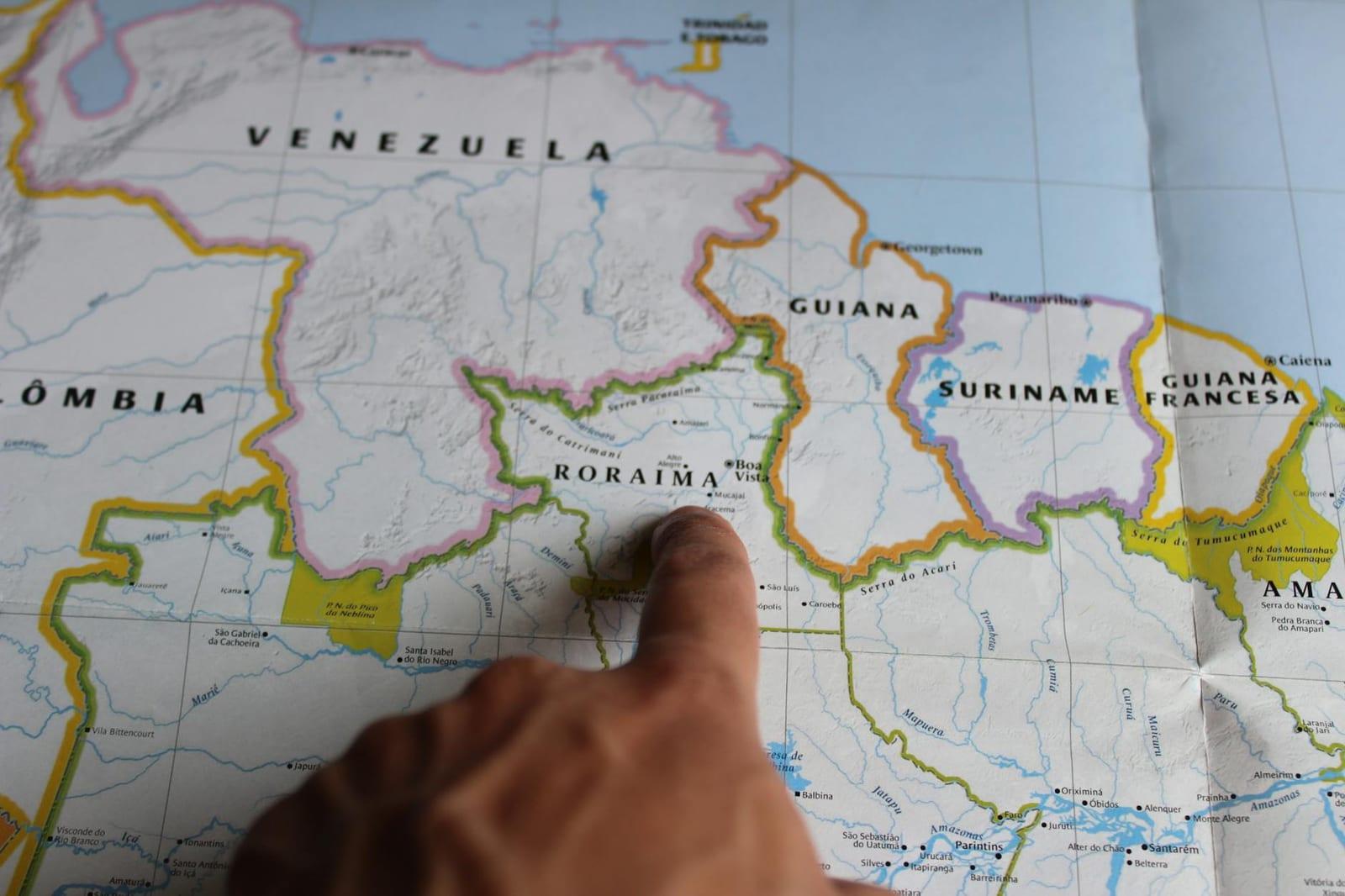
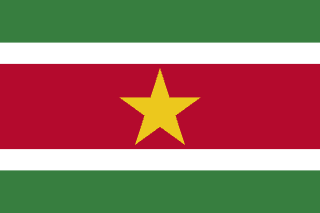
South America’s smallest country, Suriname is also among its most captivating destinations. Lightly populated but amazingly multicultural, possessed of handsome colonial architecture and enormous tracts of rainforest wilderness both, this is an adventurer’s dream destination.
Situated on the continent’s northern coast, Suriname descends from rainforest- and savanna-clad uplands in the south to the river-laced mangrove lowlands of the coastal plain, where most Surinamese live. The Dutch, who gained Suriname from the British in exchange for Manhattan Island, brought in African slaves and, later, Indian, Chinese, Indonesian, and Middle Eastern laborers to work their plantations; these ethnic strains have persisted, contributing the country’s remarkable hodgepodge of language, cuisine, and customs.
Between the Dutch architecture, the Hindu temples, the Chinese markets, the Maroon and Amerindian hunter-gatherers, and the Creole lingo, Surinamese society is more multi-stranded than many much larger countries. And as in all such melting pots, food well represents the diversity: So be sure to come with an empty stomach and an open mind.
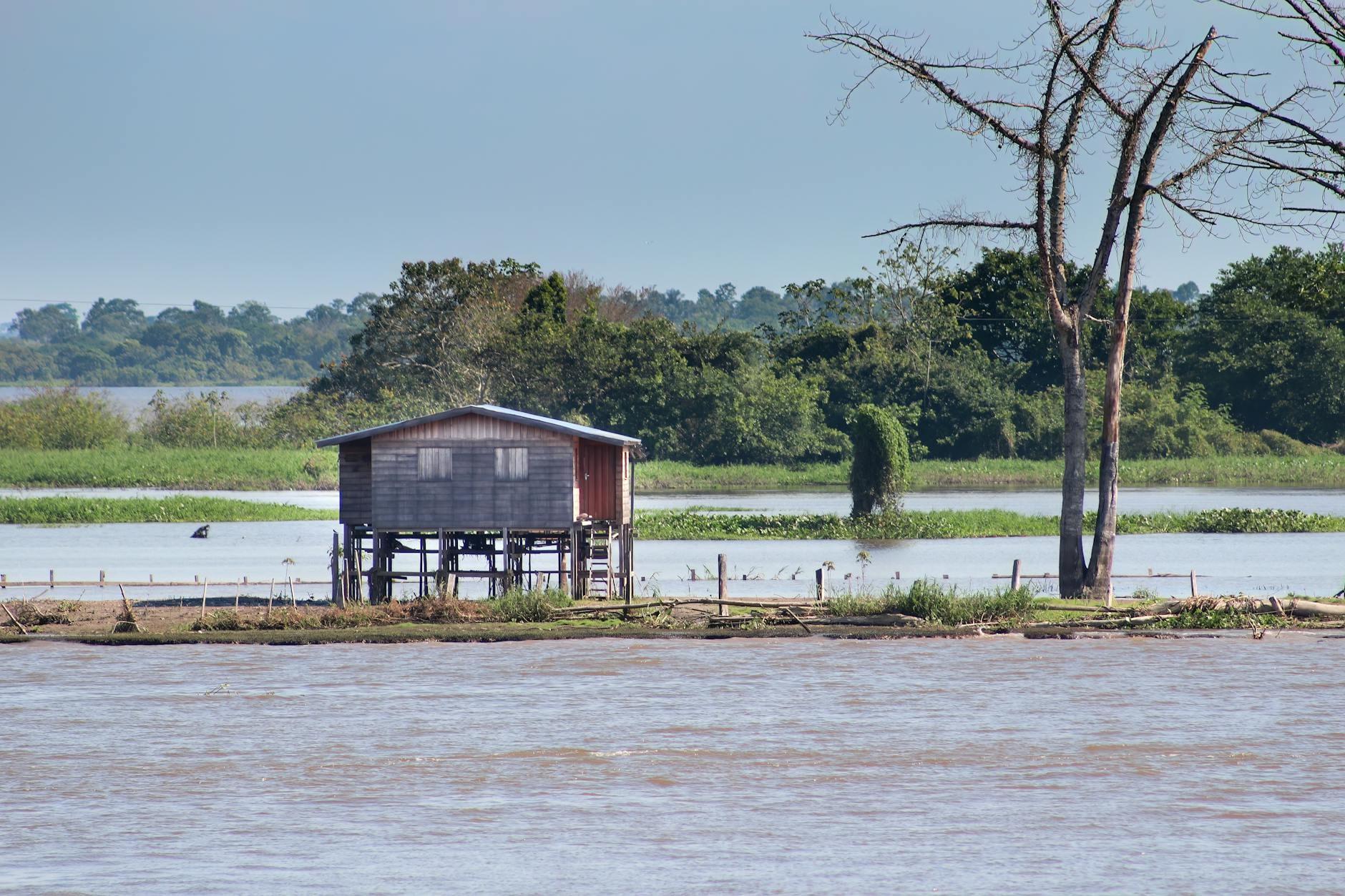
The capital of Paramaribo, known for its fetching colonial buildings, offers the best introduction for Suriname’s ethnic diversity. The country is most accessible here and in the rest of the coast's well-settled belt, but many travelers have their sights set on the virgin rainforest carpeting the country’s more remote south. You’ll have to work to get there, but Central Suriname Nature Reserve—a huge UNESCO World Heritage Site of jaguar- and tapir-trodden old-growth tropical forest and looming, island-like mountains—is an extraordinary sanctuary that’ll be sacred ground for any nature-lover.
Suriname offers some of South America’s richest tropical wilderness as well as an endlessly stimulating mix of cultures. There are certainly destinations that are easier to navigate, but anyone with a taste for the exotic—and for the New World rainforest at its most primal—will fall madly in love.
10 things not to miss.
- through the Brownsberg rainforestWalk through the Brownsberg rainforest
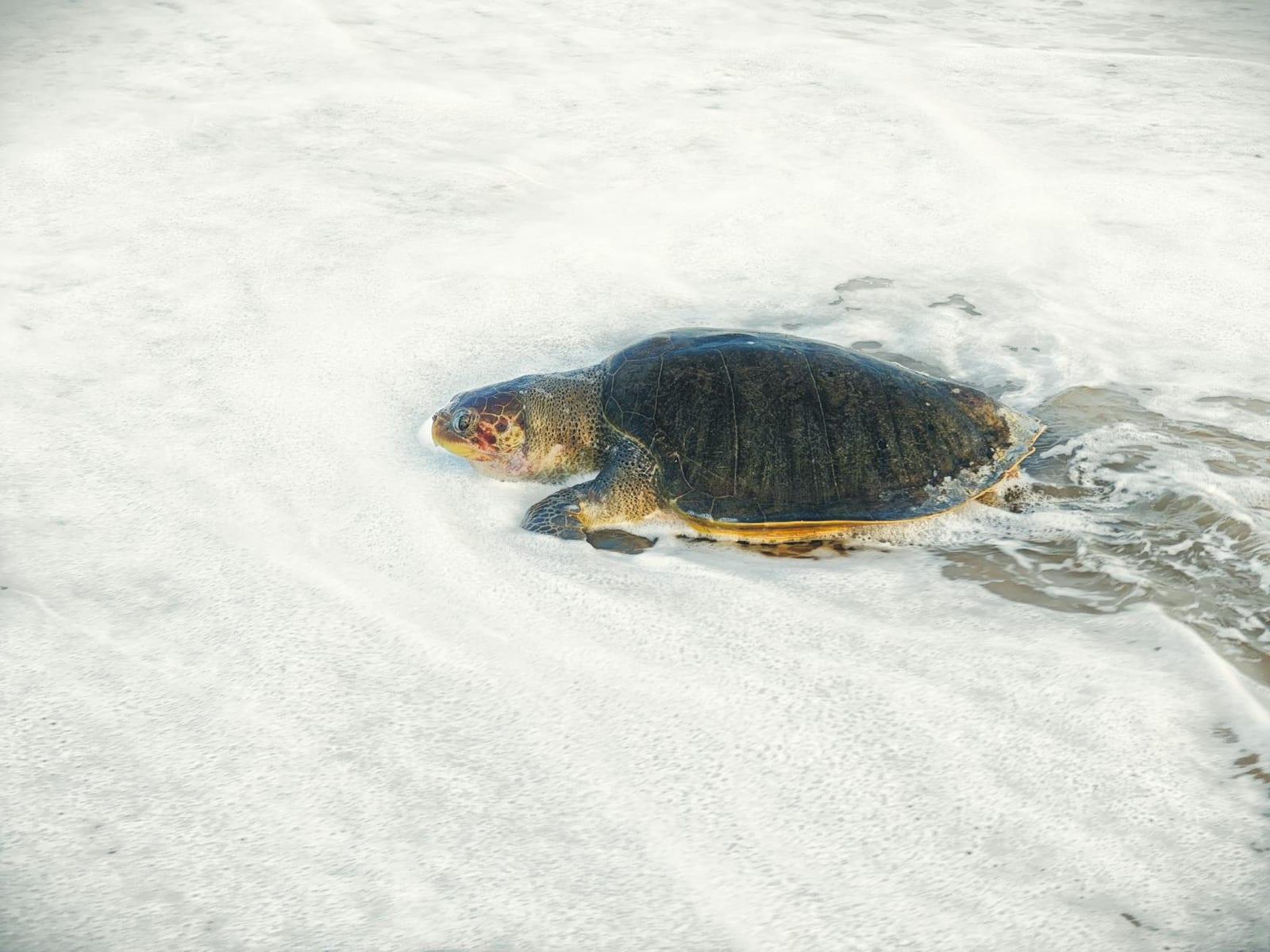
- sea turtles at Galibi reserveSee sea turtles at Galibi reserve
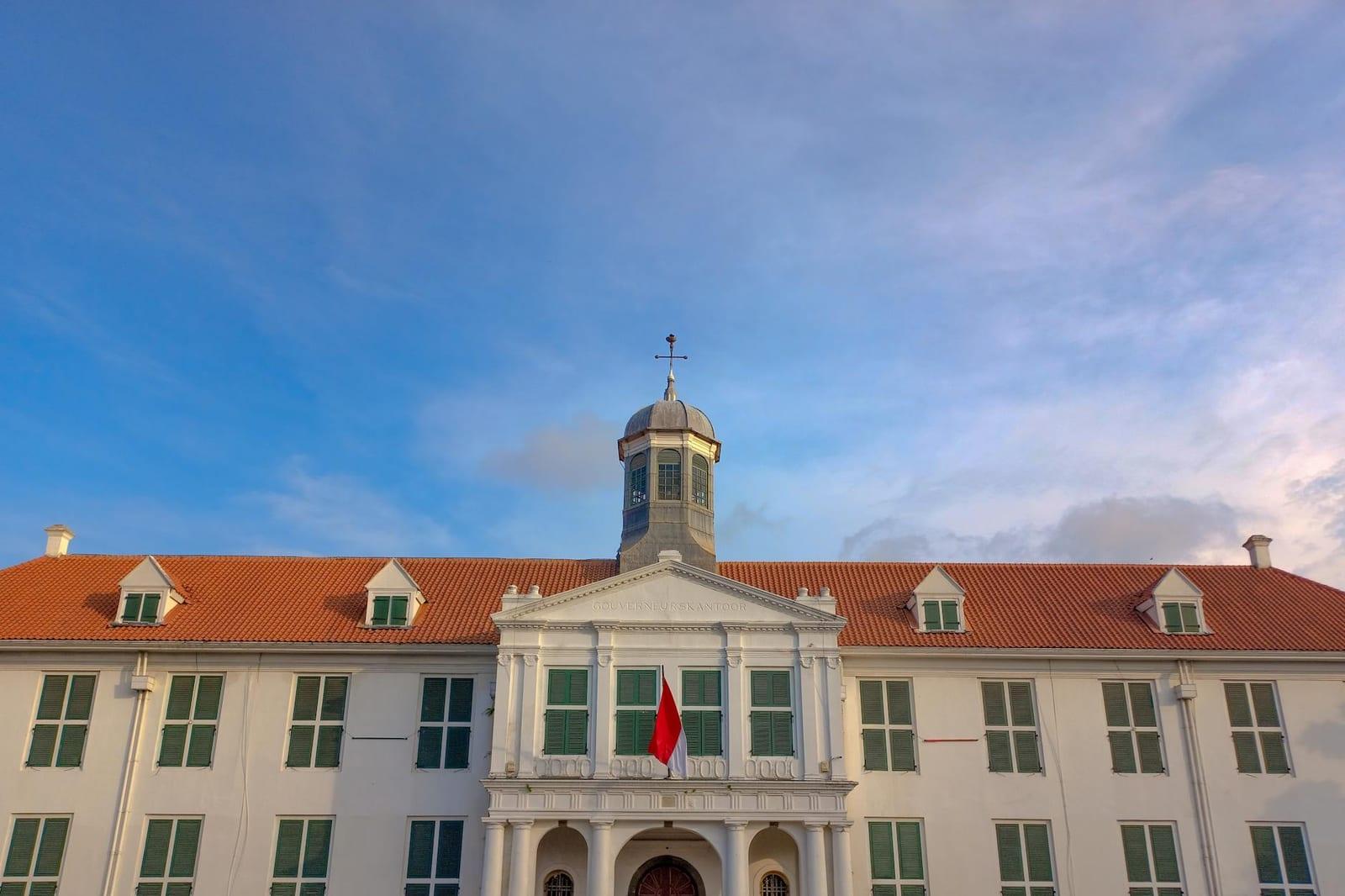
- Paramaribo's Dutch quarterWander Paramaribo's Dutch quarter
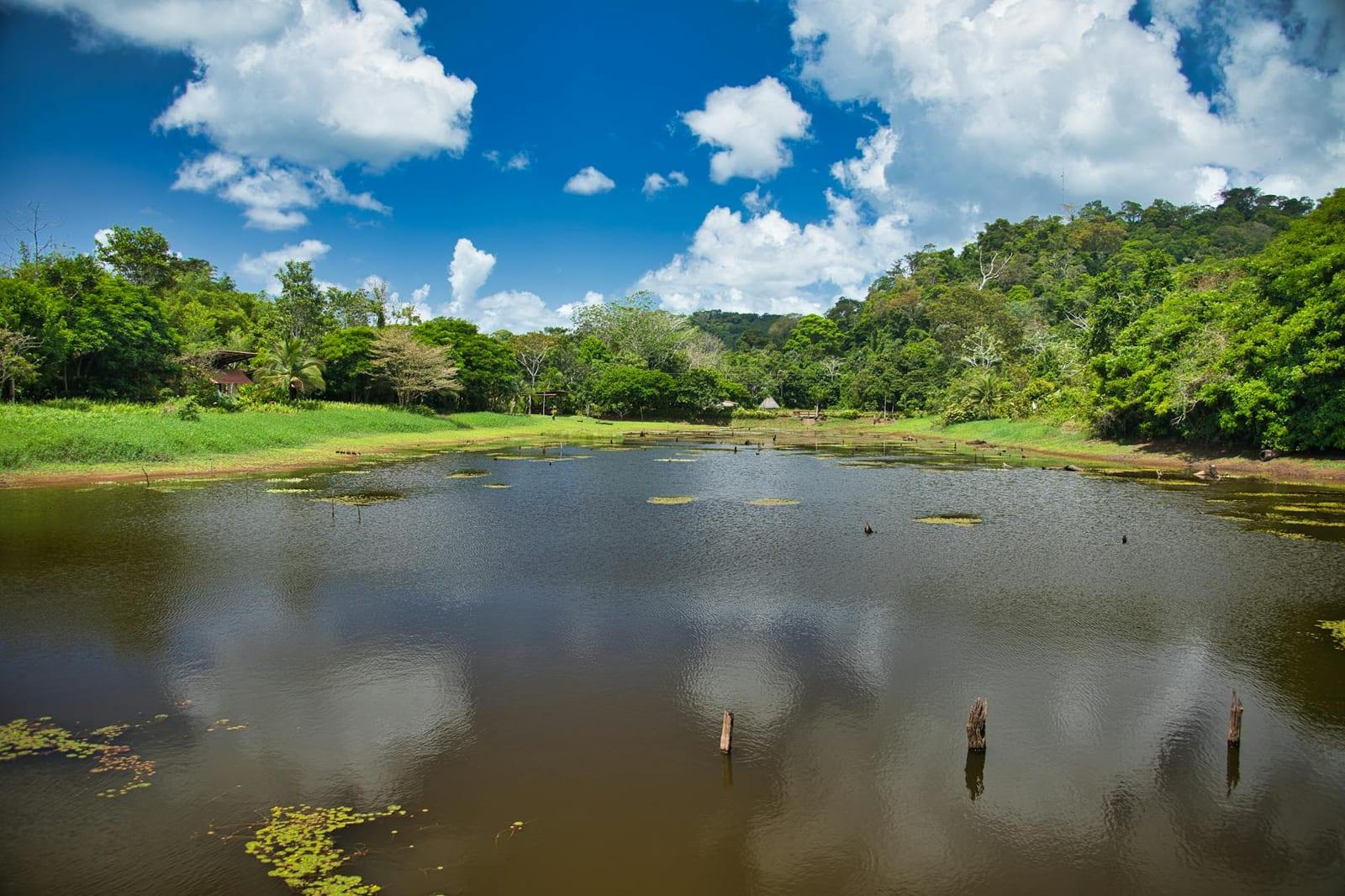
- Central Suriname Nature ReserveSome 400 species of birds and a grab-bag of charismatic mammals—from giant otters to jaguars—call this huge rainforest preserve home.
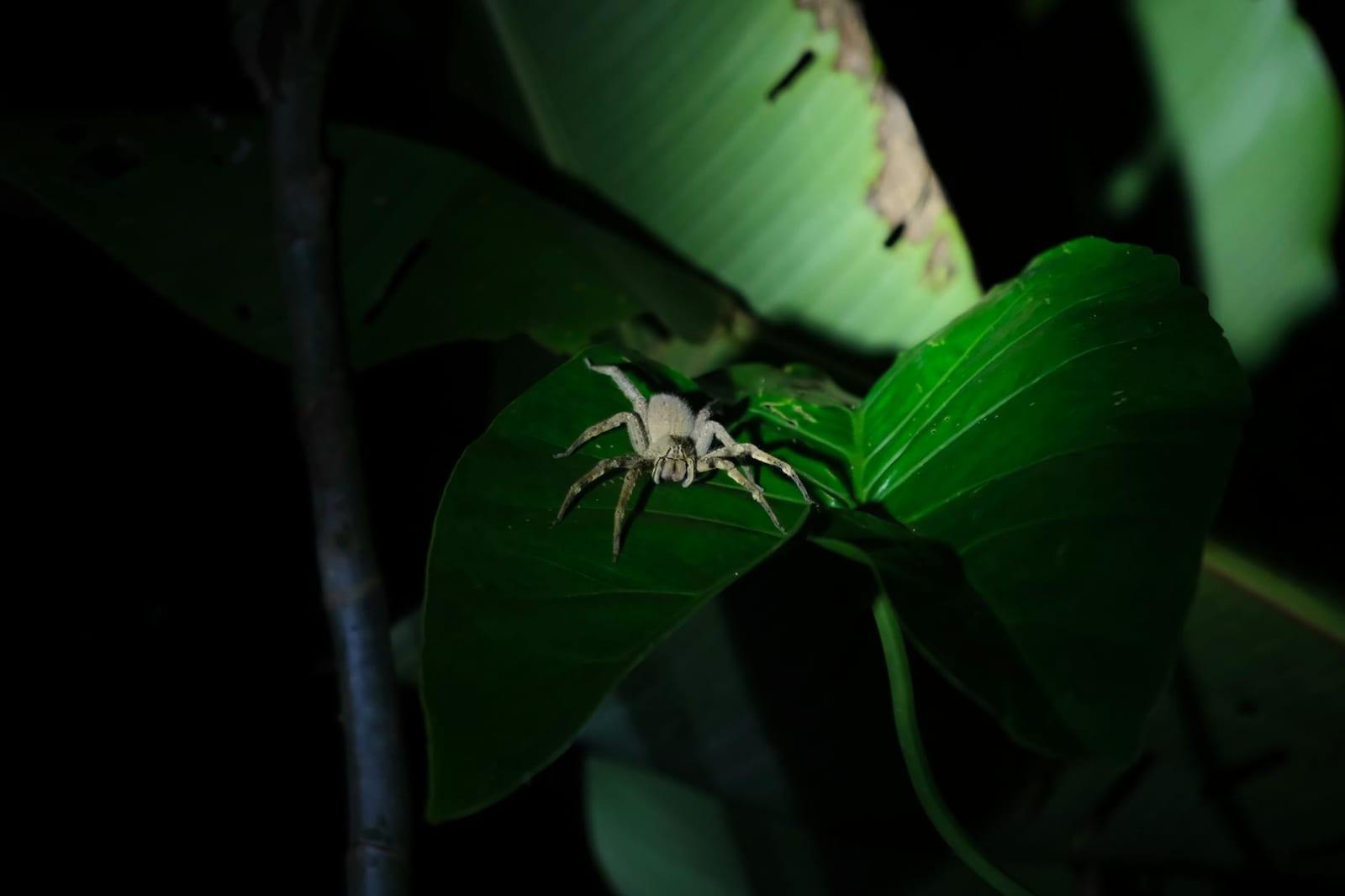
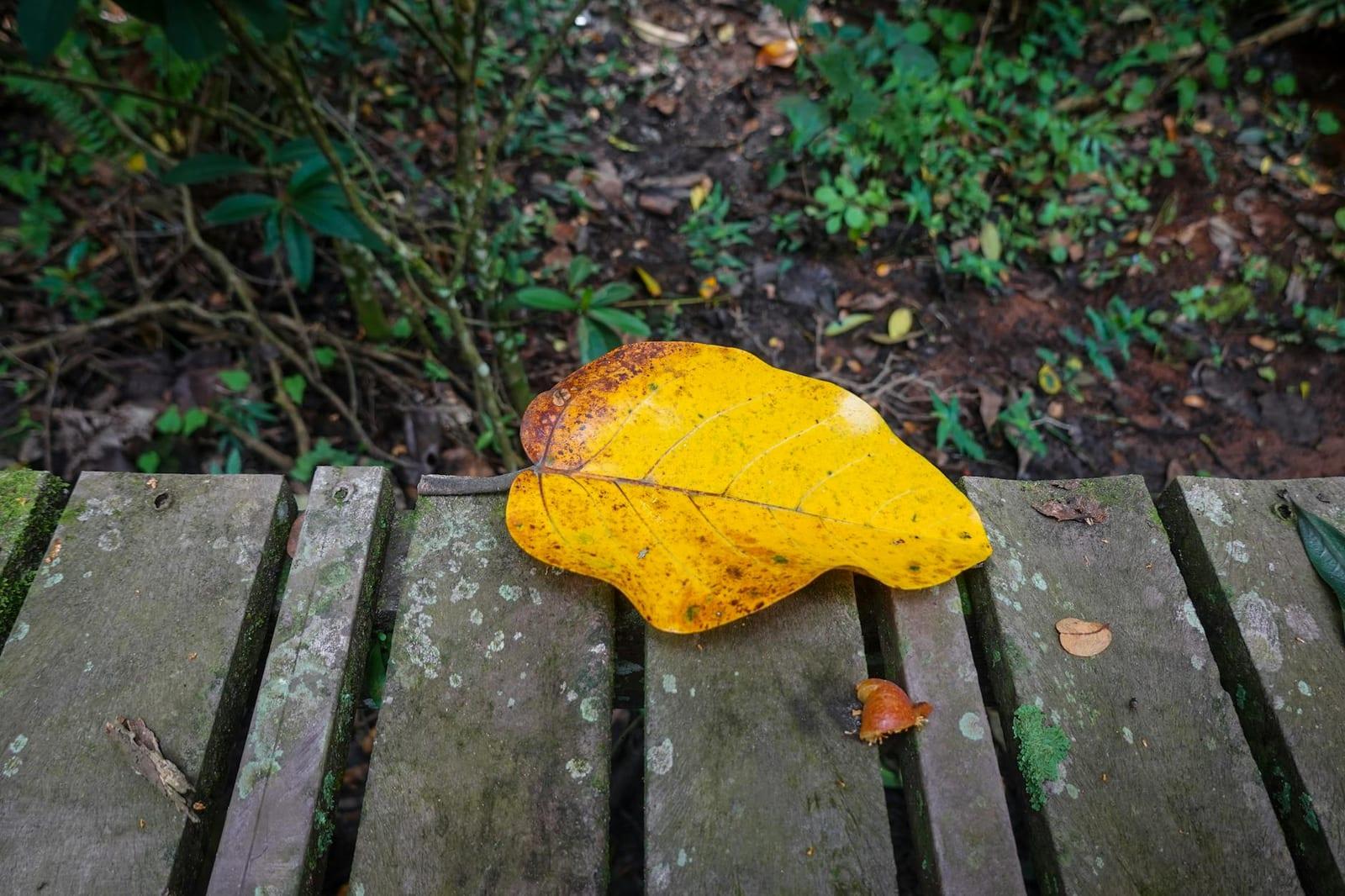
- Brownsberg Nature ParkThe booming voices of howler monkeys serve as the dawn soundtrack for a visit to this jungle sanctuary.
- Galibi Nature ReserveFour different kinds of sea turtles haul up here from February to August to lay their eggs.
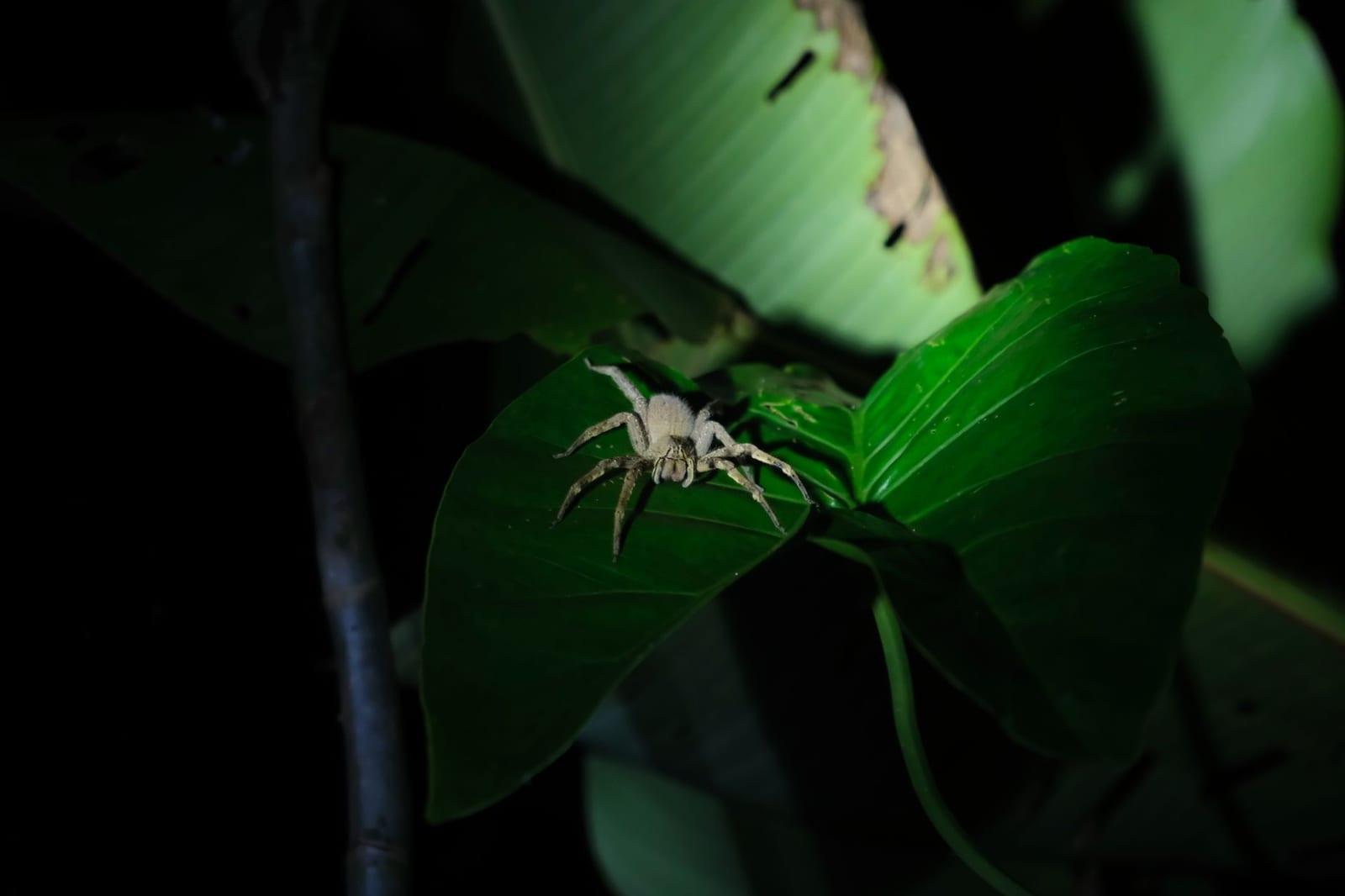
- Sipaliwini SavannaThe sun-splashed grasslands, palm groves, and granite peaks of this nature reserve constitute one of Suriname’s finest wildlife destinations.
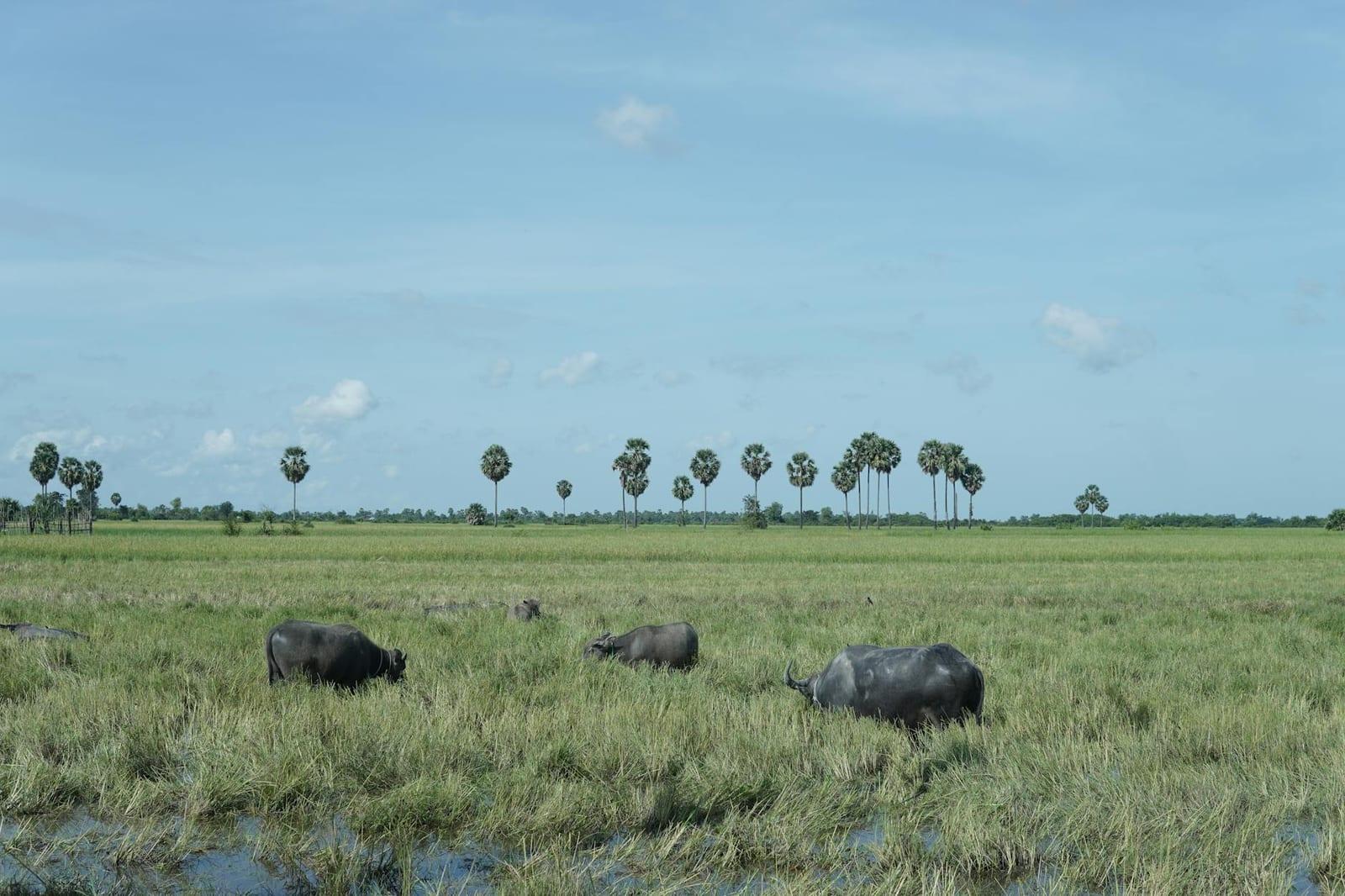
- Fort ZeelandiaThis 17th-century fortification is one of Paramaribo’s most historic landmarks.
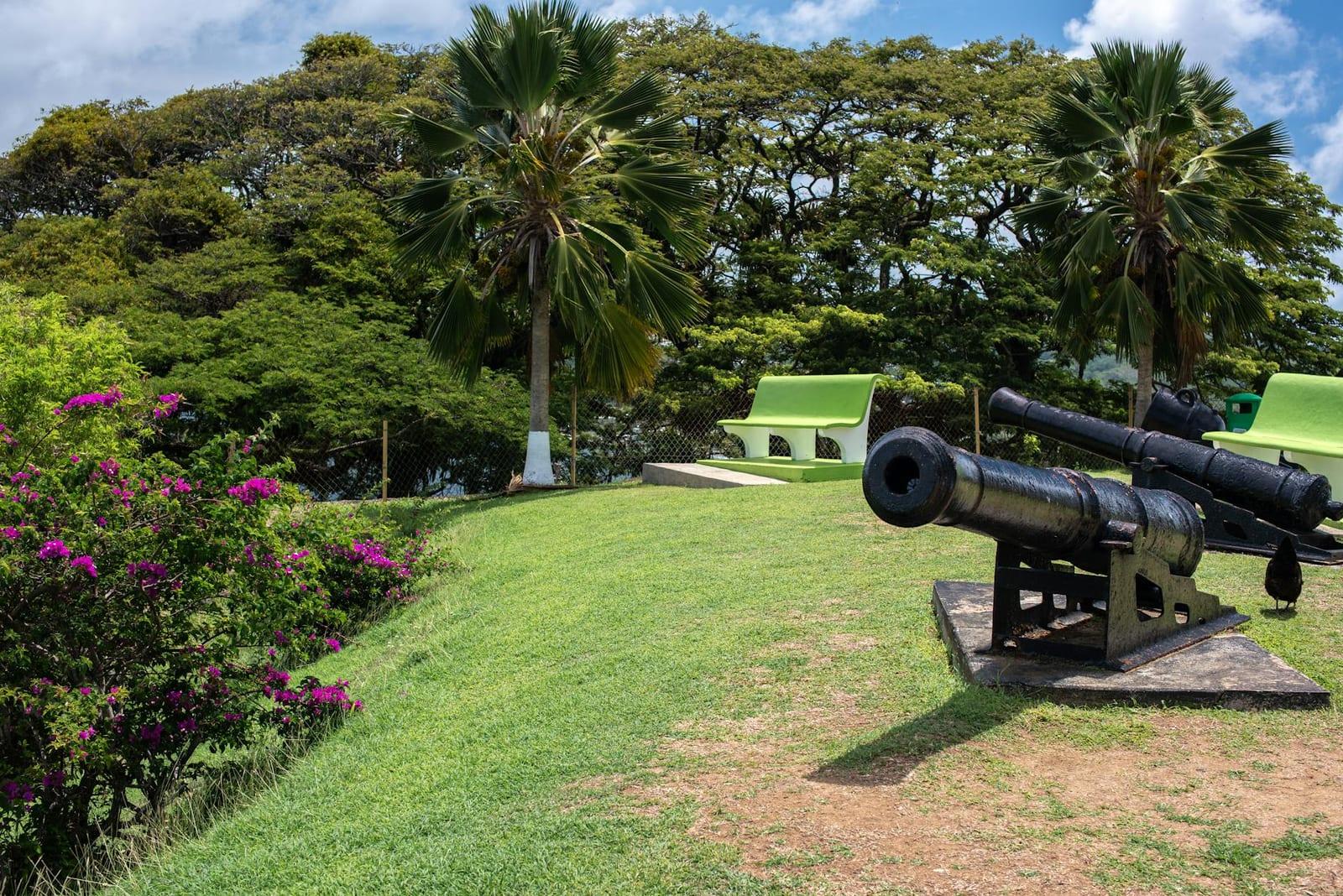
- Presidental Palace of SurinameErected in 1730 during the Dutch era, this regal building on Independence Square is one of the anchors of Paramaribo’s UNESCO World Heritage Site.
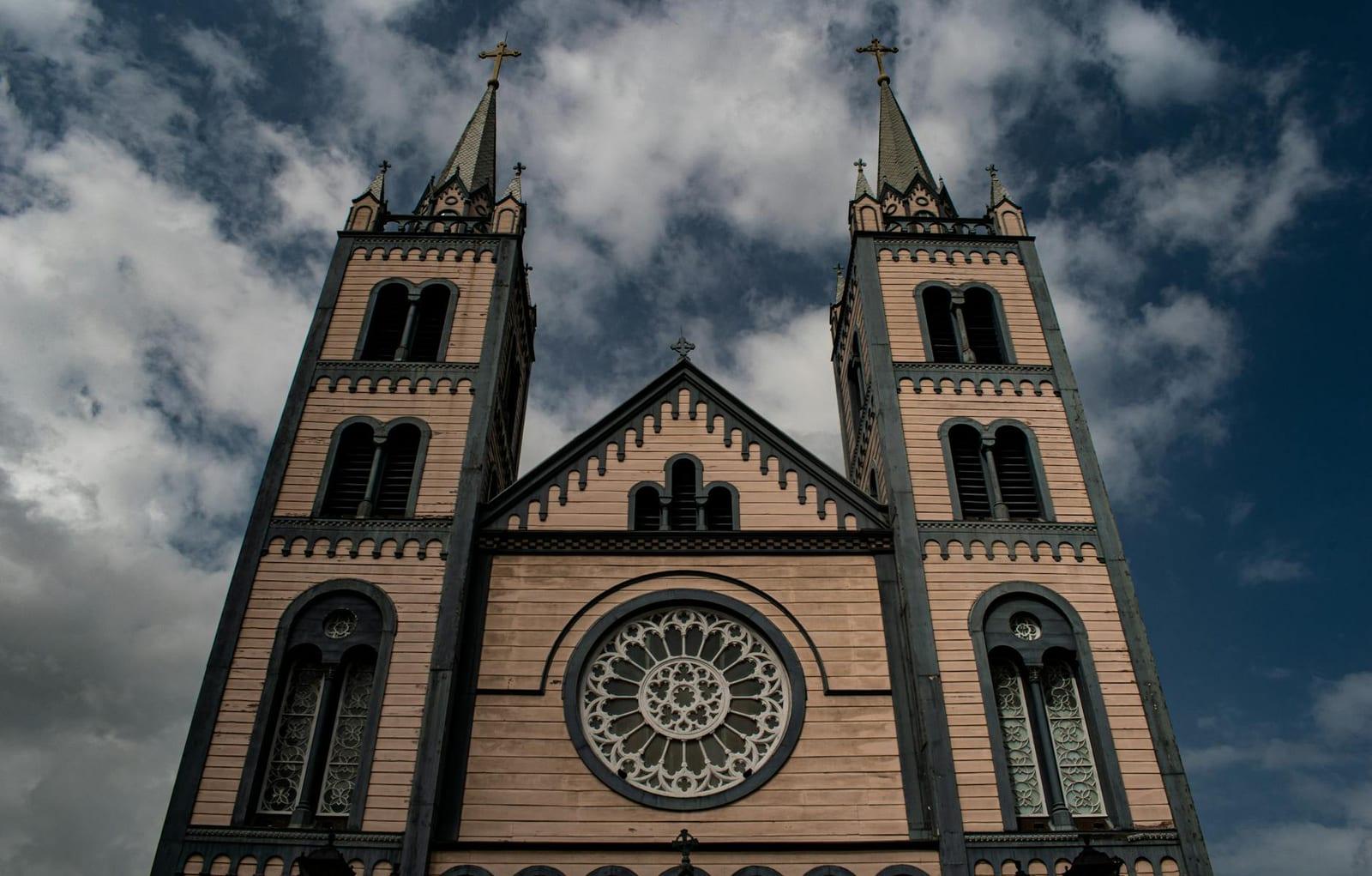
- JodensavanneThis was once a thriving Jewish outpost and sugarcane-growing hub; the site includes the ruins of the oldest synagogue in the Americas.