Vastest of the Scandinavian countries, Sweden has a wide-ranging countenance: snowy peaks, lake-spangled forests, frigid tundra, balmy seacoast, reindeer camps, glamorous cities. And no one facet is more Swedish than the other; you’ve got to try and get as full a taste of the regional diversity as you can to start understanding the spirit of this nation.
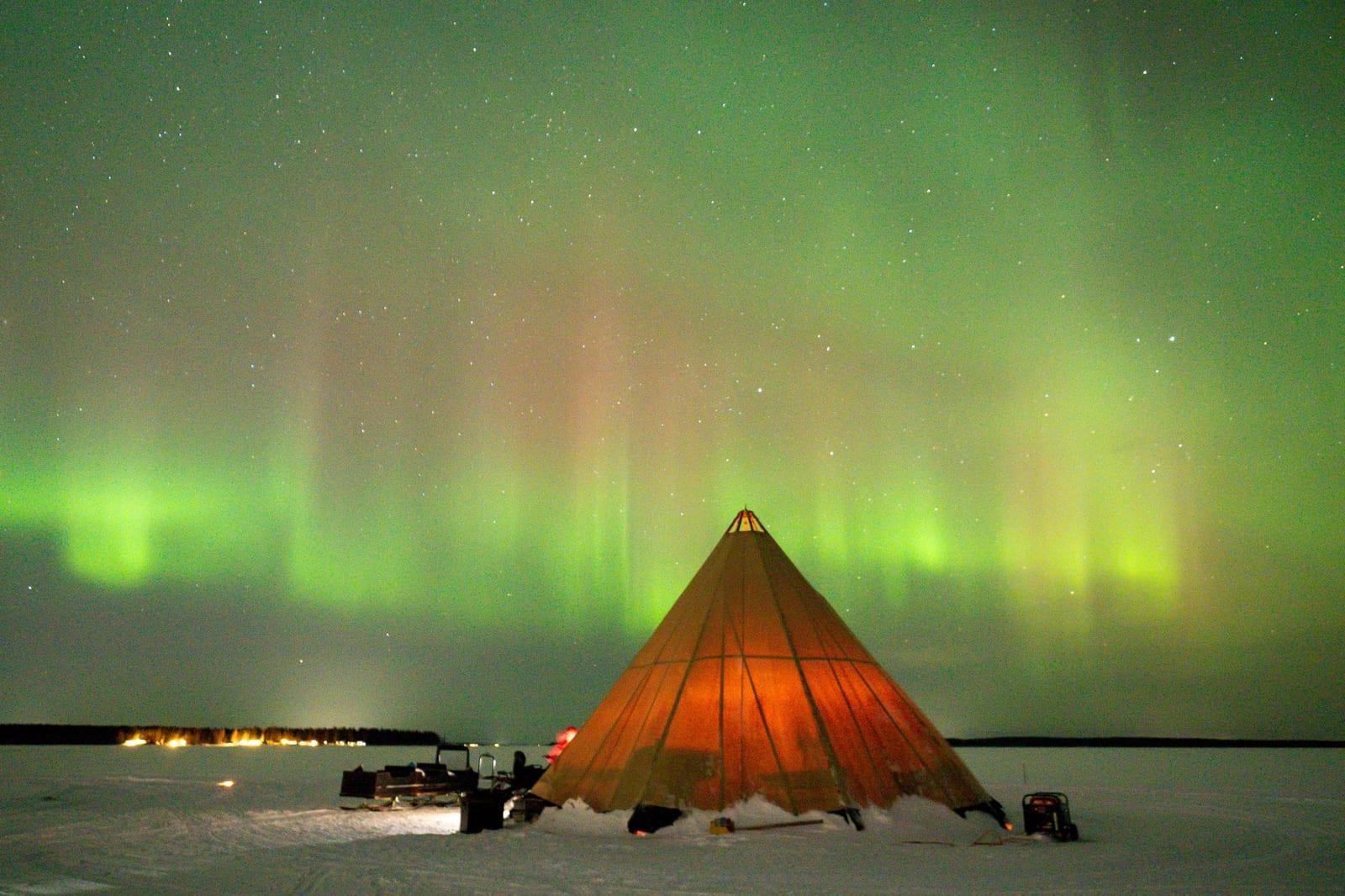
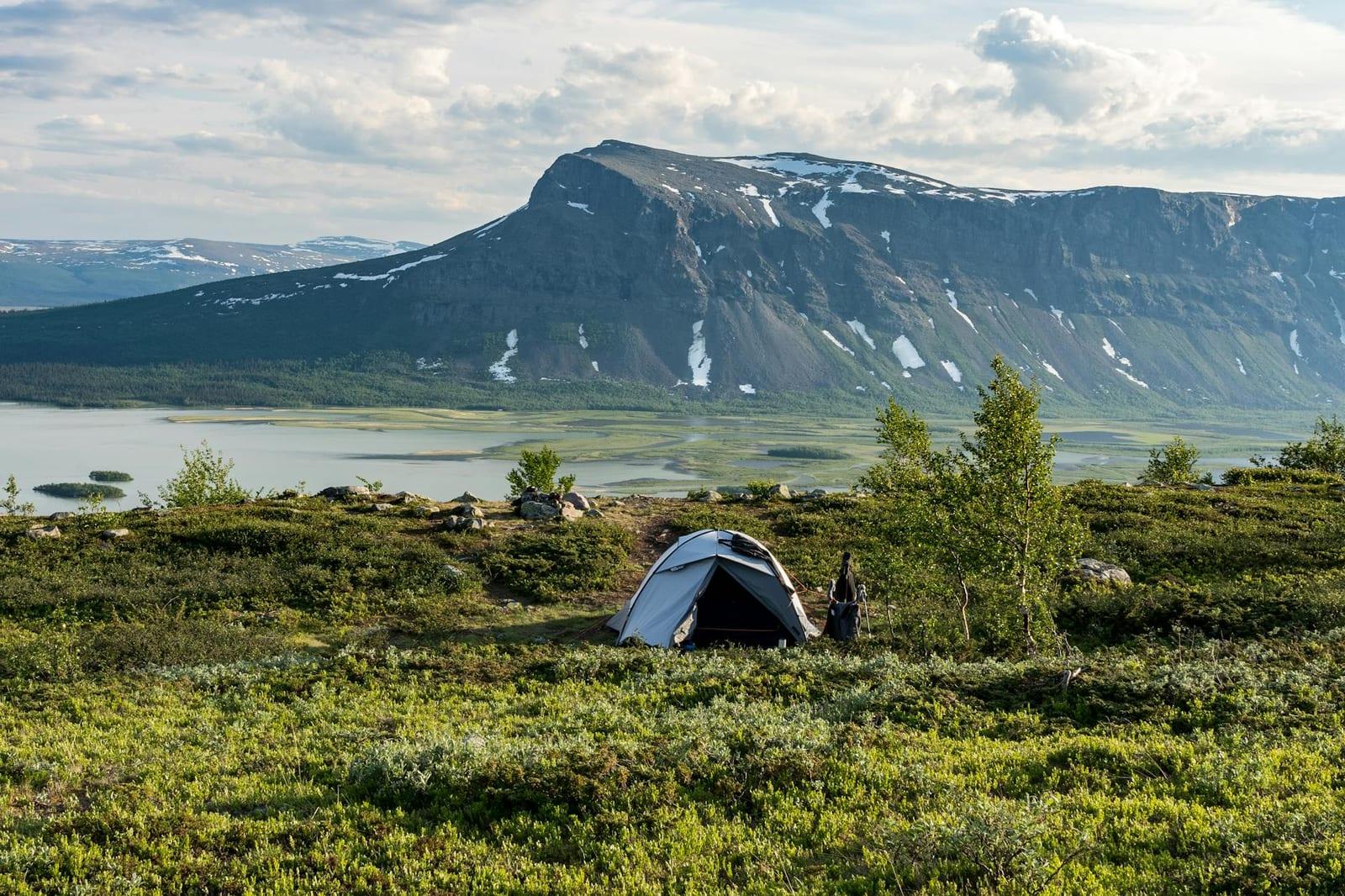
First off, the country’s gorgeous. In the homeland of the Sami (Sápmi) and the encompassing region of Norrland, boreal woods and tundra sweep to Arctic peaks of the Scandinavian Mountains such as Sarek, Akka, and Kebnekaise (at 6882 feet, the loftiest mountain in Sweden). A hike through the Rapa Valley of Sarek National Park or to the thundering Muttosgahtjaldak Falls serves as an unforgettable introduction to this awe-inspiring landscape, which becomes all the more wildly ethereal under a winter explosion of Northern Lights.
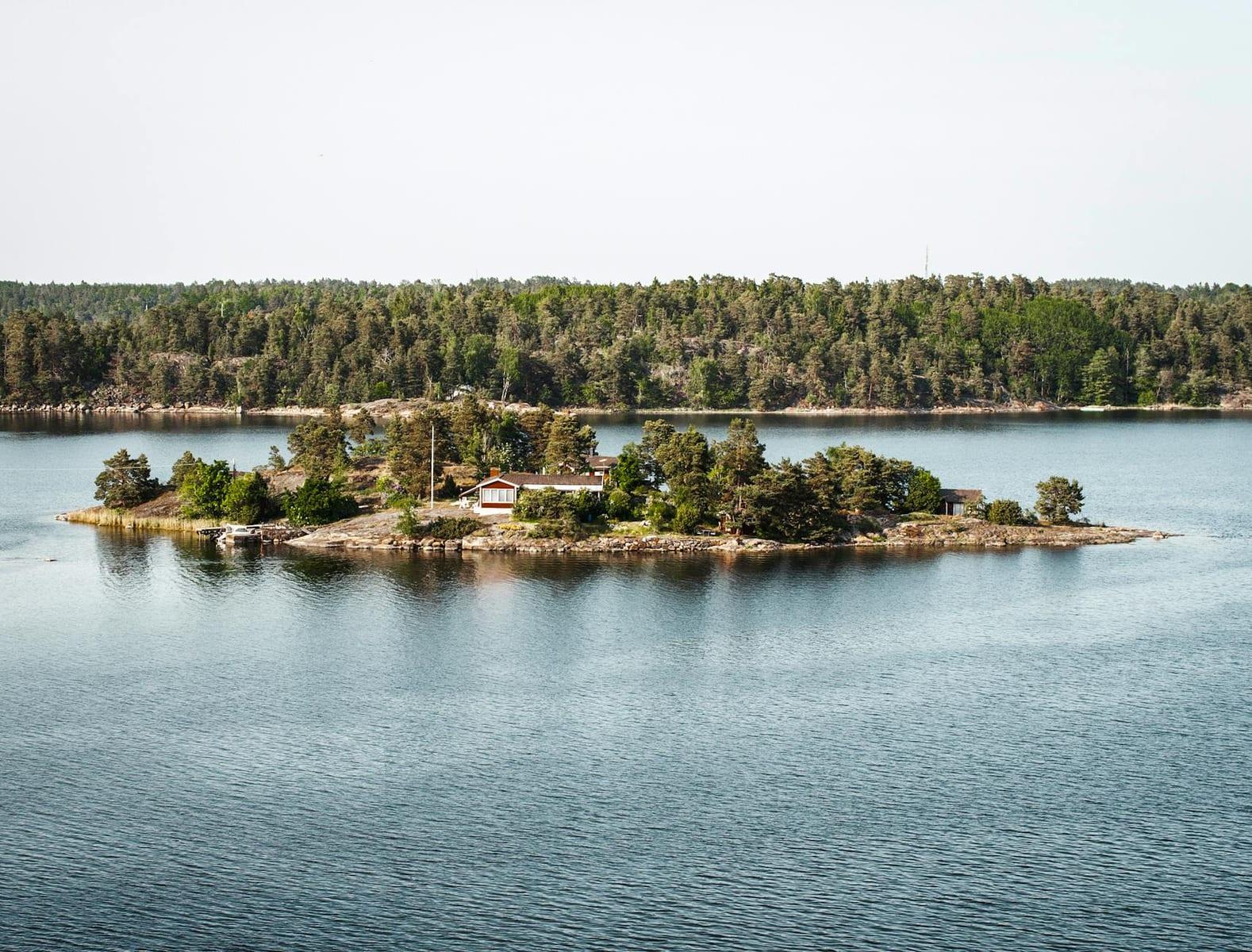
Southward are vast forests—transitioning from the subarctic birch and conifer ecosystems to more mixed hardwoods—and the glinting waterways of the Lakelands; you’ve got a good chance of running into moose (or "elk") here. From the Gulf of Bothnia to the Baltic bays, the Swedish coast is, as a rule, captivating—not least in the many rocky archipelagos fringing it, such as the islands composing a large part of Stockholm’s cityscape.
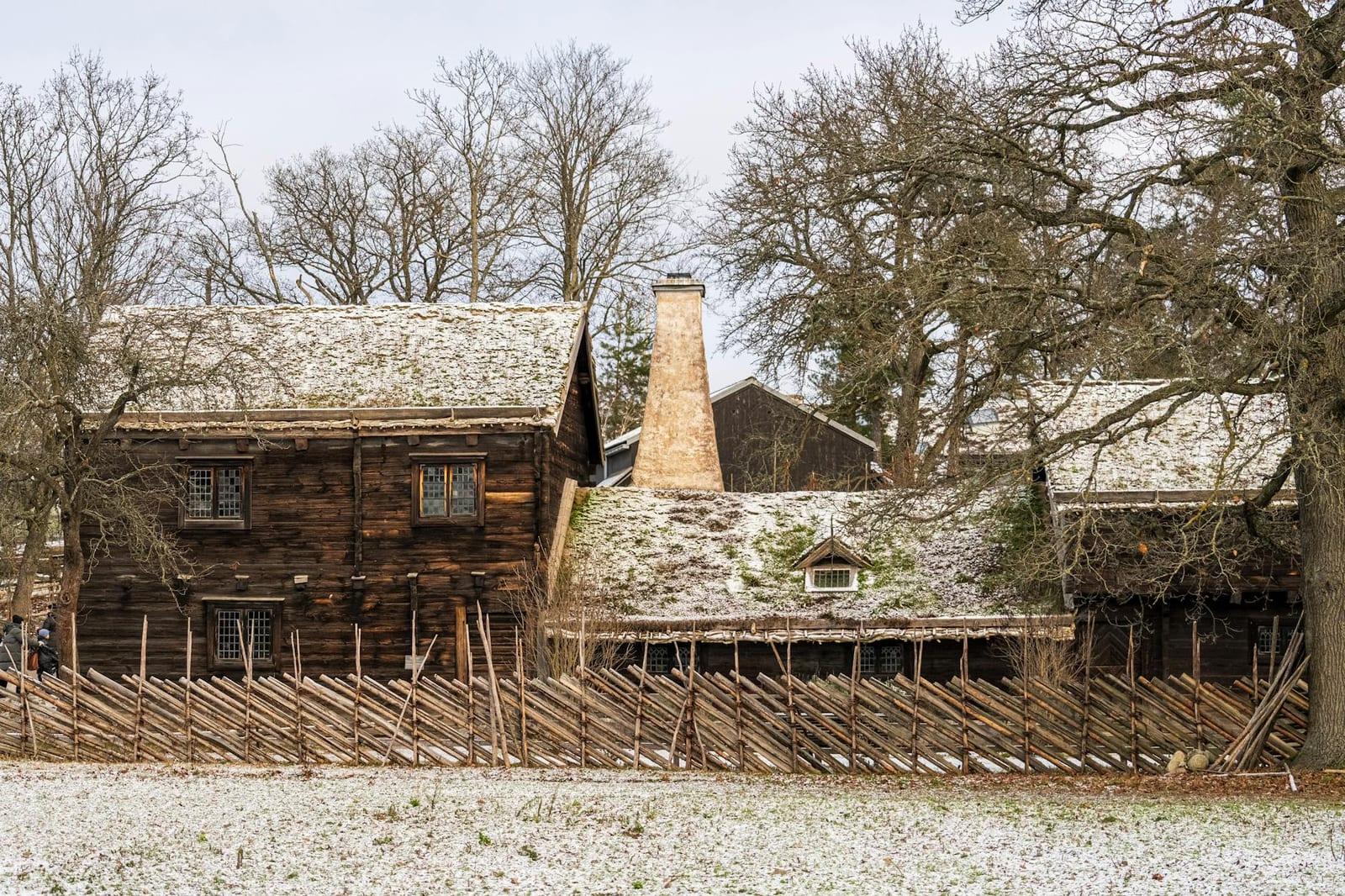
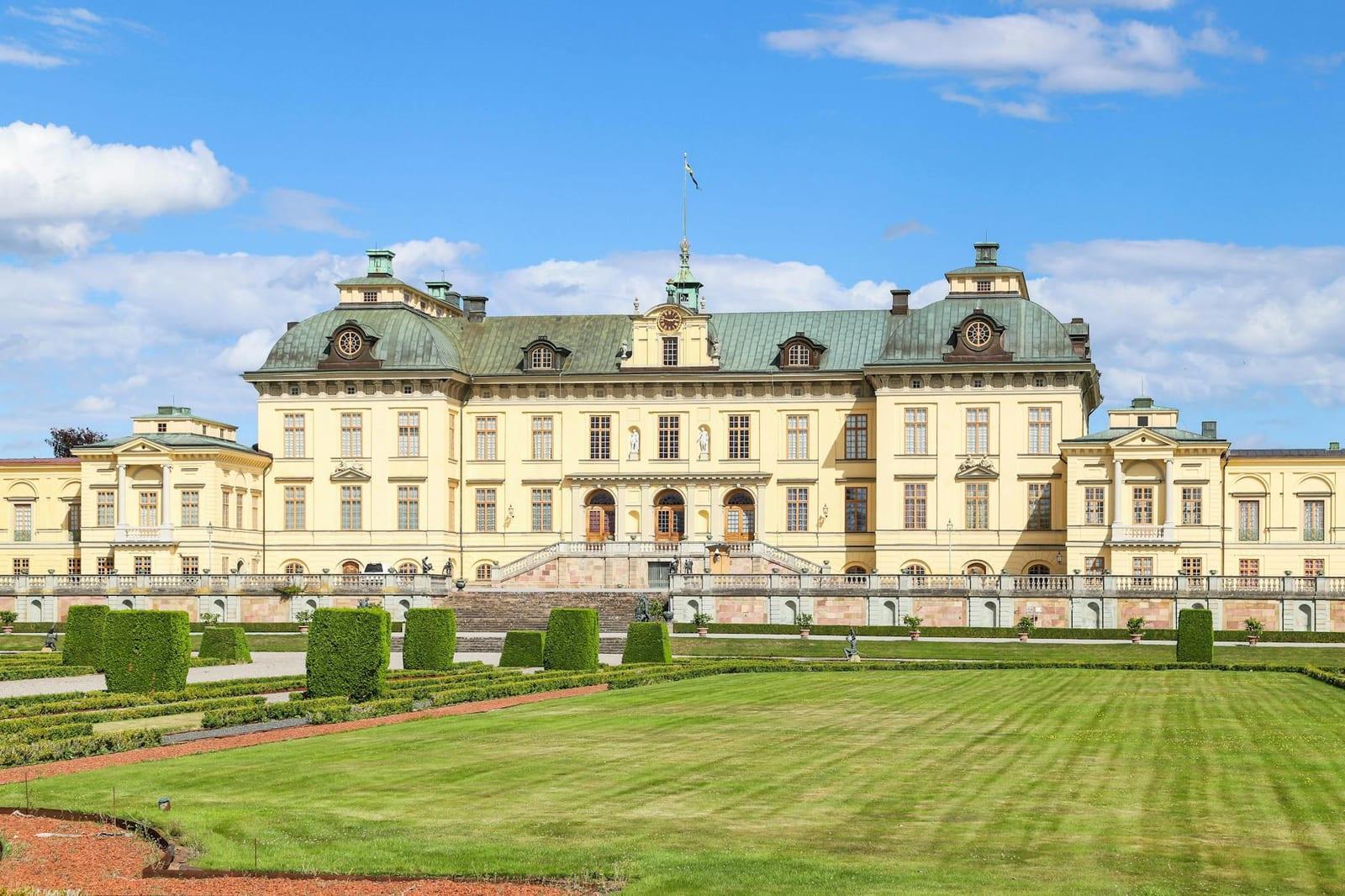
You can trace out elements of Sweden’s long history across this noble terrain. On the country’s largest island of Gotland, visit reconstructed Viking villages, medieval churches, and World War II bunkers. Tucked away in the Stockholm Archipelago is one of Sweden’s most famous landmarks, Drottningholm Palace, home to the Swedish royals since the 1500s. And more than one excellent museum offers insight into Viking times, the days of the Swedish Empire, the complicated roles Sweden played during the two world wars, and other fascinating heritage. Amid its rich array, Stockholm is famously home to the Vasa Museum, the centerpiece of which is a nearly complete 17th-century warship retrieved from the floor of the city’s harbor. Not far away is the world’s very first open-air museum, Skansen, with its rich living-history exhibits.
Cultural sightseeing in Sweden isn’t restricted to museum corridors or well-preserved monuments. In the far north, experience Sami culture up-close and personal at sites such as the Njarka Sami Camp in Lake Haggsjon, where you can explore the historical and contemporary lifeways of the indigenous "Laplanders" while spending some quality time with farmed reindeer. In Gothenburg, you can relish exquisitely fresh seafood, Swedish confections, and other culinary delights on the Kattegat coast.
The astonishments of this backbone of Scandinavia are manifold. Meander between city excitement, rural idylls, and wilderness forays, and you’ll come to know some of Europe’s friendliest people and prettiest scenery.
12 things not to miss.
- Stockholm's archipelagoSail Stockholm's archipelago
- Abisko for the auroraRide to Abisko for the aurora
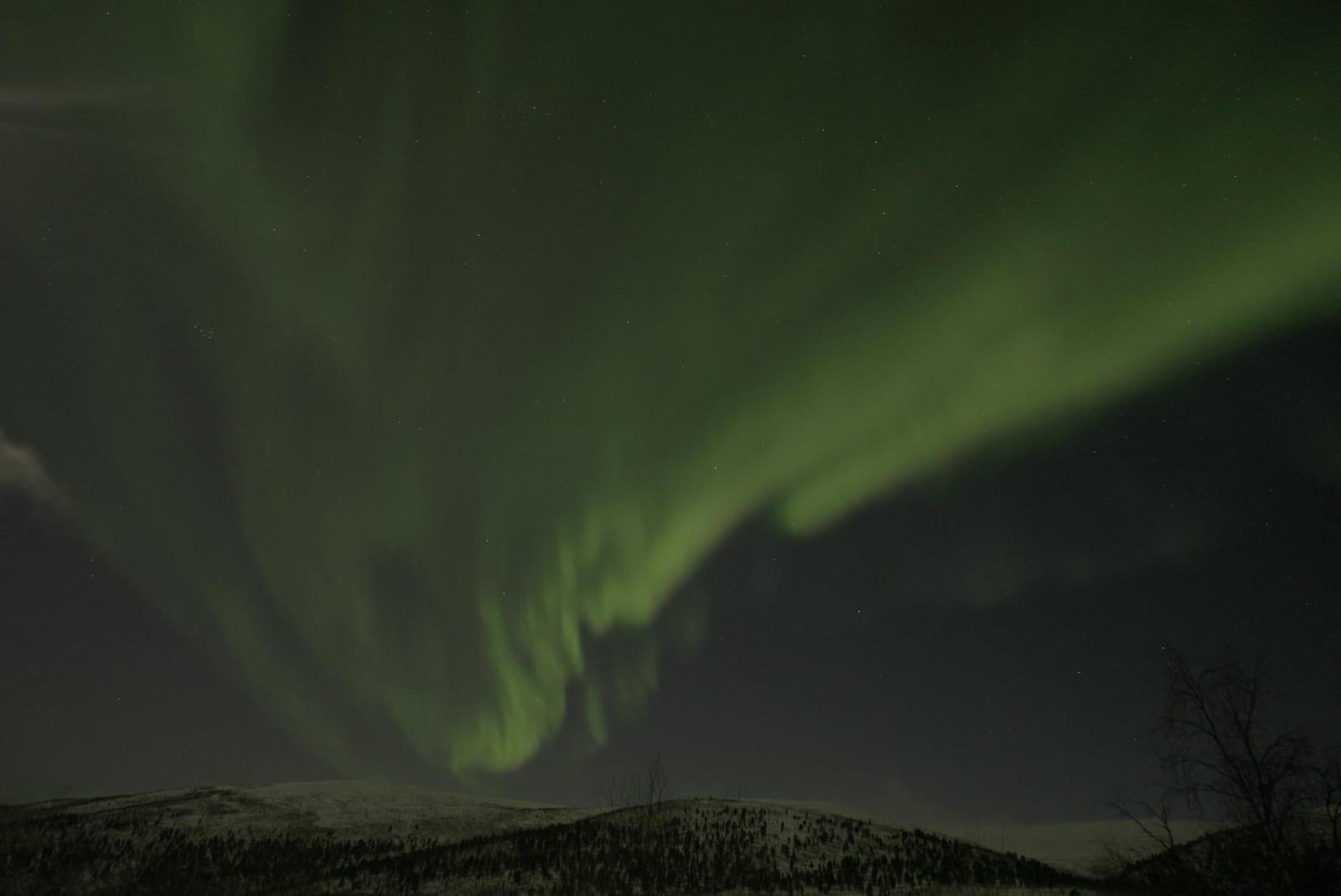
- Lapland
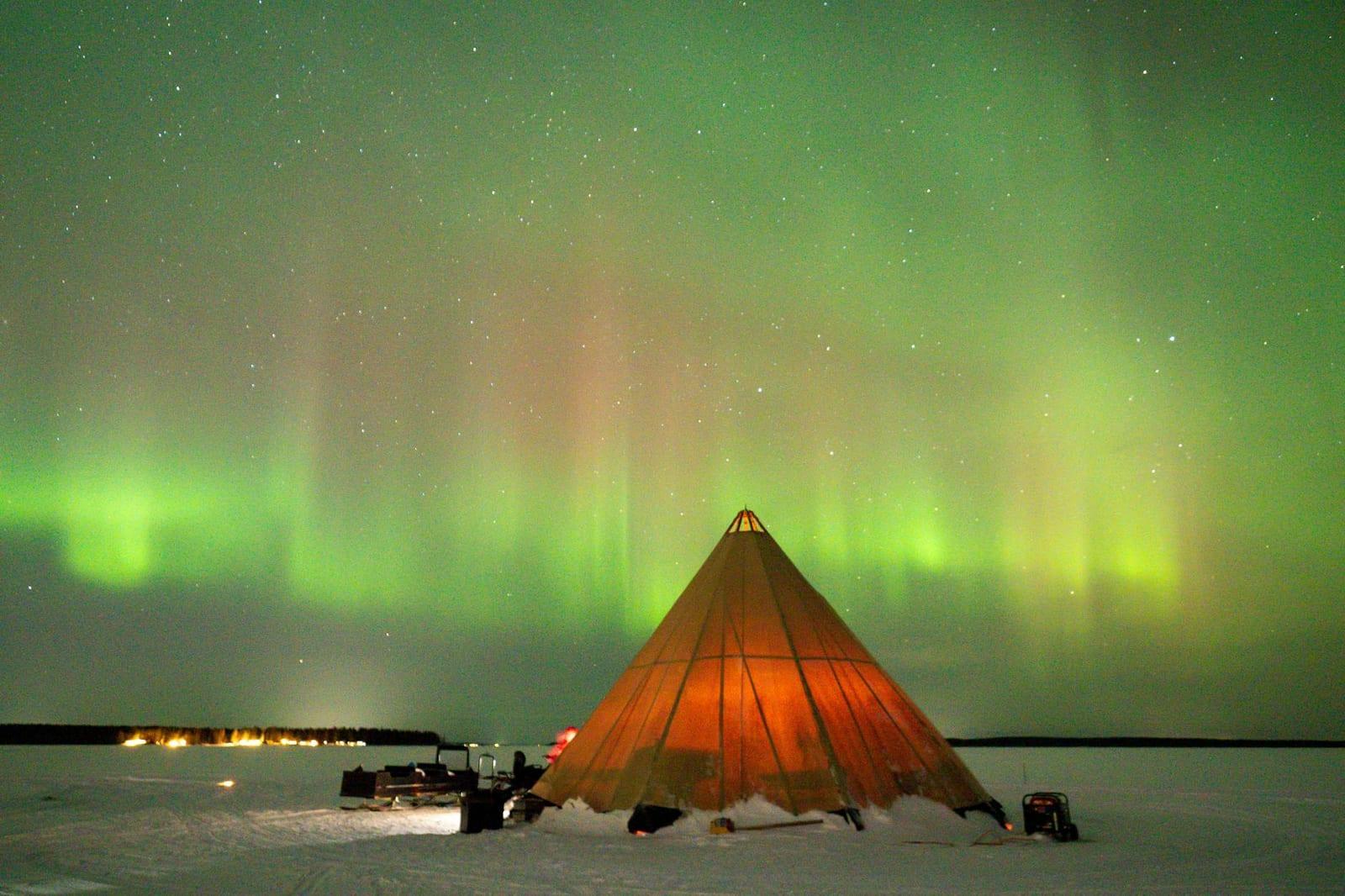
- Abisko
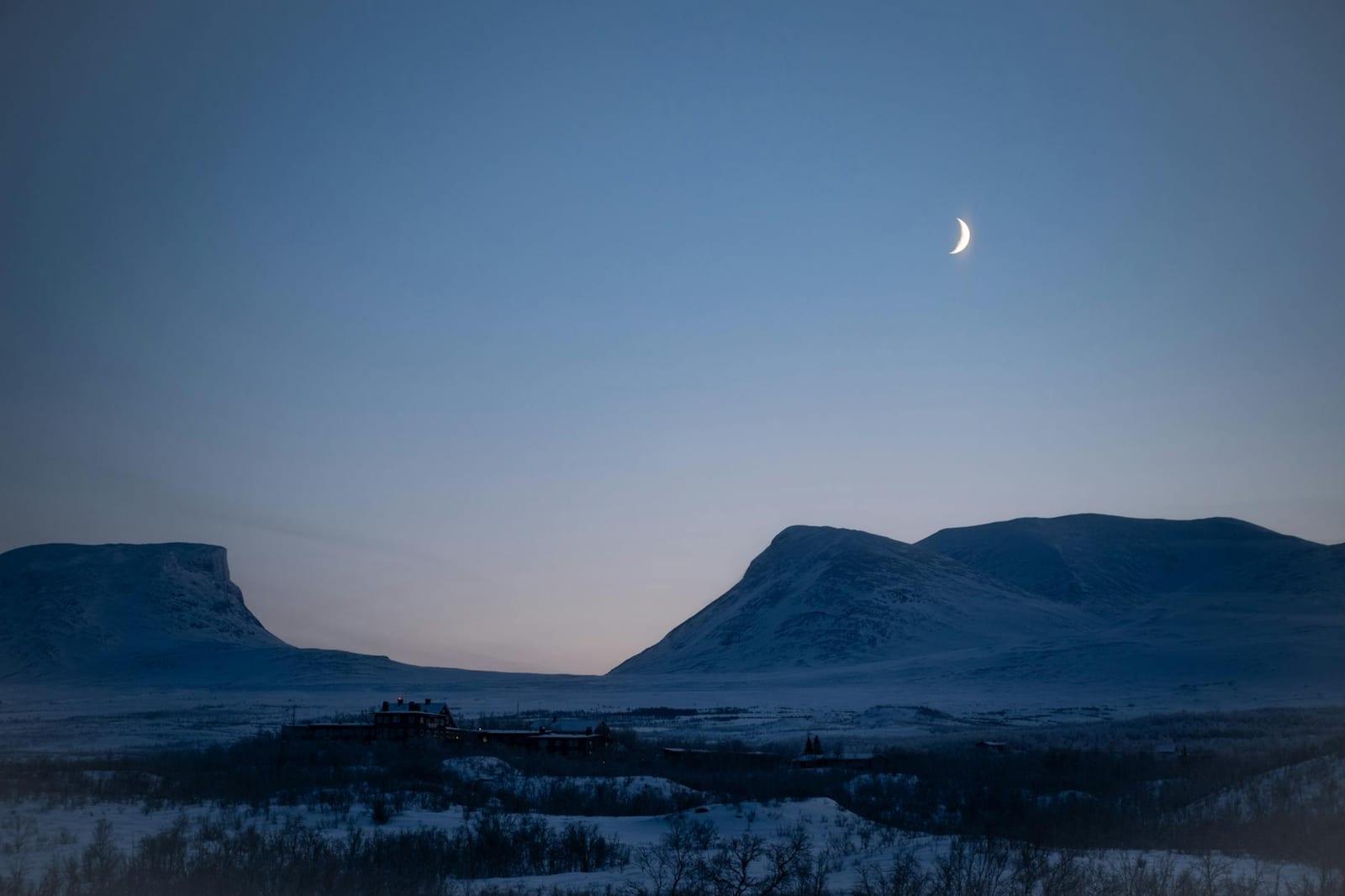
- Vasa MuseumA wonderfully preserved warship sunk in 1628 is the centerpiece (and namesake) of this Stockholm museum, one of the most popular in Scandinavia.
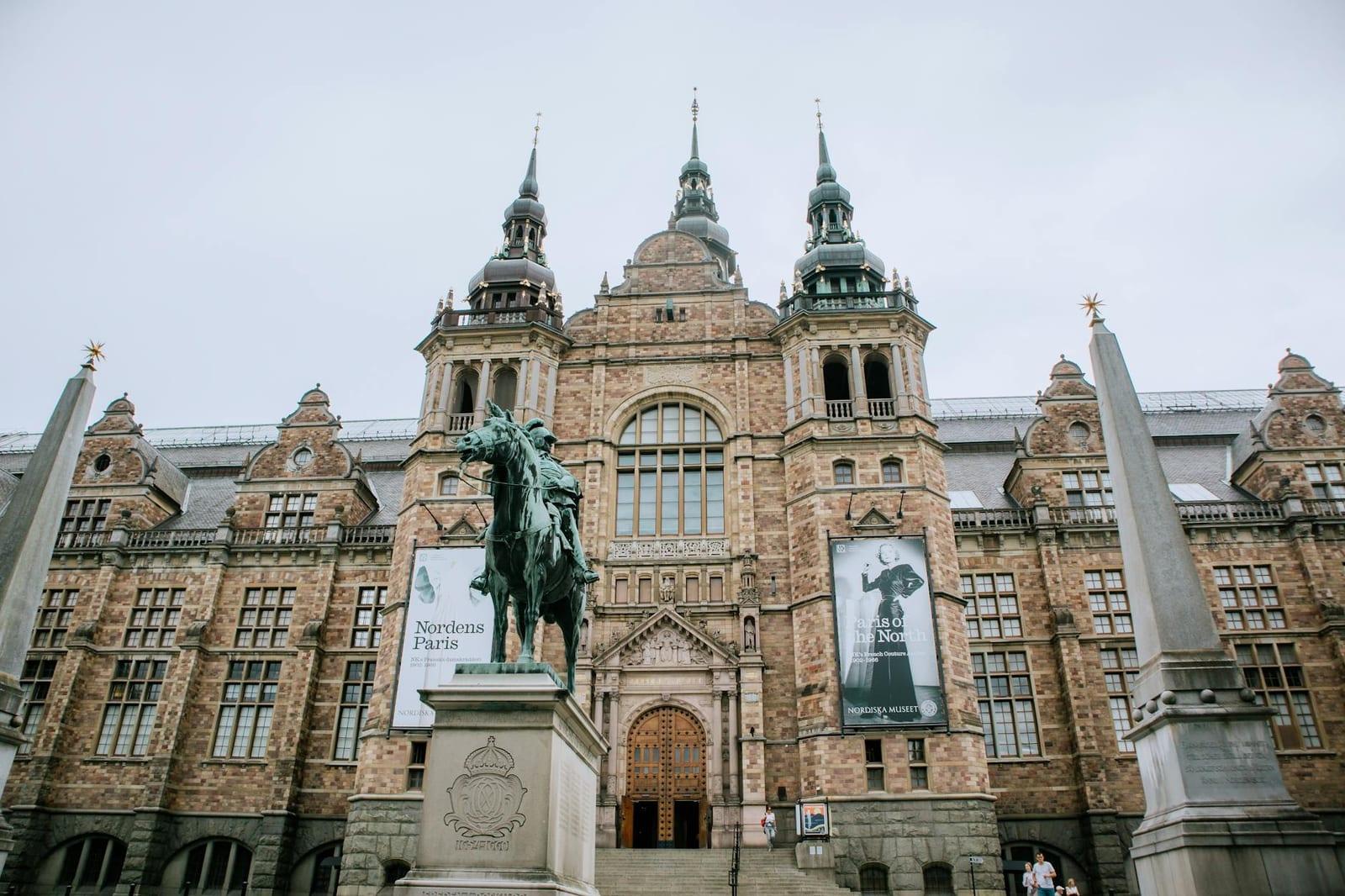
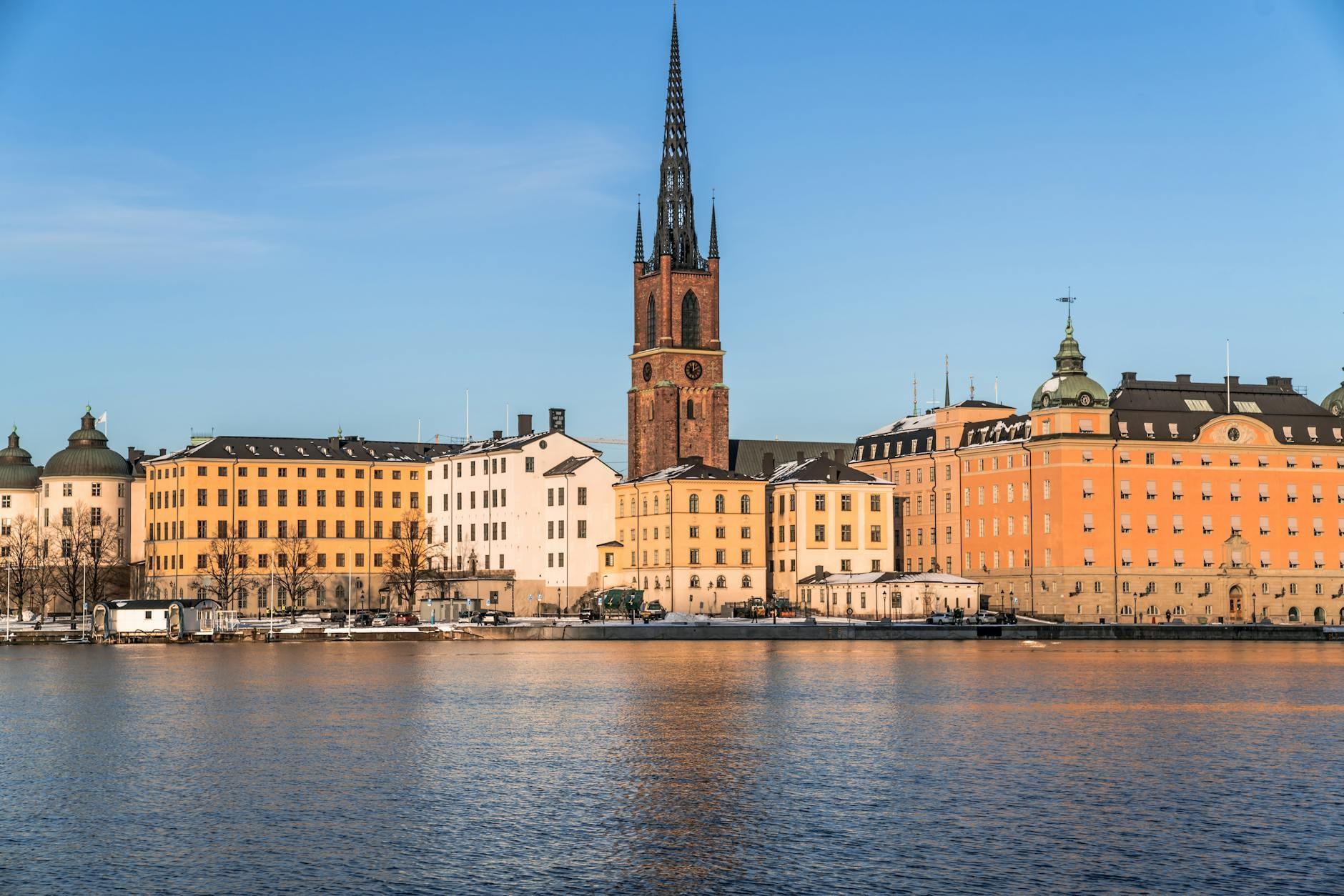
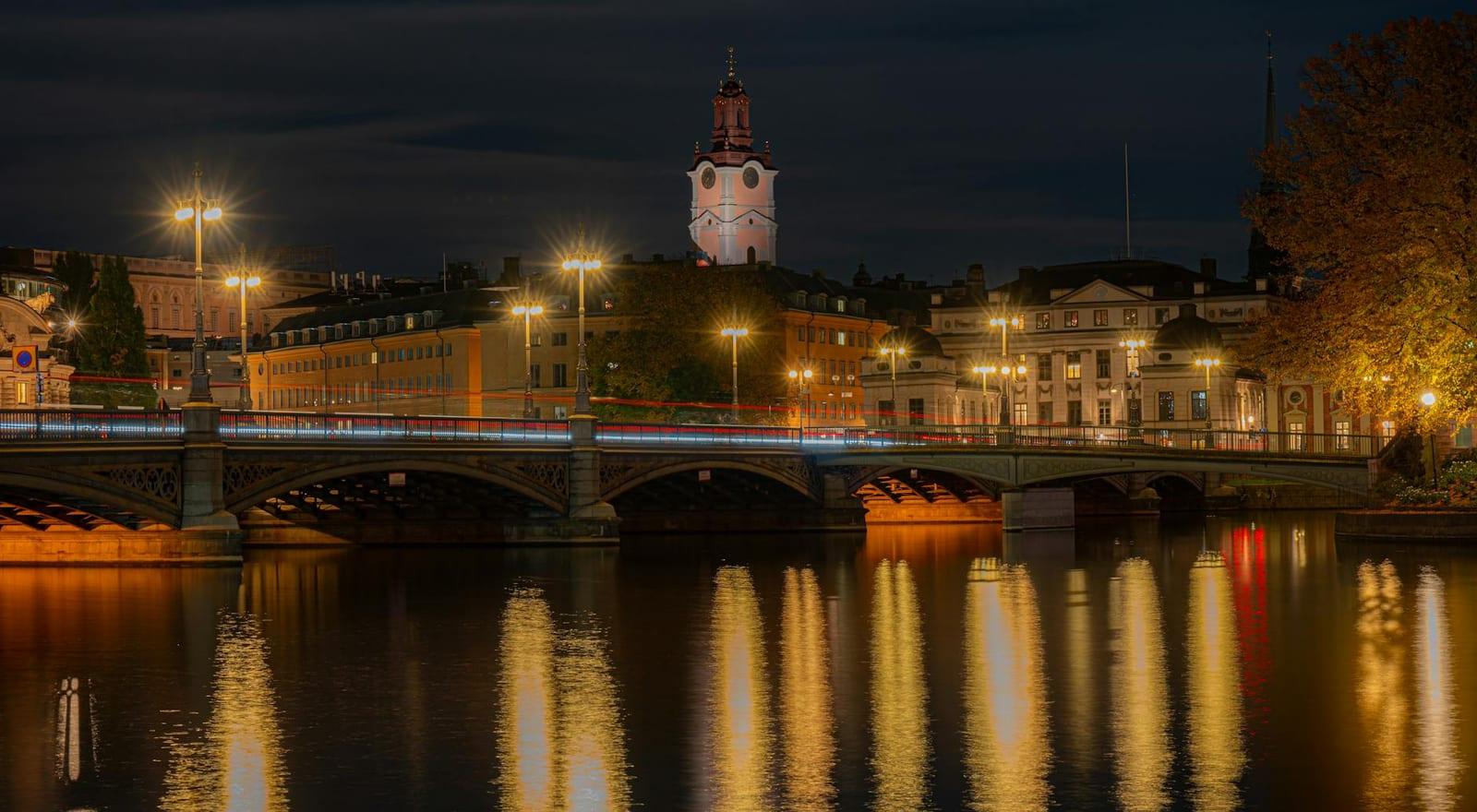
- StorkyrkanThis cathedral, part of Stockholm’s amazing Old Town, harbors a well-known wooden carving of Saint George vanquishing the Dragon.
- SkansenThe Stockholm Archipelago’s world-famous open-air museum, devoted to preindustrial Swedish folk life, opened back in 1891.
- Drottningholm PalaceThis 16th-century landmark on the island of Lovön is one of the most magnificent of Sweden’s surviving royal palaces.
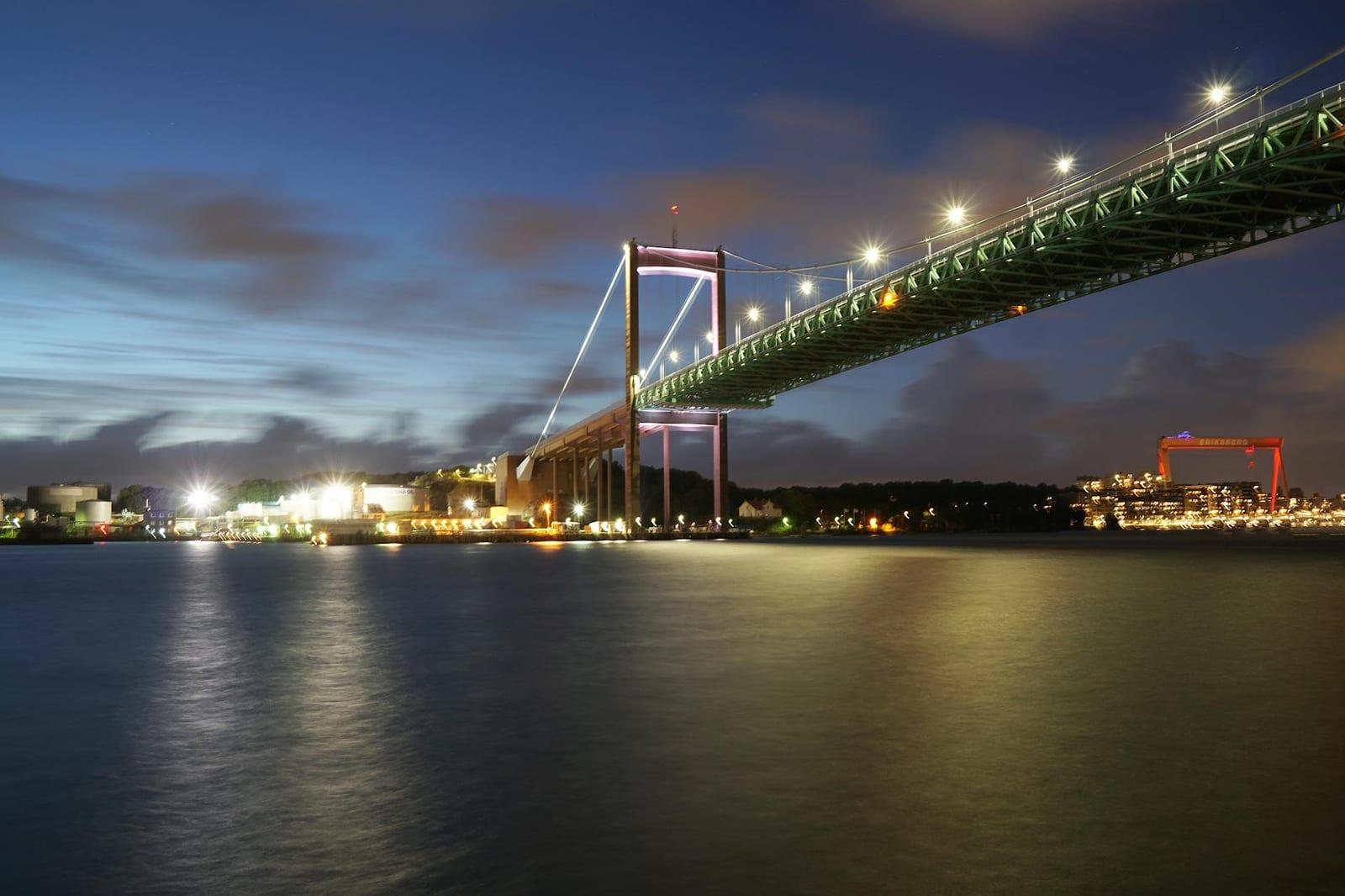
- GothenburgA major cultural and educational center for the country, Gothenburg offers top attractions like the Historical Museum and the Liseberg amusement park.
- Färnebofjärden National ParkThe Dalälven River meanders through wildlife-rich forests in one of Sweden’s great destinations for nature enthusiasts.
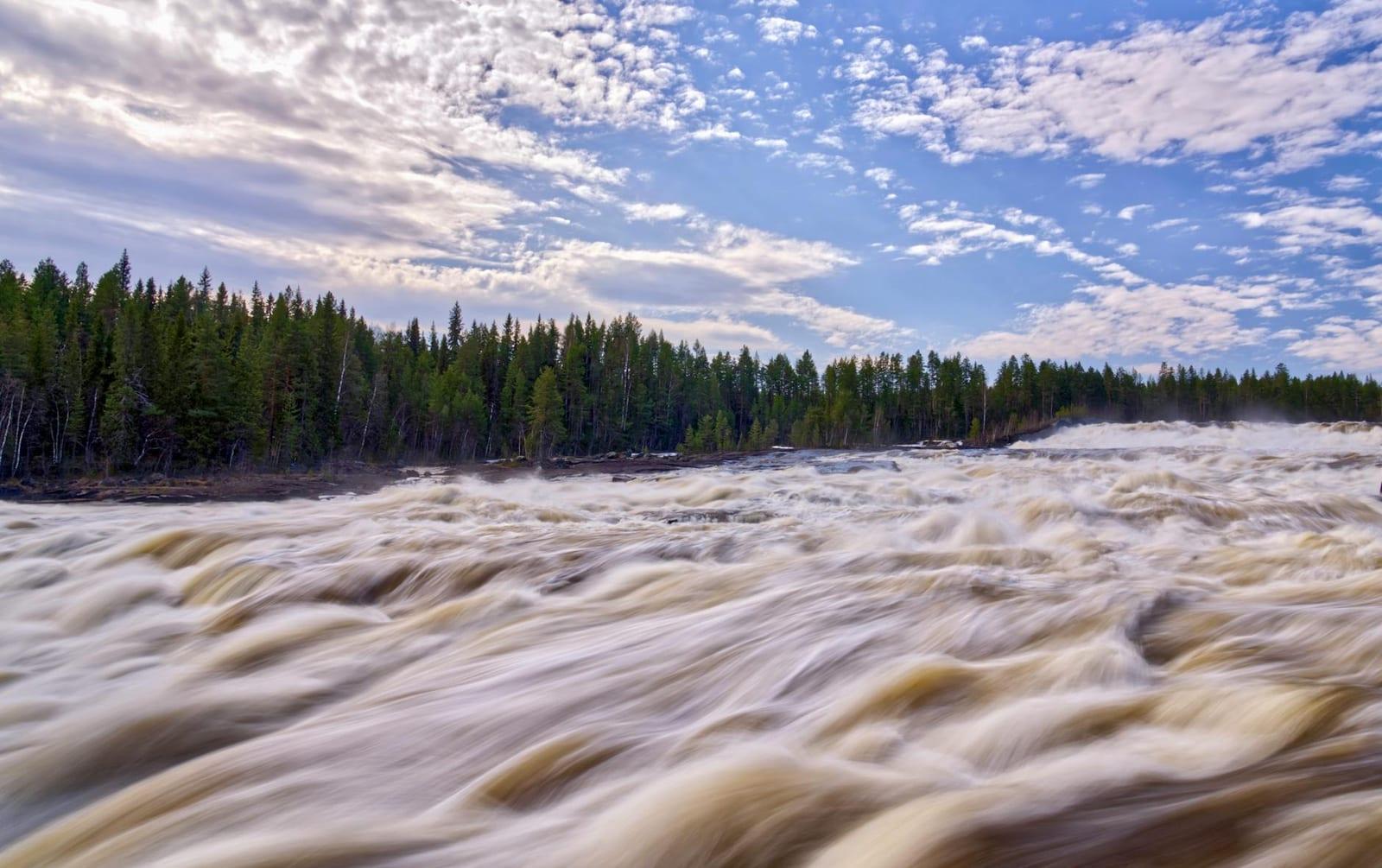
- Sarek National ParkSome of Sweden’s highest and wildest terrain awaits in this Lapland mosaic of tundra, forest, glacier, and bare rock, traditional Sami country.
- ICEHOTELJukkasjarvi’s seasonal hotel, forged entirely out of ice and snow, was the first of its kind in the world.