Heir to a wealth of religious, cultural, and culinary traditions from China and Japan, home to skyscraping cities and rugged wilderness alike, Taiwan jams an awful lot of spirit and spectacle into its small pellet of an island.
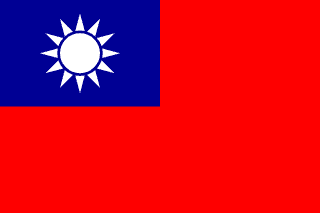
Taiwan’s an economic powerhouse and a thriving democracy, but it’s also a murky geography: The People’s Republic of China contests the Republic of China’s claim to the island, and the long-running dispute—a confusing tangle of terminology, diplomacy, and nationalist posturing—seems unlikely to be resolved anytime soon. As a visitor, be aware of the sensitivity of the country’s political status; in practice, you're likely to find that Taiwan feels firmly its own distinct territory, despite only being separated from the East Asian mainland by the Taiwan Strait..
Taiwanese customs reflect both indigenous traditions and the massive influence that mainland China and Japan (which controlled the island from 1895 to 1945) have exerted here. There’s a lot of history in Taiwan, and you won’t find a more enjoyable way to explore it than via gastronomy. The island’s cuisine is a glorious mashup of local and East Asian accents, with some stellar Chinese and Japanese dishes hobnobbing with Taiwanese specialties such as Hsinchu pork balls and game-meat preparations of the indigenous inhabitants.
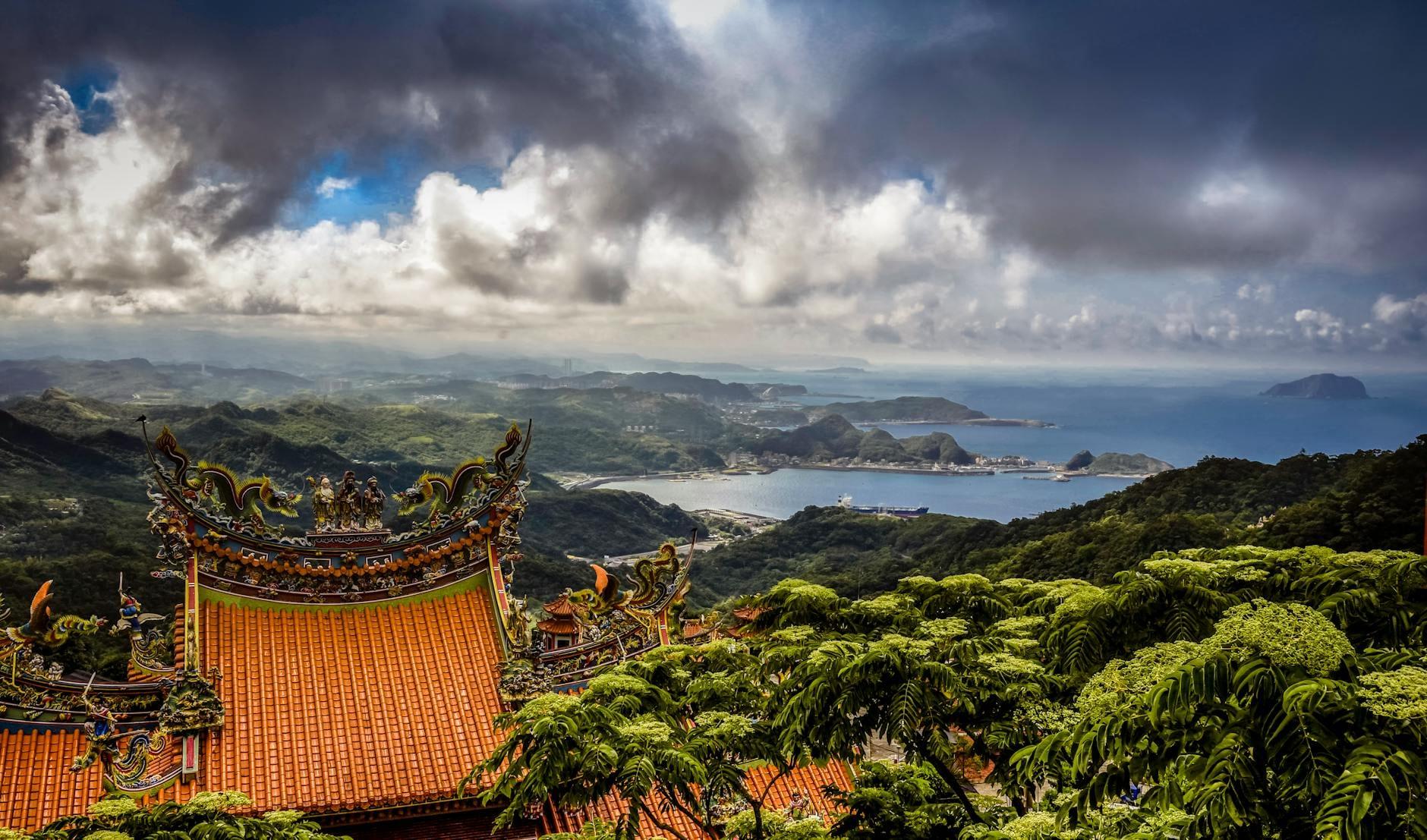
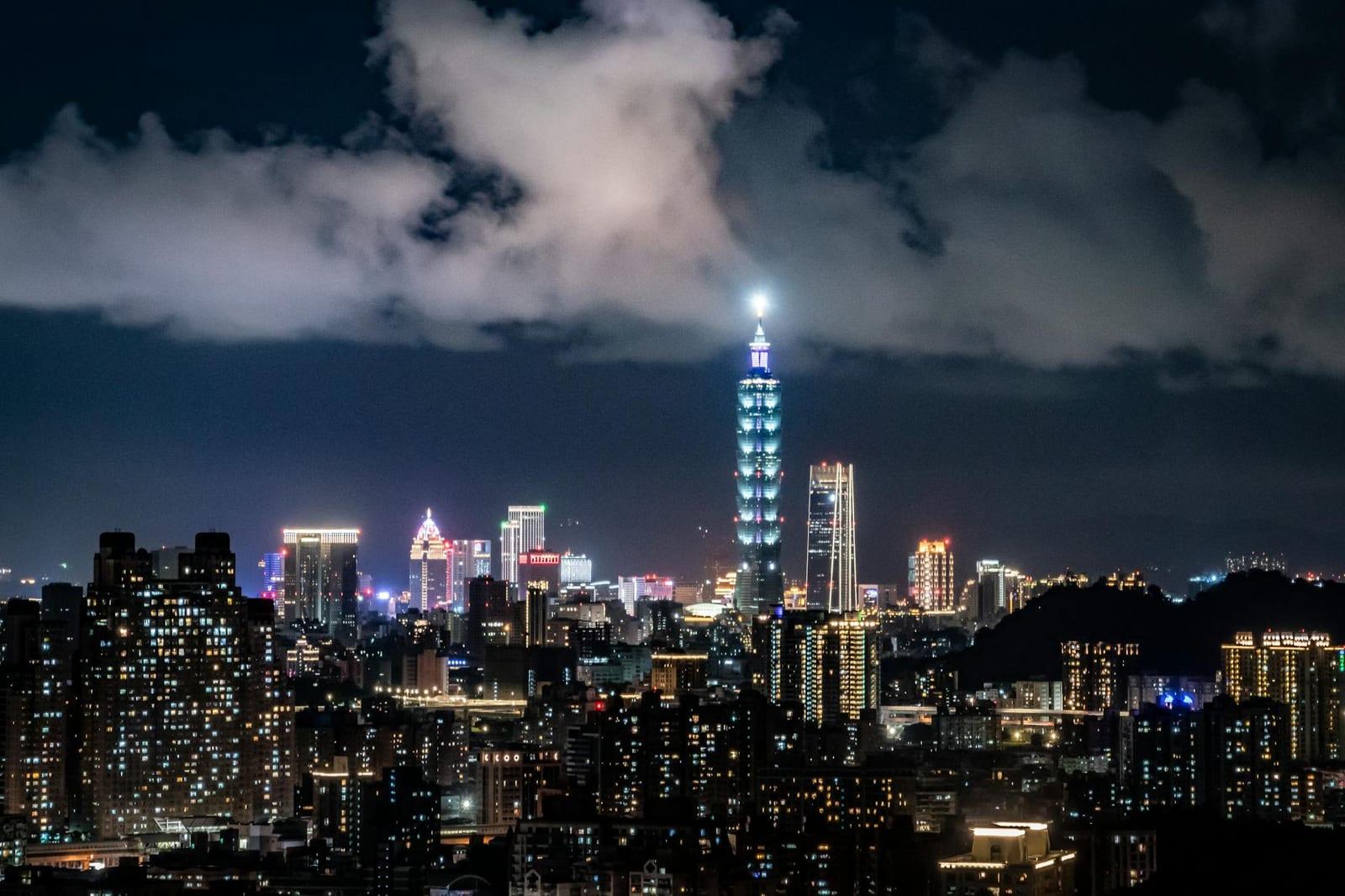
With better than 5,000 temples, Taiwan also displays a diverse and deep-rooted spiritual side. You’ll find numerous Taoist, Confucian, and Buddhist temples in city and countryside alike (the ancient hub of Tainan offers a particularly rich selection). Such venerable sacred sites commonly sit shoulder-to-shoulder with the towering, neon-lit infrastructure of modern-day Taiwan. Along with Tainan, Taipei is a fabulous place to sample the country’s past (the National Museum is a must-see) and lock into its booming, fun-loving present. The capital’s night markets are legendary, and its landmarks—including one of the world’s tallest skyscrapers, Taipei 101—pack a glitzy punch.
Outside its extensive urban sphere, though, Taiwan showcases a different energy: ocean waves crashing into sharp cliffs, rumpled mountains extending to the horizon, steaming hot springs in volcanic defiles, technicolor coral reefs, and deep subtropical forests. From the estuaries of Taijiang National Park and the grand cleft of Taroko Gorge to the wild rock formations of the northern coast, Taiwan is as much a destination for the nature-lover as the urban-explorer.
Possessed of noteworthy scenic beauty, a fascinating (and contentious) multicultural history, and a vivacious, old-meets-new society, Taiwan is as dynamic a destination as you’ll find in East Asia.
14 things not to miss.
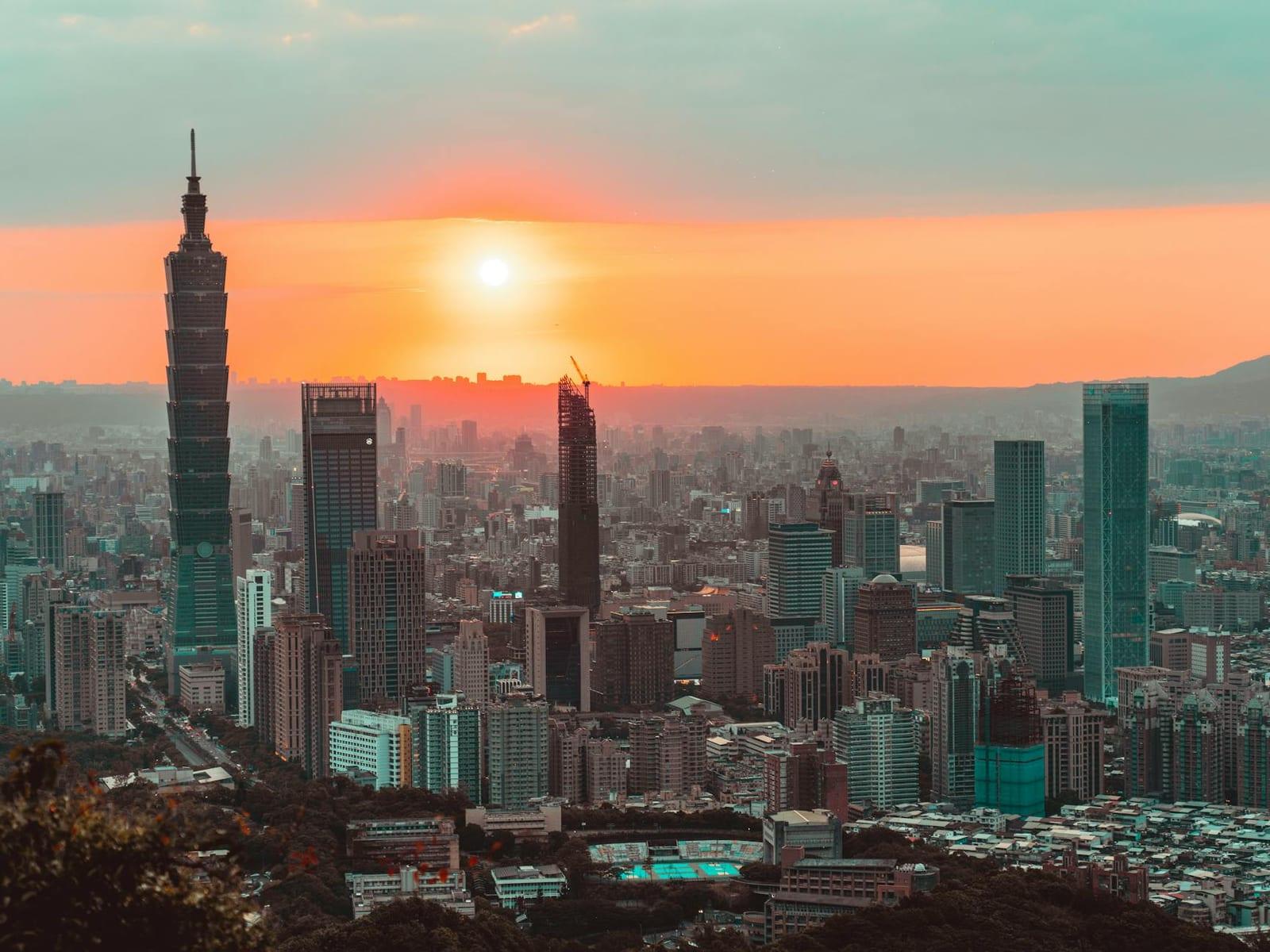
- Taipei 101 at sunsetClimb Taipei 101 at sunset
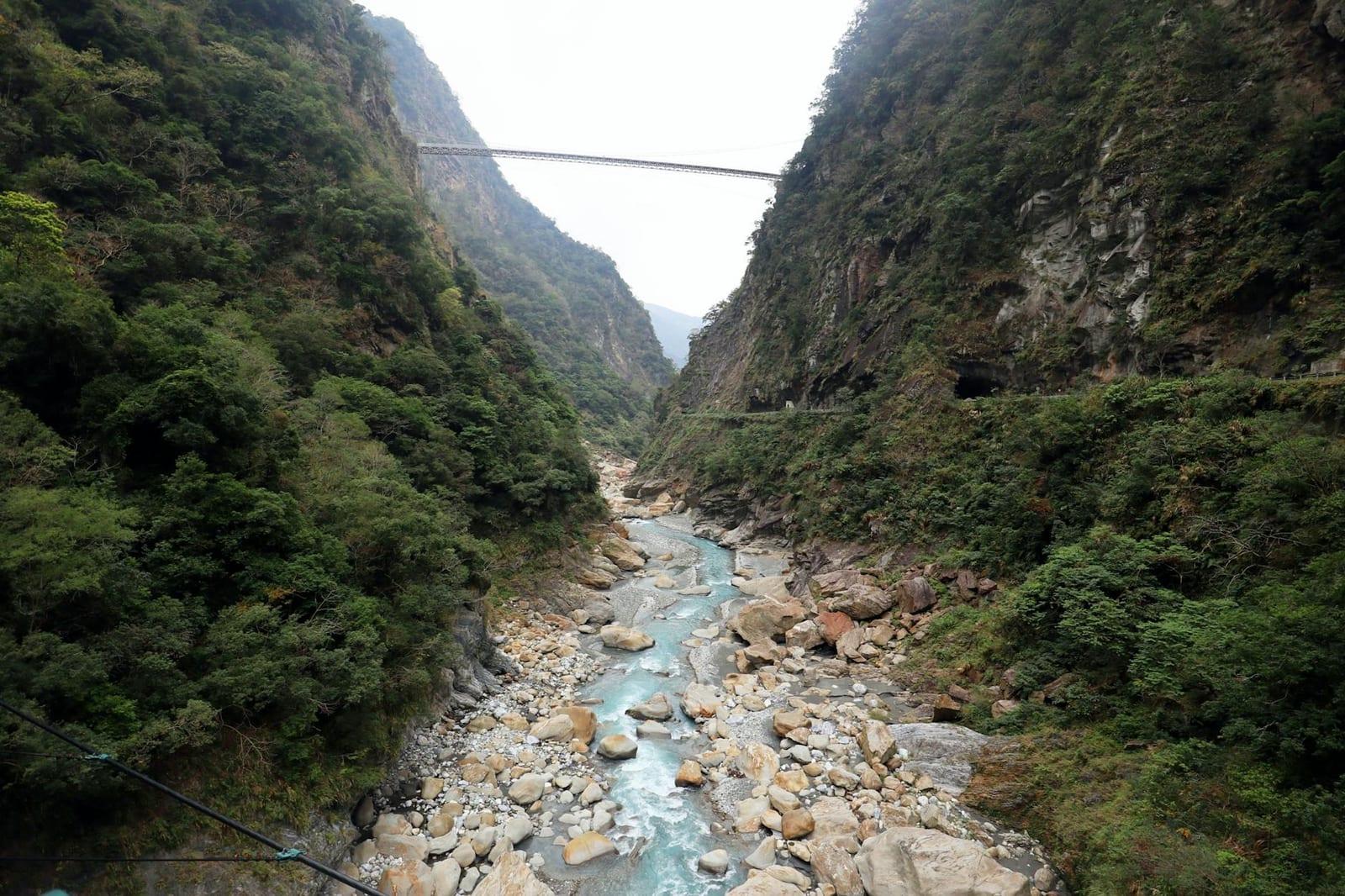
- Taroko GorgeHike Taroko Gorge
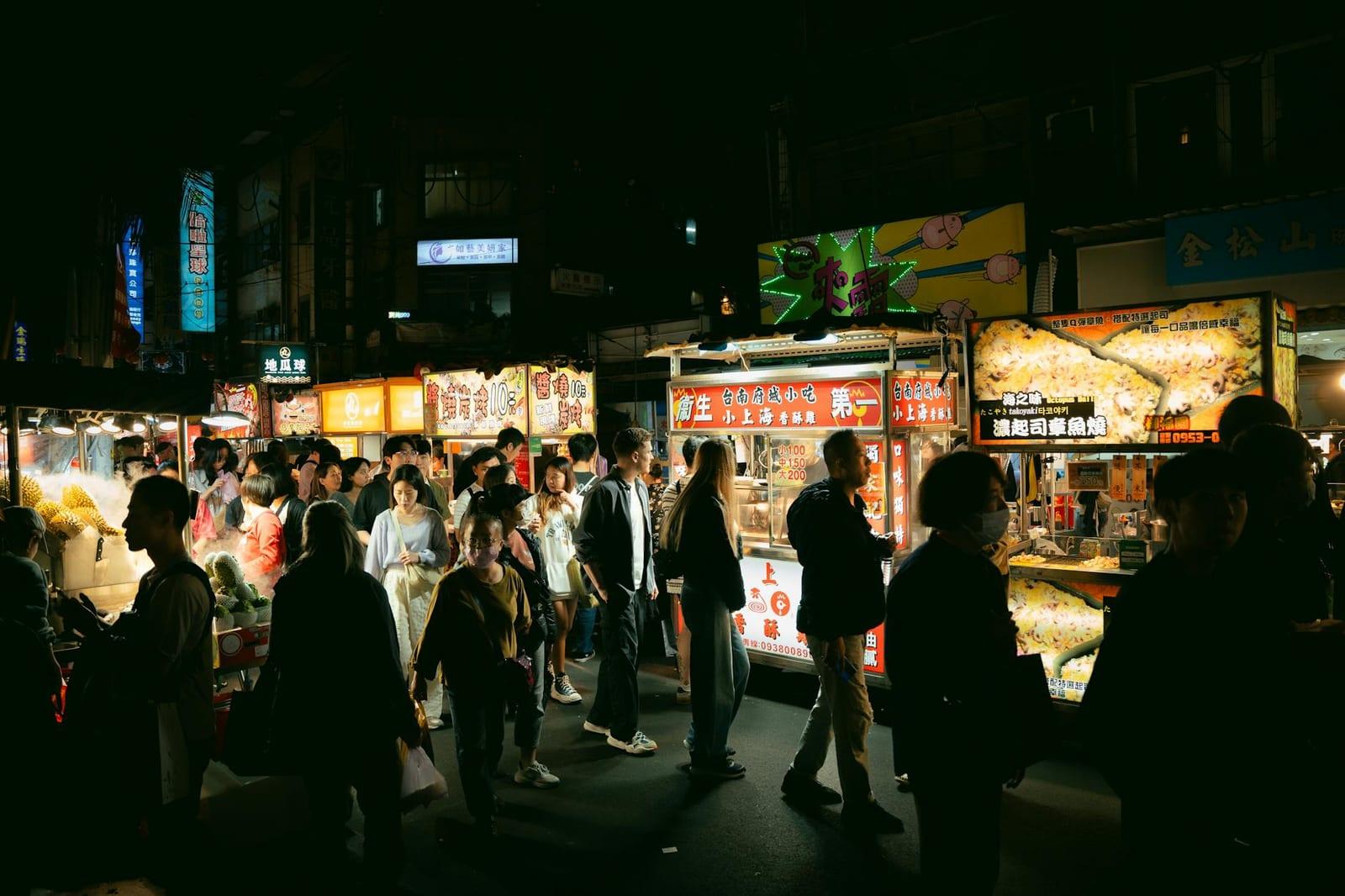
- a night marketEat your way through a night market
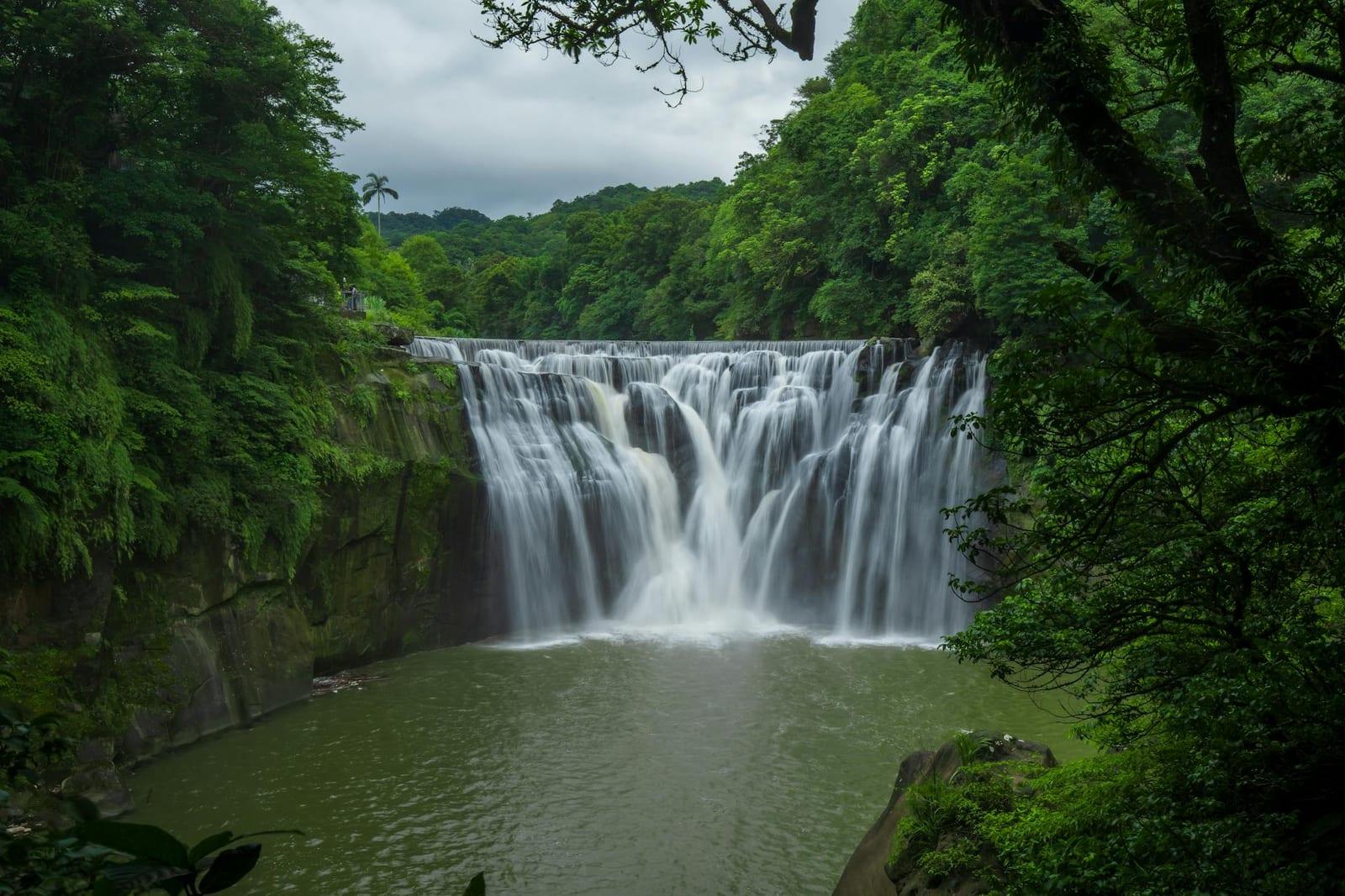
- Pingxi
- National Palace Museum
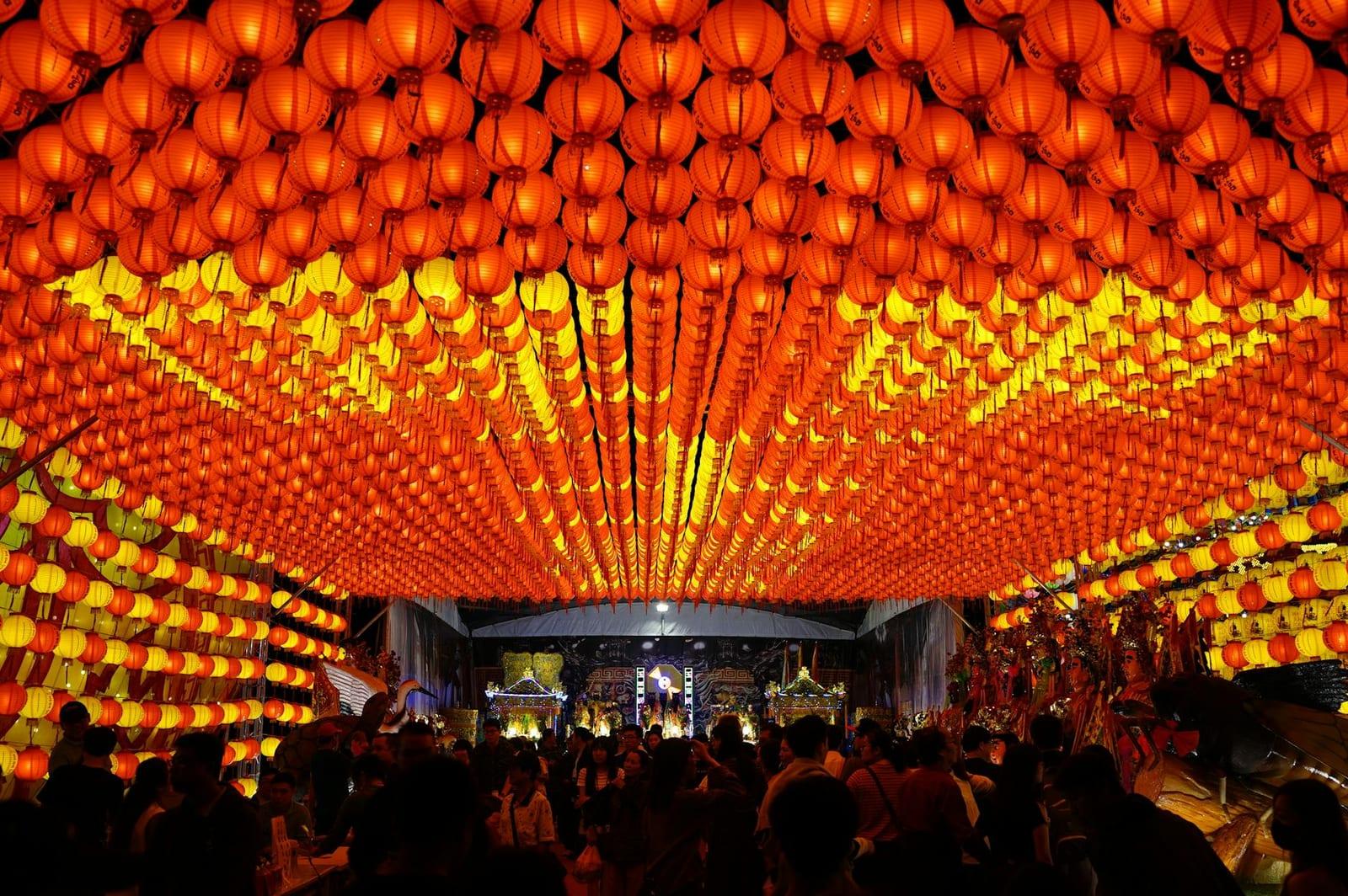
- Lantern Festival
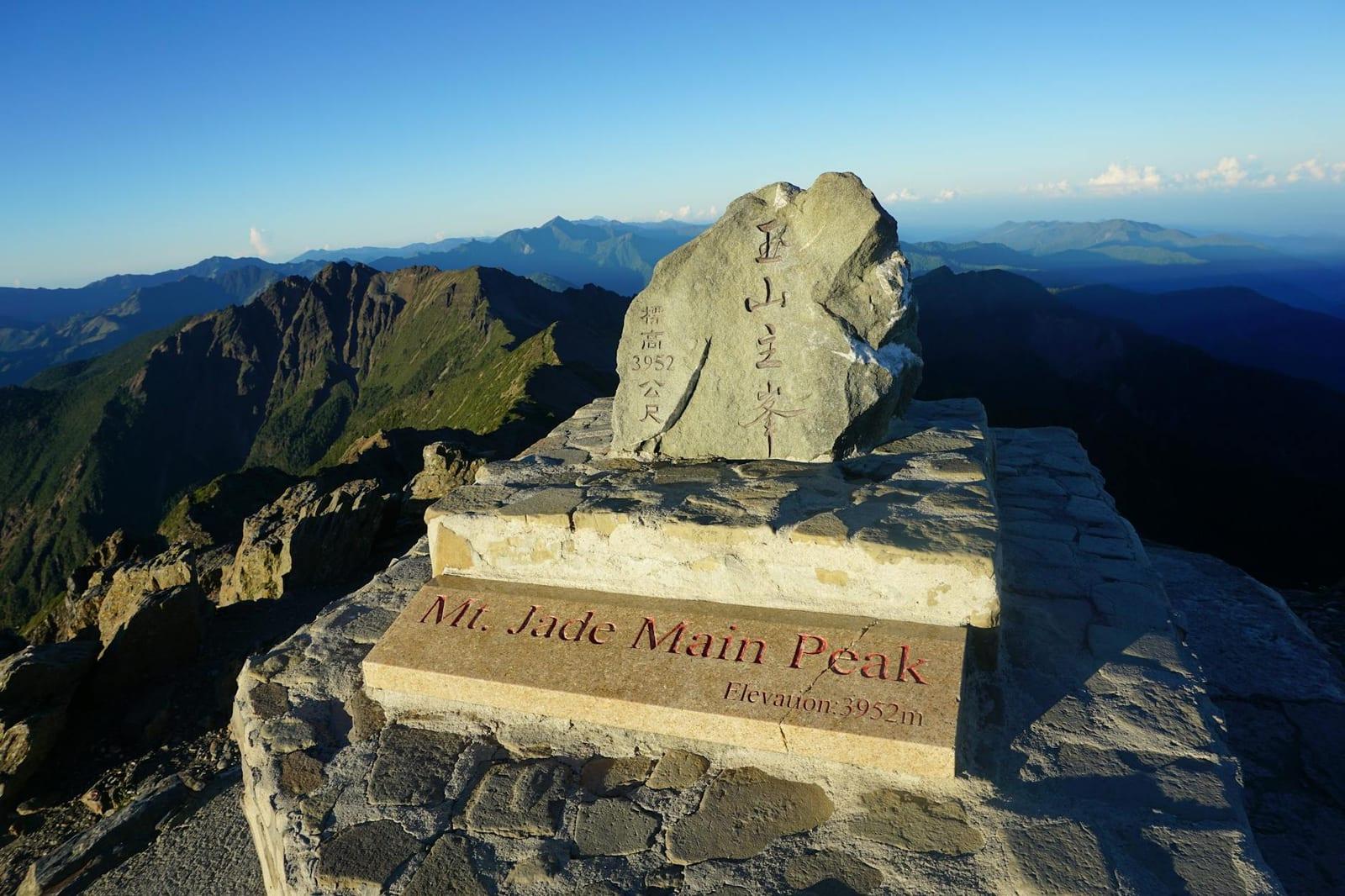
- Yushan National ParkEnjoy Taiwan at its most remote and rugged in this Central Mountain Range park, home to the country’s highest peak.
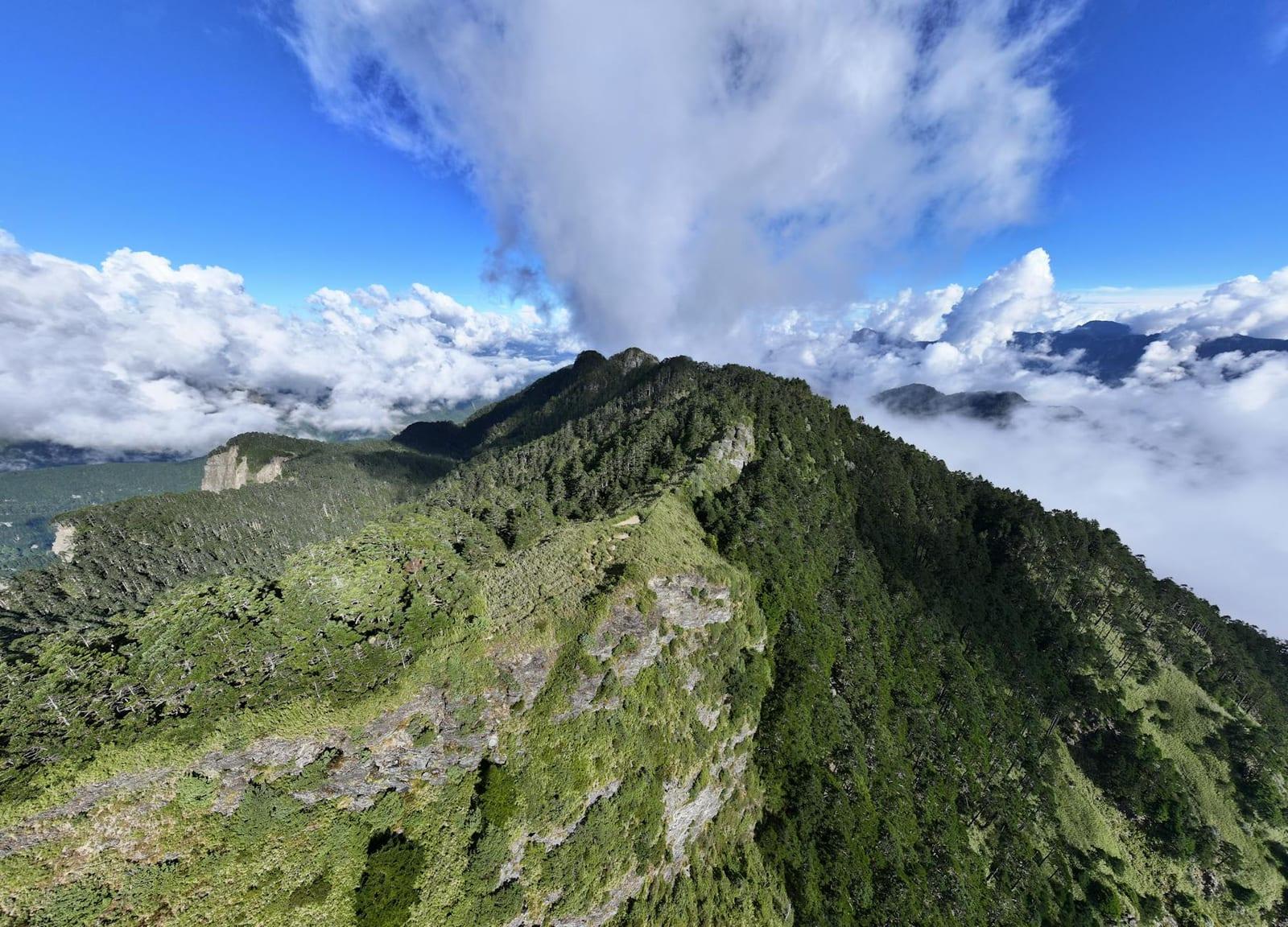
- Dabajian MountainFew summits in Taiwan are as impressive as this 11,450-footer, a big castellated citadel in Shei-Pa National Park.
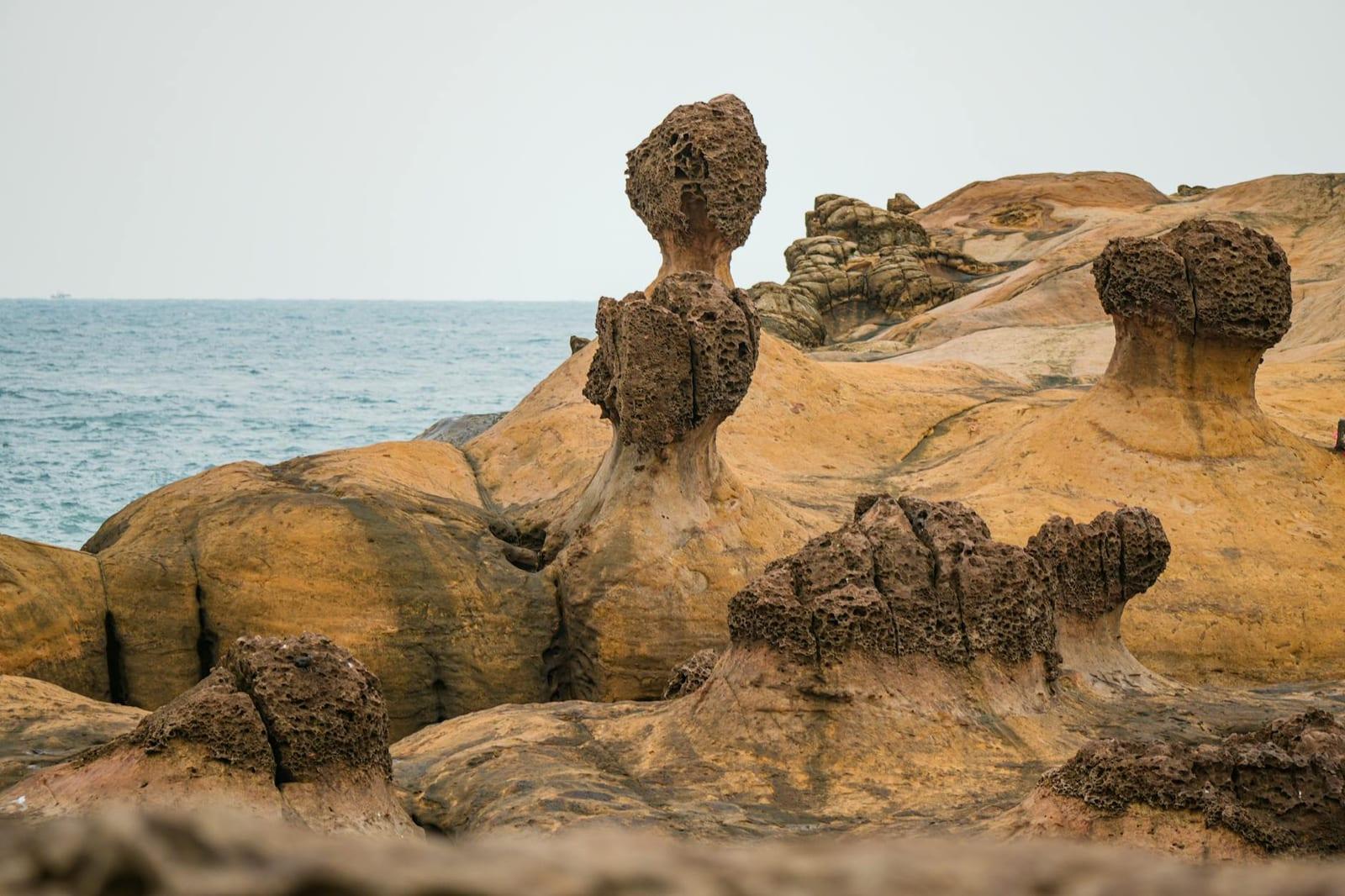
- Yehliu GeoparkYehliu Cape on Taiwan’s northern coast is famous for its coastal rock formations, including the unreal hoodoo of the “Queen’s Head.”
- Taipei 101Eclipsed only by Dubai’s Burj Khalifa, this muscular supertall skyscraper climbs 1,667 feet into the clouds.
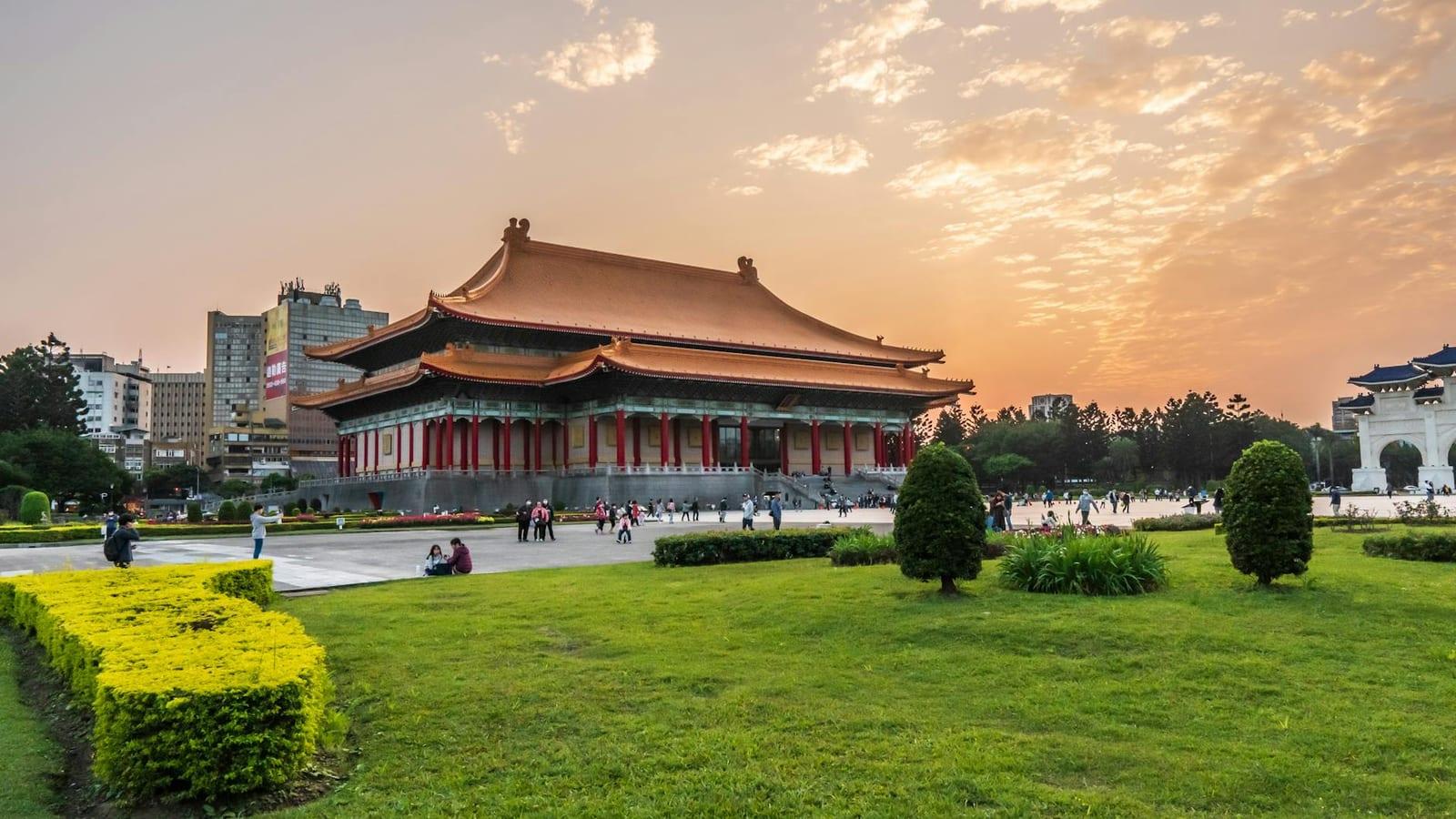
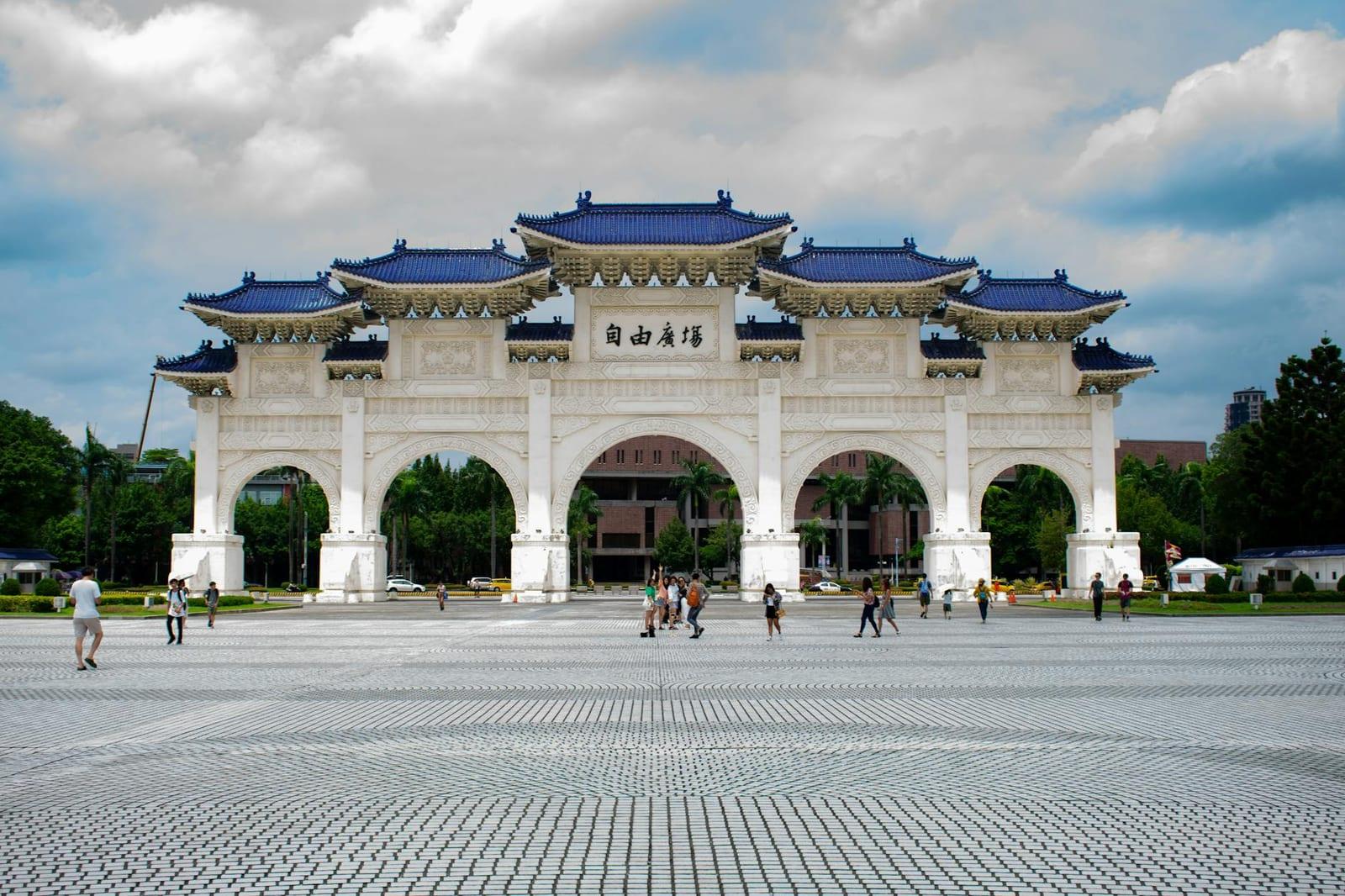
- Memorial Hall SquareThis plaza edges a number of celebrated Taipei landmarks, including the Chiang Kai-shek Memorial Hall and the National Theatre.
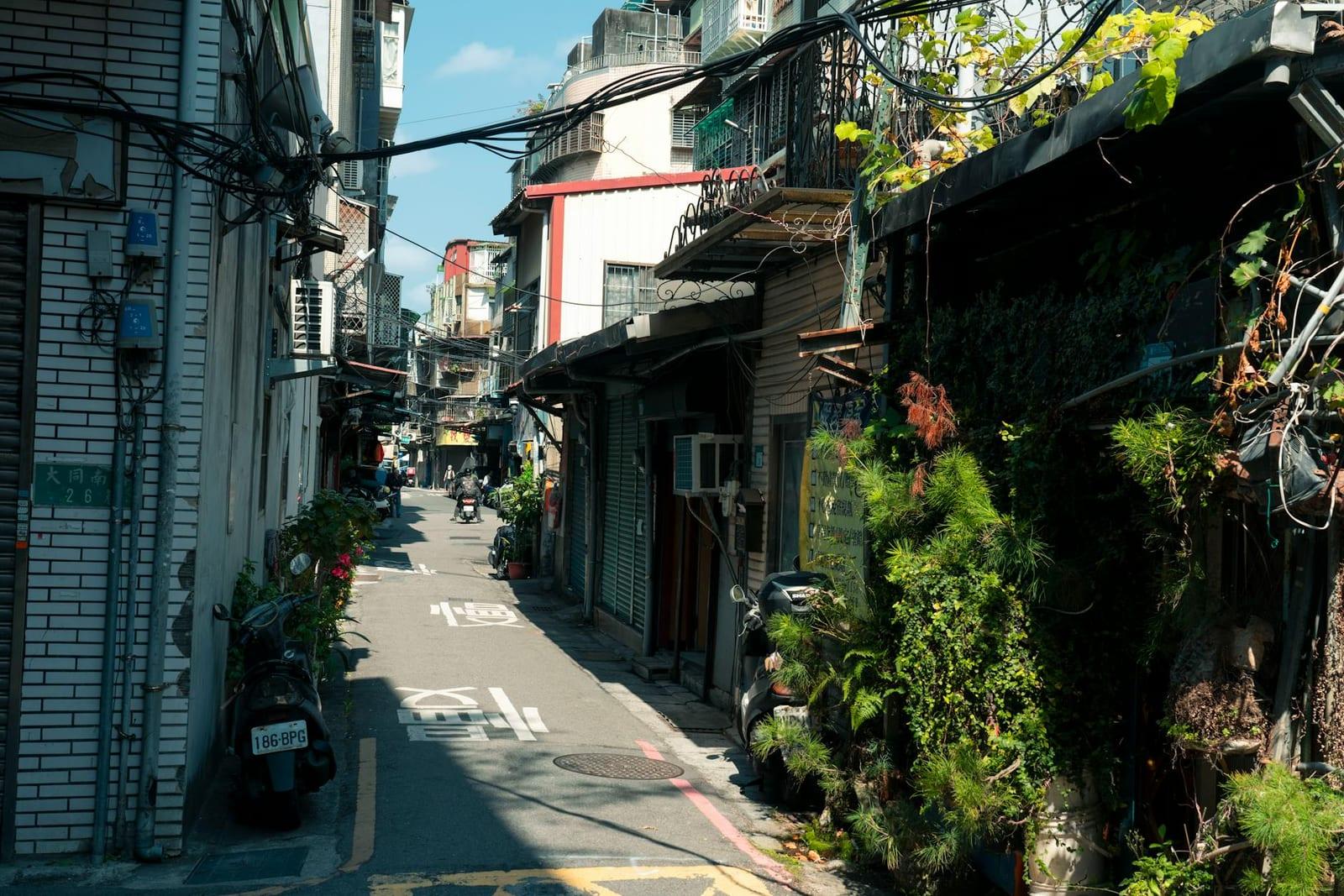
- Snake Alley (Huaxi Night Market)Among Taipei’s best-known night markets, this one’s nicknamed for all the serpent parts for sale—including on the menu.
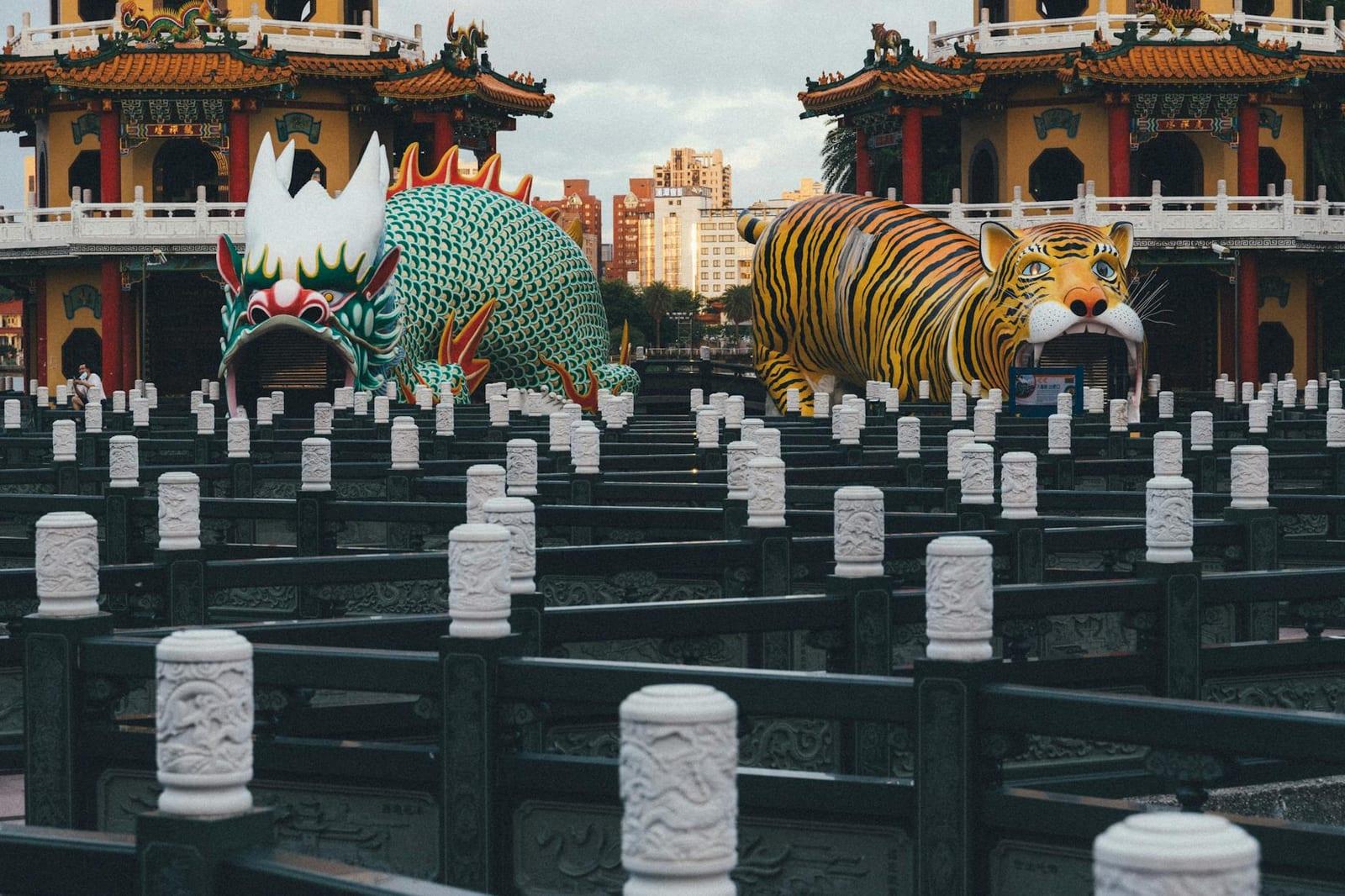
- The Dragon & Tiger PagodasYou enter these colorful pagodas on the shores of Lotus Lake via a dragon’s gaping maw and exit via a tiger’s.
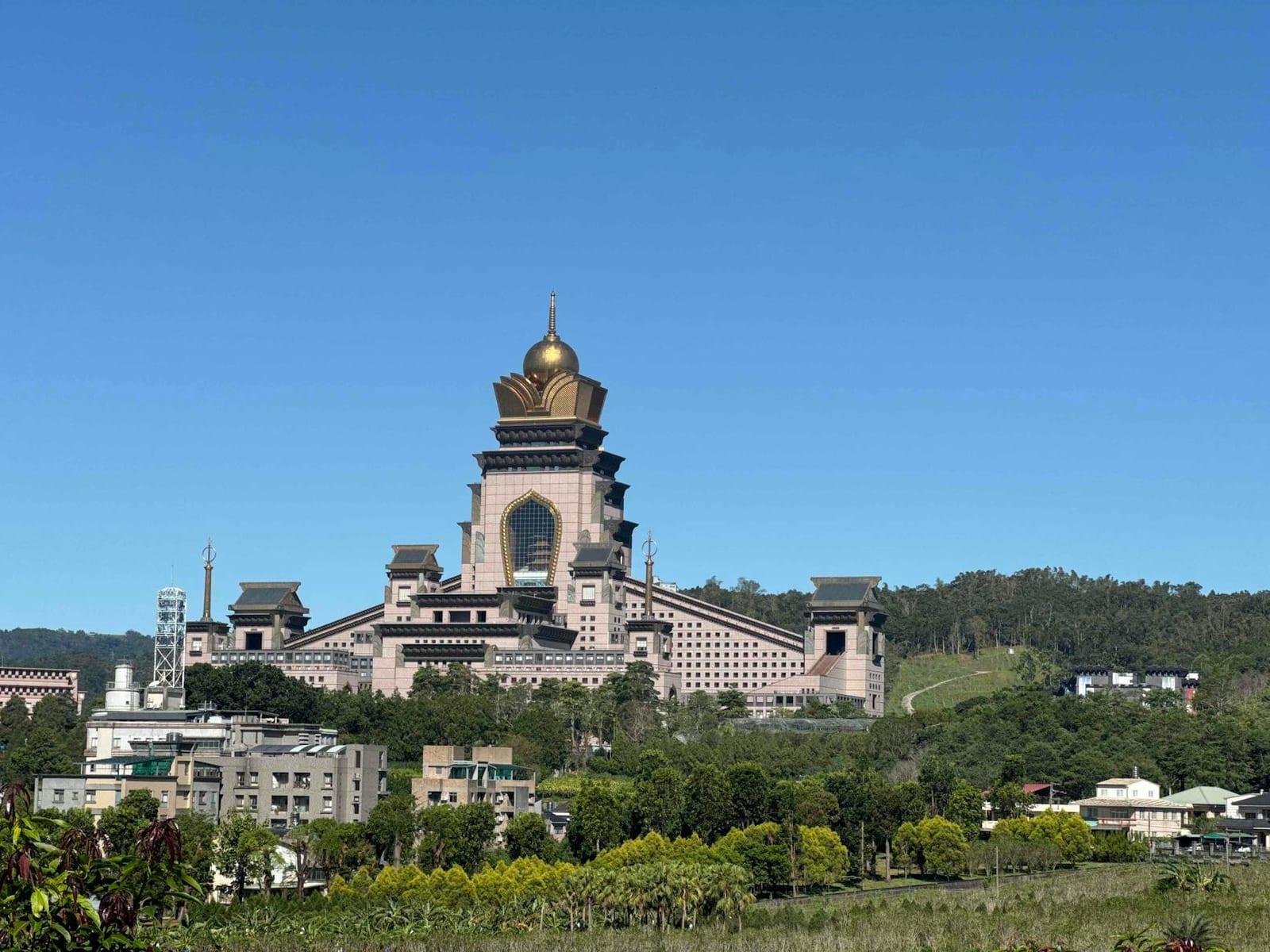
- Chung Tai Shan MonasteryThis Nantou County monastic complex boasts one of the globe’s tallest Buddhist temples.