
East Timor—the first country to be established in the 21st century—feels like an undiscovered jewel to most travelers. Though the road to independence from Indonesia was rocky and often violent, today more and more tourists are discovering the cultural and ecological delights of this newfound nation.
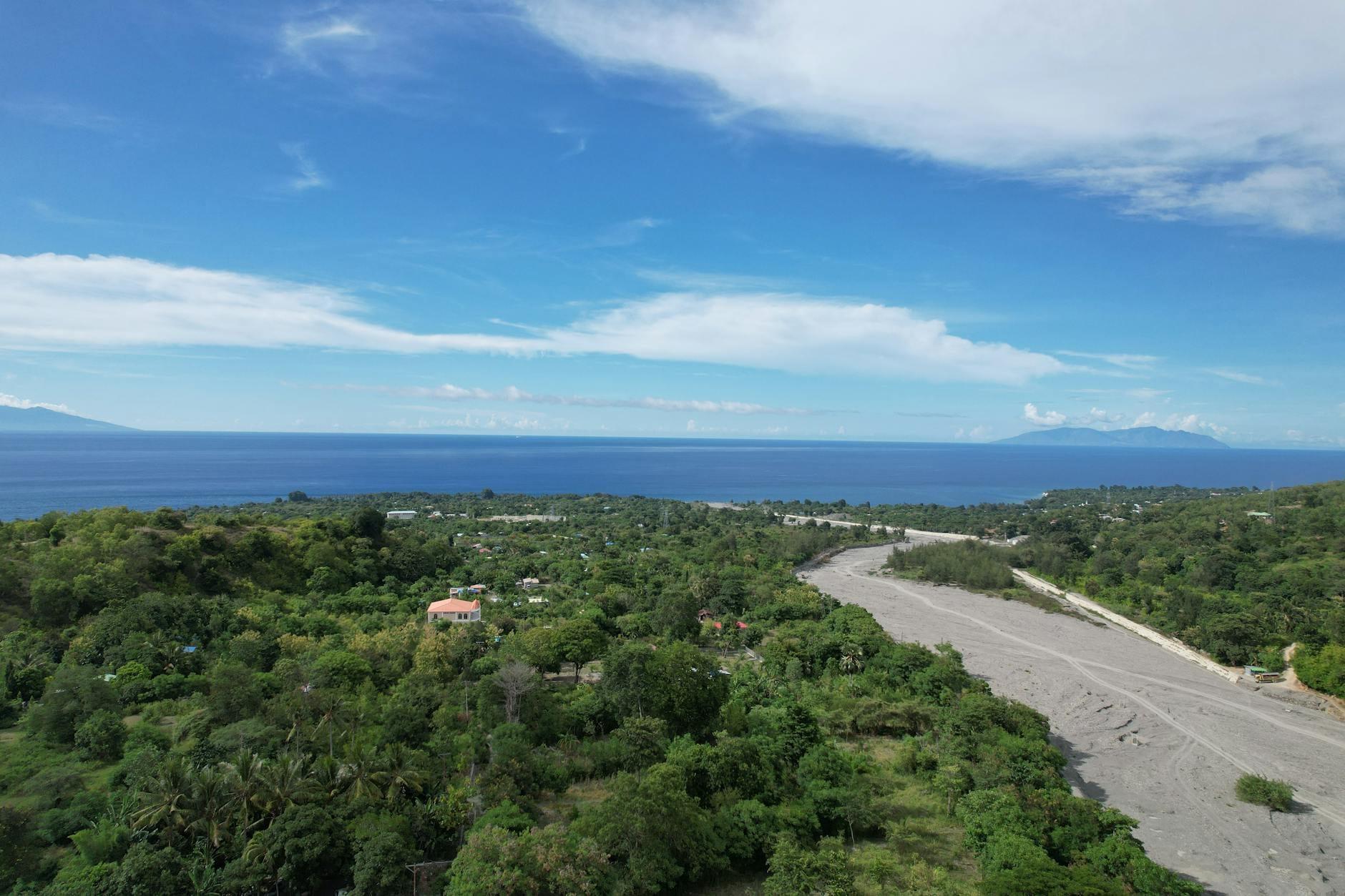
Occupying as it does the eastern and northwestern portions of the island of Timor—as well as the islets of Atauro and Jaco—there’s a lot of comparatively unblemished beachfront: And some of East Timor’s prime attractions are its coastline and nearshore waters (snorkeling, diving, and surfing opportunities here are exceptional). As far as marine splendors go, you can’t do much better than the Coral Triangle.
And inland you have the beautifully rugged backbone of East Timor, which reaches an impressive pinnacle in 9,800-foot Tatamailau (“Grandfather of All” in the local Mumbai tongue), where the adventurous can hike to the summit, which is adorned with a statute of the Virgin Mary. Four-wheel-drive enthusiasts have miles of rough mountain tracks to explore, while nature-lovers can spot critters such as cuckoo-doves, cuscus, and a variety of serpents in Nino Konis Santana National Park (East Timor’s first).
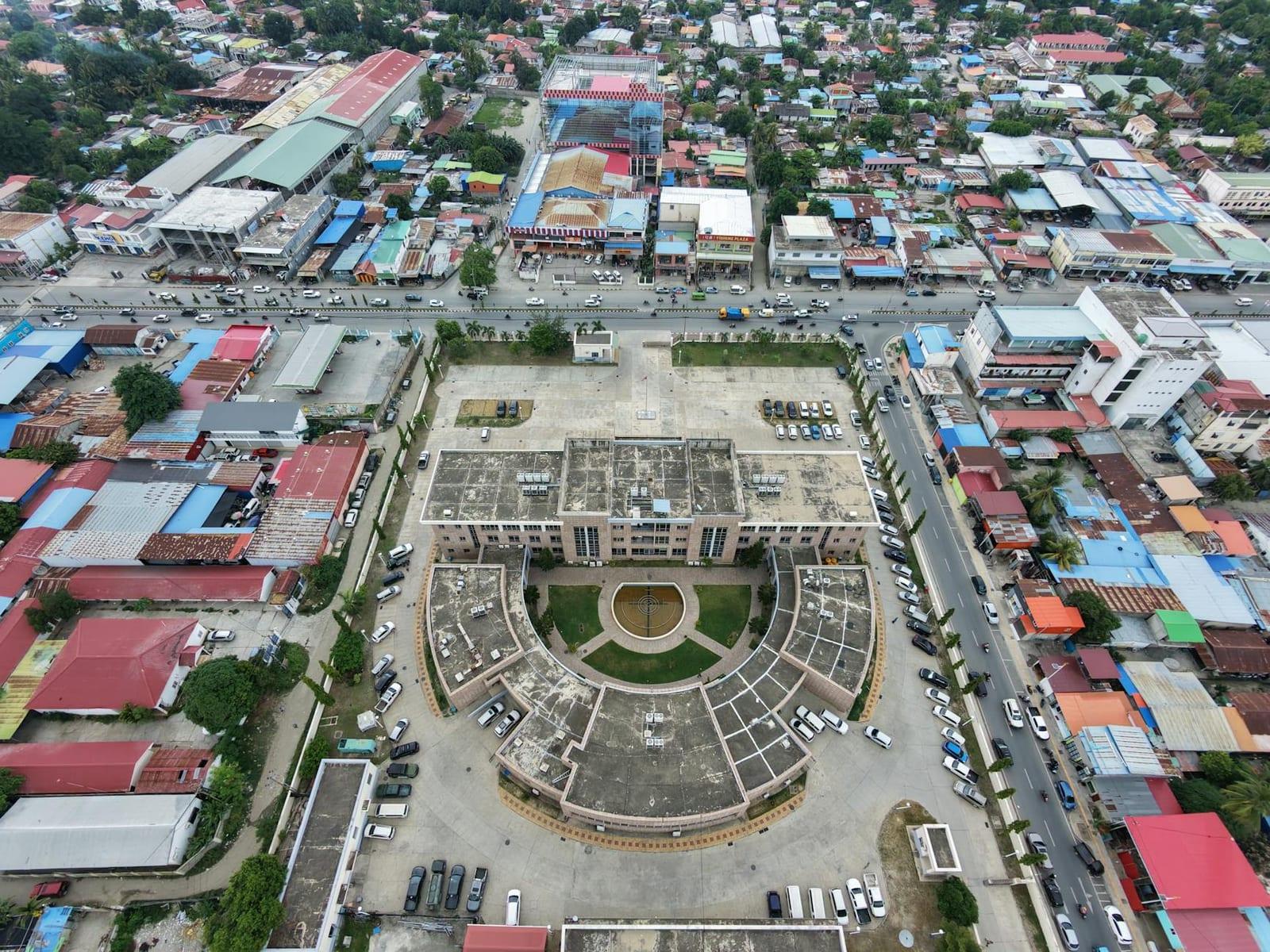
The capital of Dili offers great beach and diving access, but is also a fascinating destination unto itself for observing the self-definition and societal evolution of this fresh-faced country. Here, too, gastronomes can investigate East Timor cuisine—defined by tropical fruits and homegrown produce, meat, and seafood prepared and arranged in styles reflective both of Southeast Asian and Portuguese cookery, a reminder of the centuries East Timor spent under Portuguese rule. In the capital and elsewhere, you can catch expressions of traditional customs—including the tebedai dance, homegrown basketry, and the cone-topped homes of the Mambai people—as well as thoroughly modern resort and nightclub culture.
Whatever you do, don’t treat East Timor as merely a getaway for beach- and pool-wallowing. The hardships and horrors of Indonesian occupation and the battle for sovereignty are still fresh, and anyone visiting during this formative era should take the time to understand the country’s hard-fought liberty.
8 things not to miss.
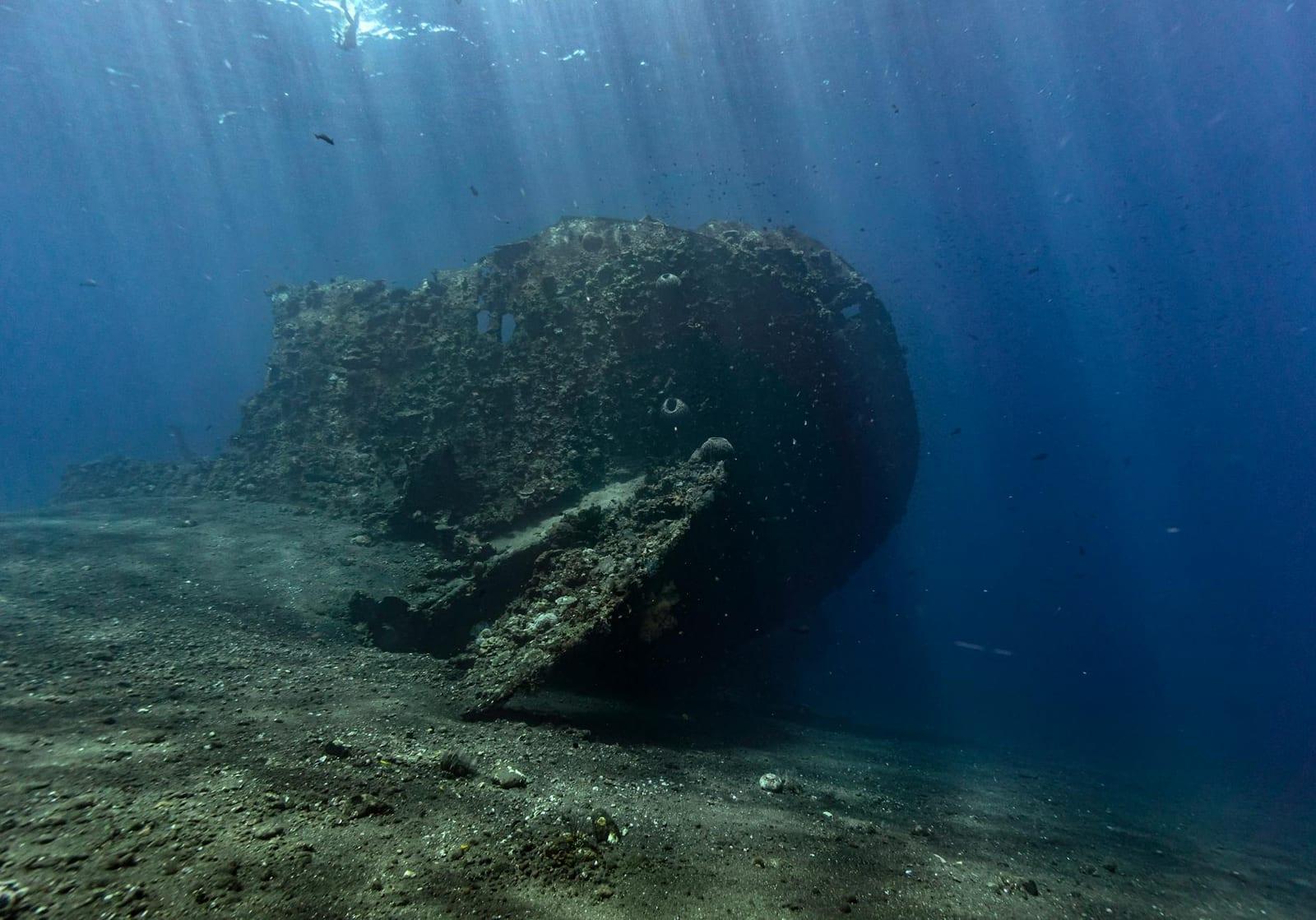
- Dive the SS President Coolidge wreckDive the SS President Coolidge wreck
- Mount Ramelau for sunriseHike to Mount Ramelau for sunrise
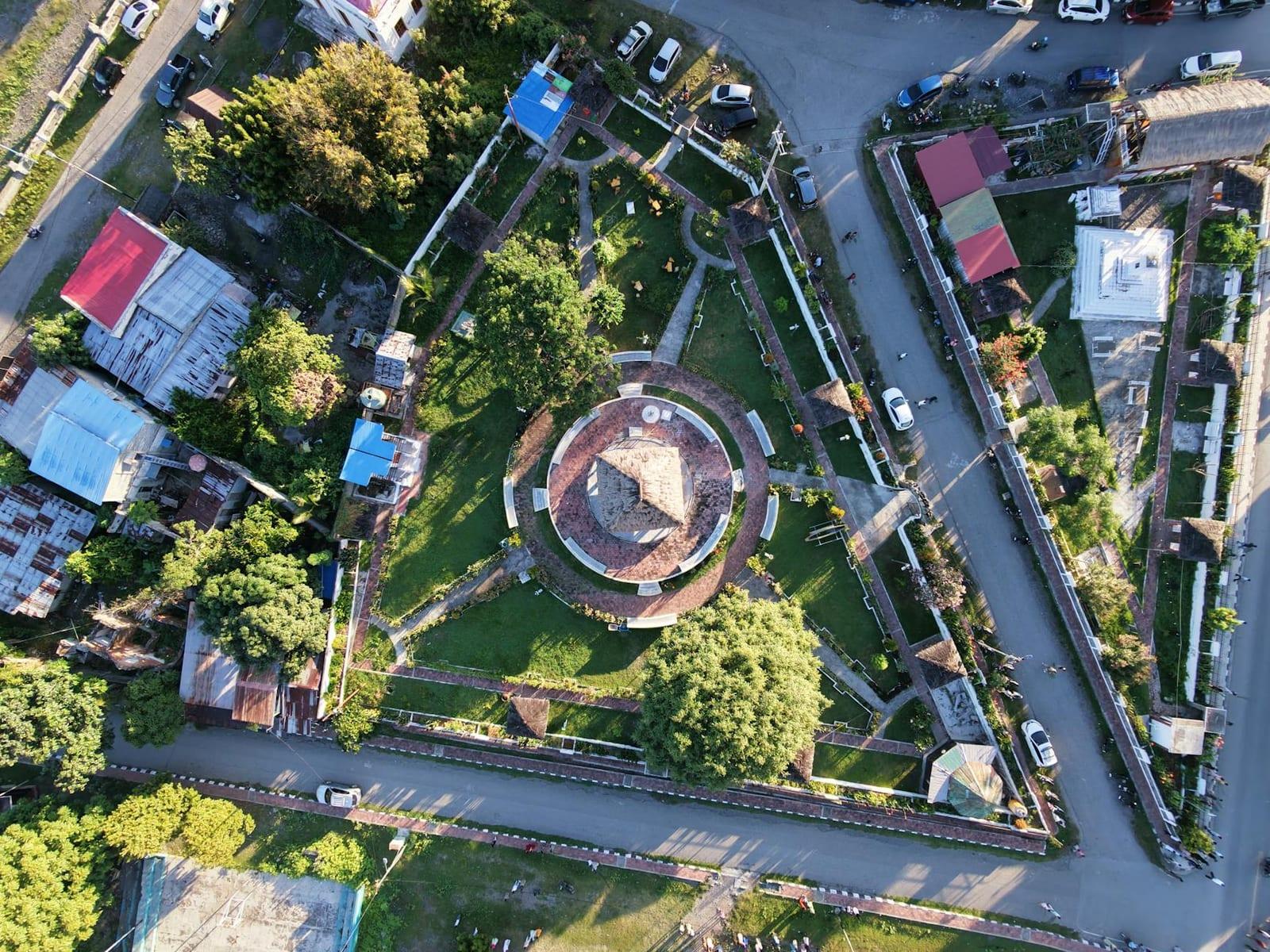
- Dili's Portuguese-era waterfrontWalk Dili's Portuguese-era waterfront
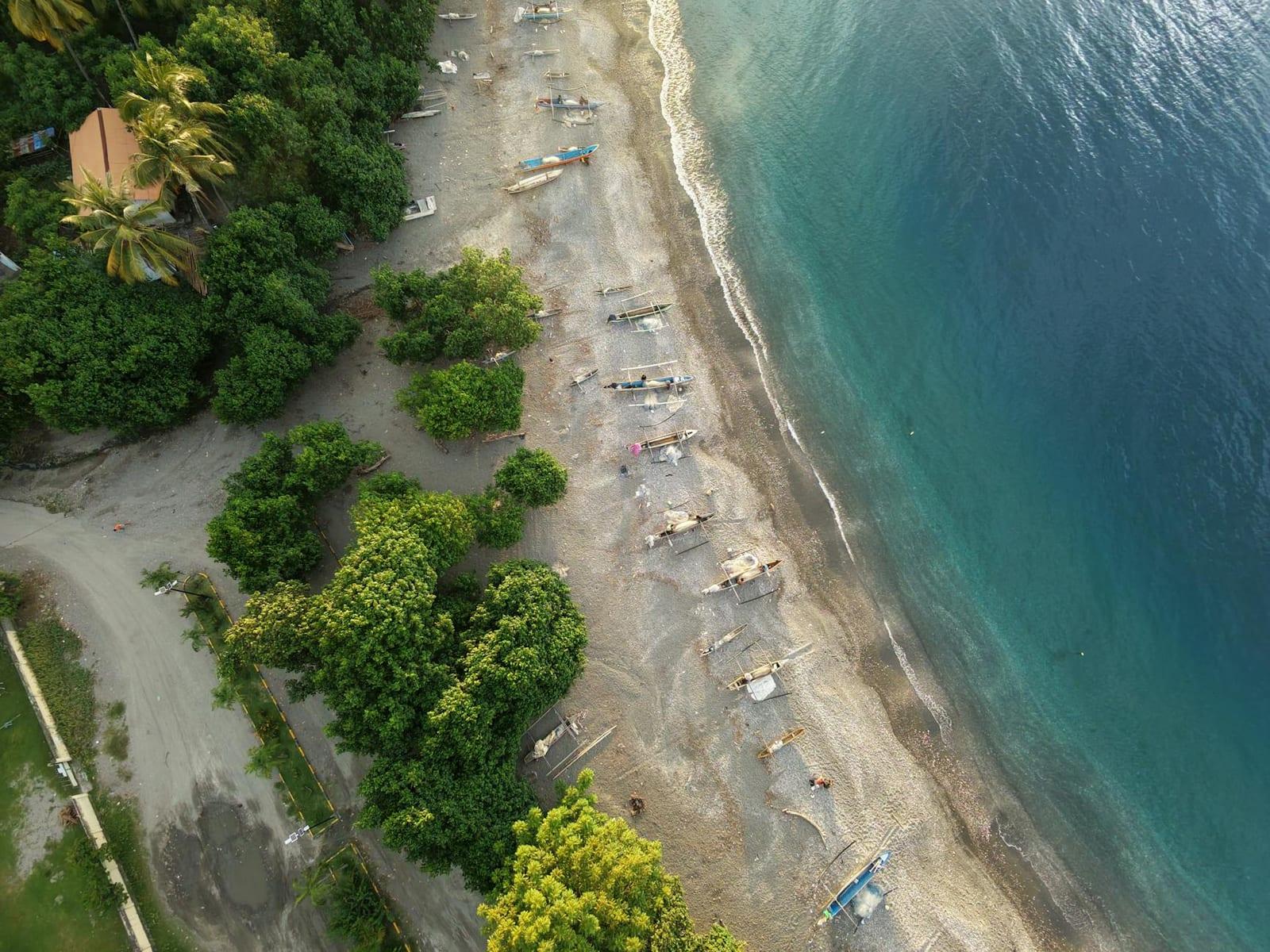
- TatamailauThis 9,800-foot mountain, East Timor’s high point, makes a popular pilgrimage site—for the views and the summit Virgin Mary statue.
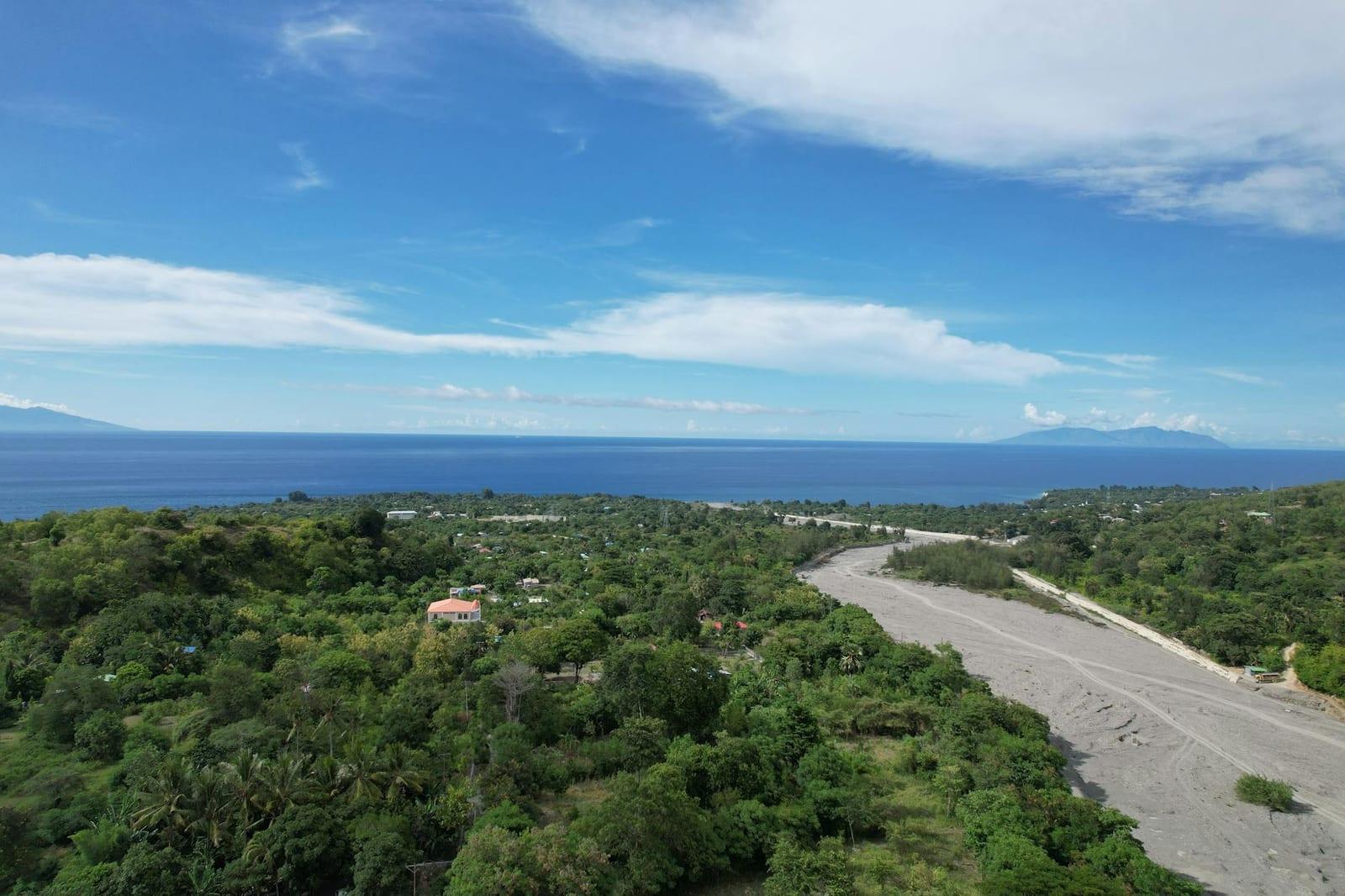
- Nino Konis Santana National ParkGrading from montane rainforest to the marine gardens of the Coral Triangle, East Timor’s first national park is a beaut.
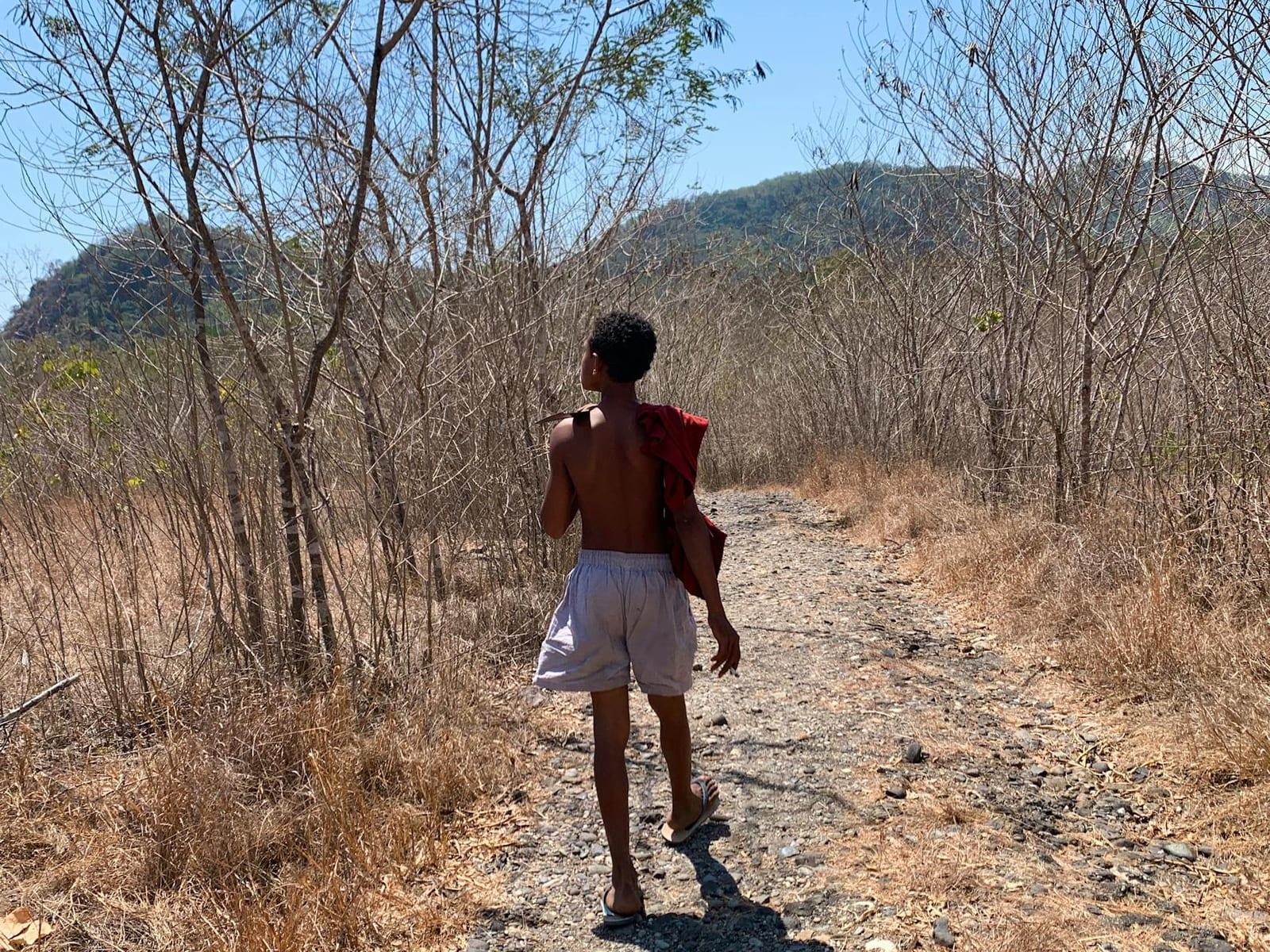
- Atauro IslandTraditional villages, dolphin-sliced waters, heaven-sent beaches—discover a hidden paradise on this mountainous isle off the north coast.
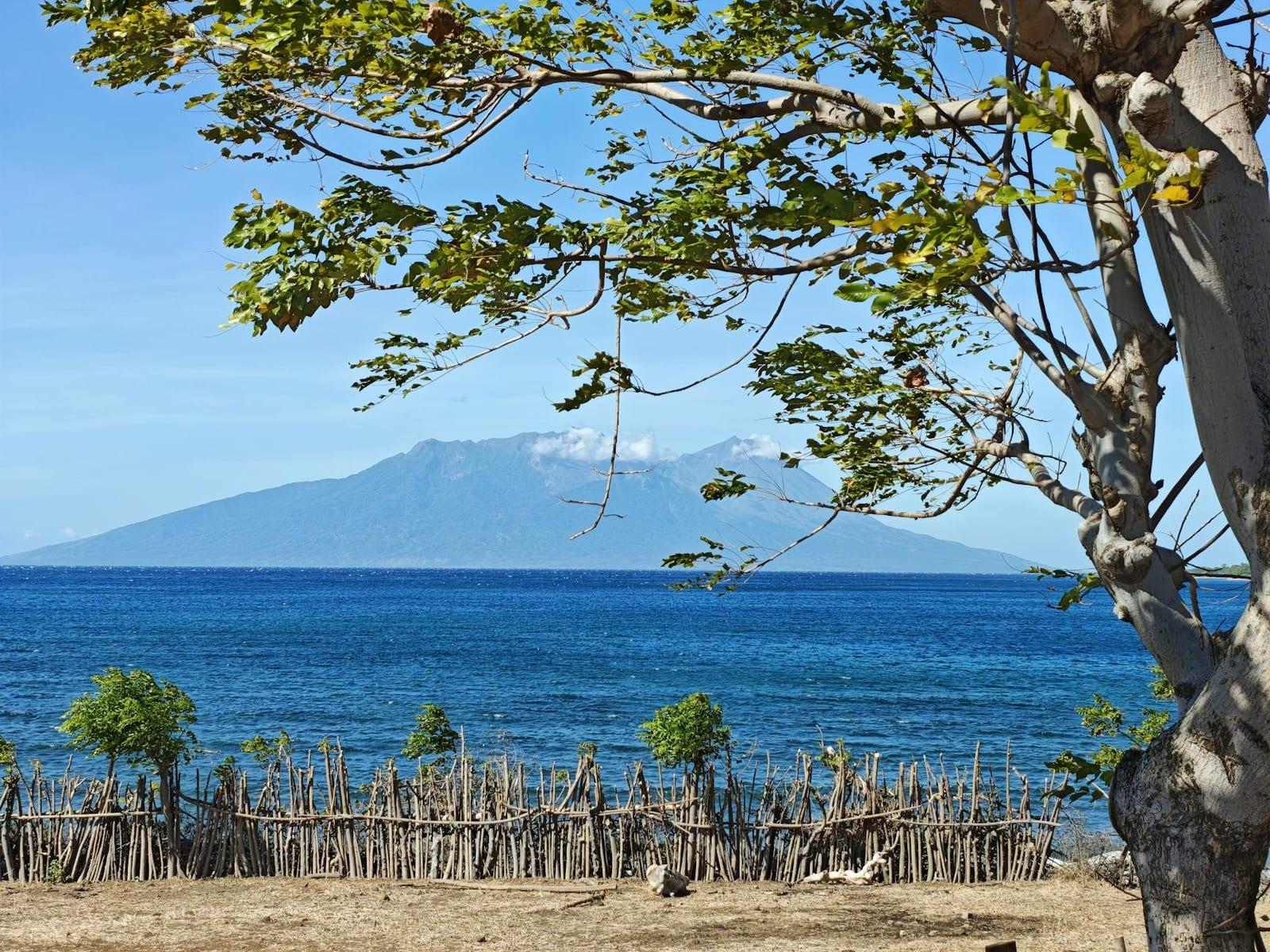
- DiliFrom colonial Portuguese architecture to the Resistance Museum (documenting the independence movement under Indonesian rule), the capital abounds with attractions.
- Maubara FortThis 17th-century fort includes impressive vintage cannons and a stirring sea view.