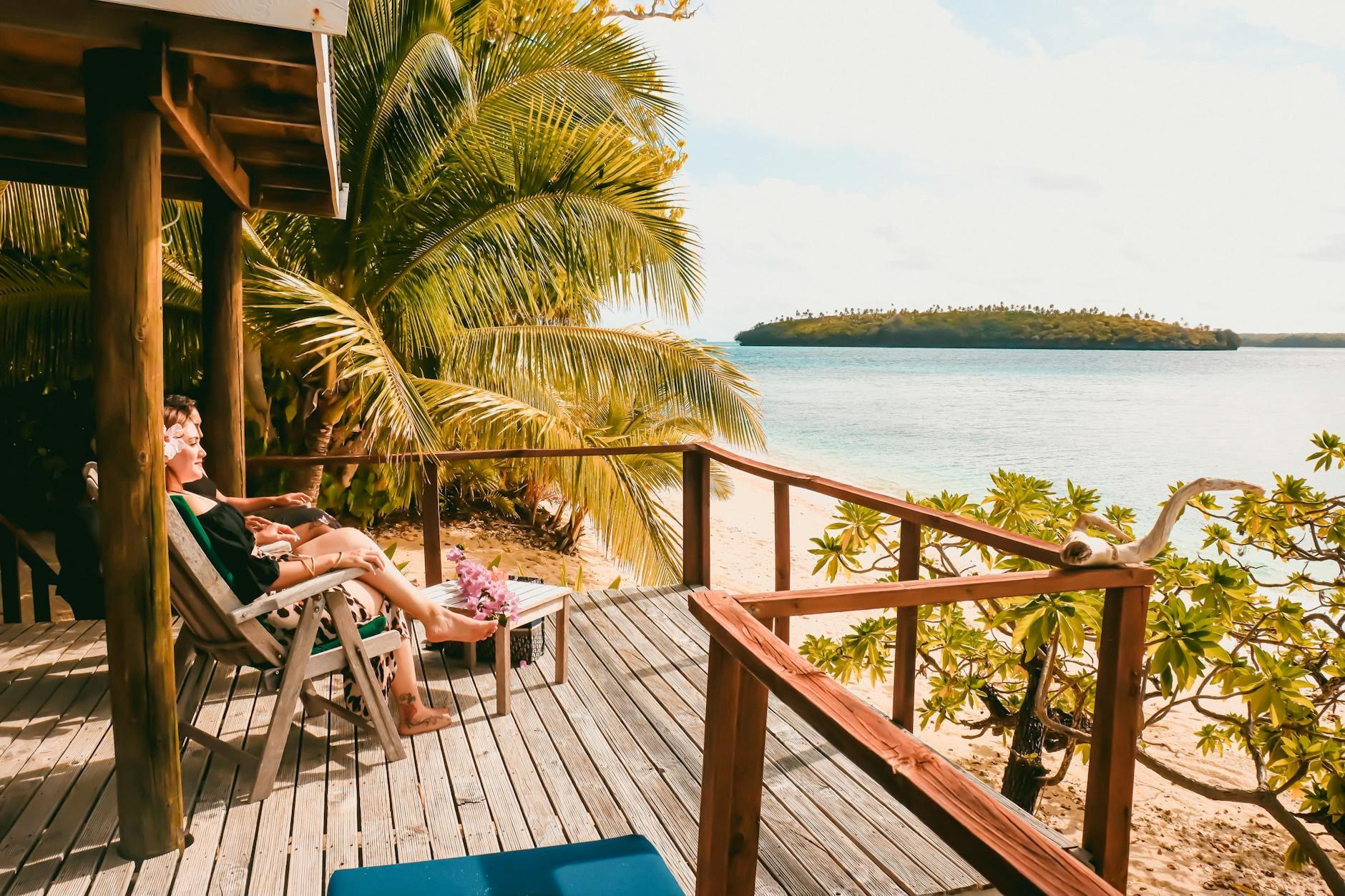

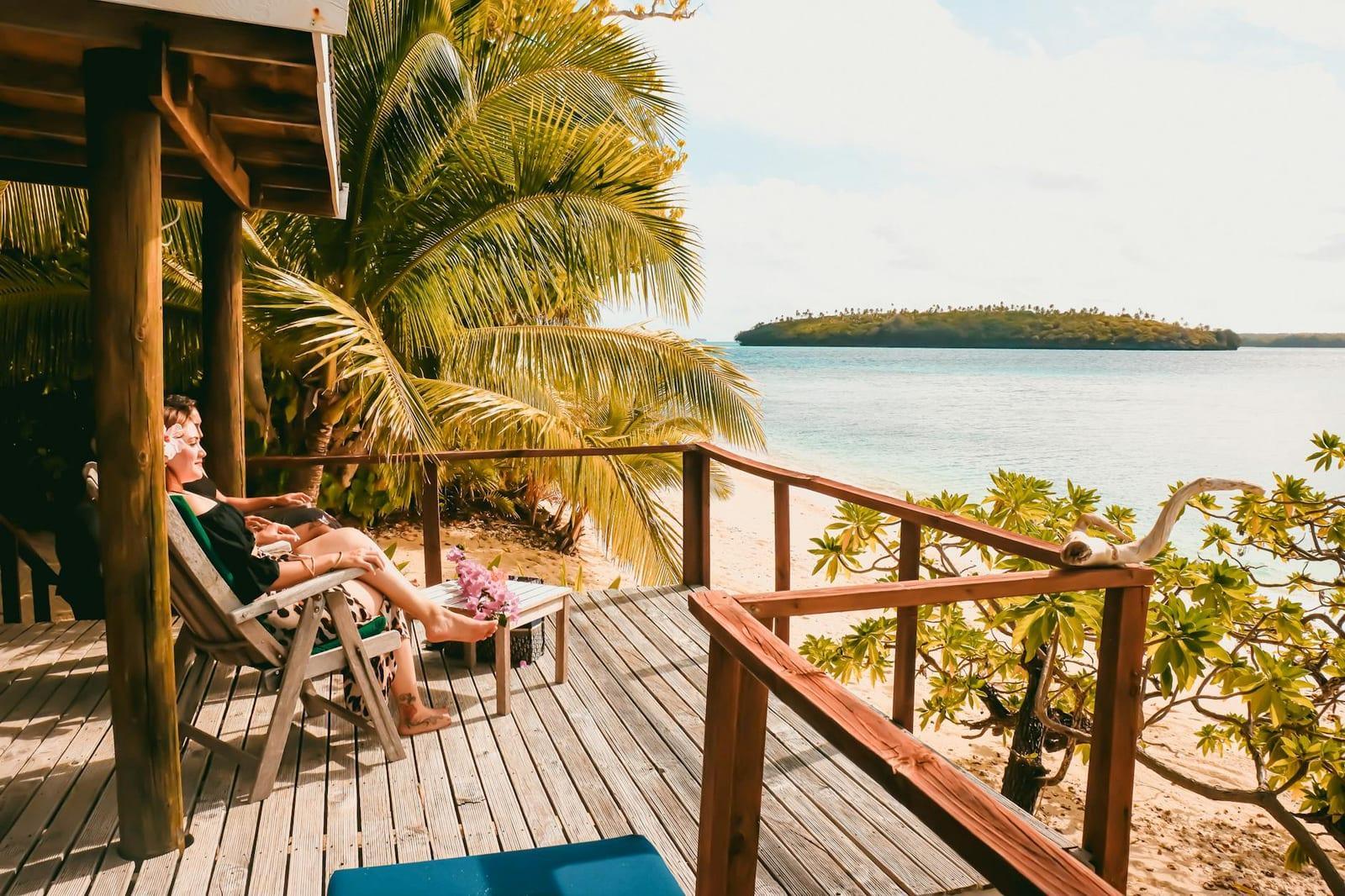
The last remaining Polynesian kingdom, Tonga ranks among the South Pacific’s great nature and culture destinations. Snorkeling, diving, whale-watching, beach-lounging, rainforest trekking—there’s a fantastic grab-bag of ecotourism here, all of it framed by the traditional values and hospitality of the Tongan people.
The roughly 170 islands of Tonga, a quarter of which are inhabited, lie south of Samoa and east of Fiji. Four widely spaced archipelagos (once called the "Friendly Islands") spanning better than 500 north-south miles compose the kingdom: the Tongatapu Group of the south, which includes the largest and most populous eponymous island; the Ha’apai and Vava’u groups in the center; and the remote, lightly settled Niuas in the north. The country includes both high volcanic islands such as Kao and ‘Eua and lower-lying atolls; diverse coral reefs fringe the chain, while to the south and east the seafloor plunges 35,000 feet into the abyssal Tonga Trench.
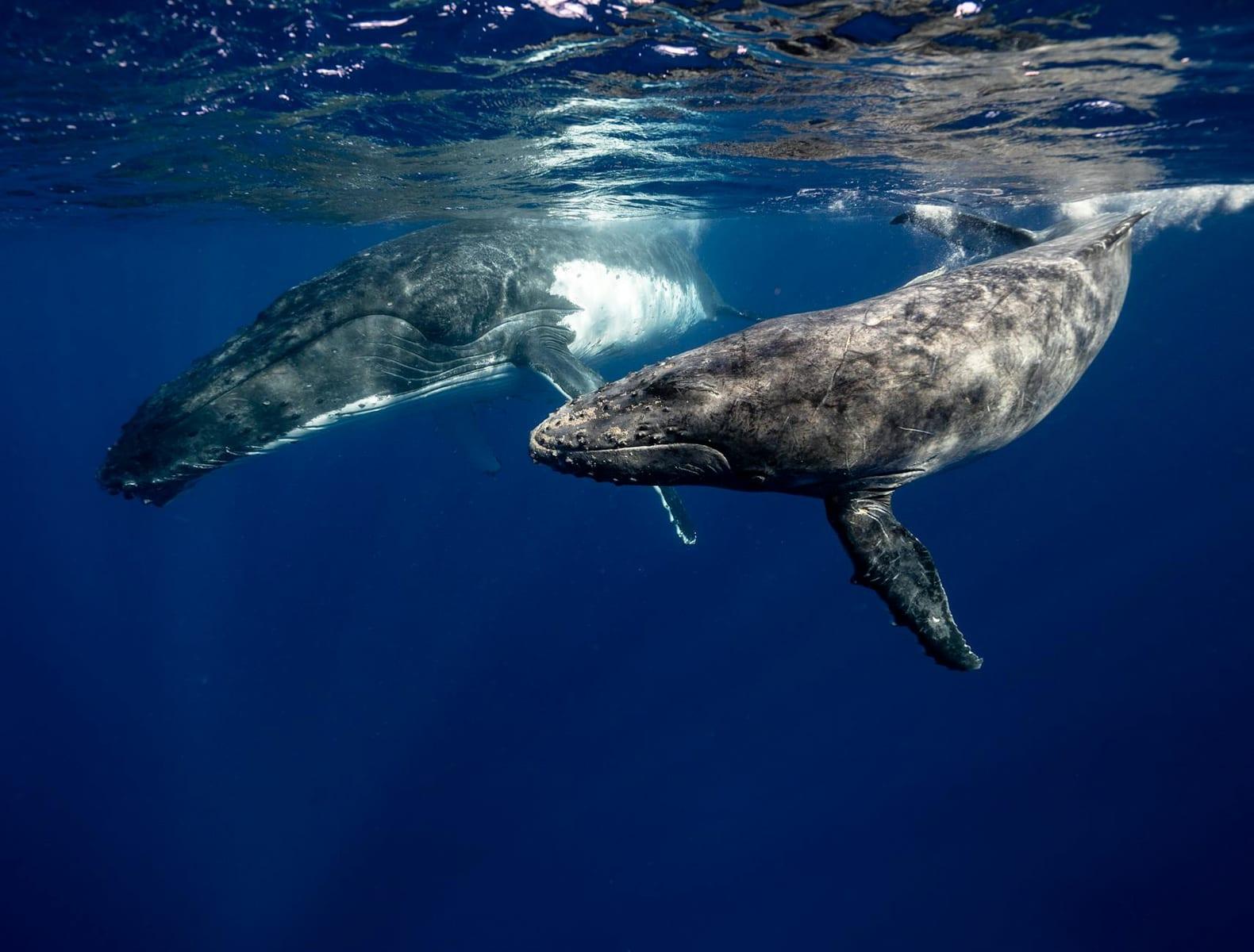
A highlight of Tonga’s natural year is the return, in June, of humpback whales to the island waters for mating and calving. The proximity of these baleen giants to shore makes the country one of the prime spots in the South Pacific for whale-watching, with numerous tours offering viewing from both topside vantages and (carried out responsibly) via snorkeling. The coral banks, submarine caves, reef sharks, humpbacks, and saltwater gamefish are surely spectacular, but terrestrial Tonga has its own wild charm. On rugged ‘Eau, for instance—a short-and-sweet plane ride from Tongatapu—you can hike through extensive rainforest in ‘Eau National Park.
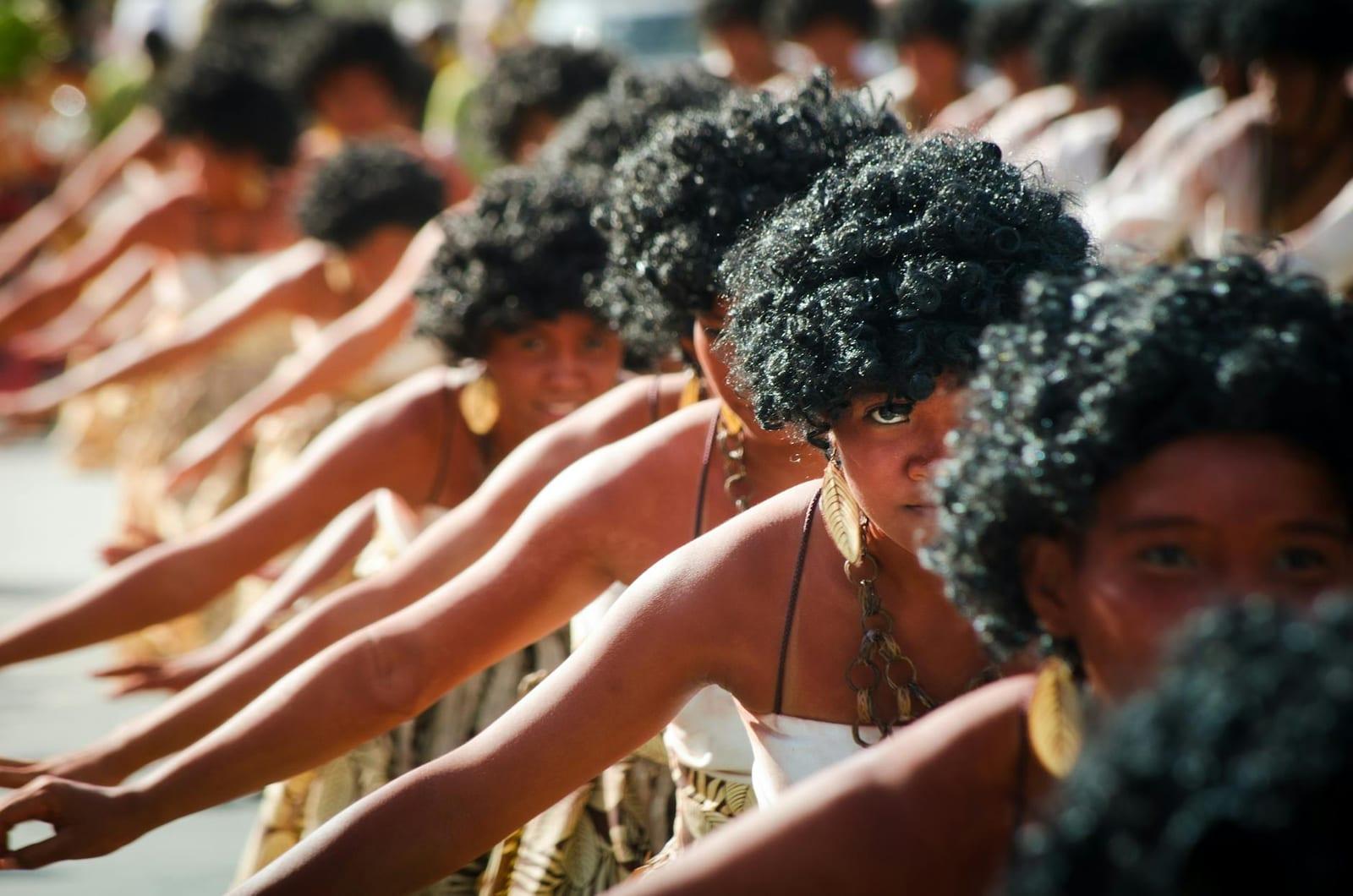
Not least because Tonga (alone among the Pacific islands) never fell under colonial rule, the country’s traditional culture remains healthy. Old-fashioned thatch-roofed fale homes, woozy socializing over kava drinks, tau’olunga and kailao dances, earth-oven umu cooking, the distinctive barkcloth tapa paintings—age-old customs, diverse and varied across the islands, remain a strong source of Tongan identity. One undeniable Western influence is the widespread practice of Christianity, though. Meanwhile, a visit to the Royal Palace and the Royal Tombs in the capital of Nuku’alofa, on Tongatapu, summons the deep-rooted legacy of the Polynesian monarchy that’s dictated Tongan politics for a thousand years.
From cyan-hued atoll lagoons to cross-cultural connections forged over a cup of kava, Tonga boils the South Pacific experience down to a rich essence. The sublime island scenery and a sense of exoticism may draw you here, but the real magic unfolds when you commune with the Tongan way of being.
8 things not to miss.
- the Ha'apai islandsSail the Ha'apai islands
- with humpback whales in Vava'uSwim with humpback whales in Vava'u
- ‘Eau National ParkHike from coastal cliffs—excellent for seasonal humpback viewing—into interior rainforest on the lovely island of ‘Eau.
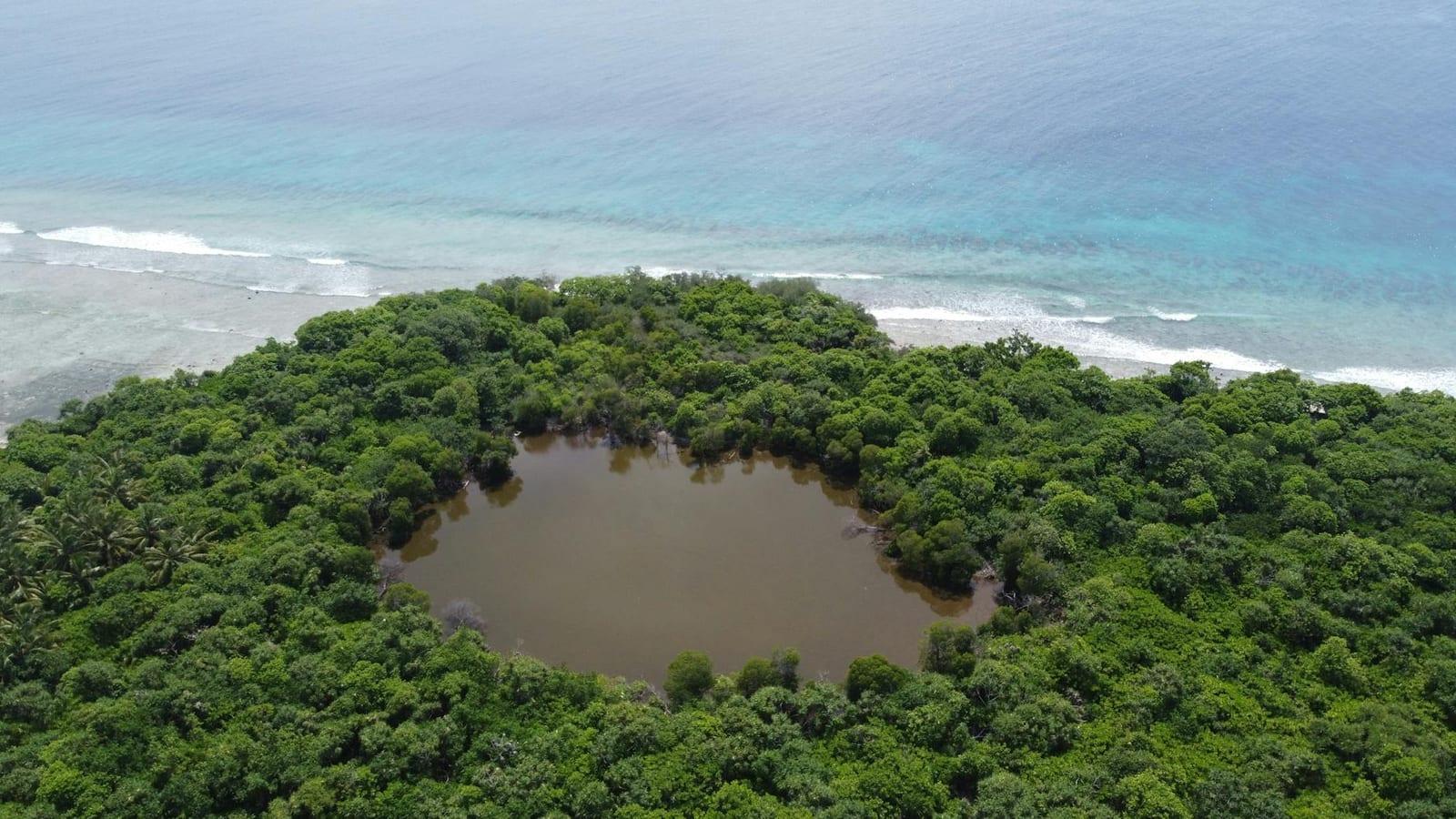
- Ha’amonga ‘a Maui (Tongatapu)This immense frame of coralline limestone, a remnant of a palatial compound, calls to mind Stonehenge.
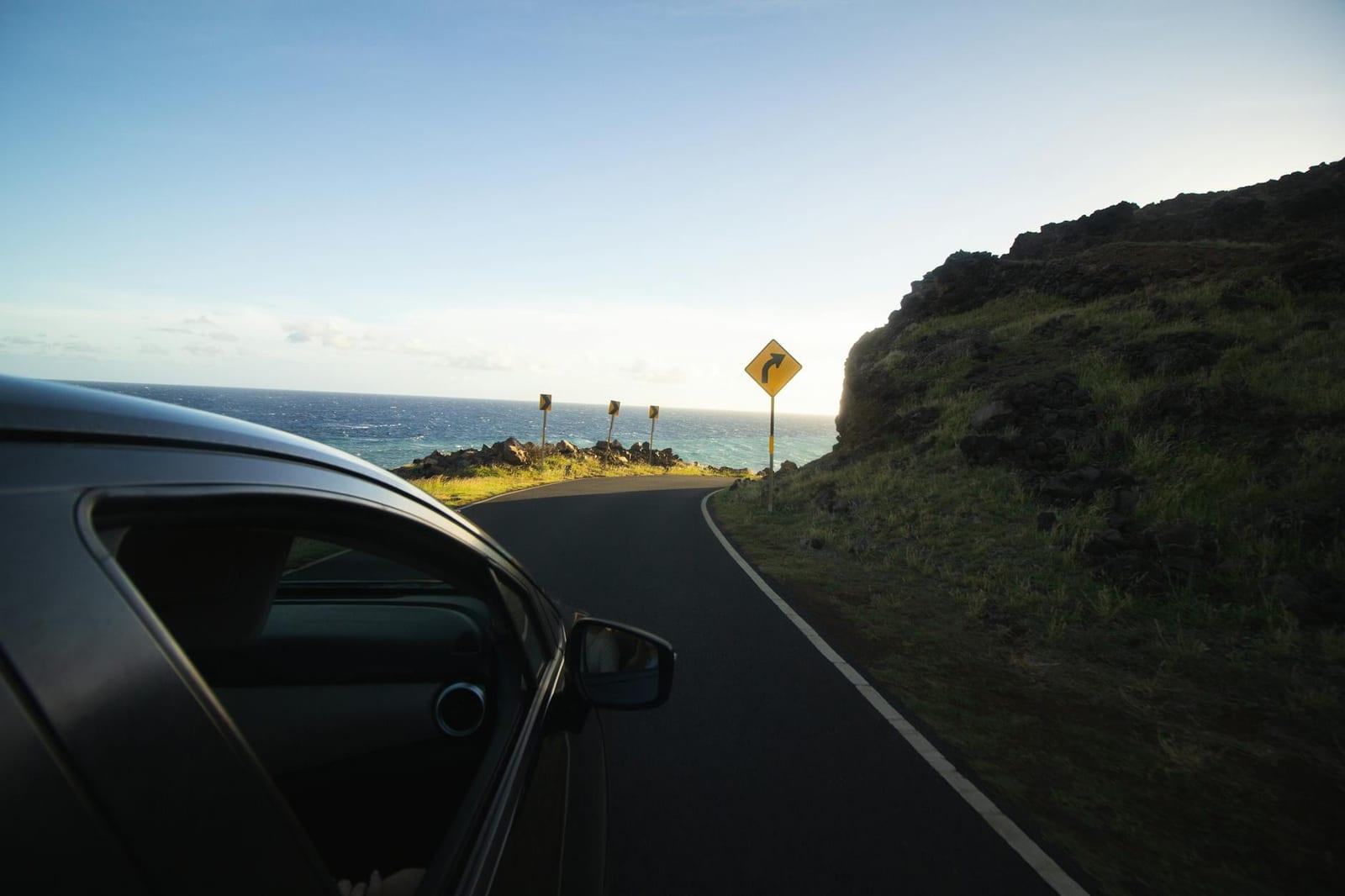
- Langi (Mu’a)Striking royal tombs (langi) marked by mighty coral slabs distinguish Tonga’s ancient capital.
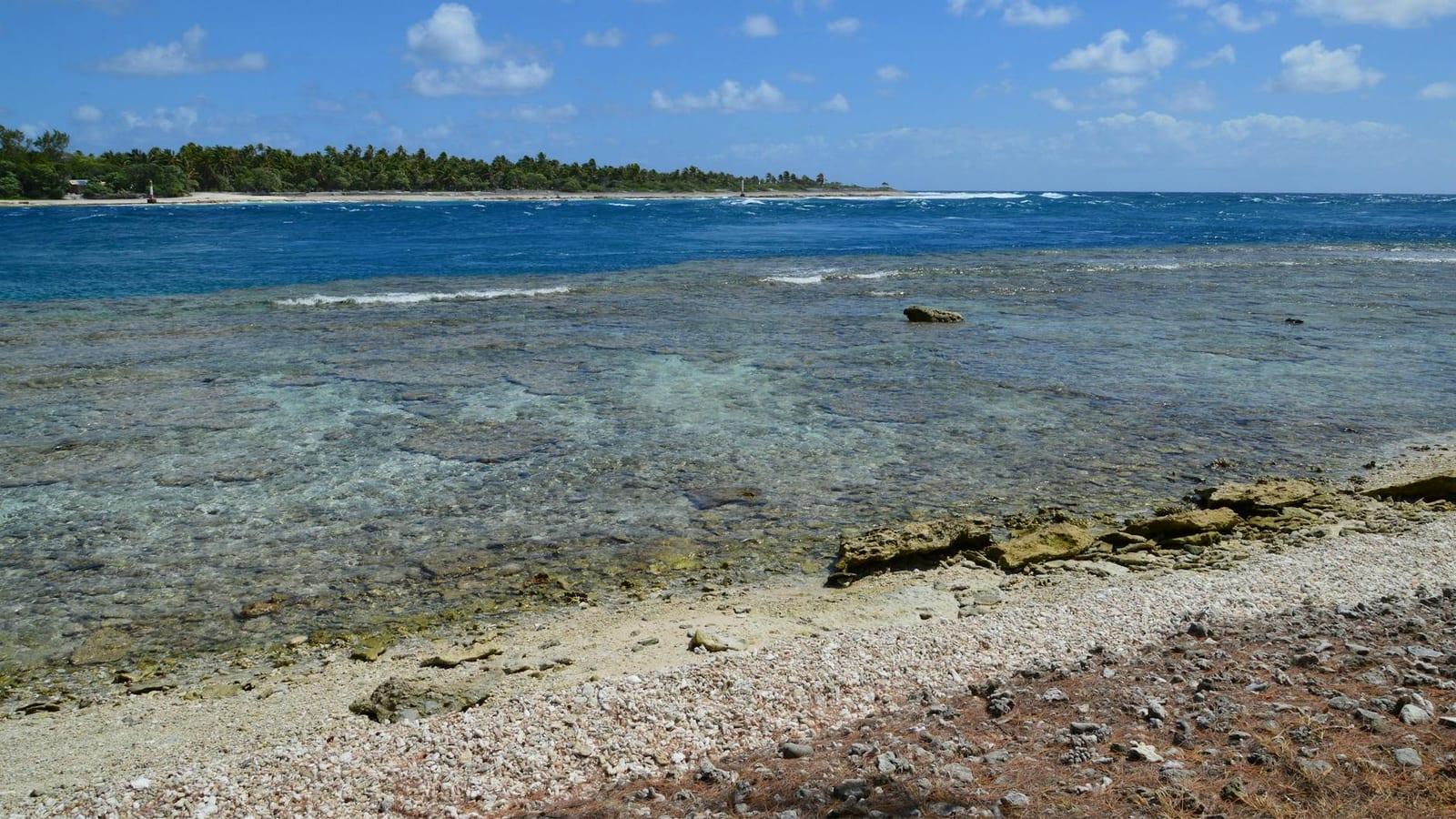
- Ha’atafu Beach (Tongapatu)This lovely beach tempts with some of the best surf breaks in Tonga.
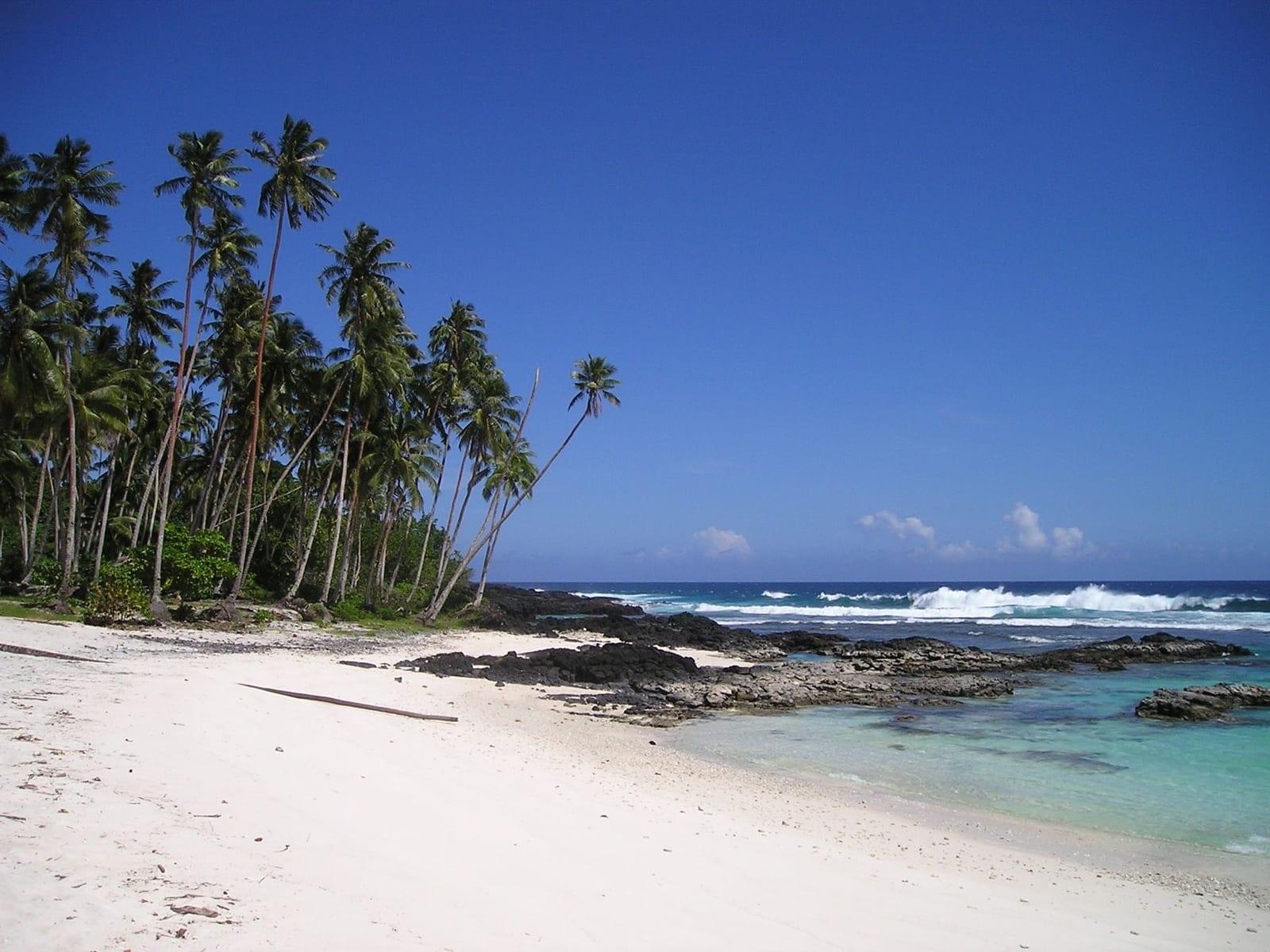
- Vava’u GroupThis archipelago provides some of the finest opportunities to view the humpback whales that annually give birth in Tongan waters.
- Royal PalaceAdmire the official digs of the King of Tonga at this 19th-century landmark of Nuku’alofa, the country’s small capital.