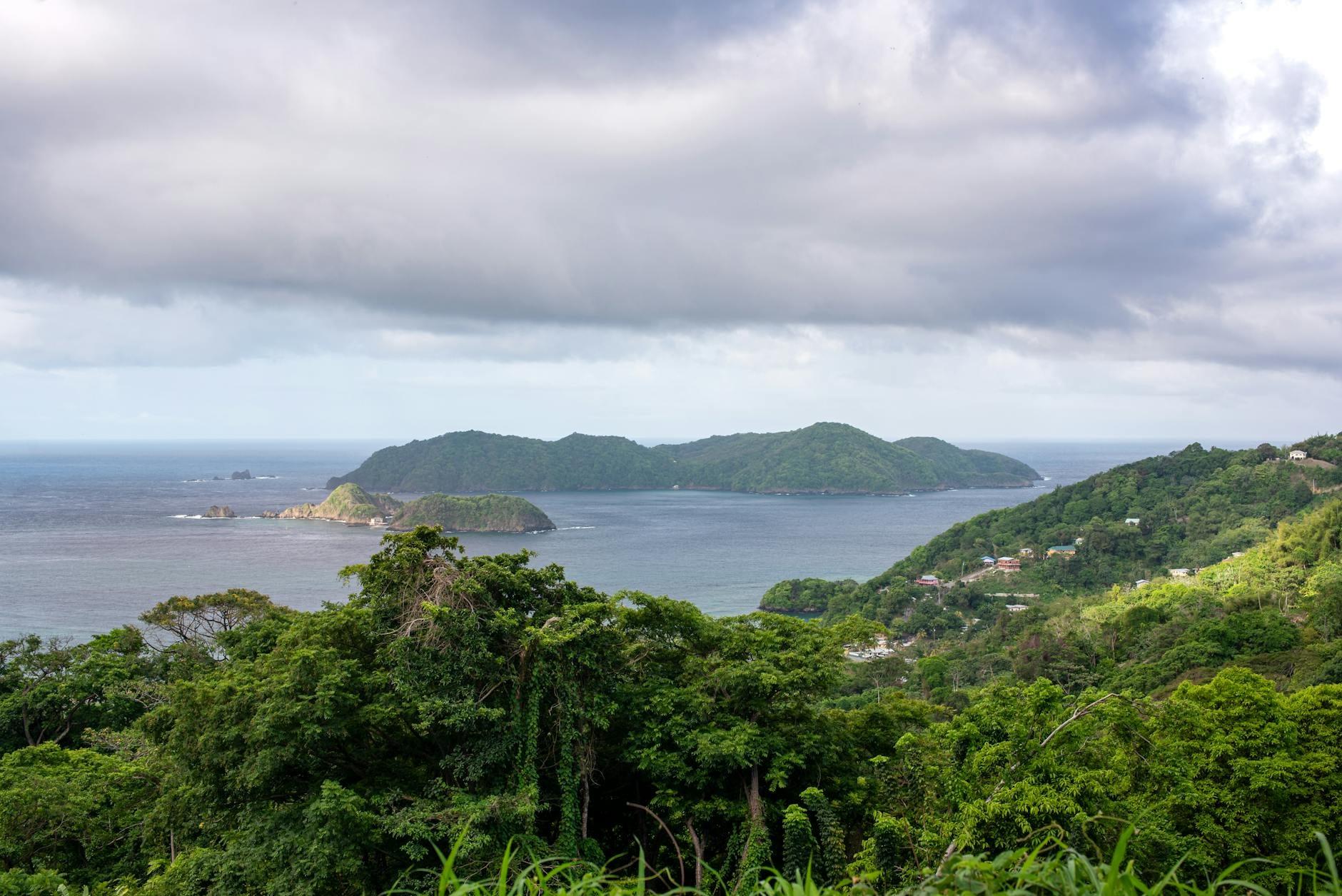
The islands of Trinidad and Tobago offer some of the most vibrant cultural and ecological attractions in the entire Caribbean. They're a place for outdoor adventurers, birders, beach pilgrims, and anyone tantalized by the musical heritage of the Caribbean, which owes much to Trinidadian soul. And the country is quite distinct in the West Indies for its oil- and gas-driven economy, of which tourism is a healthy but not dominant component.
In a nutshell: Trinidad’s the larger, grittier, and more populous of the pair, an especially good place for sampling local culture; while Tobago’s quieter and somewhat more tourist-oriented.
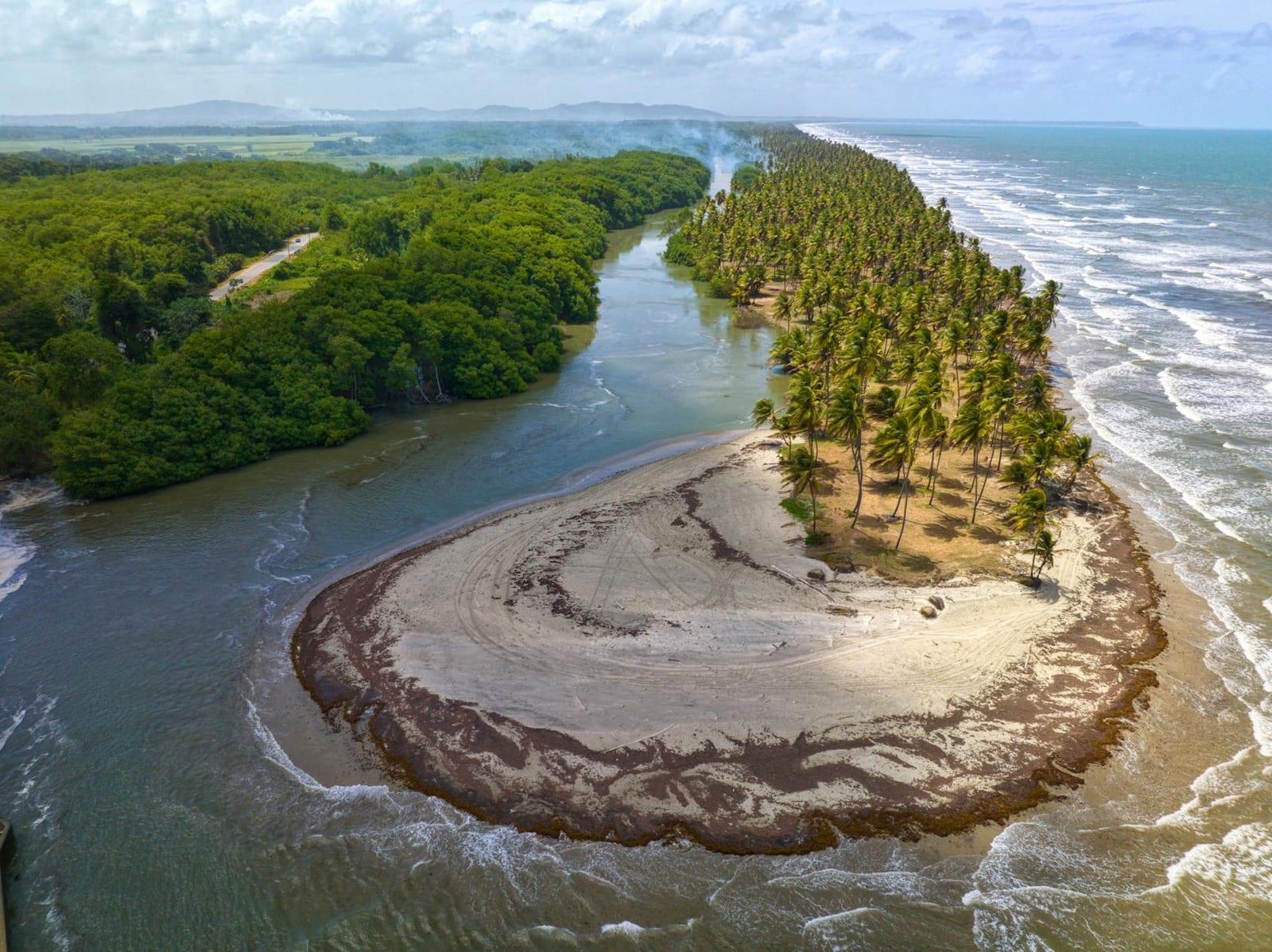
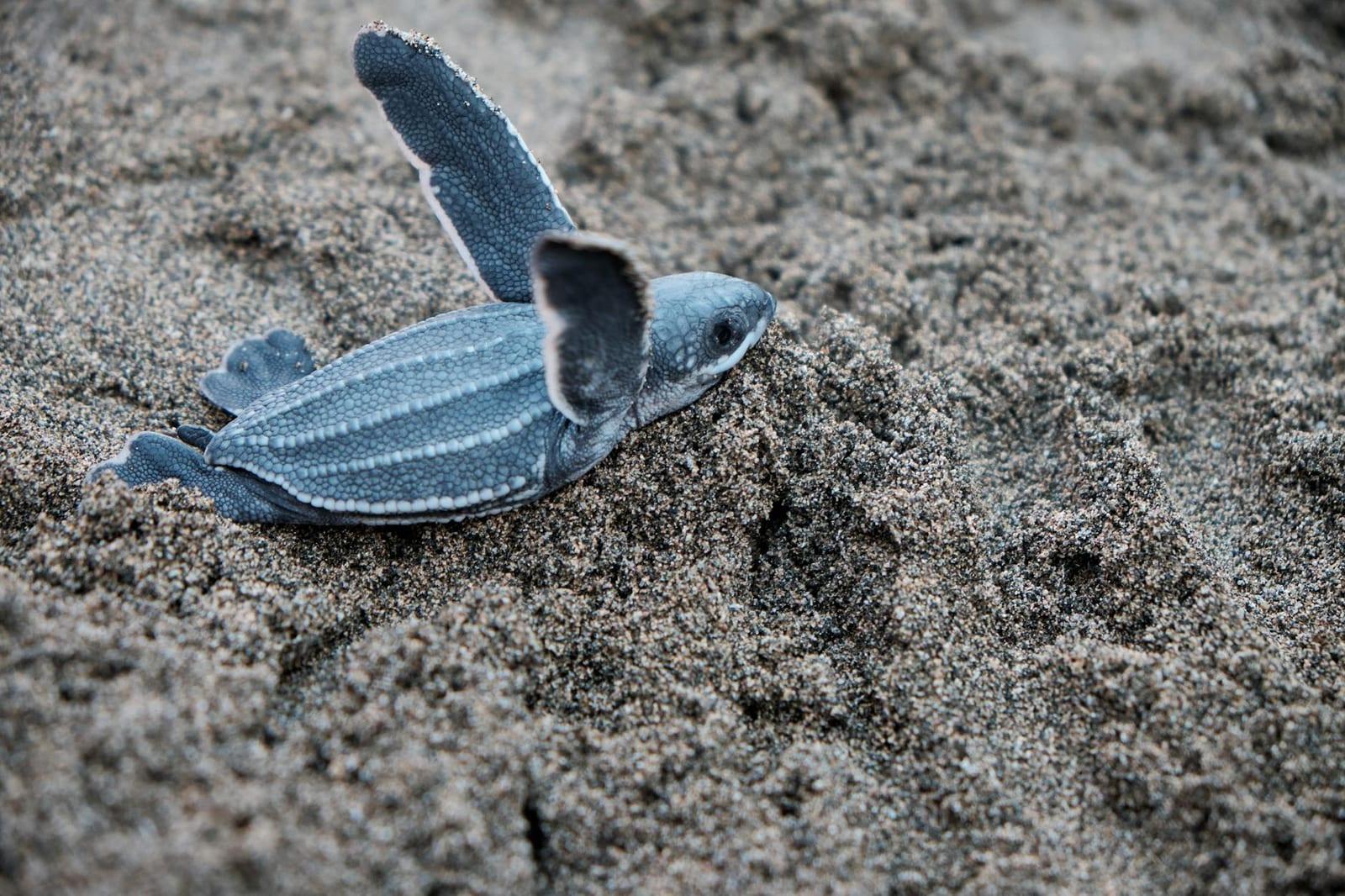
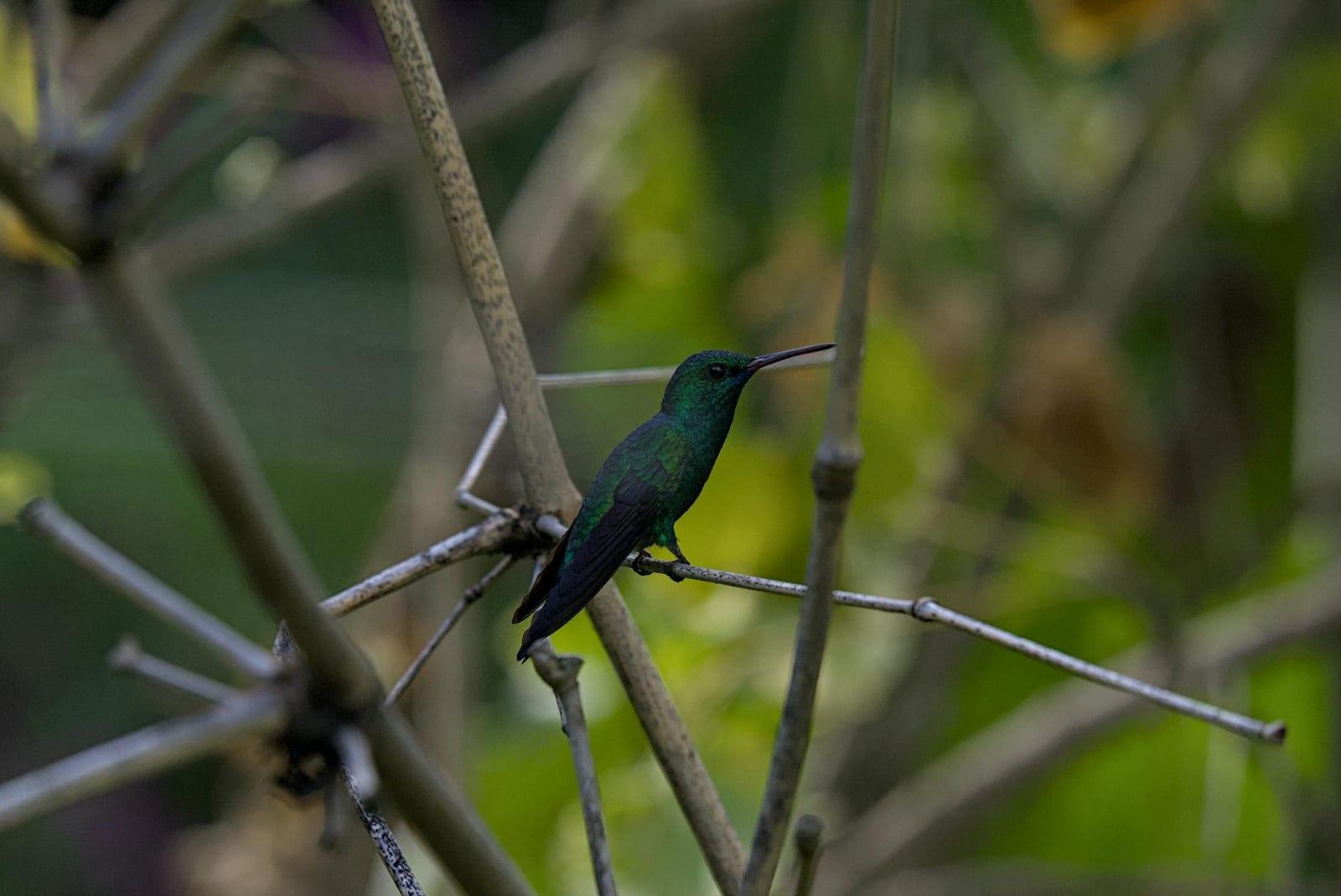
These mountainous islands are a geographic and ecological bridge between the West Indies and South America, with Trinidad being but a stone’s throw from the northeastern coast of Venezuela (and belonging to the South American tectonic plate, not the Caribbean's). From a wildlife-watching perspective, that island offers more of a taste of the South American tropics than other corners of the West Indies, what with its howler monkeys, tayras (a big tree-climbing weasel), collared peccaries, ocelots, and anacondas. It’s the birdlife, though, that really astounds: The country harbors close to 500 avian species, including many typical of the South American mainland but unusual elsewhere in the West Indies: Amazon parrots, macaws, aplomado falcons, trogons, and a colorful panoply of hummingbirds, to name but a few. Tobago’s beaches, meanwhile, are renowned for their nesting sea turtles, which come ashore during the first half of the year; biggest by far is the leatherback, which may weigh a ton.
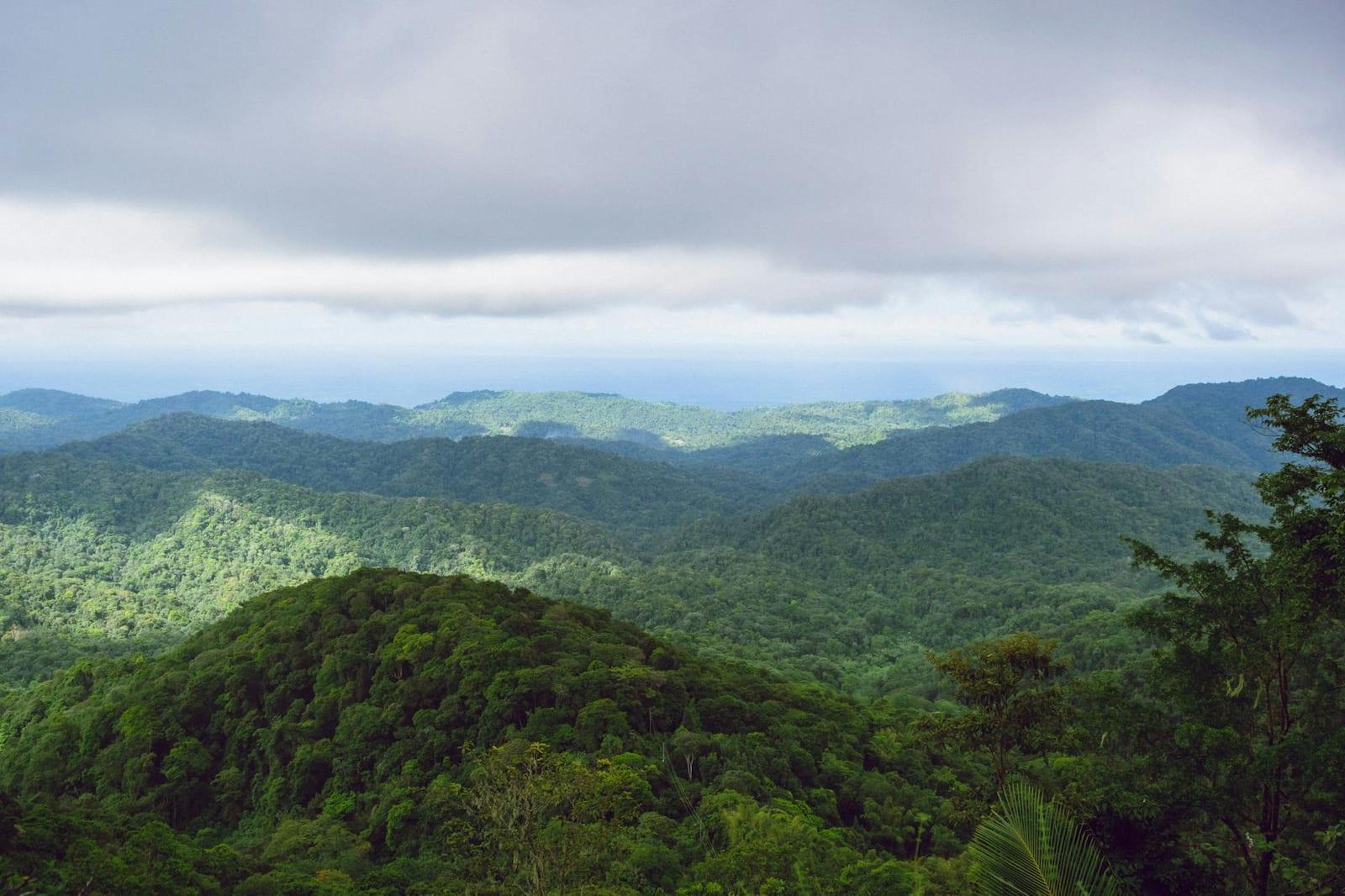
Top ecotourism sites in the country include Asa Wright Nature Centre in the tropical rainforest of Trinidad’s Northern Range, the expansive Nariva Swamp along Trinidad’s Manzanilla Bay, and Tobago’s Main Ridge Forest Reserve, where you can hike through both lowland and montane rainforest in search of rare little creatures such as the ocellated gecko and the white-tailed sabrewing hummingbird.
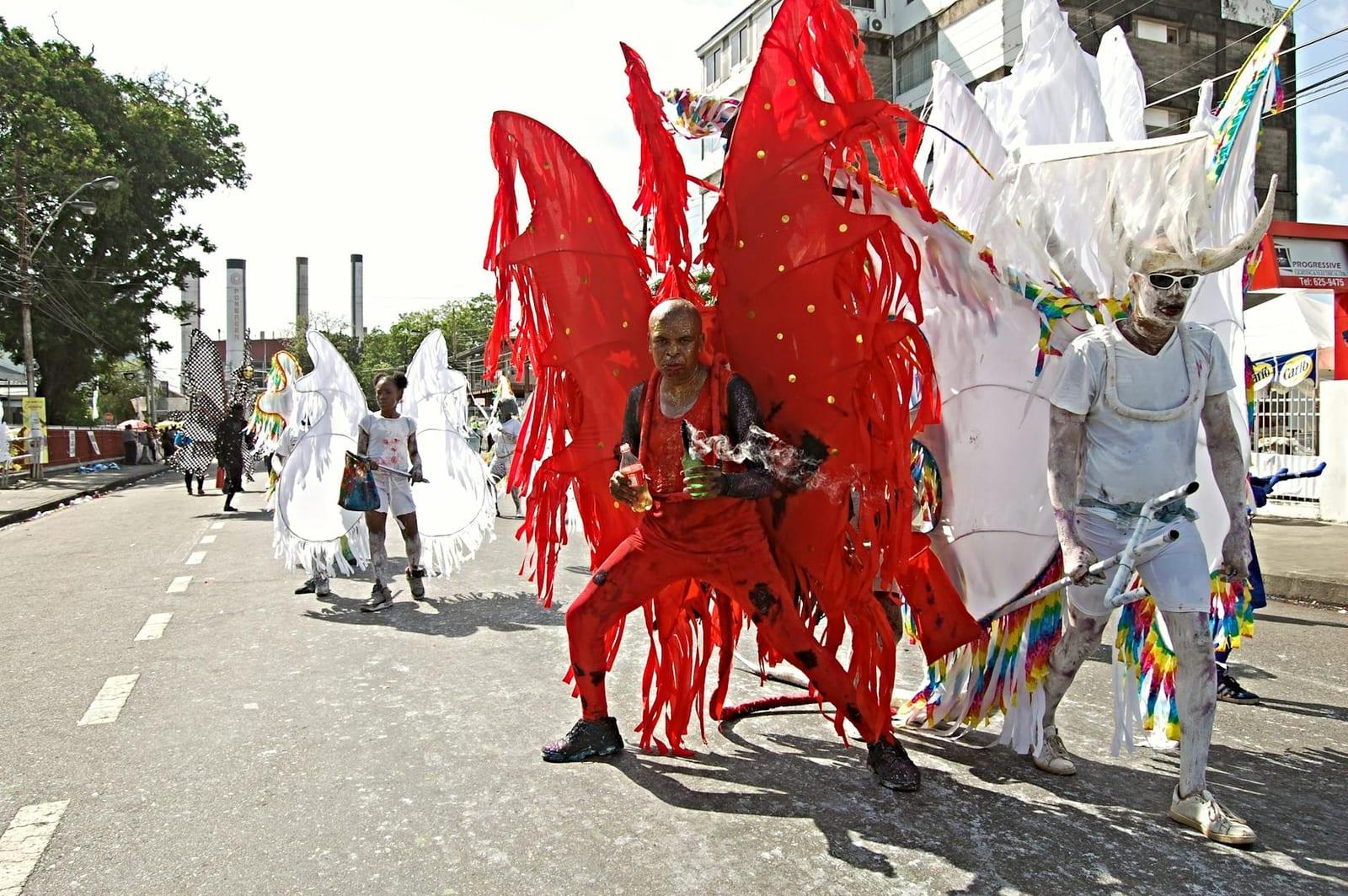
The cultural world of Trinidad and Tobago, meanwhile, will pull you in deep. This is the birthplace of many customs now popular Caribbean-wide and beyond, including steelpan, calypso, and soca music and the benchmark of Caribbean Carnivals.
While British elements live on in the country—not least in the official language of English—the strongest cultural influences stem from Africa and South Asia (many Indian laborers came to Trinidad and Tobago following the abolition of slavery). The food’s gloriously heterogeneous, from West African-derived callaloo stew to Indian-style curries and flatbreads.
From food to music, Port of Spain provides plenty of venues for exploring Indo- and Afro-Trinbagonian traditions (though be aware that gang-related crime and violence can be an issue, especially in the inner city).
Whether you’re tramping about in the rainforest, strolling a wild seashore, or swaying to the calypso beat, Trinidad and Tobago, fast on the southern frontier of the Caribbean, are a reliably stimulating destination. Just remember: To truly understand these islands means doing a lot of dancing and eating!
14 things not to miss.
- leatherback turtles nest at MaturaWatch leatherback turtles nest at Matura
- the energy of Trinidad CarnivalCatch the energy of Trinidad Carnival
- Birdwatch the Asa Wright centreBirdwatch the Asa Wright centre
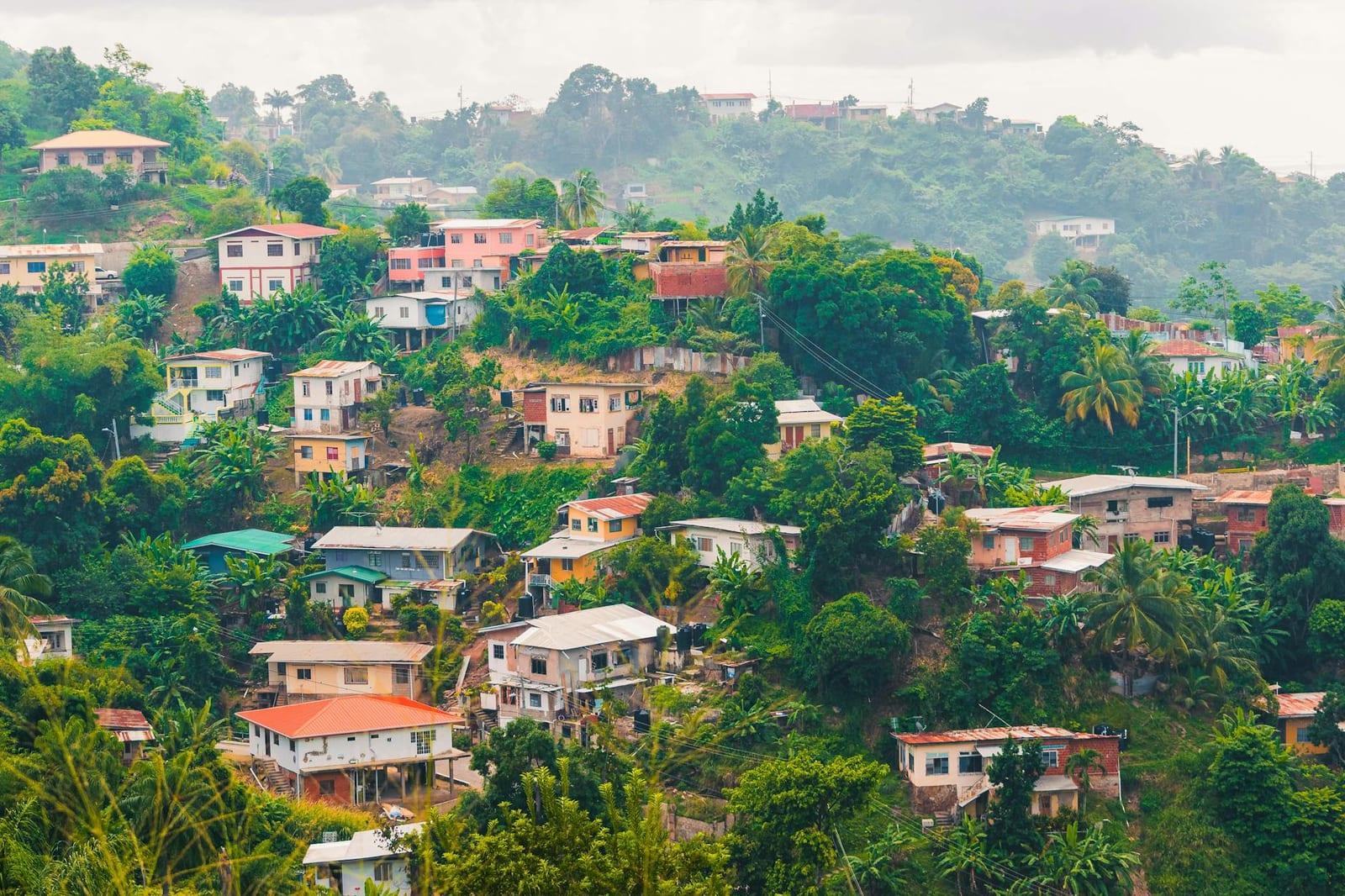
- The Red HouseThis magisterial building in the old downtown of Port of Spain houses the Parliament of Trinidad and Tobago.
- Queen’s Park SavannahThis magnificent Port of Spain greenspace includes the Royal Botanic Gardens and the site of the must-see Panorama steelpan contest.
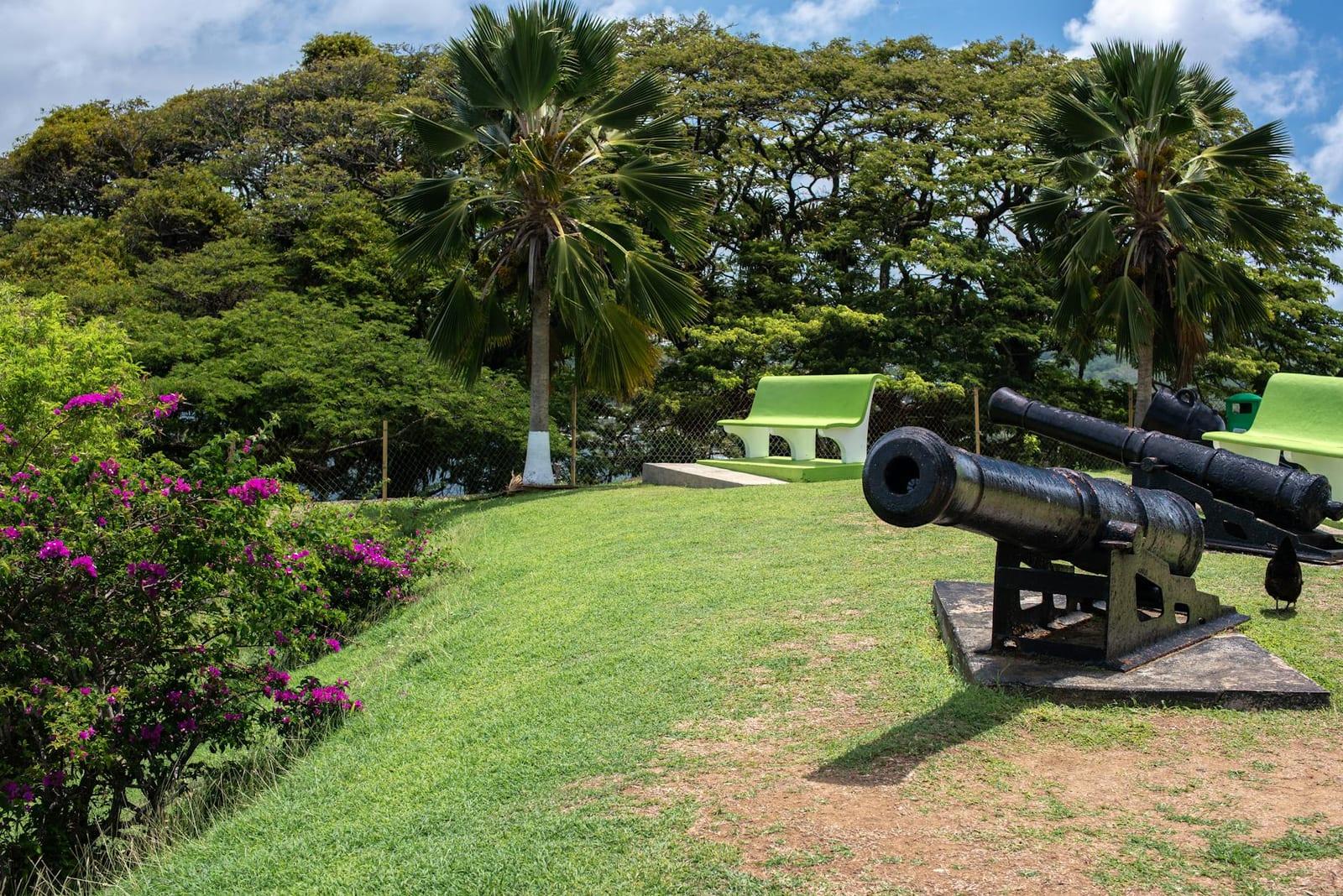
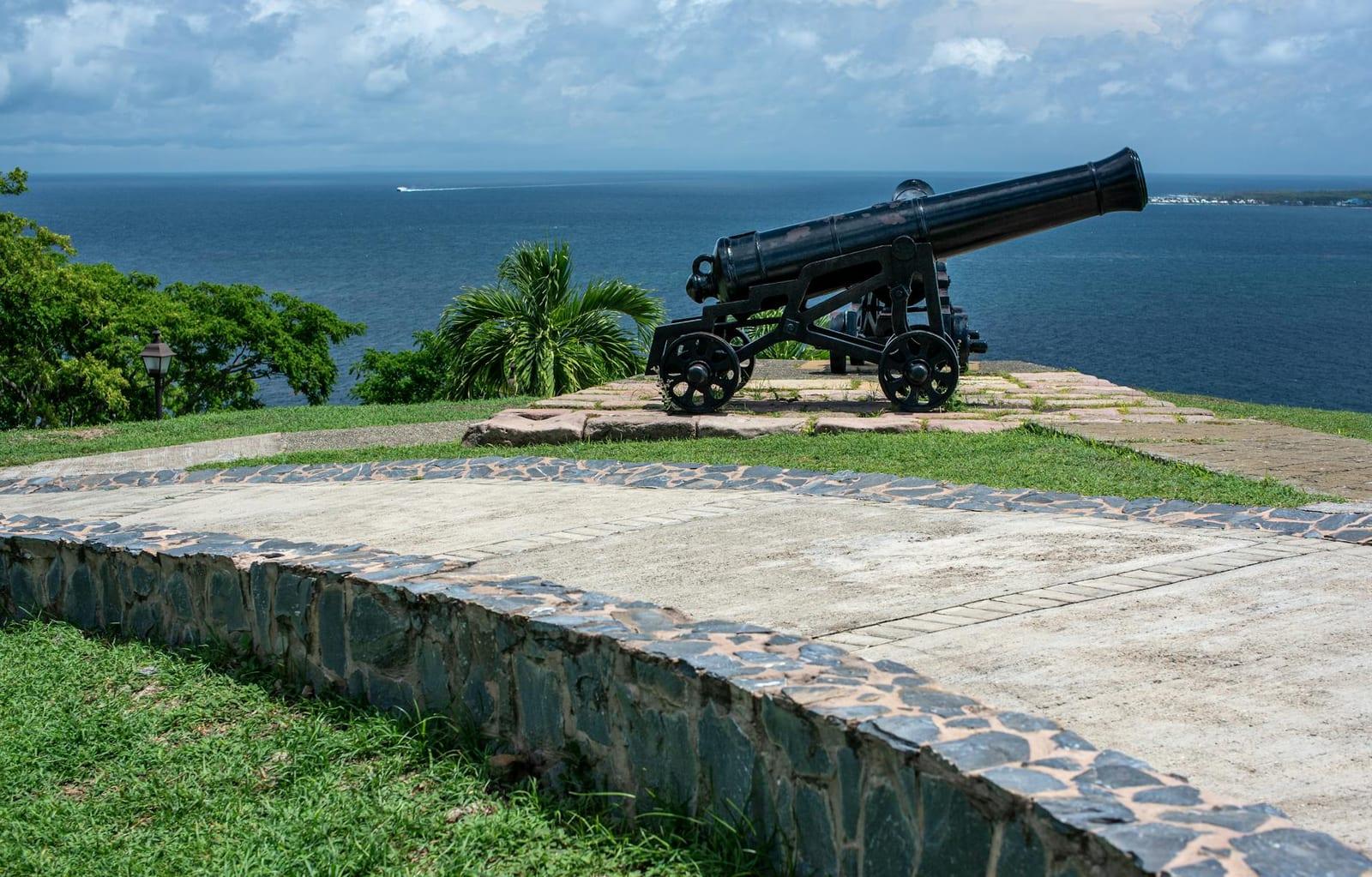
- Fort King GeorgeThis vintage British fort guarding Tobago’s capital of Scarborough is one of the country’s best-preserved colonial-era monuments.
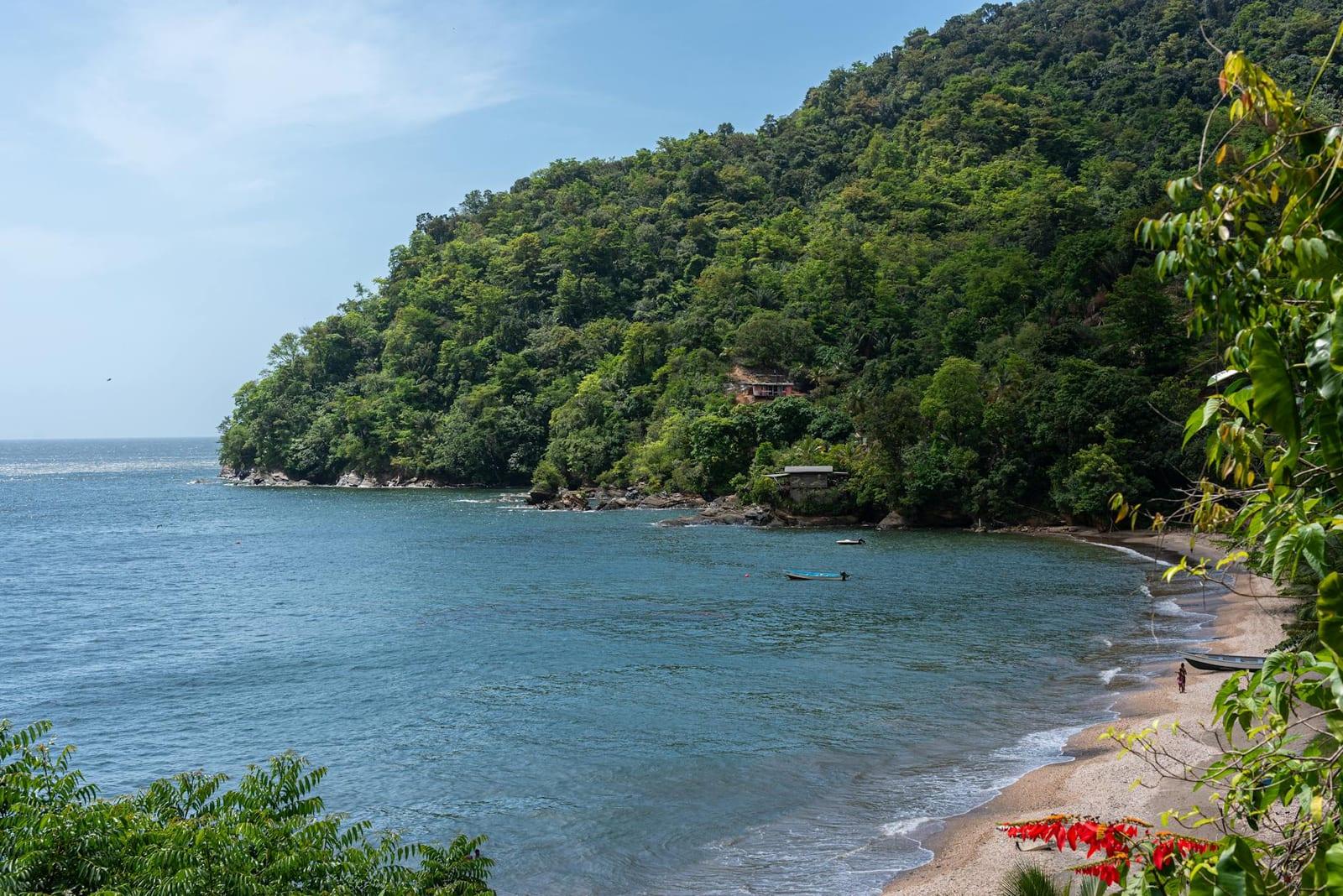
- Balandra BayEnjoy a quiet visit to a heavenly Caribbean seashore during the week, or party with the locals on the weekend.
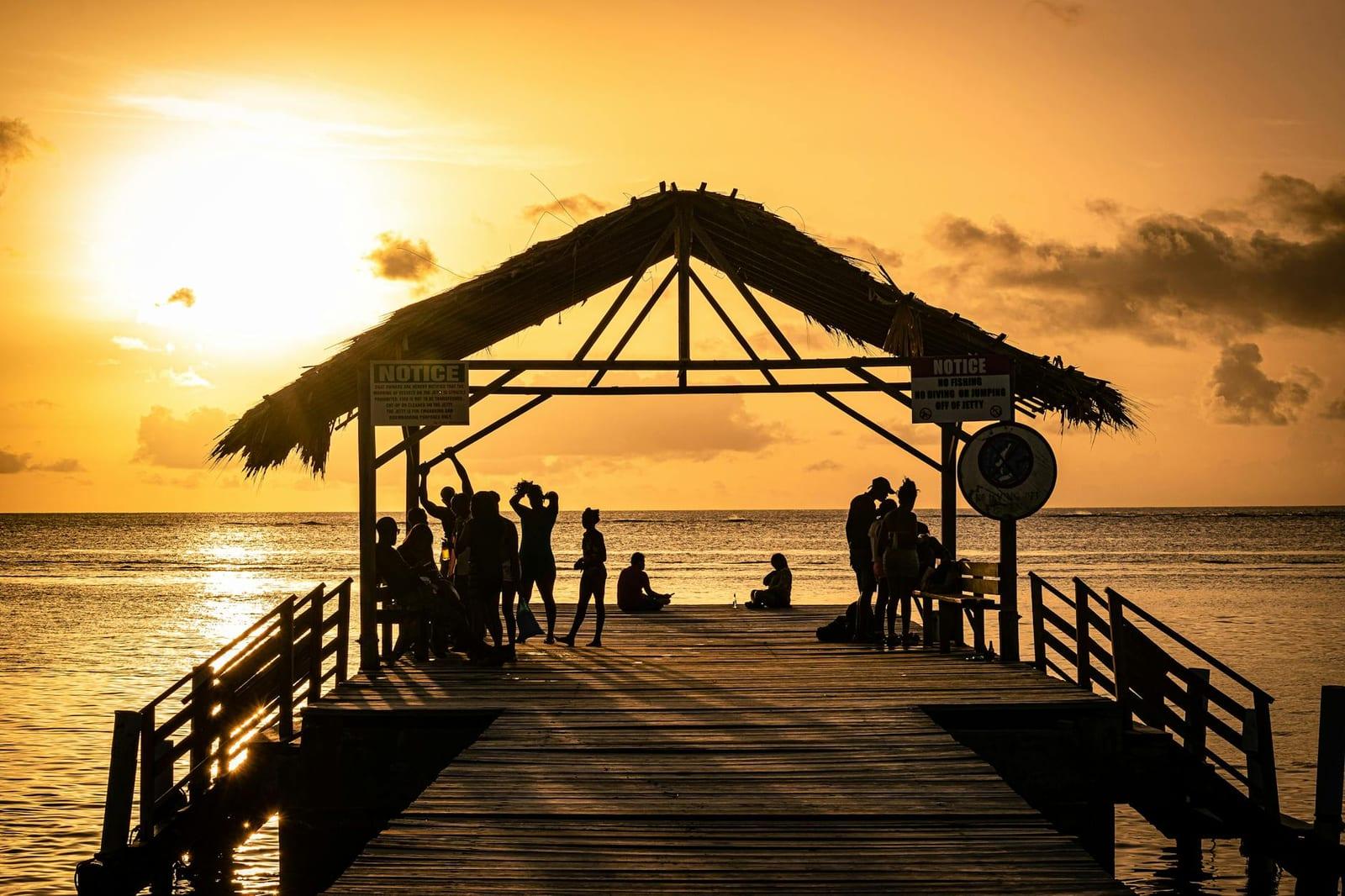
- Pigeon PointLikely Tobago’s most celebrated beach, this one is as postcard-perfect as they come.
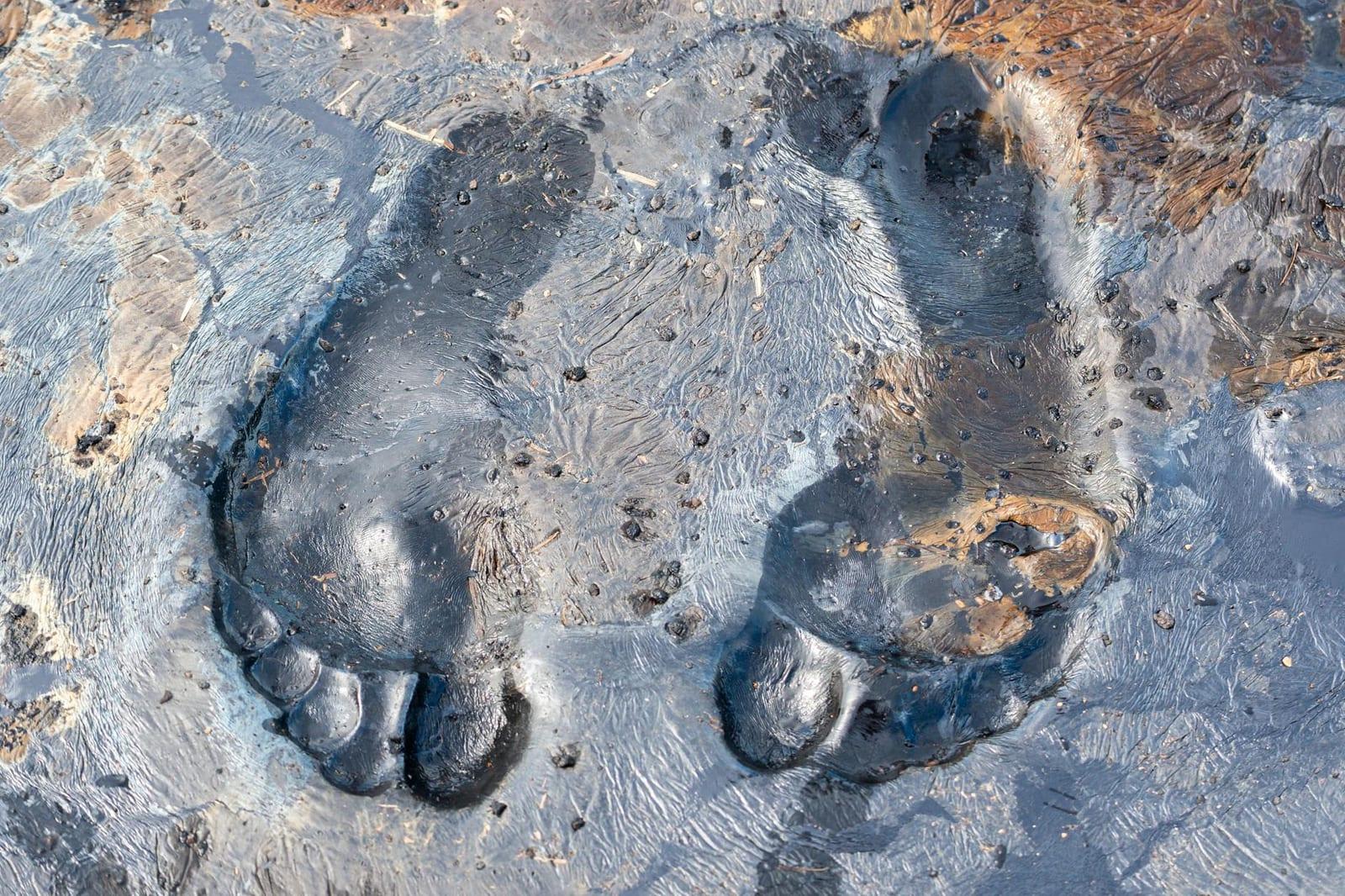
- Pitch LakeConsider the gates of the underworld at Trinidad’s sprawling asphalt sump, one of the biggest “pitch lakes” on the planet.
- Main Ridge Forest ReserveHike Tobago’s highland rainforest for glimpses of tropical birds, surging waterfalls, and island panoramas.
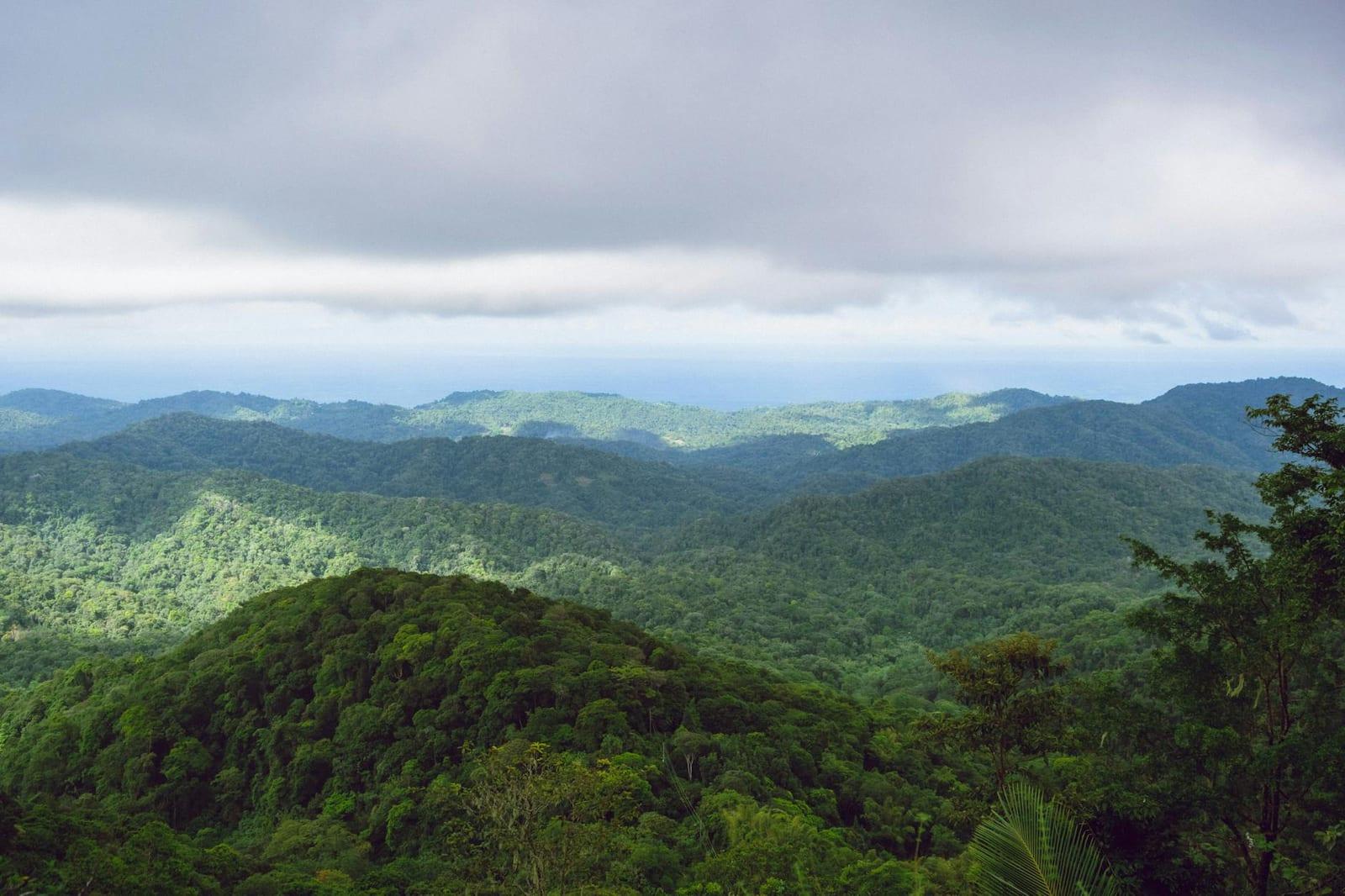
- Asa Wright Nature CentreThis outstanding rainforest preserve in Trinidad’s Northern Range is one of the best places in the country to explore native ecosystems.
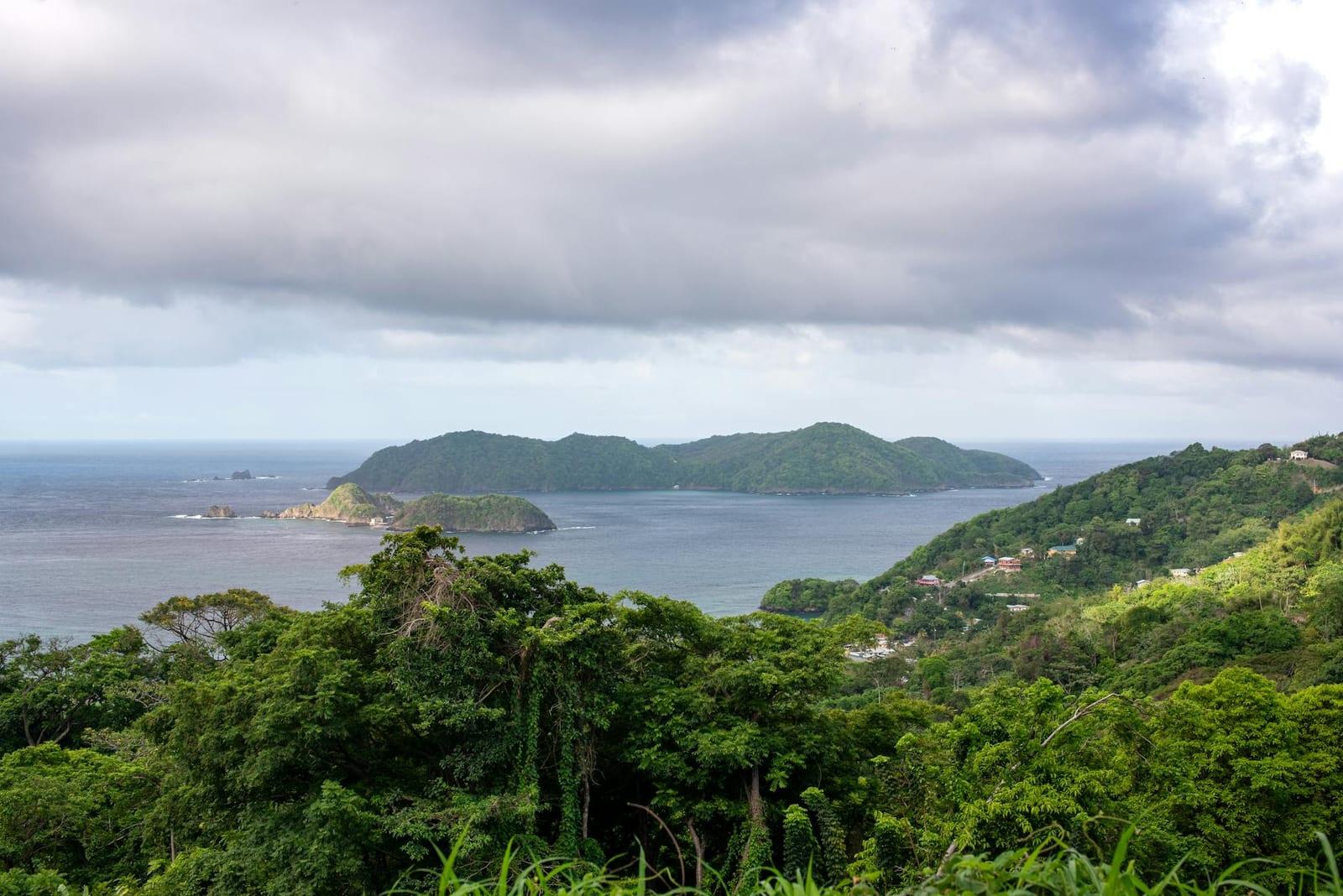
- Little TobagoThe “Bird of Paradise Island” is a premier spot to observe Caribbean seafowl like boobies, tropicbirds, and frigatebirds.
- Caroni SwampThis fertile morass of mangrove and saltmarsh on Trinidad’s west coast, a bird sanctuary, shelters the ravishing scarlet ibis and many other species.
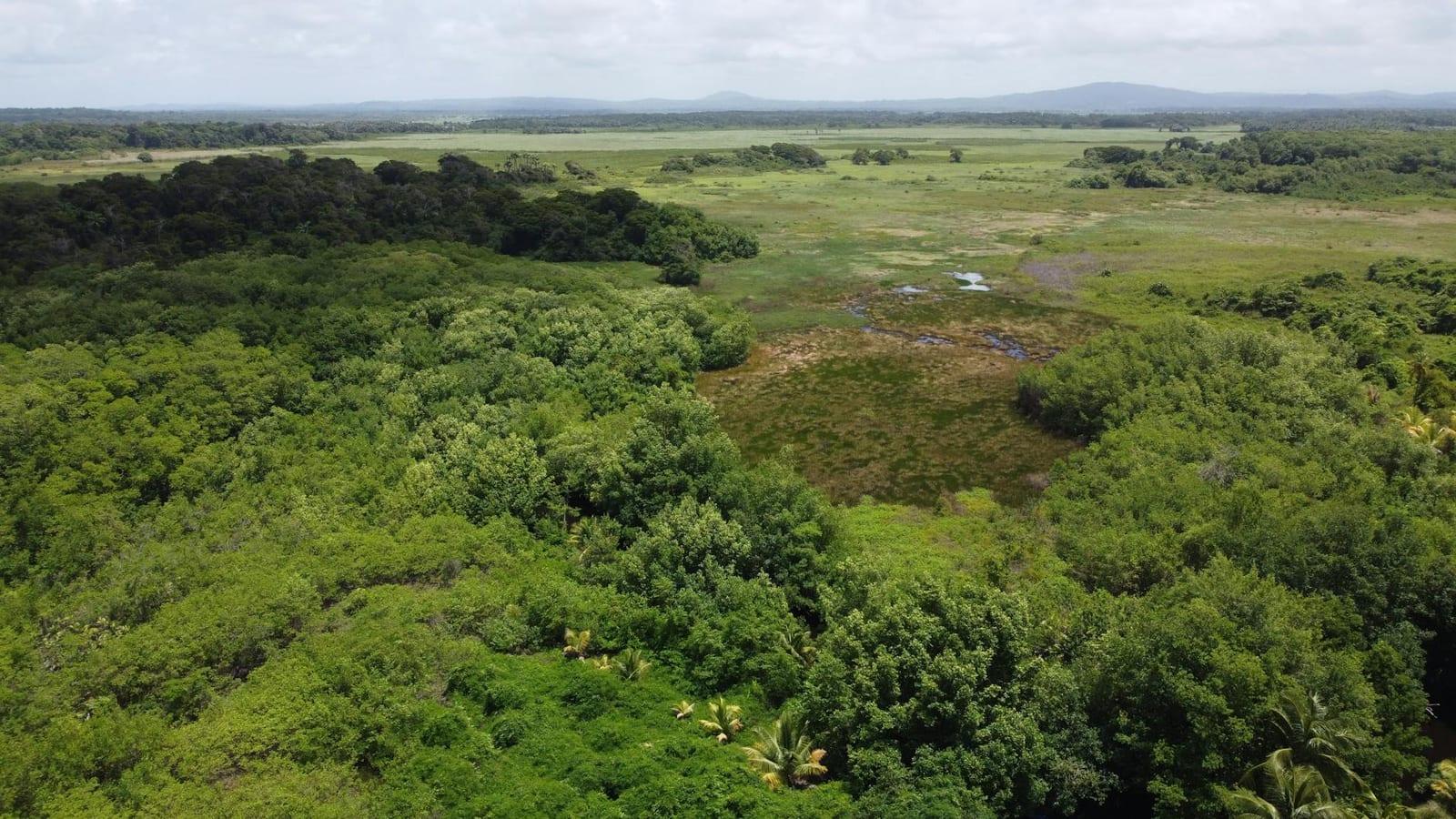
- Nariva SwampThis wetland wilderness in eastern Trinidad conceals fauna more associated with South America than the West Indies, including anacondas and howler monkeys.