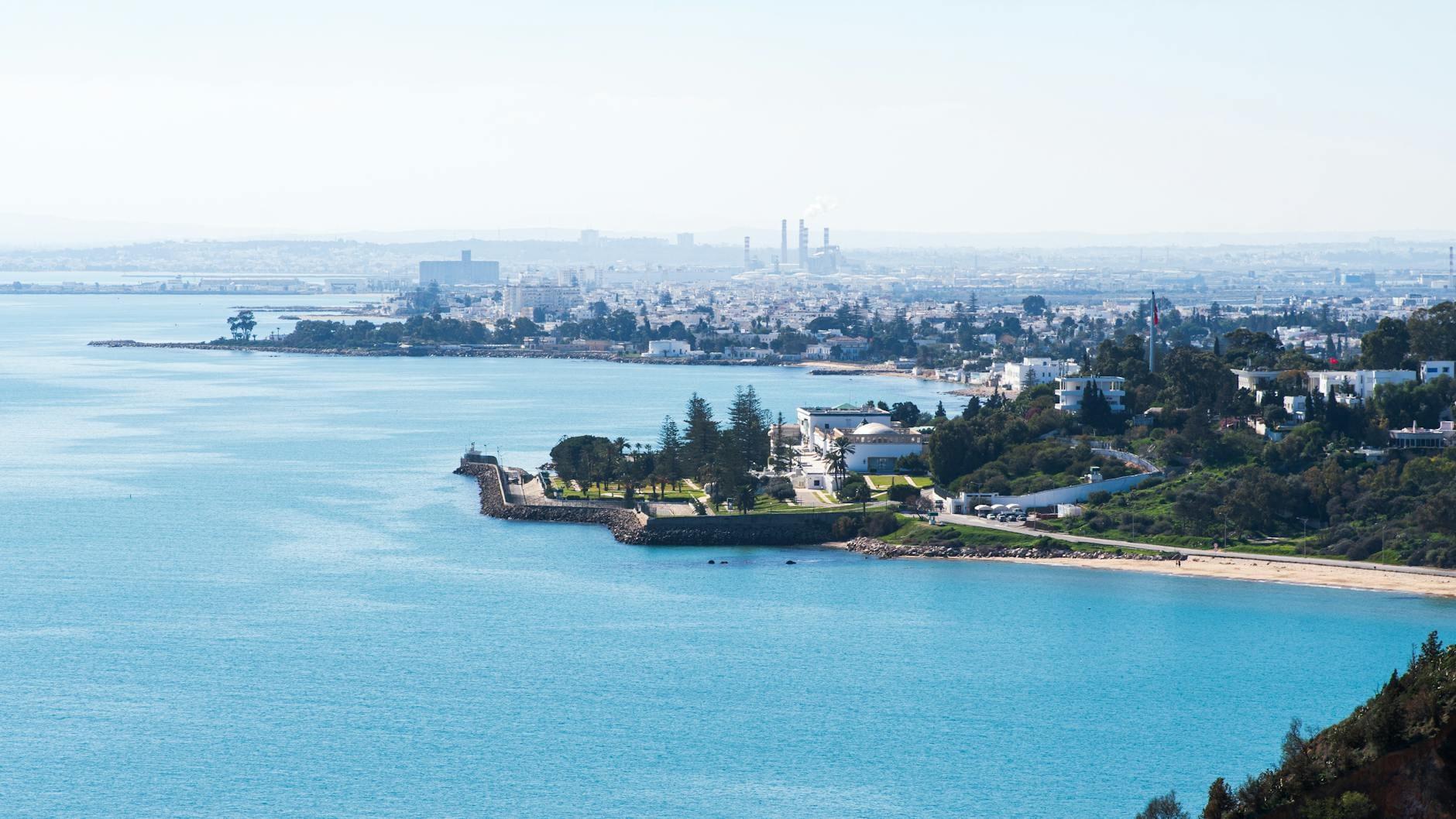
Whether it’s the sunny Mediterranean climate, the rich Maghrebi culture, or the astonishing spread of historical sites, Tunisia has long been one of the most popular destinations in North Africa. It's generally well set up for tourism, too, and even the busiest landmarks seem to retain their authentic character. One important note at the outset: In the early 2010s, the Tunisian Revolution helped spark the Arab Spring; amid the ensuing unrest, the threat of terrorism has made travel for Westerners in Tunisia slightly riskier. So consult your government’s current advice on travel to the country before planning your trip.
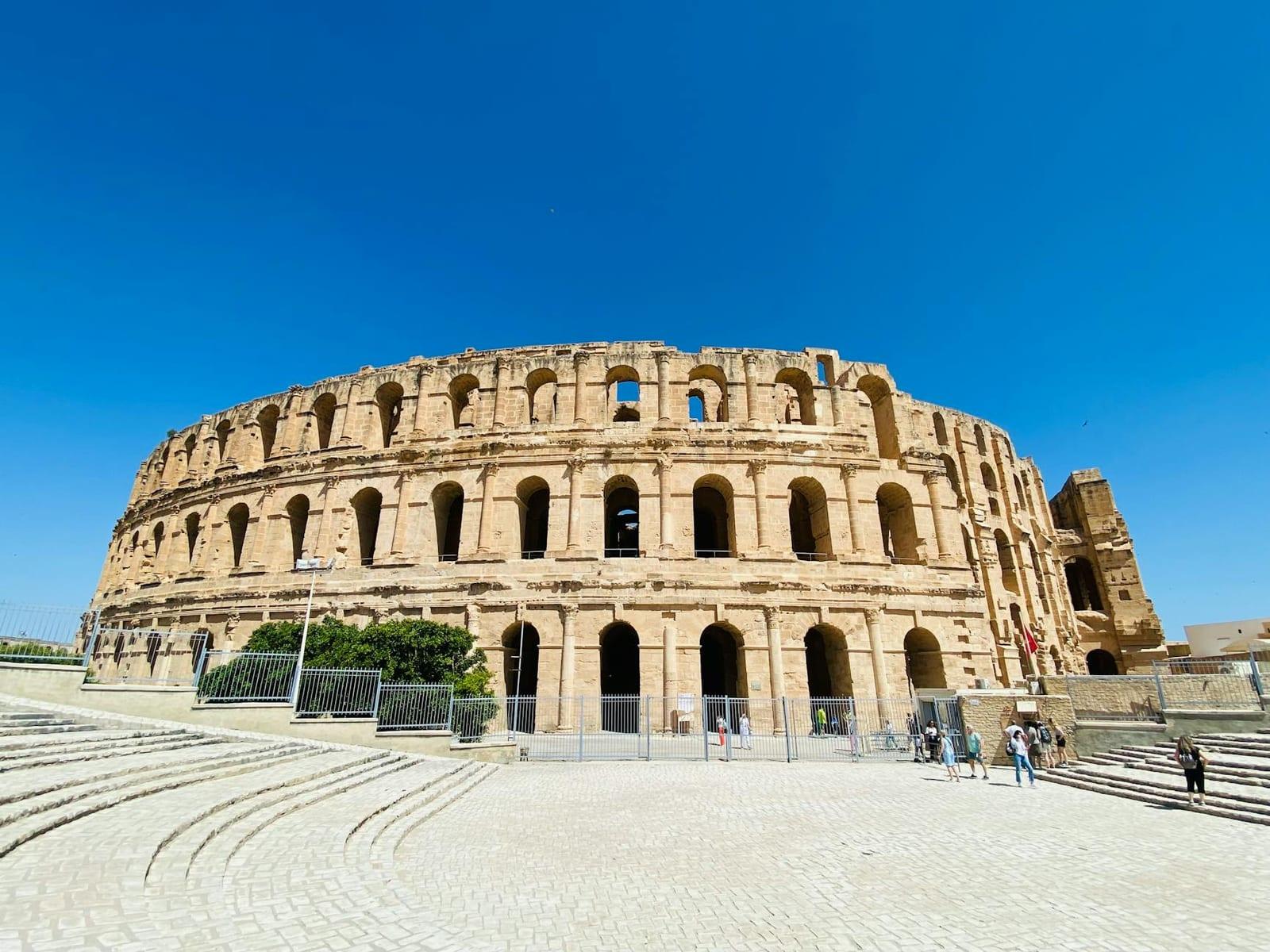
With a population long anchored by native nomadic Berbers, Tunisia has seen many an empire sweep through its bounds—Phoenicians, Romans, Arabs, Almoravids, Turks, and French—and each has left a lasting mark. It’s something of an understatement to assert that history buffs will have a field day here. There are the ruins of Carthage to explore, for instance: This Phoenician city on the Gulf of Tunis became the center of a major trading empire in the Mediterranean. And after they finally sacked it, the Romans established their own outpost on the rubble. Carthage is only one of several UNESCO World Heritage Sites along the Tunisian coast: Others include the Amphitheatre of El Jem, a vast Roman colosseum, and the historic medinas of Tunis and Sousse.
Speaking of Tunis and Sousse, these bustling cities anchor many a visitor’s journey in Tunisia. The medinas are the main attraction, and certainly they afford a one-of-a-kind introduction to the hodgepodge of ancient and modern that helps define Tunisian culture. You can also embark on an exploration of native cuisine, which, like other Maghrebi culinary traditions, is an amalgam of wide-ranging influences, from Turkish to French. One distinctive aspect of Tunisian cookery is the spicy kick many dishes and sides possess.
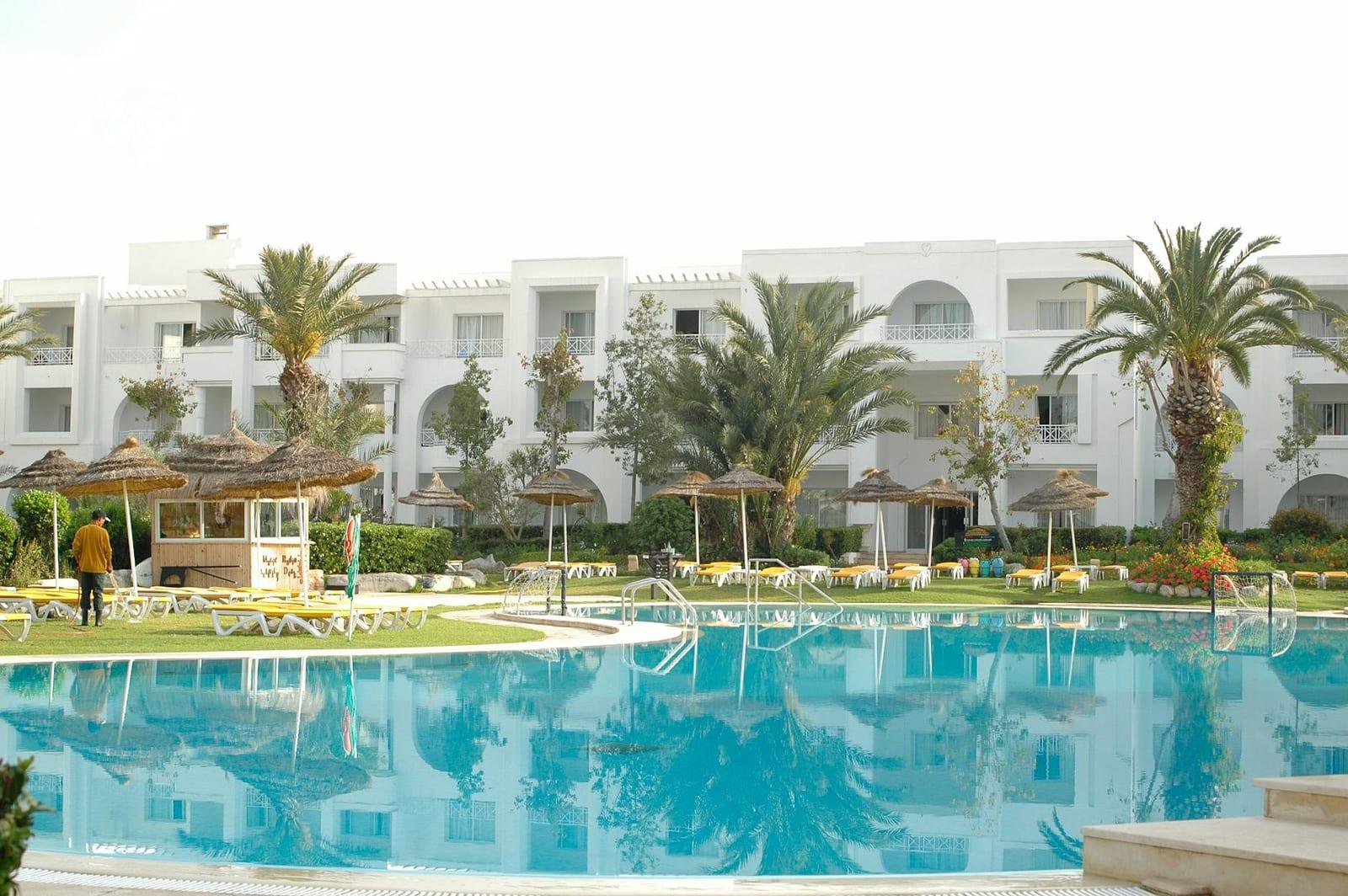
Seaside R&R your style? Mediterranean sunshine of the North African variety comes plentifully along the Tunisian coast; and the beaches of Sousse and the resort hub of Hammamet are particularly renowned. You can also get outside and soak up some natural wonders, whether in the bird-filled wetlands of the coast, the foothills of the Atlas, or the Saharan frontier. Among the standout ecotourism destinations are Lake Ichkeul National Park—a critical breeding, staging, and wintering ground for many kinds of birds, just 30 miles or so from Tunis—and Djebel Chambi National Park, which includes Tunisia’s highest summit, 5,066-foot Mount Chambi, and its wildlife-rich woodlands.
For the traveler, Tunisia has endless layers to unpeel, and a sense the splendid history everywhere underfoot.
13 things not to miss.
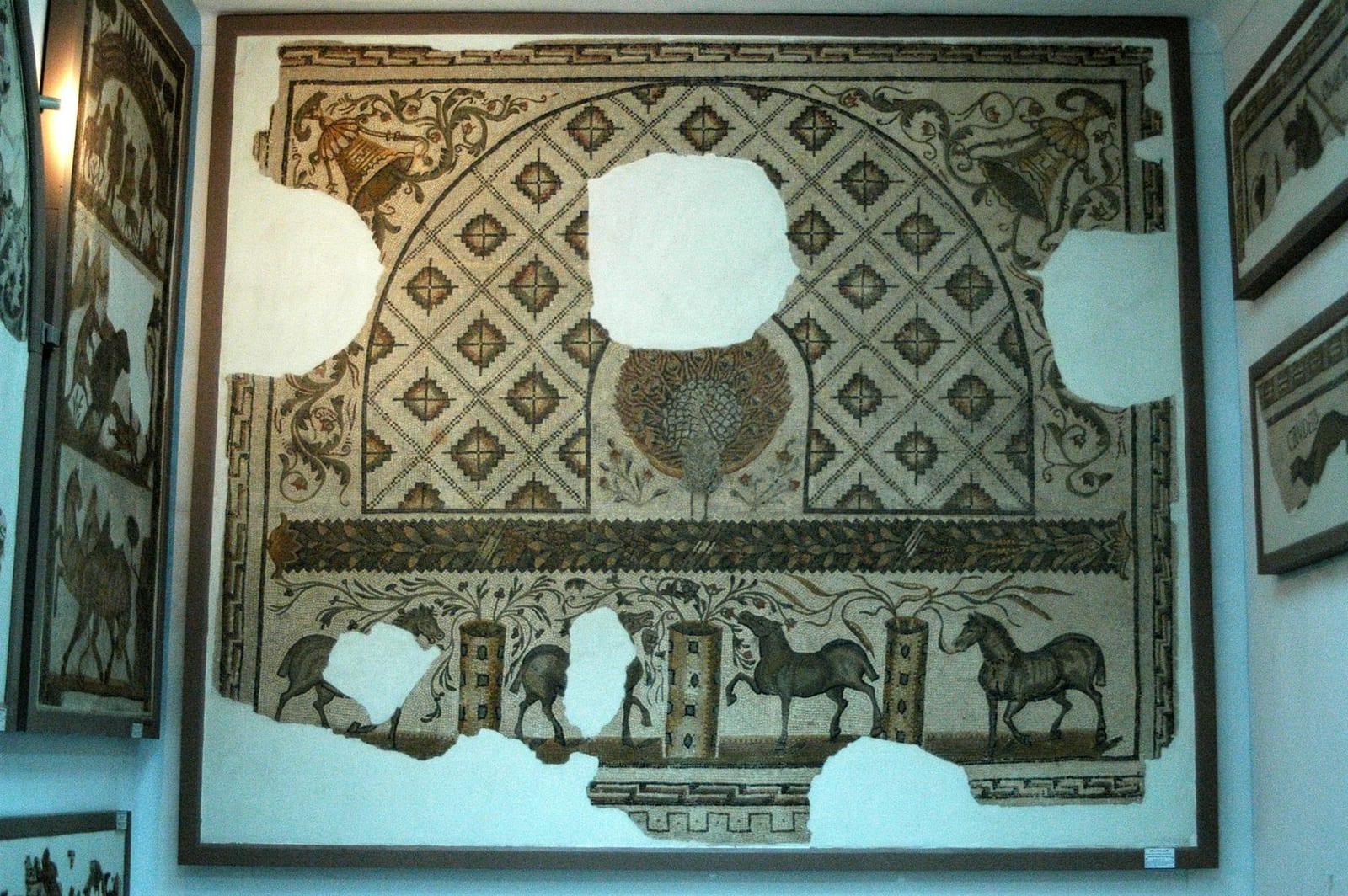
- Carthage and the Bardo MuseumWalk Carthage and the Bardo Museum
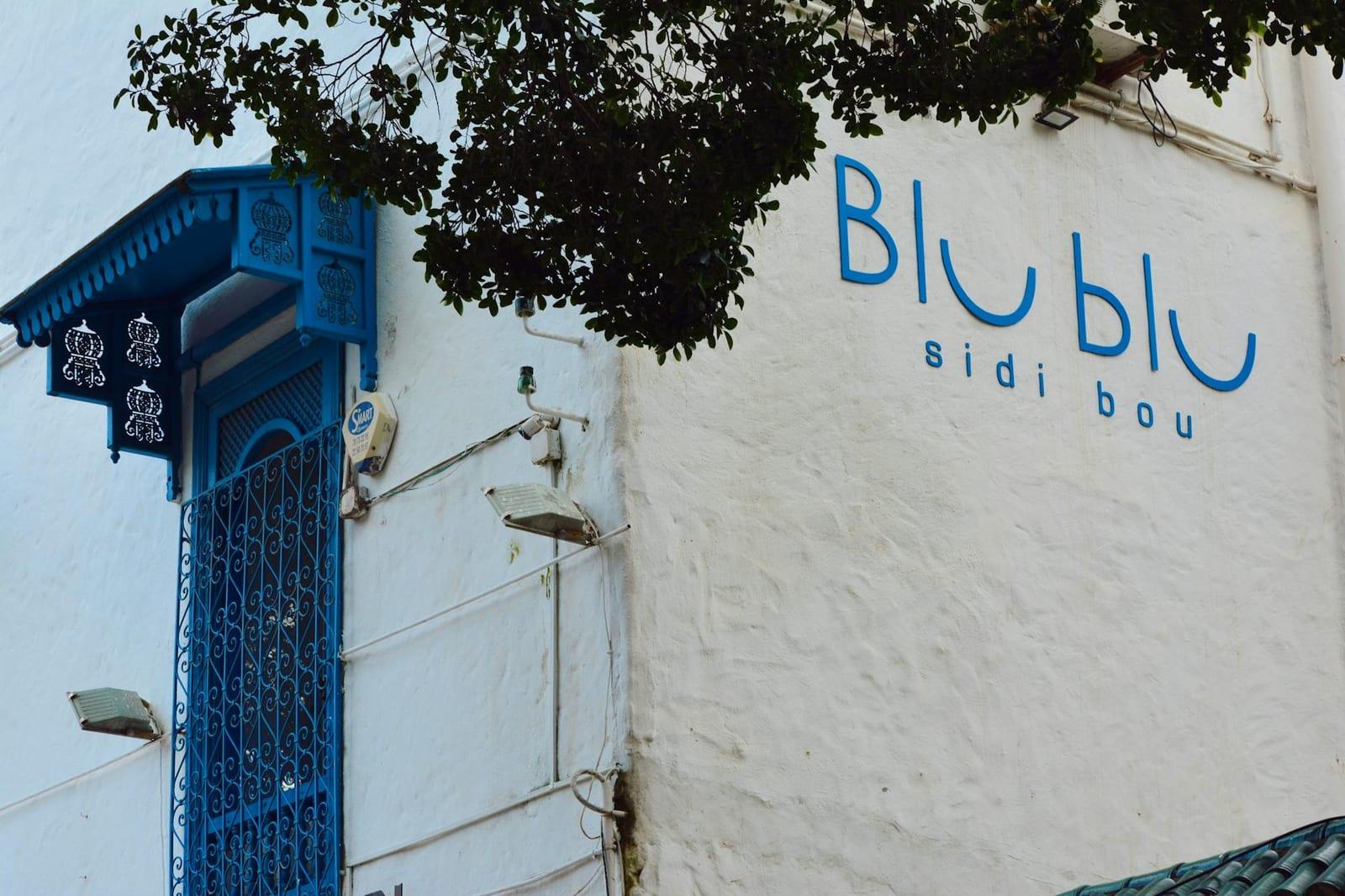
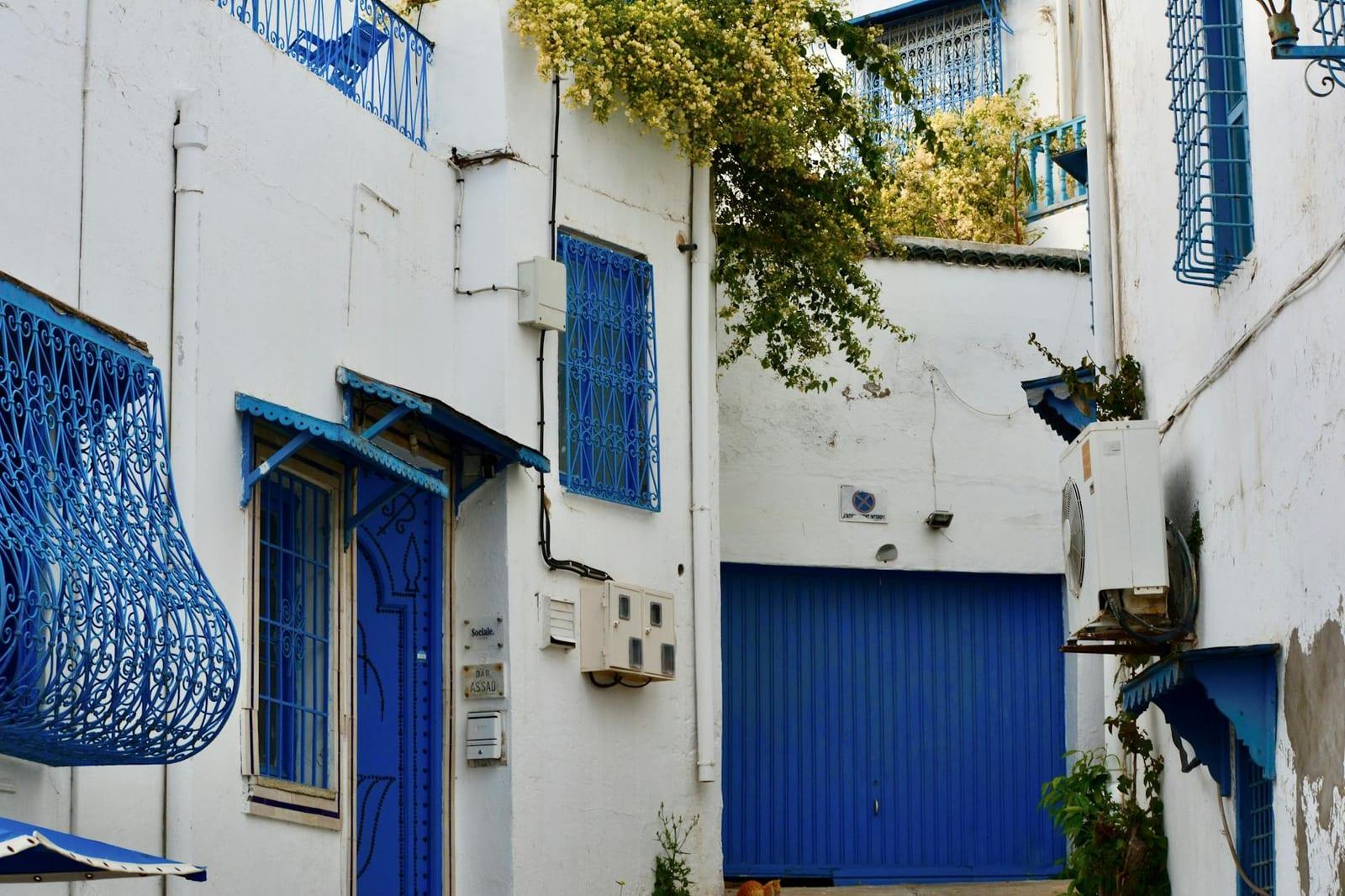
- Lose yourself in Sidi Bou Said's blue lanesLose yourself in Sidi Bou Said's blue lanes
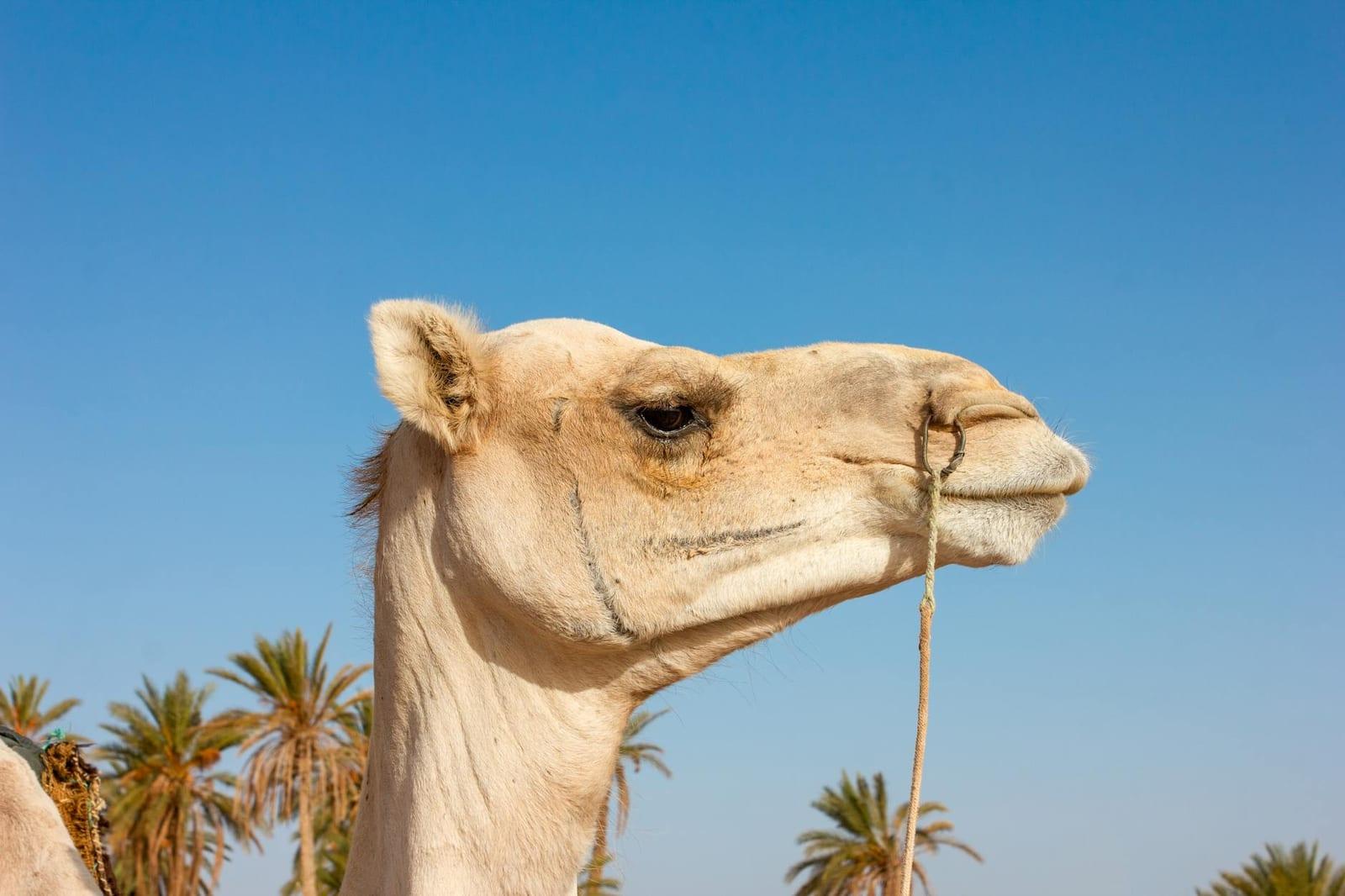
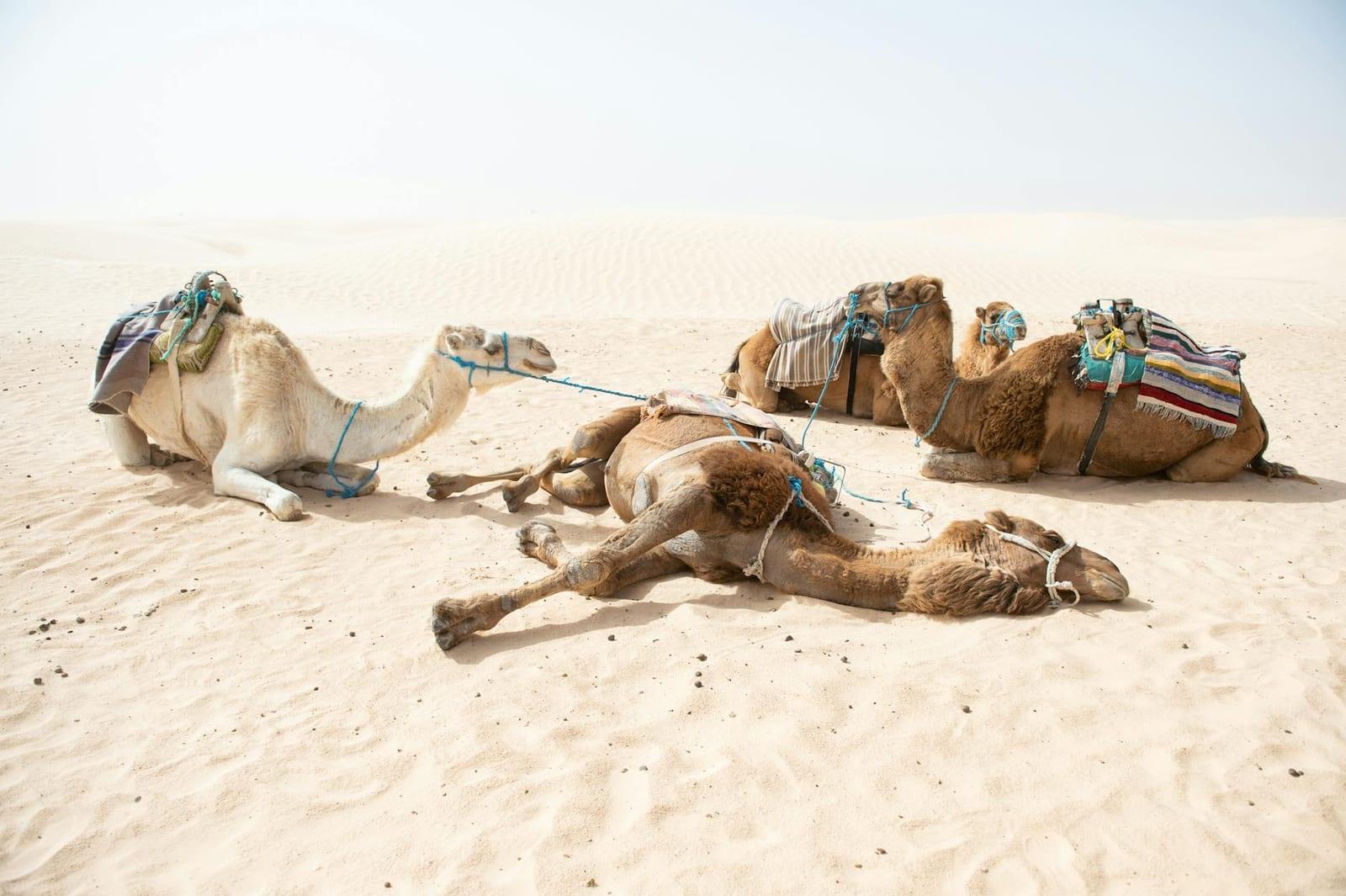
- Sleep in a Saharan camp at DouzSleep in a Saharan camp at Douz
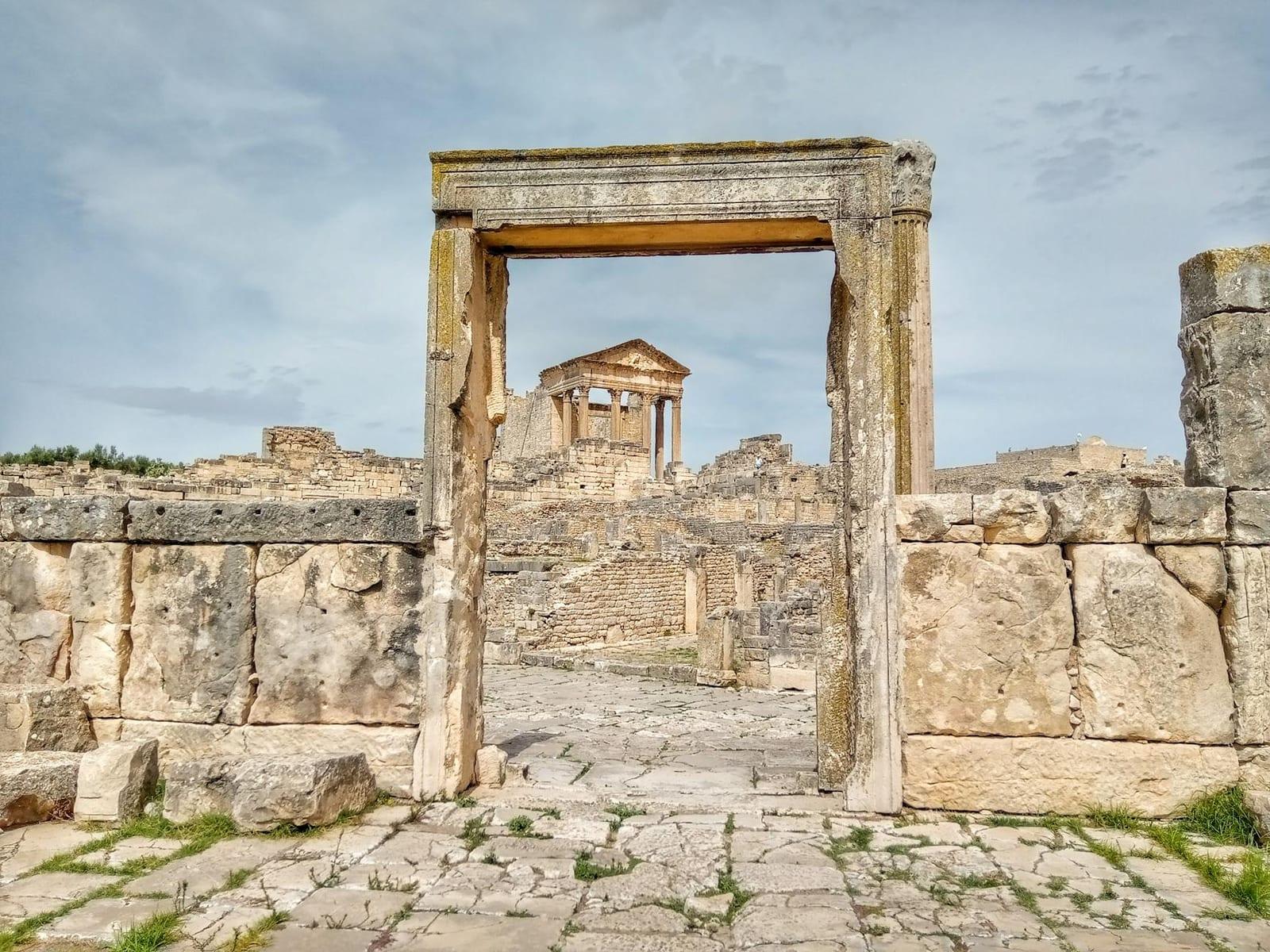
- DouggaUNESCO calls this marvelous site “the best-preserved Roman small town in North Africa.”
- Amphitheatre of El JemDating from the second century C.E., this magnificent amphitheater is one of the largest Roman ruins on the continent.
- CarthageTap into world-shaking history at this ancient Phoenician city along the Gulf of Tunis.
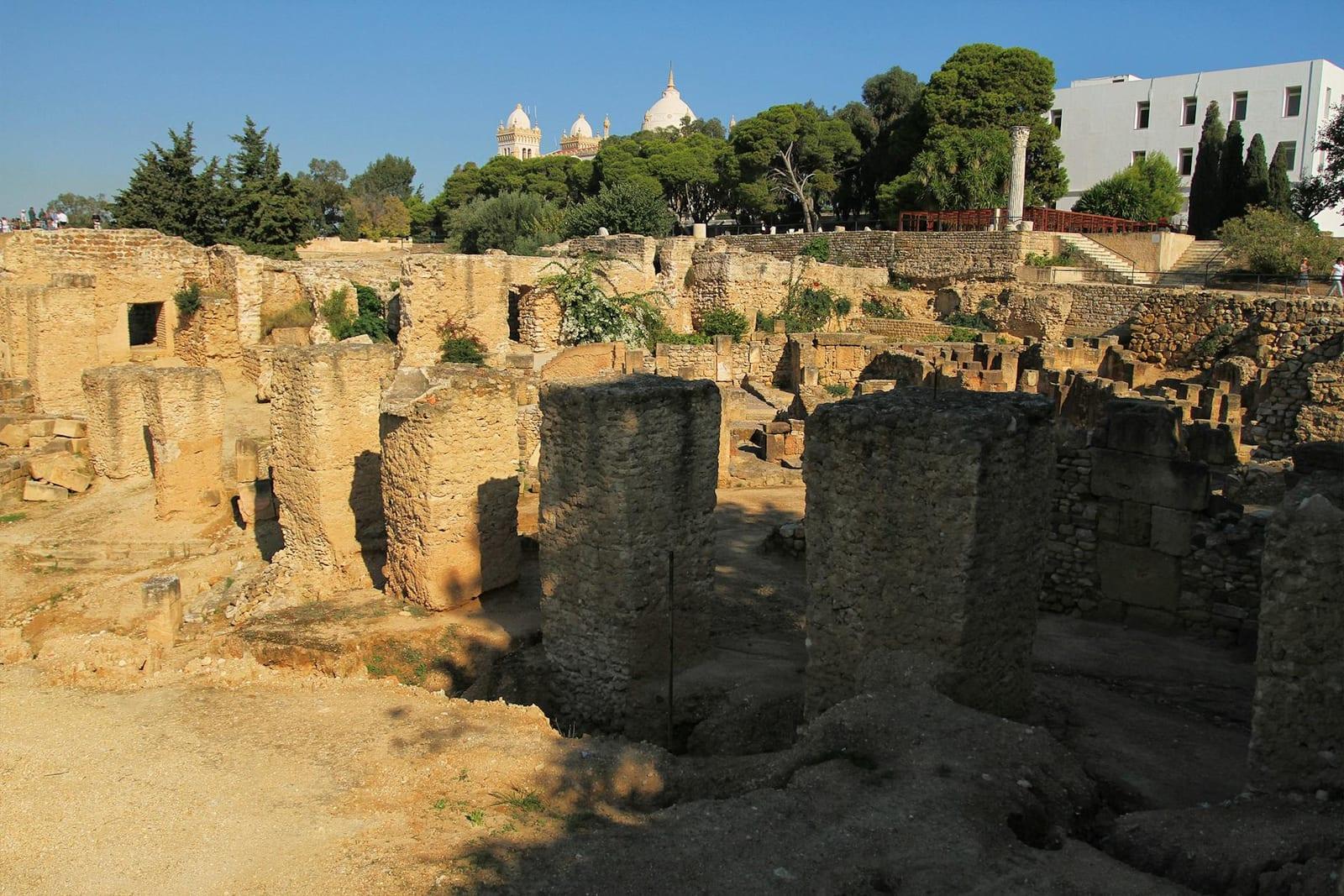
- Medina of TunisThe ancient core of Tunisia’s capital comes crammed with mosques, palaces, and other vintage monuments.
- HammametOne of Tunisia’s premier resort hubs, this seaside town lures with its topnotch Mediterranean beaches.
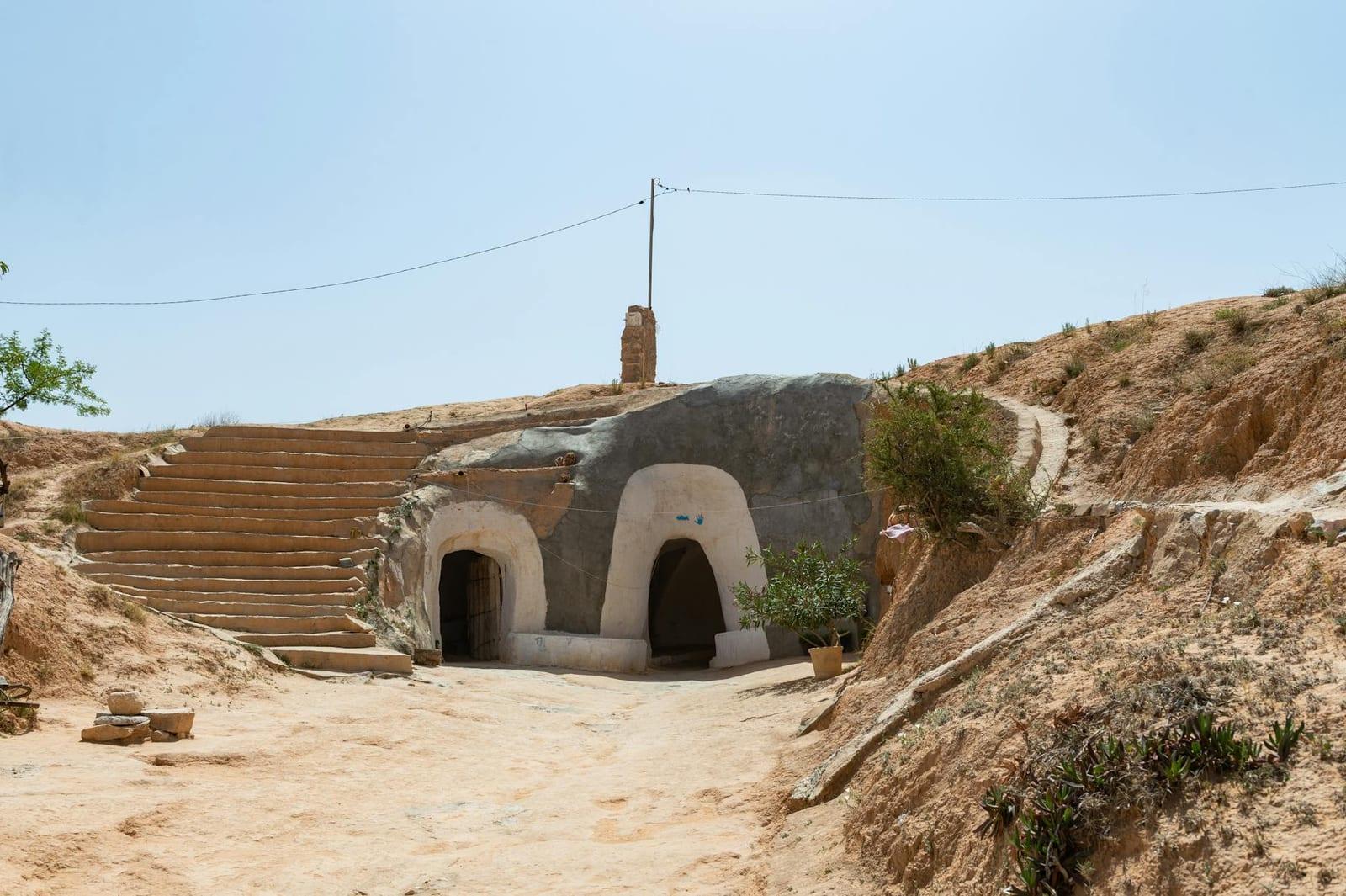
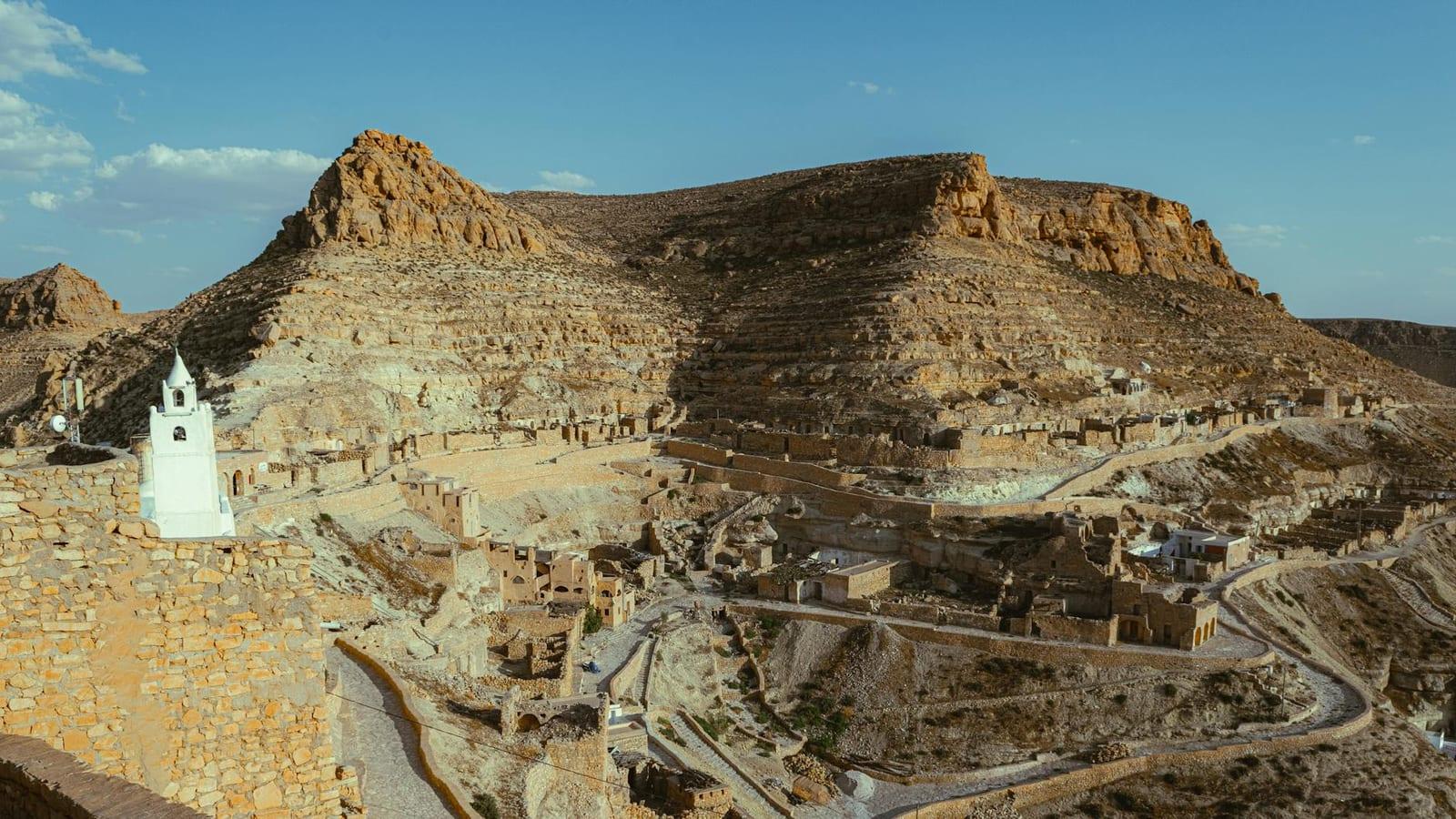
- MatmataThis somewhat surreal Berber town in the Tunisian Sahara served as the filming location for Luke Skywalker’s home in the first Star Wars movie.
- Grand Erg OrientalMost of this mighty sand sea lies in Algeria, but its eastern margins lie in Tunisia and offer some of the country’s most bewitching scenery.
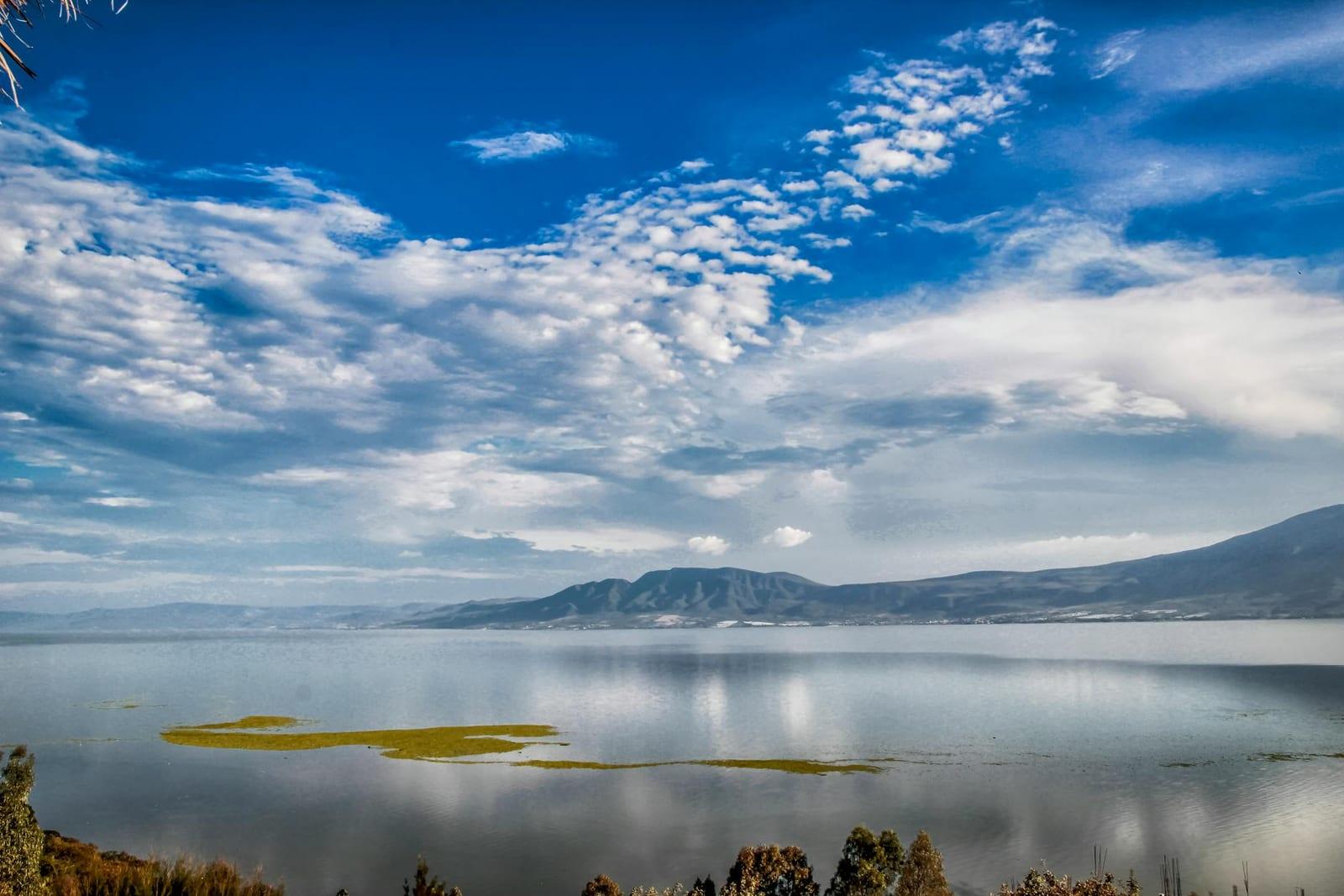
- Lake Ichkeul National ParkMultitudes of waterfowl and shorebirds utilize this park’s freshwater lake and coastal wetlands, while raptors nest in nearby hills.
- Djebel Chambi National ParkTrek to Tunisia’s rooftop in this highland park, which culminates in 5,066-foot Mount Chambi.
- El Feidja National ParkLush Mediterranean mountain forests—sometimes whitened by snow—are home to Atlas deer, boar, and other striking mammals.