Turkey is one of those countries where the magnitude of the human story seems tangible enough to touch. It’s certainly one of the great crossroads of the world, a geographic and cultural threshold where Europe and Asia have merged and grappled for thousands of years. It’s a bit hyperbolic to call Turkey the heartland of Eurasia, but there’s no question that a whole continent’s worth of history, culture, and physical geography echo in this sprawling, liminal republic.
A quick sketch of Turkish geography suggests something of its perennial regional importance. It’s nearly 1,000 miles across, stretching from Greece and Bulgaria to eastern and southeastern borders with Georgia, Armenia, Iran, Iraq, and Syria—and linking Southern Europe, Eastern Europe, Western Asia, and the Middle East in that mighty span. The headwaters of both the Euphrates and Tigris, lifeblood of Mesopotamia, lie in eastern Turkey; so does the Bosporus Strait, which divides comparatively small European Turkey (Thrace) from Asian Turkey (Anatolia) and connects the Black and Mediterranean seas.
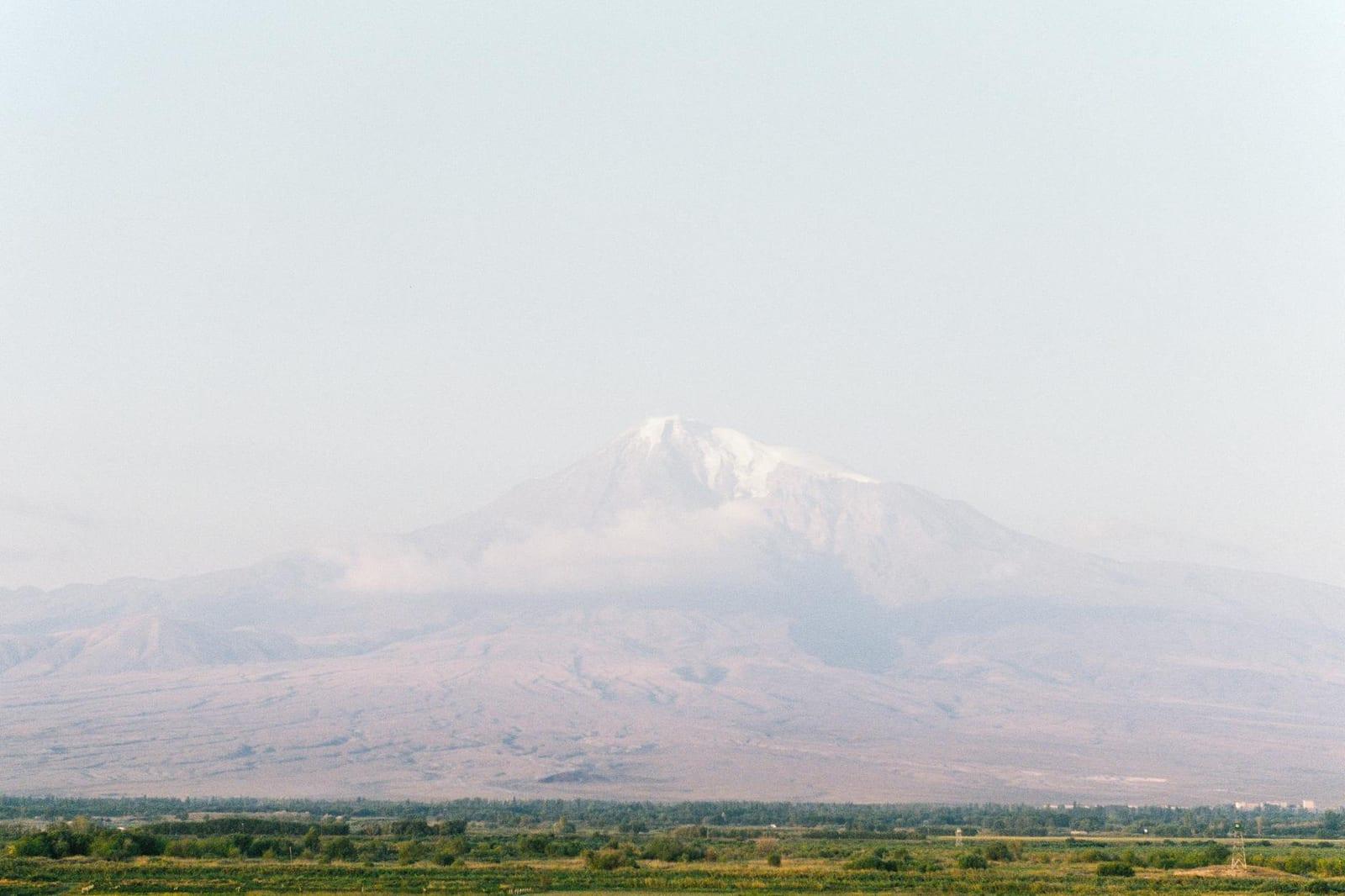
From 16,854-foot Mount Ararat near the Iran line—where, it’s said, Noah’s Ark moored—to the clement Mediterranean coast, Turkey’s sweeping topography has been the stage for a breathtaking share of world history. That real estate has been the stomping ground (and the battlefield) for the Hittites, the Assyrians, the Persians, the Macedonians, the Romans, the Byzantines, the Mongols, and the Ottoman Turks, to name only some of the more prominent occupiers. Thirteen UNESCO World Heritage Sites provide a sampler-pack—by no means comprehensive—of Turkey’s archaeological treasures: the ancient Neolithic settlements and rock art of Catalhöyük, the Hittite capital of Hattusha, the Hellenistic monuments of Nemrut Dag, the ruins of Troy, the Ottoman caravan city of Sanfranbolu.
And few cities in the world claim the stature of resplendently beautiful Istanbul, where landmarks such as the Hippodrome, the Pantocrator Monastery, and the Topkapi Palace careen the visitor across a couple of thousand years’ worth of history along the very seam of Europe and Asia. In Istanbul, Ankara, and elsewhere, you can mull the fruits of your historical sightseeing over wide-ranging, cross-cultural Turkish cuisine, as much a revelation of the country’s heritage as anything else.
The intermix of European and Asian cultures continues to manifest in old and new ways alike in modern-day Turkey, a reminder that the tale of this continental bridge keeps unfurling on a wave of deep history.
19 things not to miss.
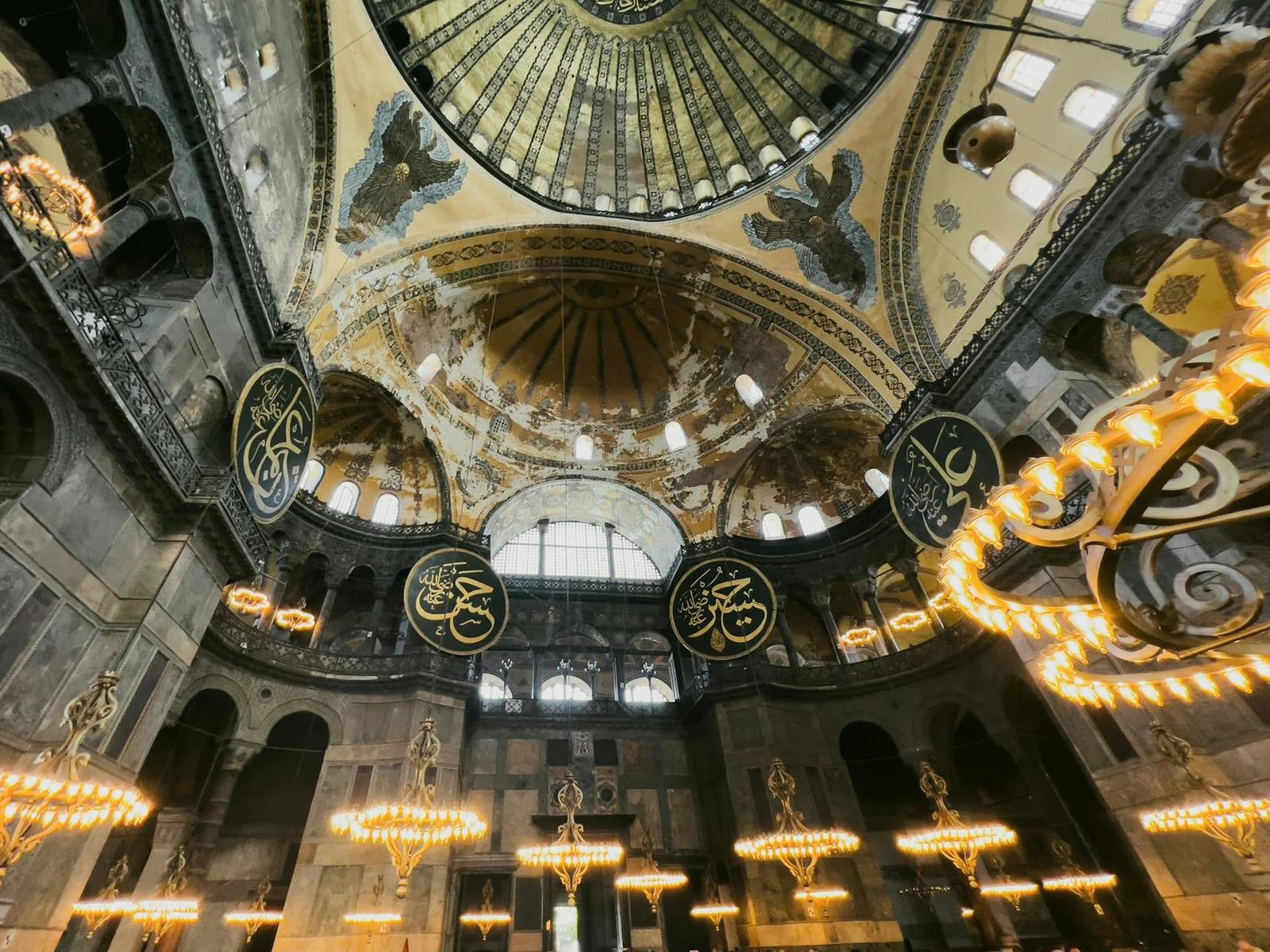
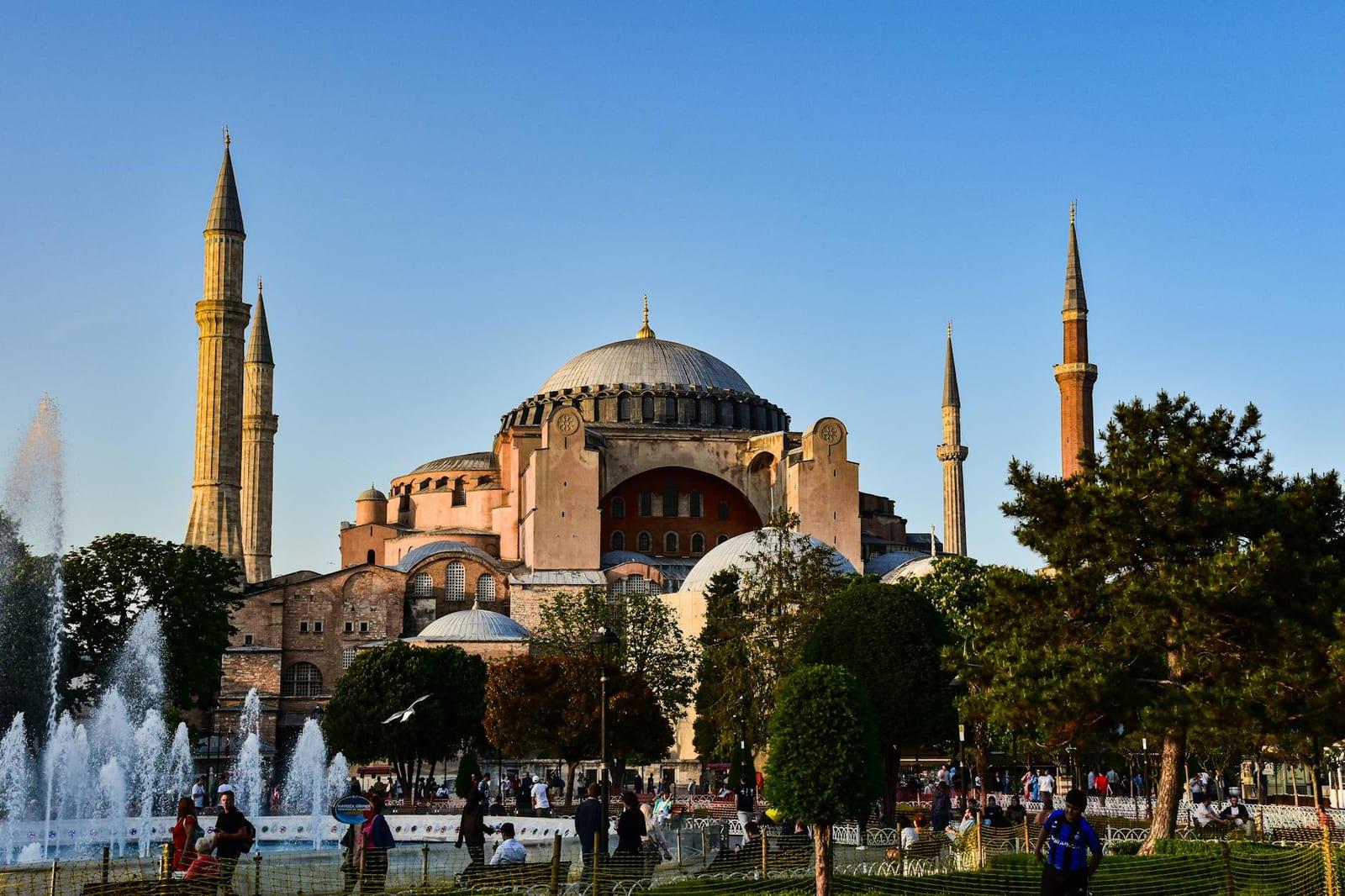
- under Hagia Sophia's domeWalk under Hagia Sophia's dome
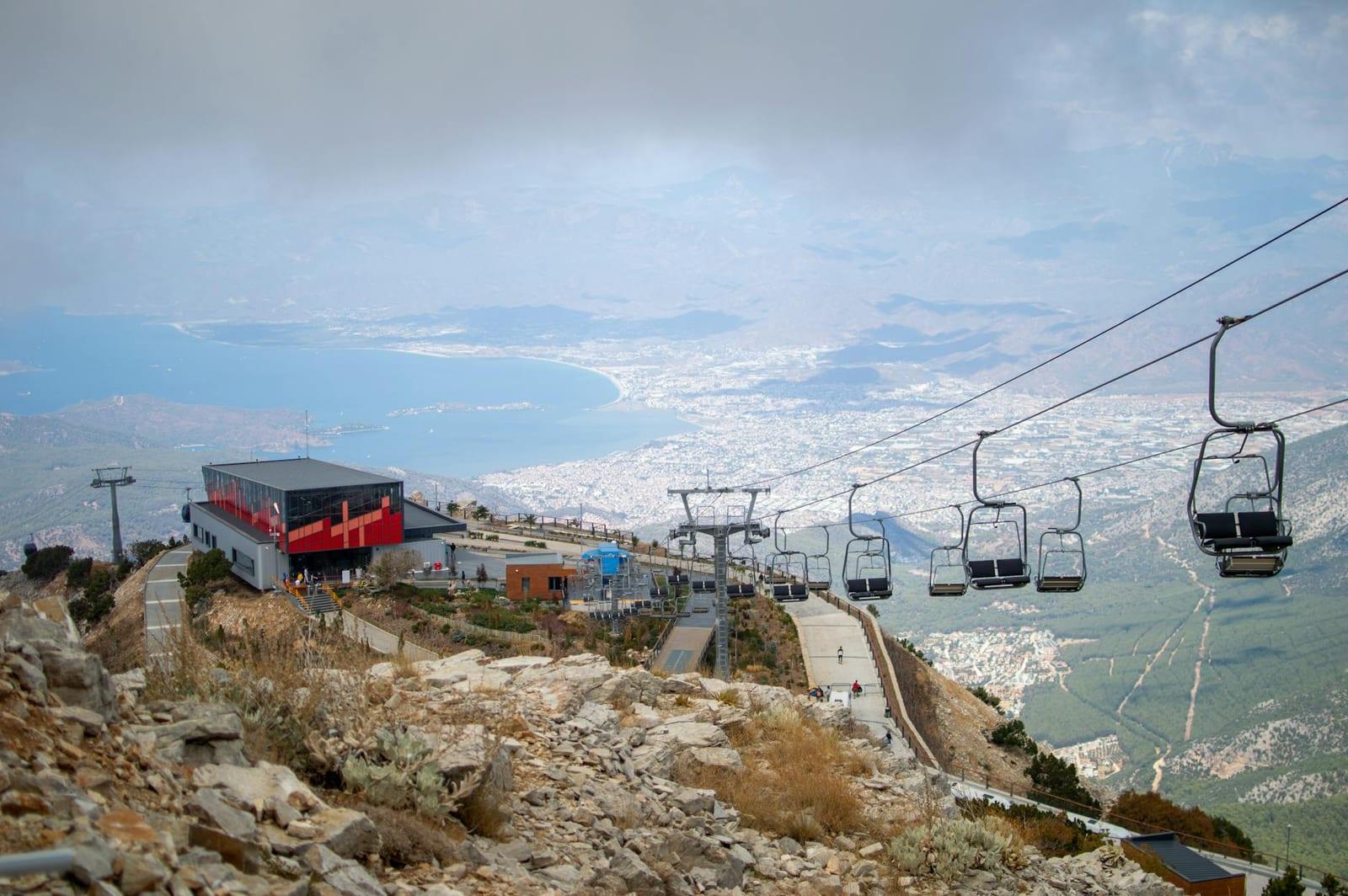
- Babadag
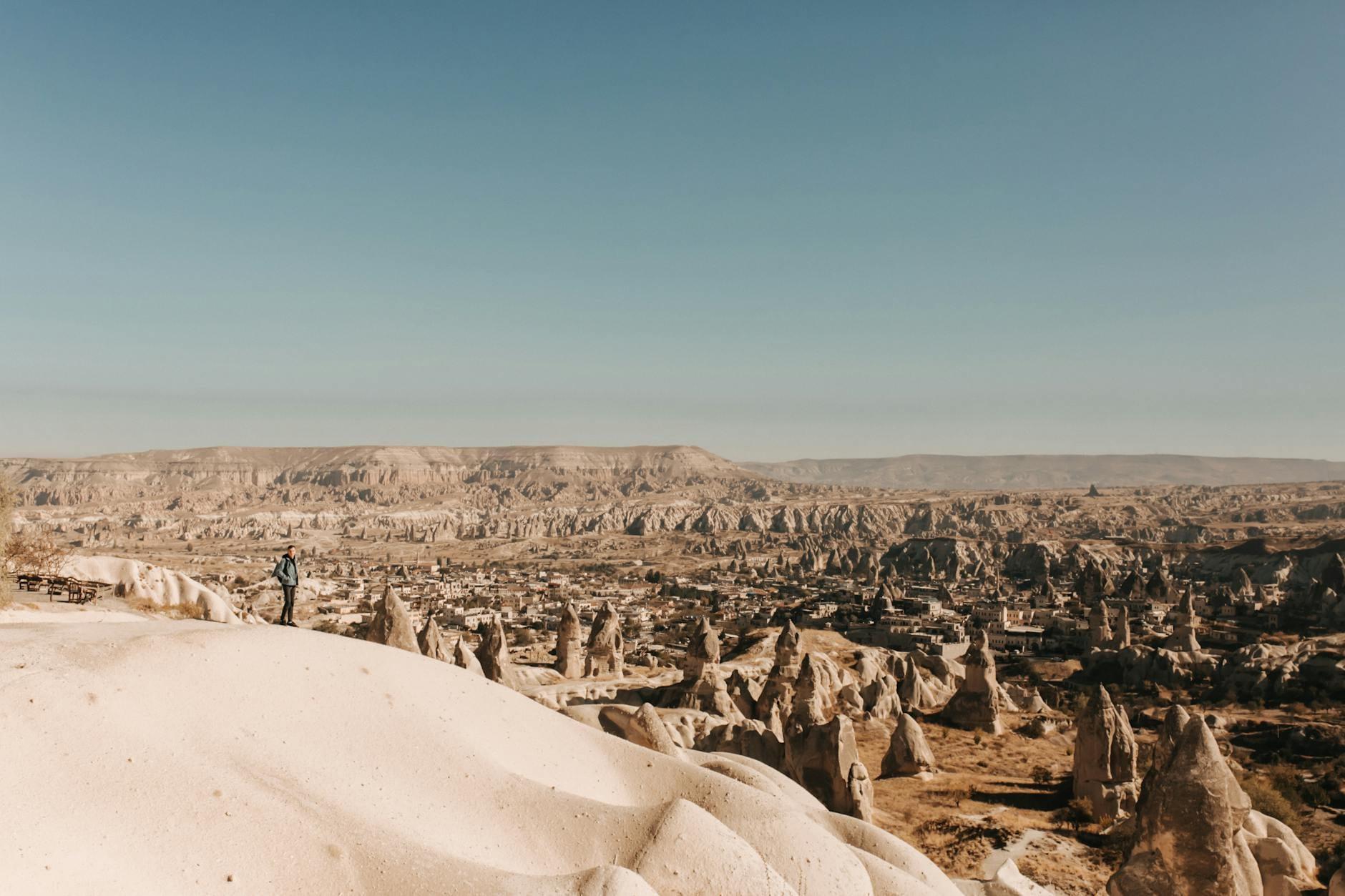
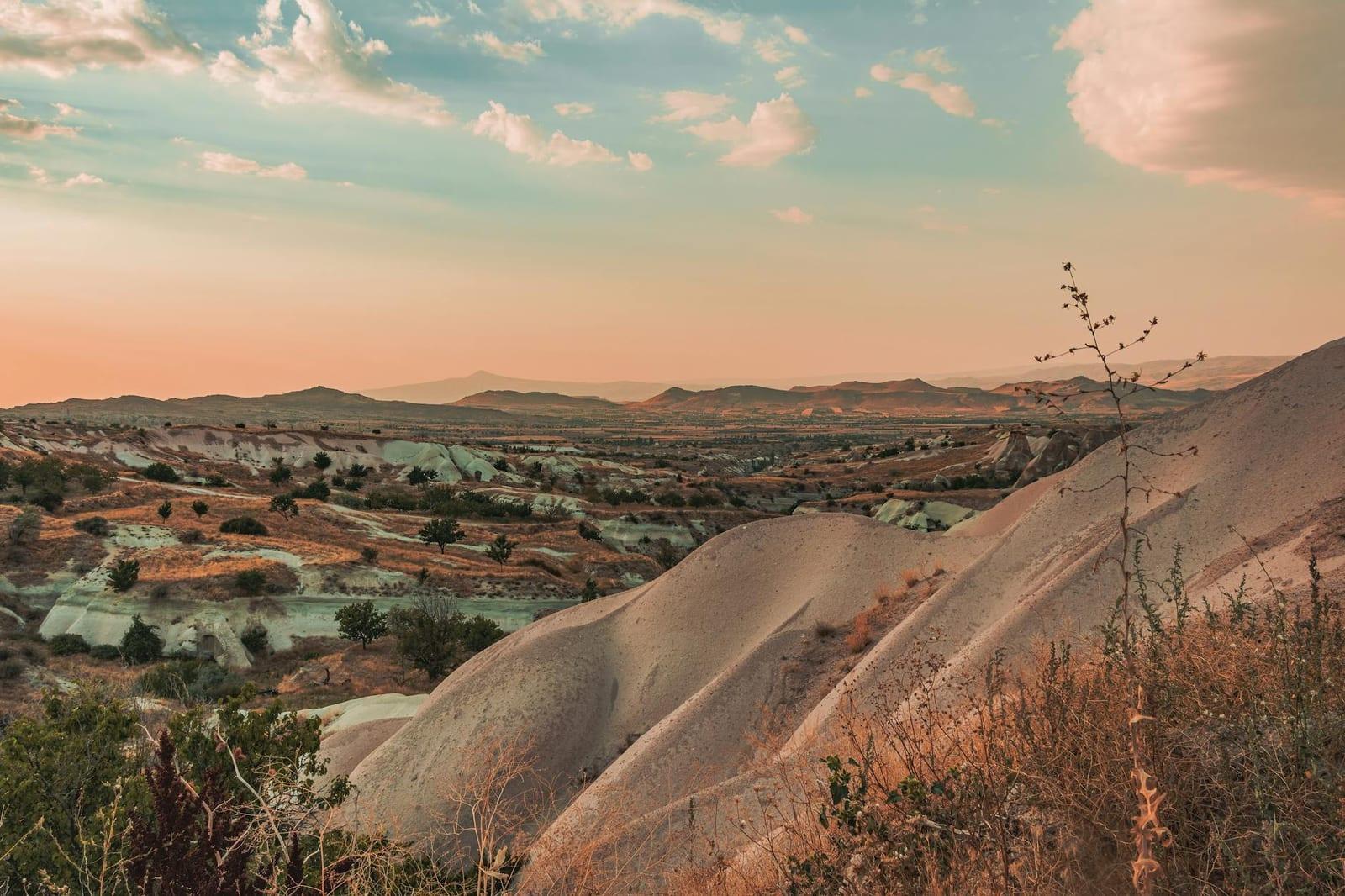
- Cappadocia
- Aya Sofya
- Ride in a Hot Air Balloon

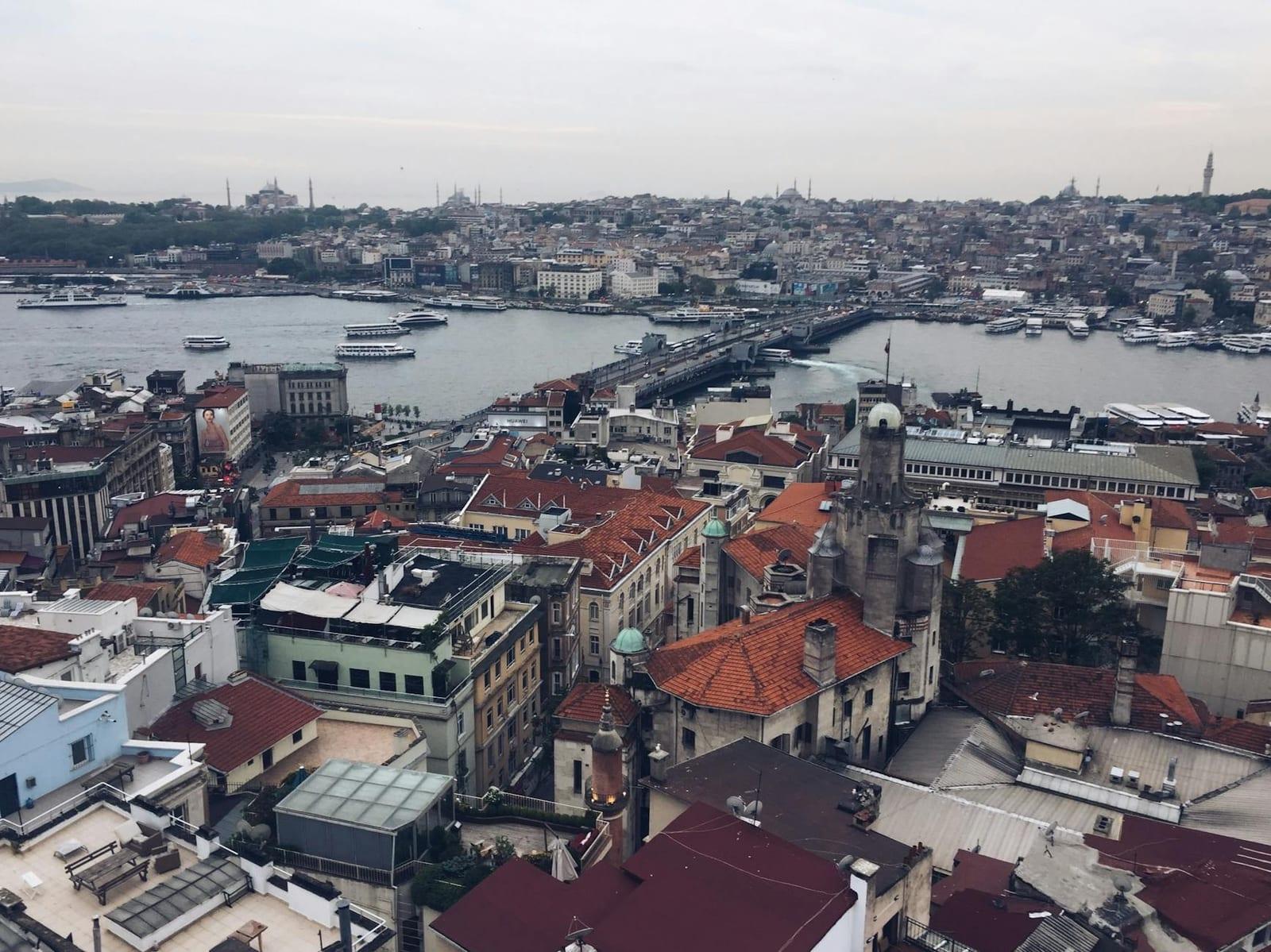
- Istanbul
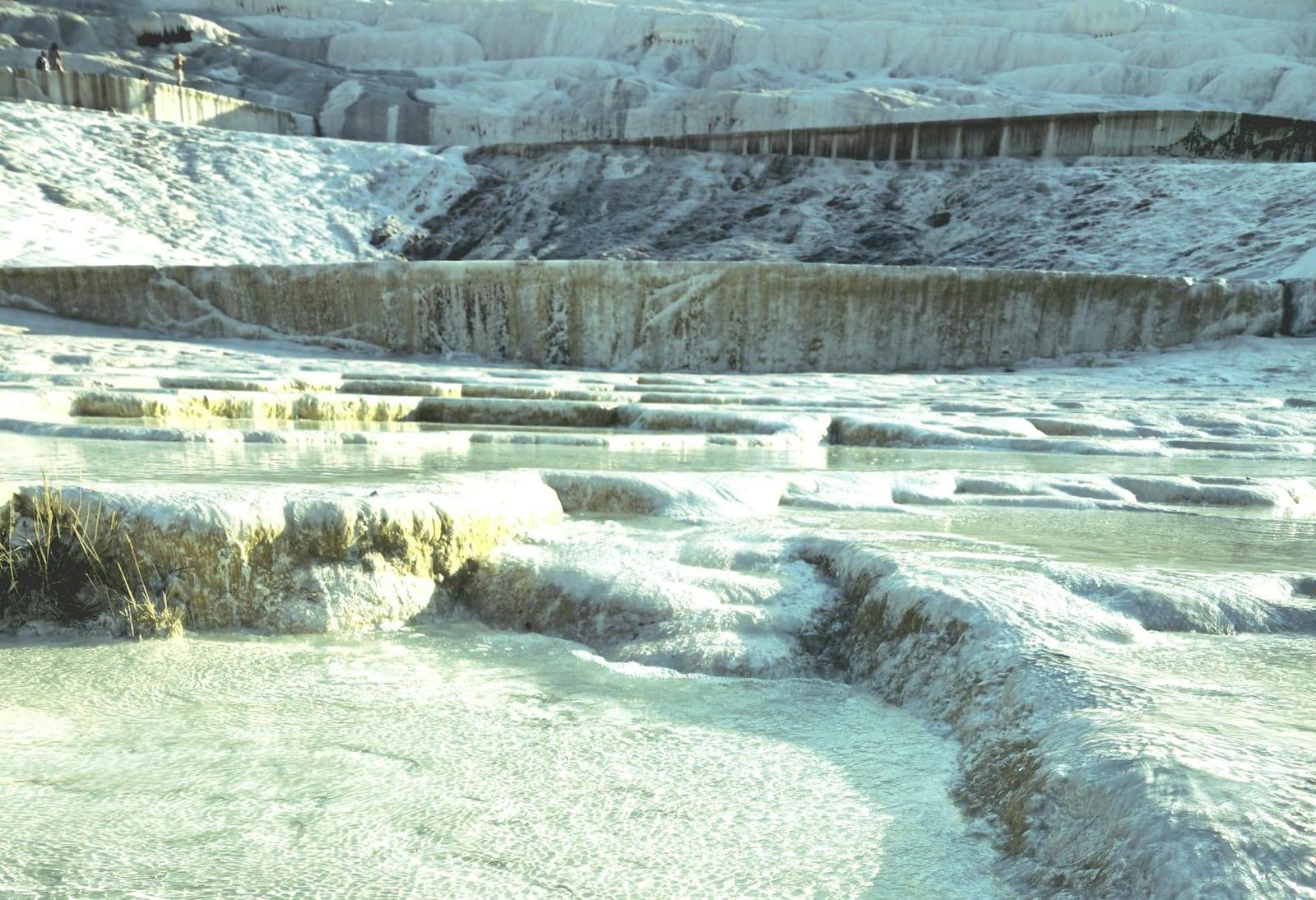
- Pamukkale Terraces
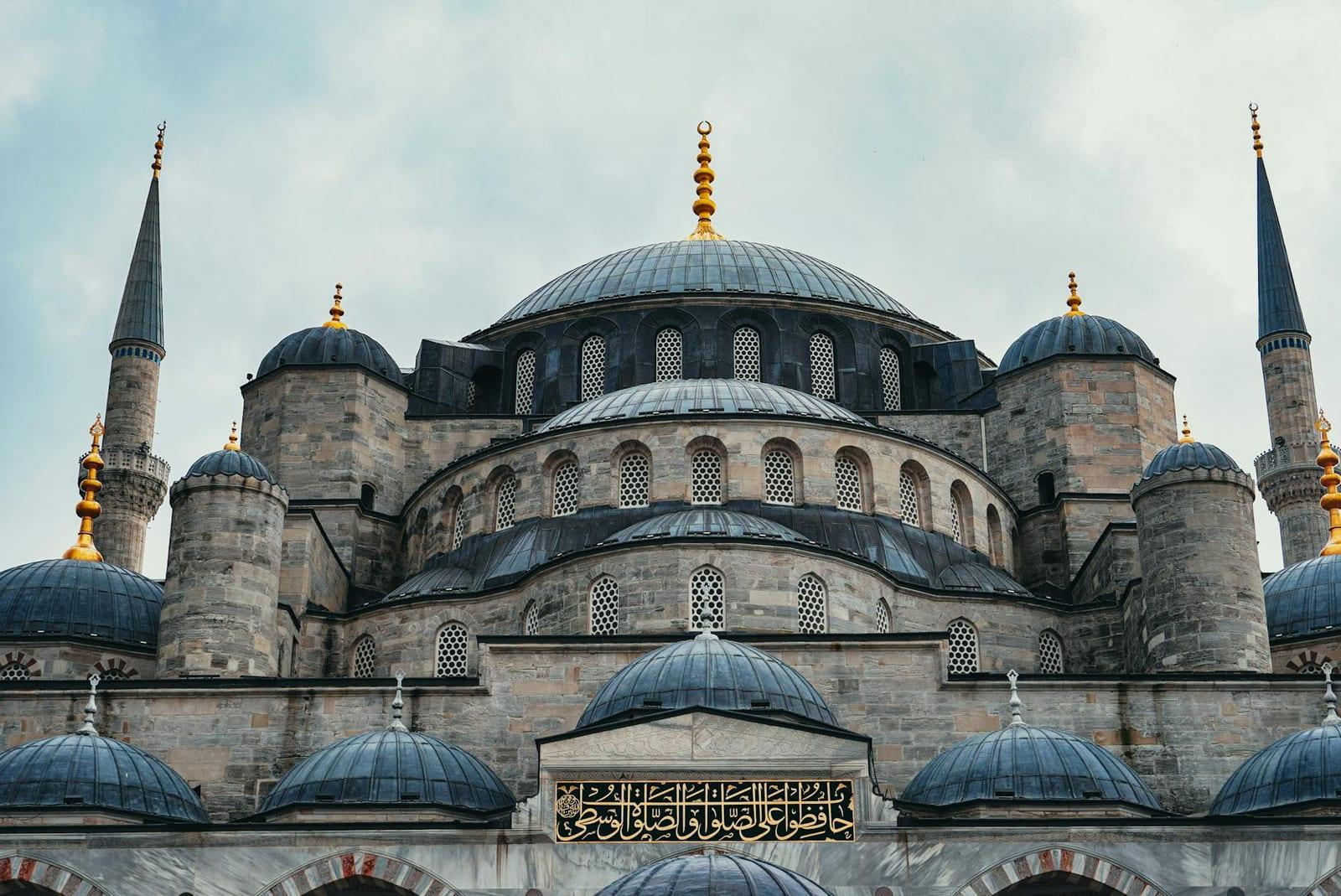
- Blue Mosque
- Mount AraratThe unmistakable double cones of this huge stratovolcano—Biblically associated with Noah’s Ark—are a landmark far and wide.
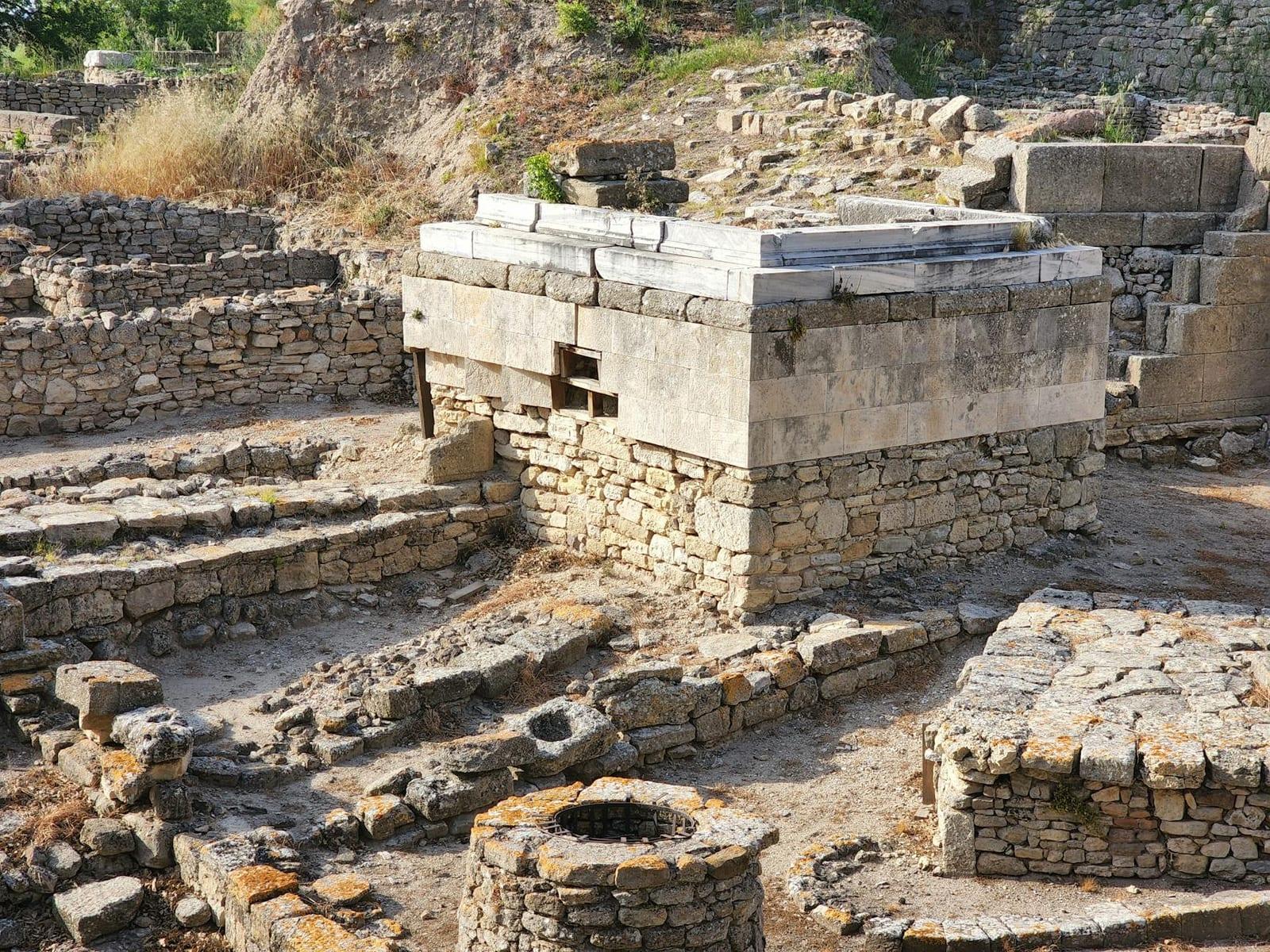
- TroyRuins don’t get much more famous than these remnants of the city sacked by the Greek Achaeans (see Homer’s Iliad).
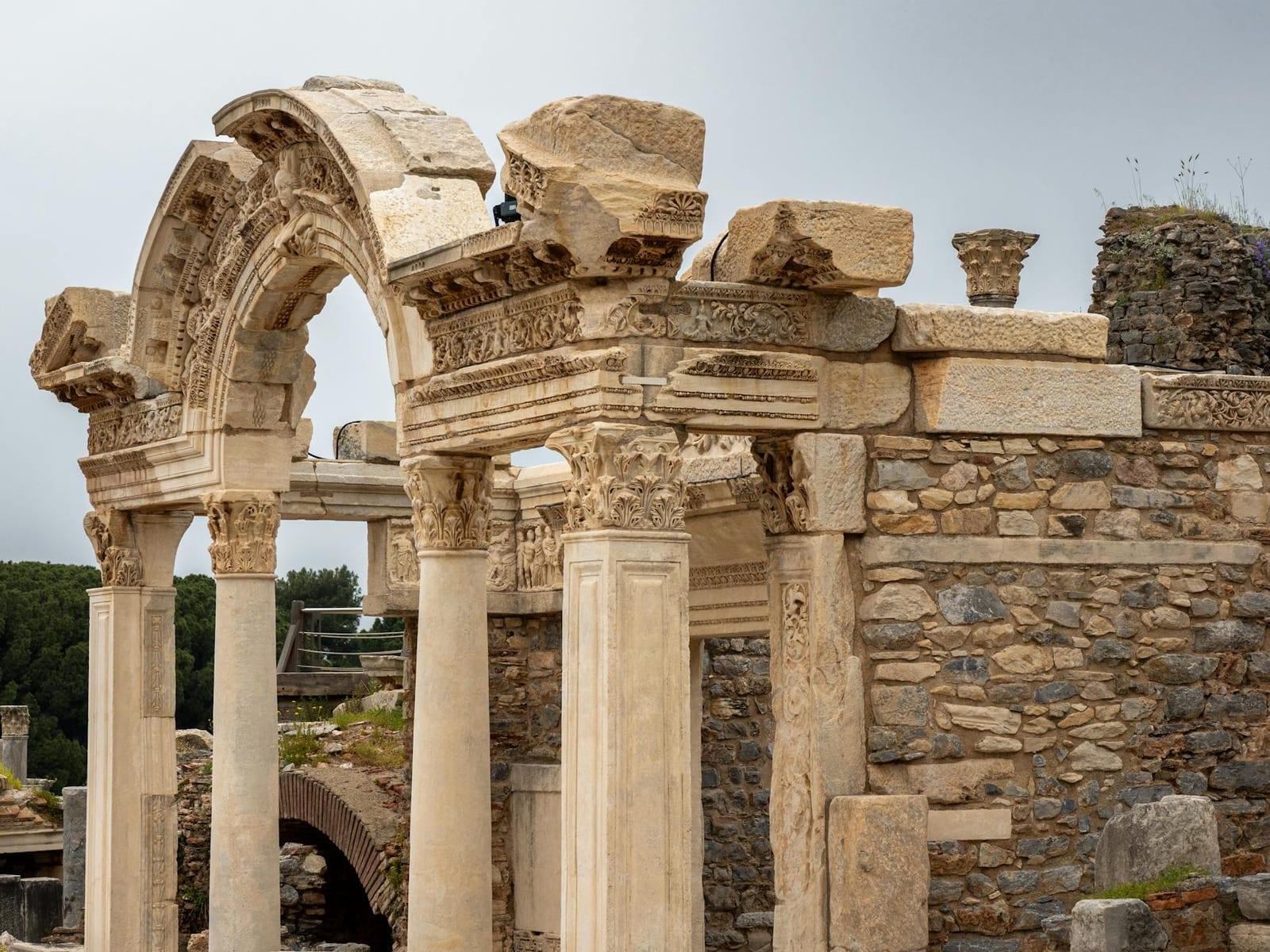
- EphesusOnce claiming a Wonder of the World (Temple of Artemis), this Greek-cum-Roman port’s remaining ruins are some of the Mediterranean’s finest.
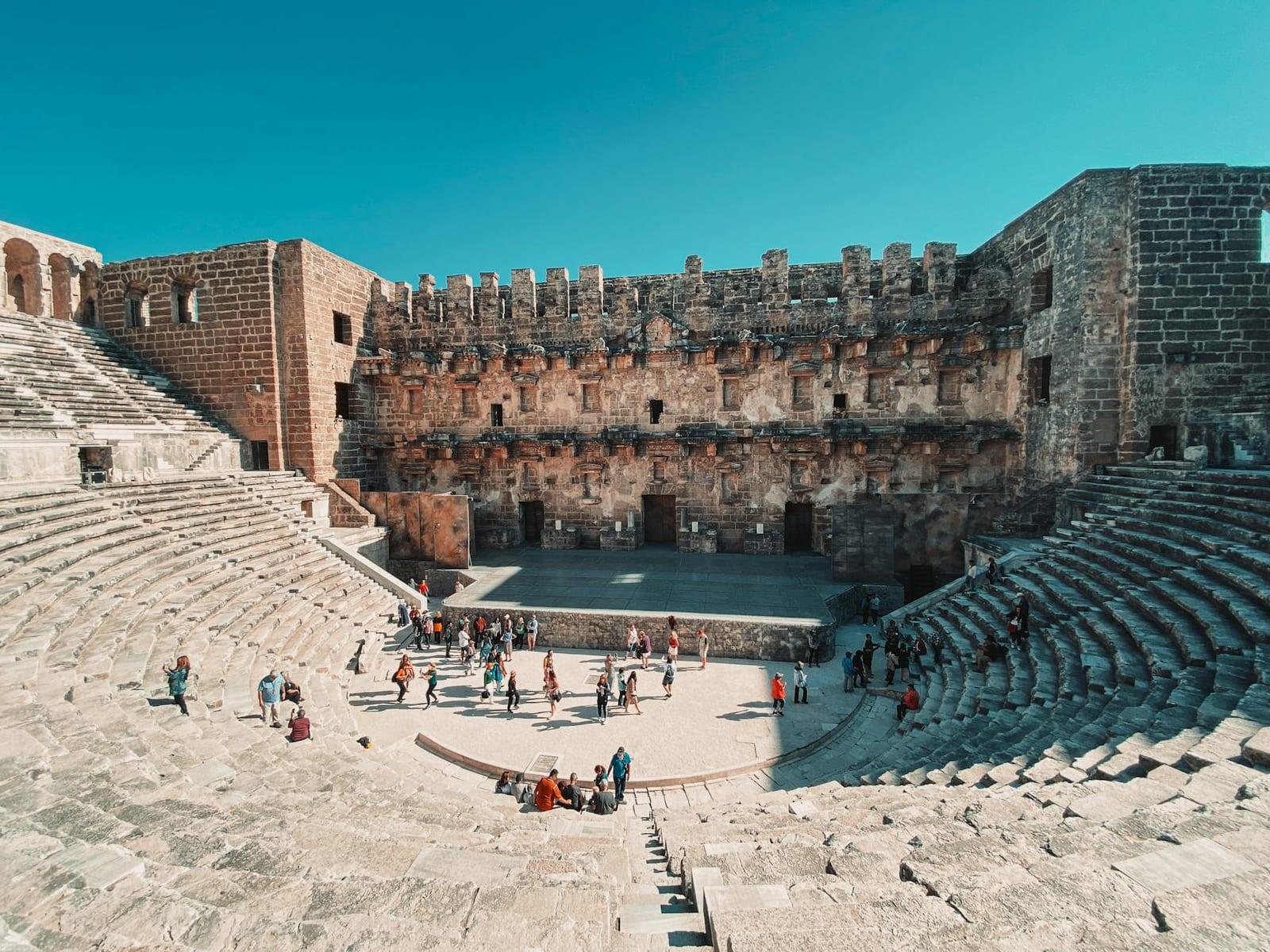
- Aspendos TheatreAspendos lays claim to one of the best-preserved Roman theaters in the world.
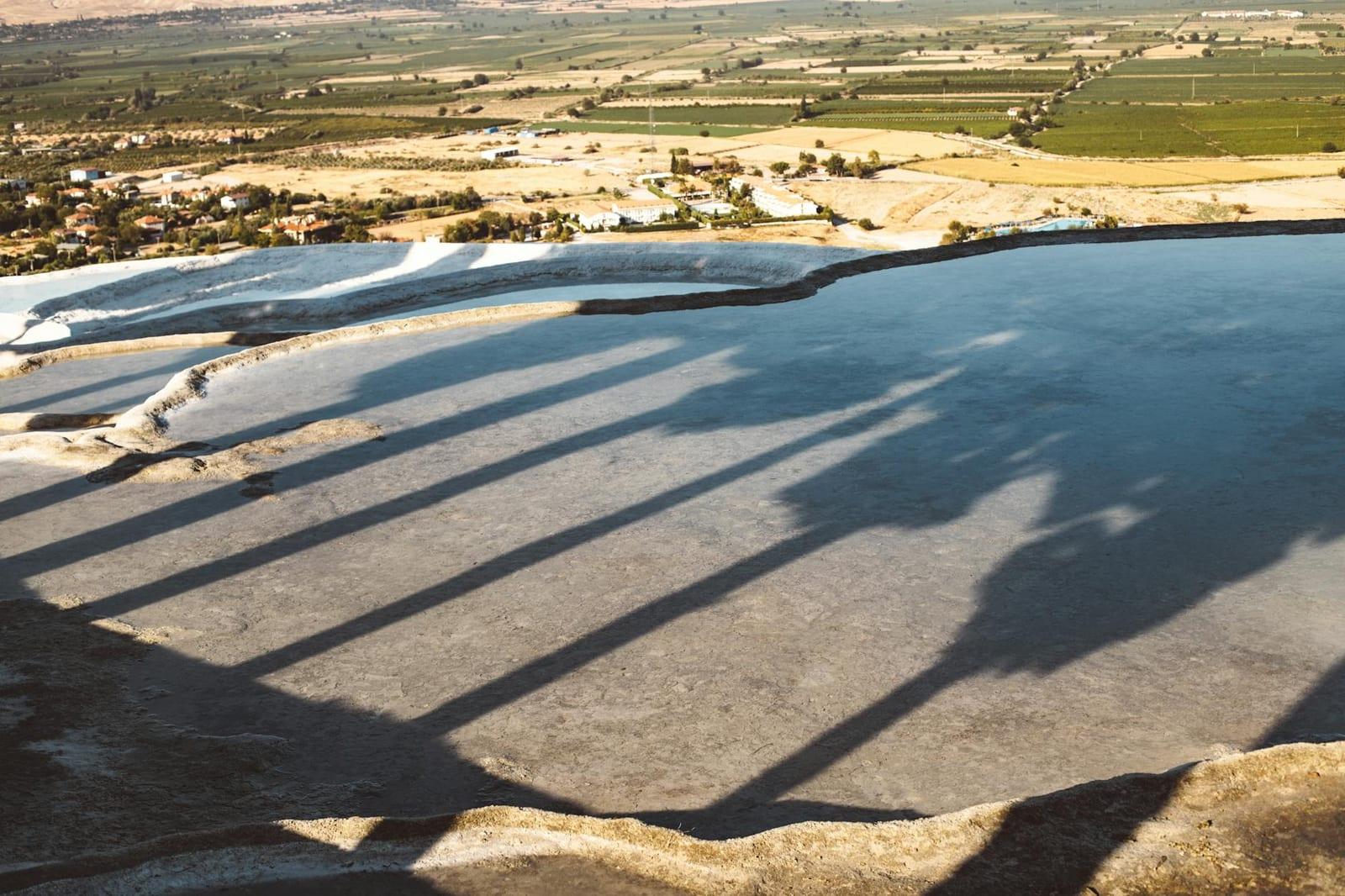
- PamukkaleThe thermal pools of this terraced travertine hill, topped in Antiquity by the city of Hierapolis, have long drawn bathers.
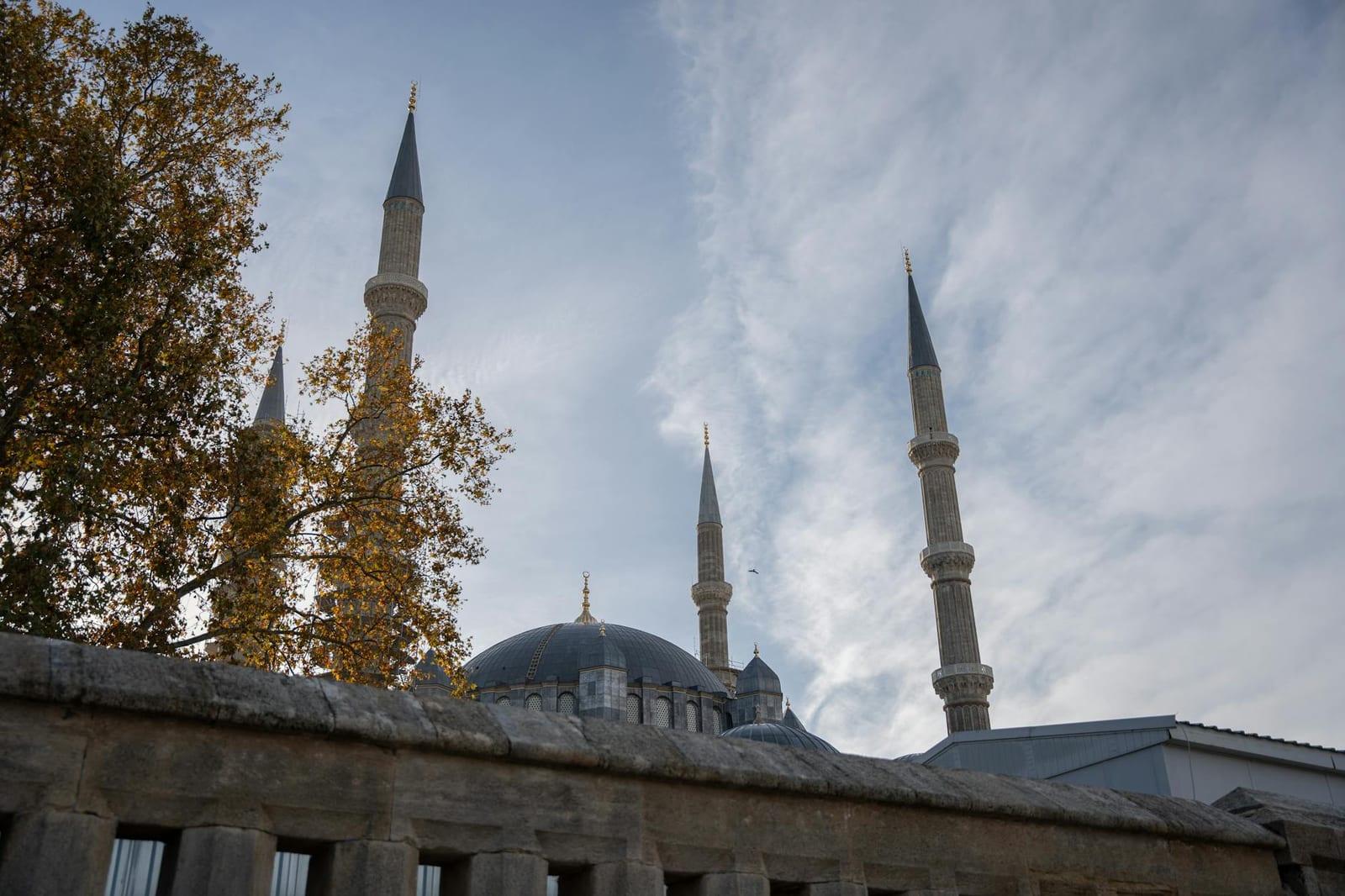
- Selimiye MosqueA masterpiece of Ottoman construction, this Edirne mosque sprang from the mind of famed 16th-century architect Mimar Sinan.
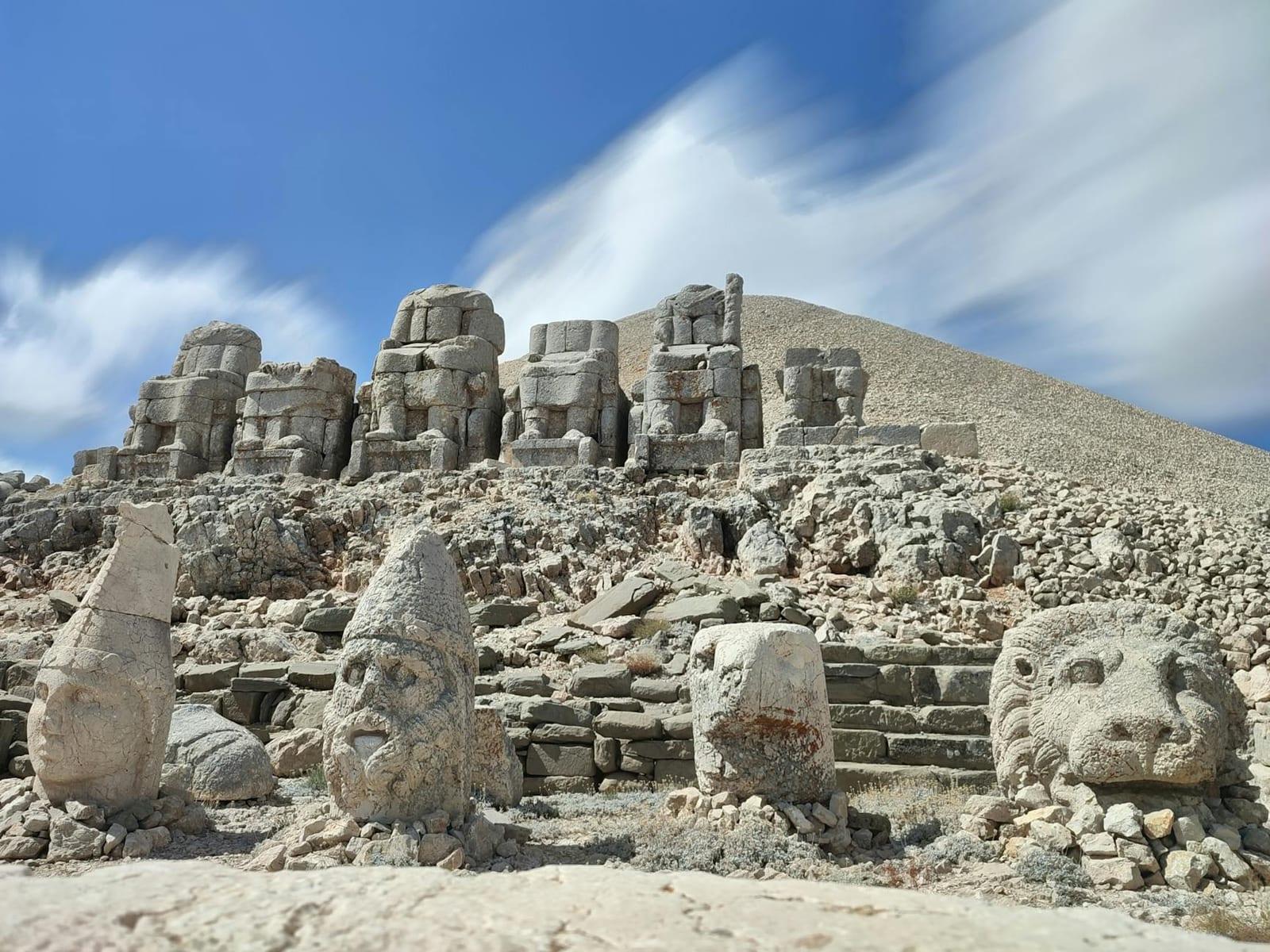
- NemrutHuge carved heads of ruined Greek- and Persian-style statues mark this royal mausoleum hill of a 1st-century-BCE Hellenistic kingdom.
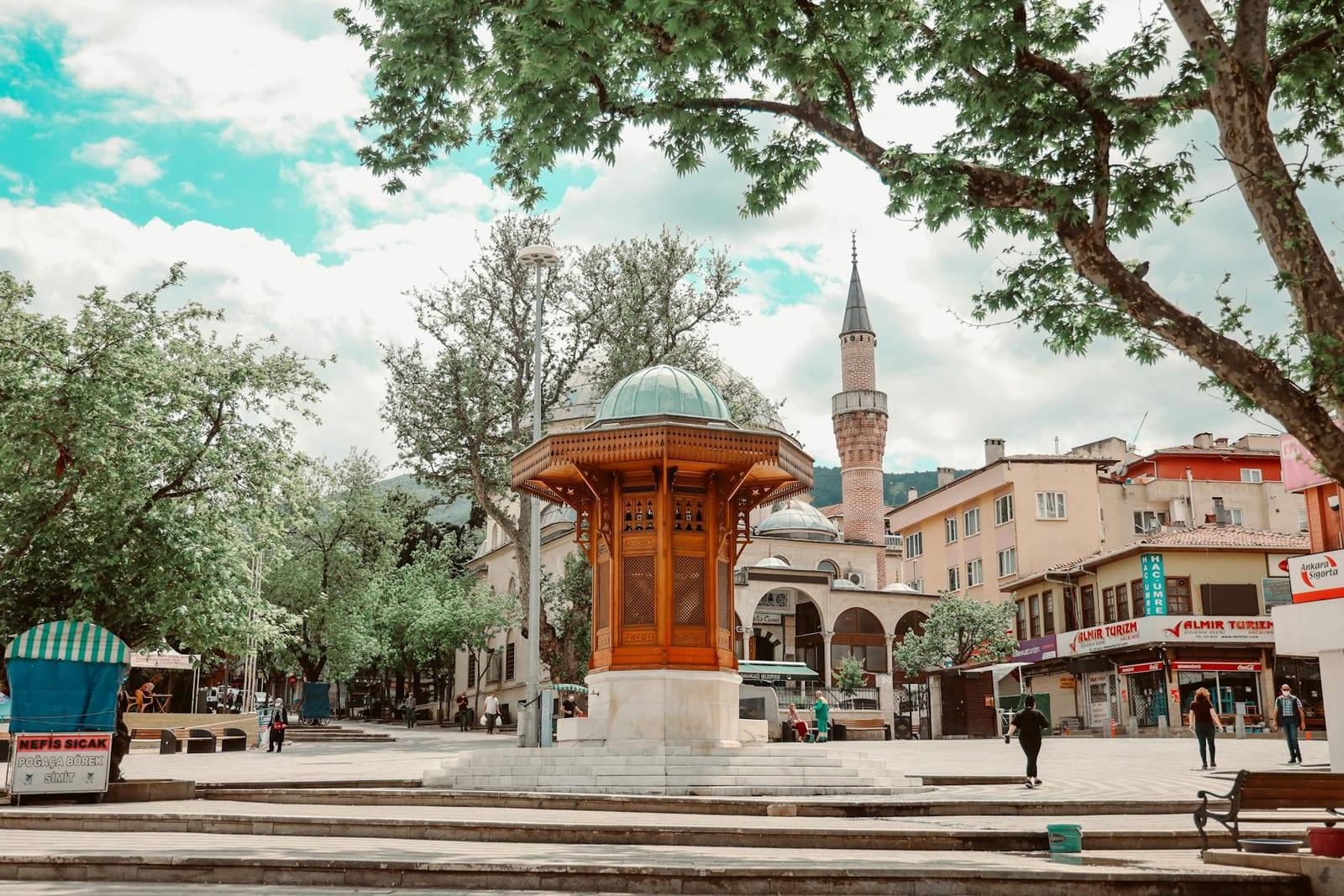
- BursaThe Ottoman Empire’s first great capital, this big city comes rich in historical architecture, including the Ulu Cami Grand Mosque.
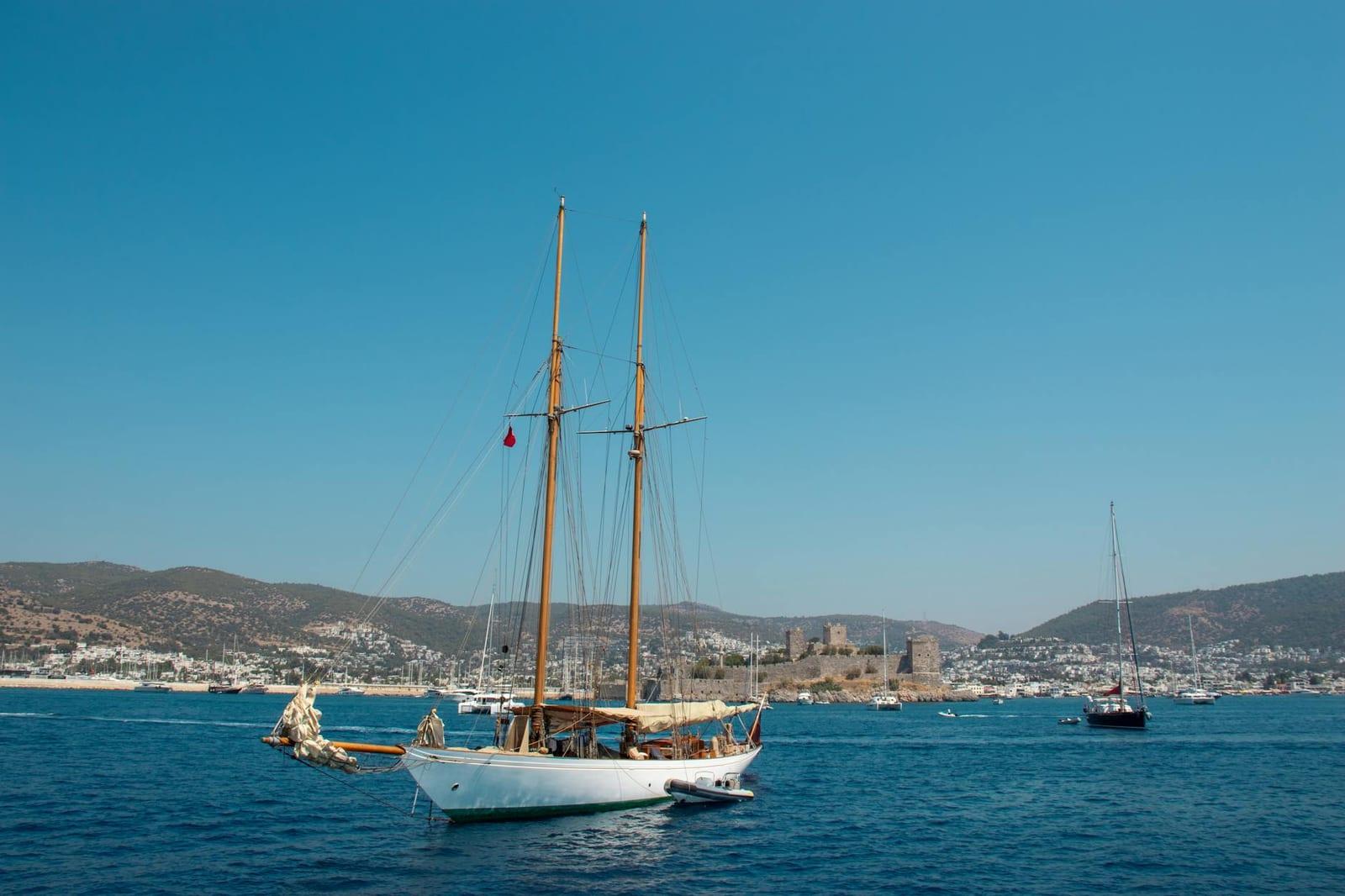
- BodrumCombine historical sightseeing (the ruins of the Halicarnassus Mausoleum, Bodrum Castle) with grade-A Aegean beaches in this ancient seaport.
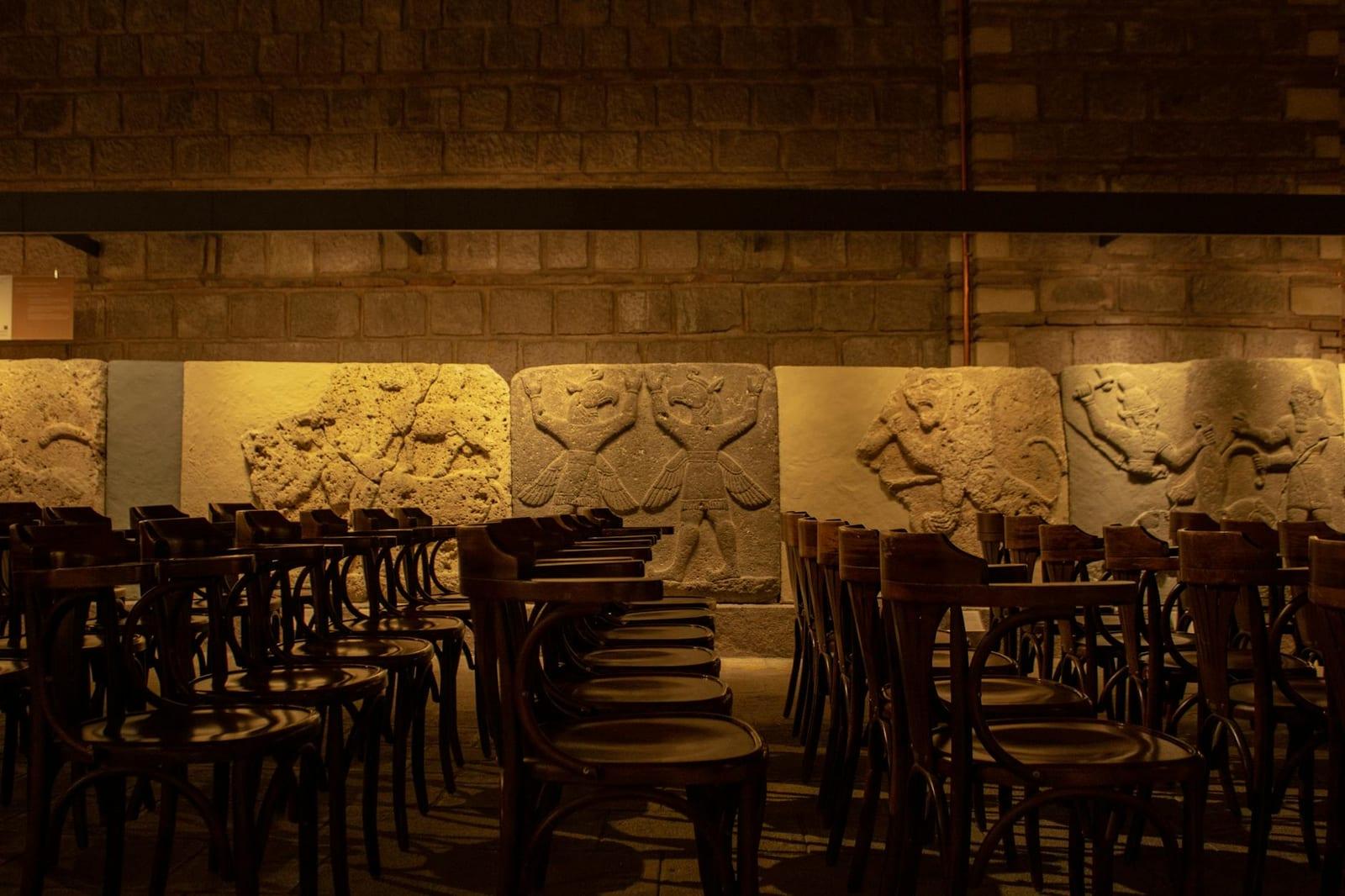
- Museum of Anatolian CivilizationsDive headfirst into Turkey’s unbelievably many-layered history at this Ankara museum, housed in vintage Ottoman buildings.
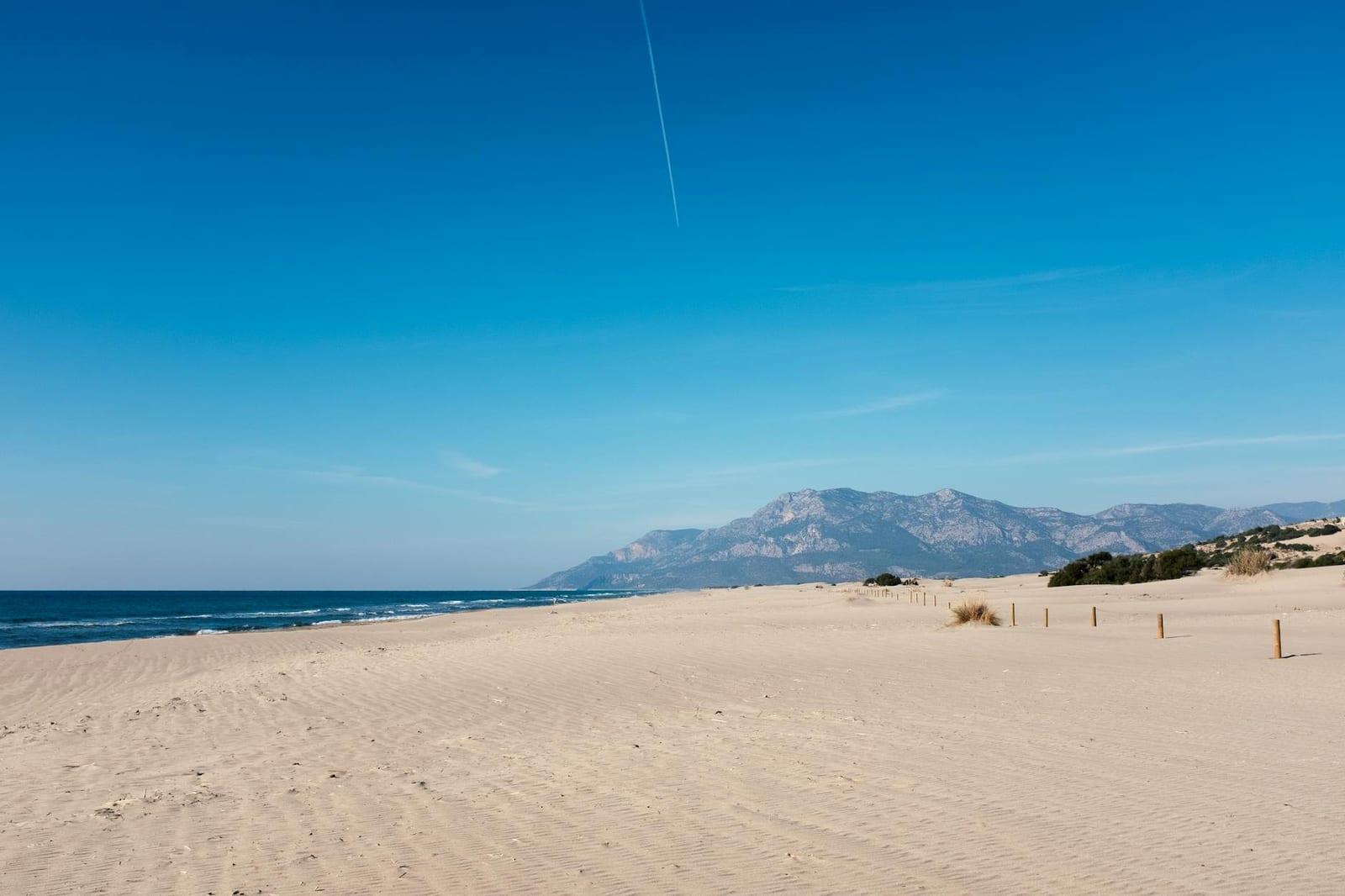
- Patara BeachSurrender to the Turkish Riviera’s spell along this vast seashore, which holds its own with any in the Mediterranean.