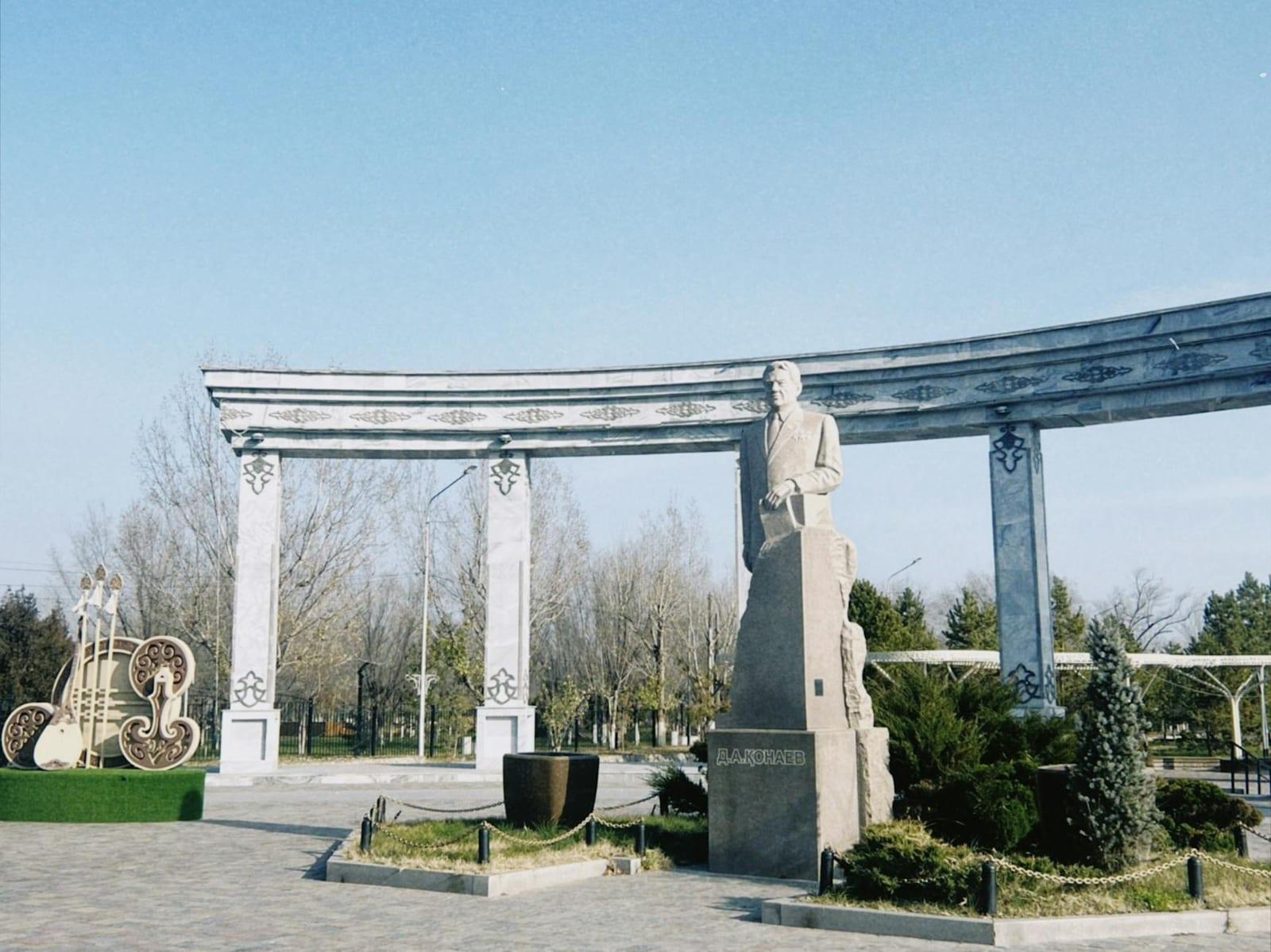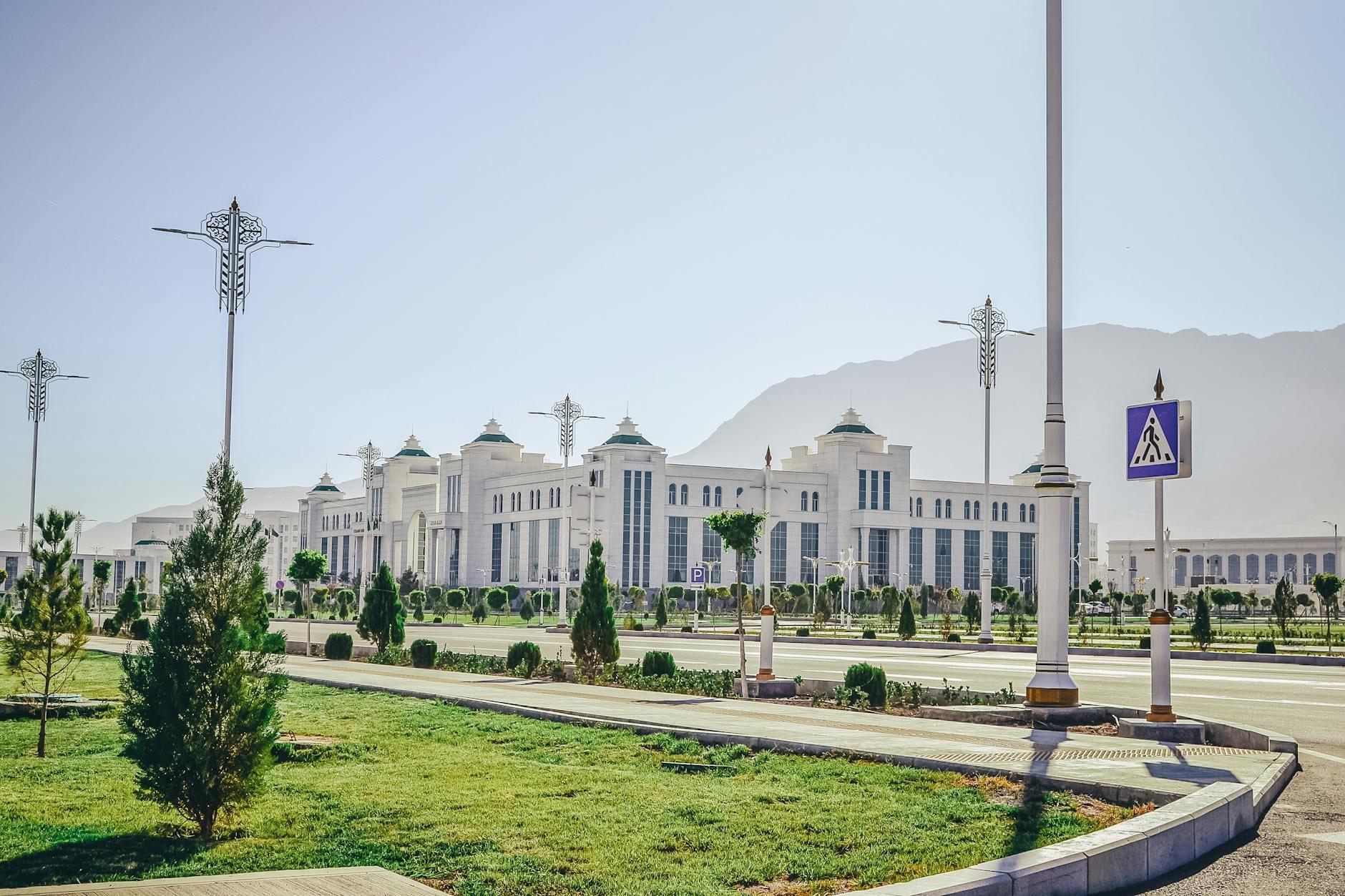
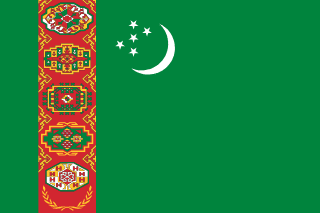
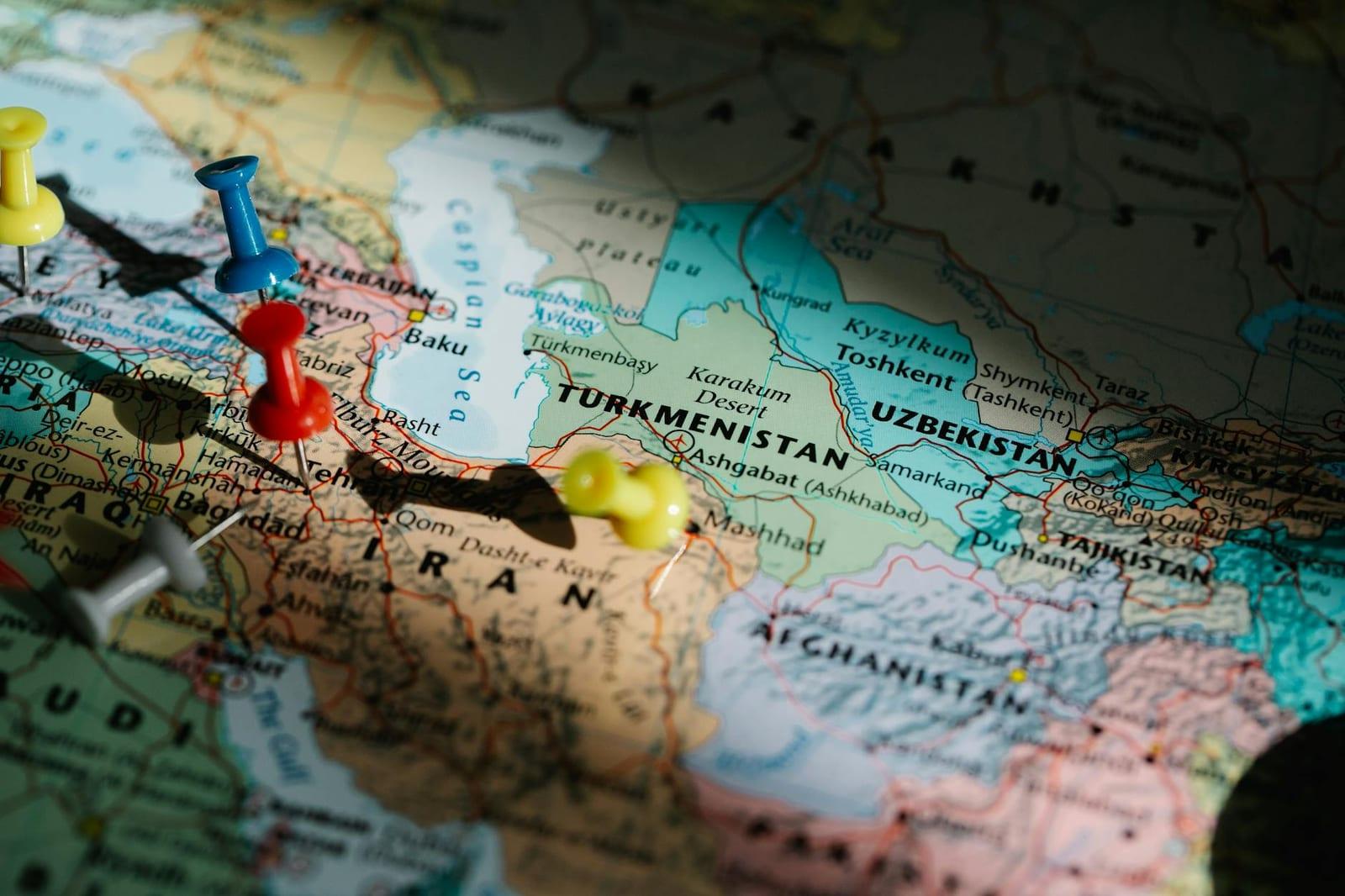
Of all the countries of Central Asia, Turkmenistan may be the least-known to outsiders. Partly that’s a function of the severe, ironclad rule of the authoritarian government, which is still cast in the shadow of the eccentric and self-obsessed former president, Saparmurat Niyazov, who died in 2006—but whose name and image are still widely encountered. Given the regime’s firm control of day-to-day life and closed-off nature of the country, visiting Turkmenistan takes some resilience and nimbleness. There’s certainly a thrill, however, to encountering its exotic landscapes, historic Silk Road cities, and everyday people on as much of their own terms as you’re able.
It’s certainly amazing to experience Turkmenistan’s history in situ. The country’s backstory—and the ethnic heritage of modern Turkmen—stretches back to Oghuz nomads hailing from Mongolia and Siberia. Russia’s occupation of the territory, which began in the latter part of the 1800s, mirrored older takeovers—fiercely resisted at times by the Turkmen—by the Seljuks and the Mongols. Turkmenistan lay directly along the Silk Road, which saw the blossoming of great stopover hubs such as Merv, which UNESCO calls “the oldest and most completely preserved of the oasis cities along the Silk Roads in Central Asia.” Even more ancient is the spectacular Bronze Age site of Gonur Depe, which is still being excavated.
Turkmenistan also claims some raw and picturesque countryside. The Karakum (“Black Sand”) Desert dominates most of the country. Though Turkmenistan is somewhat less rugged than its Central and Western Asian neighbors, significant mountains—the Kopet Dag and the Koytendag ranges—lie along the southern and eastern borders. The Koytendag (Kugitang) Nature Reserve showcases sharp peaks and gorges; among its natural treasures are the spiral-horned mountain goat called the markhor and the Jurassic-age footprints of the Dinosaur Plateau.
It’s not altogether easy to get in and around Turkmenistan, a country with dramatically repressive leaders and only a fledgling tourism industry. Governmental heavy-handedness notwithstanding, the affable average Turkmen and the mighty scope of native history are certainly rich rewards for the motivated visitor.
10 things not to miss.
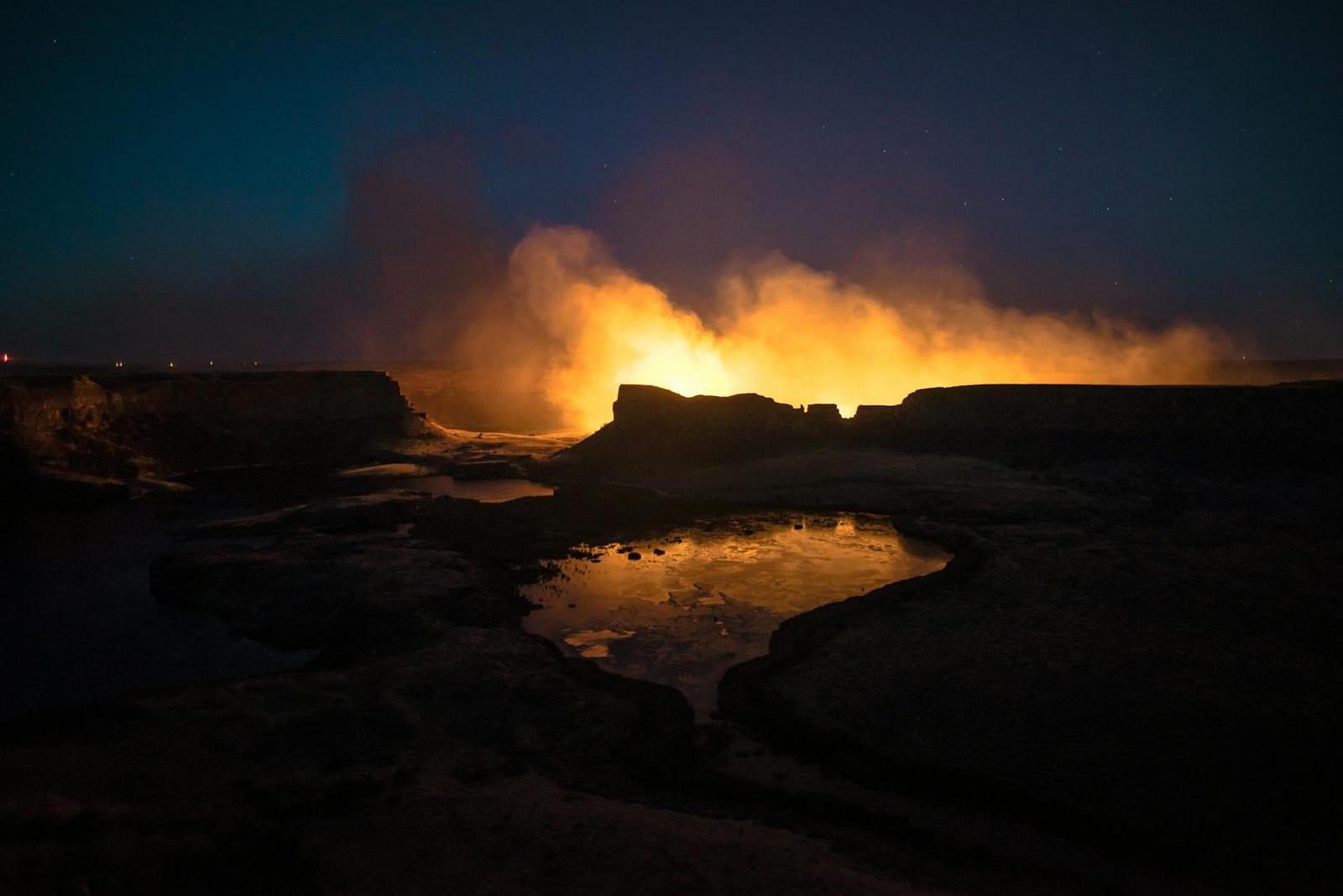
- Darvaza gas crater at nightSee the Darvaza gas crater at night
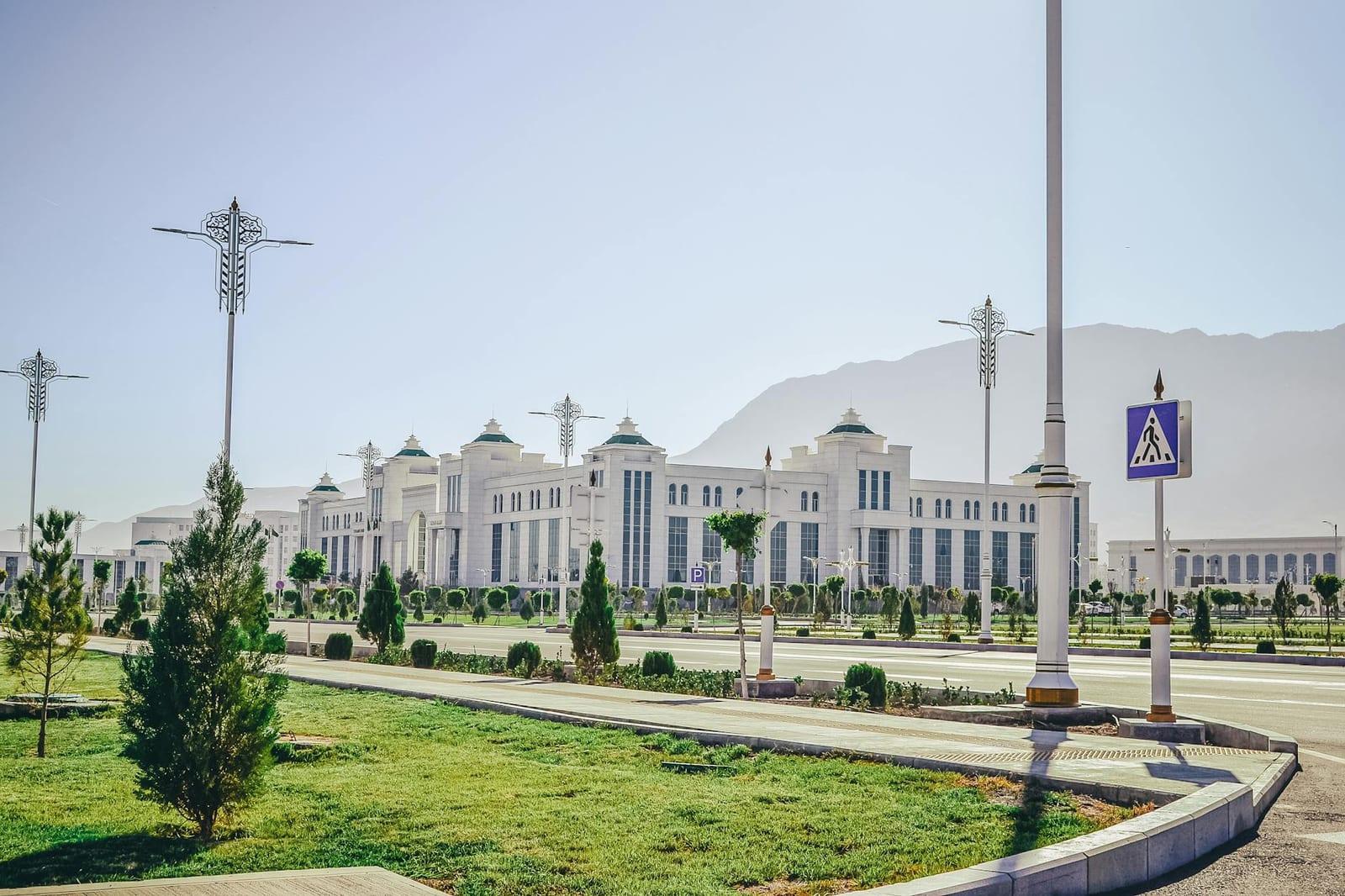
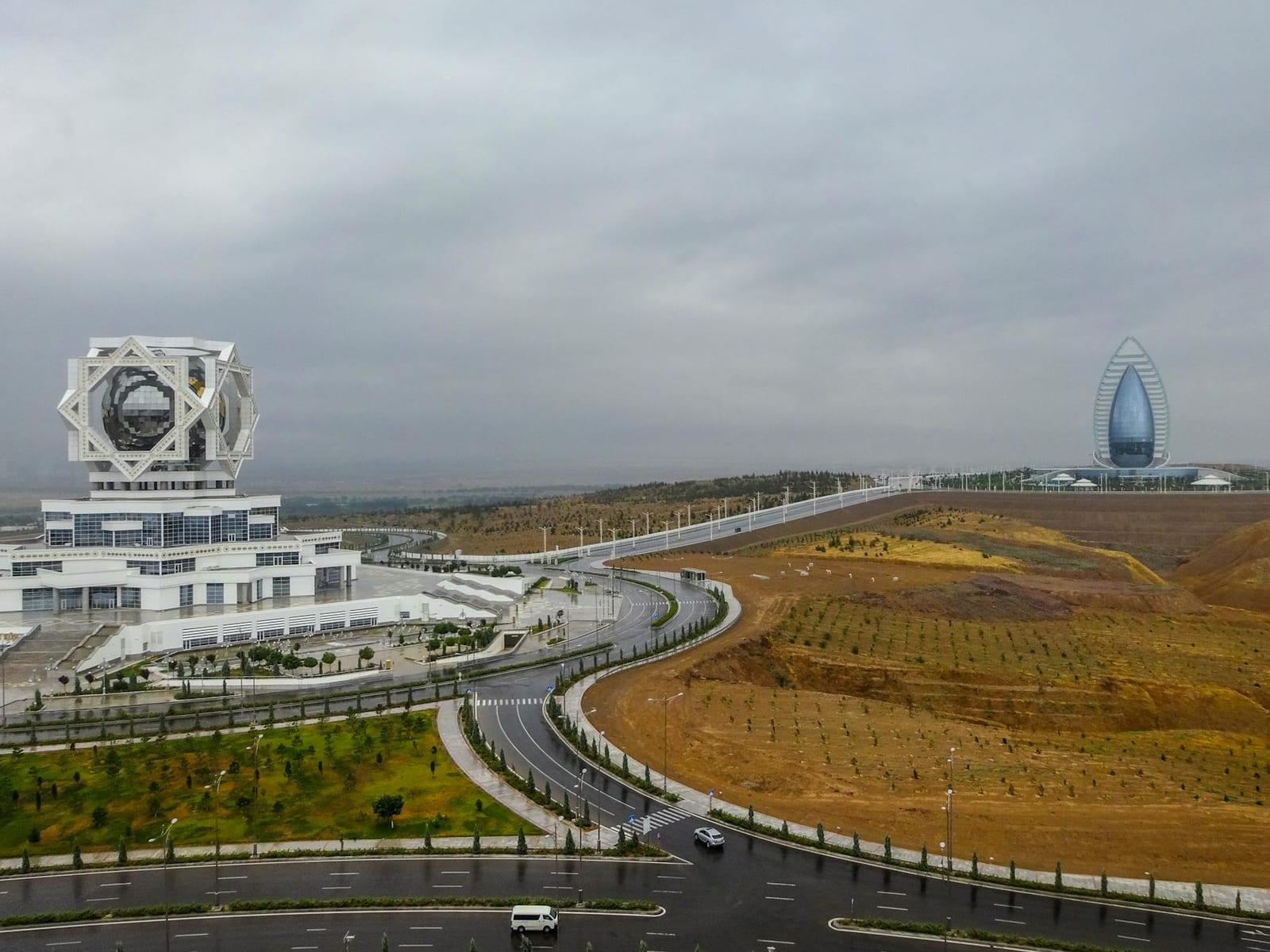
- Ashgabat's marble cityWalk Ashgabat's marble city
- ruins of Konye-UrgenchVisit the ruins of Konye-Urgench
- MervAccording to UNESCO, this is the most venerable and best-preserved of Central Asia’s Silk Road oasis cities.
- NisaExplore the legacy of the Parthian Empire at this timeworn fortress, a UNESCO World Heritage Site.
- Kunya UrgenchFrom ruins of an Achaemenid hub to medieval mausoleums, this city on the Uzbekistan line is a history buff’s wonderland.
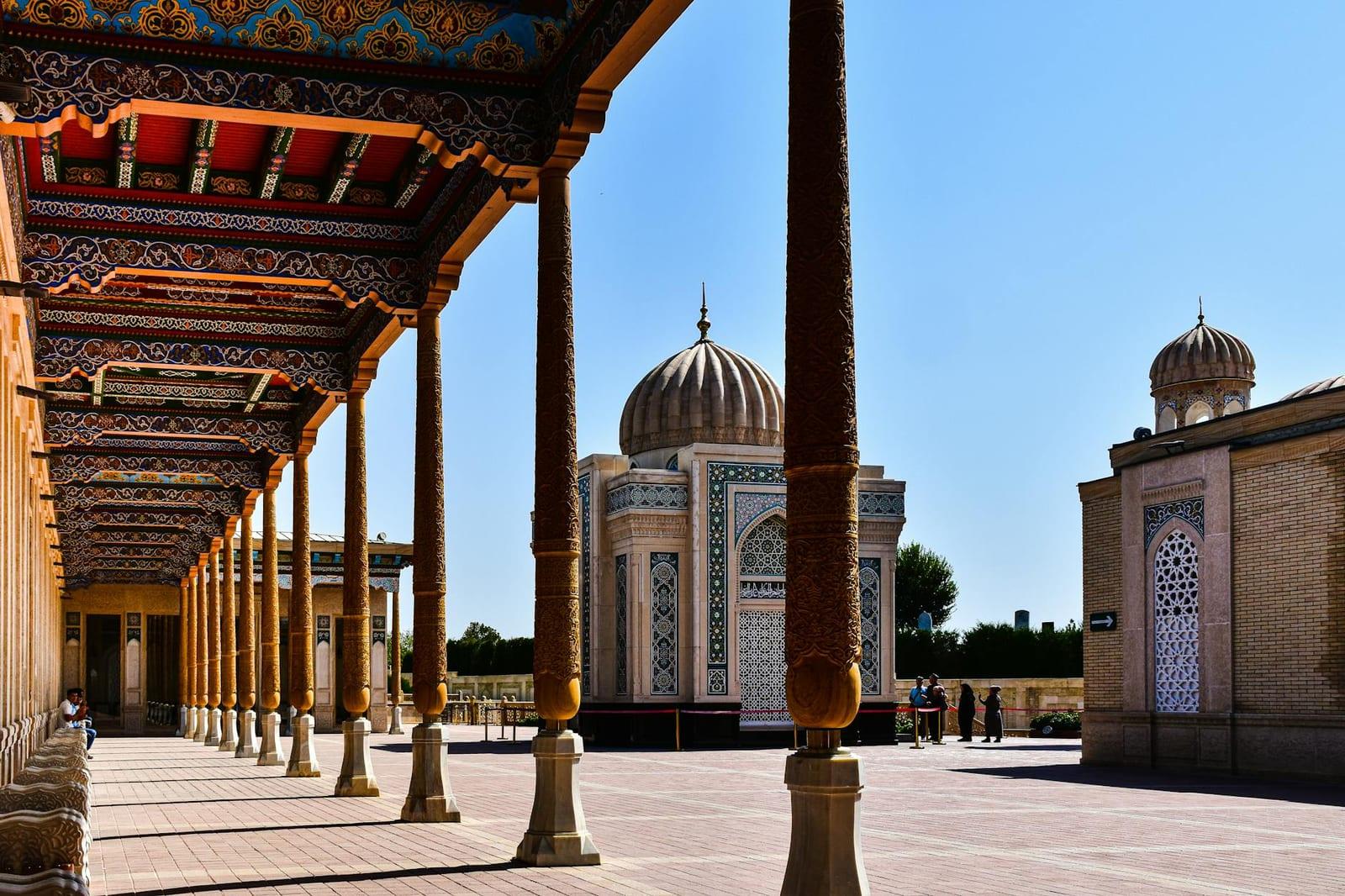
- Koytendag Nature ReserveThis park in the Koytendag Mountains includes the prehistoric tracks of the “Plateau of the Dinosaurs” and rare markhor goat-antelope.
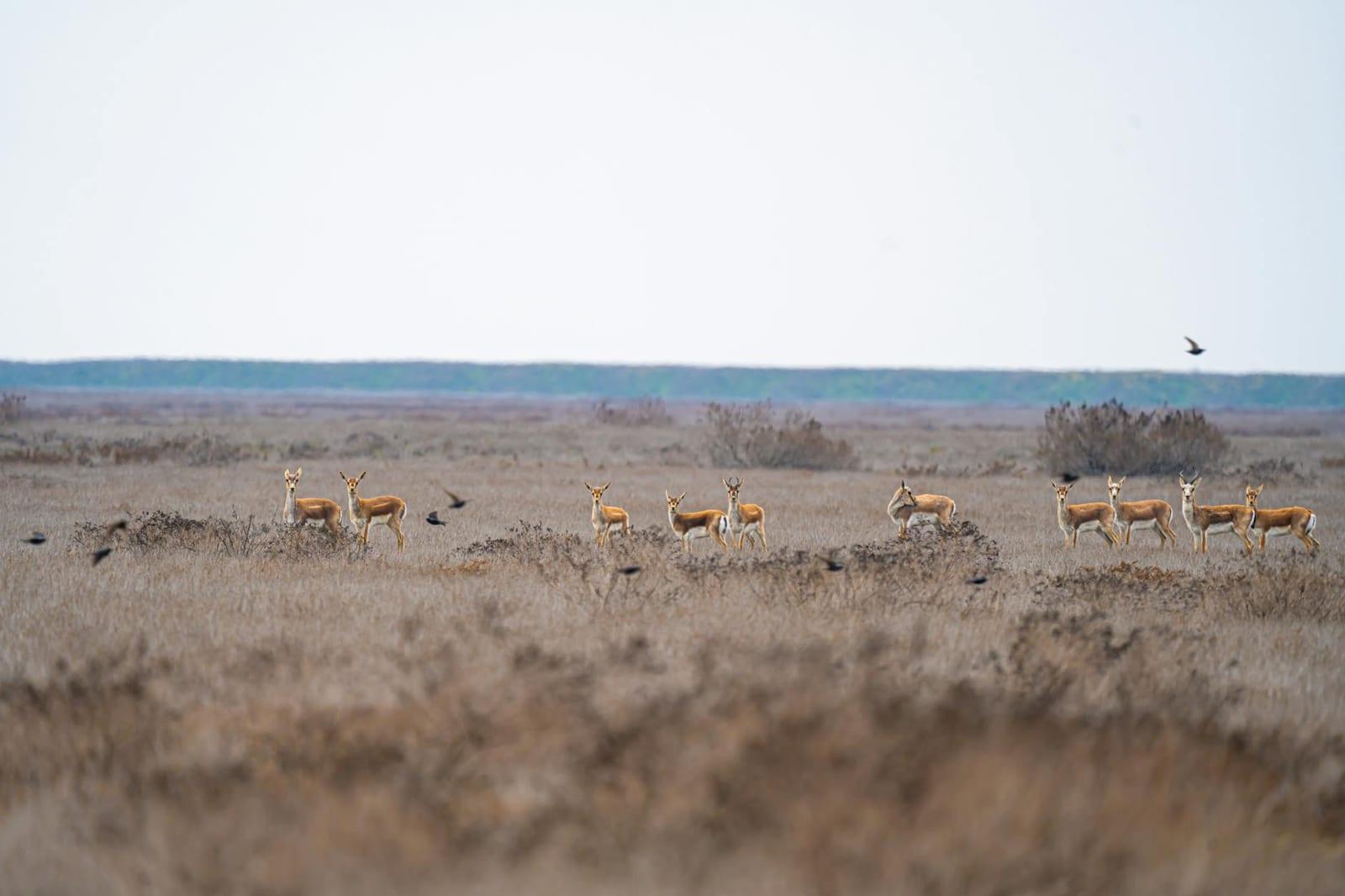
- Oguzkhan PalaceThe presidential palace is, unsurprisingly, one of the most lavish buildings in Ashgabat.
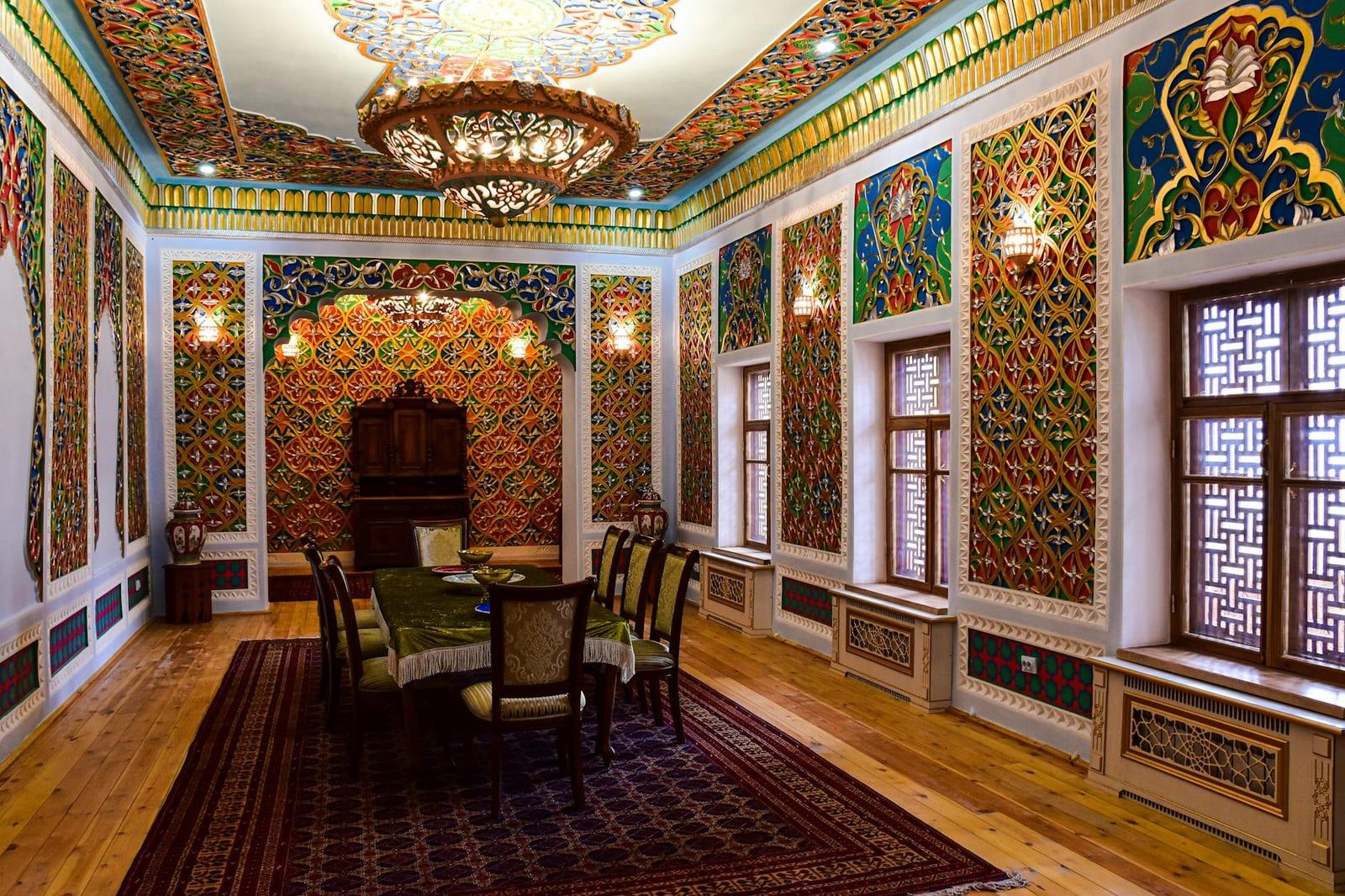
- Ertugrul Gazi MosqueThe dome and minarets of this mosque, named for the father of the Ottoman Empire’s founder, command Ashgabat’s skyline.
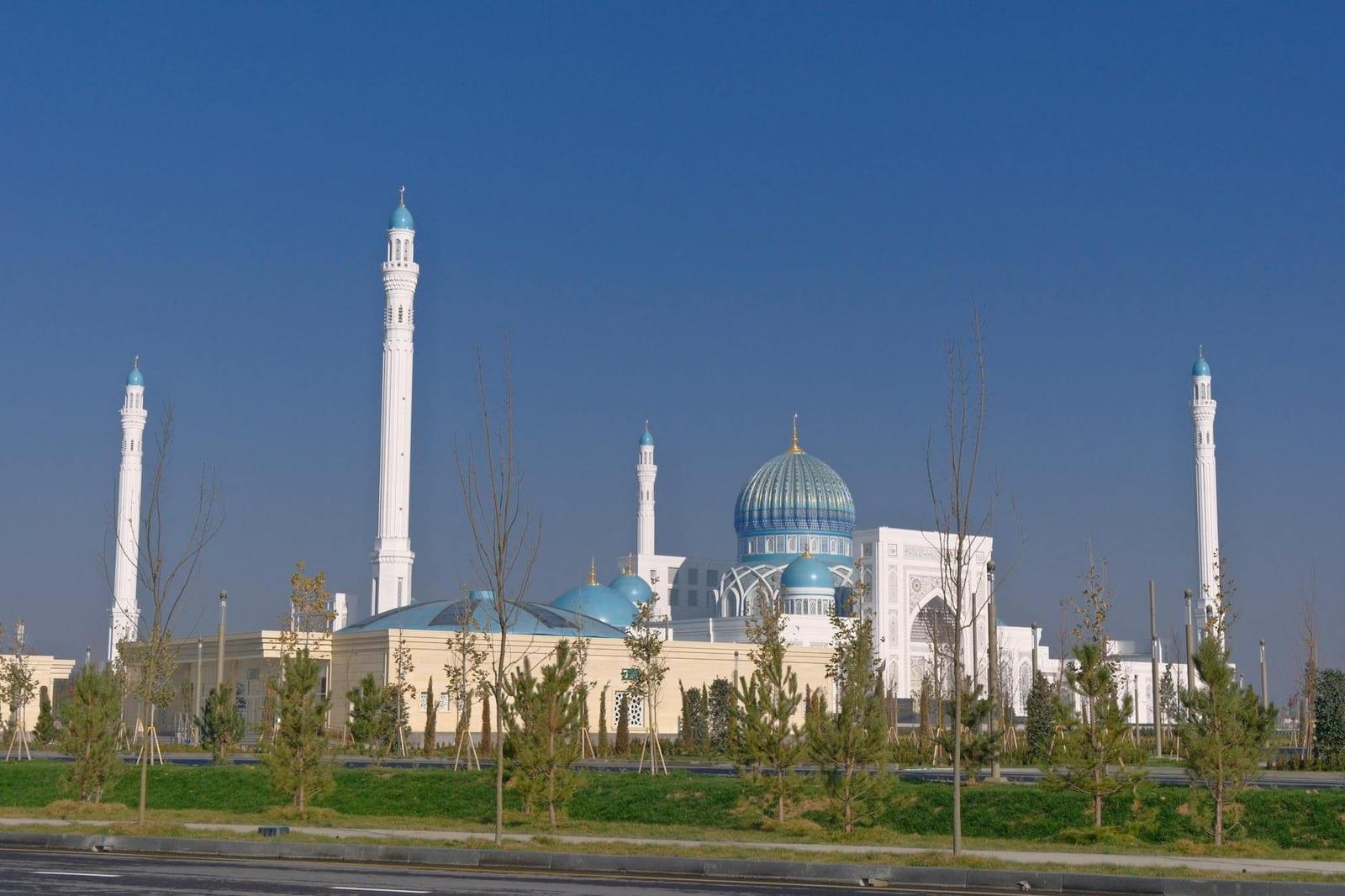
- Monument of NeutralityTopped by a golden statue of notorious President Saparmurat Niyazov, this bizarre arch remains one of greater Ashgabat’s quirkier landmarks.