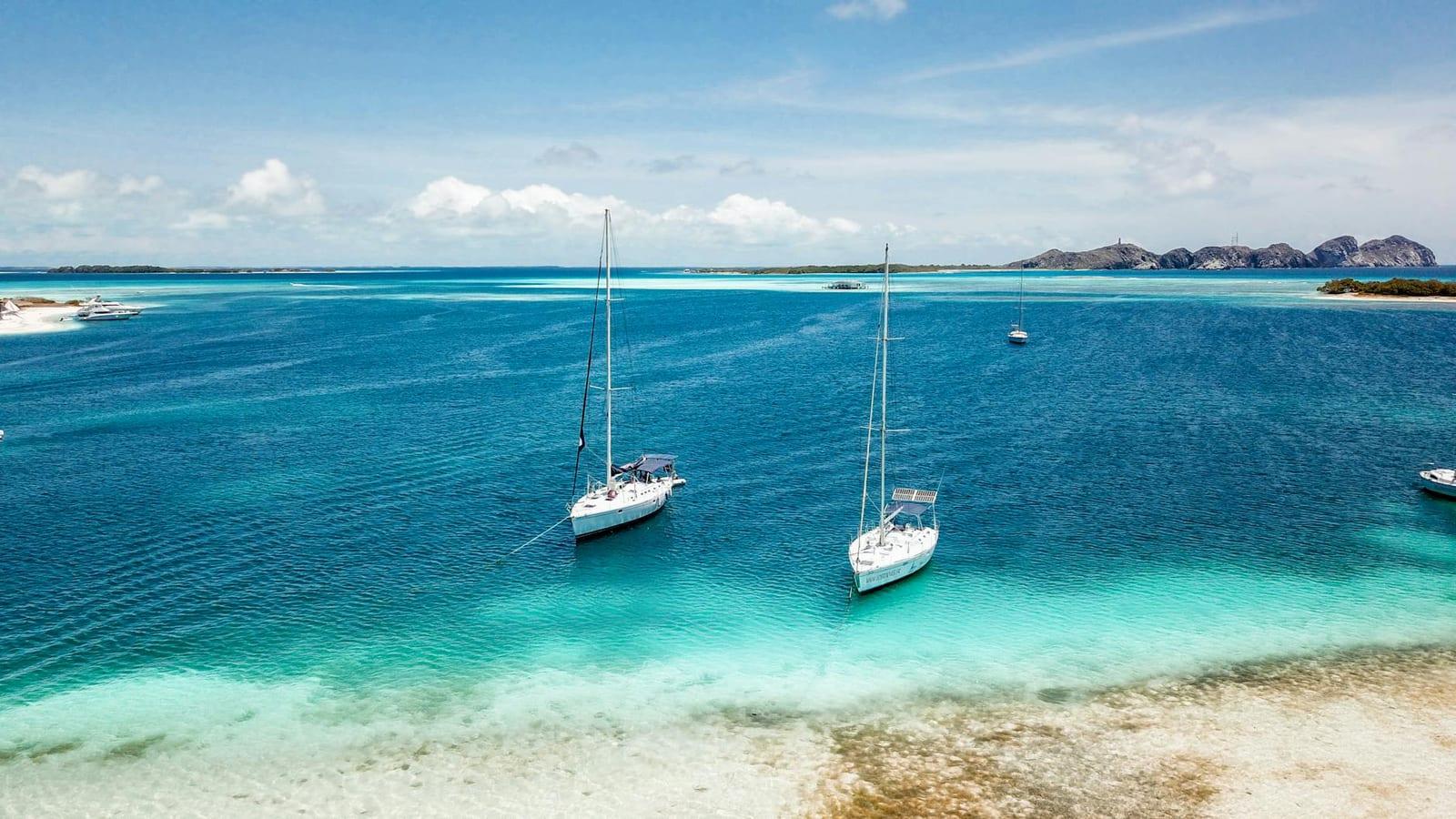
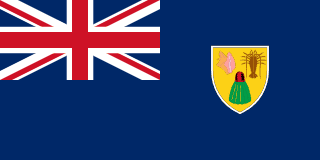
Parts of the Turks and Caicos are well frequented by cruise ships, and there are plenty of resort-thronged beaches (including the world-famous Grace Bay Beach). But this British Overseas Territory—the southeasterly portion of the Lucayan Archipelago, which also includes the Bahamas—still holds some of the Caribbean’s quietest corners, the sorts of secluded islets where you expect to discover a cove-anchored pirate ship or a Robinson Crusoe-type blissfully forgotten on white sands.
These coral-ringed limestone islands sit between the Bahamas to the northwest and Hispaniola to the south. The Caicos include West Caicos, Providenciales, Pine Cay, Parrot Cay, North Caicos, Middle Caicos, East Caicos, and South Caicos; the smaller spread of the Turks—Grand Turk, Salt Cay, and various islets—lies to the southeast across the Turks Island Passage. Most of the population’s concentrated on Providenciales (“Provo,” as the locals say), while the small capital, Cockburn Town, sits on Grand Turk.
The Turks and Caicos once sheltered indigenous Lucayans, but—likely in no small part because of fast-spreading Old World diseases—these peoples were largely gone by the time the archipelago came on Europeans’ radar in the early 1500s. Actually, the islands remained mostly off the radar and unsettled until the late 17th and 18th centuries, when they attracted Bermudians keen on salt-gathering and pirates keen on hideouts. They then became an extension of the British Bahamas around 1800.
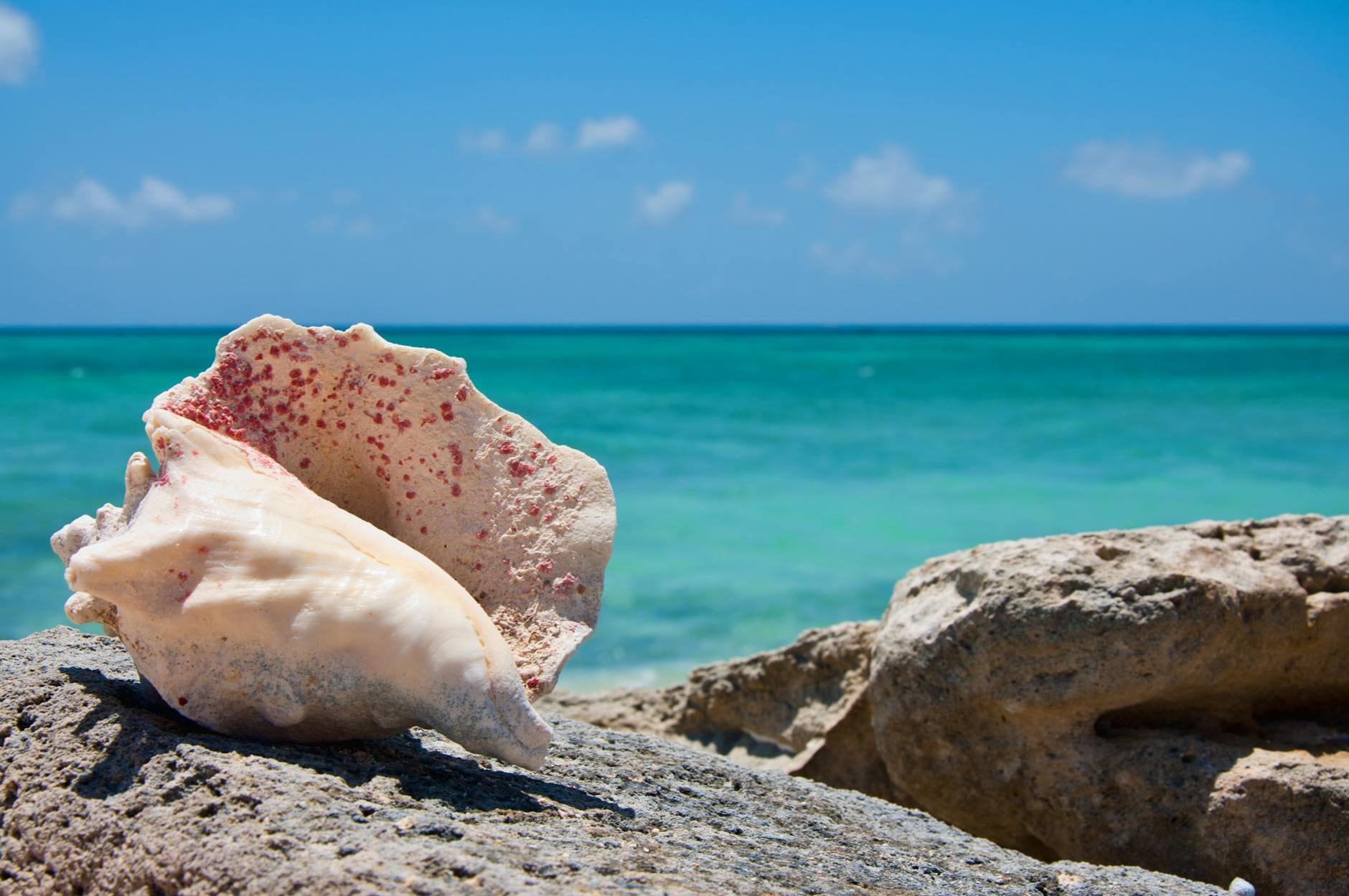
There’s a rich roster of ecosystems native to the climatically diverse archipelago: coral reefs, mangrove swamps, coastal marshes, salt flats, tropical dry forest, pineyards, and cactus scrub. And the same reefs that sank many a ship off the Turks and Caicos—the Molasses Reef shipwreck is one of the earliest known in the Western Hemisphere—make the archipelago one of the premier diving and snorkeling spots in the West Indies. The extensive array of marine sanctuaries here include Chalk Sound National Park and Grand Turk Cays Land and Sea National Parks. The islands also foster first-class whale-watching: Between midwinter and early spring, you can scout for humpbacks migrating through the Turks Head Passage from the water or ashore—including from the 19th-century Grand Turk Lighthouse.
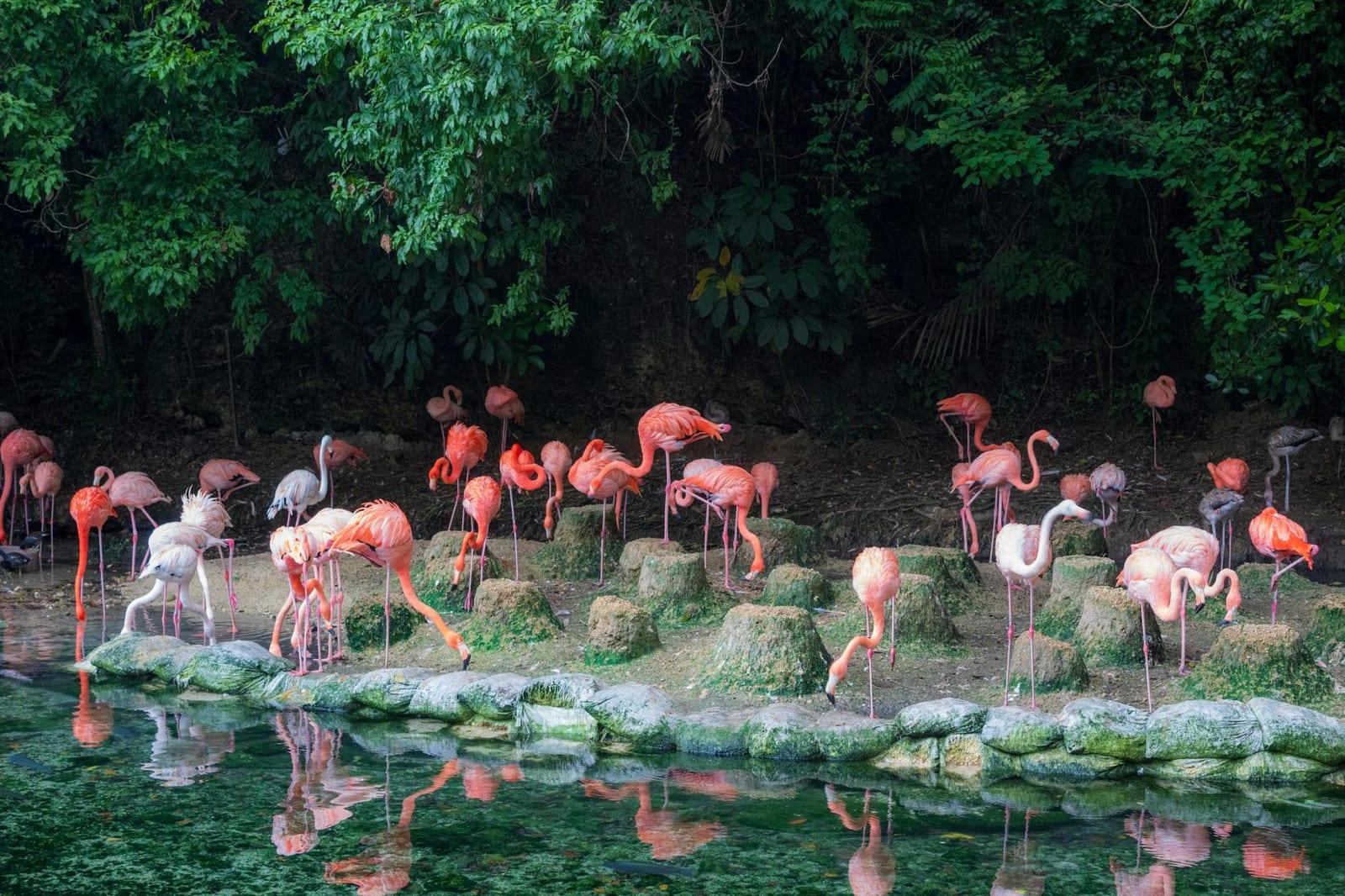
The topside natural attractions aren’t bad either—the extensive limestone caves of Middle Caicos, for example, or the great West Indian flamingo gatherings on North Caicos, or the formidable-looking-but-harmless rock iguanas of numerous islets.
Uncover some of the finest—and roomiest—beaches in the West Indies on an escape to the Turks and Caicos. On these idyllic cays, you can feel as jet set or as far-removed as you'd like.
8 things not to miss.
- Flamingo PondAppreciate a vision of Caribbean paradise at this Pumpkin Bluff waterway on North Caicos, commonly packed with West Indian flamingos.
- Chalk Sound National ParkAt this Providenciales sanctuary, fraternize with rock iguanas on the tranquil cays or kayak amid lemon sharks in the cyan lagoon.
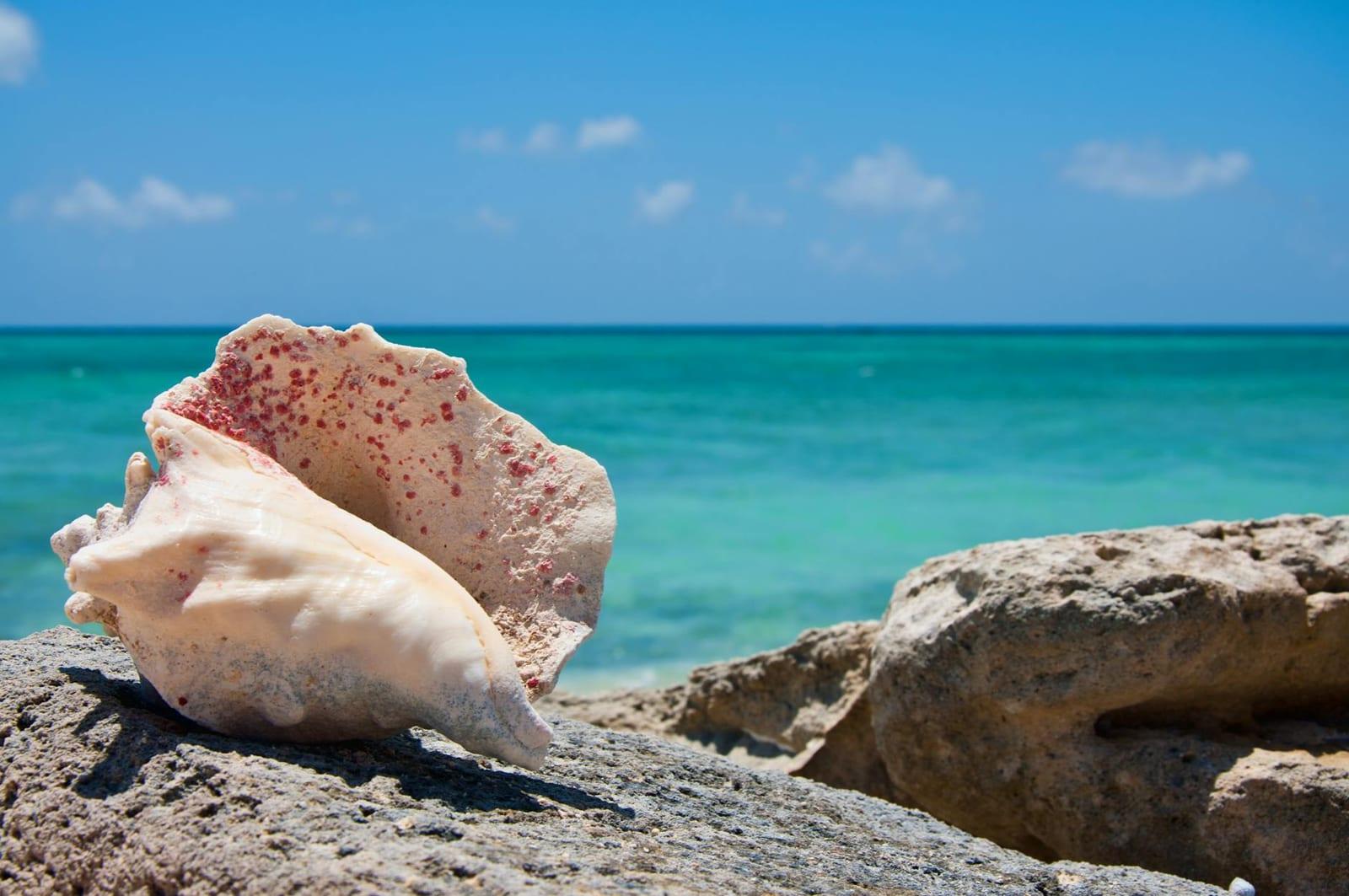
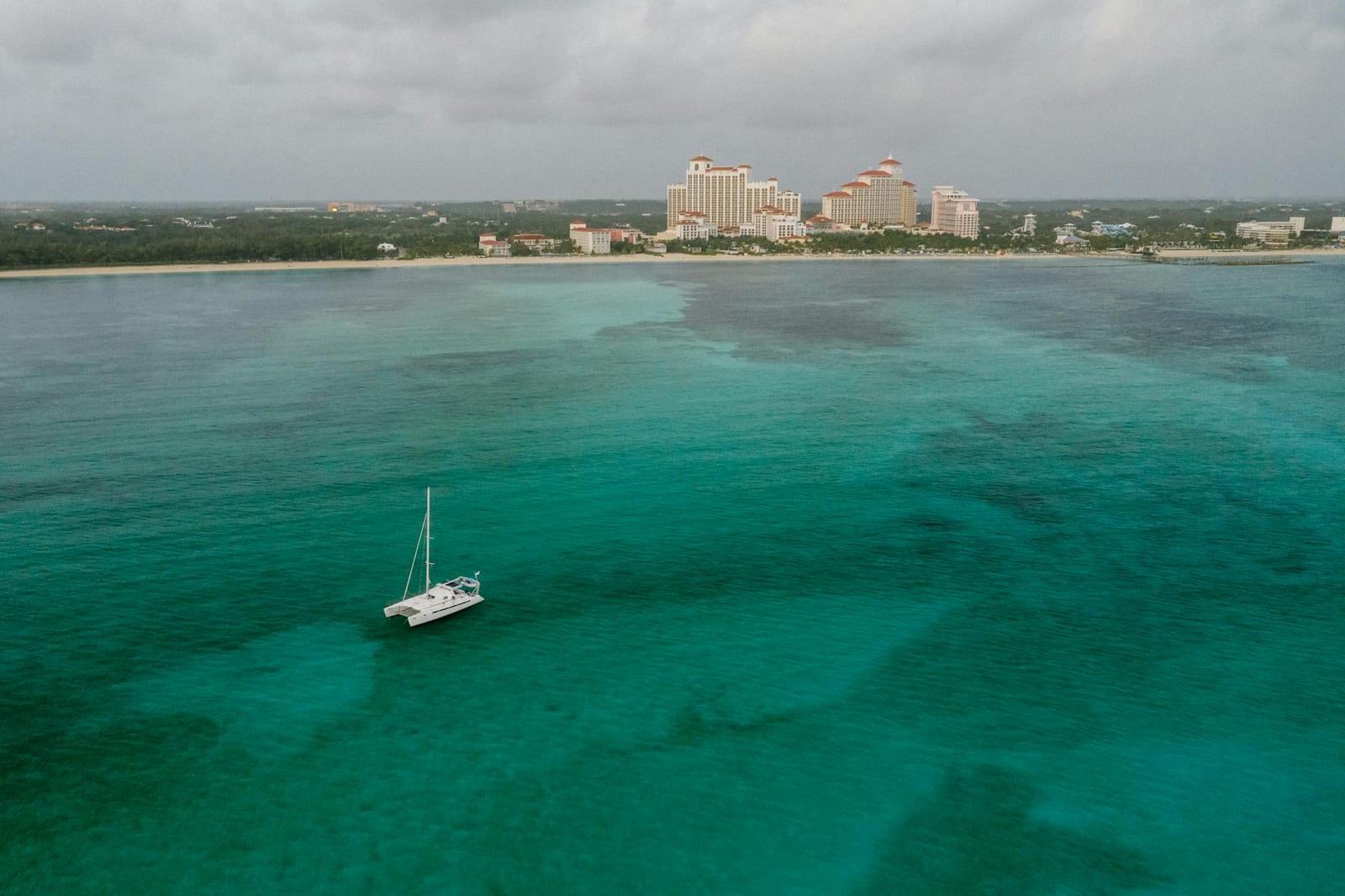
- Grace BayOne of the most lauded beaches in the Lucayan Archipelago fronts this Providenciales seashore.
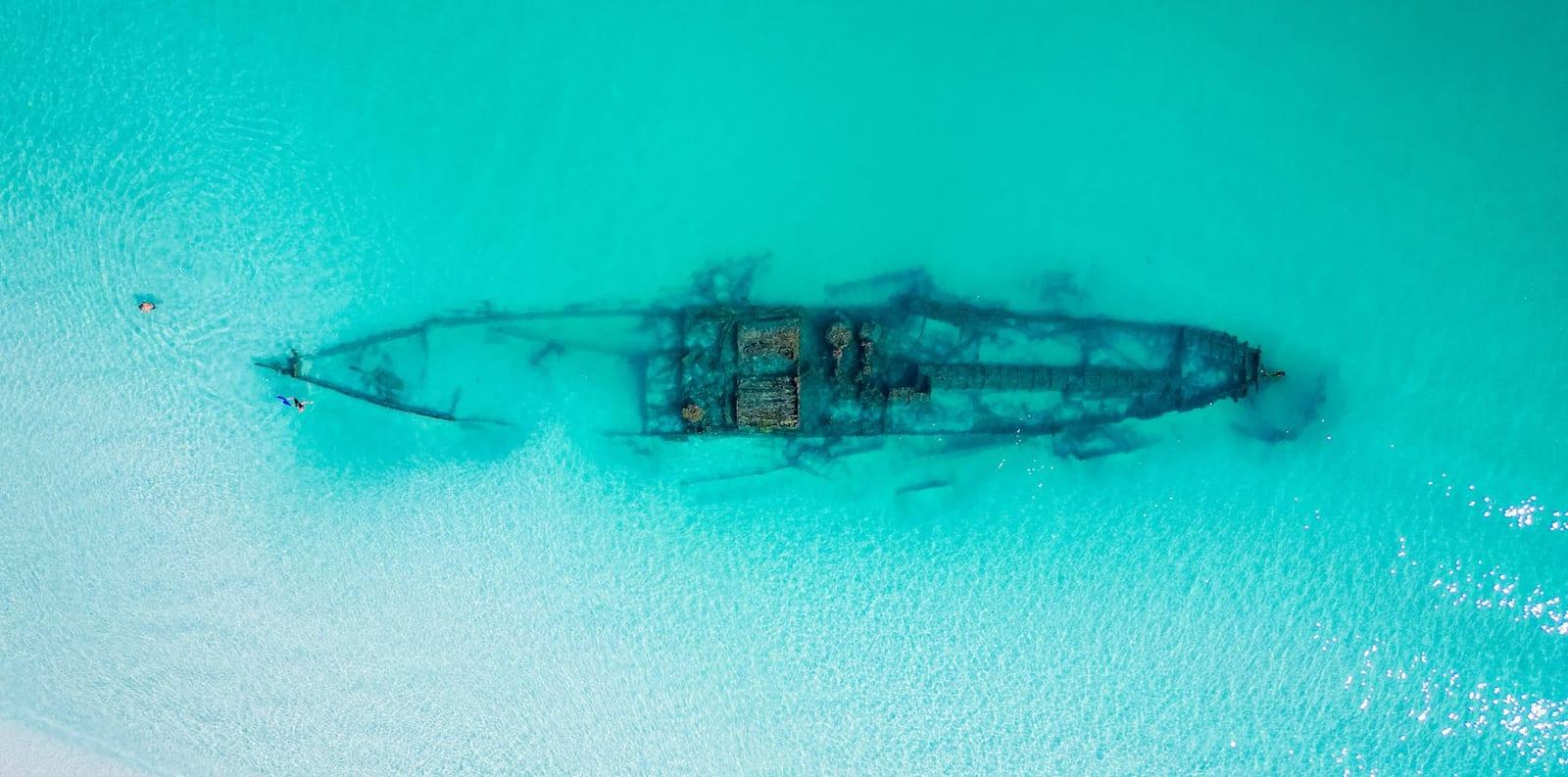
- Molasses Reef ShipwreckSwamped in the early 1500s and discovered in the mid-1970s, this is the oldest European shipwreck in the Americas.
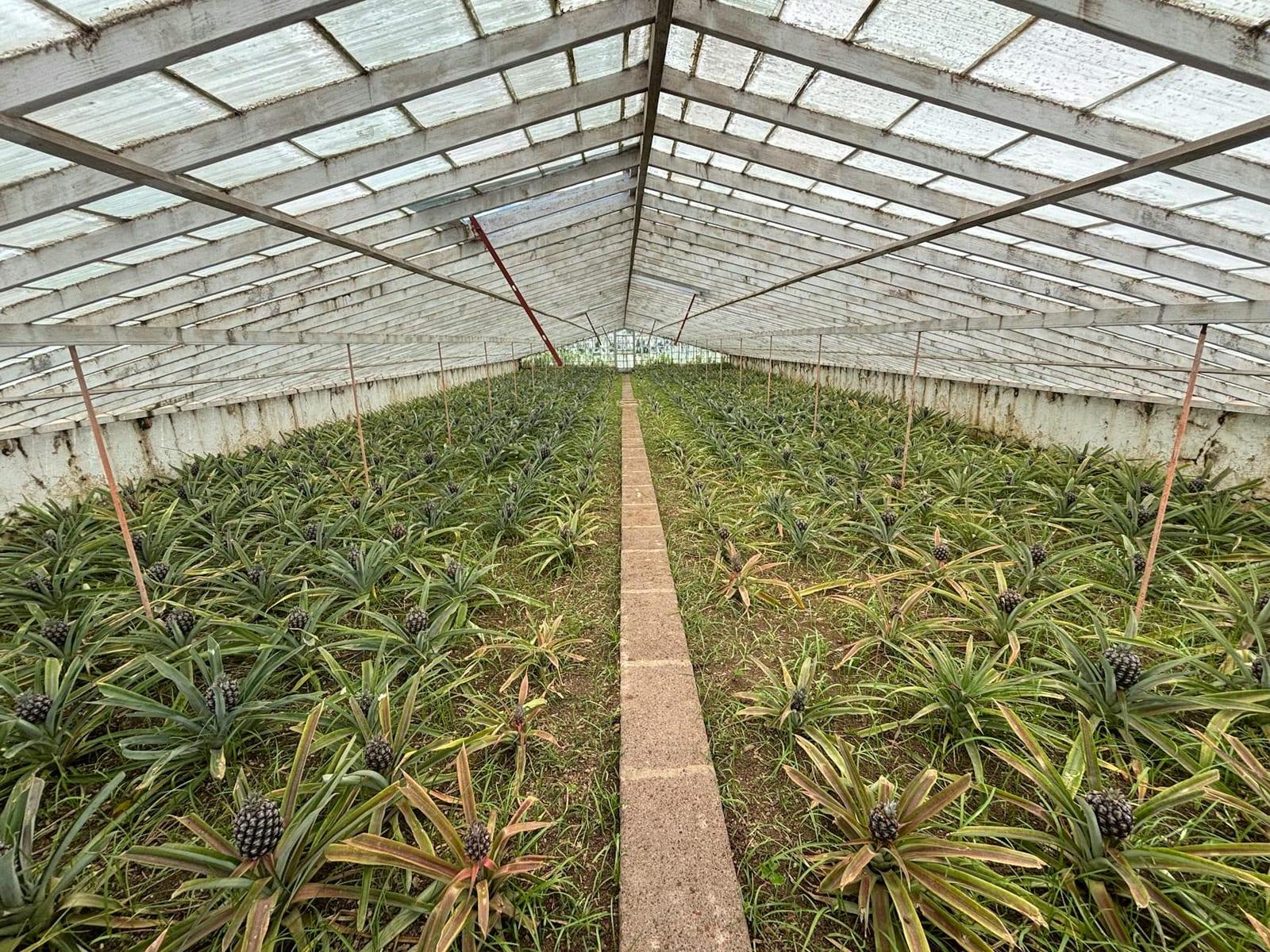
- Wade’s Green PlantationThe ruins of this cotton plantation, established on North Caicos in the late 1700s, are a fascinating destination for history buffs.
- Grand Turk LighthouseBesides its history, this 19th-century beacon offers excellent views of the migrating humpack whales of Turks Head Passage.
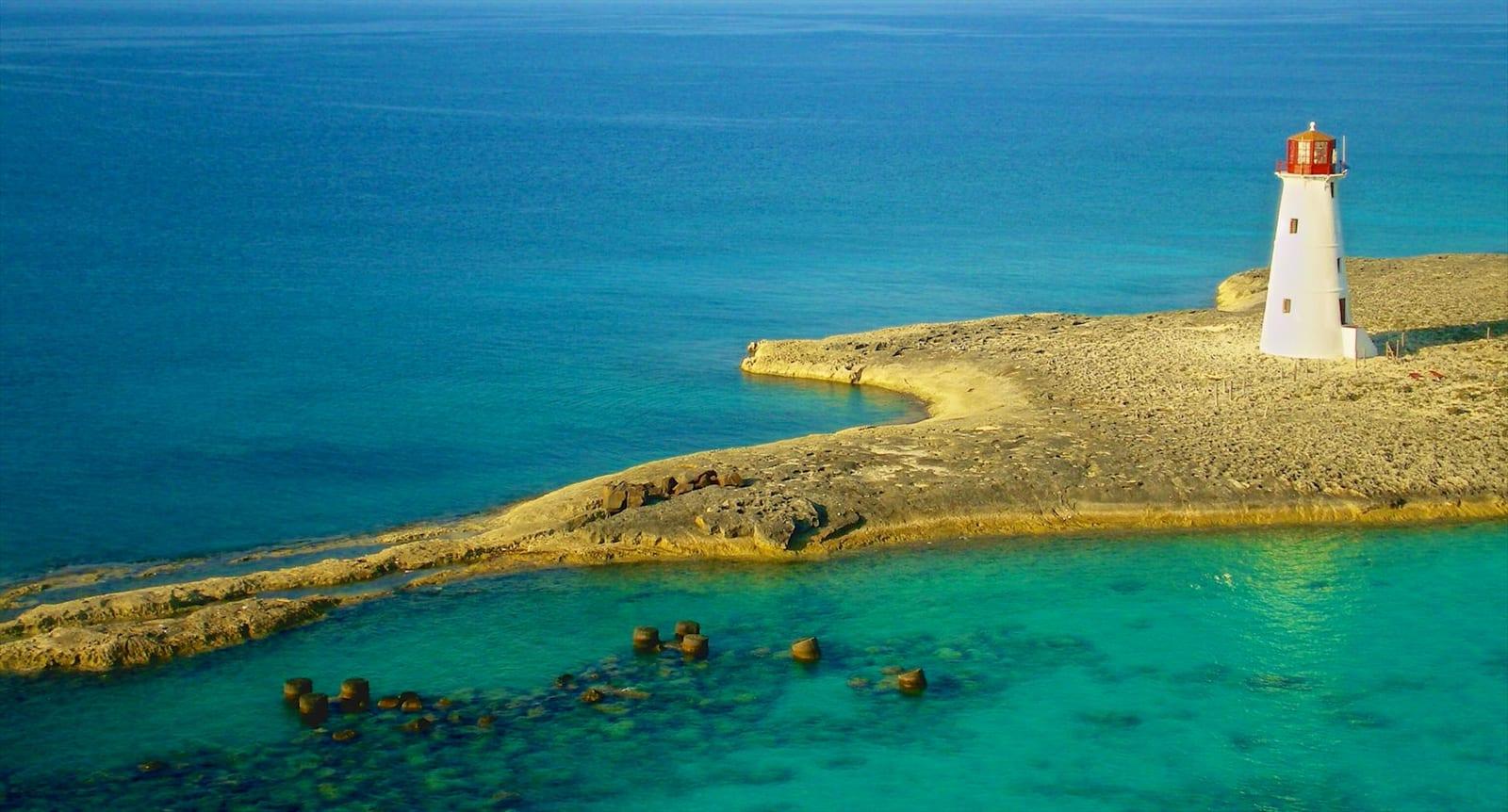
- Governor’s BeachThis top-shelf Grand Turk beach comes with a side dish of history, lying as it does in Columbus Landfall National Park.
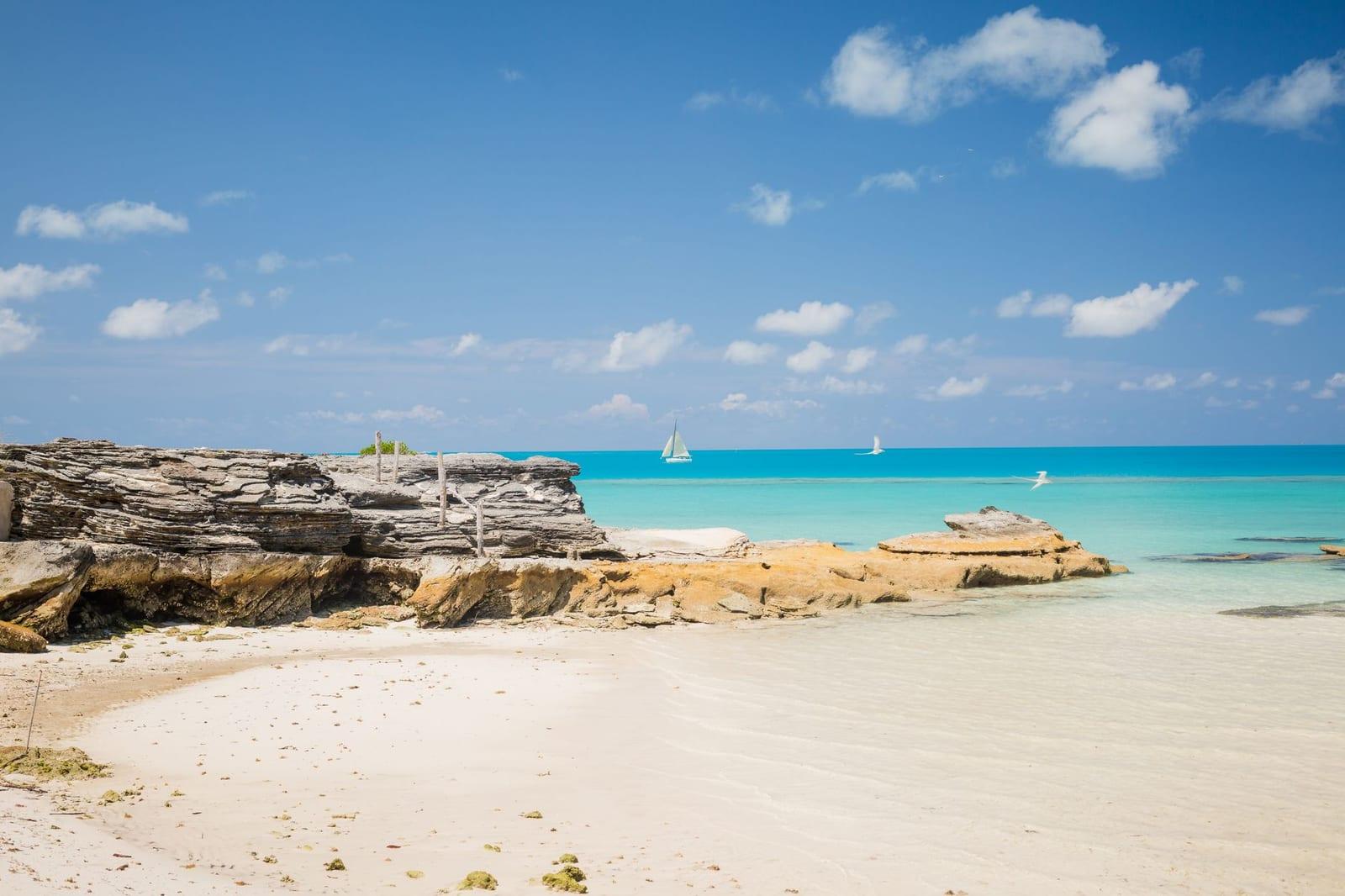
- Salt CayA truly tranquil corner of the West Indies, this lightly populated Turks isle provides lazy beaches and excellent seasonal whale-watching.