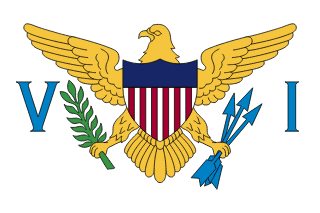
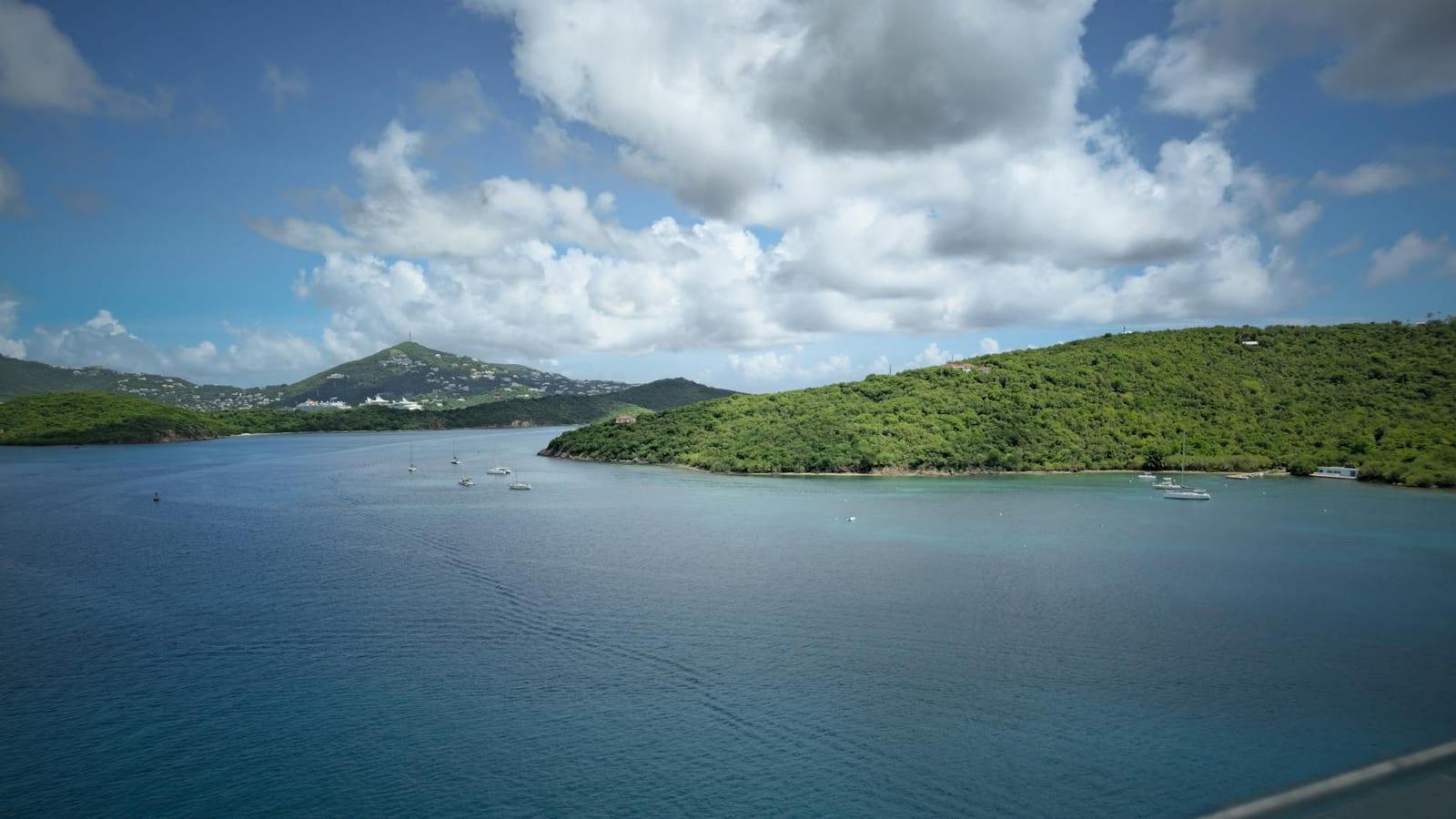
The U.S. Virgin Islands (USVI)—which passed between a rotating cast of European colonial powers, occupied for centuries by the Dutch, then purchased by the United States in 1917—are a preeminent Caribbean playground not just for Americans, but visitors from across the globe. Consisting of four main islands at the northern end of the Lesser Antilles—St. Thomas, St. Croix, St. John, and Water Island—this portion of the broader Virgin Islands archipelago promises duty-free shopping, classic West Indian beach-lounging, and—best of all—a hearty share of ecological and cultural standouts.
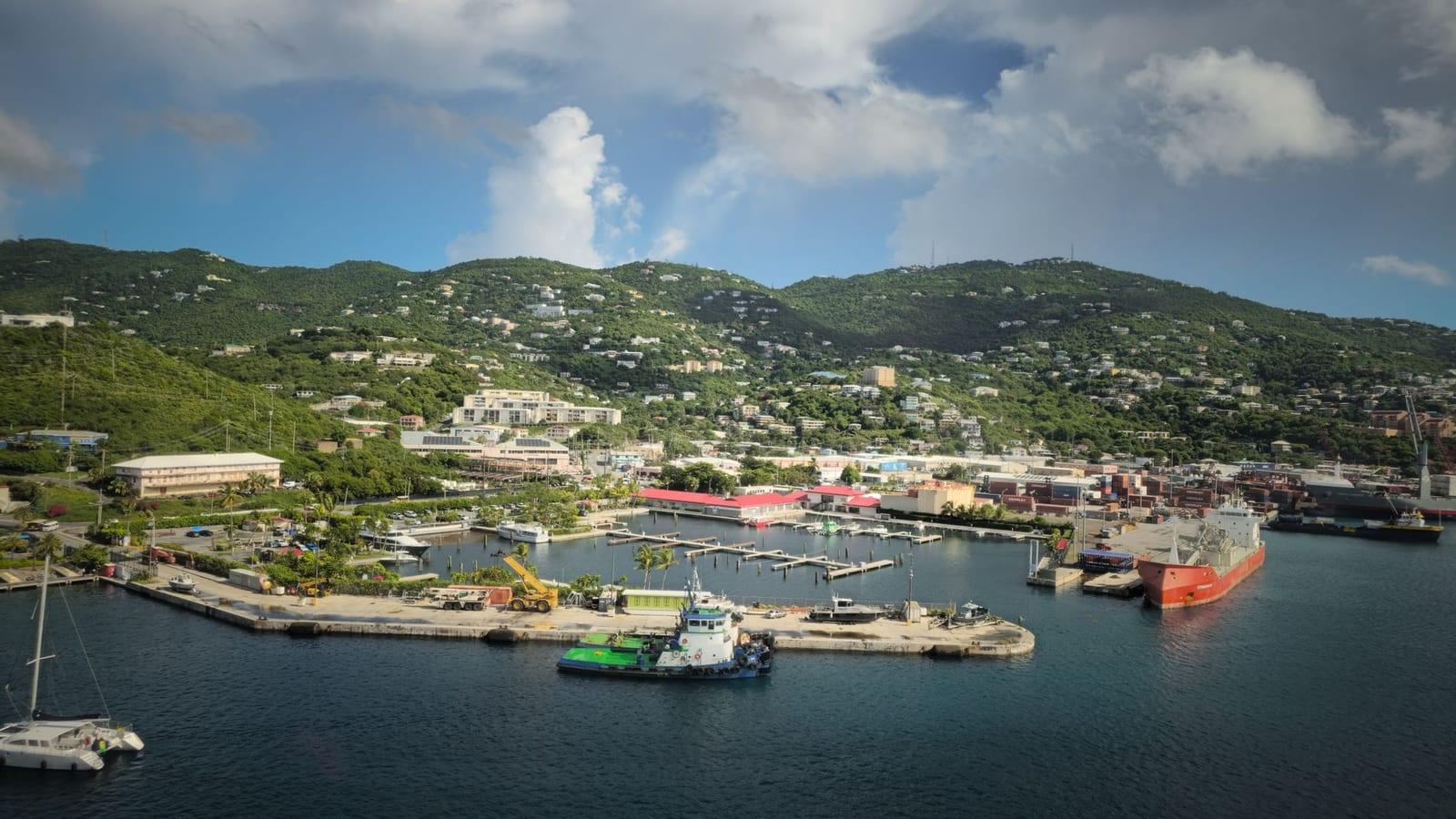
Let it be established straightaway: The USVI have the sort of Caribbean beaches that seem factory-made in paradise—from Trunk Bay on St. Johns to Magens Bay on St. Thomas. The seagrass beds and coral reefs—fantastic snorkeling and diving destinations—produce rich populations of tropical game fish such as marlin, much-coveted by saltwater anglers. And with several of the Caribbean’s most thrumming cruise ports at hand—notably the capital city of Charlotte Amalie on St. Thomas—you’ll find ritzy resorts, beach bars, and oceanfront spas aplenty.
So, yes, it’s easy enough to make your USVI vacation an escapist blur of sun-blasted sand and toes-in-the-pool cocktails. But, as everywhere in the Caribbean, there’s fascinating—and knotty—history behind the scenery, and it’s well worth checking out.
The indigenous story is a bit phantasmal at this point, given the devastation European diseases, enslavement, and warfare wrought on West Indian Amerindians. Nonetheless, you can mull it over in a few dramatic locales in the USVI. Petroglyphs likely carved by the Taino people highlight the Reef Bay Trail in St. John’s Virgin Islands National Park. On St. Croix, meantime, visit Salt River Bay National Historic Park and Ecological Preserve to appreciate the site of what might be the earliest documented resistance effort by New World natives against European invaders: Here, Caribs tussled with Christopher Columbus’s crew in 1493, prompting Columbus to call the spot the “Cape of the Arrows.”
An excellent place to mull the colonial era—and the dark chapter of Caribbean slavery—is the Annaberg Plantation, also part of Virgin Islands National Park. The historical site shows the ruins of Dutch sugar-, molasses-, and rum-producing factories, including slave cabins. In Charlotte Amalie, you can admire some of the oldest extant structures in the archipelago: the Dutch-built Fort Christian and Blackbeard’s Castle, which also summons to mind the rich pirate history of these waters.
History’s not just preserved in rock etchings and overgrown plantations: It’s also tangled in the living traditions of the island. Try to catch a performance of Quelbe (also called scratch-band music), a homegrown Virgin Islands musical tradition created by West African slaves and incorporating European instruments and dance steps. Or dive into the interwoven cuisine, gorging on kallaloo (a native gumbo-ish stew), pate (a meat- or fish-stuffed patty), fungi (a cornmeal dish), or simply some unbelievably fresh seafood served up unadorned and delicious.
At the other end of the spectrum of overdeveloped beachfront, the USVI’s wilder quarters are significant Caribbean-wide for their preserved ecosystems. Virgin Islands National Park—already mentioned for its historical attractions—occupies most of St. John, showcasing a beautiful spectrum from upland rainforest to coral mosaics.
Go beyond the manicured beach vacation and take in the USVI’s deeper pleasures. You’ll be pleasantly surprised by what you turn up.
7 things not to miss.
- Trunk BaySome claim this Saint John seashore, protected in Virgin Islands National Park, is the world’s most beautiful beach.
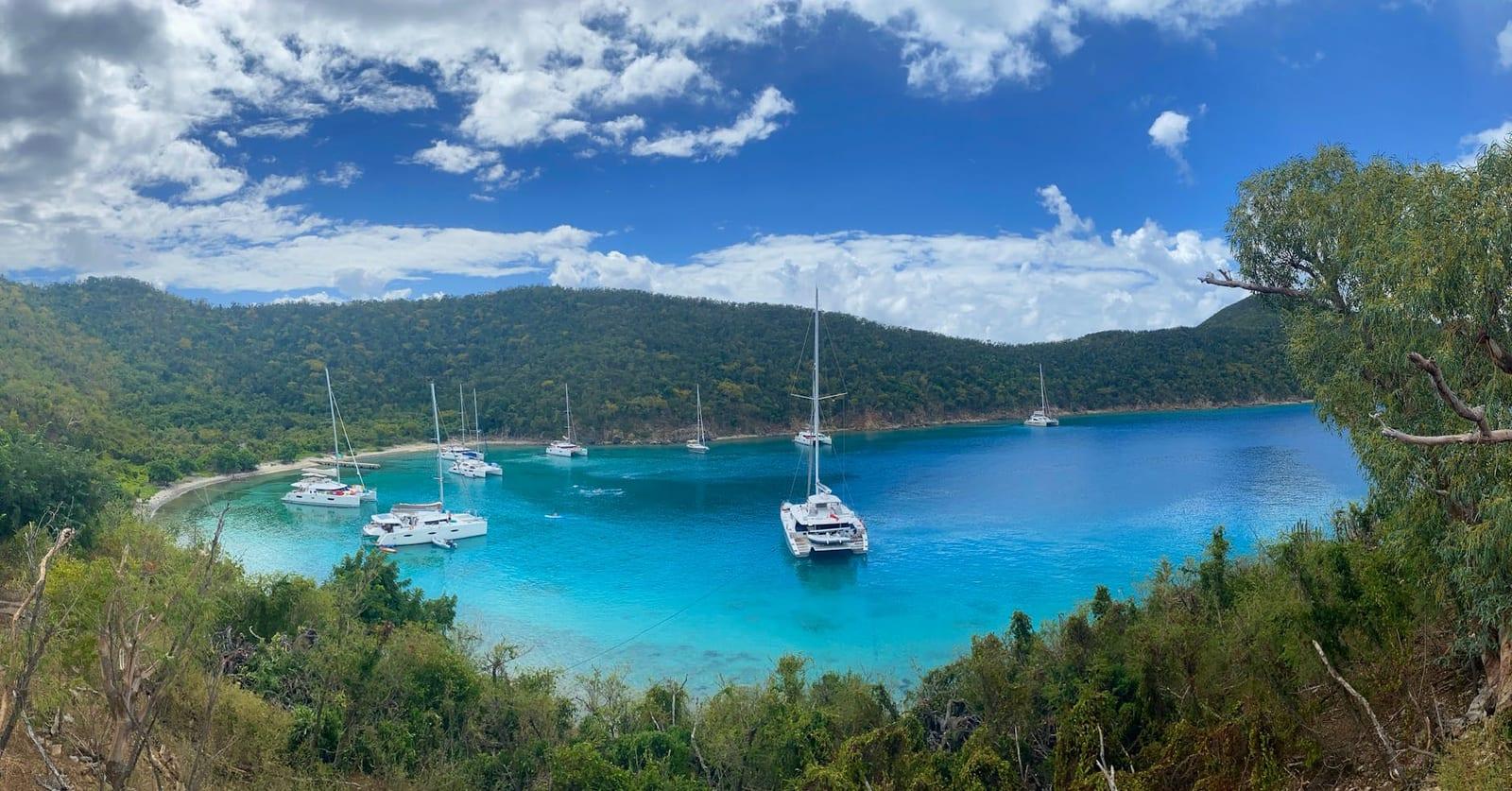
- Magens Bay BeachThis Saint Thomas beach is made for lounging and swimming.
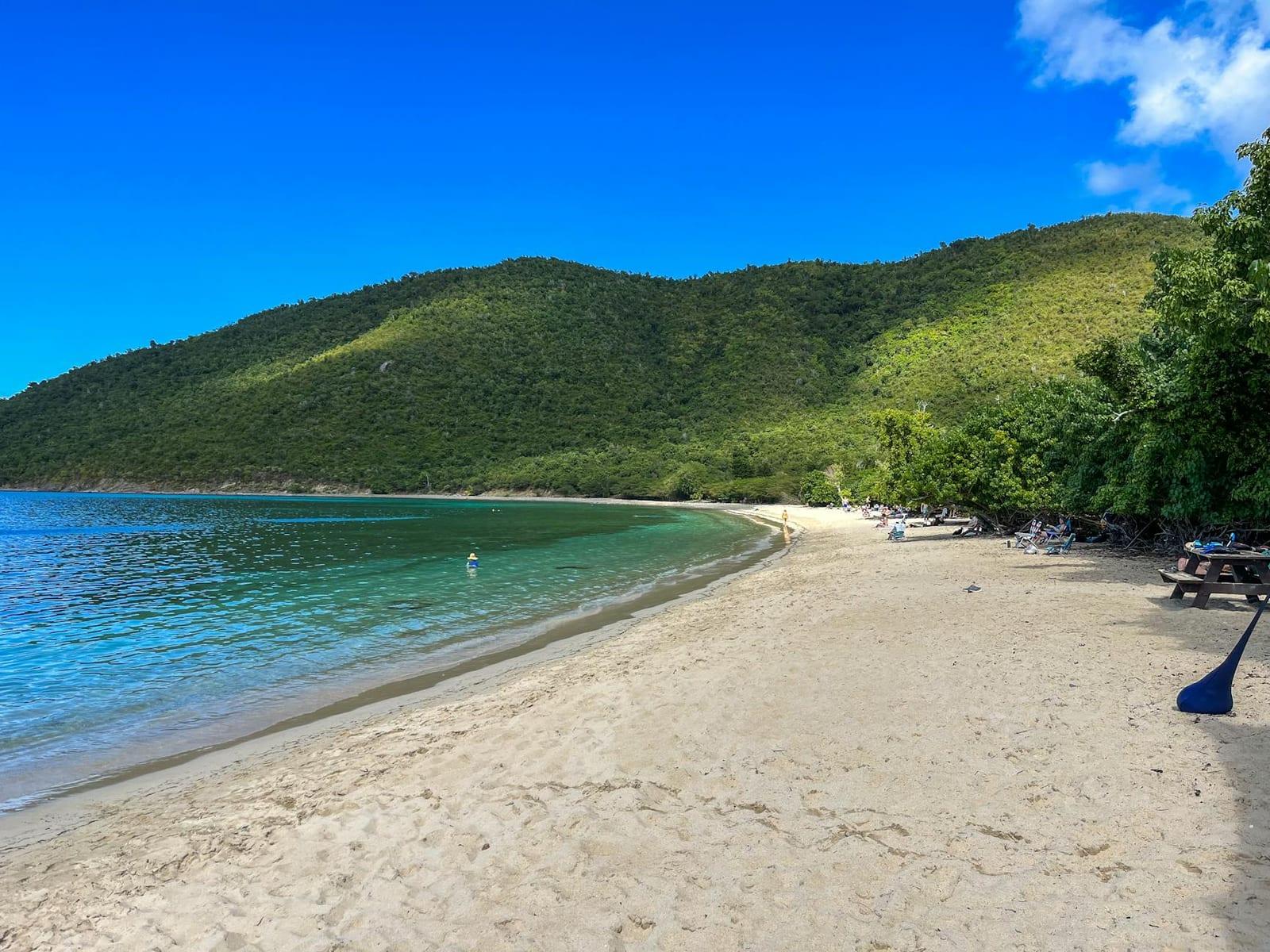
- Blackbeard’s CastleA Dutch fortification built in 1679, this landmark is legendarily associated with the great pirate Edward Teach.
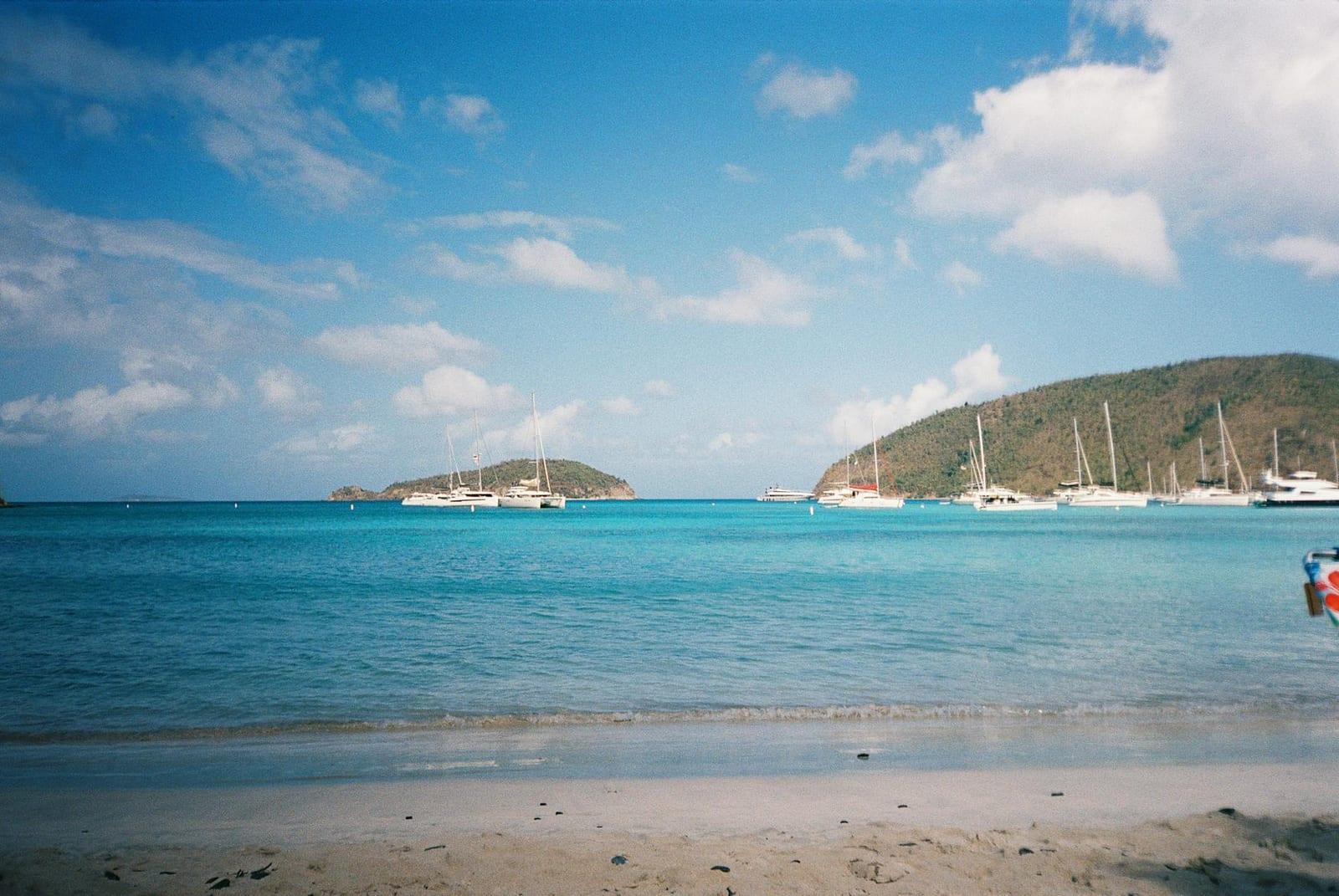
- Fort ChristianSituated in Charlotte Amalie, this 17th-century Dano-Norwegian fort was one of the earliest European outposts on Saint Thomas.
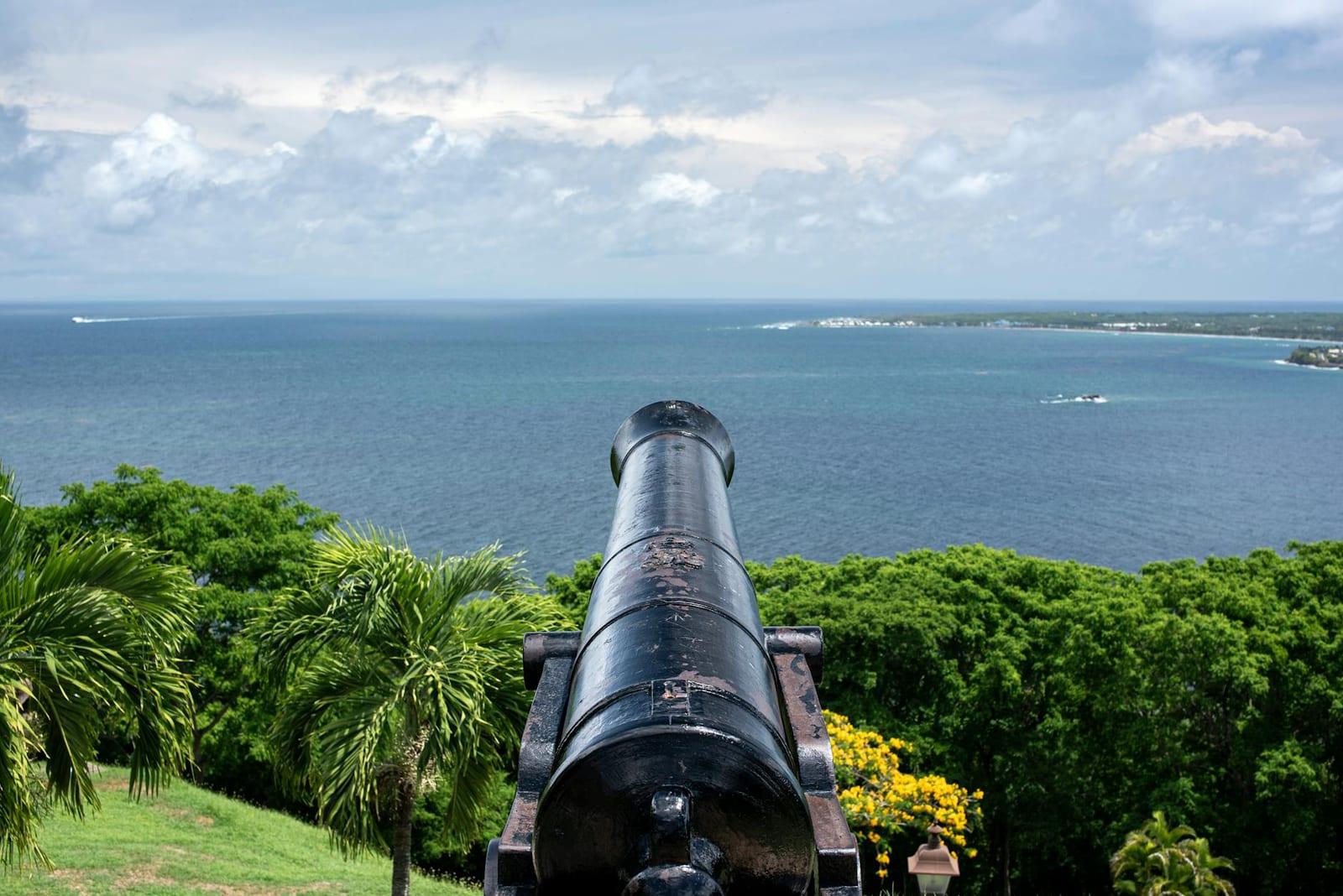
- Virgin Islands National ParkWild rainforest, coral reefs, Taino petroglyphs, and historical ruins are some of the attractions of this park.
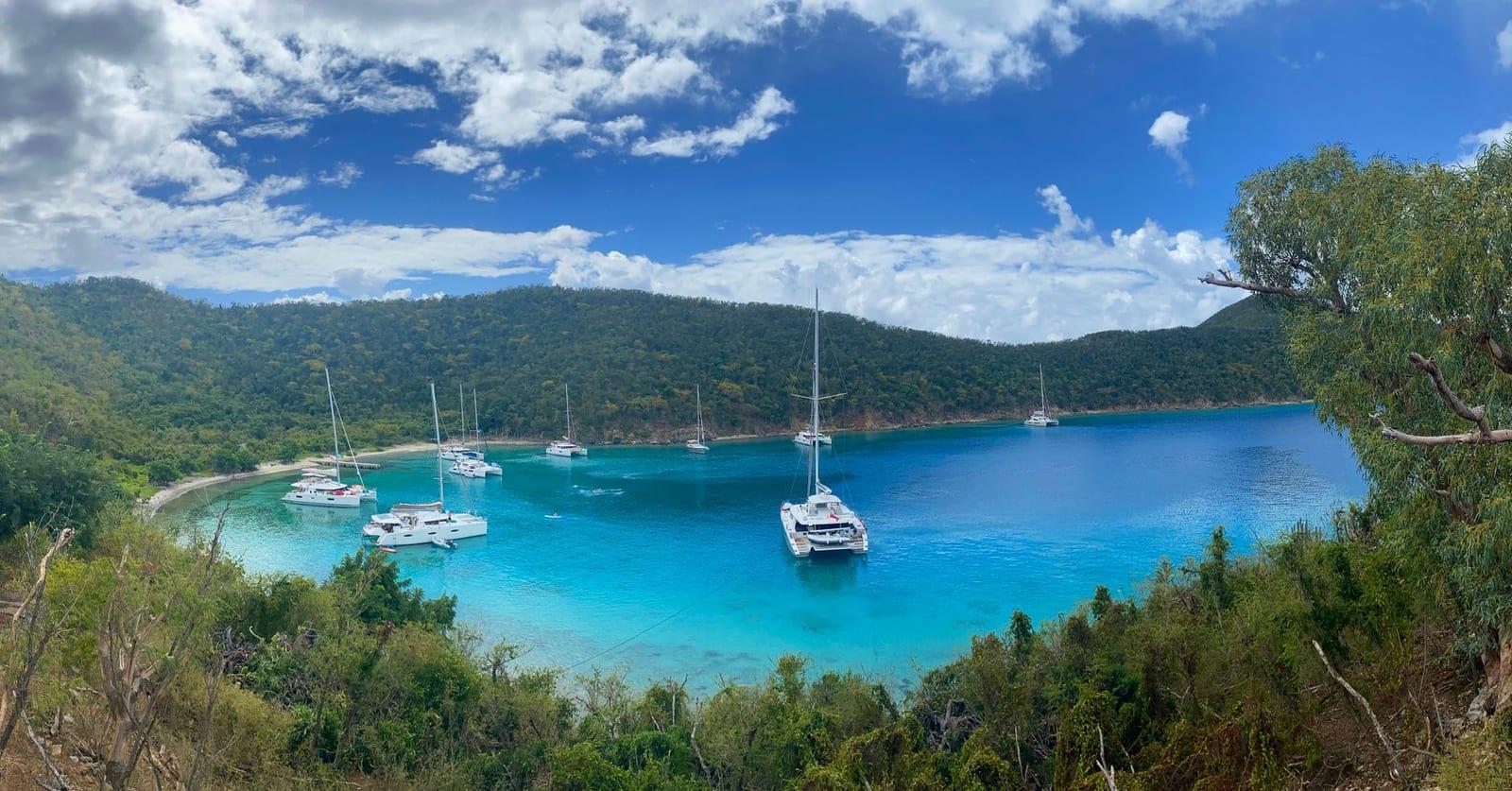
- Salt River Bay National Historical Park and Ecological PreserveThis Saint Croix sanctuary saw a standoff between the Columbus expedition and native Caribs, and also preserves a mangrove-edged bioluminescent bay.
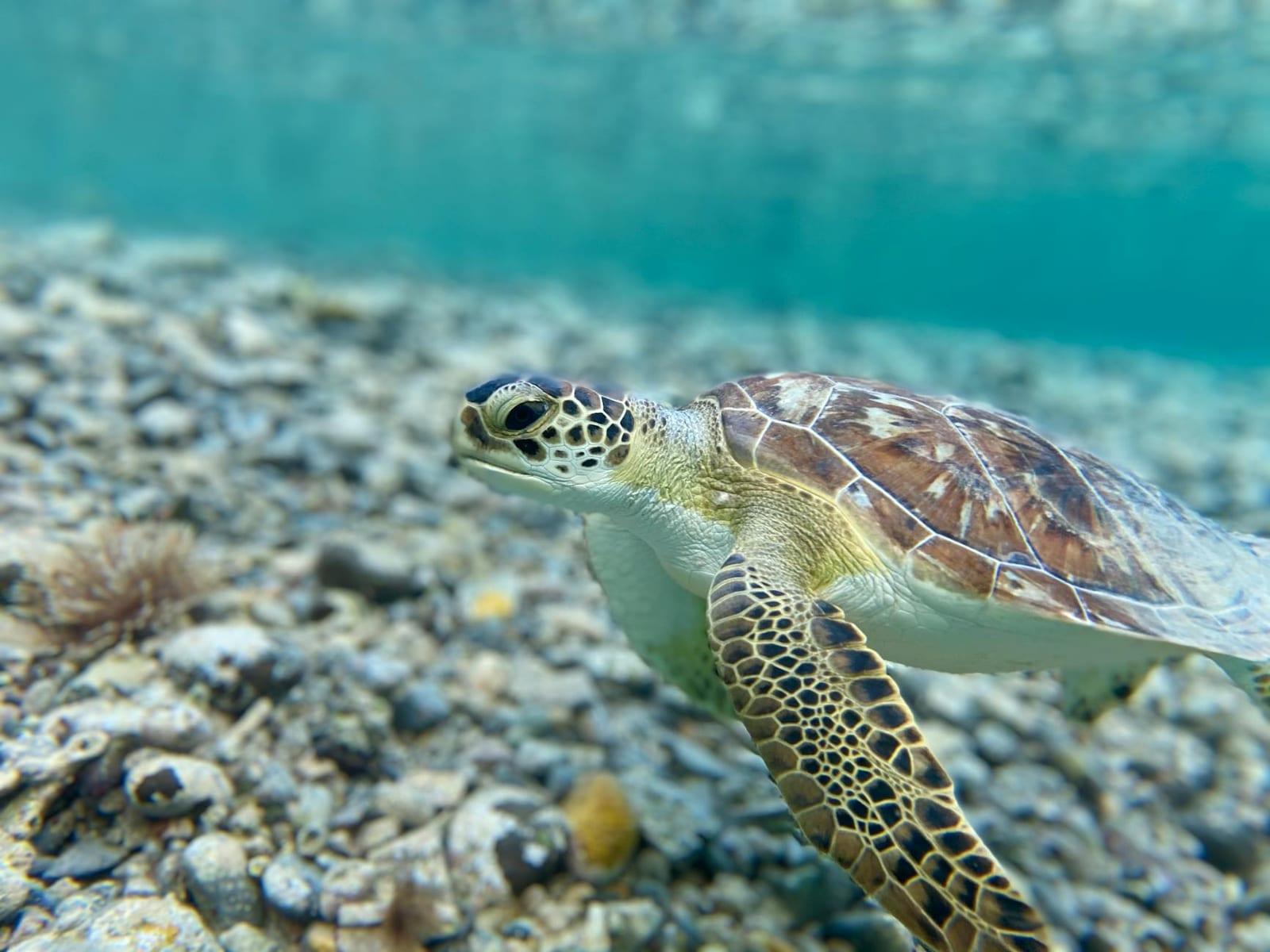
- Buck Island Reef National MonumentThis barrier reef, one of the most pristine in the Caribbean, supports droves of sharks, sea turtles, and other marine life.