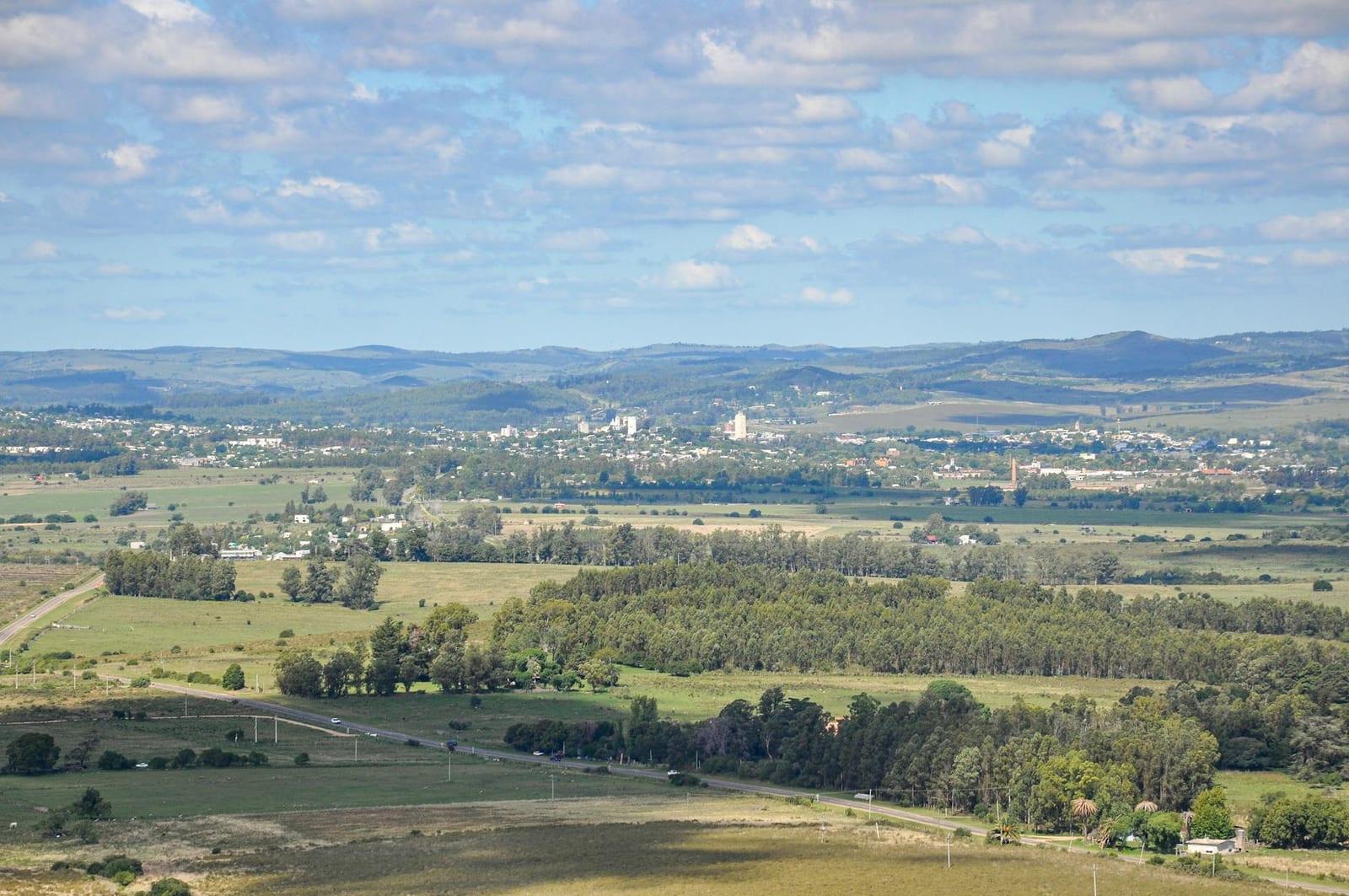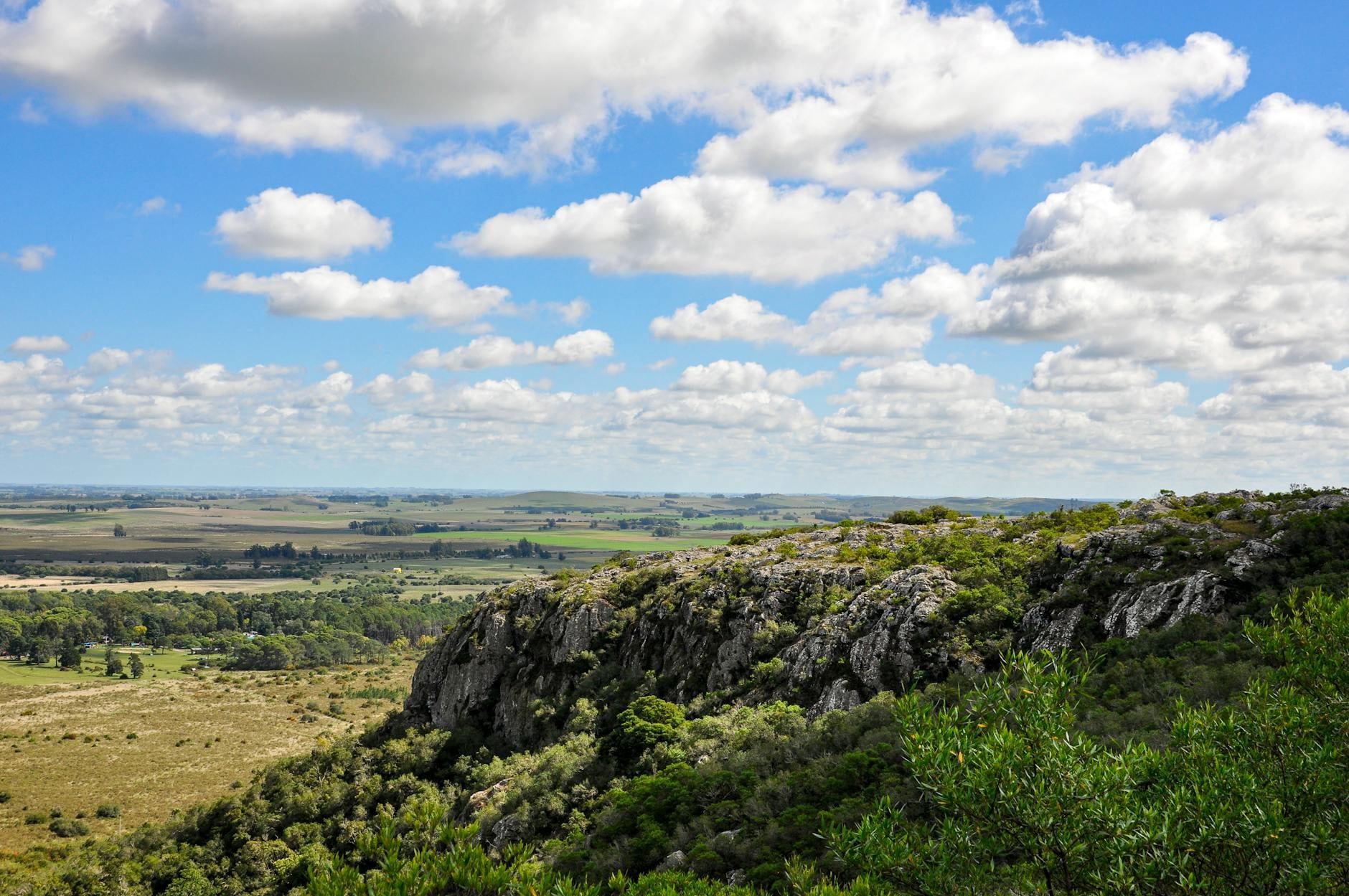
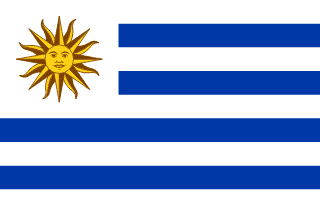
Uruguay is one of the smallest South American countries, a geographic modesty reinforced by the fact that it’s tucked between the continent’s two largest (Brazil and Argentina). It’s also a destination that’s been generally overlooked by tourists, although that’s beginning to change. In fact, Uruguay’s a standout—regularly ranked among South America’s most stable, prosperous, and democratic nations. And from the urban beachfront of its South Atlantic coast to the colonial towns and sprawling ranches of its rolling interior, the country has endless charm with elbow room to spare.
Originally occupied by relatively small numbers of indigenous peoples—mainly the Charrúa, Chaná, and Guarani—Uruguay fell under European control beginning in the 1500s, with the Spanish, Portuguese, and British contesting its territory. Though Uruguay attained independence in the 1820s, European influence, ethnic and otherwise, remains palpable.
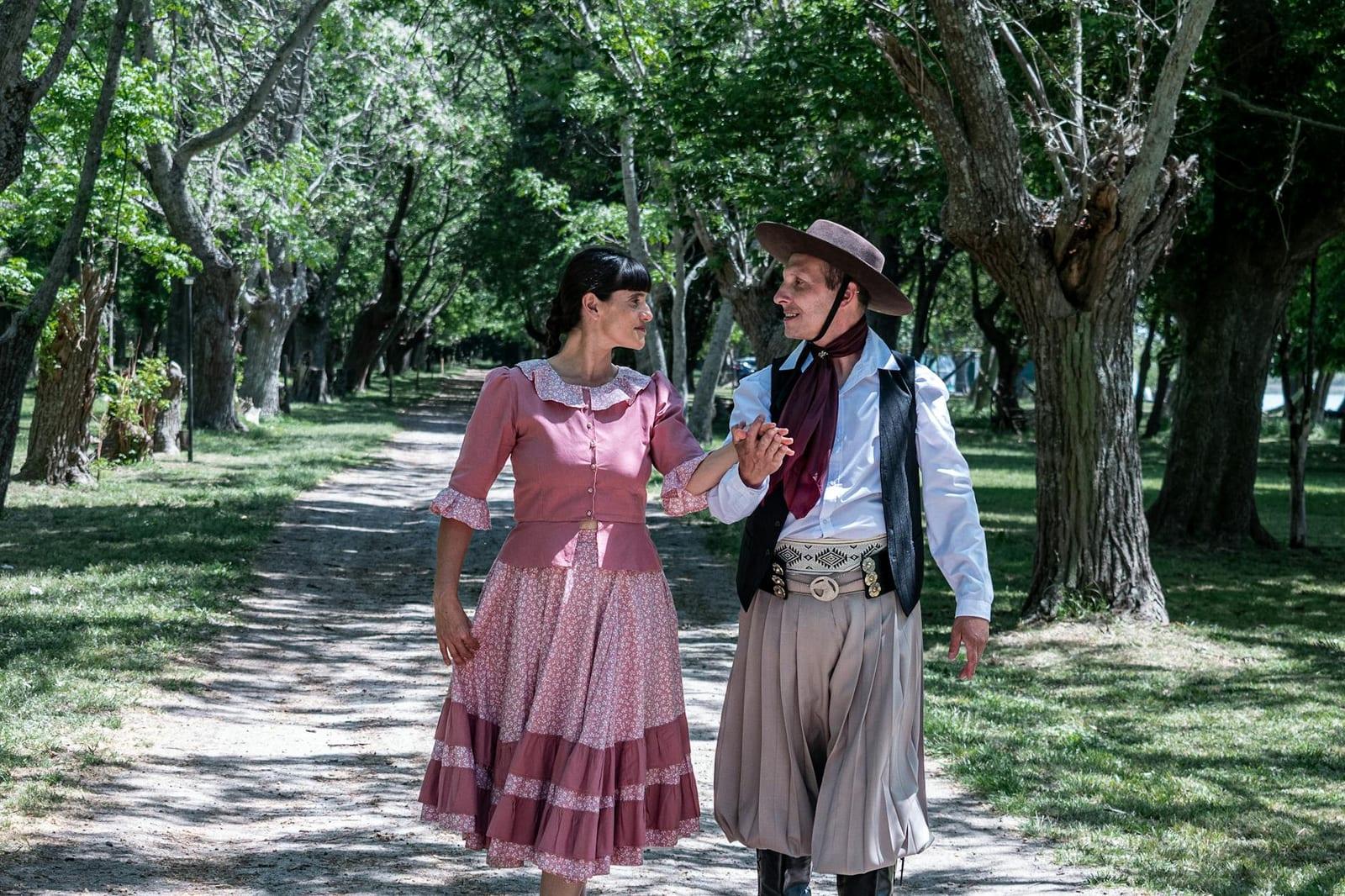
Roam the hilly rangelands of interior Uruguay, and you’ll discover cattle country still rich in the mystique of the gaucho, the “cowboy” of the Pampas. Indeed, gaucho folklore is celebrated throughout the country (as in Argentina), even if a traditionally poncho-clad cattleman is a rare sight these days. Speaking of cattle, Uruguayans love their beef; try to get yourself invited to a local barbecue, or parrillada, for a deliciously up-close look at this beloved culinary tradition. In addition to flame-grilled meat, another ubiquitous Uruguayan flavor is that of yerba mate, a caffeine infusion that marks many a social gathering.
Whether it’s literature, poetry, art, or dance, Uruguayan culture runs deep, and the capital of Montevideo, in and around which most of the country’s population resides, is the perfect venue for exploring it. There are topnotch art, history, and science museums here, but in between exhibits and galleries you’re liable to run into plenty of living expressions of society: from uproarious festivals (including Carnival Week) to tango performances in the local bars. Meanwhile, lauded beaches stretch from the Rio de la Plata eastward to the vacation paradise of Punta del Este and beyond.
From the sun-worshipper sands of the Atlantic to the farflung ranches of the northern hills, Uruguay is one enticing palette to explore. Its cities and beaches are drawing more and more international visitors, but much of the country remains off the main South American tourist path—all the more reason to investigate sooner rather than later.
11 things not to miss.
- Drink mate by the RamblaDrink mate by the Rambla

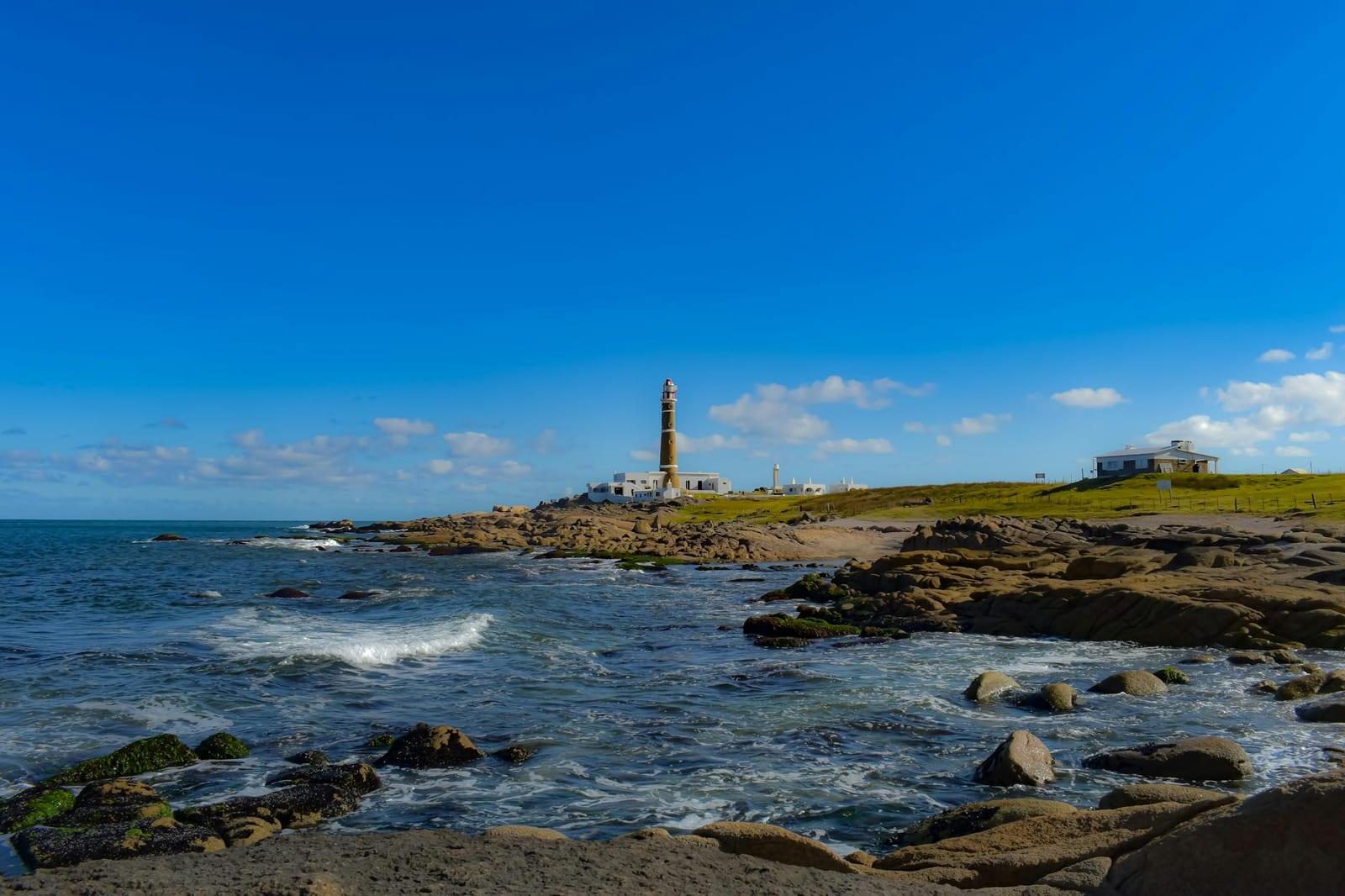
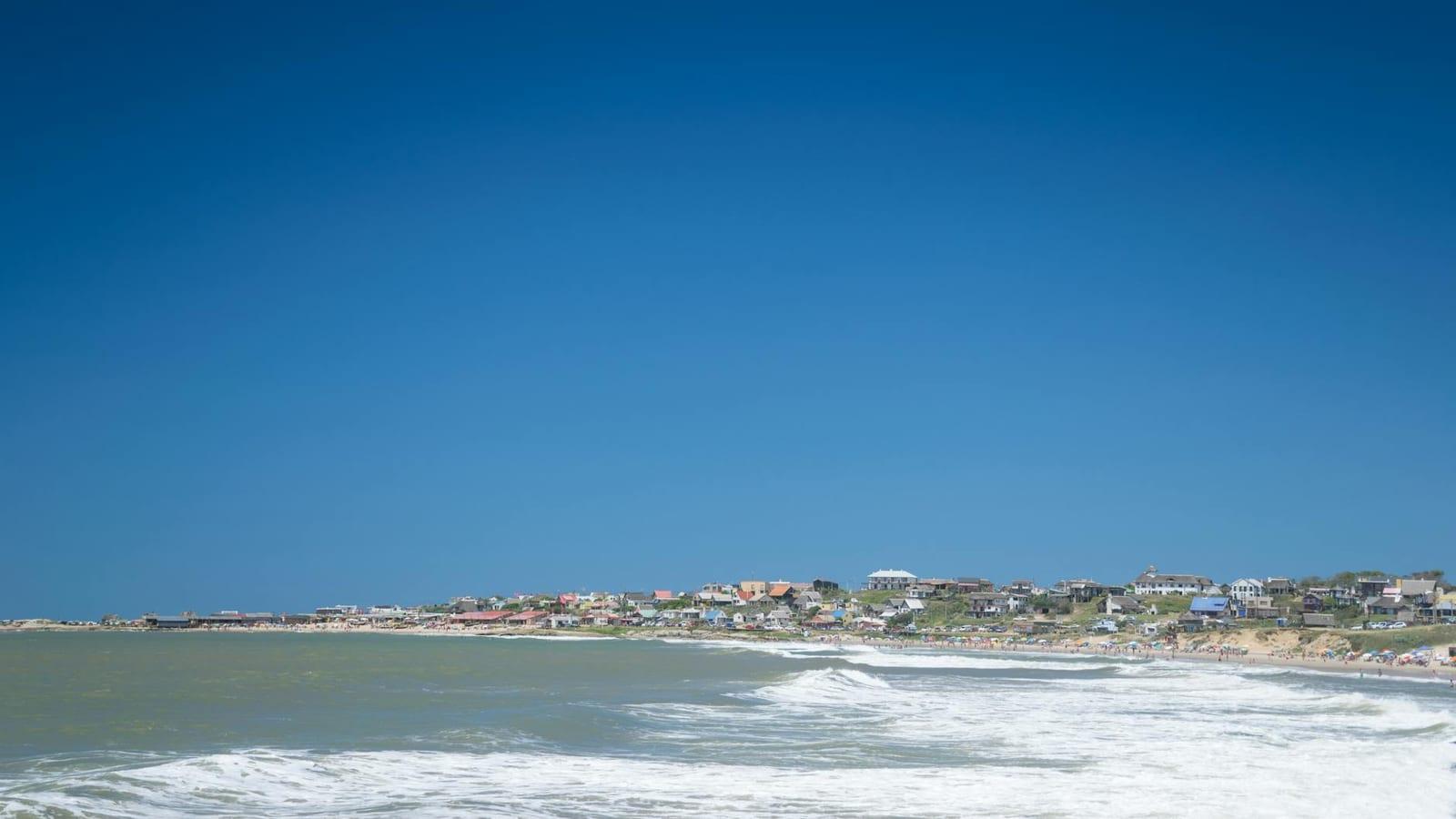
- Cabo Polonio
- Mercado del PuertoSample some of Uruguay’s famed grilled meat and other native specialties at Montevideo’s energetic Port Market.
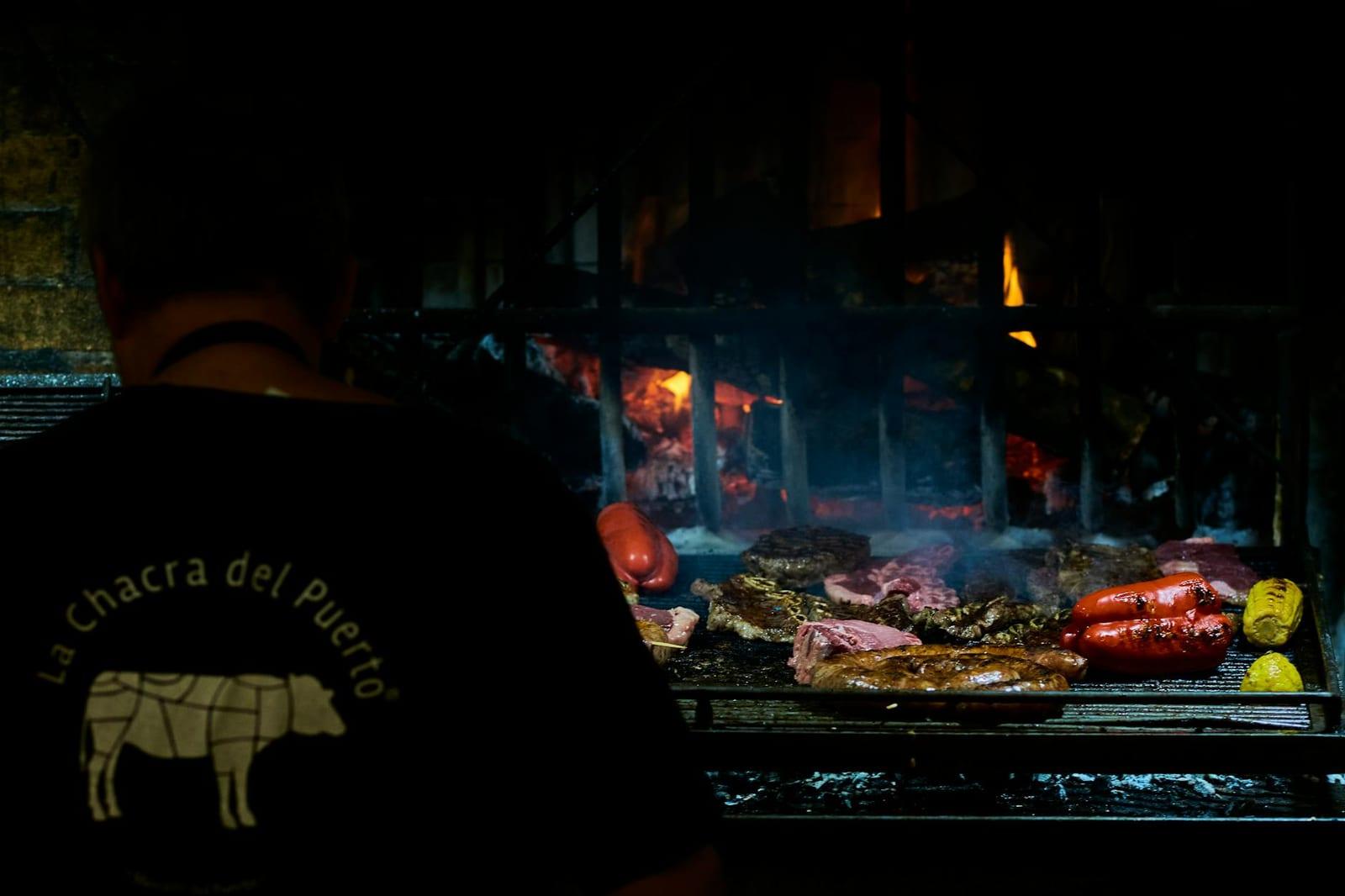
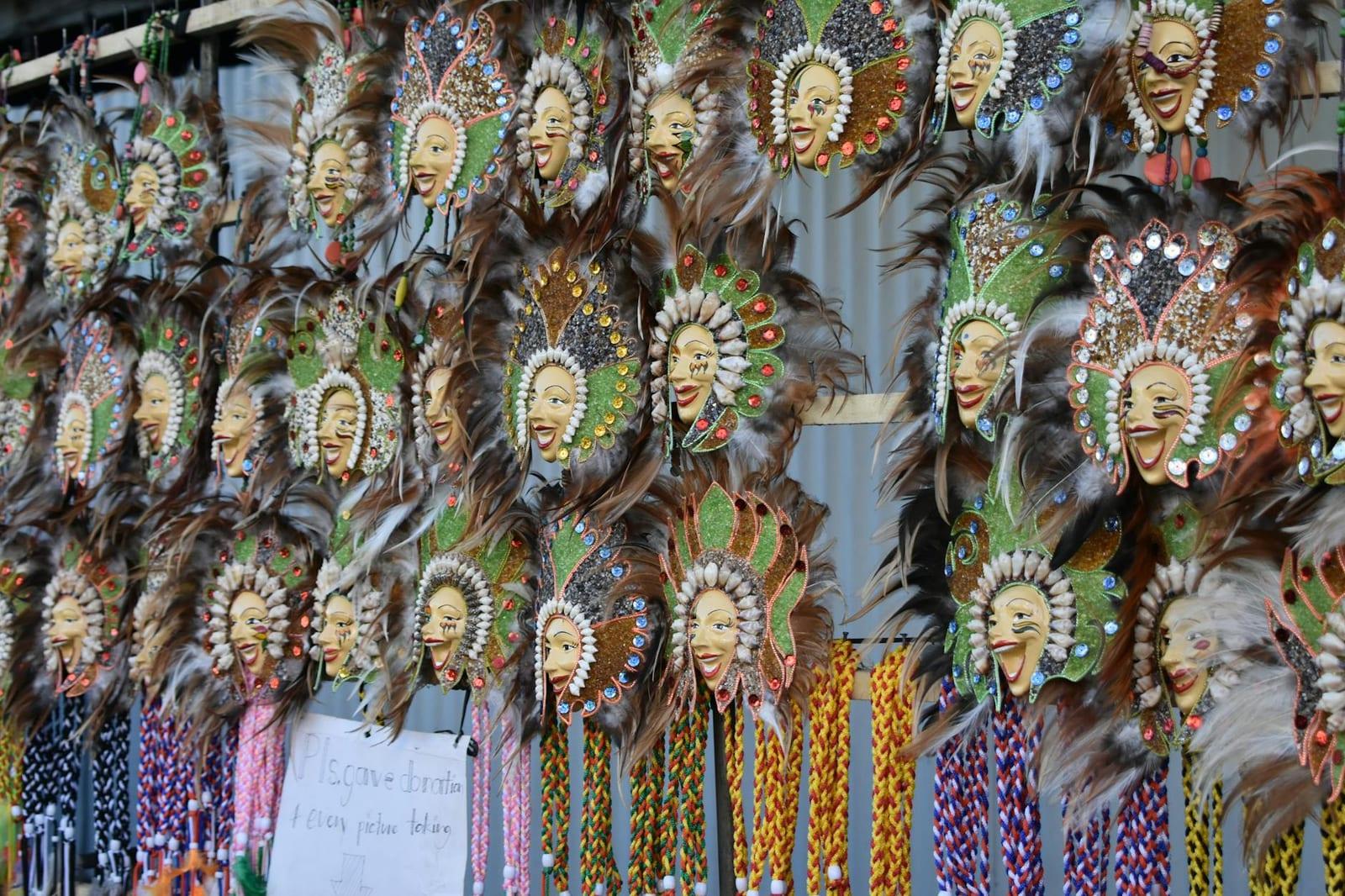
- Carnival MuseumExplore the heritage of the Montevideo Carnival, one of South America’s most venerable.
- Gaucho MuseumThis Montevideo museum tells the story of one of Uruguay’s most iconic cultural figures: the gaucho, the poncho-draped, mate-swilling Pampas cowboy.
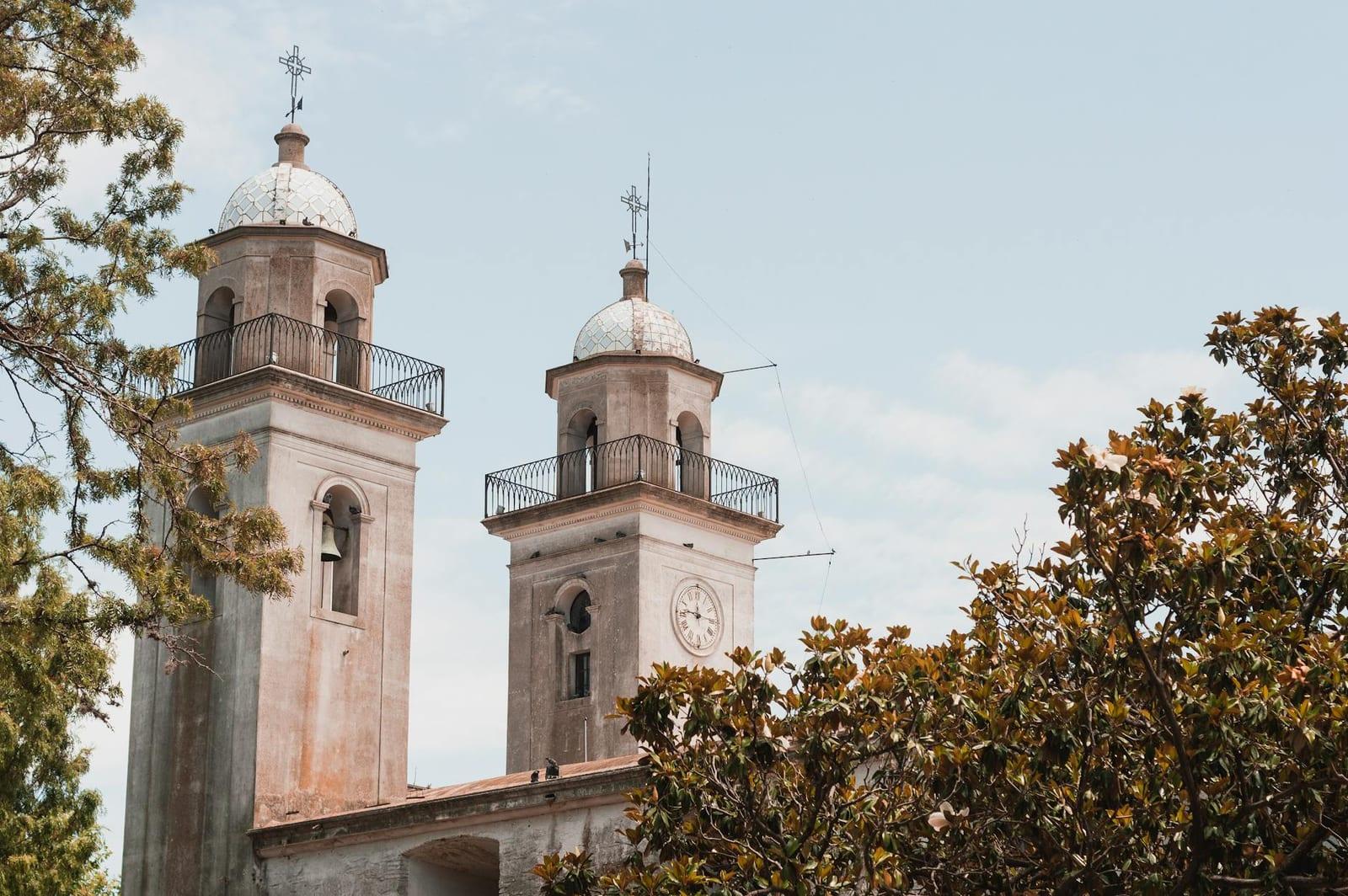
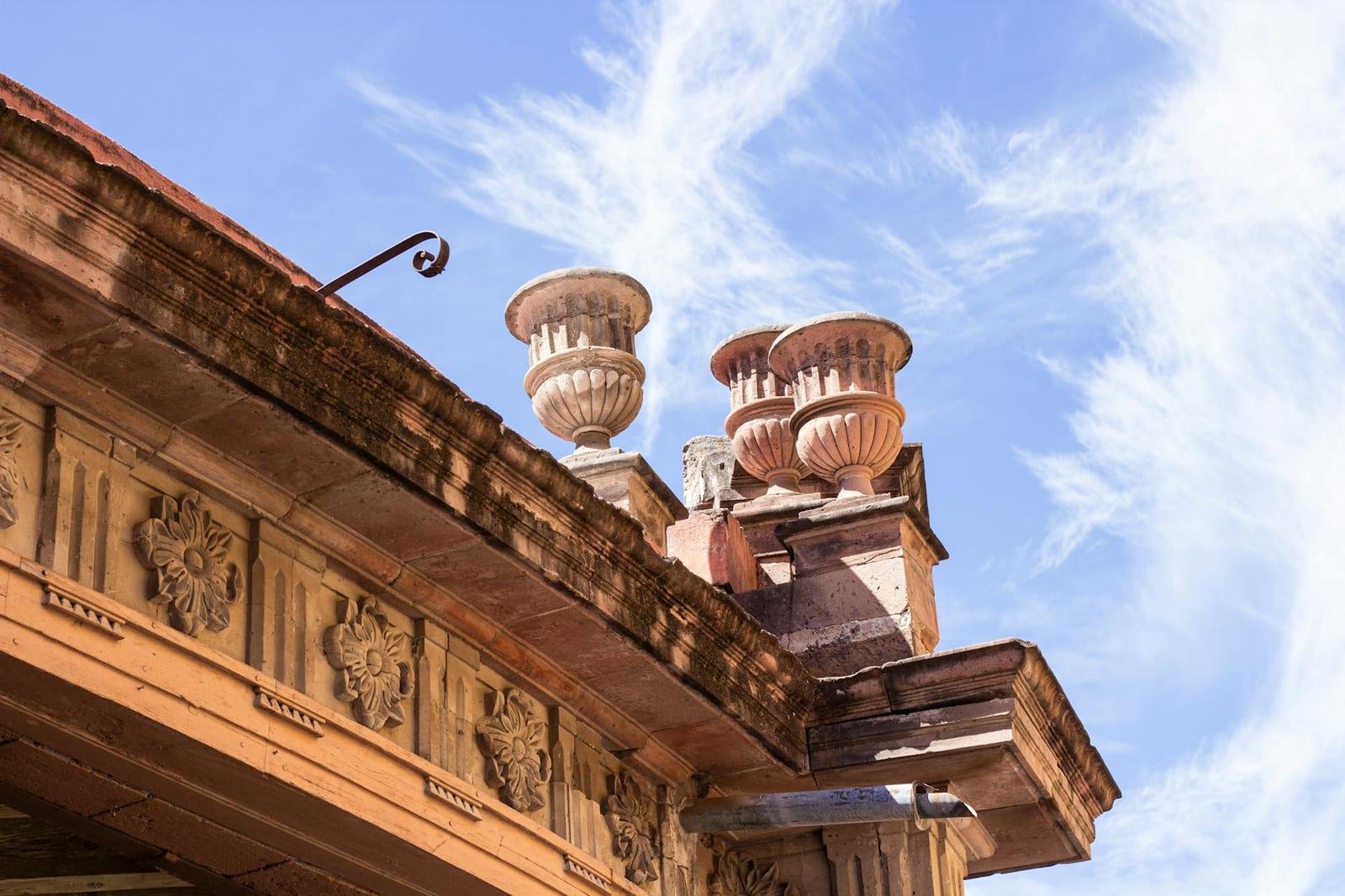
- Metropolitan CathedralThis magnificent Catholic church, built during the Spanish colonial era, is one of the standout landmarks of Montevideo’s old town (Ciudad Vieja).
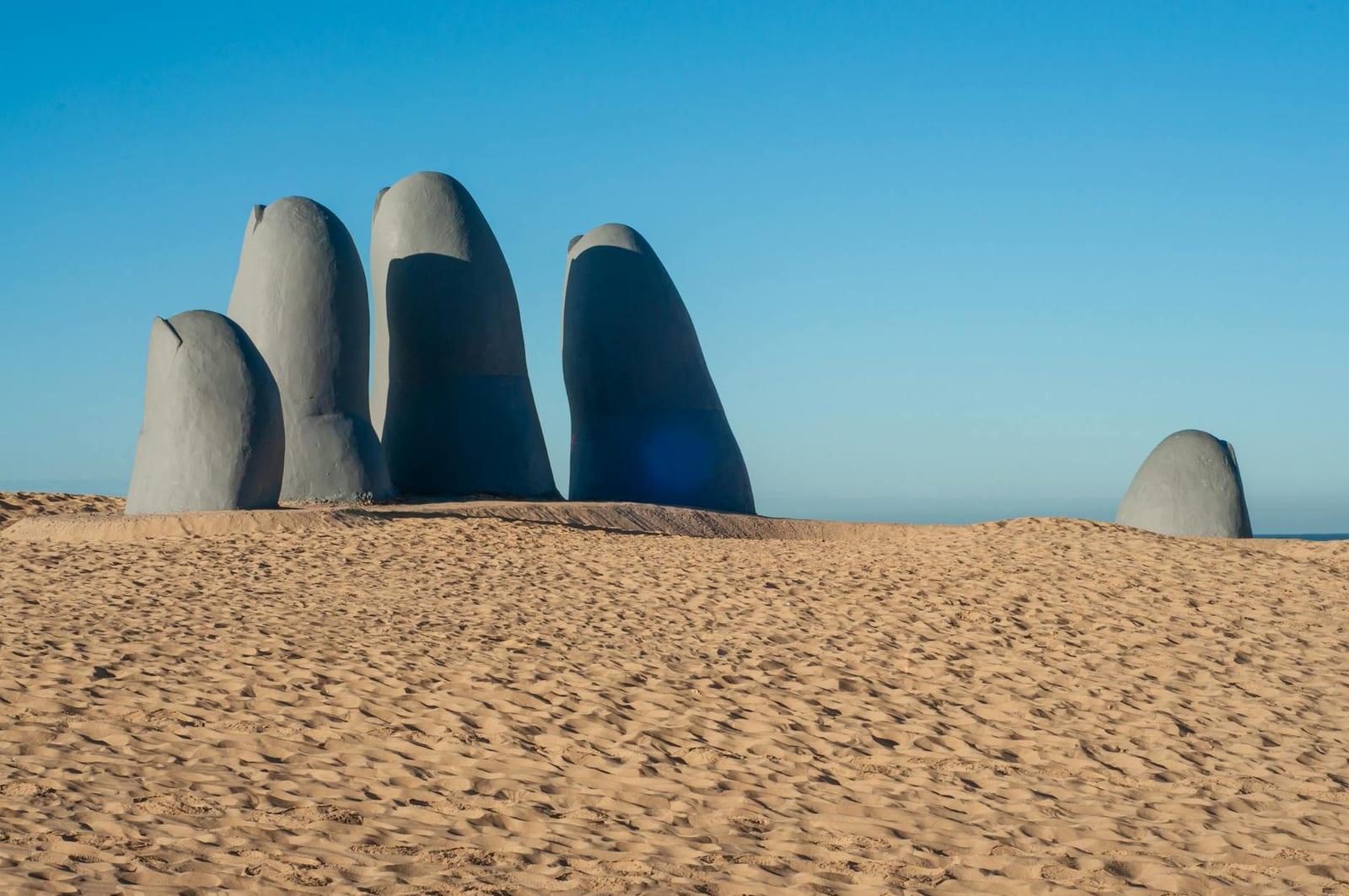
- Punta del EsteThis beach resort is one of South America’s great coastal playgrounds.
- Fuerte San MiguelThe Portuguese cobbled together this striking stone fort in the 1730s during their battles with the Spanish in Uruguay.
- Santa Teresa National ParkFrom Atlantic beaches and coastal forests to an 18th-century Portuguese fort, this park offers gorgeous scenery within easy reach of Punta del Diablo.
- Laguna de RochaFrom coscoroba swans and Chilean flamingos to buff-breasted sandpipers and American golden-plovers, these brackish shallows are a birder’s candy shop.
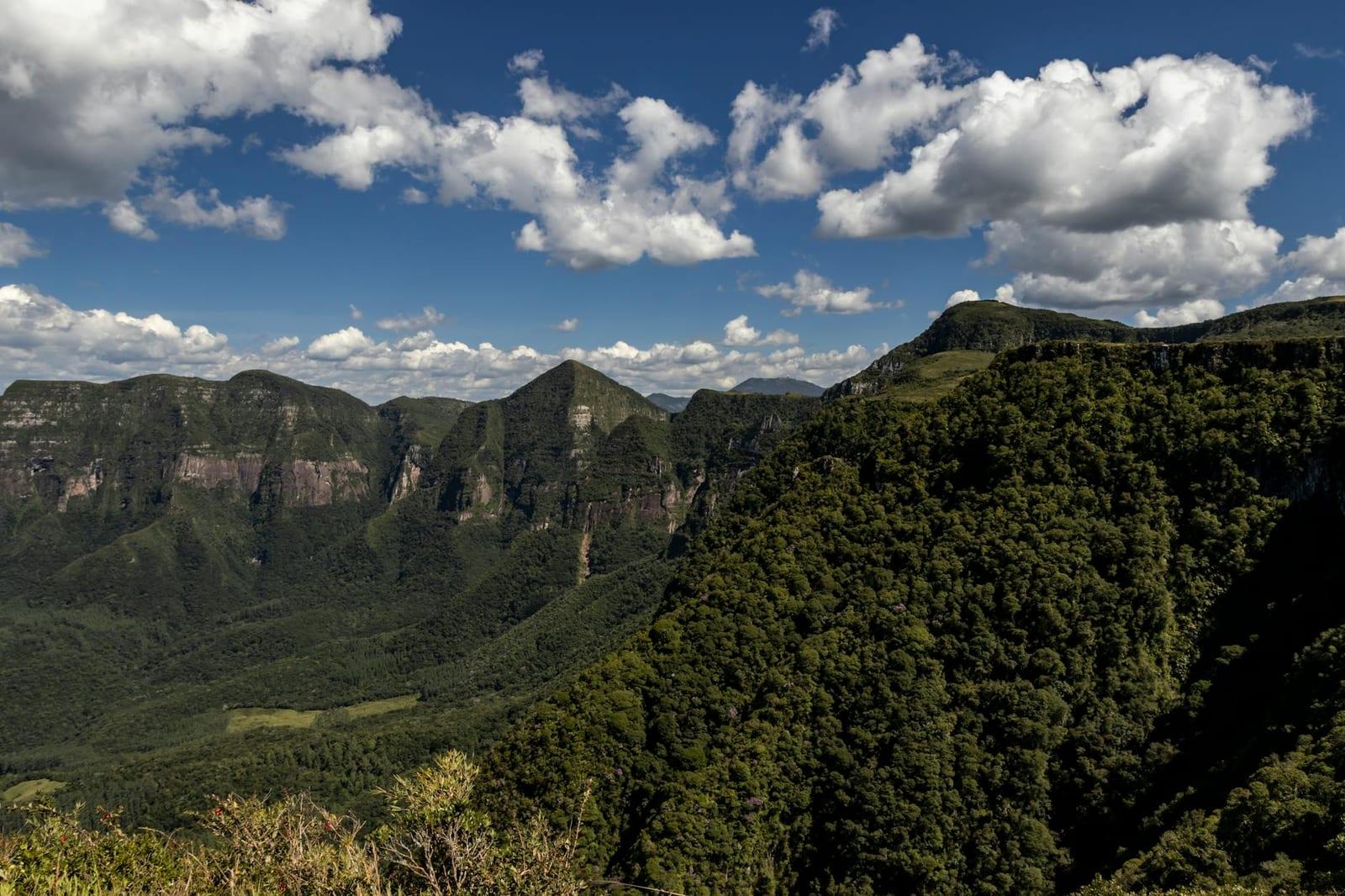
- Lunarejo ValleyEmbrace your inner gaucho in this wide-open subtropical valley, home to some of the most impressive landscapes in Uruguay.