
Burrow into the heart of Central Asia and you’ll find Uzbekistan, one of the world’s “doubly landlocked” countries (all the nations bordering it are landlocked themselves (the other is Liechtenstein)). A few thousand years of crammed-full history define this land of stark mountains, fertile river valleys, and hardscrabble desert, the human inhabitants of which reflect the legacy of much ethnic and religious cross-pollination between farflung corners of Eurasia.
(A democracy on paper, Uzbekistan in practice has a hardline, authoritarian government, oft pinpointed by international groups for human-rights violations. So travelers should be aware of the possibility of civil unrest and the fraughtness of some of the country’s borderlands, including the entrancingly beautiful Fergana Valley.)
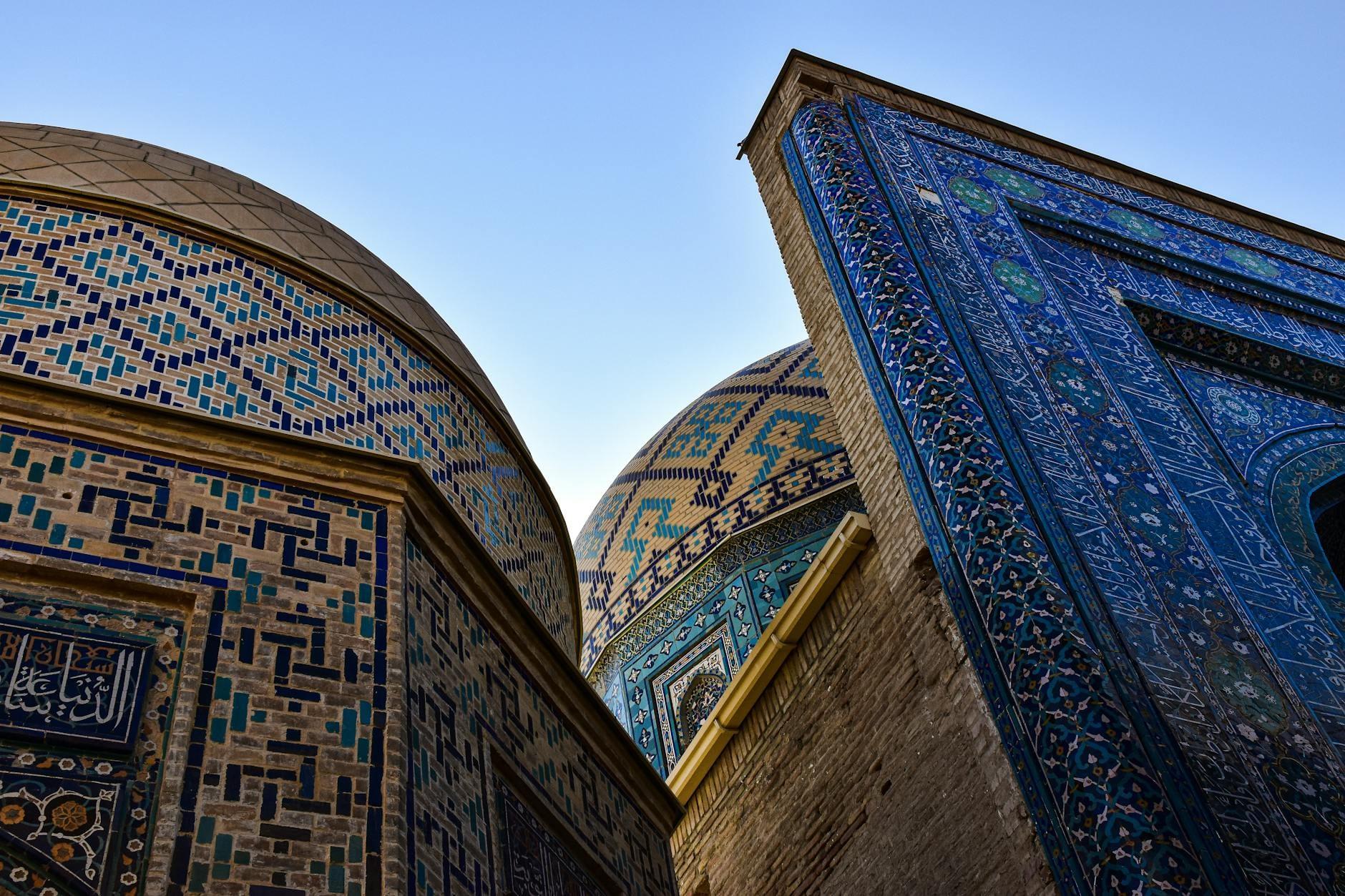
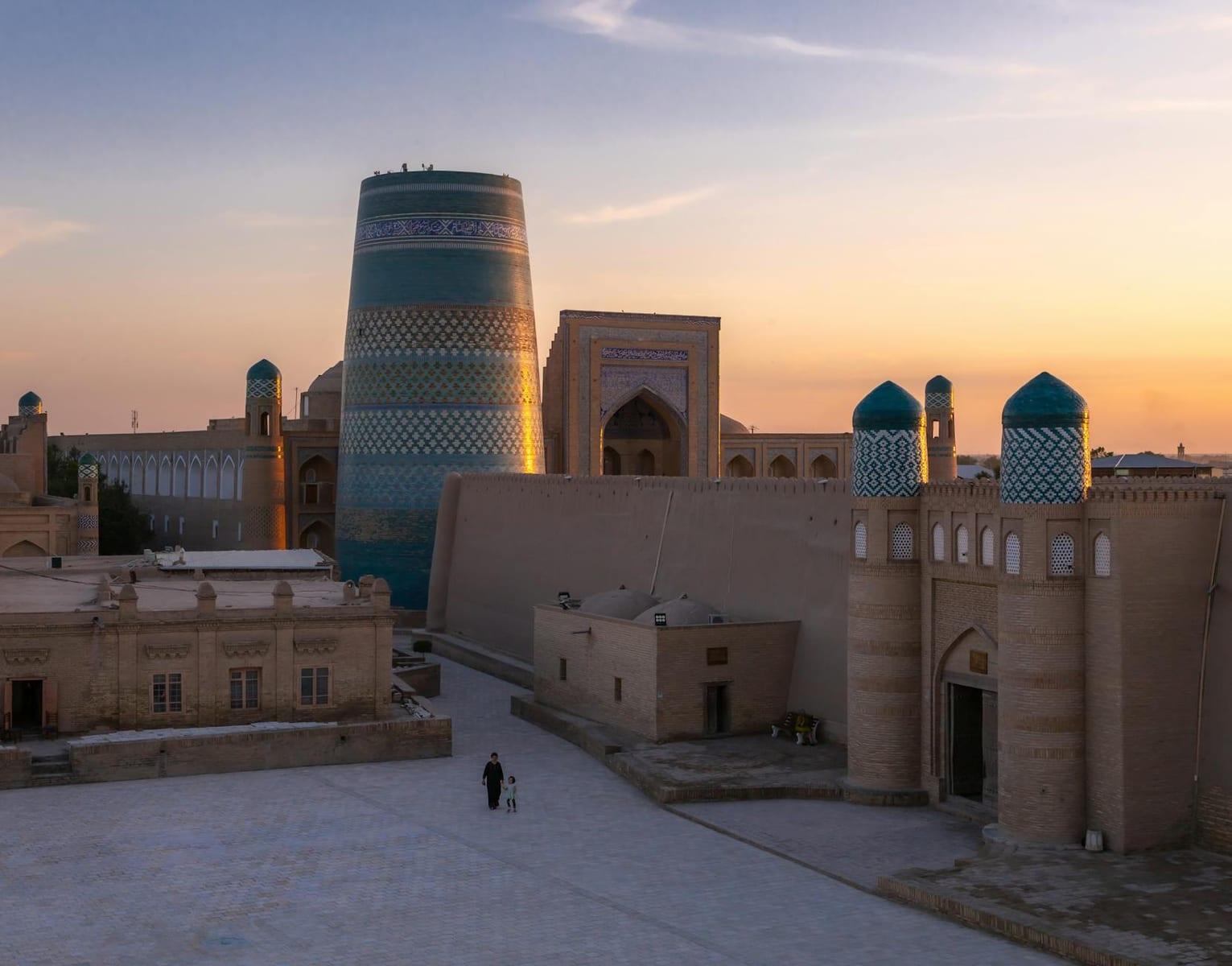
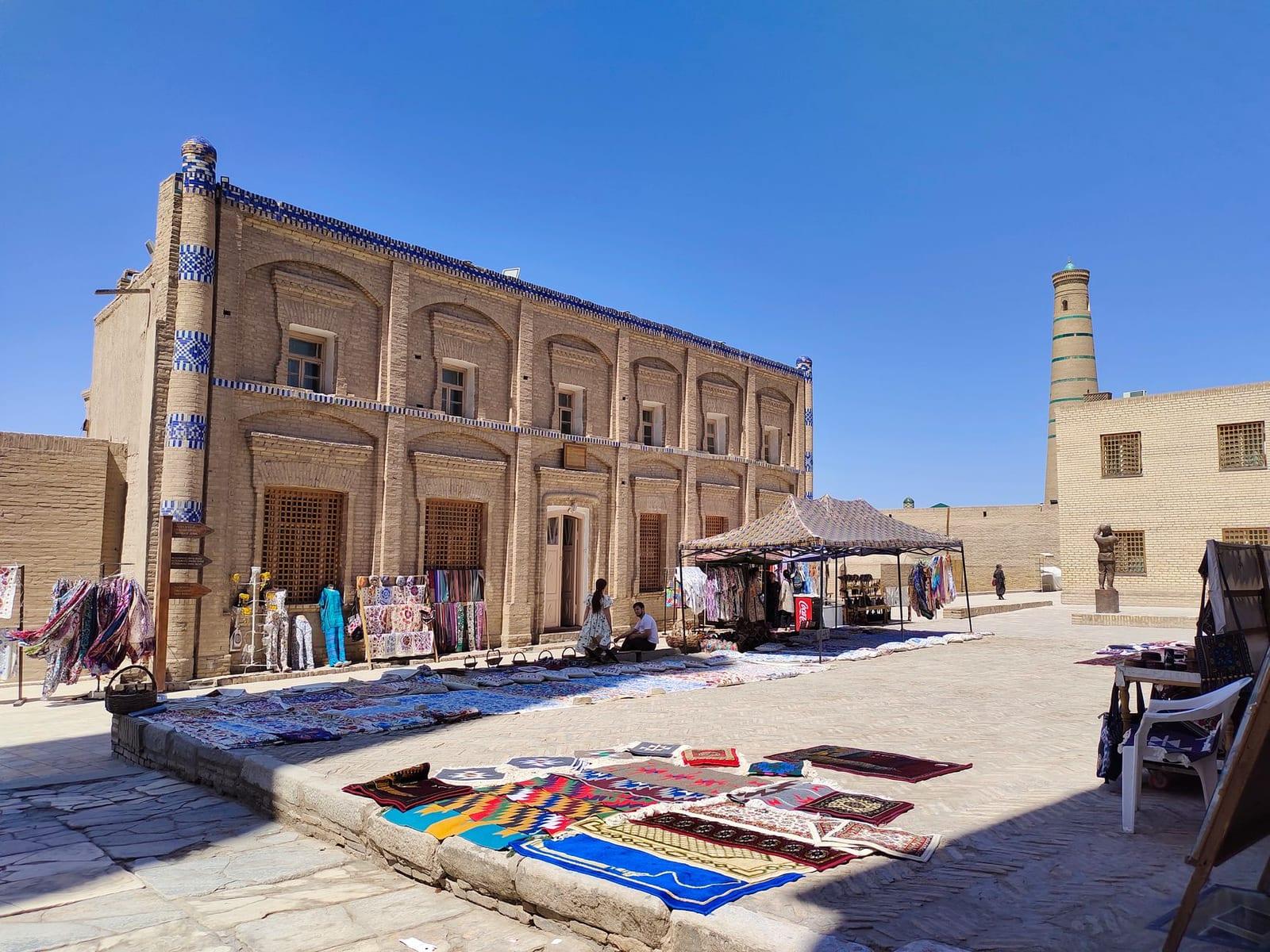
Originally settled by Iranian peoples, Uzbekistan lay prominently along the ancient trading route of the Silk Road. Invasions and migrations, meanwhile, introduced an ever-shifting lineup of cultures: the Macedonians, Persians, Arabs, Turks, Mongols, and—from the early 1800s to 1991—the Russians. The depths of Uzbek history are downright palpable in deep-rooted and stunningly arrayed cities such as Bukhara—laden with medieval Islamic structures such as the Ismail Samanai tomb, the Poi-Kalyan Minaret, the Kosh Madrasa, and the Magoki Kurns Mosque—and, to the east, Samarkand, the “Jewel of Islam.” Samarkand, one of the most fabled Silk Road hubs and once the capital of the Turco-Mongol Timurid Dynasty, has its own famously breathtaking architectural complexes: the mausoleums of Shah-i-Zinda, the Bibi-Khanym Mosque, and the madrasas and mosques of the Registan. More far flung, but equally enthralling, is the old fortressed heart of Khiva, Itchan Kala.
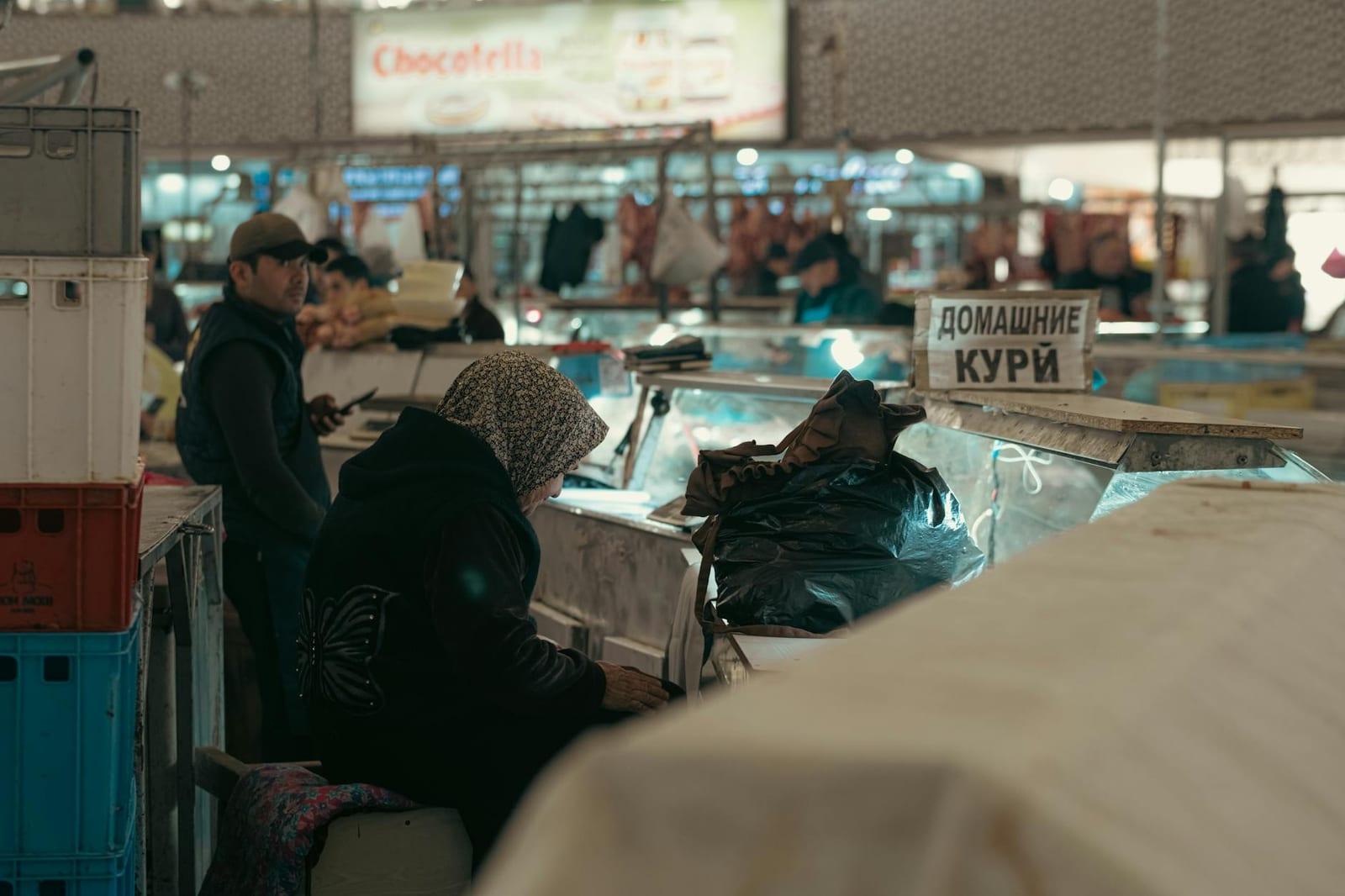
The Soviet-flavored capital of Tashkent has its share of historical monuments—not to mention the absorbing History Museum of the People of Uzbekistan and the Fine Arts Museum—but it’s most alluring for the snapshots it reveals of modern-day Uzbek culture. Whether you’re browsing the vivacious Chorsu Bazaar in the Old Town, or you’re sampling Uzbek cuisine—from plov to sumalyak—in one of the many restaurants, Tashkent is less bowl-you-over-spectacular than richly experiential.
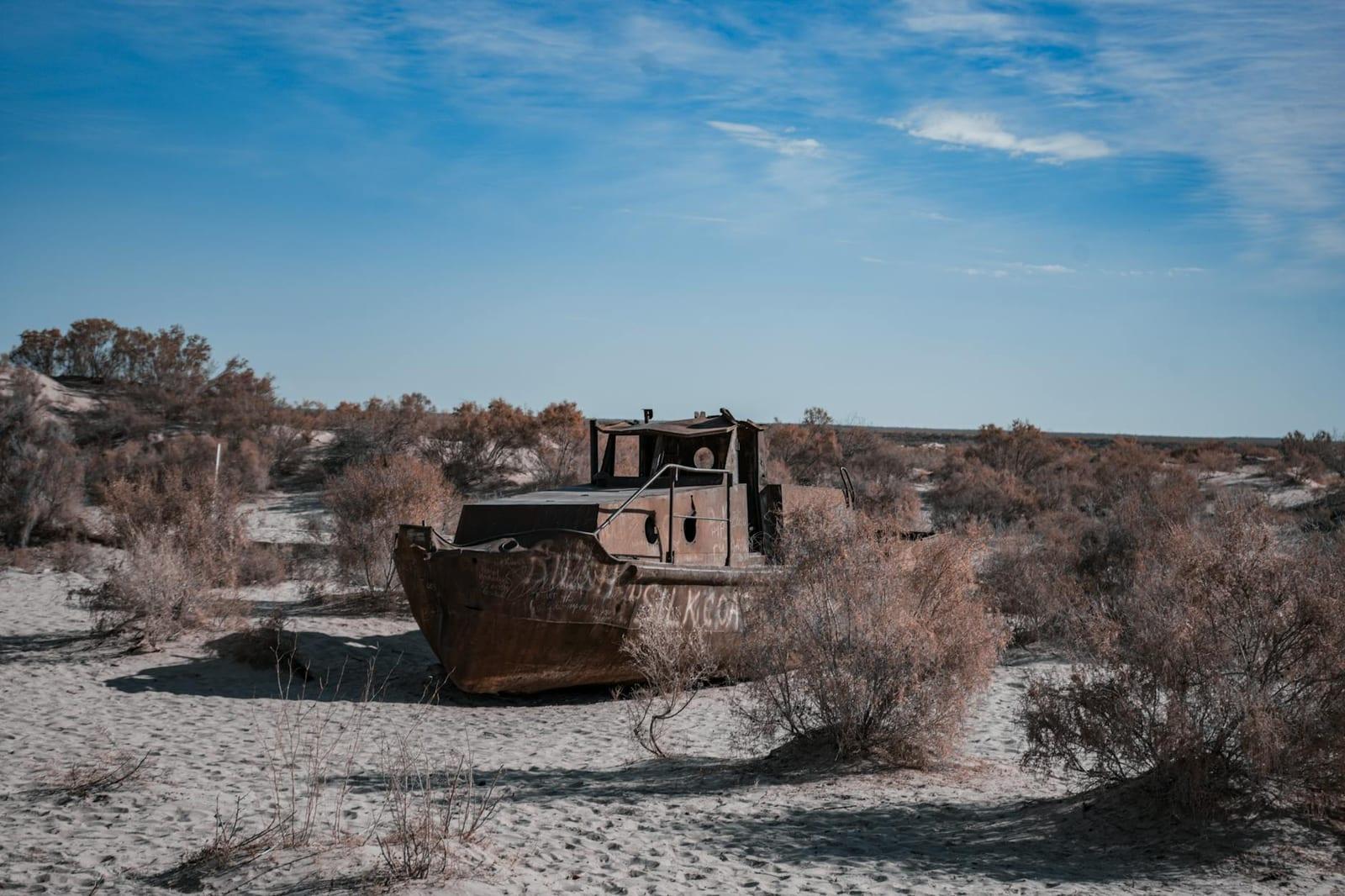
The natural world of Uzbekistan encompasses some beautiful Central Asian scenery (in addition to bizarre vistas such as the environmentally devastated Aral Sea). In the far east, Uzebkistan rises to formidable spurs of the Tian-Shan Mountains along the Tajikistan border, topping out at 15,233-foot Khazret Sultan (thankfully, no longer euphoniously named “Peak of the 22nd Congress of the Communist Party”). Ugam-Chatkal National Park, Hisar National Reserve, Nuratau Nature Reserve, and other mountain parks showcase this high country.
Despite its questionable politics, Uzbekistan is a prime draw for any history buff and certainly anyone intrigued by the cultural and ethnic fabric of Central Asia. Gazing upon the domes and spires of Samarkand or Bukhara summons the exoticism of the Silk Road—enticement enough for some travelers. Follow your whim for adventure to the depths of the Eurasian continent, and then open yourself to an authentic experience of Uzbek society.
9 things not to miss.
- inside Khiva's Itchan Kala wallsWalk inside Khiva's Itchan Kala walls
- SamarkandOnetime capital of the Timurid Dynasty, the Silk Road city of Samarkand is one of Central Asia’s greatest historical sites.
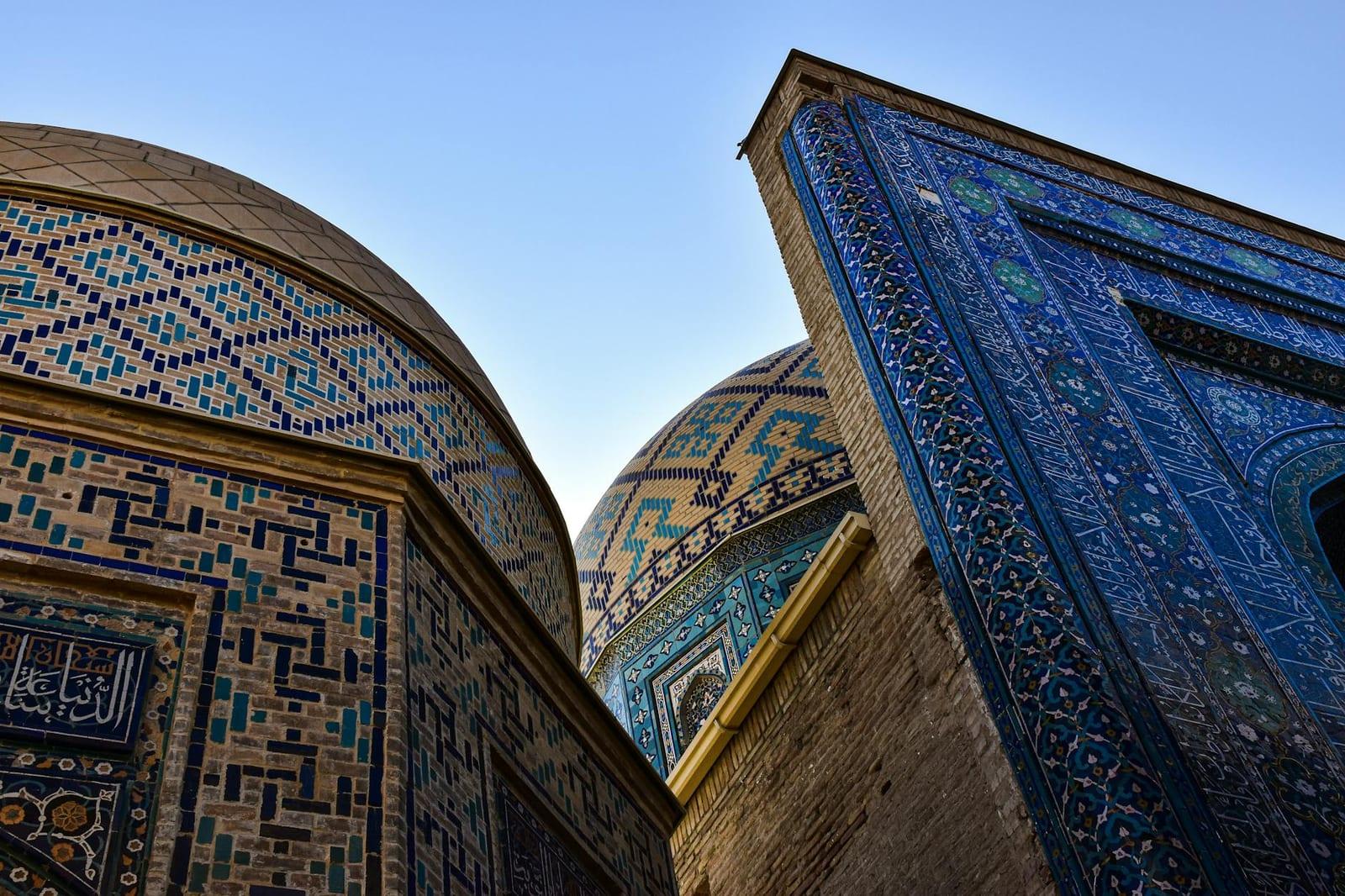
- BukharaWith its beautiful mosques, madrasas, and mausoleums, Bukhara is, according to UNESCO, Central Asia’s best-preserved medieval city.
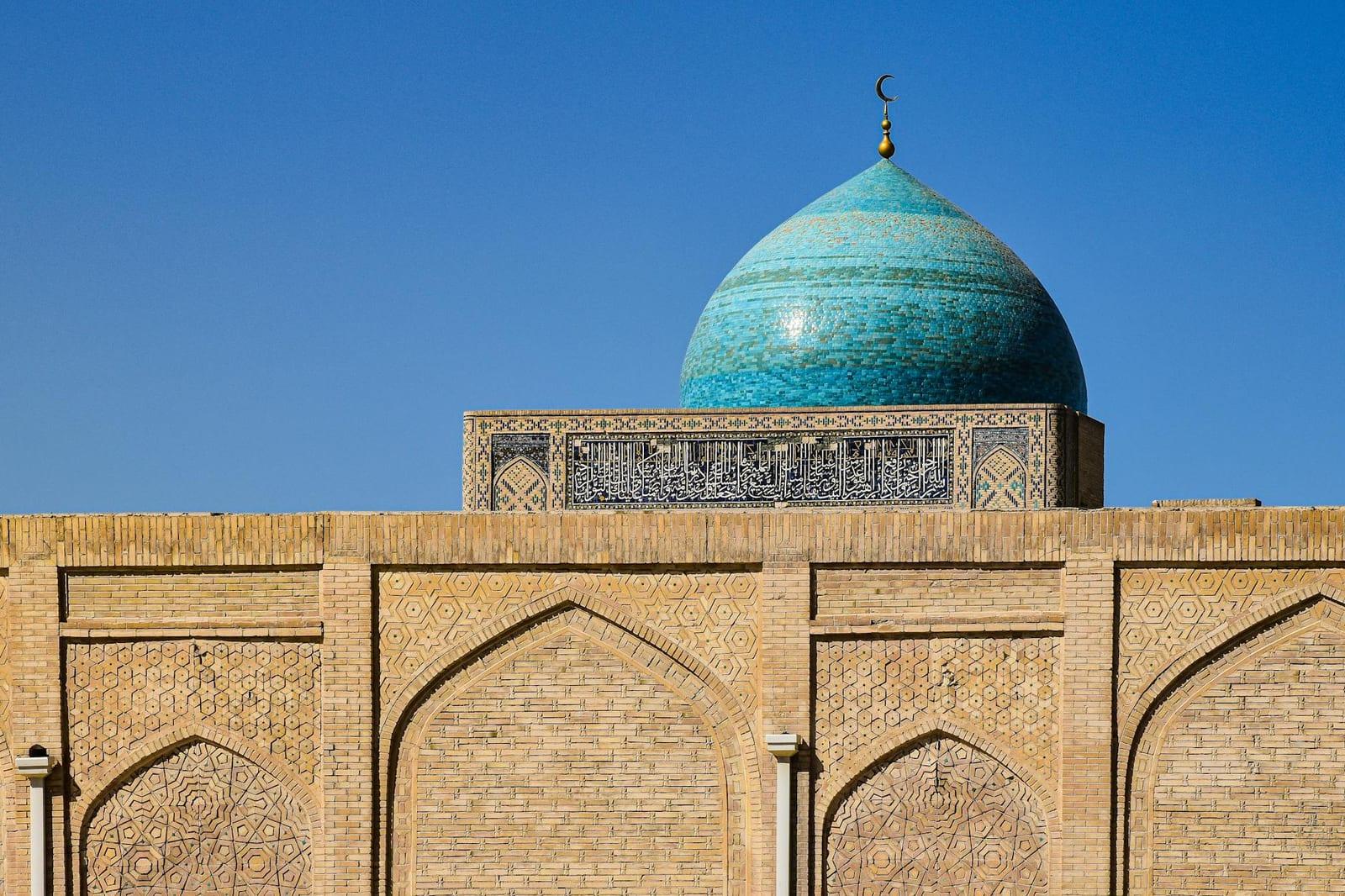
- Itchan KalaThe city of Khiva’s centuries-old walled center, a World Heritage Site, is like a time capsule.
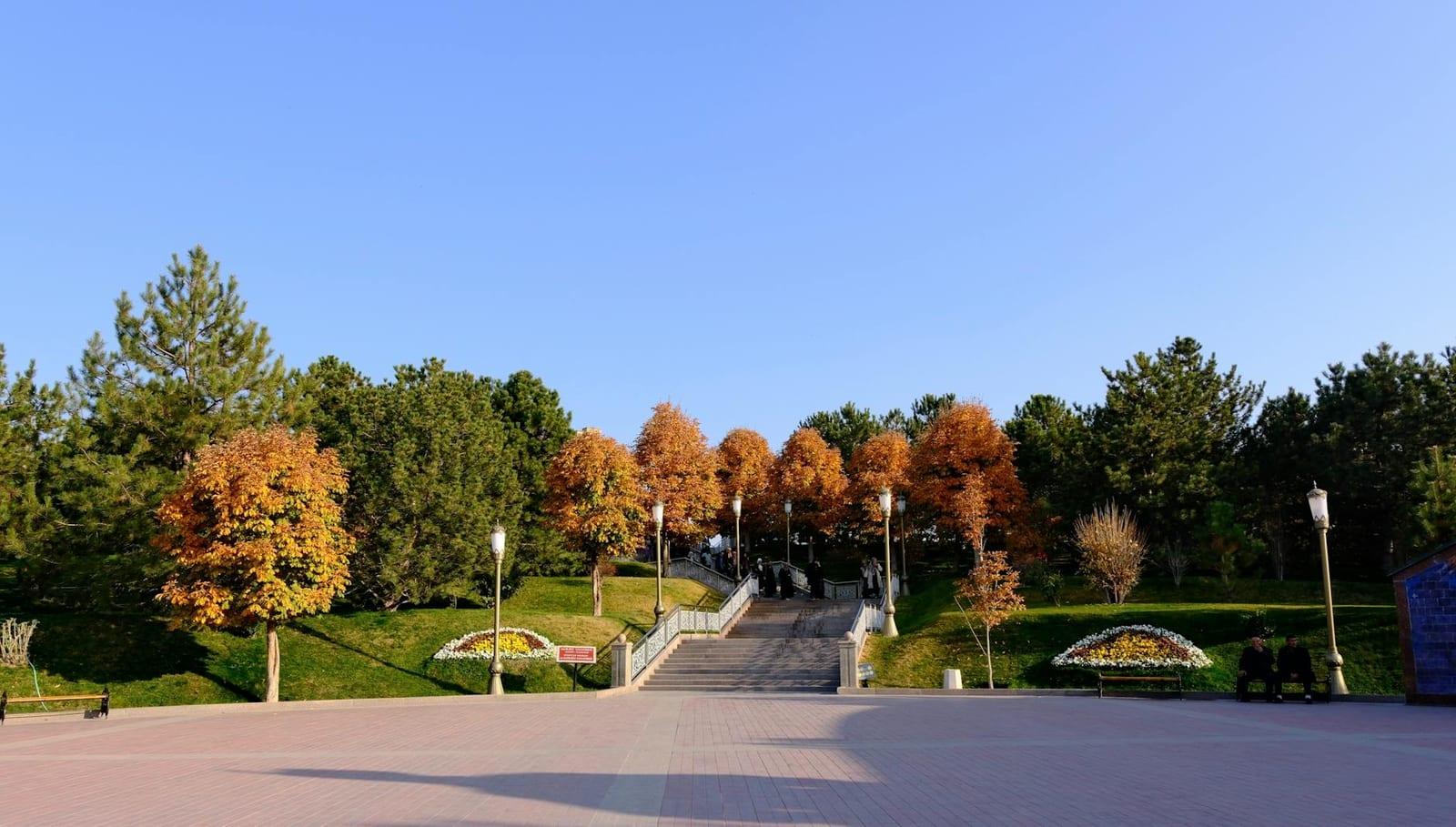
- Ugam-Chatkal National ParkDeep foothill forests rise to snowfields and summits in this lovely and wild Tian Shan preserve.
- Chorsu BazaarExperience a classic Central Asian bazaar firsthand at Tashkent’s sprawling open-air marketplace.
- Kukeldash MadrassaThis 16th-century brick madrassa (an Islamic university) makes a handsome Tashkent landmark.
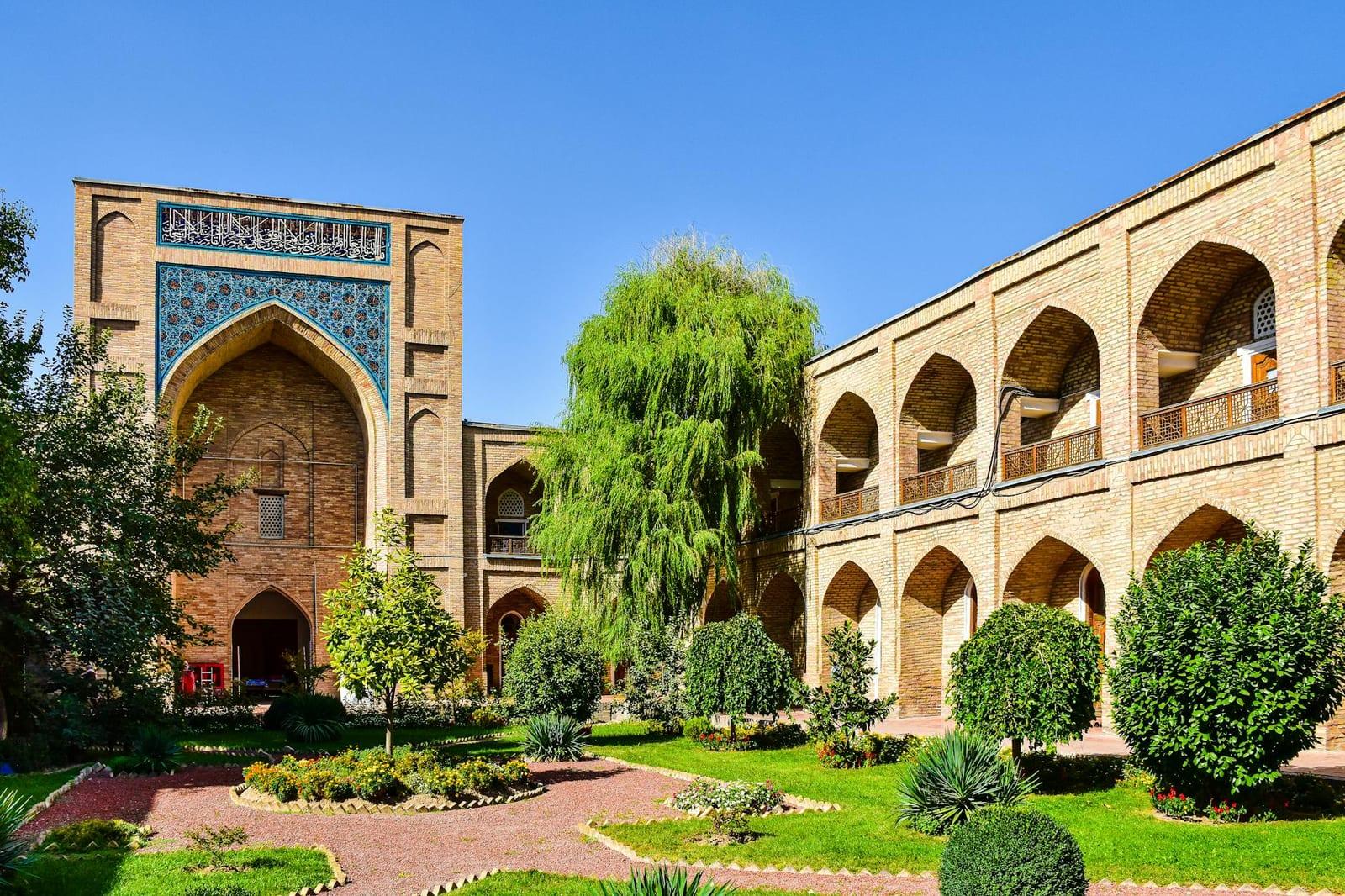
- Mausoleum of Sheikh ZaynudinOriginally built in the 1500s, this mausoleum honors an influential Sufi devotee.
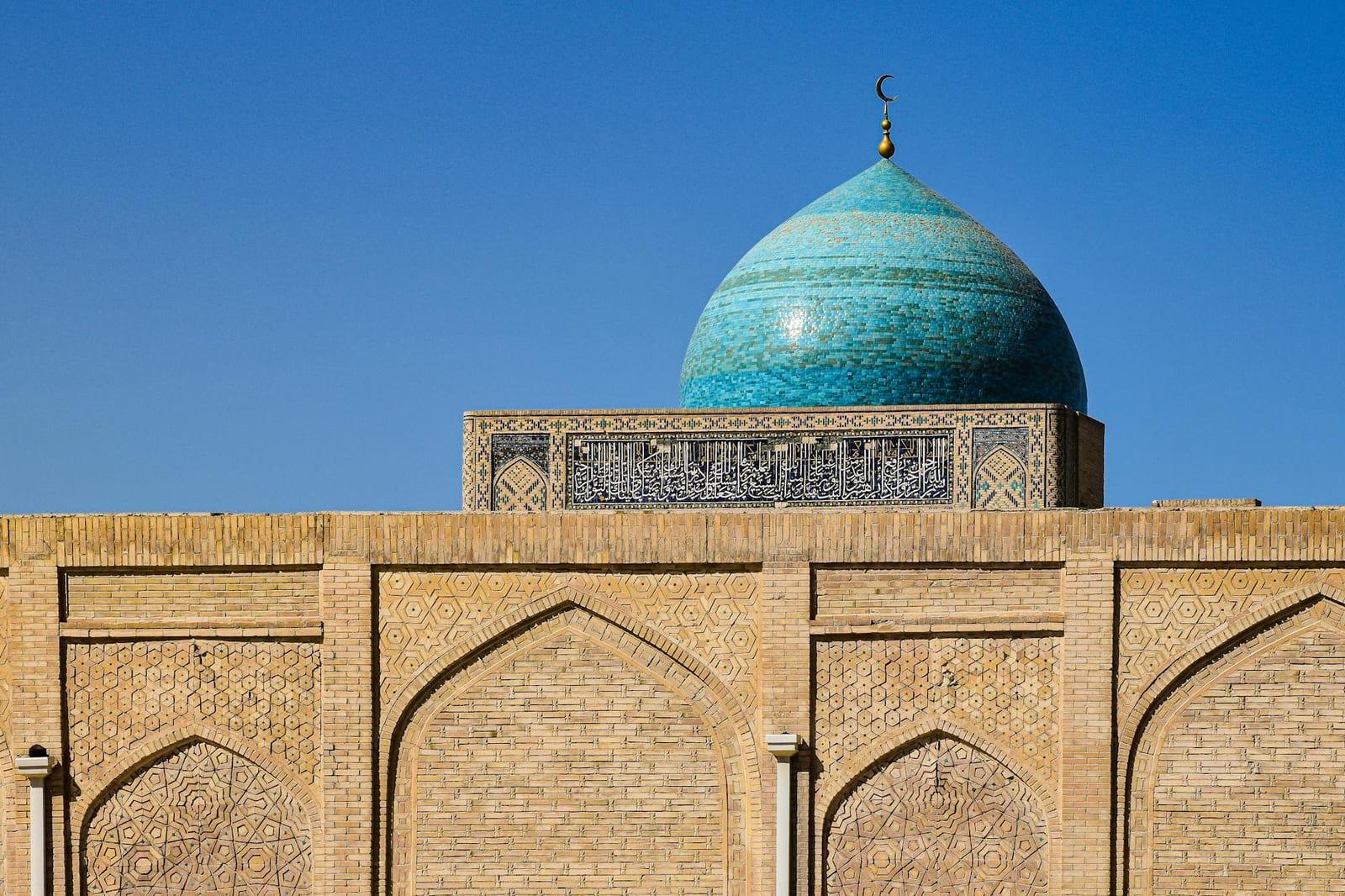
- Aral SeaA sobering example of humankind’s heavy-handedness, this parched lake basin—starved by Soviet diversion projects—is scattered with abandoned ships.