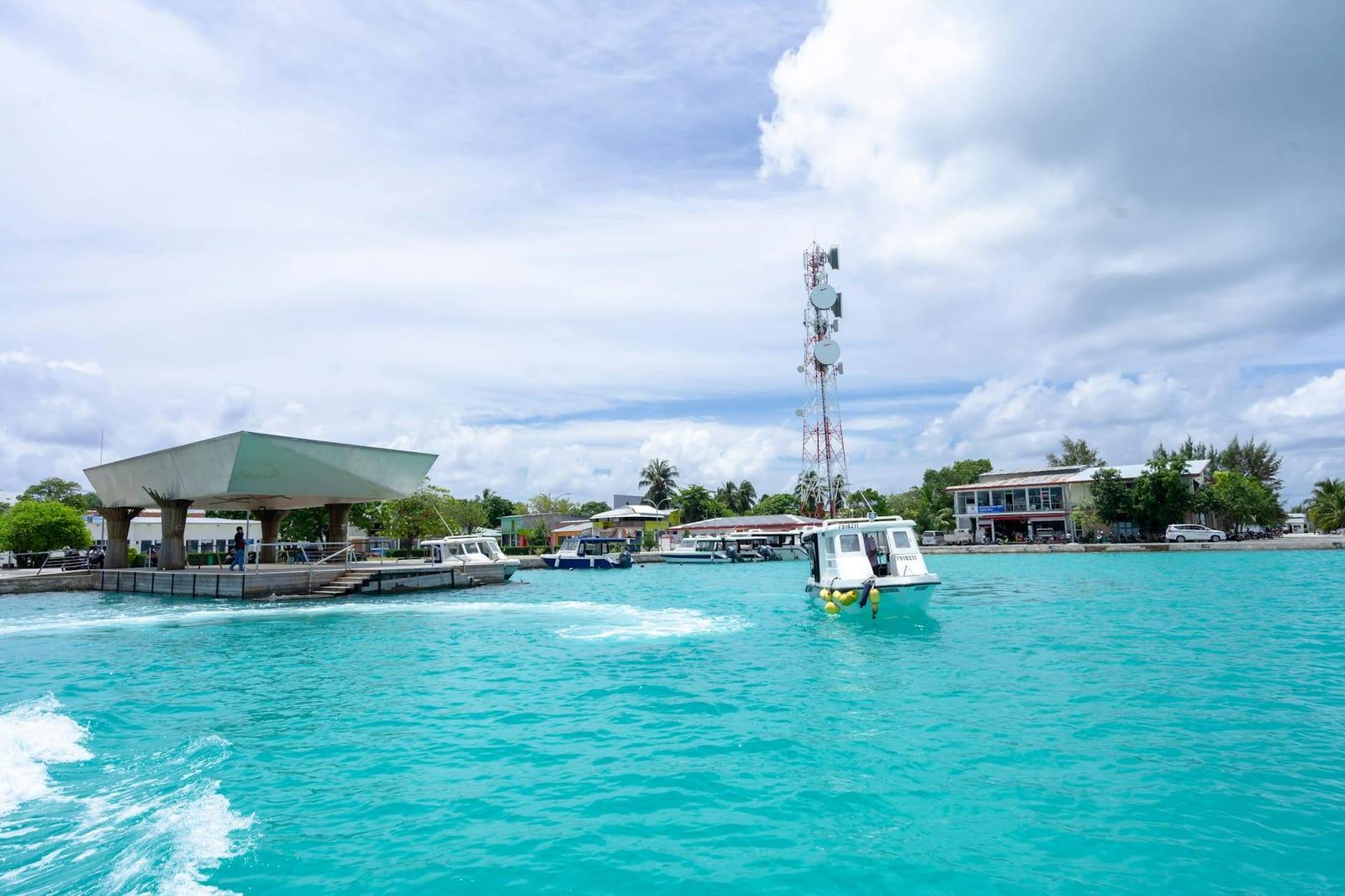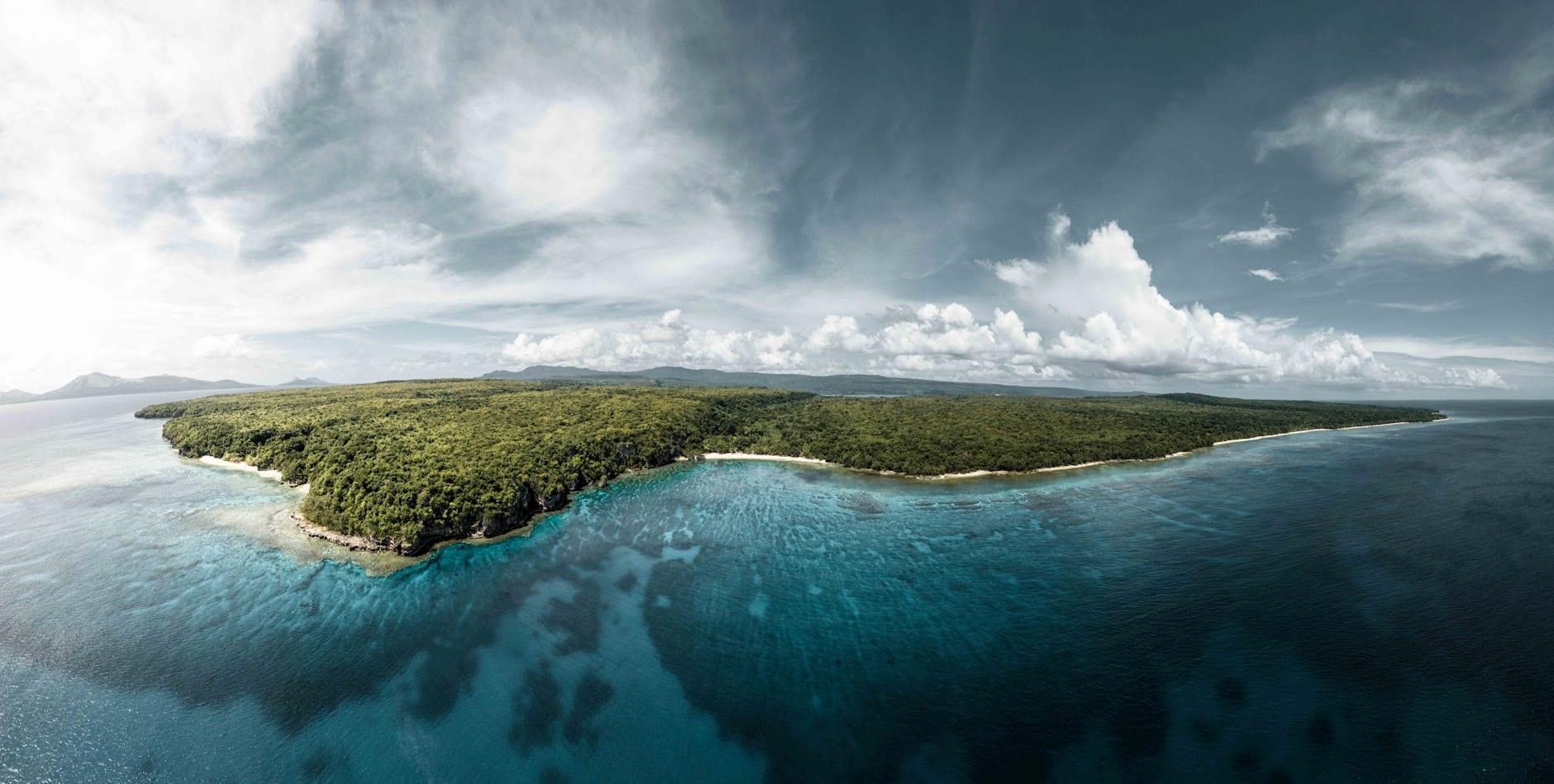
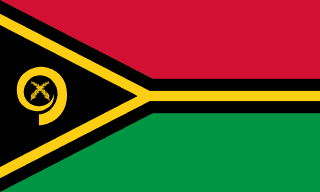
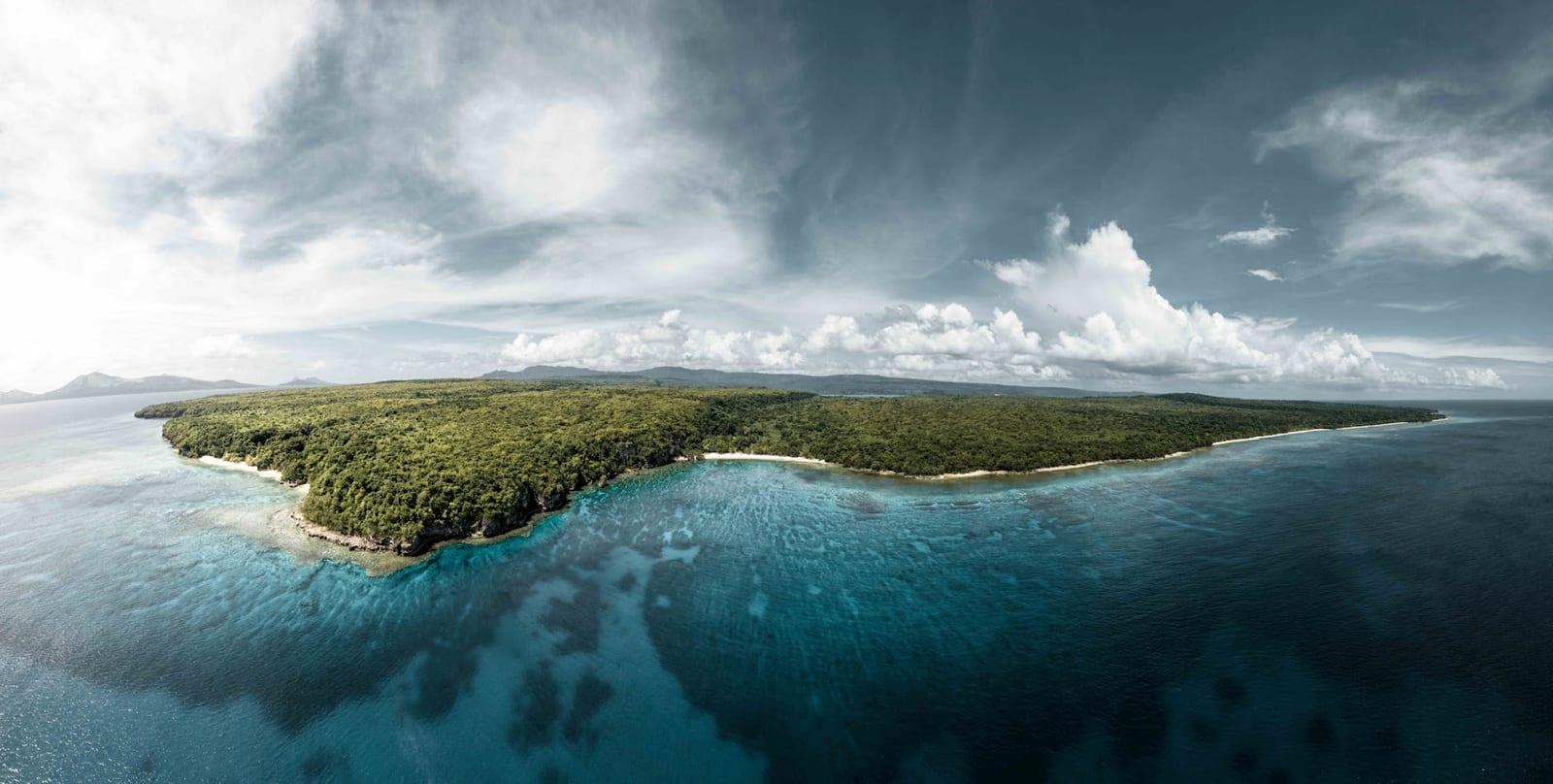
Forged by tectonic and volcanic violence, the 80-some islands of Vanuatu also offer visions of South Pacific serenity. Situated in eastern Melanesia, Vanuatu sprawls across several thousand square miles of ocean. From one of the world’s most active (and approachable) volcanoes to the famously jolly Melanesian islanders, this archipelago presents quite the bounty to anyone making the long trip out.
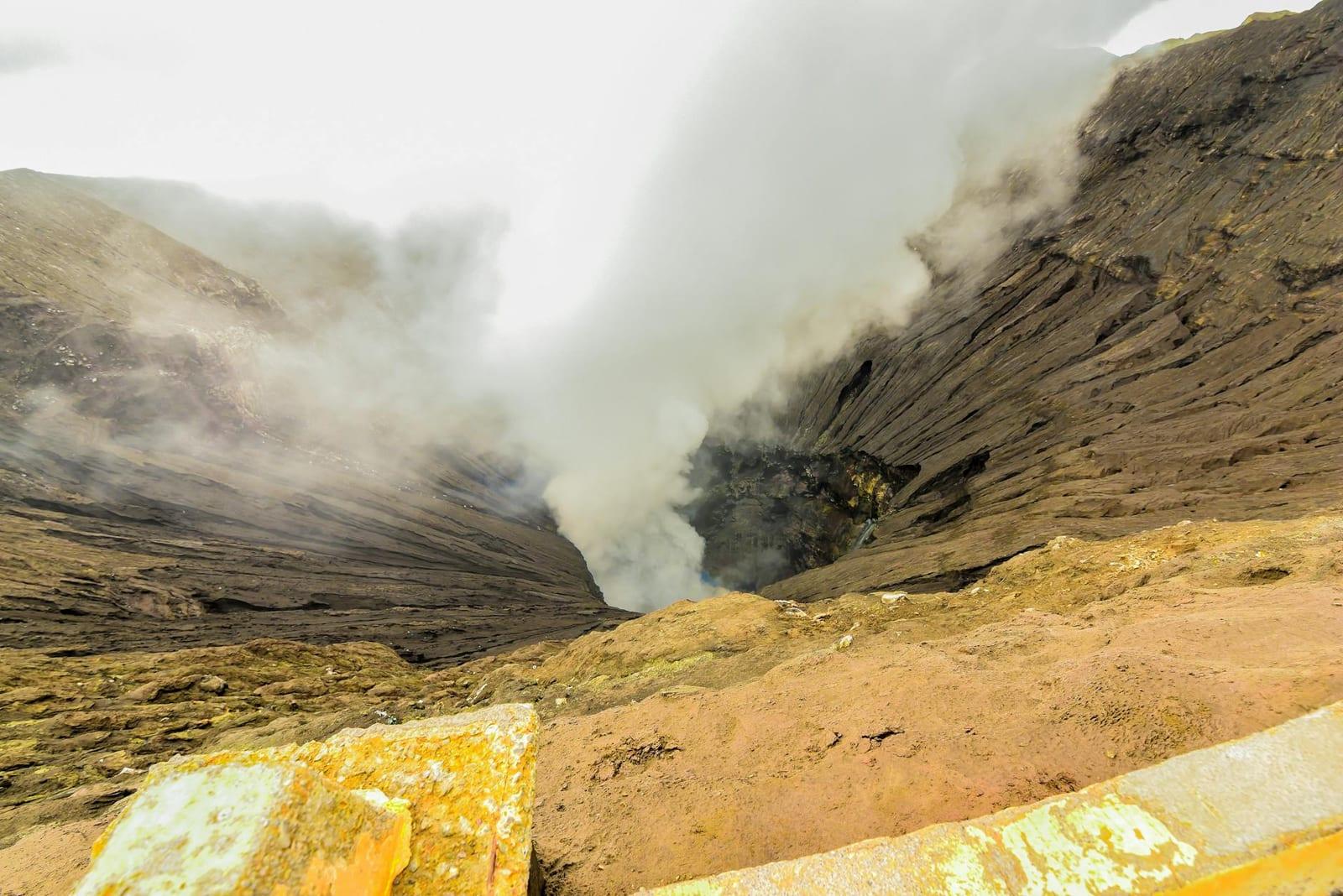
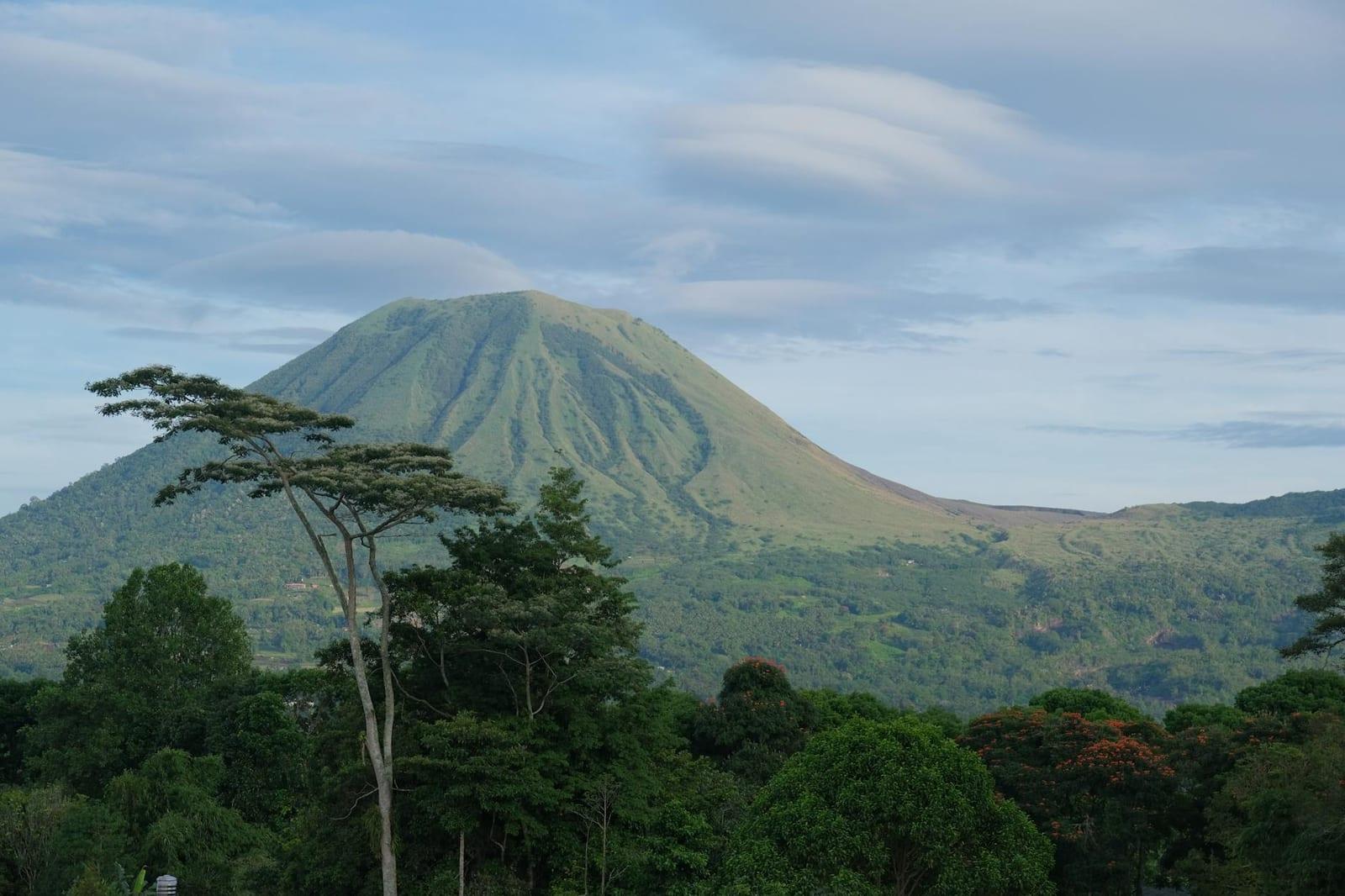
There’s no better spot for appreciating Vanuatu’s volcanically energetic character than at the maw of Mount Yasur on Tanna, which essentially erupts constantly; its emissions, while spectacular, are usually calm enough to permit you to drive to the crater edge for the show, one of the country’s great tourist activities.
Where it hasn’t been cleared, lush lowland and montane rainforest cloaks many of Vanuatu’s islands on their windward aspect; while the high volcanic ridges and peaks foster cloud forest. In the drier leeward areas, you’ll find savanna and grassland, while the coasts grade from the casuarina, pandanus, and palms of the littoral forest and rich mangrove swamp to the fringing coral reefs offshore. And be sure to keep your eyes peeled for Vanuatu’s native fruit bats, or flying foxes, surely among the archipelago’s most impressive critters.
Whether amid the duty-free shopping and top notch restaurants of Port Vila or a remote interior village on Espiritu Santo, the native Melanesian peoples—the ni-Vanuatu—are likely to welcome you with a smile, as they’re consistently ranked among the happiest folks on the planet (even in the face of destruction wrought by tropical cyclones such as Pam). Their indigenous heritage—which includes the high-thrills ritual sport of "land diving," practiced by Bunlap men of Pentecost Island—serves as the constant of Vanuatu culture, while the Western influence dates from the 1600s on. Though the Spaniards were first to claim Vanuatu as part of the Spanish East Indies, the chain spent much of the 20th century as a condominium of France and Great Britain—the New Hebrides—before achieving independence in 1980.
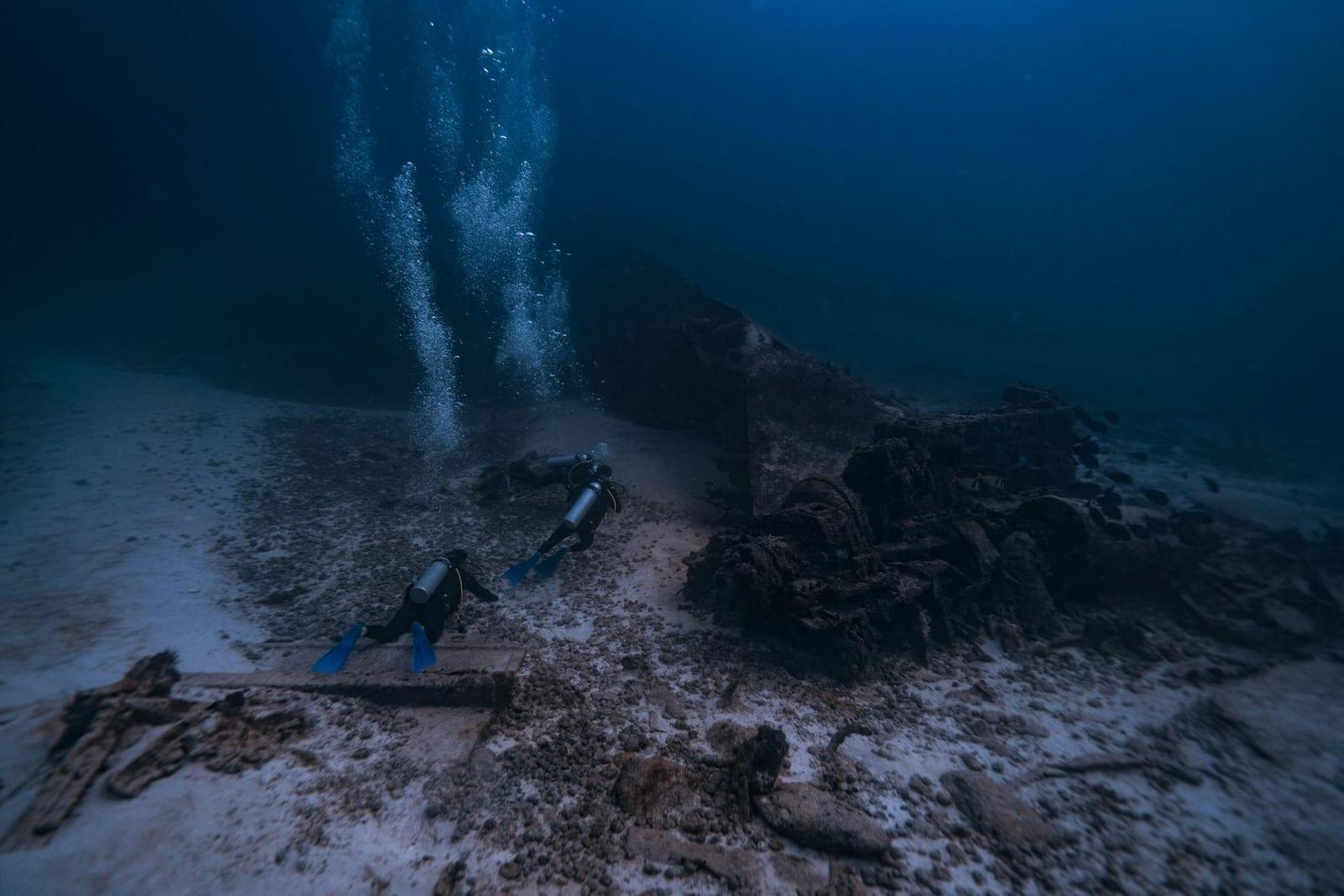
World War II enthusiasts will enjoy strolling and diving amid the military wreckage scattered on the beaches and reefs of Million Dollar Point National Park on Santo. (Santo being, in general, one of the top spots in Vanuatu for beaches, snorkeling, and scuba diving.)
Farflung but accessible, Vanuatu has enough diversity to appeal to just about anyone—whether it’s hiking, sunbathing, diving, or an eye-opening look at traditional ni-Vanuatu customs that most appeals to you. (Or just embrace all of them)
9 things not to miss.
- Mount Yasur — accessible active volcanoClimb Mount Yasur — accessible active volcano
- Dive the SS President CoolidgeDive the SS President Coolidge
- Spend a day in a kastom villageSpend a day in a kastom village
- Mount YasurTanna Island’s vigorous volcano, basically always erupting, is easy to reach and usually safe to view up-close.
- Million Dollar PointThe waters off this coastal park are littered with vintage equipment and wreckage dumped after World War II.
- Ekasup Cultural VillageFrom basket-weaving to dancing, get to know traditional Vanuatu culture with a visit to this well-run interpretive site.
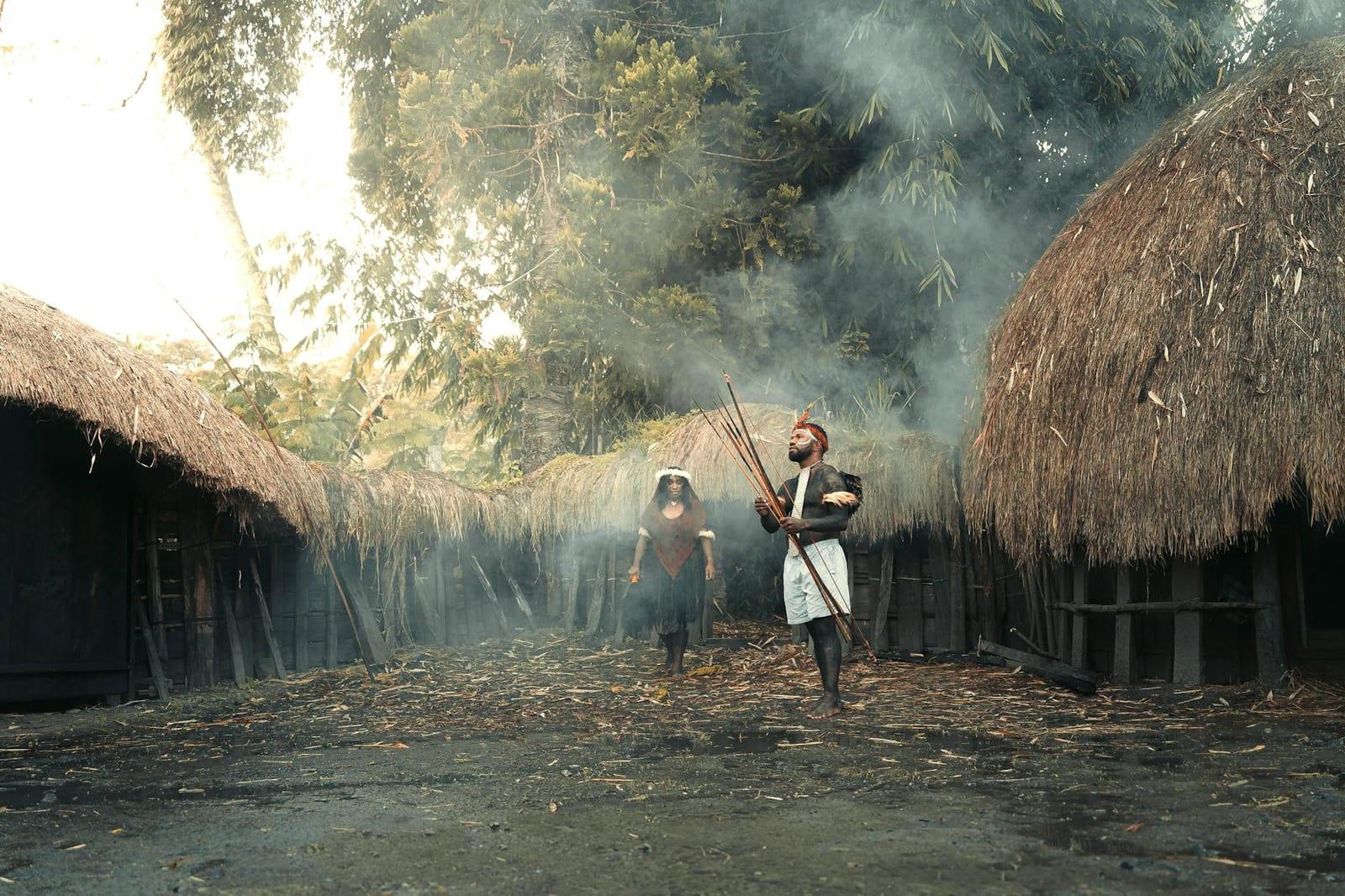
- Vanuatu Cultural CentreSituated in the capital of Port Vila, the center includes the National Museum and other attractions.
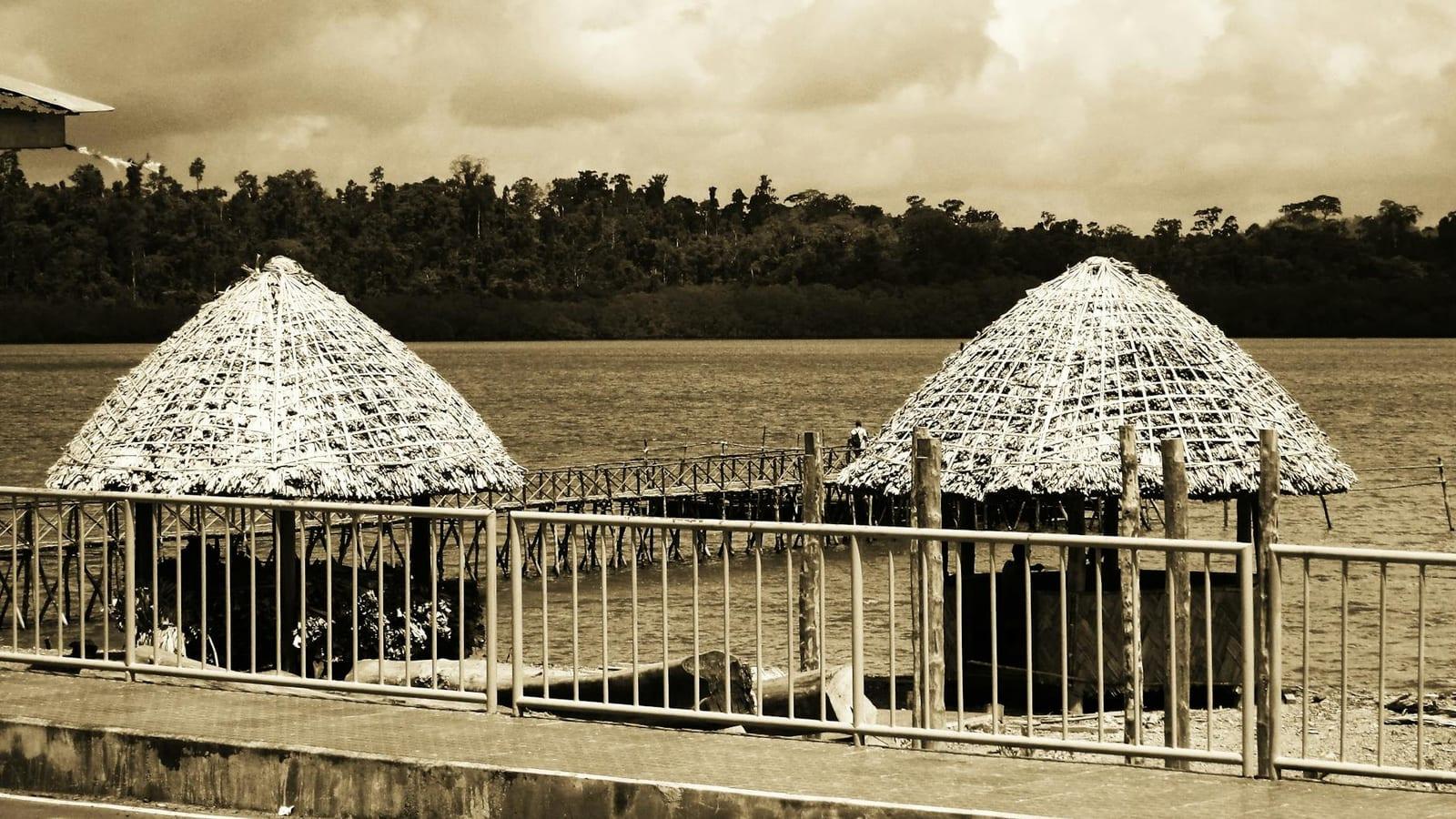
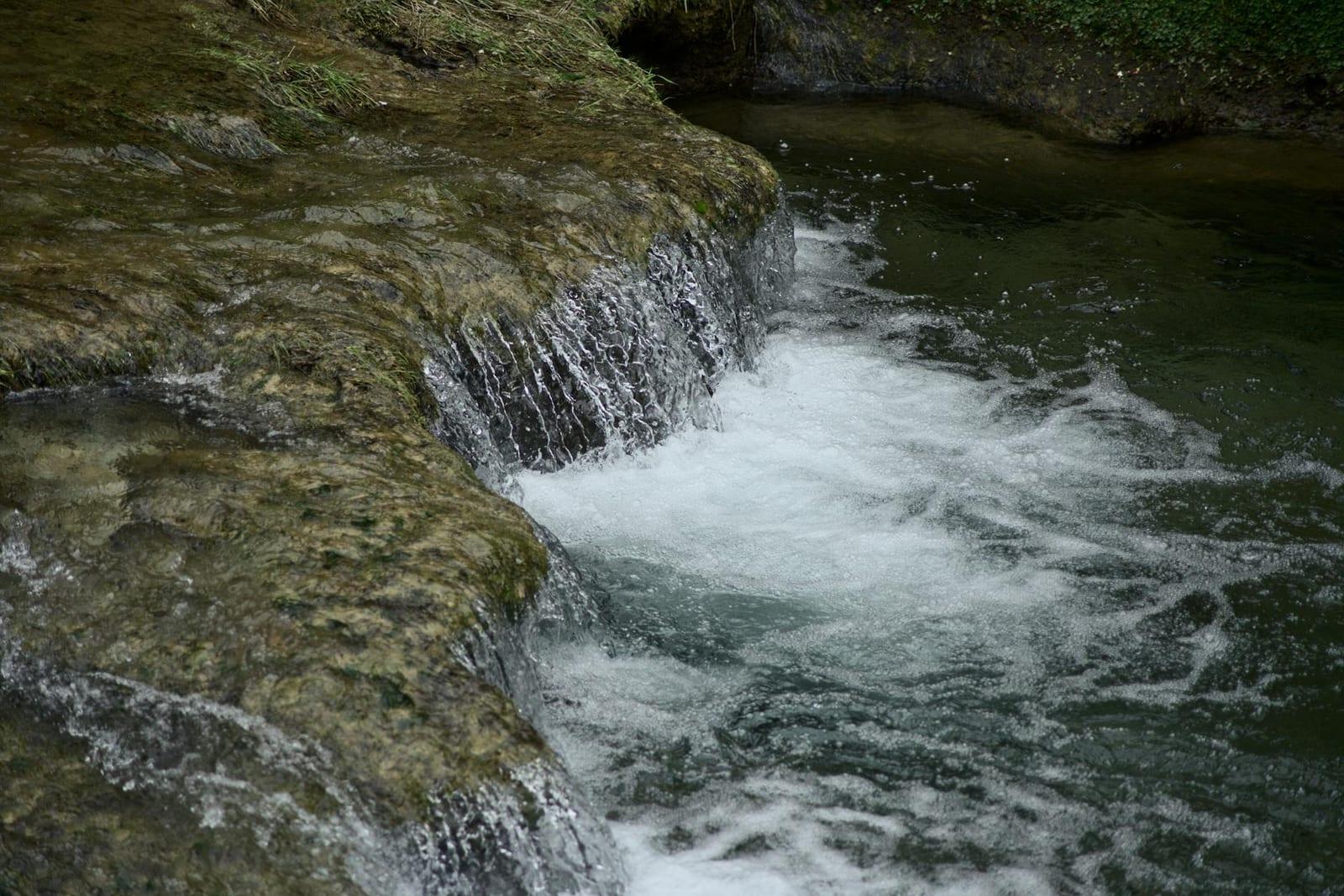
- Mele CascadesConvenient to Port Vila, these spring-fed waterfalls offer paradise-worthy soaks in their swimming holes.
- Pentecost IslandThis island is best known to the wider world for the extreme sport of land-diving, basically bungee-jumping with vines.