Venezuela can be rough around the edges: As of mid-2015 the U.S. government is still warning its citizens about traveling in the country on account of the depressingly high homicide rate. However, for tourists willing to brave the grittiness, some of South America’s most gorgeous—and wildest—landscapes await.
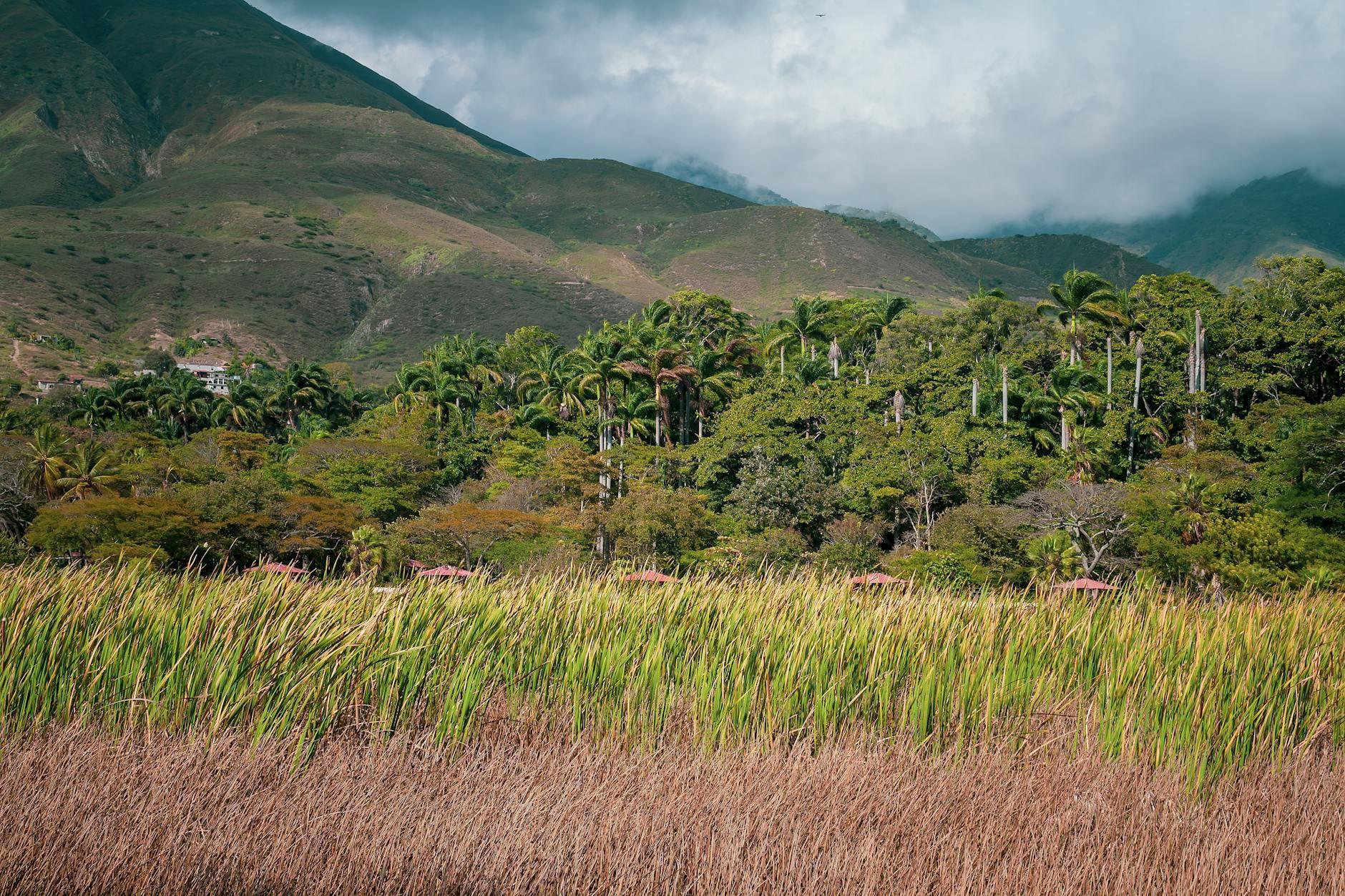
One great attraction of Venezuela, roughly twice the size of California, is its geographic variety. There are sublime beaches and fortress-like mangrove swamps along the Caribbean coastline; the northeasternmost peaks of the mighty Andes, culminating in 16,332-foot Pico Bolivar, which still claims a few fast-dwindling tropical glaciers; the wide-open marshy grasslands and savannas of the Llanos; and the evocative table mountains, or tepuis, looming on the Guiana Highlands. And within those diverse landscapes are some superlative landmarks: the Orinoco River and its delta, one of the mightiest drainages in South America; Lake Maracaibo, by some measures the continent’s biggest lake and site of the spectacularly relentless Catatumbo lightning storms; and 3,212-foot-tall Angel Falls (Churun Meru), which drops off the sheer edge of Auyán-tepui, and is one of the planet’s most spectacular cataracts.
In other words, anyone with a passion for tropical ecology and magnificent scenery has a lifetime’s worth of explorations on tap in Venezuela. Canaima National Park is one of the finest destinations in the country, protecting Angel Falls and a number of gorgeous tepuis. On the coast, meantime, Morrocoy National Park reveals the Venezuelan Caribbean at its most glorious, stretching from dense mangroves and heaven-sent beaches to farflung cays and reefs. You can explore a breathtaking sweep of the northeastern Andes in Sierra Nevada National Park; if you’re particularly lucky, you may even glimpse South America’s only ursid and an iconic Andean beast, the spectacled bear.
Venezuela also has some enthralling culture to dig into. The capital of Caracas is beautifully situated and boasts fine museums, art galleries, restaurants, and nightclubs; it’s also busy, traffic-clogged, and—like most large Venezuelan cities—ridden in parts with crime. You can find plenty of spots for paying respects to the national hero, Simón Bolivar, in his hometown—from La Plaza Bolivar to the Museo Bolivariano. In a country of ethnic fusion—most Venezuelans are mestizos or mulattos—there’s excellent food to be had, both in high-end restaurants and chaotic neighborhood markets.
Crime, poverty, civil unrest—Venezuela has its share of societal ills, and many international visitors do their best to steer well clear of them as they beeline to the breathtaking ecological beauty of the country’s parks and reserves. But if you’re cognizant of the risks, street-smart, and (ideally) shown around by some Venezuelan friends, the more populated urban quarters certainly have their own enchantments.
14 things not to miss.
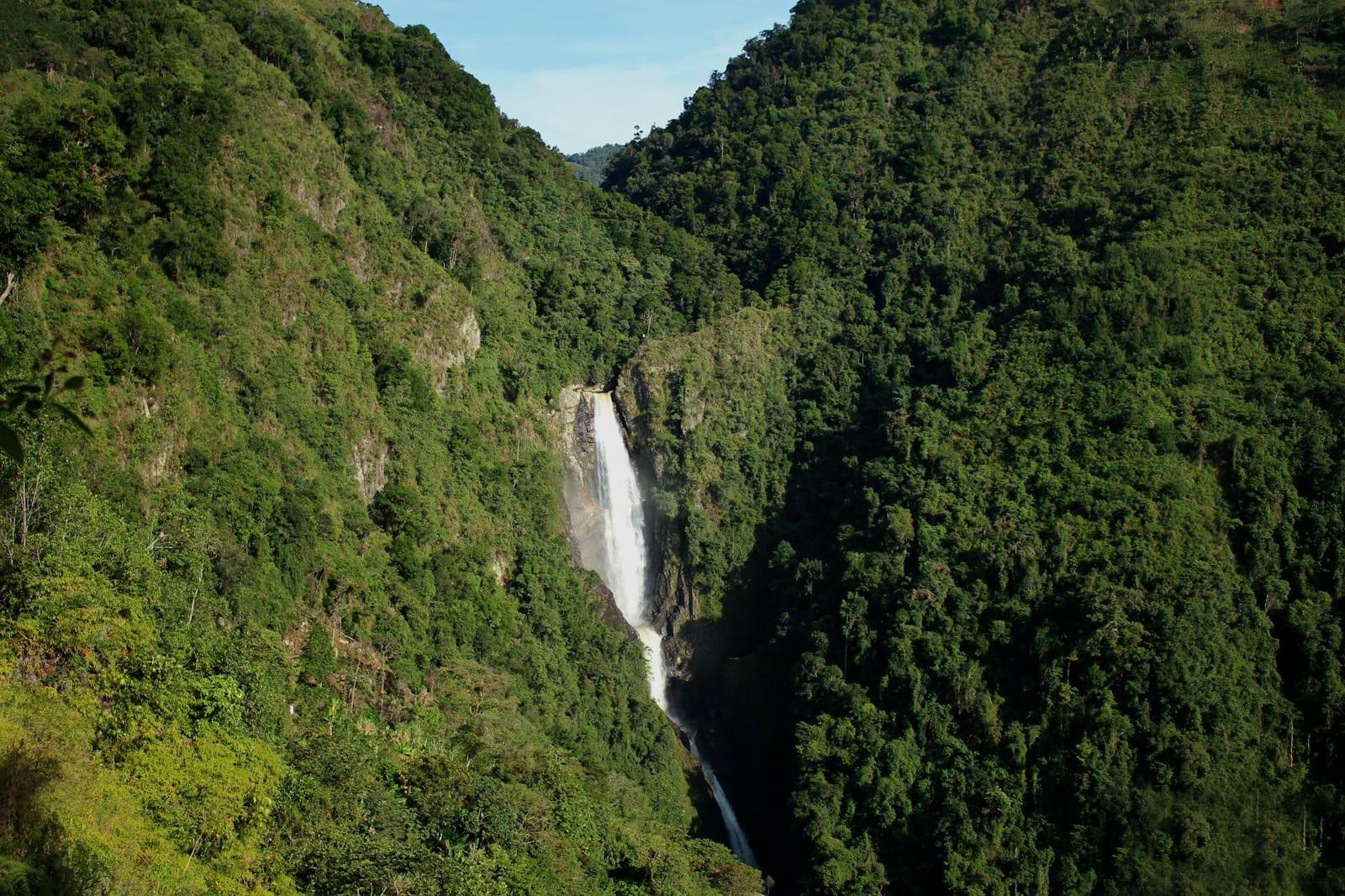
- Salto Ángel — world's tallest waterfallStand at Salto Ángel — world's tallest waterfall
- the tepuis of RoraimaTrek the tepuis of Roraima
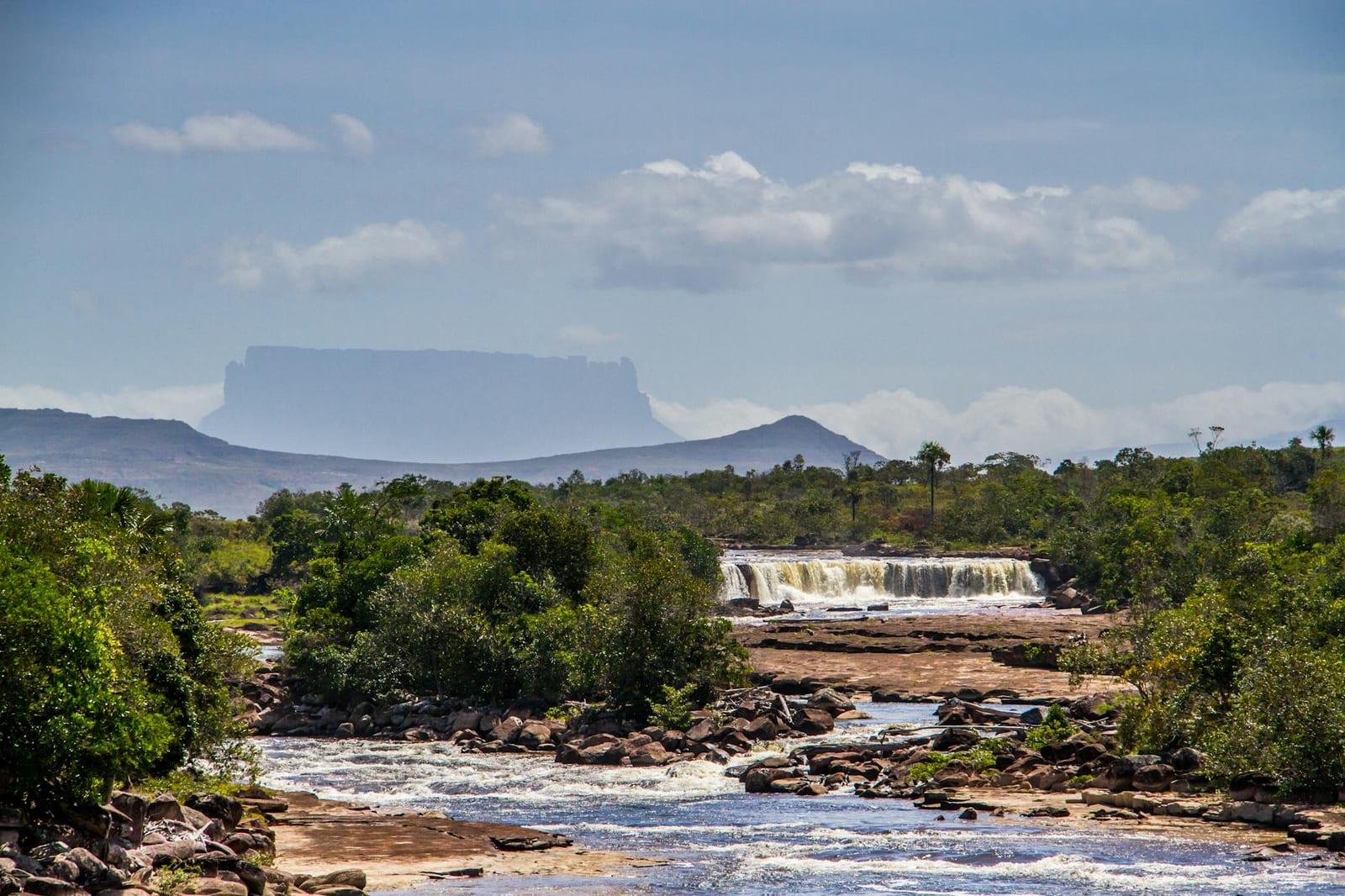
- Orinoco deltaBoat the Orinoco delta
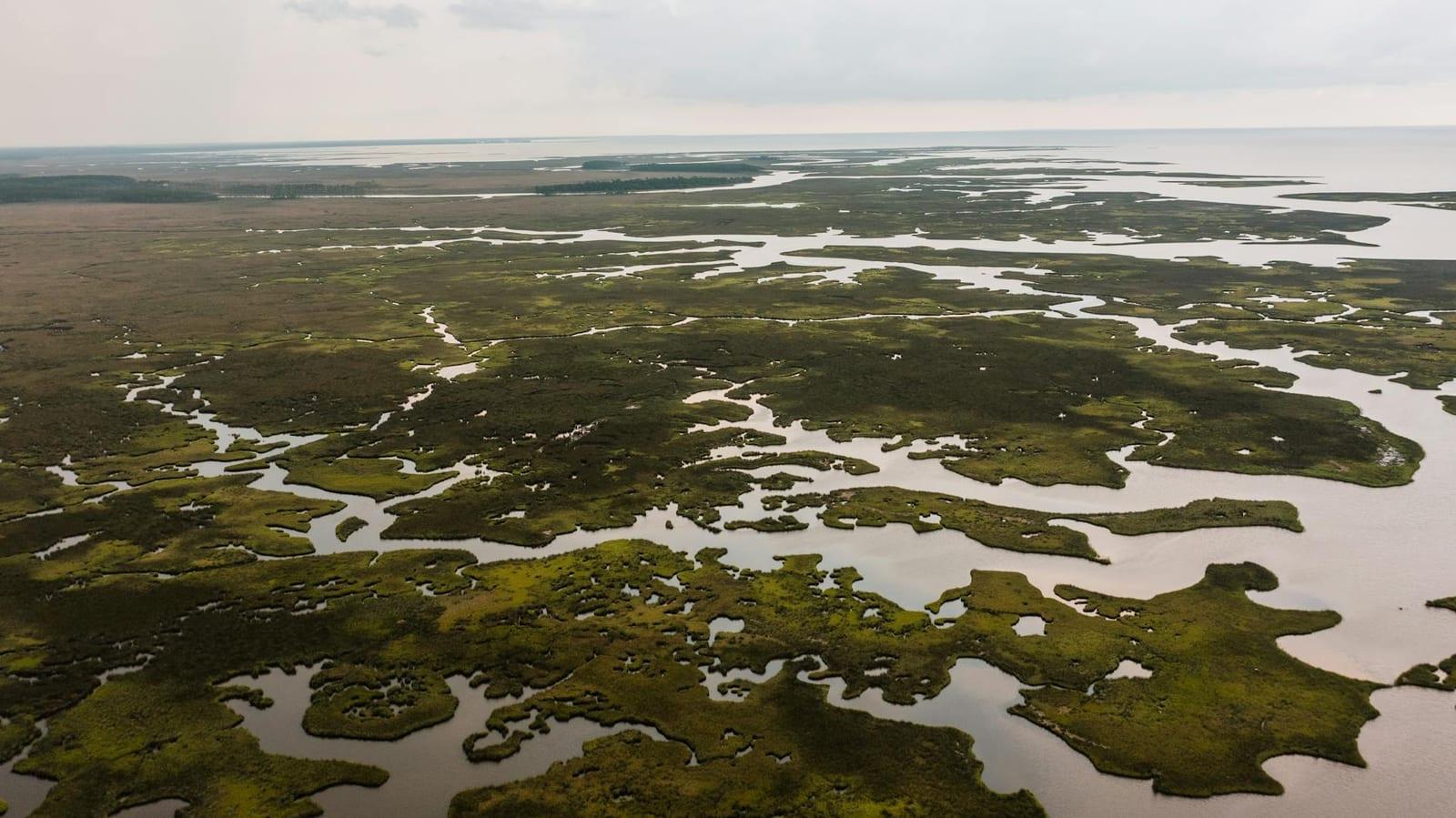
- Medanos de Coro
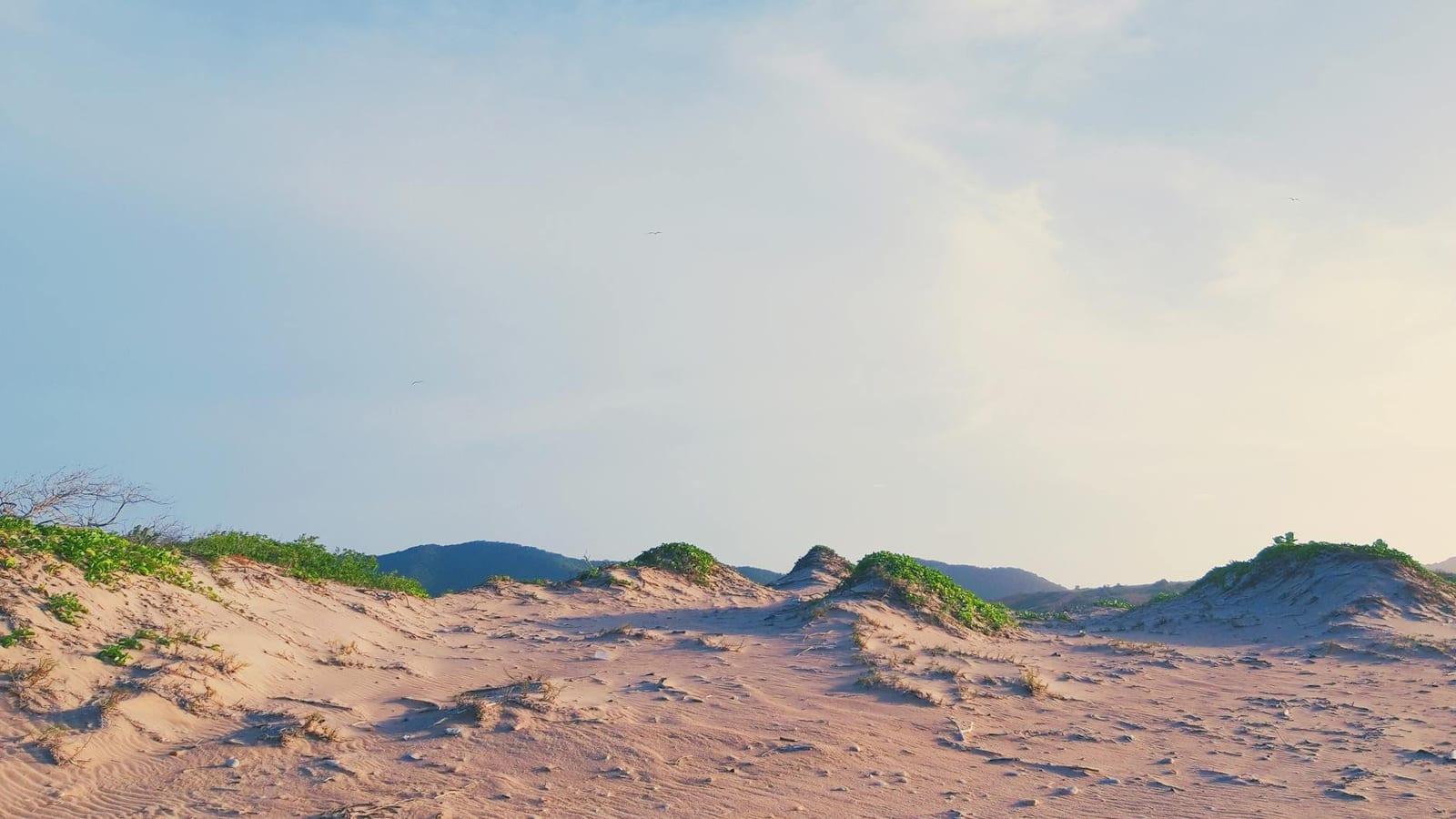
- Angel Falls
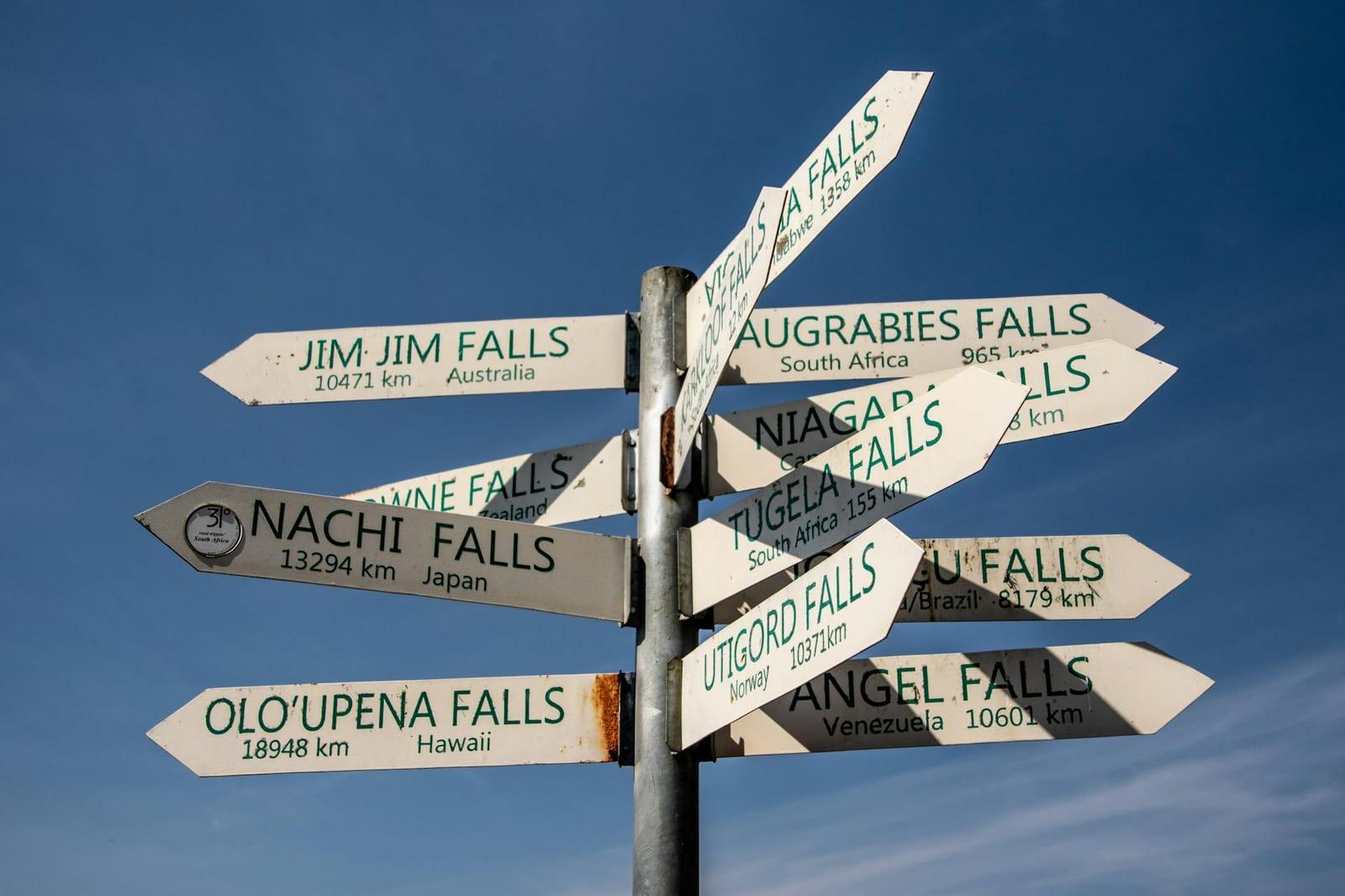
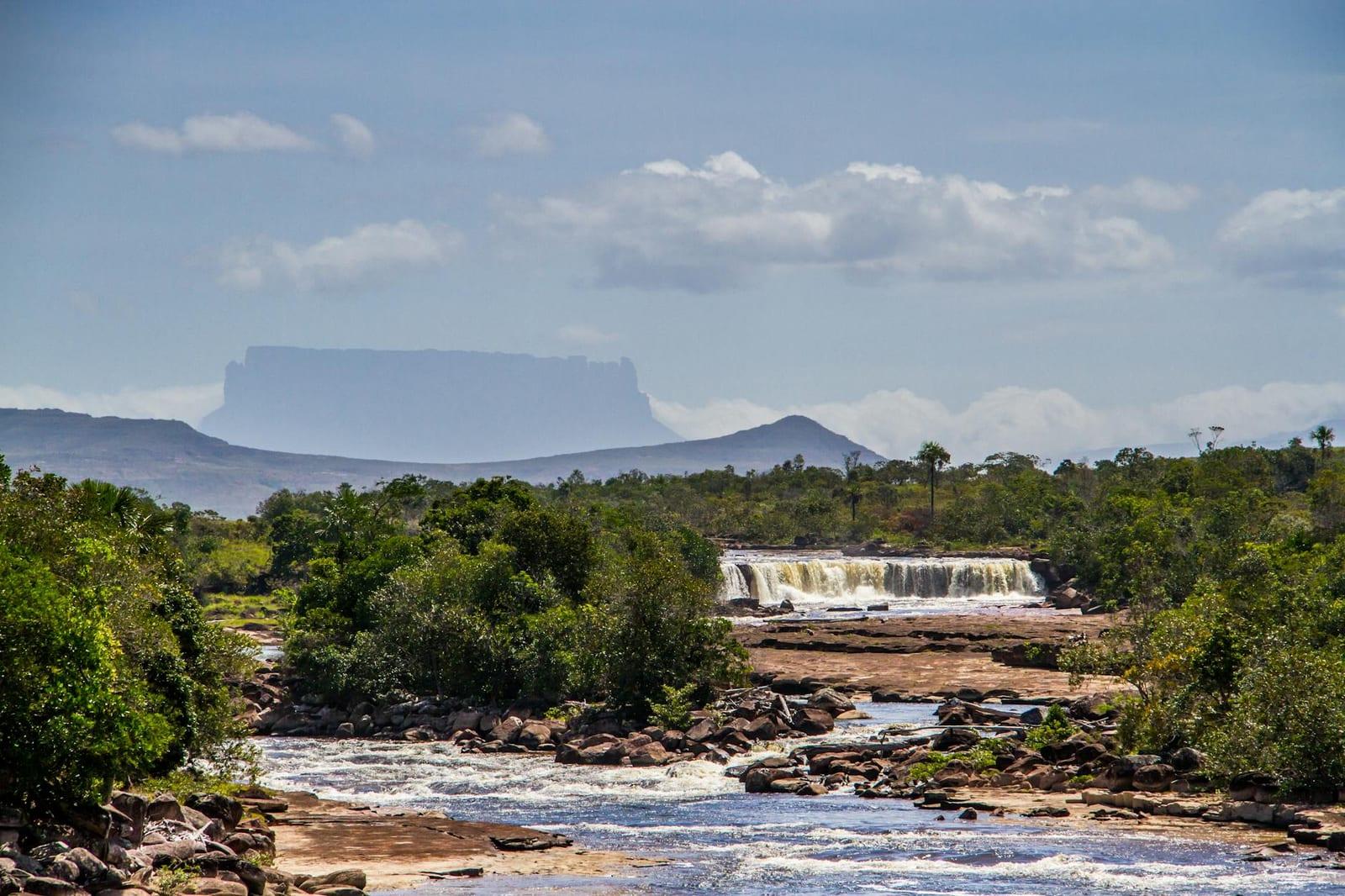
- Mount RoraimaThis huge mesa is arguably the most impressive of the many table mountains, or tepuis, backboning the Guiana Highlands.
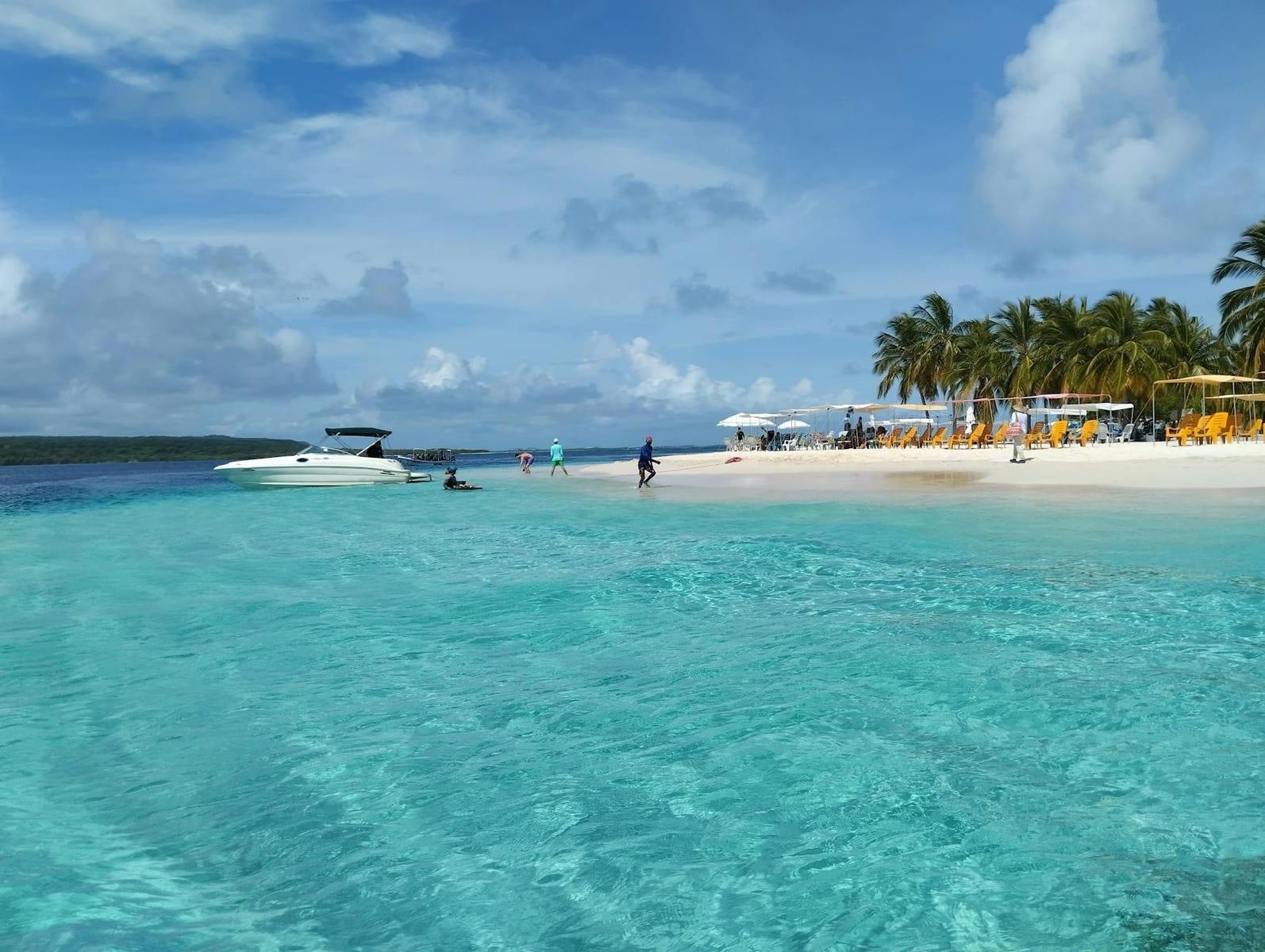
- Morrocoy National ParkCoral reefs, seagrass beds, mangrove swamps, palm forests: This is the Venezuelan Caribbean at its most glorious.
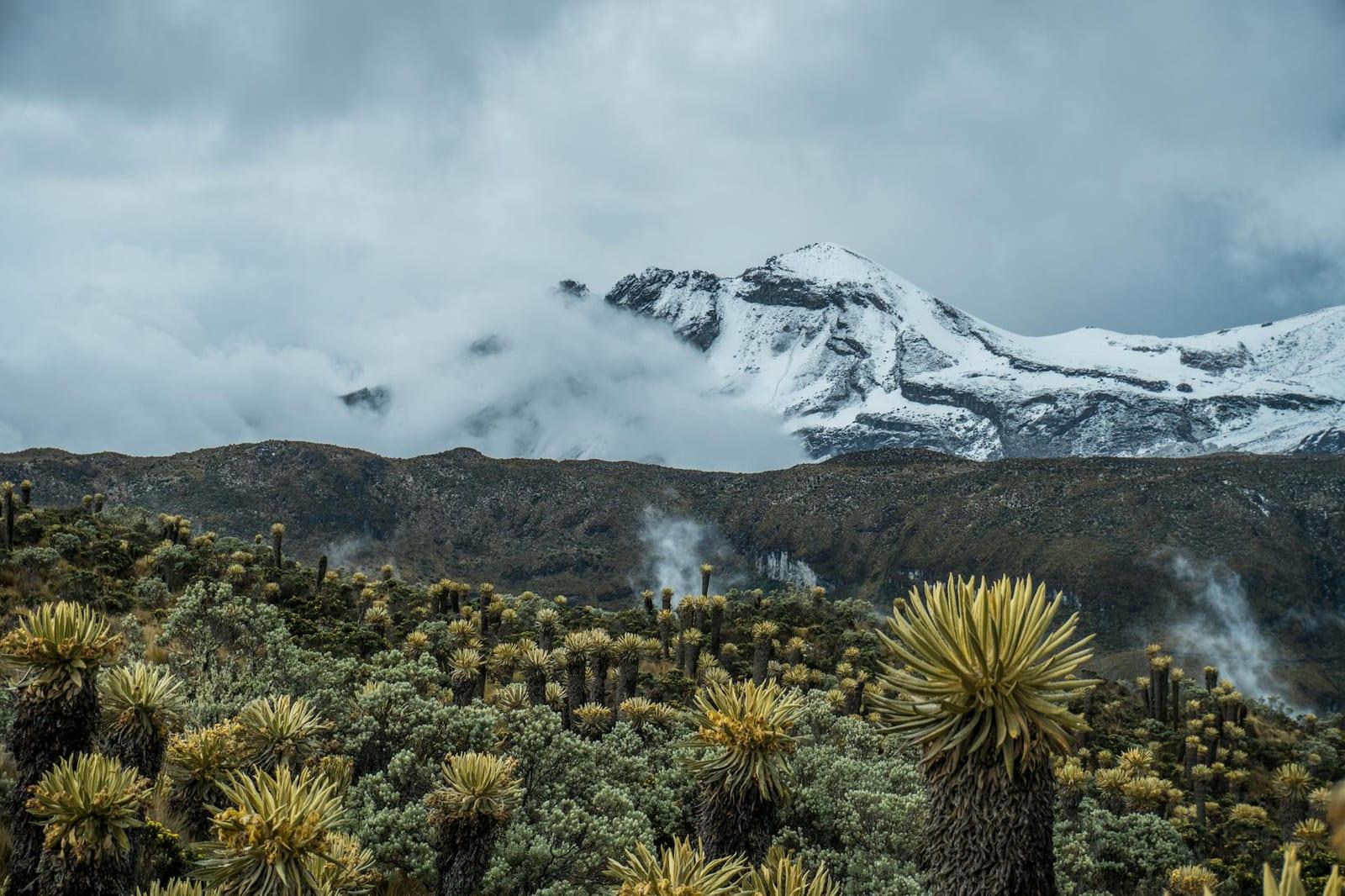
- Sierra Nevada National ParkVenture to the crown of Venezuela amid the snowy peaks of the northeastern Andes, which include 16,342-foot Pico Bolivar.
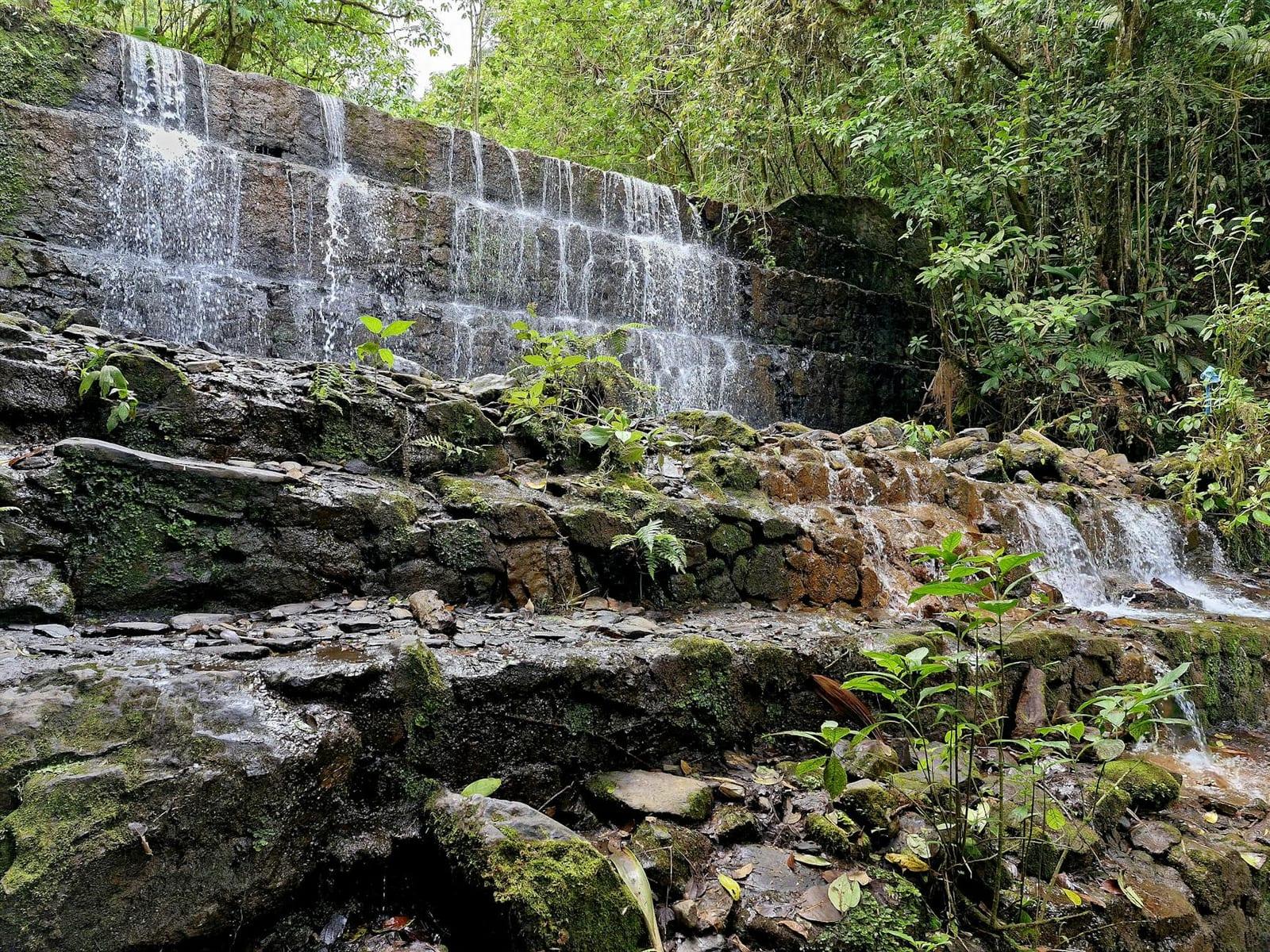
- Henri Pittier National ParkRoam from jaw-dropping beaches to cloud forests in this rugged park fronting the Caribbean coast.
- Lake MaracaiboBy some measures, the most relentless thunderstorms in the world rage over this coastal lake, producing the celebrated Catatumbo Lightning.
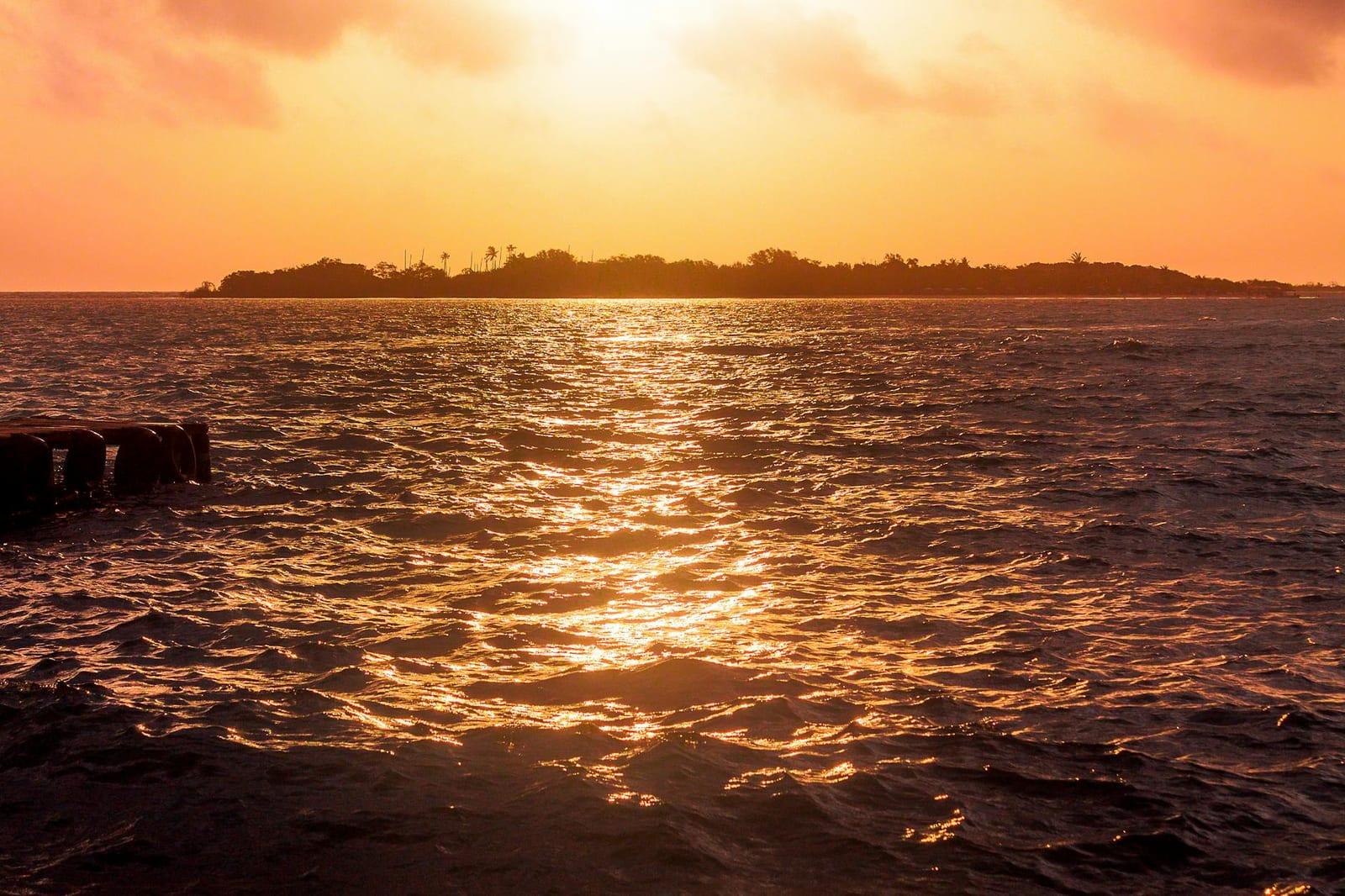
- Caracas CathedralThis Catholic church on Plaza Bolivar has withstood, in one form or another, numerous historical temblors.
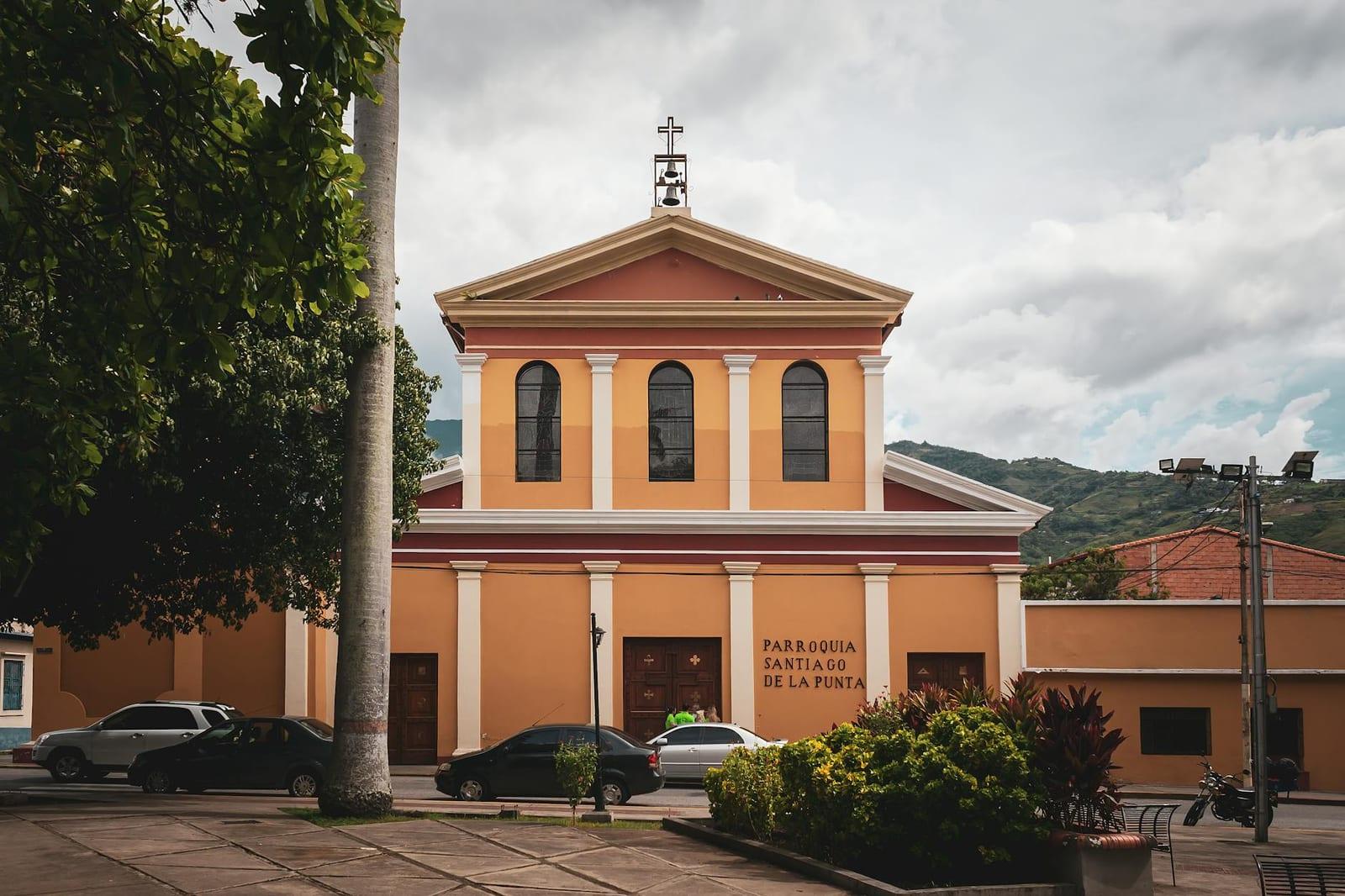
- Museo BolivarianoGet to know Venezuela’s colonial history and the story of its national hero, Simon Bolivar, at this Caracas museum.
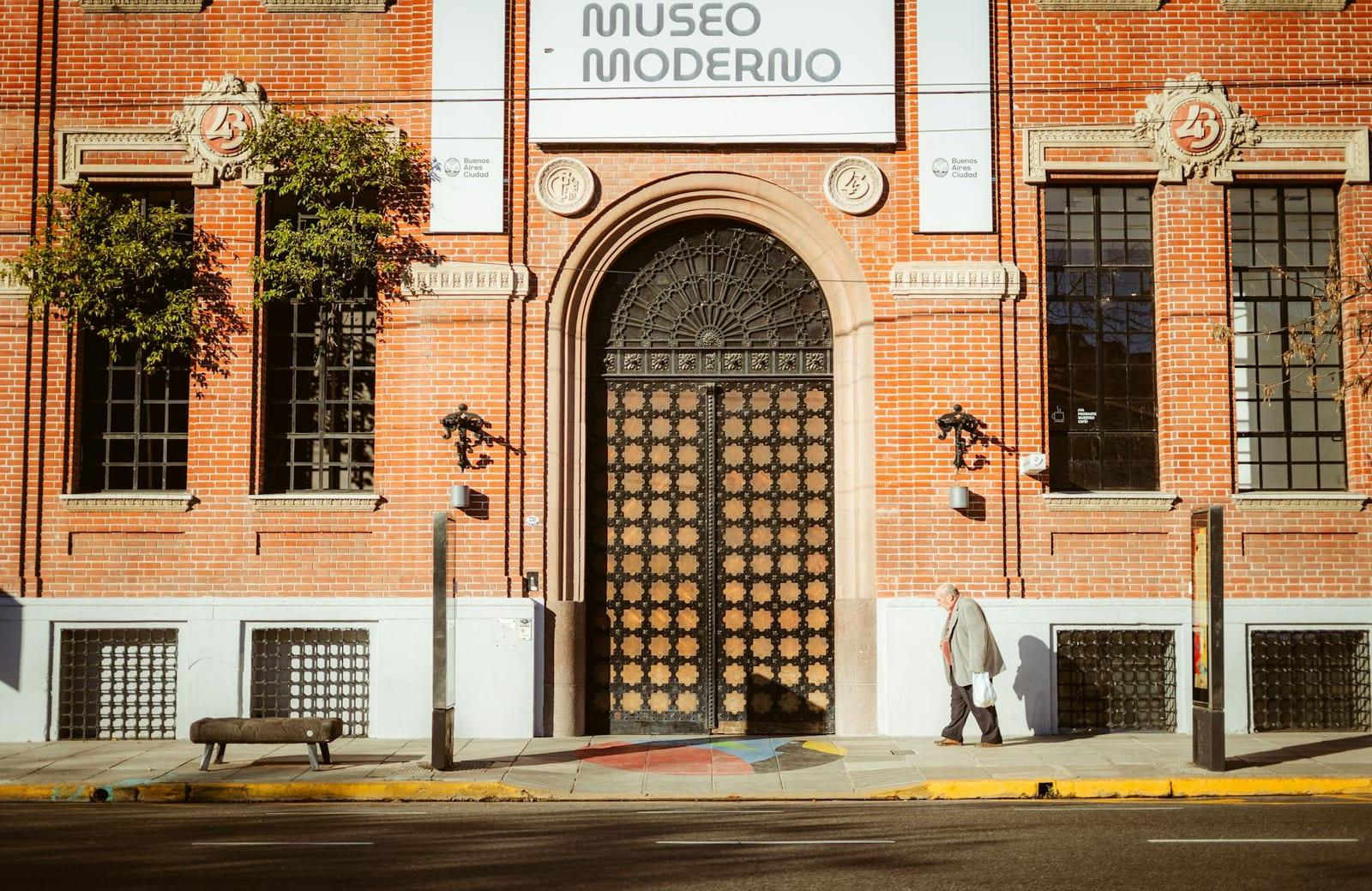
- Fortin SolanoAwash in history, this Spanish colonial fort is a popular attraction within San Esteban National Park.
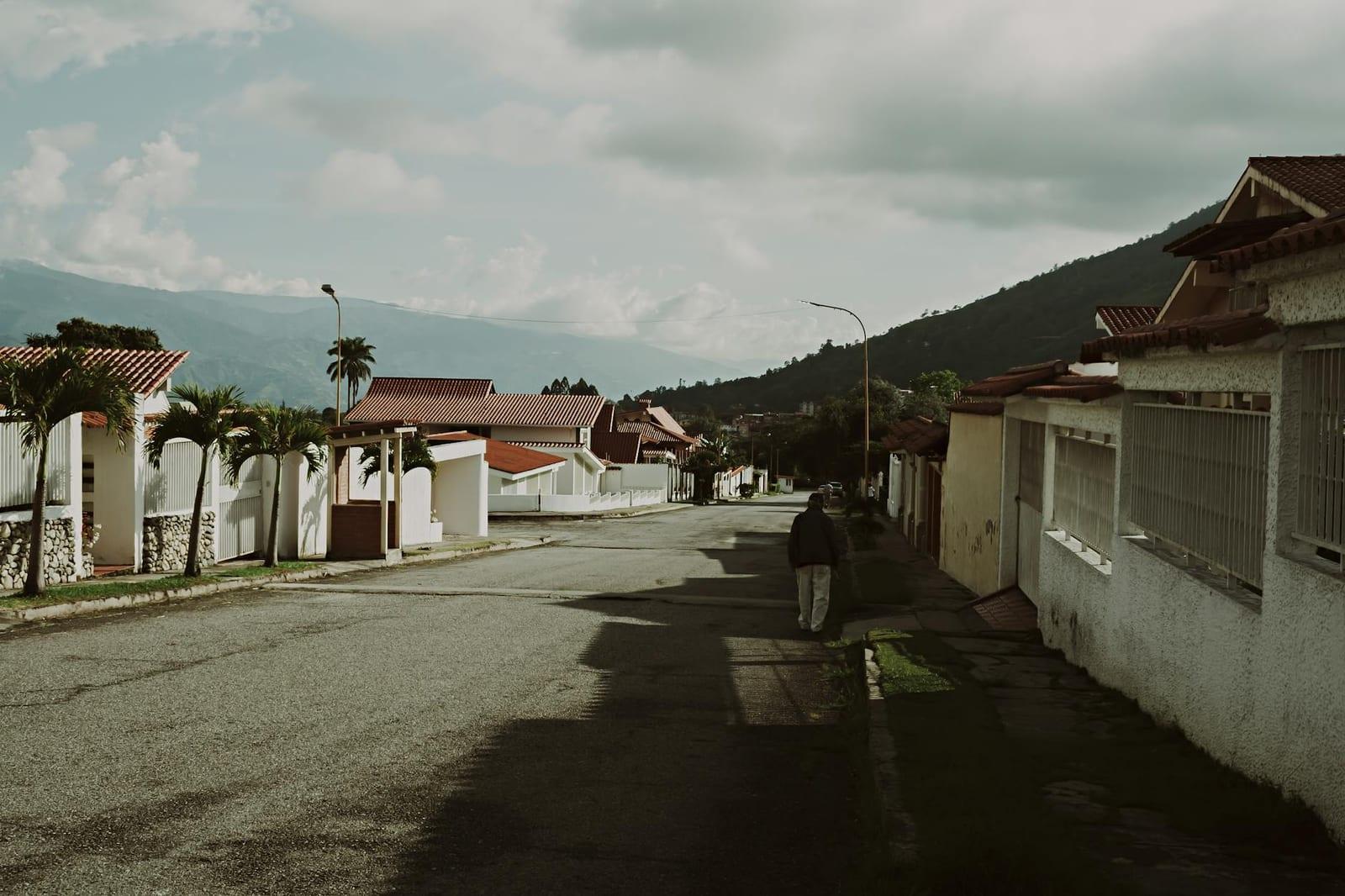
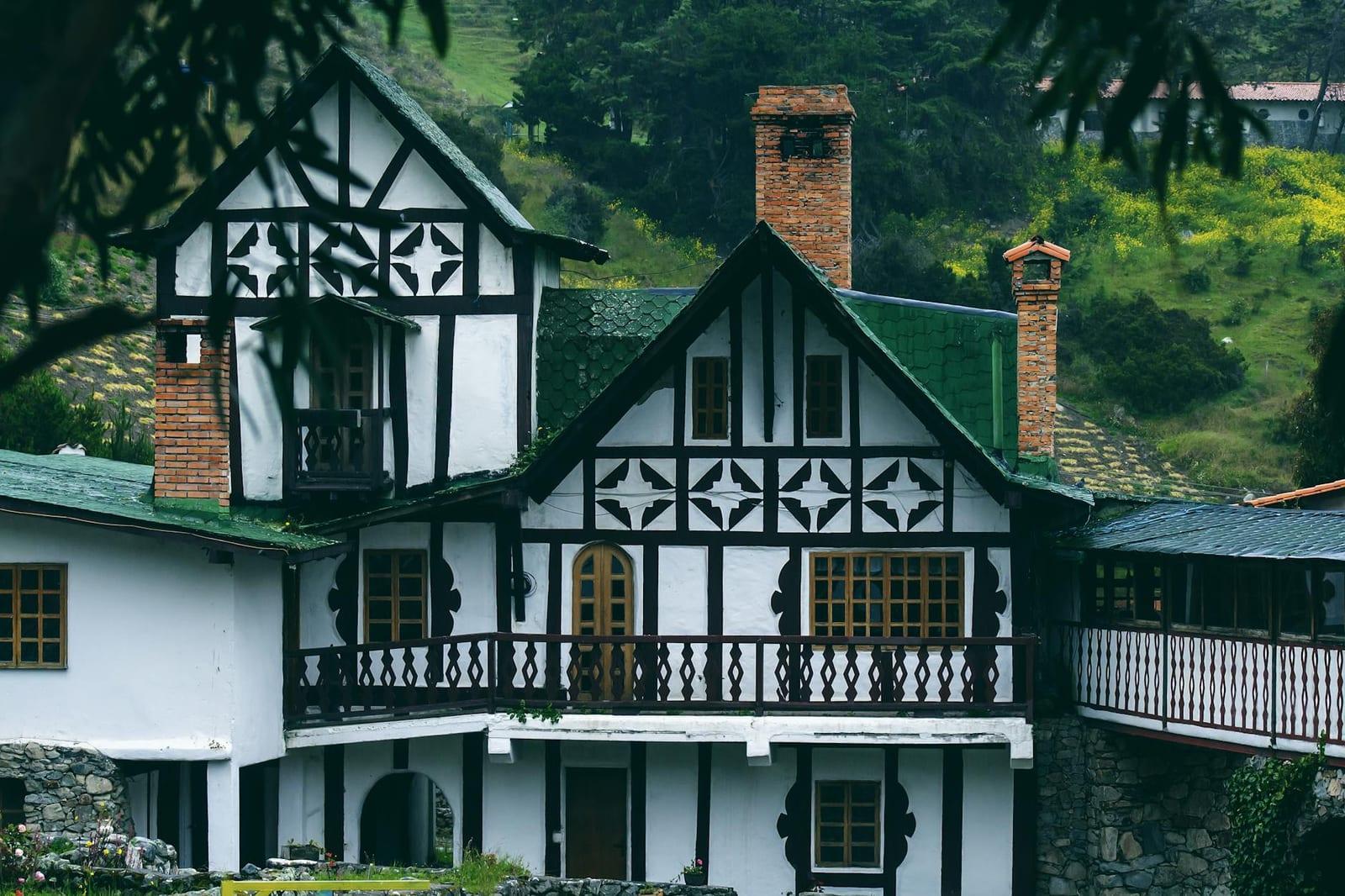
- Colonia TovarImmigrants from Deutschland established this mountain town—“the Germany of the Caribbean”—in the mid-19th century.