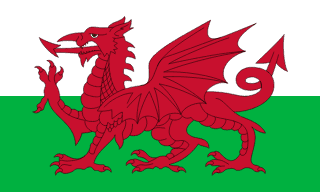
The red dragon on its flag suggests the pride and strength of culture in Wales, which occupies the southwestern bulge of Great Britain. Part of the United Kingdom for centuries, Wales has a heroic landscape of looming mountains and roughhewn coast. And whether it’s a small-town greeting in native Welsh or a wintry wilderness in the Snowdonian heights, this British hinterland has a feel all its own.
The rugged fastness of Wales provided a longtime stronghold for the Celtic Britons in the face of Norman and English incursions, although the country eventually became fully subsumed by England in the 16th century. Today it’s very much a mix of Welsh and English culture. While you’ll mostly hear English in South Wales, especially in the larger cities of Cardiff, Swansea, and Newport, the native Welsh tongue hangs on strongest in western and northern Wales—part of the Y Fro Gymraeg, the “Welsh-Speaking Region.”
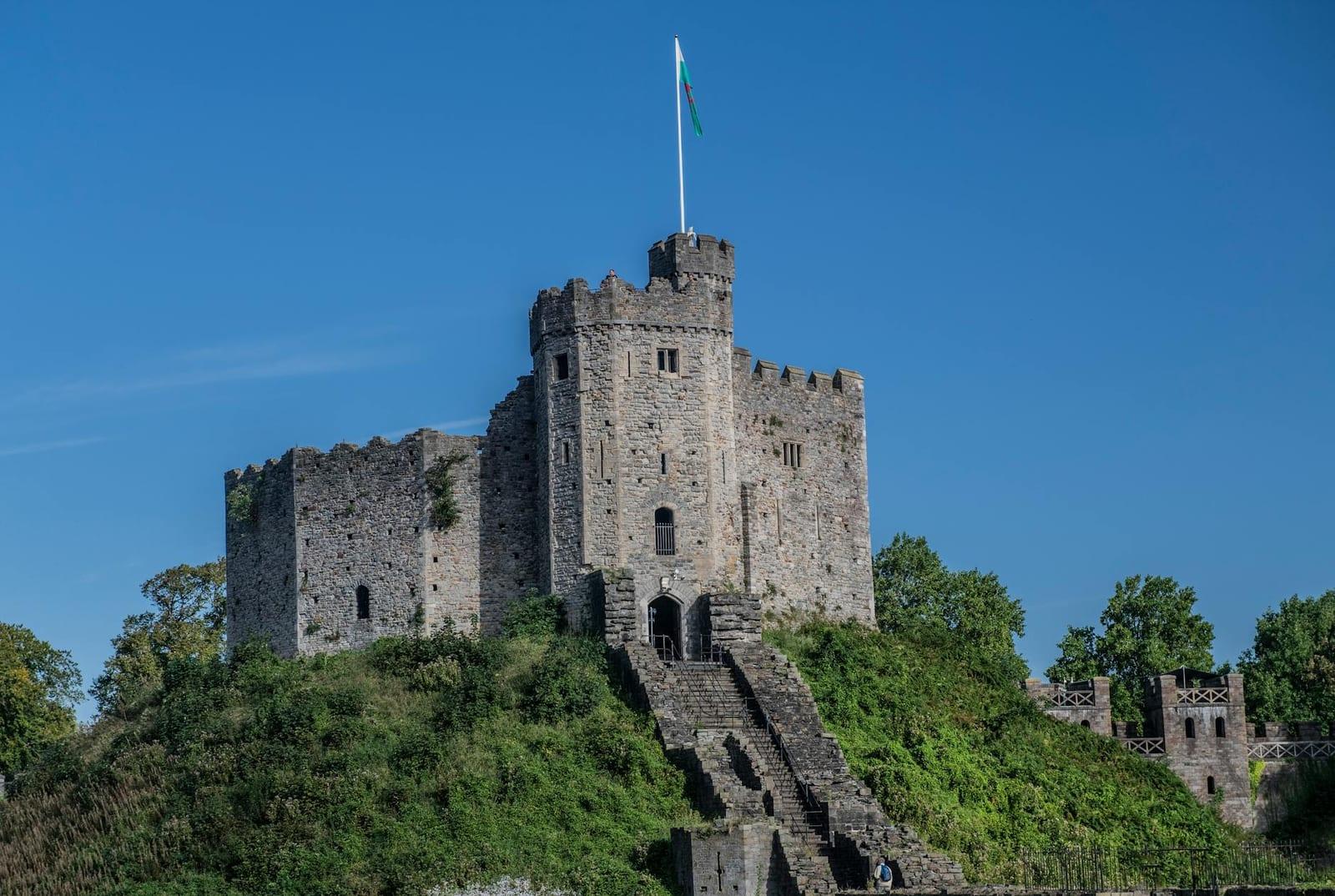
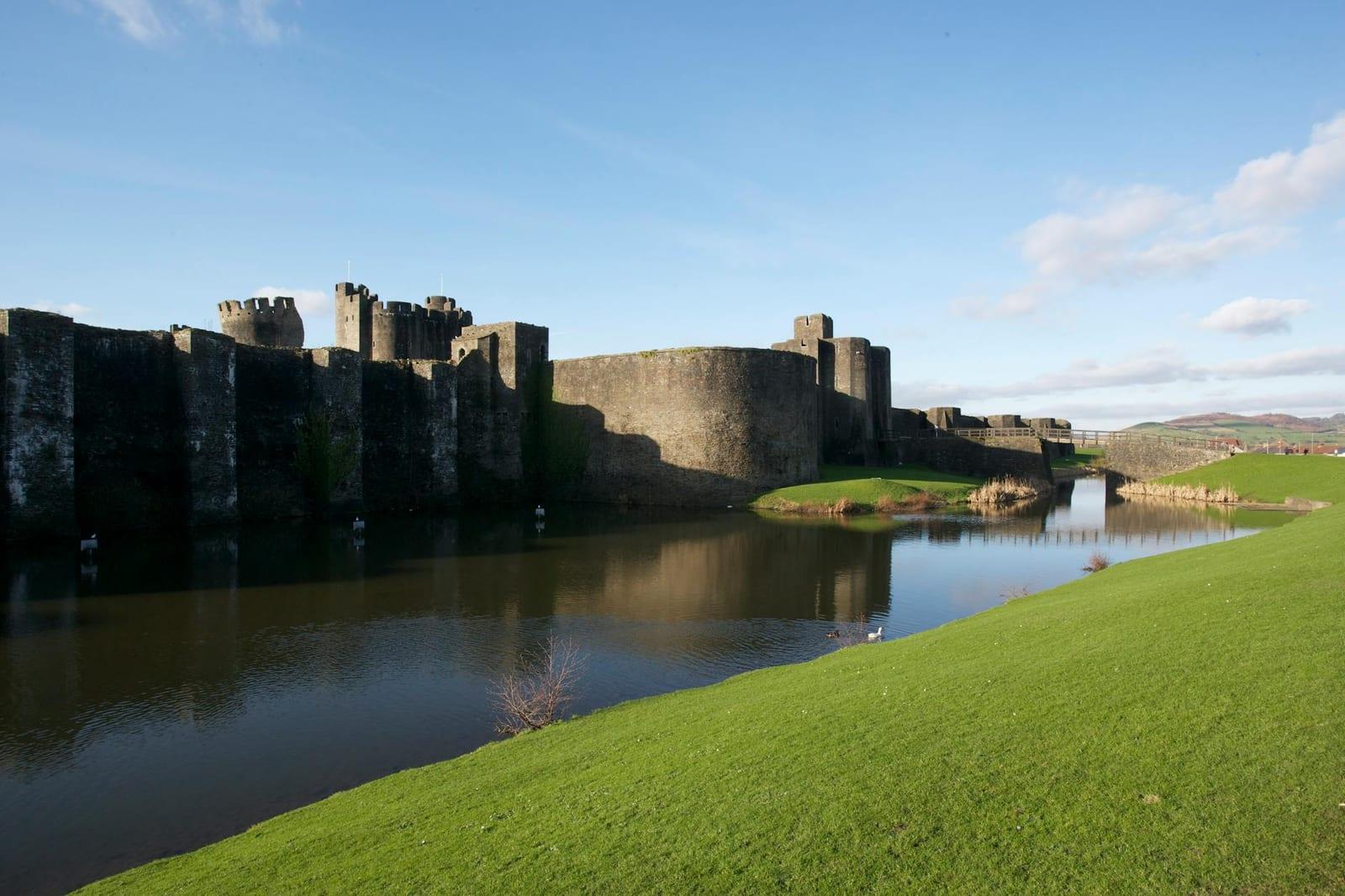
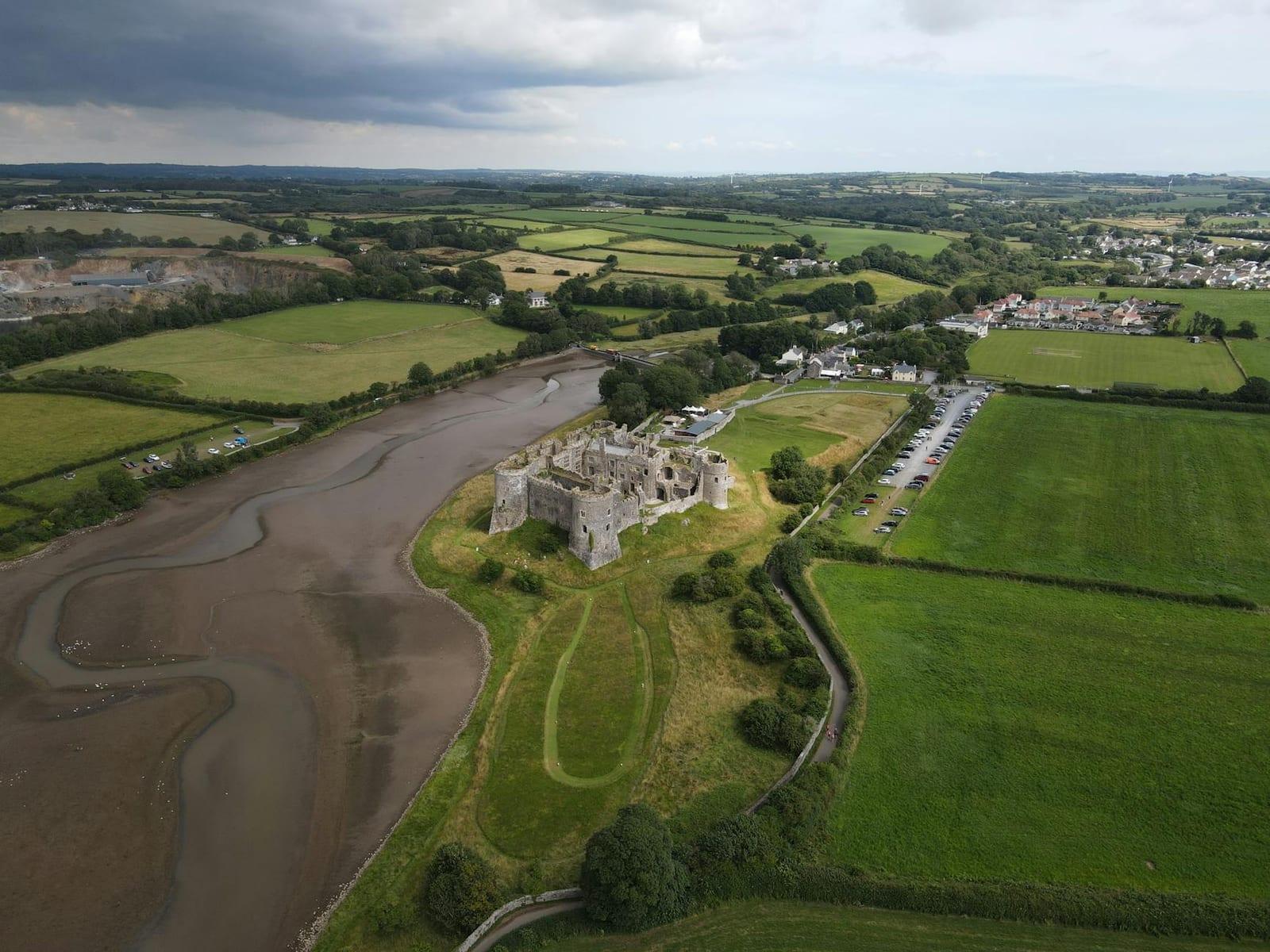
History buffs have one of Britain’s mightiest hoards of castles to enjoy, from the old England-Wales frontier of the Marches to the coast. Notable examples include Cardiff Castle in the core of the capital city; monumental Caernarfon, commissioned by Edward I as he conquered Wales; and the medieval-era Laugharne Castle on the Taf estuary, intimately associated with Dylan Thomas, the great Welsh bard.
The interweave of Celtic and Anglo-Saxon accents threads much of Welsh culture, which ranges from the most modern and cosmopolitan (as in downtown Cardiff) to the most traditional (in any number of rural villages deep in the Y Fro Gymraeg). Thomas was a 20th-century exponent of a literary tradition dating back to the 6th century CE, while the melodiousness of Welsh accents gestures at the equally rich musical heritage of this “land of song.” Cookery-wise, it's a joy to taste one of the country’s national symbols, the leek, in the Welsh version of the oggie (a meat pasty), or taste the Welsh brine in a breakfast of laverbread (made from seaweed) and cockles.
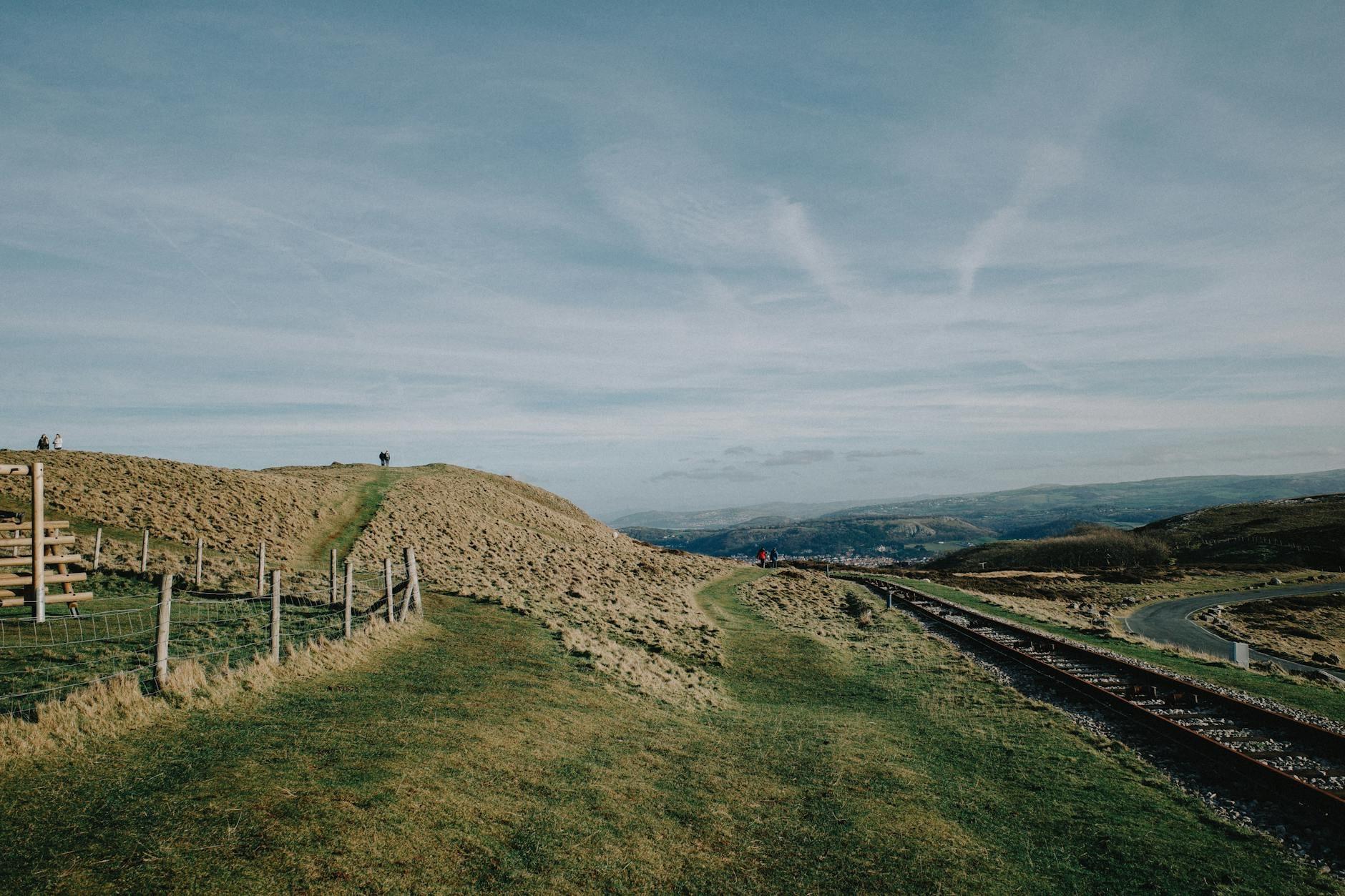
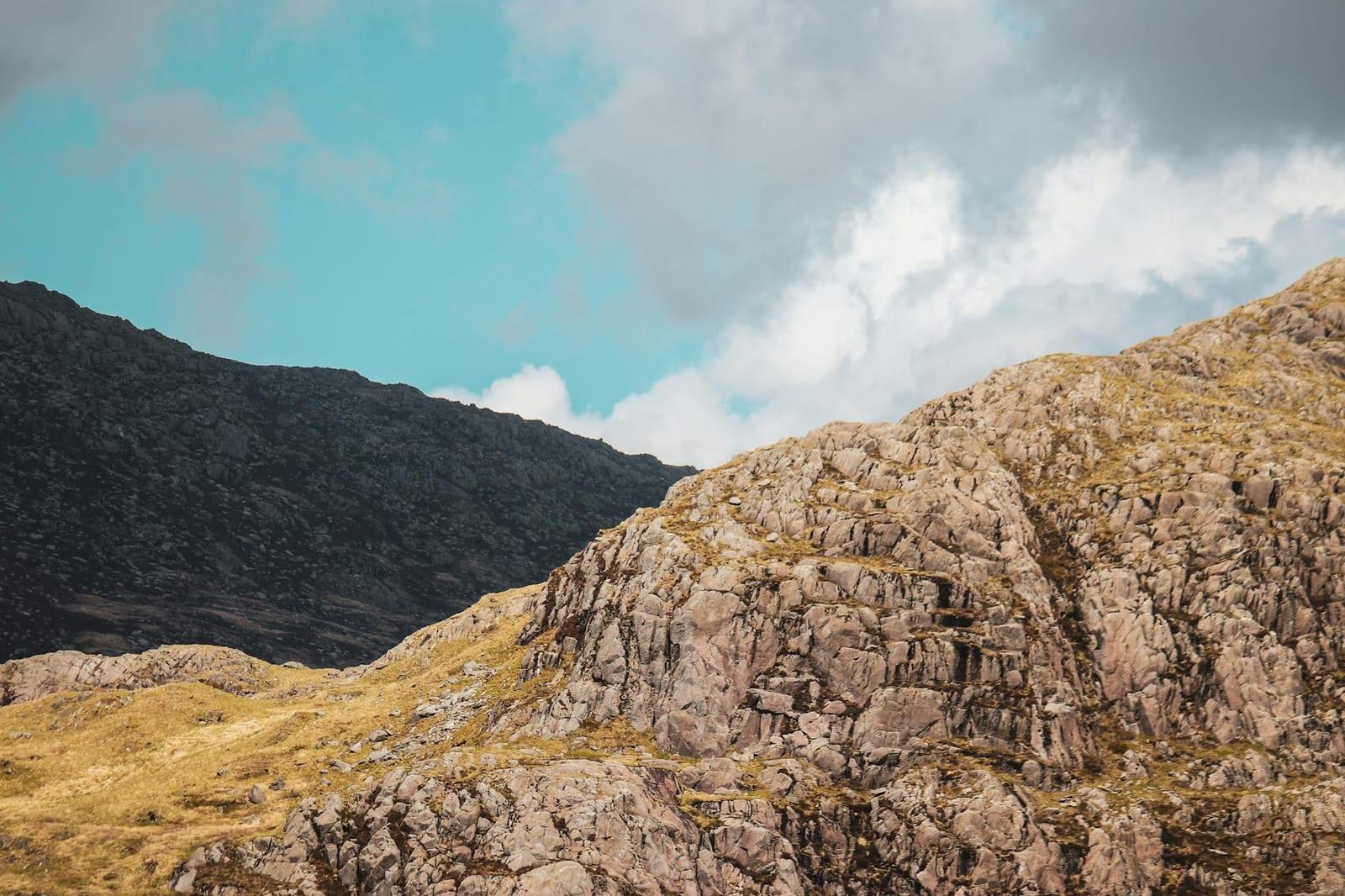
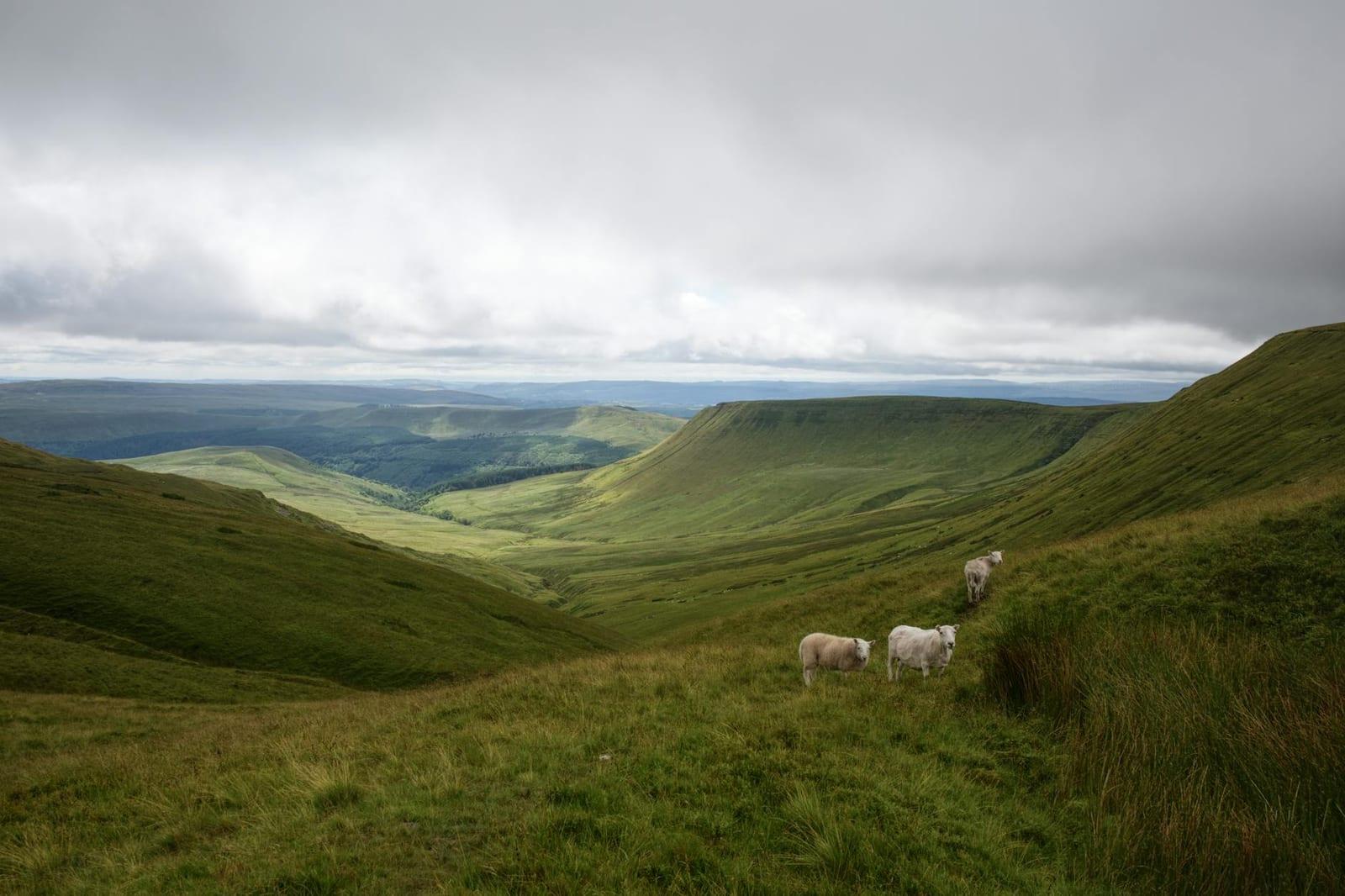
Without question Wales is one of Britain’s grandest outdoor playgrounds. Pound for pound, this is as mountainous as the British Isles get: The Cambrian Mountains make a north-south spine of uplands for the country, and at their northern and southern extremities are Wales’s greatest peaks. Snowdonia in the northwest and the Brecon Beacons in the south both anchor eponymous national parks. The Brecon Beacons and flanking ranges such as the Black Mountains delight the eye with sandstone summits (including 2,906-foot Pen y Fan, the highest in South Wales), limestone caves, rolling moorland, and fertile valleys. Snowdonia, meanwhile, presents one of Britain’s most magisterial landscapes, from the regal massif of 3,650-foot Snowdon to the rocky and wild Rhinogs.
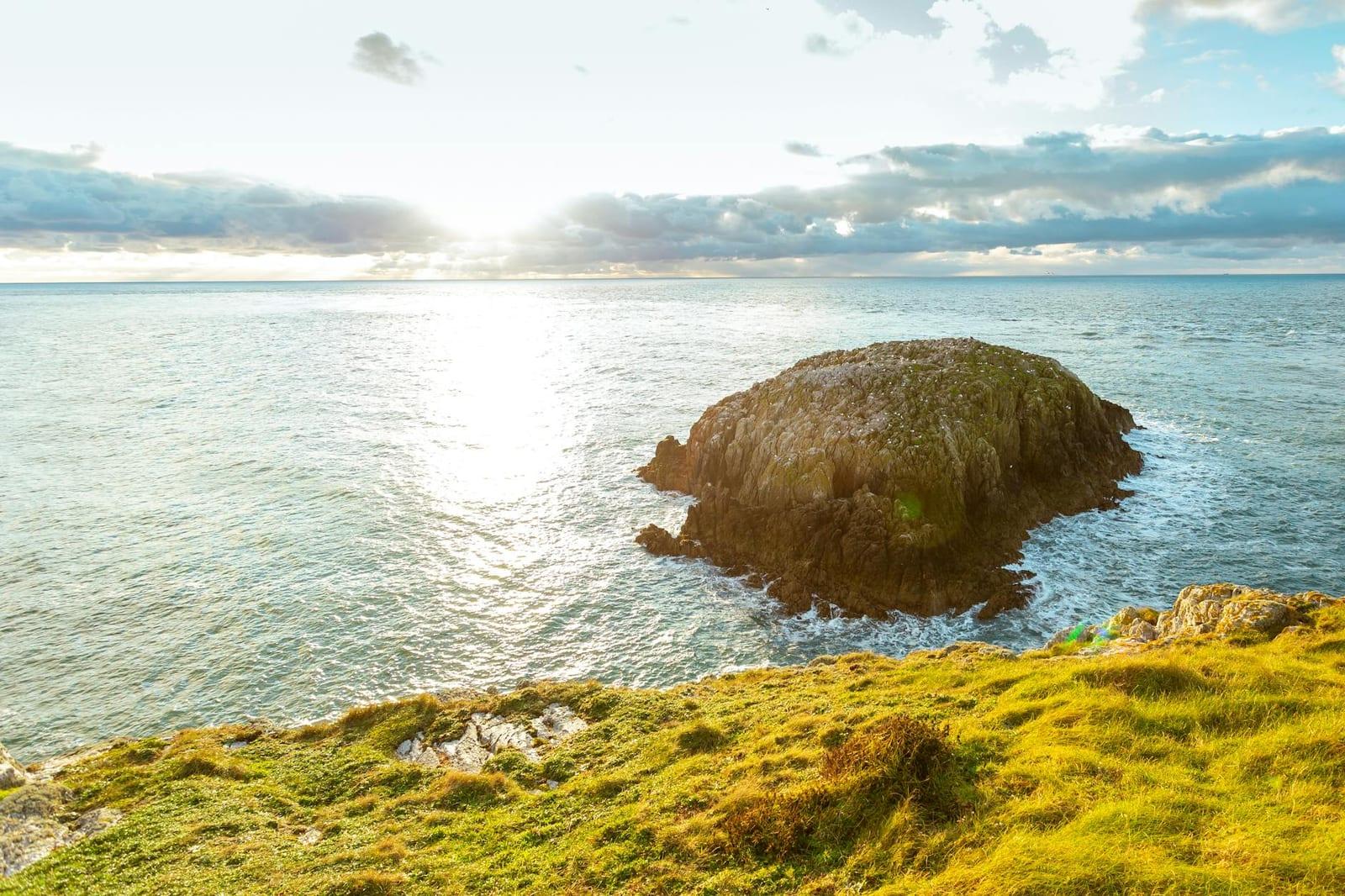
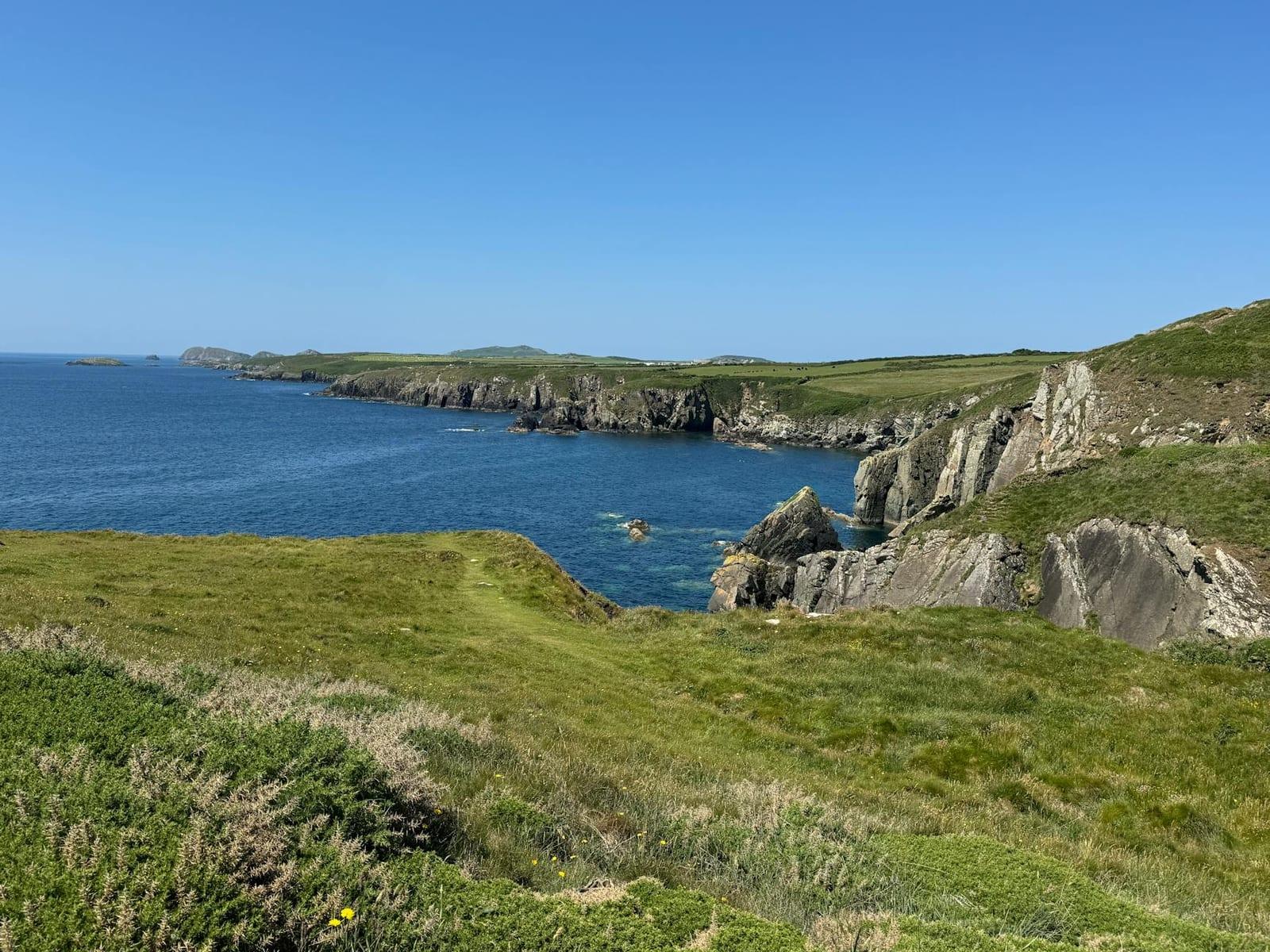
As sublime as the Welsh highlands are, the scenery doesn’t stop at the foothills. The Pembrokeshire Coast of the southwest—also home to a national park—has cliffy headlands, lonely lighthouses, and farflung beaches. To the north, Cardigan Bay’s famous for its easily seen bottlenose dolphins. And in the far northwest, the big island of Anglesey, a sacred place for the Celts, has fetching dunes and beaches alongside its many historical attractions.
Whether you’re hill-walking the Snowdon peaks or treading the 870-mile-long Wales Coast Path—a world-class footpath lining the country’s entire seacoast—Wales is ideal for hikers. Actually, it’s a remarkably well-rounded destination for adventurers of all types: When you’re not sea kayaking or surfing, you can indulge in the homegrown sport of coasteering, in which hearty types gear up in helmets and wetsuits to hug the breakers via scrambles, cliff-jumps, caving, and body-surfing.
Spoken-word poetry in the euphonious Welsh tradition, a ramble in mountain-framed moors, a sunset on a Celtic Sea beach: Wales has as much to offer as any other corner of the British Isles.
8 things not to miss.
- Cardiff CastleThe Welsh capital’s legendary castle occupies a strategic position previously fortified by the Romans.
- Caerphilly CastleMoated by lakes, this 13th-century fortress is Wales’s largest castle and the second-largest one in all of Great Britain.
- Laugharne CastleGazing at this medieval ruin, it’s not hard to imagine why it inspired the pen of Dylan Thomas, who lived here for a time.
- Pembrokeshire Coast National ParkWander cliffy headlands while glassing for seabirds and porpoises along the one-of-a-kind Pembrokeshire Coast.
- Snowdonia National ParkThe wild mountains of Snowdonia include the Snowdon Massif itself, home to the loftiest British peaks outside Scotland.
- Brecon Beacons National ParkThe Welsh landscape becomes downright magisterial in these sandstone heights, moor-cloaked and broken with scarps.
- Cardigan BayThe views over the Irish Sea are extraordinary—especially at sunset—and the dolphins easily seen along Wales’s greatest embayment.
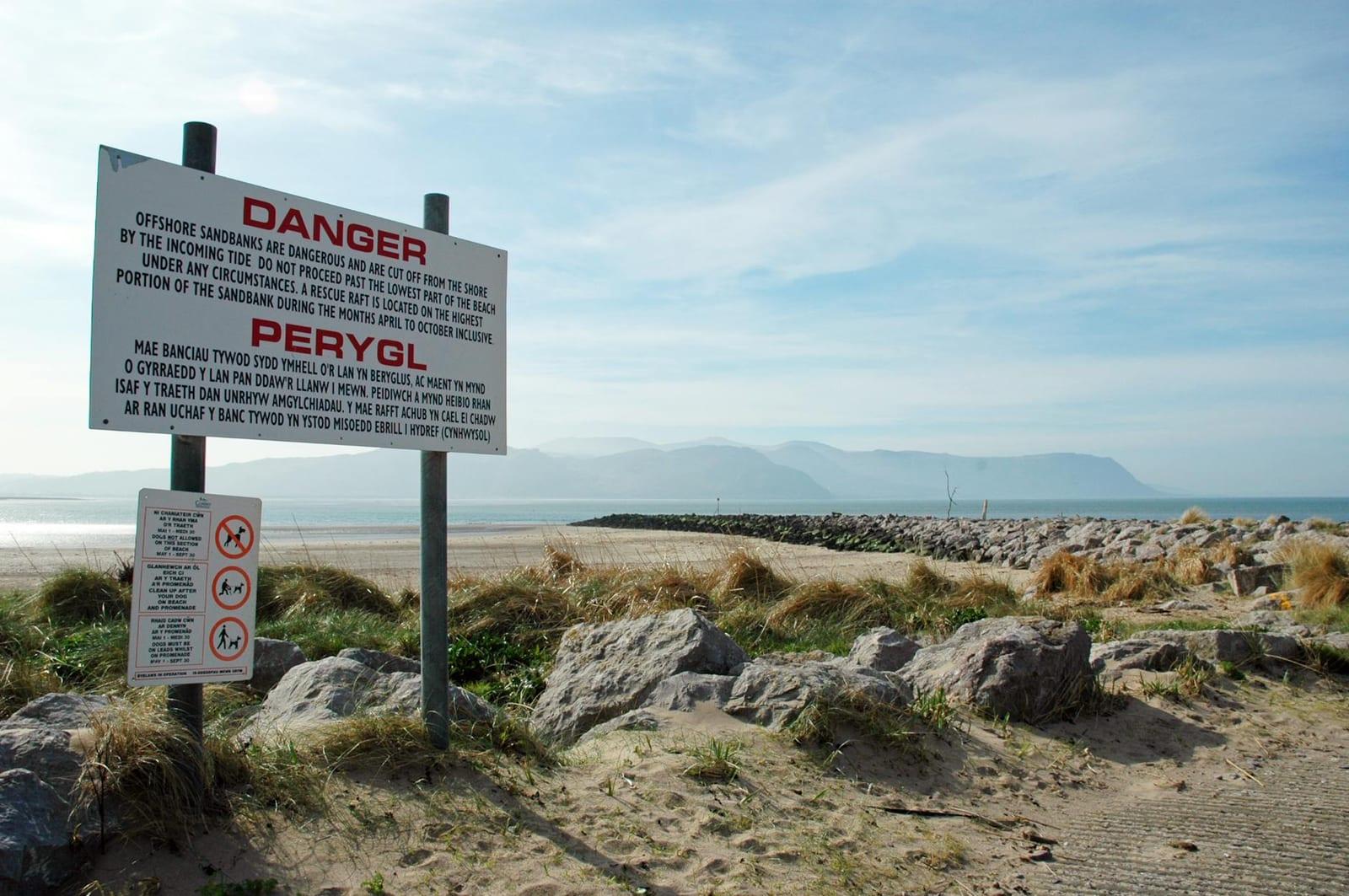
- AngleseyGet away from it all on this beach- and cliff-lined island, drenched in Celtic mythos and home to one of the world’s longest place names.