
As of mid-2015, travel to Yemen is foolhardy: The country, which has rattled with unrest since the mid-2000s, is sliding into all-out civil war, and ongoing fighting, terrorist strikes, and general lawlessness preclude any semblance of sane tourism. So until the security situation comes under control, you’ll have to armchair-travel your way among Yemen’s significant cultural and natural highlights.
Flanked by Saudi Arabia to the north, Oman to the east, the Red Sea to the west, and the Gulf of Aden to the south, Yemen forms the southwestern end of the Arabian Peninsula. Its landscapes are some of the most dramatic of this fabled region: the desolate sands of the Rub’ al Khali (Empty Quarter) in the northeast, jagged interior mountains surpassing 12,000 feet, desert highlands laced with gaping wadis, the beaches and coral reefs of the lengthy seacoast. The pivotal strait of Bab-el-Mandeb in Yemen’s southwest connects the Red Sea and Indian Ocean, and the country’s waters thus accommodate major shipping lanes.
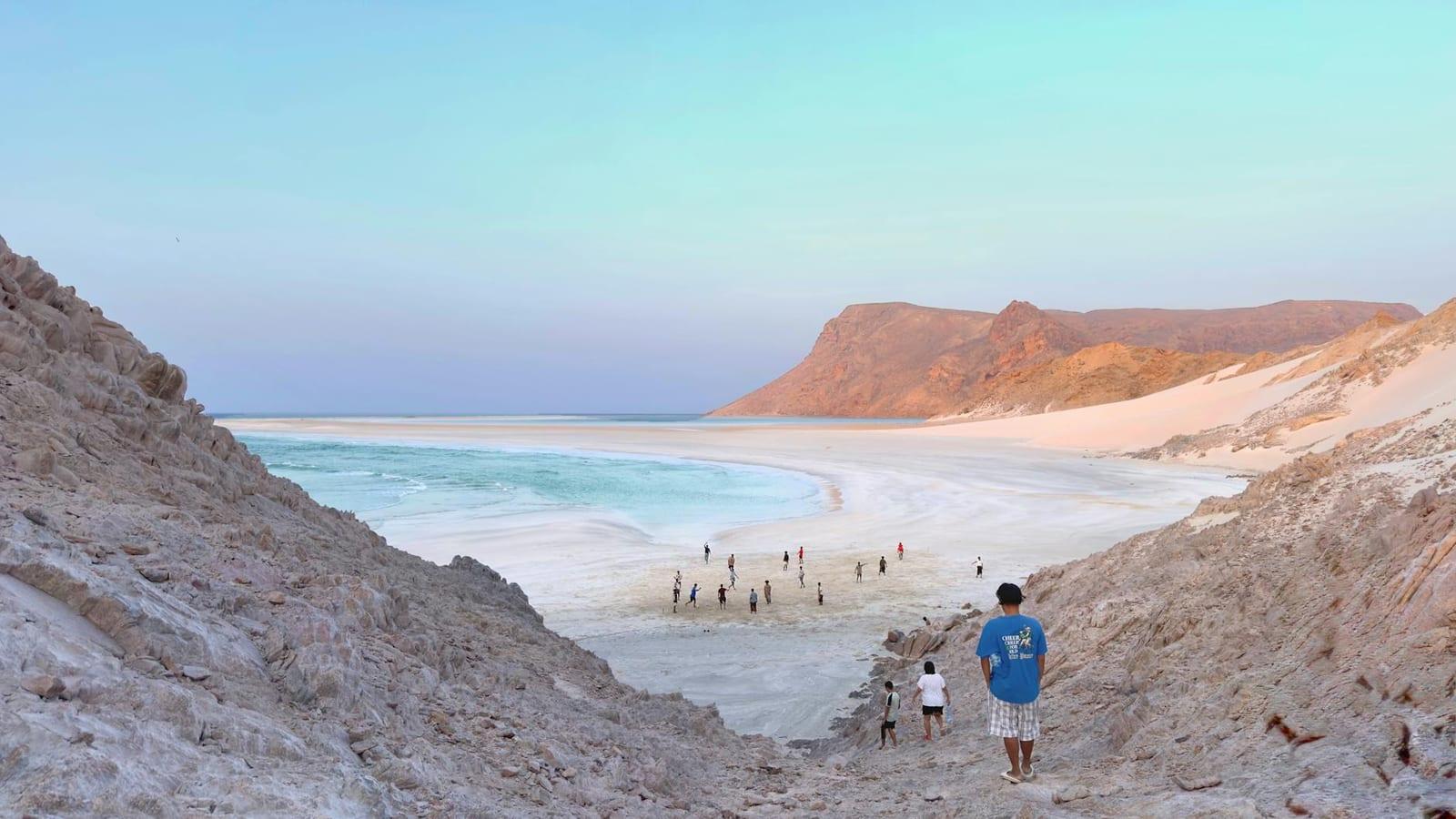
Yemen’s ecological wonders are on full display on the farflung Indian Ocean island of Socotra, which harbors a bevy of truly unique organisms evolved in isolation from mainland Arabia and Africa. Among them is the endemic dragon’s blood tree, the sap of which was widely coveted—along with Socotran frankincense and aloe—by the Ancient Egyptians, Greeks, and Romans.
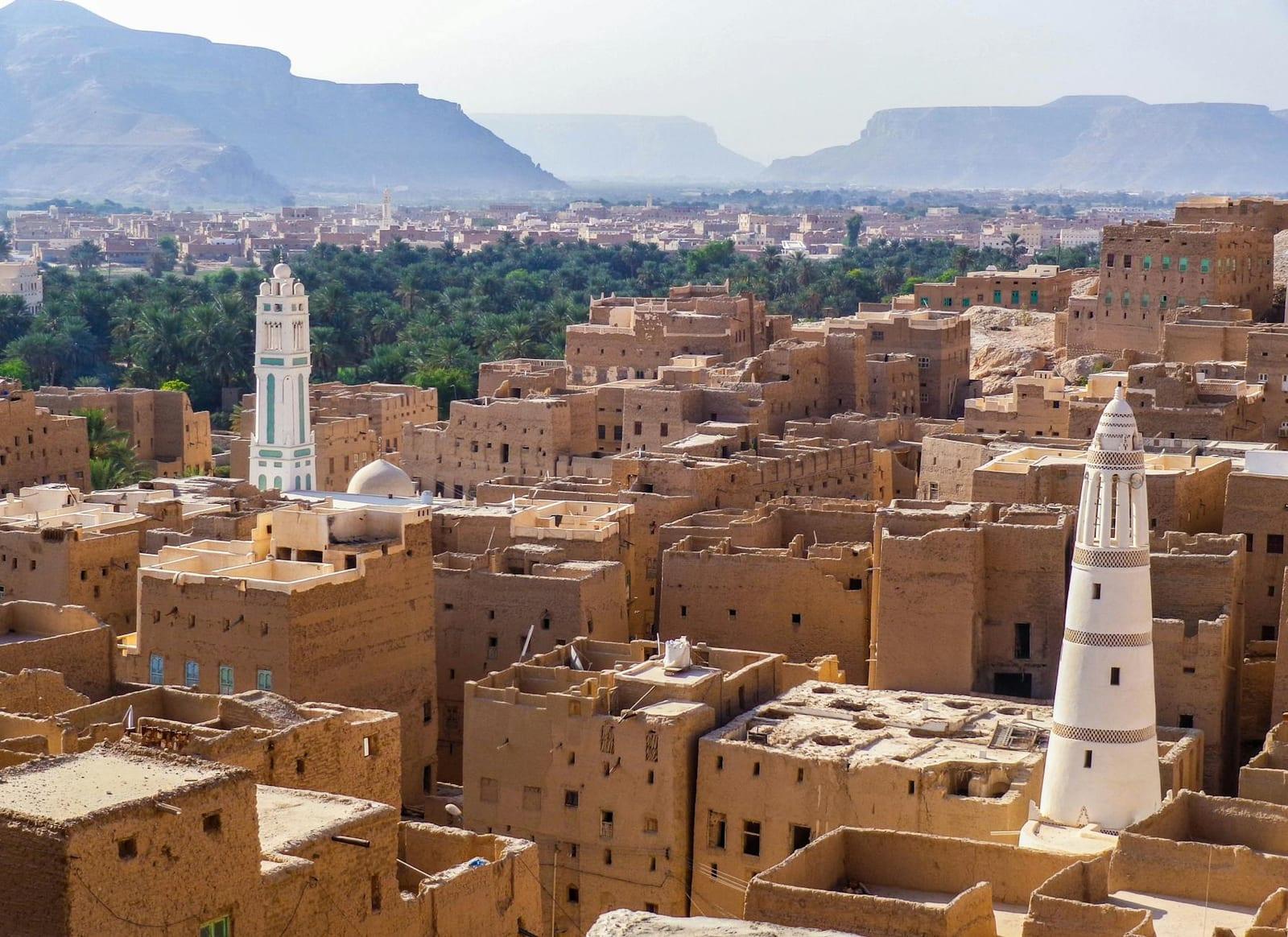
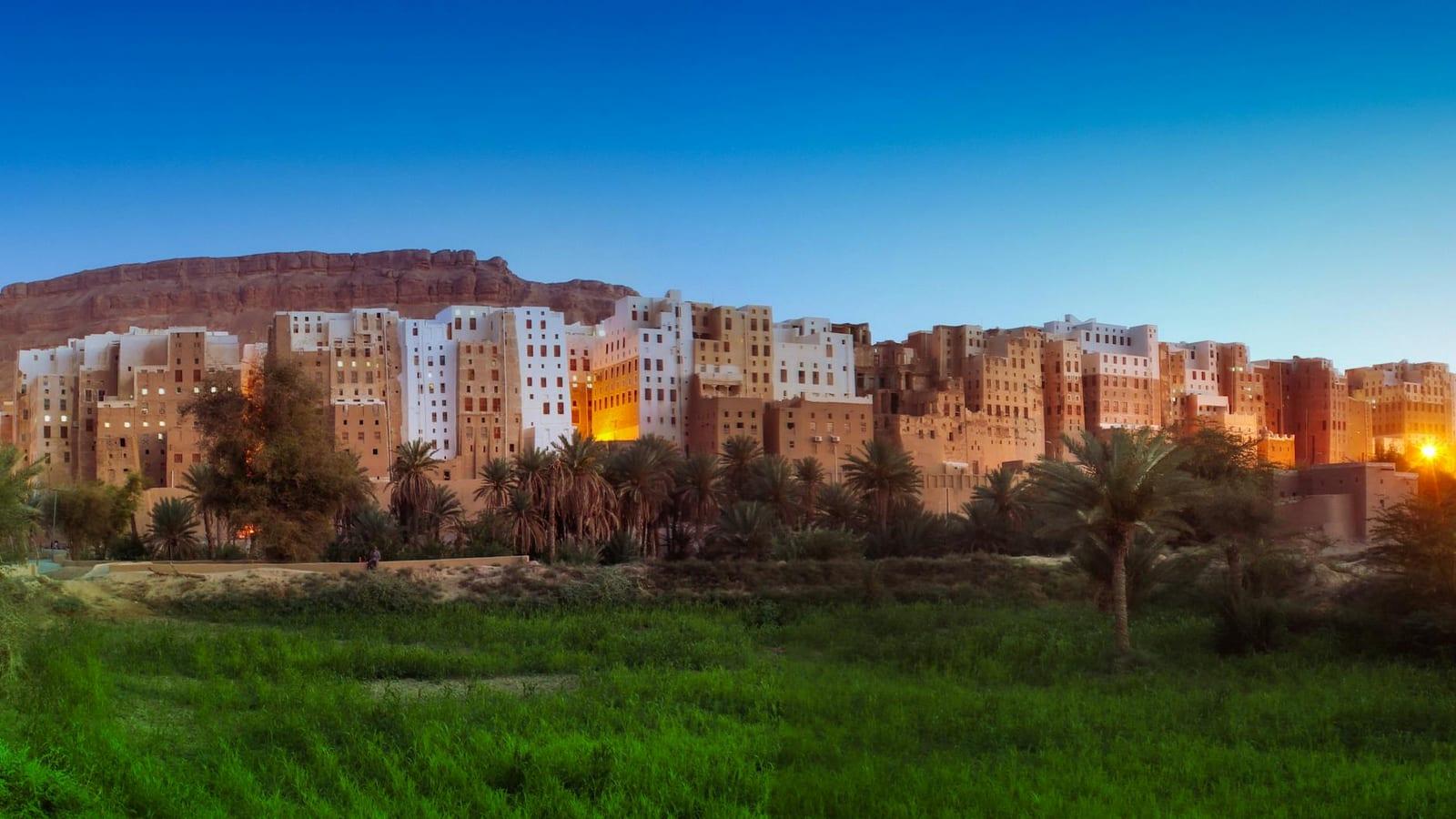
And speaking of long-ago times, Yemen—the legendary homeland of the Queen of Sheba—claims an astounding archaeological heritage, even as some attractions come under peril in the current conflict. The country’s UNESCO World Heritage Sites include the ancient core of the capital city Sana’a (including its Great Mosque) as well as Shibam, the 16th-century multistory houses of which have earned it the sobriquet “the Manhattan of the desert,” and the vintage trading town of Zabid, once home to an influential Islamic university.
The human face of Yemen, of course, goes far beyond monumental relics: From the happening beach resorts and top notch museums of Aden to San’a’s wheeling Souq al-Milh, urban Yemen can, in the best of times, feel mighty welcoming and sophisticated.
Unfortunately, it’s not the best of times for the Yemeni, though we can dream of better ones ahead. If the country can forge unity amid infighting and shed its status as a haven for terrorism, perhaps travelers will again freely marvel at the Dr. Seuss groves of Socotra, the balmy beaches of the Gulf of Aden, the ruins of the desert cliffs, and the other wonders of this Arabian republic.
7 things not to miss.
- Sana'a's old city when safeWander Sana'a's old city when safe
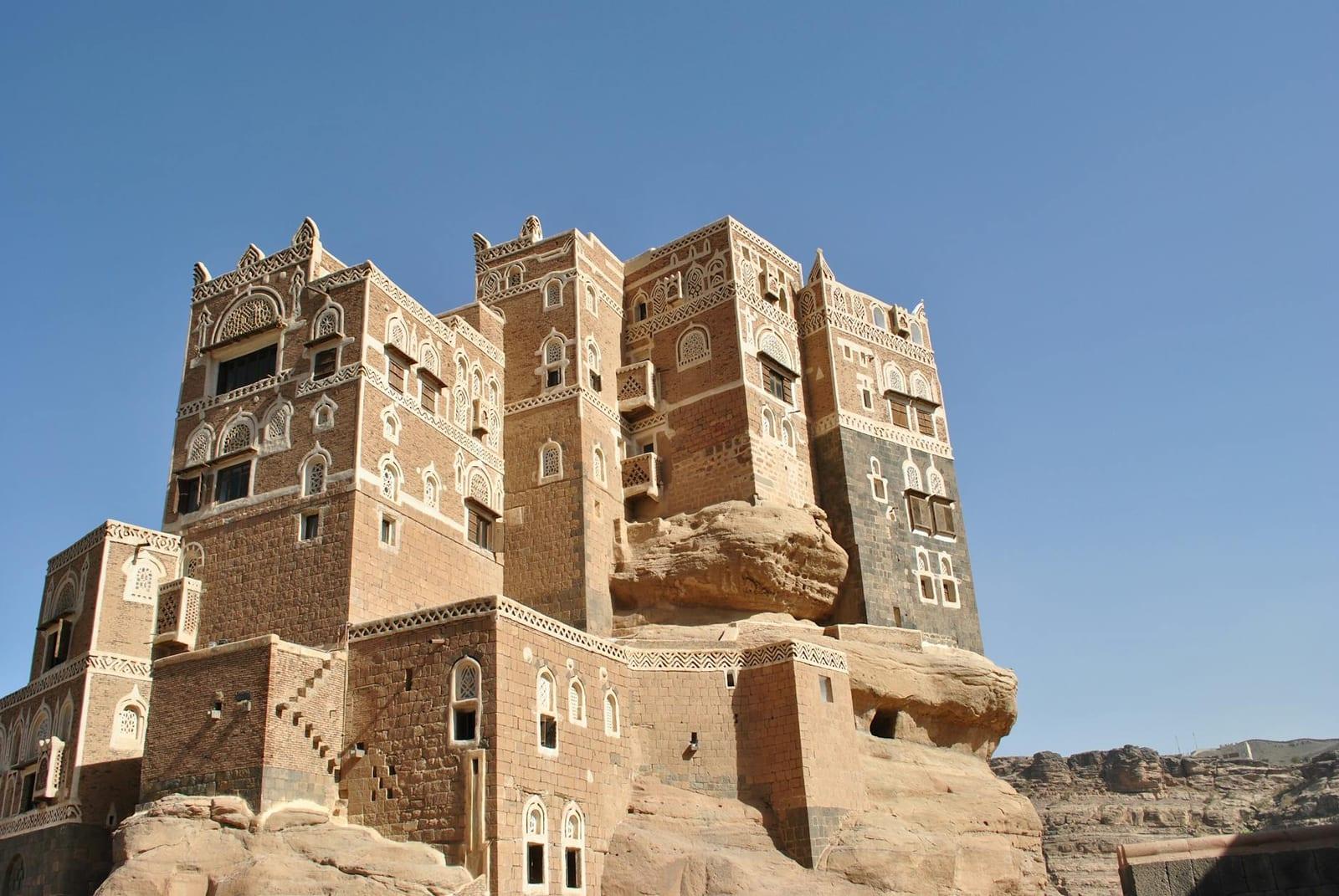
- Sana’a Old CityThe Yemeni capital’s historic core, a World Heritage Site, includes lovely architecture—not least the Great Mosque.
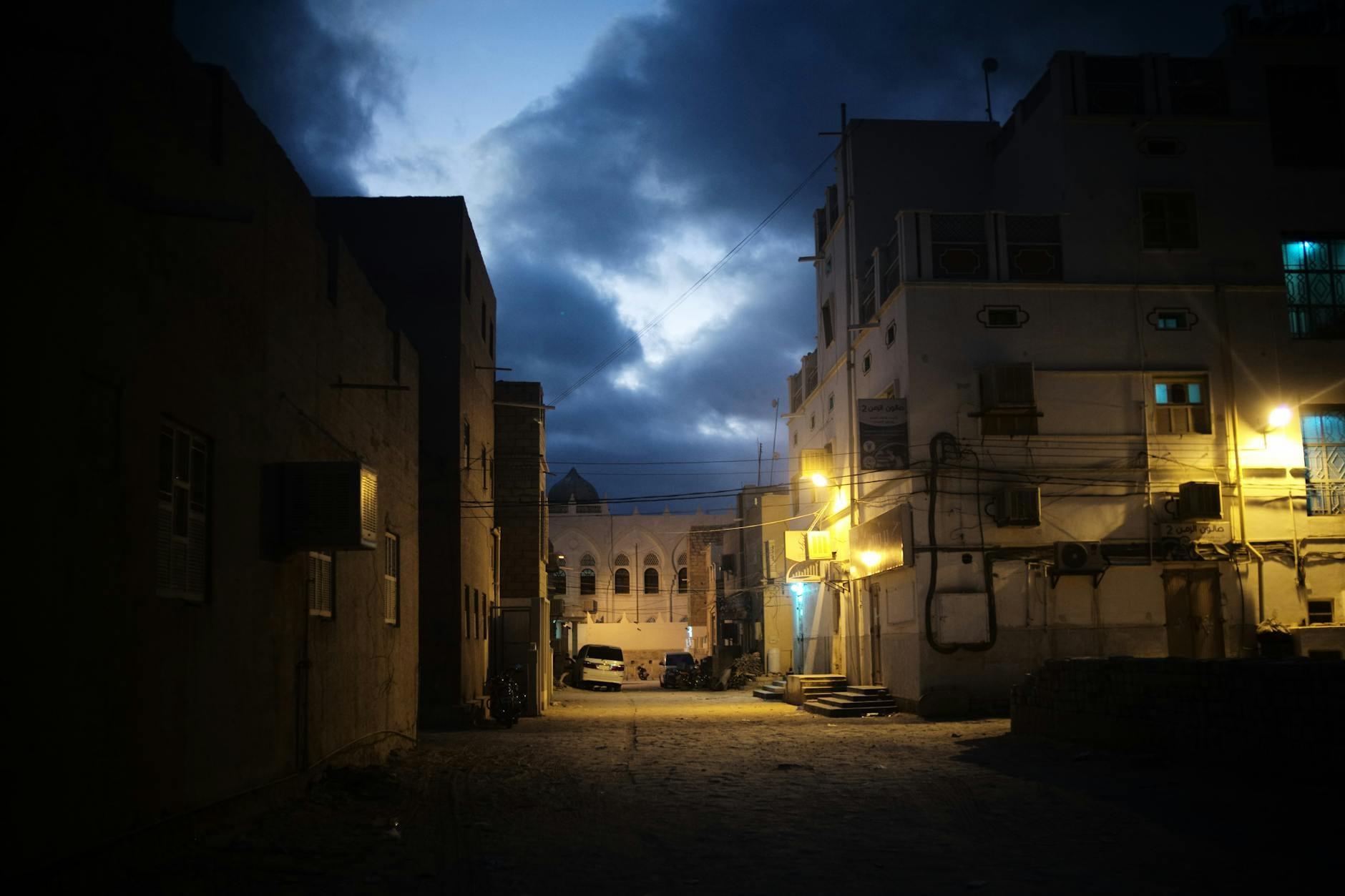
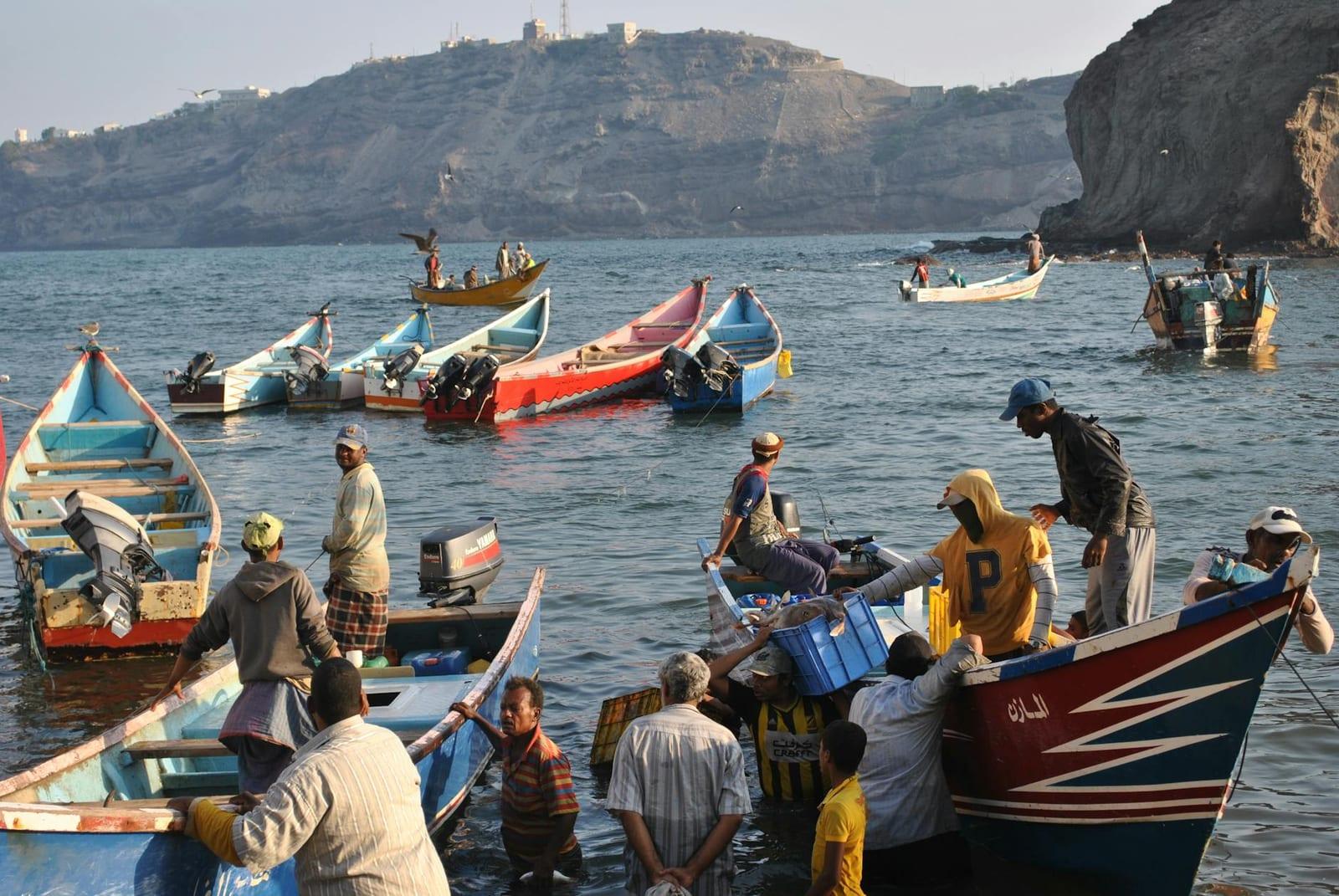
- AdenIts original cityscape strikingly set in a volcanic crater, Aden includes many historical landmarks as well as fetching Red Sea beaches.
- ShibamThe towering homes of this venerable “Manhattan of the Desert” mirror the grand desert cliffs that backdrop them.
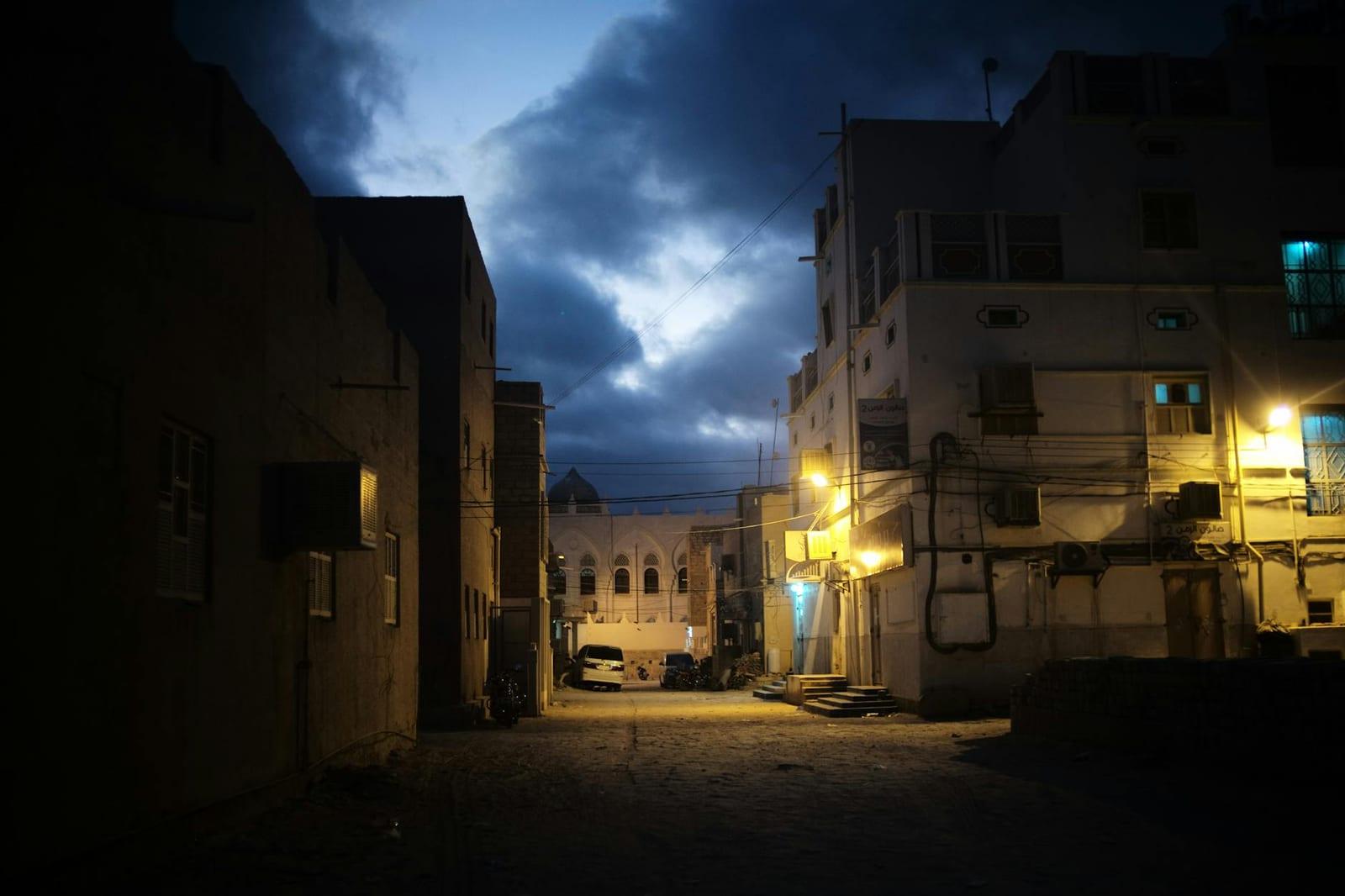
- ZabidMany of this coastal city’s monuments date to medieval times; its Islamic university was once a global center for the religion.
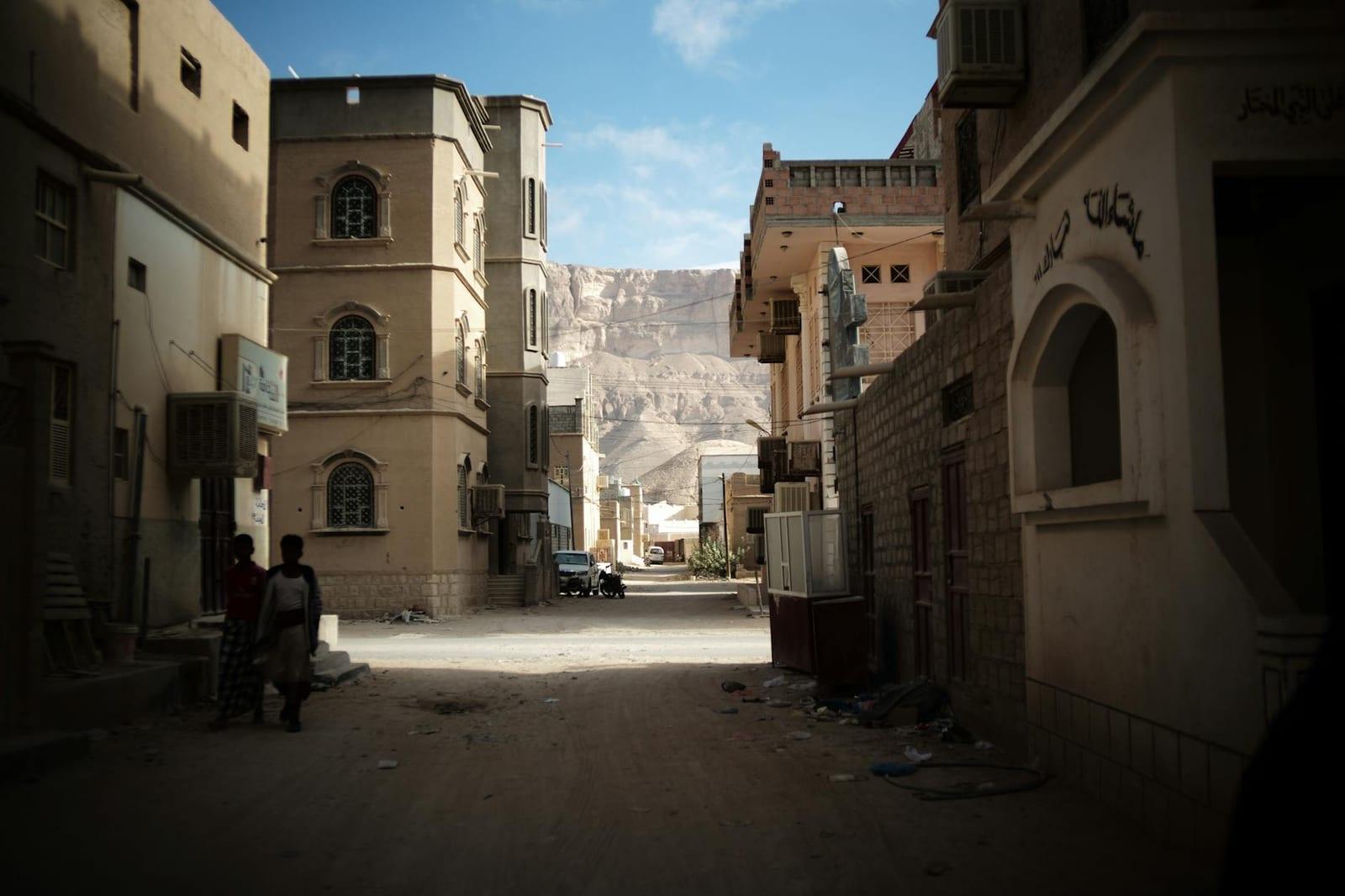
- Haraz Mountains (Jebel Haraz)Some of the Arabian Peninsula’s grandest scenery awaits in these hamlet-strewn heights.
- SocotraAmong Earth’s truly fantastical corners, this farflung Indian Ocean island harbors such endemic organisms as the dragon and cucumber trees.