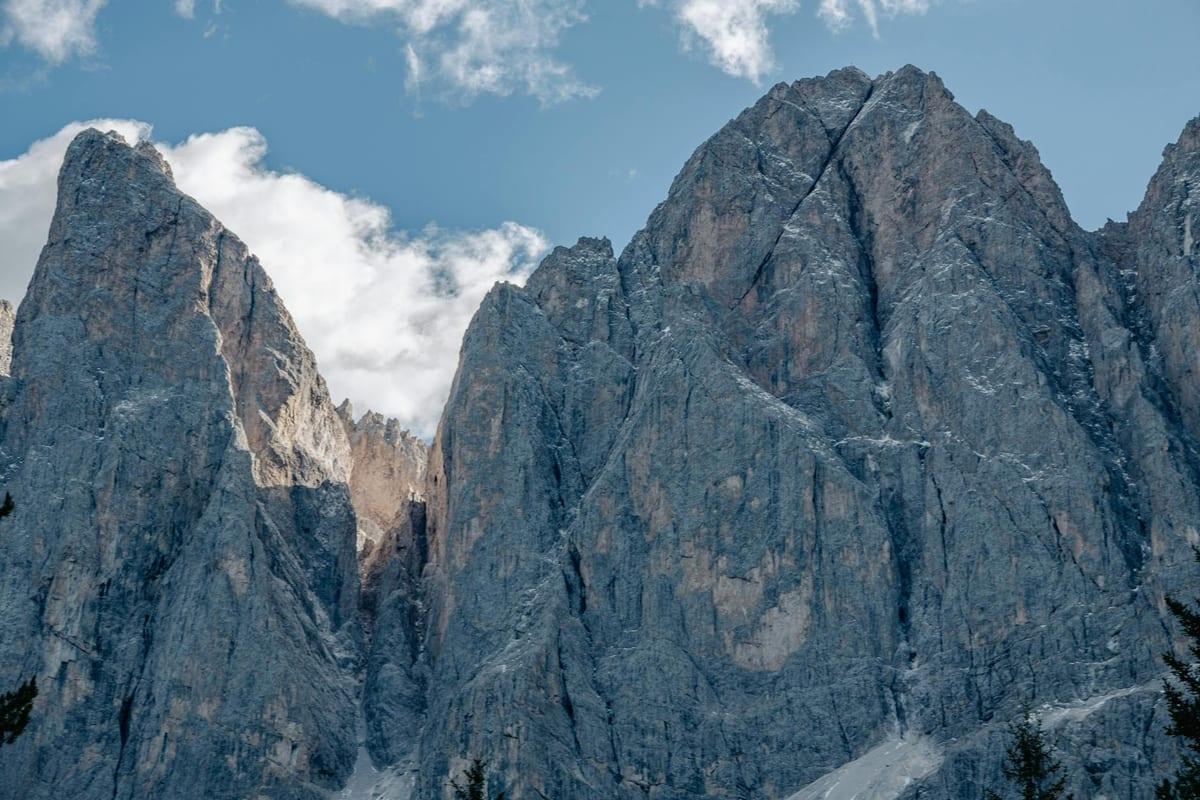
30 years before Sir Edmund Hillary and Tenzing Norgay successfully climbed Everest, British explorer George Mallory gave it a couple tries. On his fundraising tour for his third attempt, he was asked why he wanted to climb the mountain, to which he famously replied, “Because it’s there.” On its face, this sounds disproportionately casual, equal to someone saying they ate that pile of donuts 'because it’s there.' Mallory actually meant it with a spirit of reverence, meaning that as humans, we are compelled to overcome challenges, no matter how difficult. (Unfortunately, on their third attempt, Mother Nature felt compelled to kill Mallory and his climbing partner.)
When it comes to climbing, you can very loosely break it up into three parts: bouldering, rock climbing, and get-to-the-very-top-of-the-mountaining. Bouldering helps you gain the strength and technique to rock climb, and if you keep rock climbing you’ll eventually get to a magical place where you can climb no further. The summit.
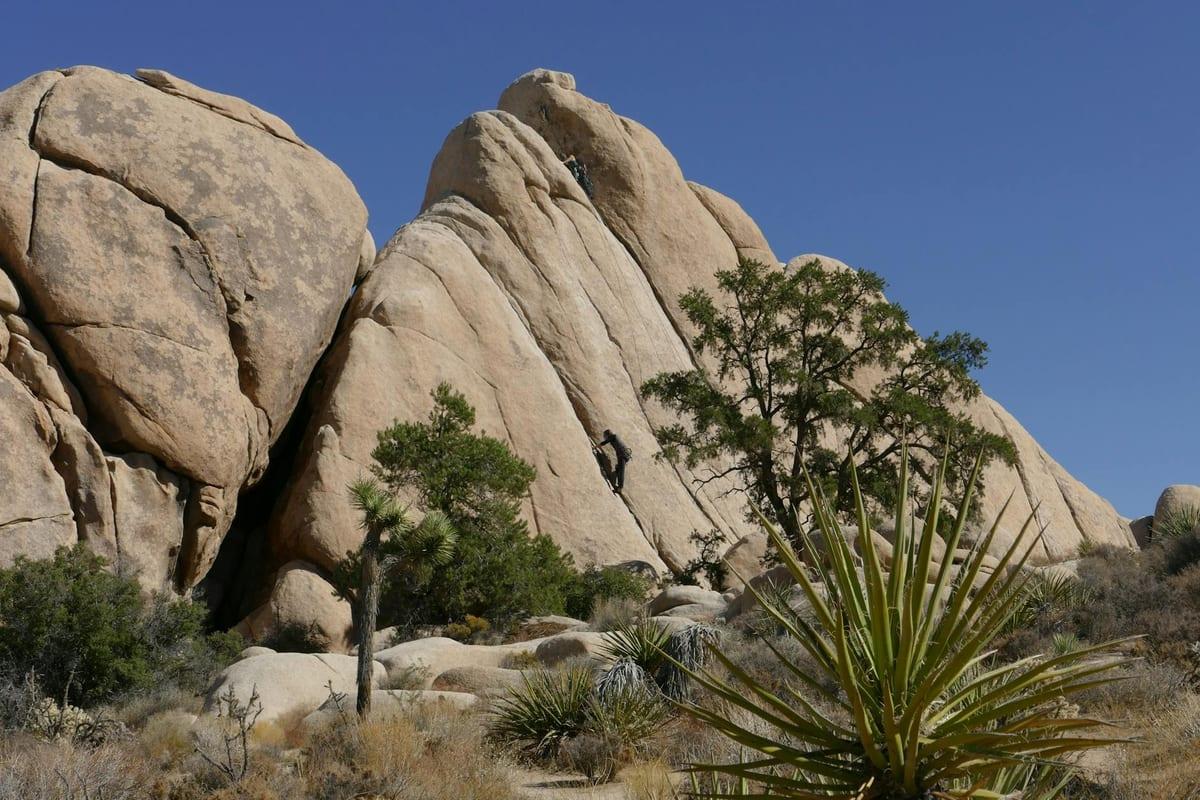
Bouldering refers to the act of climbing smaller obstacles (known as 'problems') close to the ground, with no ropes. This discipline started off as a way to train to climb mountains since climbing mountains is quite a handful, what with all the climbing and risk of death involved.
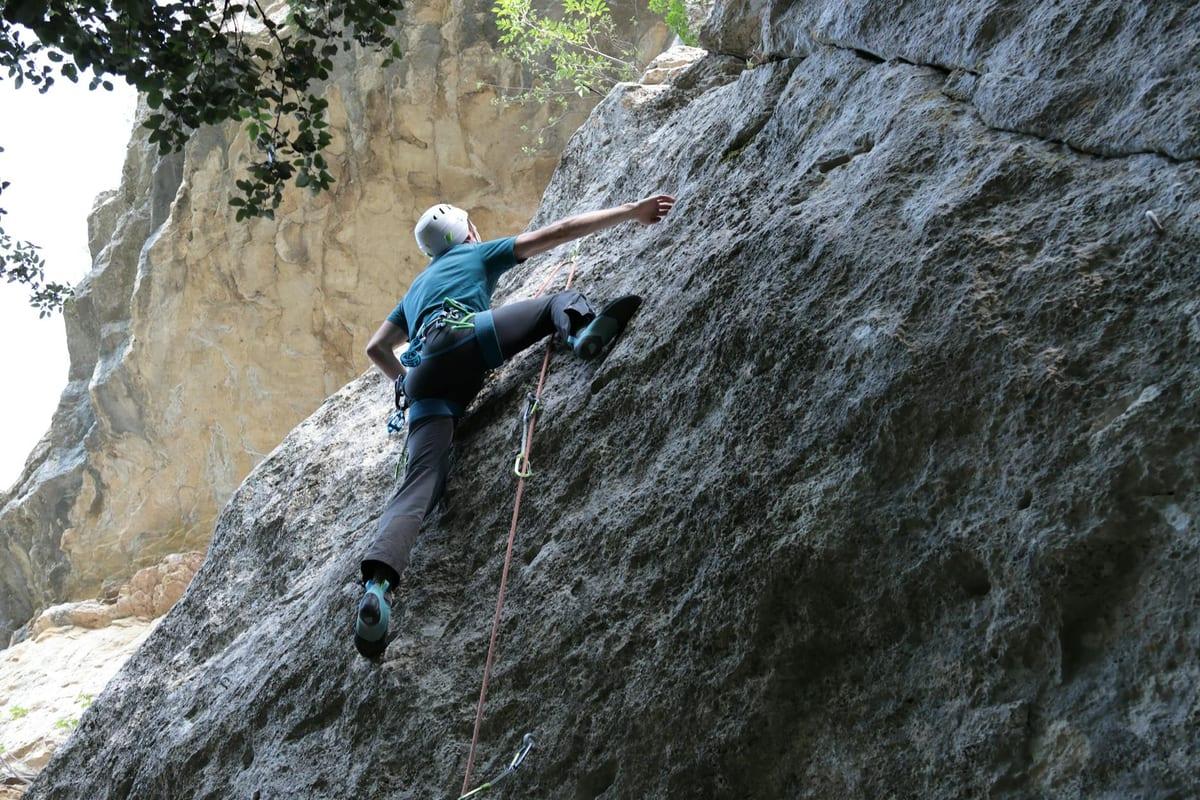
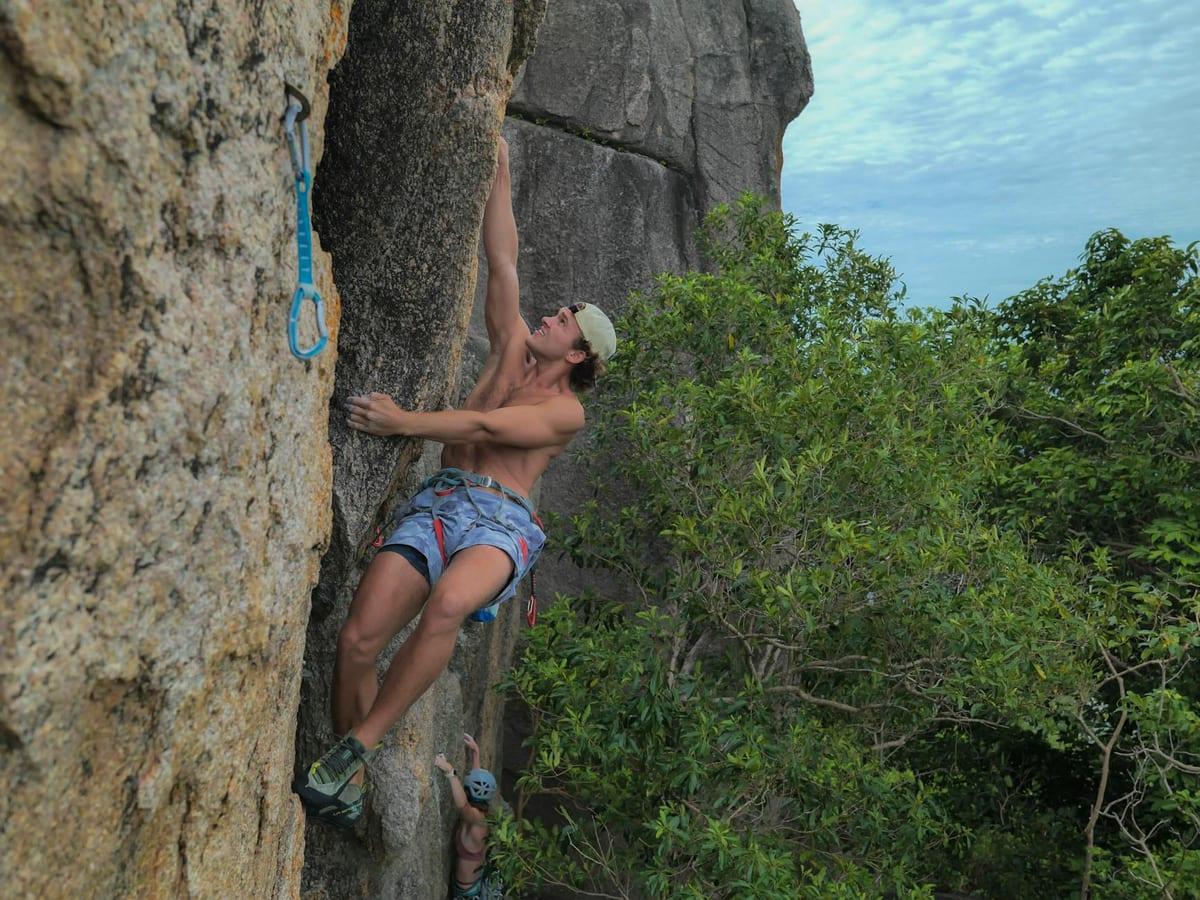
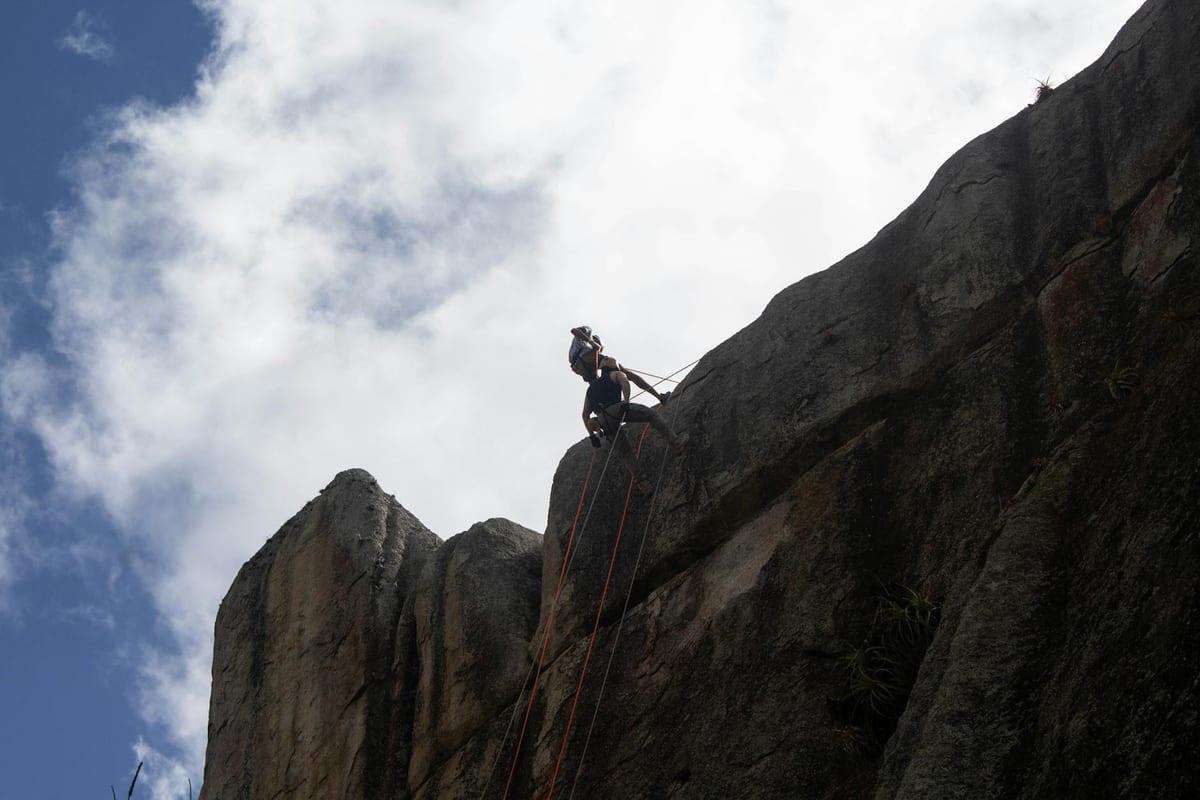
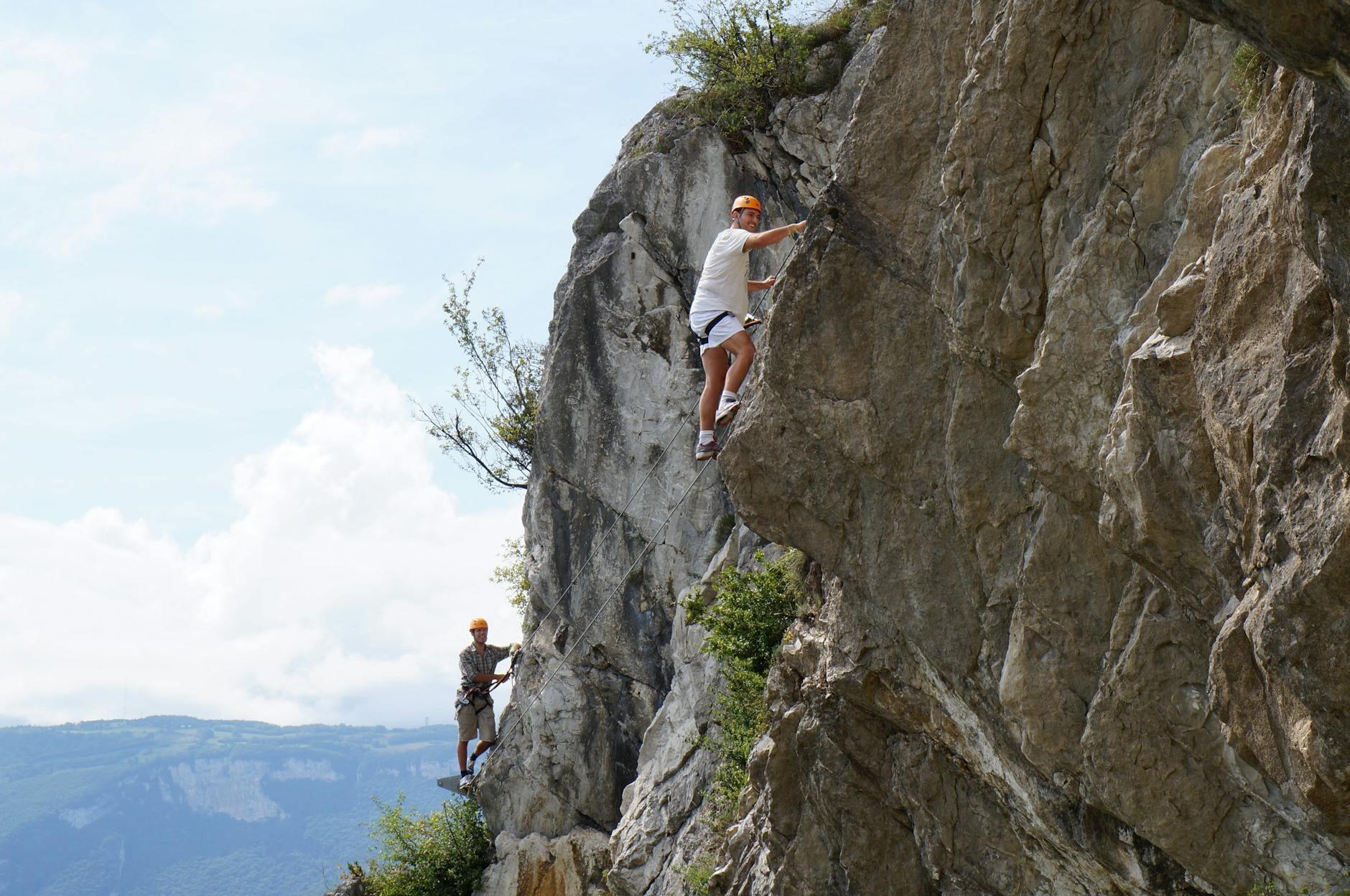
Rock Climbing takes you higher than bouldering, so it requires the use of ropes and harnesses. Trad(itional) climbing involves two people who ensure each others safety, through a lead/follow system with one always belaying the other. Having said that, if you’re very capable and very much more out-of-your-damned-mind you can ‘free solo’ typical climbing routes, without the use of a safety rope. We don’t recommend it.
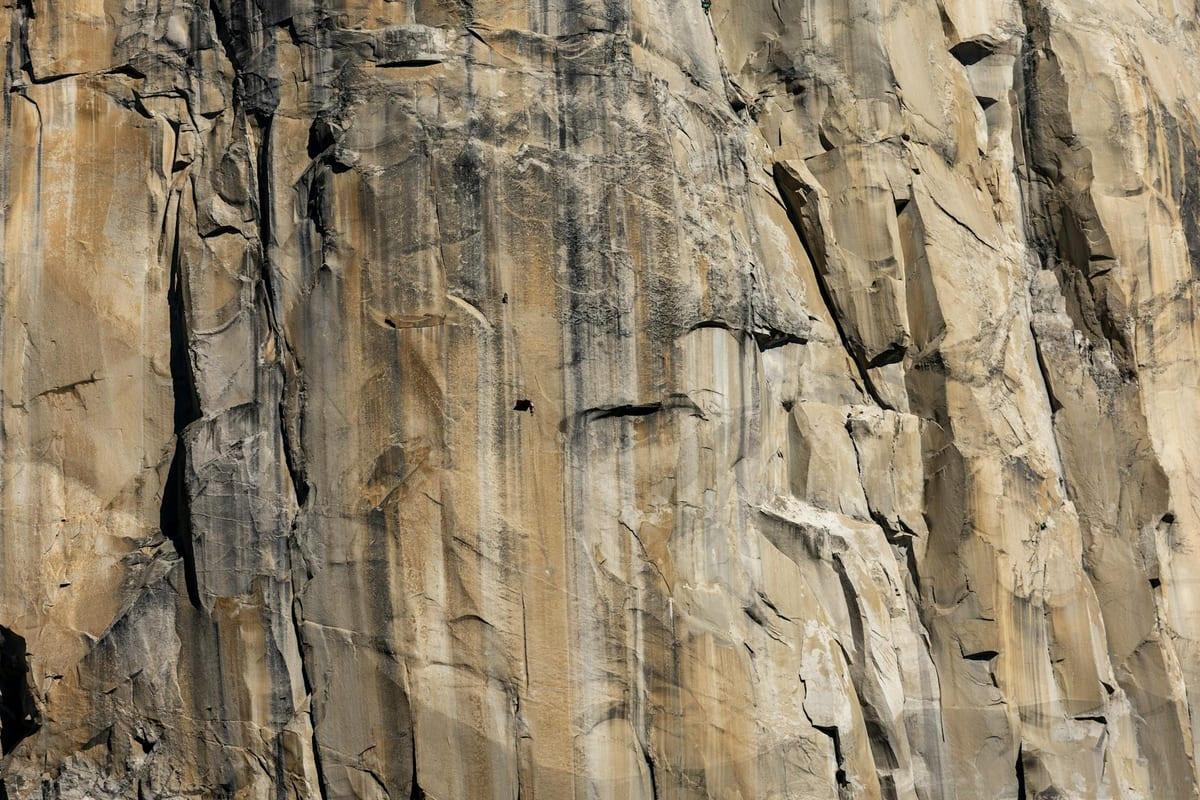
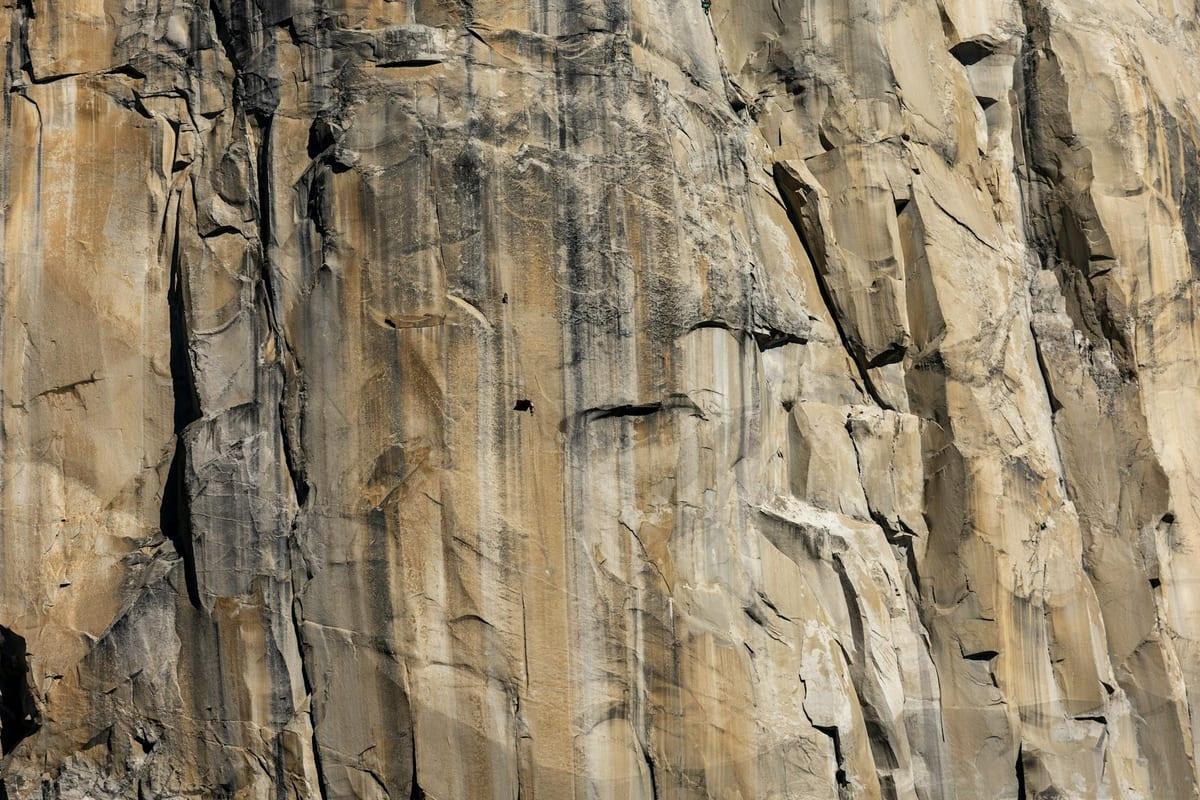
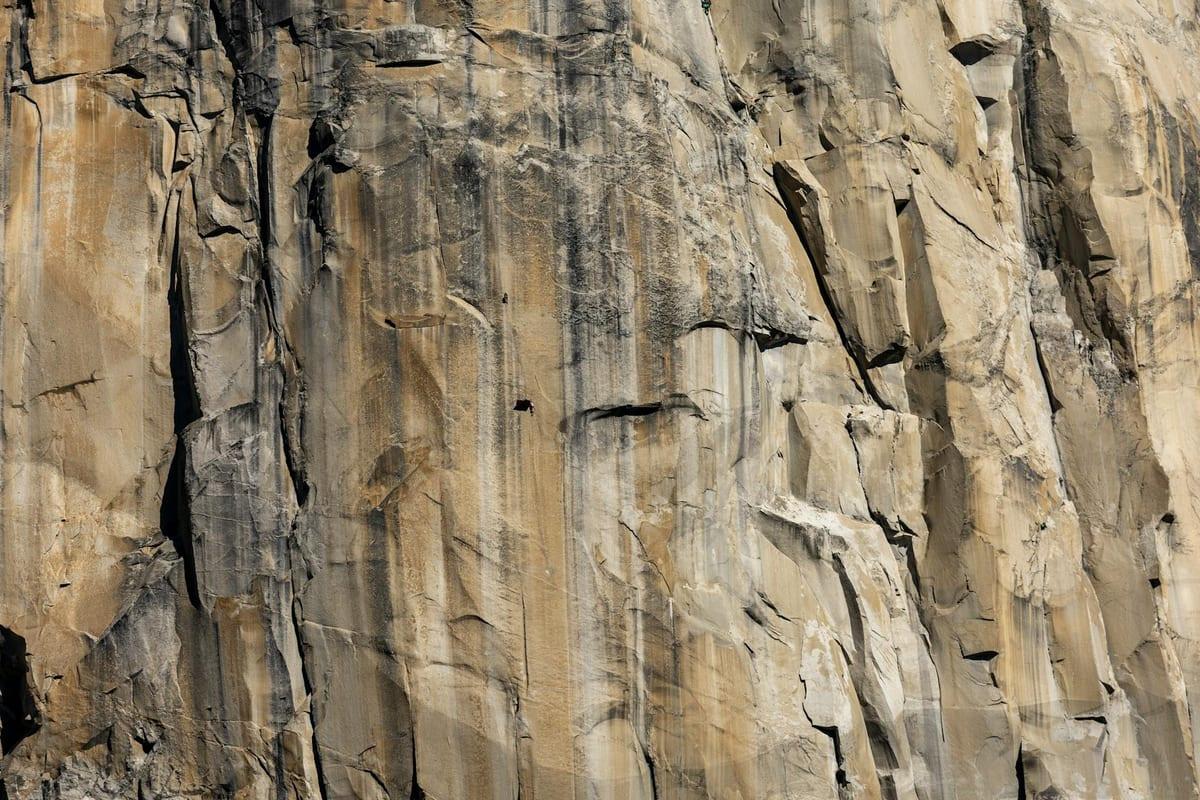
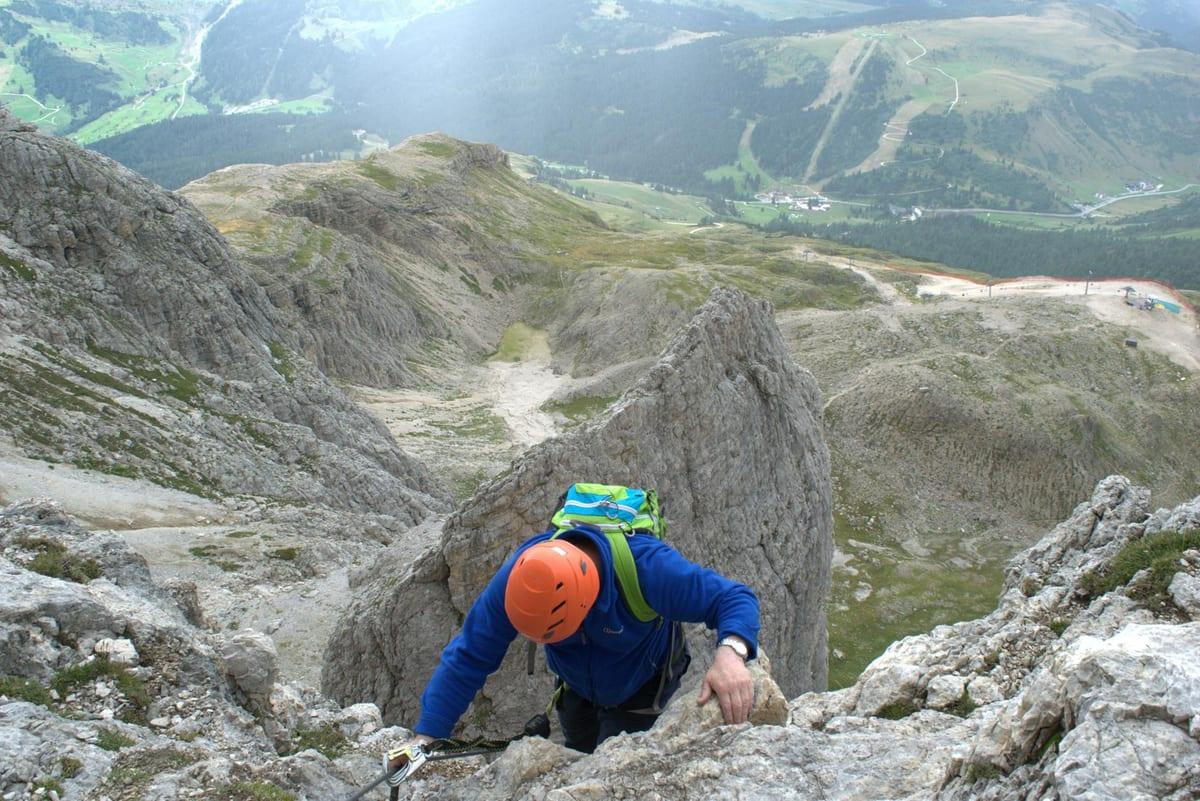
Mountaineering is a somewhat vague term, as it encompasses a lot of different disciplines and skills. Purists set the distinction somewhere in the vicinity of: ‘If you need specialized training, equipment, and planning to get to the summit, then it’s Mountaineering’. The distinction is somewhat important, because lots of mountains can be summited after a not too strenuous hike, with nothing more than some sturdy boots, a bottle of water, and a couple of granola bars. Conversely, some mountains, ‘El Capitan’ in Yosemite is the typical example, are summited strictly through ‘rock climbing’, and not mountaineering.
Having said that, whether it’s local boulders or Himalayan peaks, easy or unbelievably hard, summon the spirit of Mallory and challenge your body to live up to its physical potential. And when you successfully complete a tough challenge, make sure you shout loud enough for the ghost of Mallory to hear, 'BECAUSE IT’S THERE!!!'
Making it Happen
Now that you’ve gotten started, you’ll want to better understand the various grading systems, which were created so that people could finally give an official answer to the question, 'How can I prove that I'm a better boulderer than Klutzy Karl?'
First of all, brush up on bouldering lingo so you don't get sandbagged.
It’s also a good idea to understand the grading system for bouldering. The problem for grading bouldering routes is that it’s – as this site puts it – a flippin’ nightmare.
This Wikipedia articles does a good job in explaining bouldering grades.
YouTube has plenty of clips about bouldering, but rather than anything instructional, most of them feature people doing pull ups with a few fingers, full of muscle and vitality. You could get that vital and muscular by finding an indoor climbing centre. This site has an index of over 700 of them.
Since supporting your own bodyweight by a few fingers isn't a typical everyday occurrence, you can even train at home with dedicated equipment.
With all this training, you can climb up any mountain you like and stop getting on those boring, scenic gondolas. Just like bouldering, rock climbing has its own fantastically confusing rating systems you should know about.
Stave off the death of the publishing industry AND learn about climbing by getting into Climbing Magazine. Before you subscribe, you can read their free articles about rock climbing, which also includes rock climbing’s own glossary of terms.
They’re even nice enough to have a comprehensive listing of places to climb, indoor and outdoor.