Everyone's grandparent faced unfathomable hardship when they were younger. Work was harder, war was more warlike, there was something called croup. 8,000 years ago, Scandinavian grandparents were no different, telling their grandchildren, 'In my day, we trudged through the snow with nothing but our shoes [or whatever passed for footwear back then]. We liked it that way!' And some young whippersnapper would retort, 'GEEZ Gramps, I KNOW. Everyone has skis now and it's way better!" There are cave paintings that detail this exact scenario.
The point is, skiing has been around for a long time, literally thousands of years. For most of that time, skis were primarily a way to get from one very cold place to another very cold place without your feet or supplies sinking into the very cold snow. Somewhere around the mid-19th century though, people realised that these utilitarian skis might just have recreational possibilities. The first recorded ski races were held in Norway in the 1840s, then American gold rush miners raced in the 1850s-60s, and finally skiing reached the Olympics in 1924. And then more skiing stuff happened for almost a century; including all of those embarrassing fluorescent suits in the 1990s.
Getting Started
Whether your motivation for skiing is learning a skill, a propensity for intensity, or a twisted desire to laugh at your friends when they fall, you'll want to learn from a professional and be safe. (It's not as dangerous as you might think, but make sure you wear a helmet and ski sober anyway). Learning how to ski properly from the start will make the experience much less frustrating and embarrassing than learning from your friends who are great skiers, but terrible teachers. So get proper lessons on the mountain your first day. If you want to learn to ski right now, and aren't in the mood to catch the next flight to the Swiss Alps, then let this fit British-sounding fellow on YouTube give you a series of lessons that start off so basic, he'll even instruct you how to get the boots on.
And here is a slightly more fun than useful How to Ski video from our friends at MEC
When you are ready to actually hit the slopes, if you want to be able to walk off the mountain at the end of the day, make sure you spend some time stretching in the morning, and that you're in ski shape.
Gear Overview
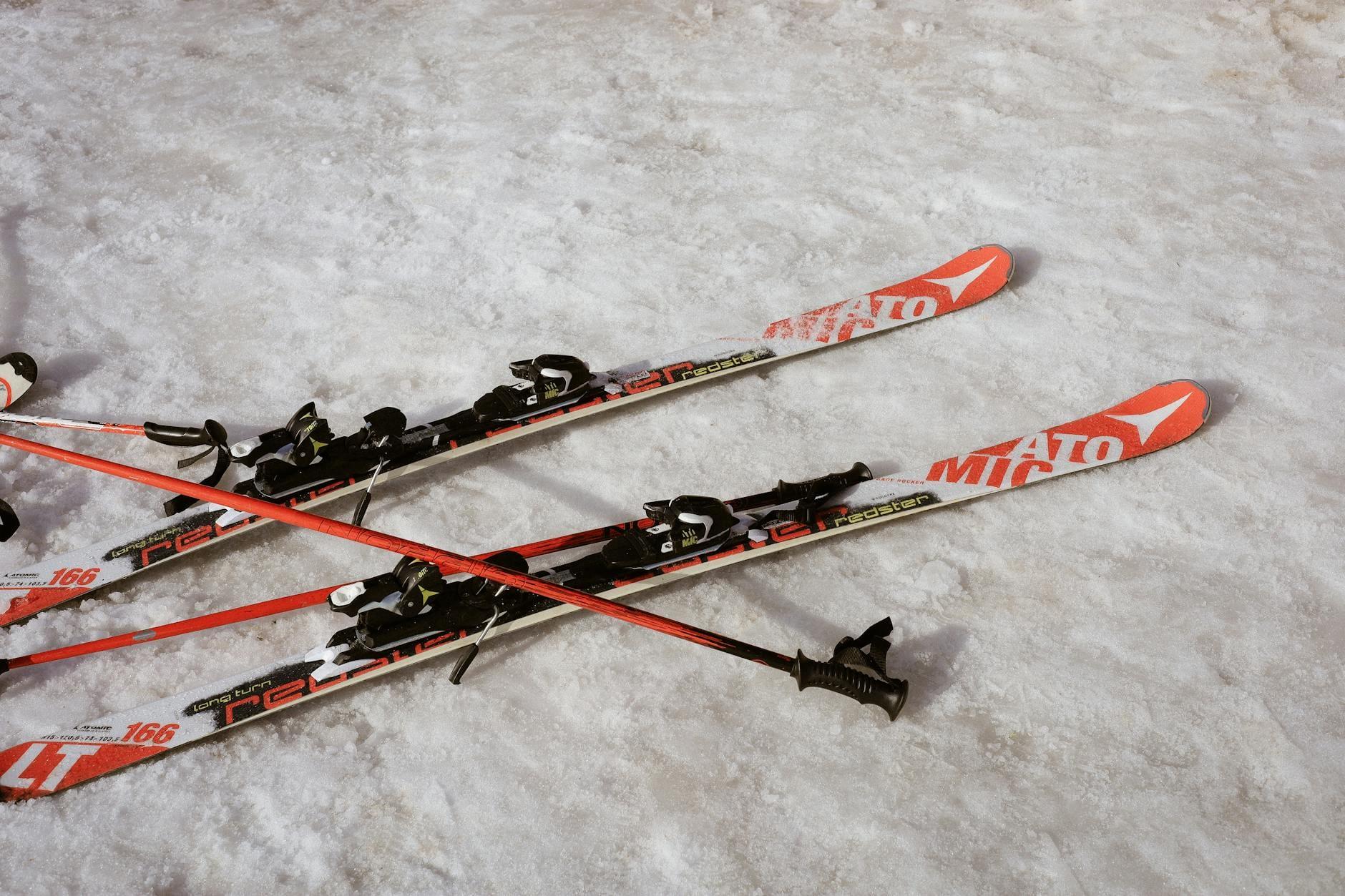
Skis typically have a wood core surrounded by composite materials. Depending on construction and materials, they can be fast or forgiving. So its important to make sure you have the right set of skis for your size, skill level, and local conditions. If you want to bore yourself to death, you can also learn EVERYTHING about how skis are made.
Beginner Skis: Short, light, flexible, and forgiving. No, were not talking about the perfect girlfriend. Don't be in any rush to upgrade to bigger, faster skis, learn at your own pace, and make sure you're completely in control before you grab a pair of all around skis.
All Around Skis: Jack of all trades type skis. Using a pair of all around skis is an all around good idea for most skiers on most slopes.
Freestyle Skis: Ready to hit the terrain park and show those clown snowboarders what's up? Freestyle skis have upturned tips on both ends, which means that you can be awesome and ski or land jumps backwards. Freestyle skis are fun and flexible, but purpose made. So don't expect to win any downhill races with them on.
Powder Skis: Skiing in deep powder off-piste is nothing short of amazing. Unless, of course, you have the wrong set of skis and are spending more time sinking than skiing. Powder skis have a large surface area and enough flex to keep you comfortably on top of soft powder and able to carve your way through whatever the mountain throws at you.
Boots: Your ski boots will keep your feet warm and make sure you don't break your ankles on those hard turns. What more could you ask for? Oh, right, well I guess being able to walk in them would be nice, too. Make sure your boots are snug and comfortable if you're renting gear. If your boots fit improperly, they will ruin your day. Also, if you're walking more than a few steps in them, be sure to unbuckle the upper portion at the very least.
Poles: Not everyone uses ski poles, but there are situations where they come in handy. Like giving yourself some extra momentum on flat bits of the trail, or being able to defend yourself against a yeti. Just make sure you have a set proportional to your height, otherwise your awkward skiing will look even more goofy. Anywhere you rent or buy poles will be able to advise.
Helmet: Back in the day, only tricksters wore helmets, but that's not the case anymore. The rest of the mountain realized that they might be on to something and most people you see on the slopes will be donning a helmet. While skiing is typically quite safe, falls happen and things can go quite wrong, so no matter how hard headed you are, a little added protection is a good idea.