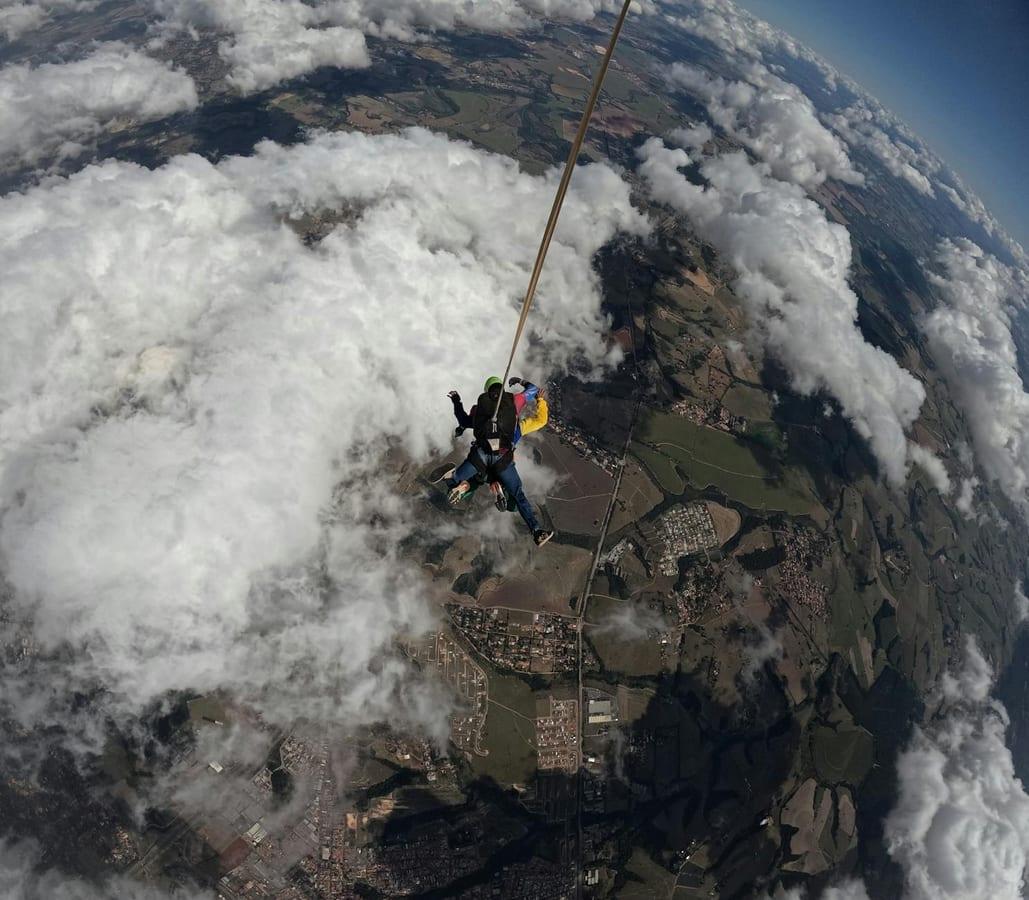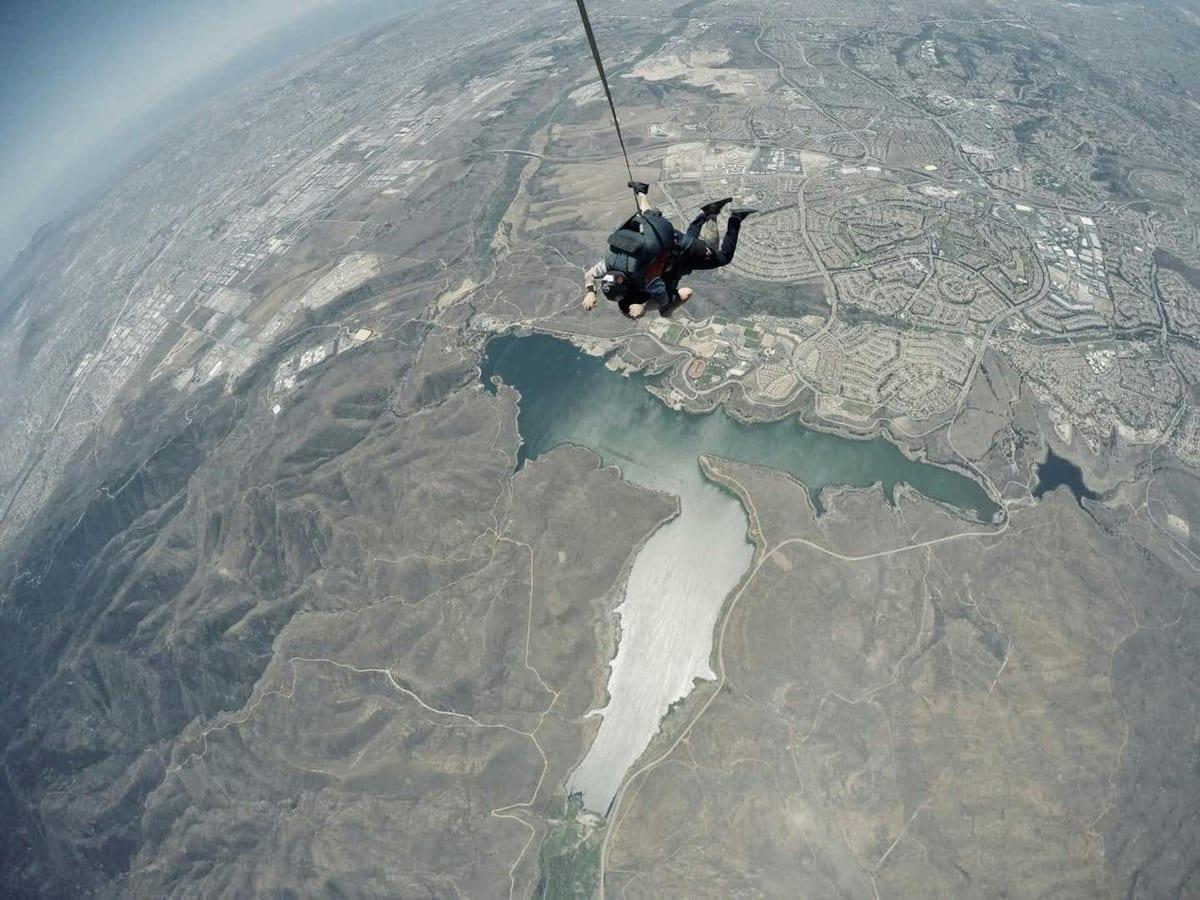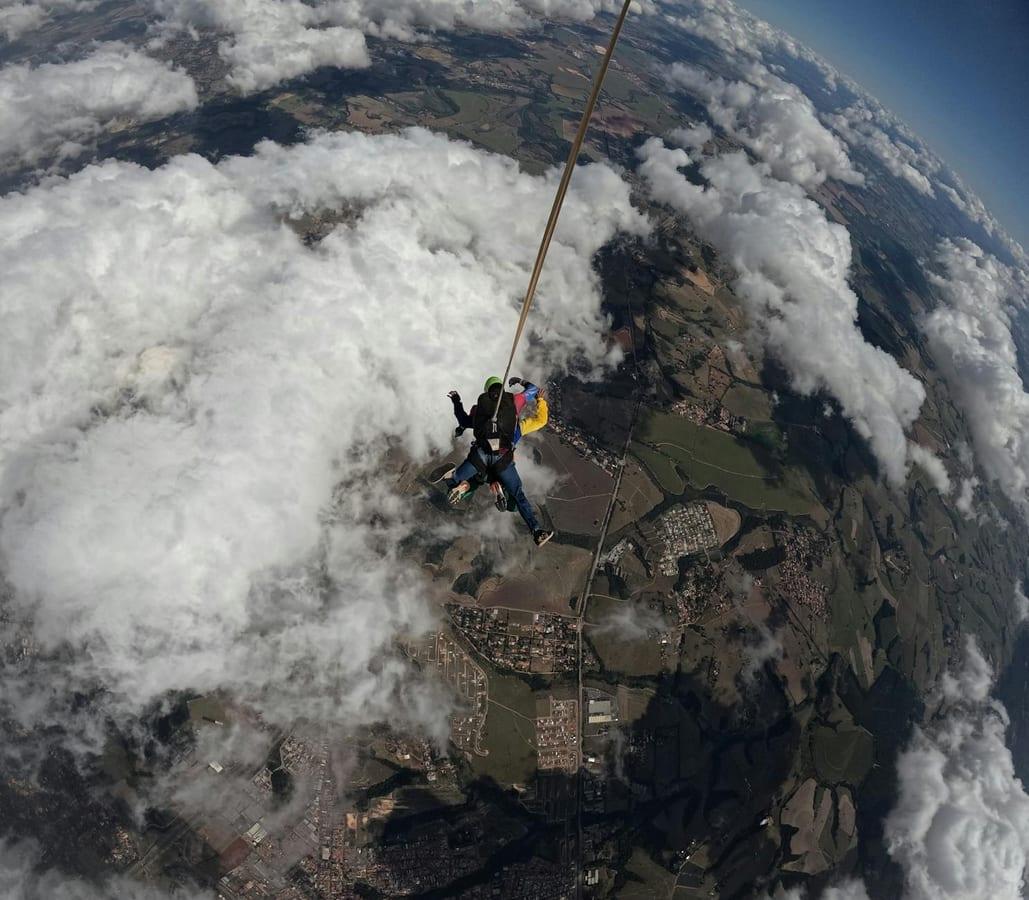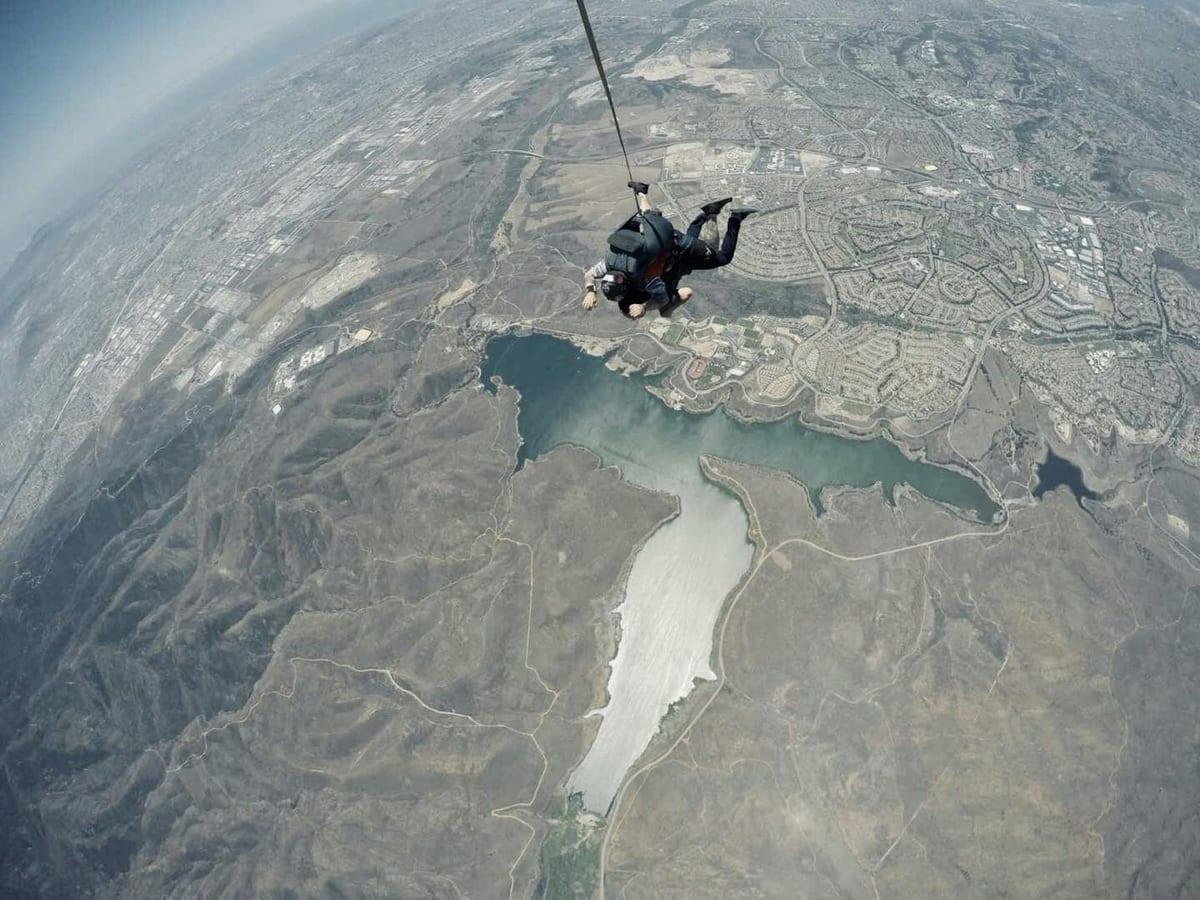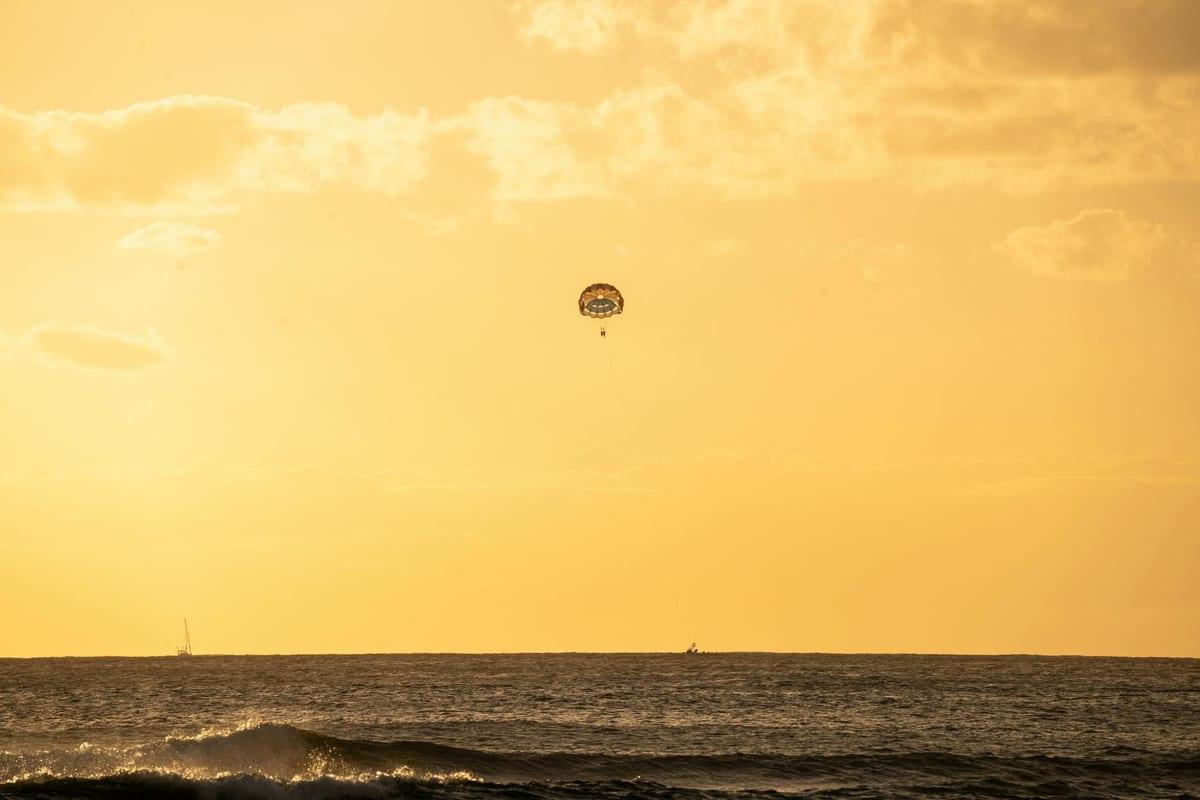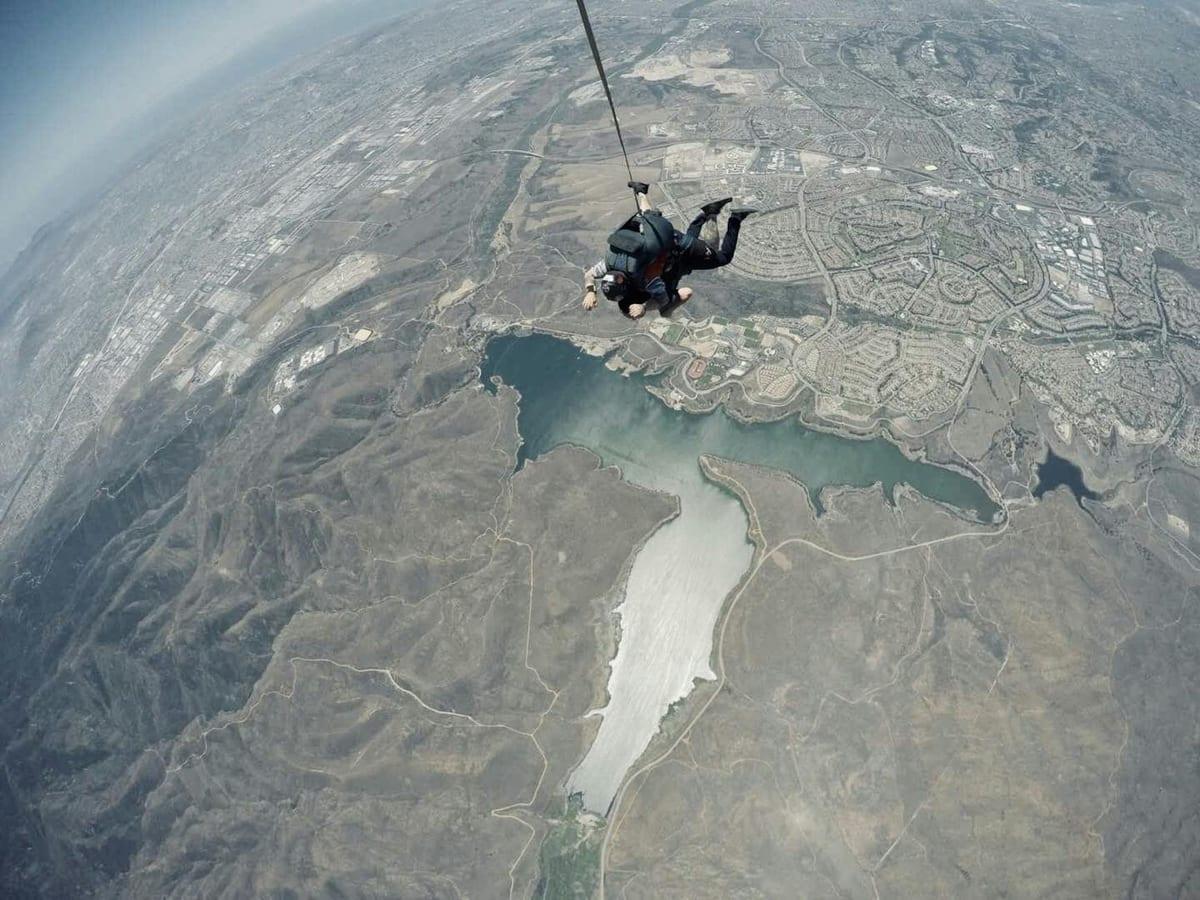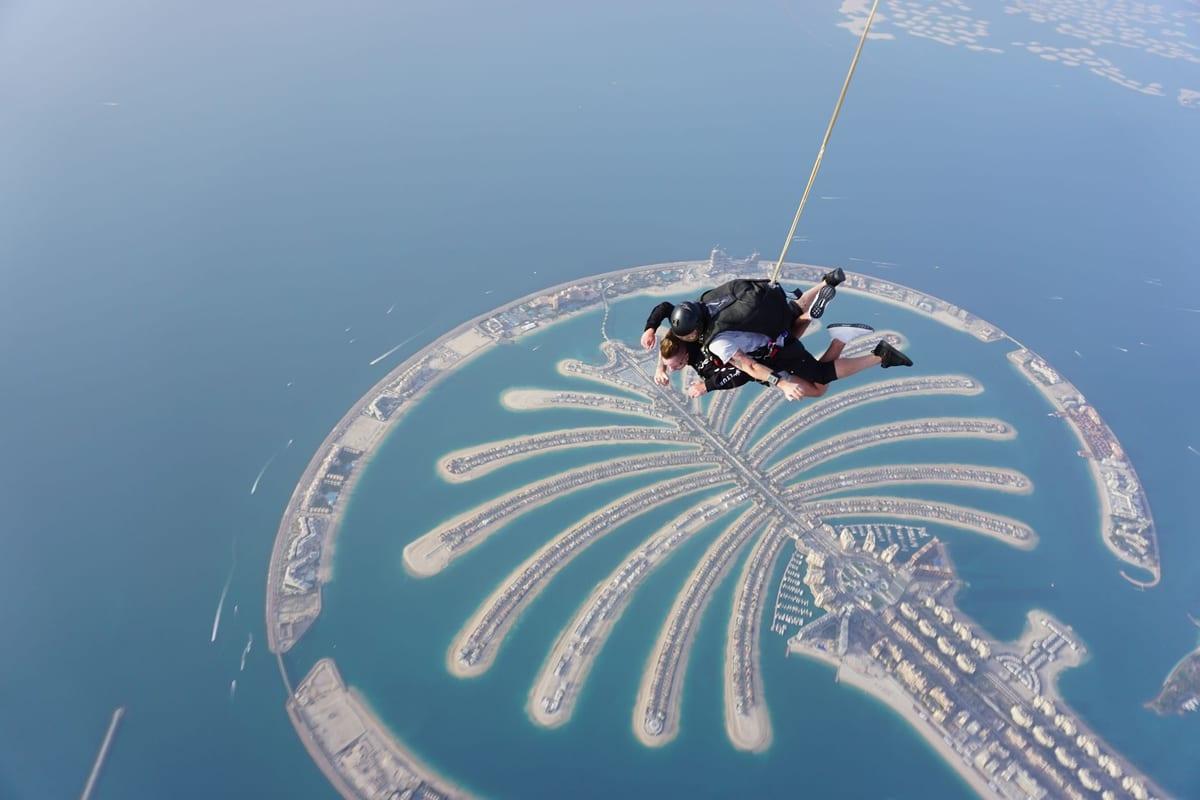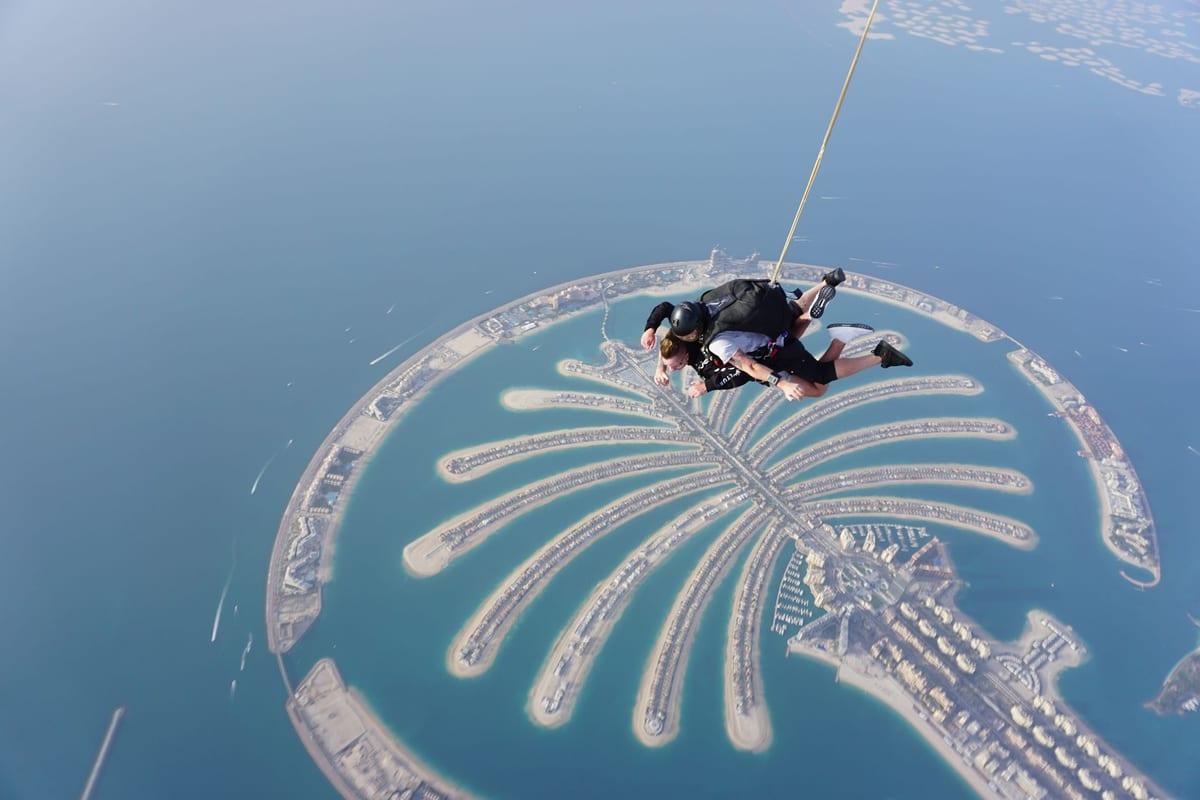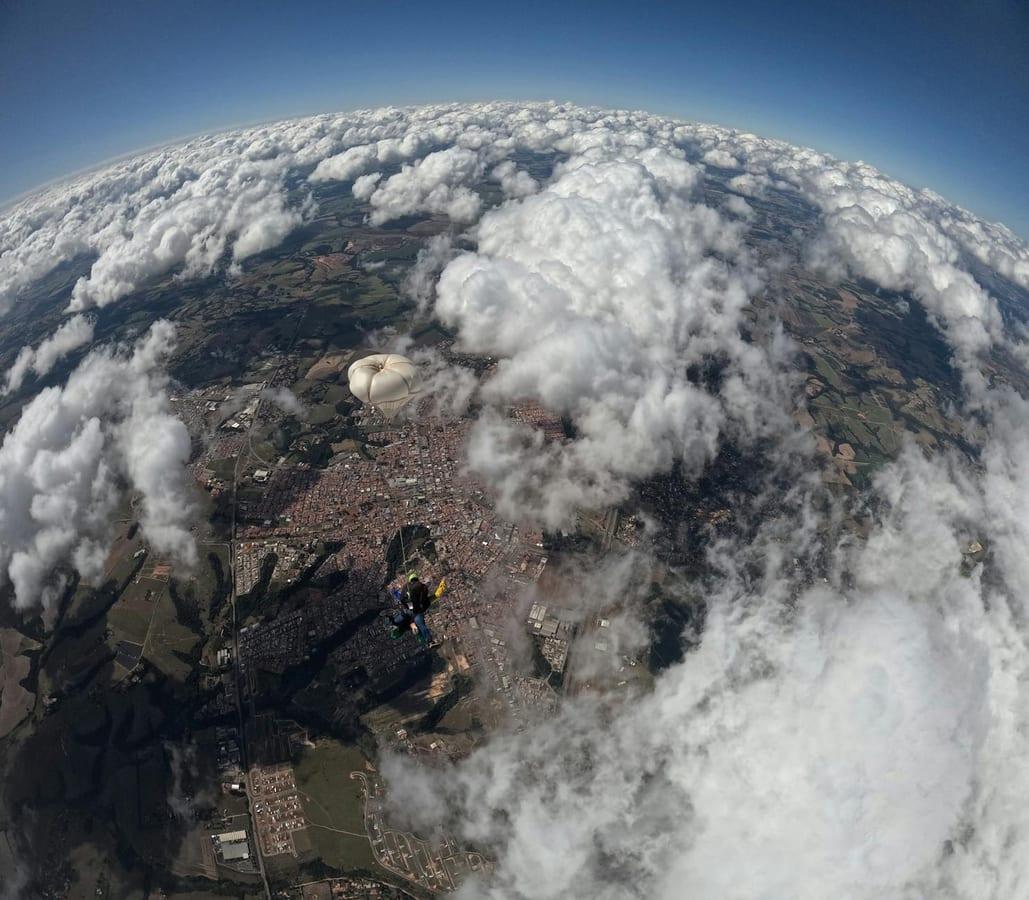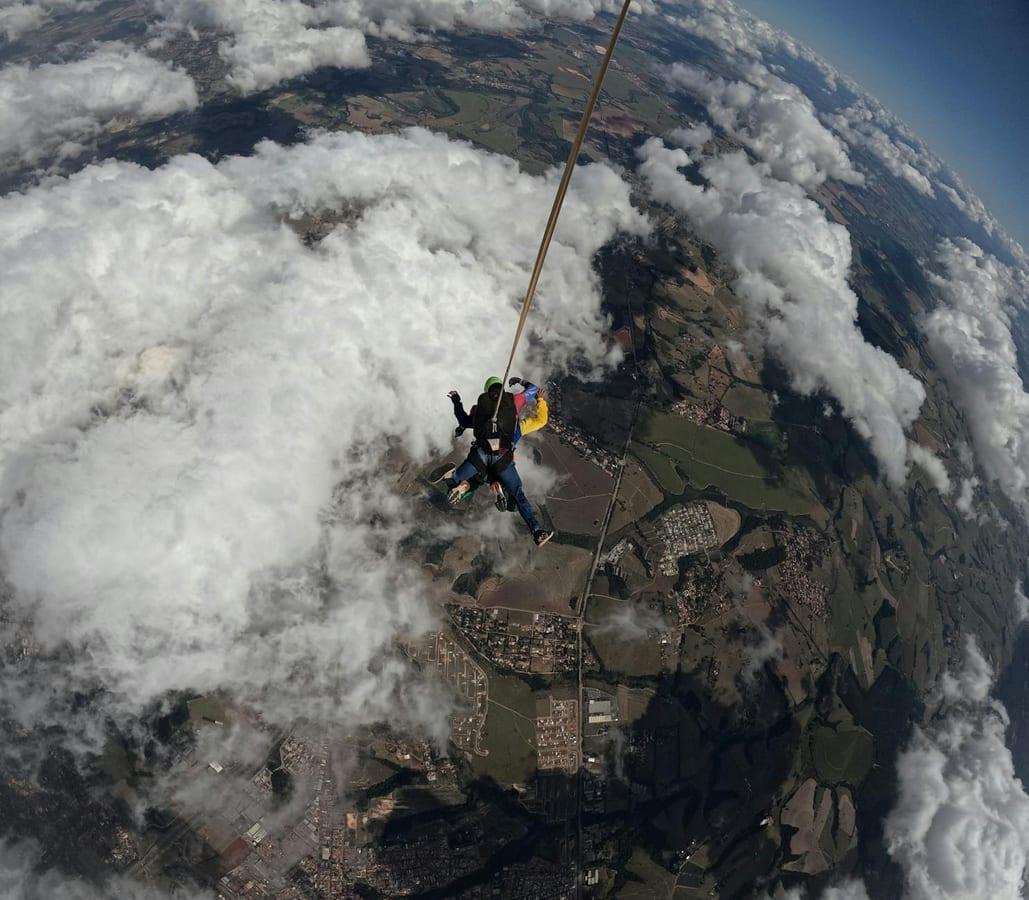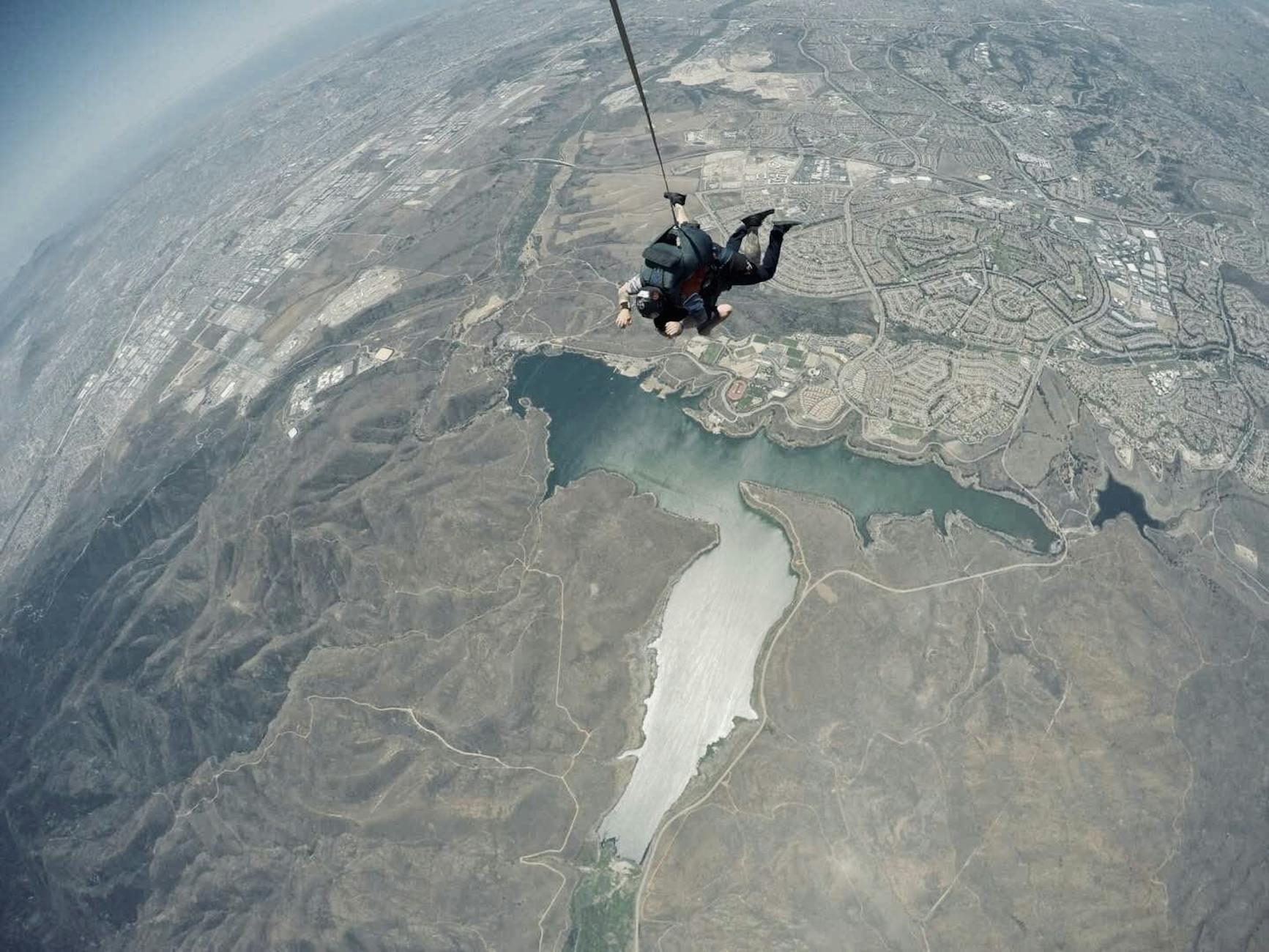
Despite the relatively recent ability to access great heights through aviation, our instinctual reaction to stay away from an open plane door is surprisingly powerful. And yet, even as you read this, people are overcoming that fear and throwing themselves out of planes the world over. For the sheer fun of it. And lets face it, without undergoing your lottery dream of surgically grafting wings to your body, skydiving is likely the closest you'll ever get to flying.
The first two parts of skydiving are straightforward and simple: 1) Jump and 2) Fall. Its the next two parts that require innovation: 3) Decelerate and 4) Land Safely. What we would think of as parachutes came into use in the 18th century, to help hot air balloonists escape or show off, before finding application in the military for troop deployment. Modern skydiving rose up as a result of surplus parachutes being around after World War II. People realized that once you take away the threat of getting shot at on the way down or being captured after landing safely, jumping out of a plane could actually be a lot of fun.
Getting Started
If you loved everything about doing a tandem skydive, except for the part where you got strapped to some dude (or chick, but honestly, it was probably a dude), then you might be keen to get your own skydiving license. Typically drop zones use either Accelerated Freefall (AFF) or Tandem Progression to introduce students to the wonder of plummeting towards the earth at 120mph.
The only difference between the two options lies in the first two jumps. With AFF, you'll be on your own from the start, with two certified instructors falling besides you through the air to make sure you don't panic, have good form, and remember Rule #1 (pull something). With tandem progression, your first two jumps are identical to a regular tandem jump, except that there will be more focus on your body position, you'll get to pull the ripcord yourself, and you will have the opportunity to control the landing. Jumps (levels) 3-10 are then solo jumps with one qualified instructor in the air with you to observe and give instructions (through hand signals (good luck having a conversation up there)) as you perform a new skill.
Once you've gotten through 10 levels successfully (you may have to repeat a couple of jumps, most people do), you'll get to learn a few intermediate skills and build up your jump numbers until you get to 25. When you hit that magic number, you're eligible for your USPA A-license and will be allowed to rent gear from and jump at any accredited drop zone in the world! Best part is, licensed skydivers only have to pay about $25 per jump!
Gear Overview
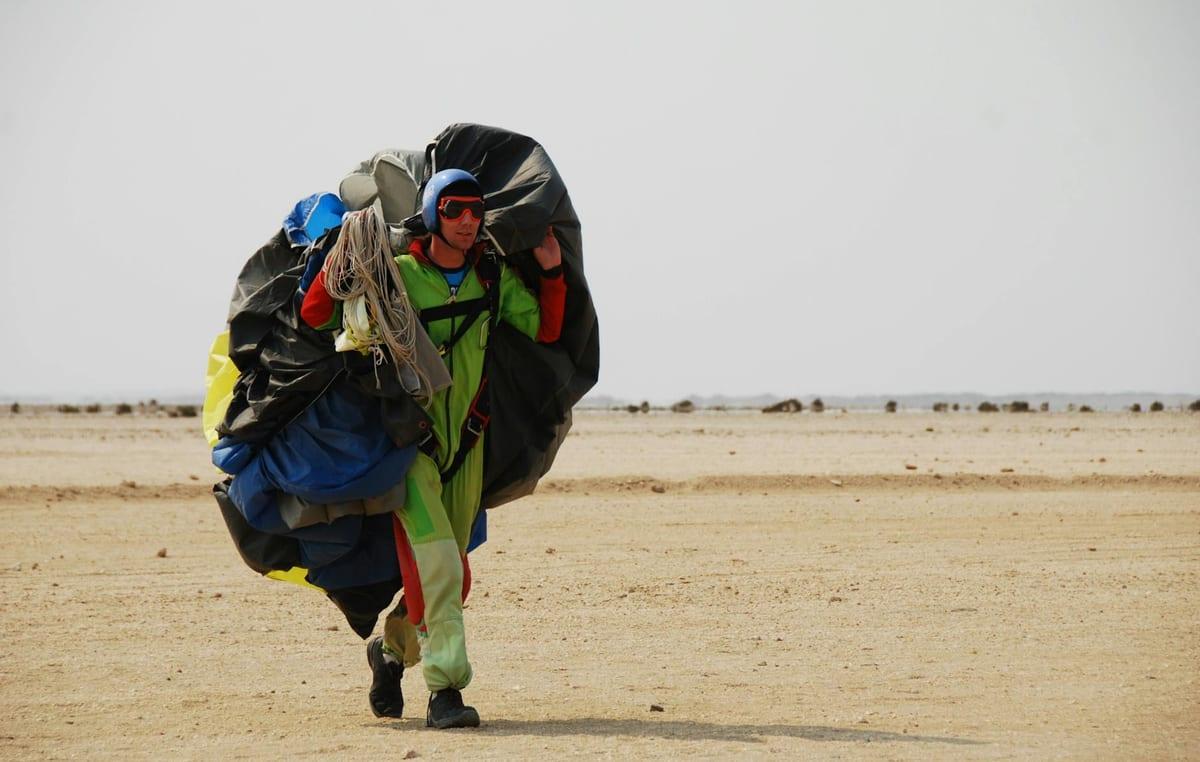
Rig: The backpack/harness which holds your two parachutes and AAD. For tandems, rest assured that the rig you're attached to holds two huge parachutes and will almost certainly get you to the ground safely. If you're picking a rig for yourself as a licensed jumper, make sure you follow two of the cardinal rules of skydiving. Look cool and jump within your limits, not necessarily in that order. Your new (or used) rig should comfortably fit the size parachute that you can safely jump with, and make sure it looks and feels AWESOME.
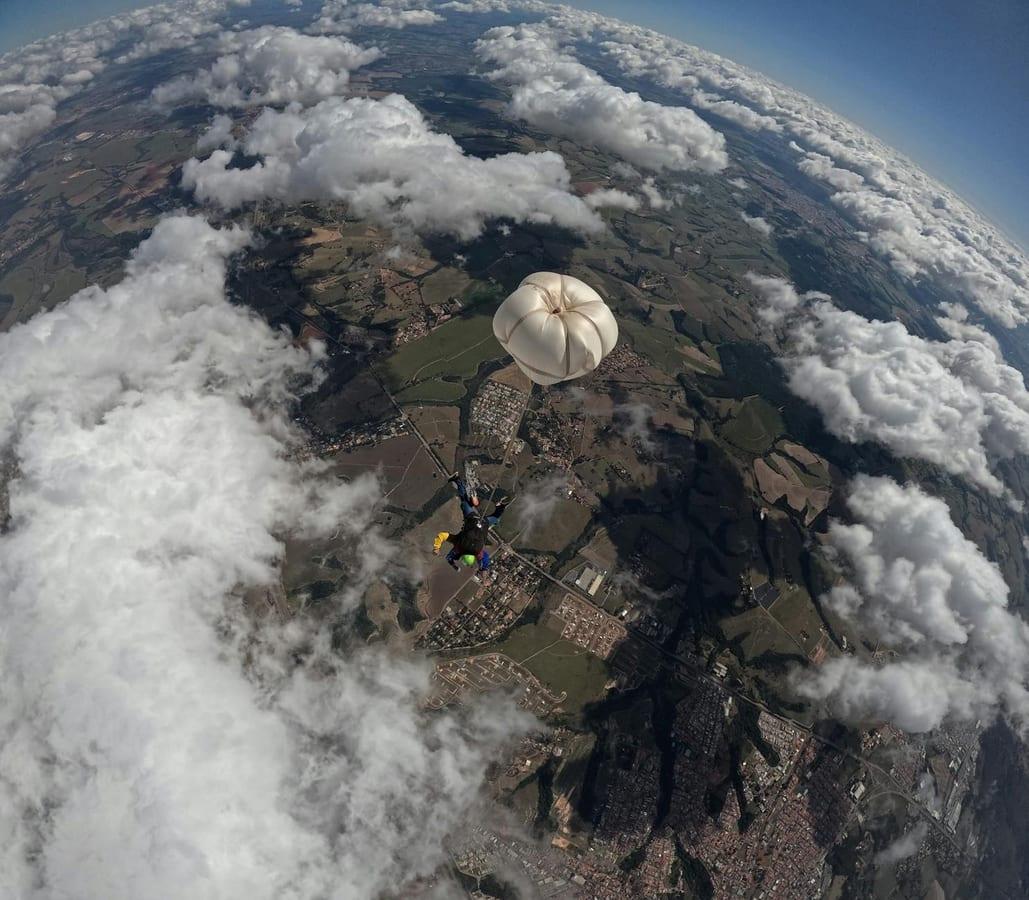
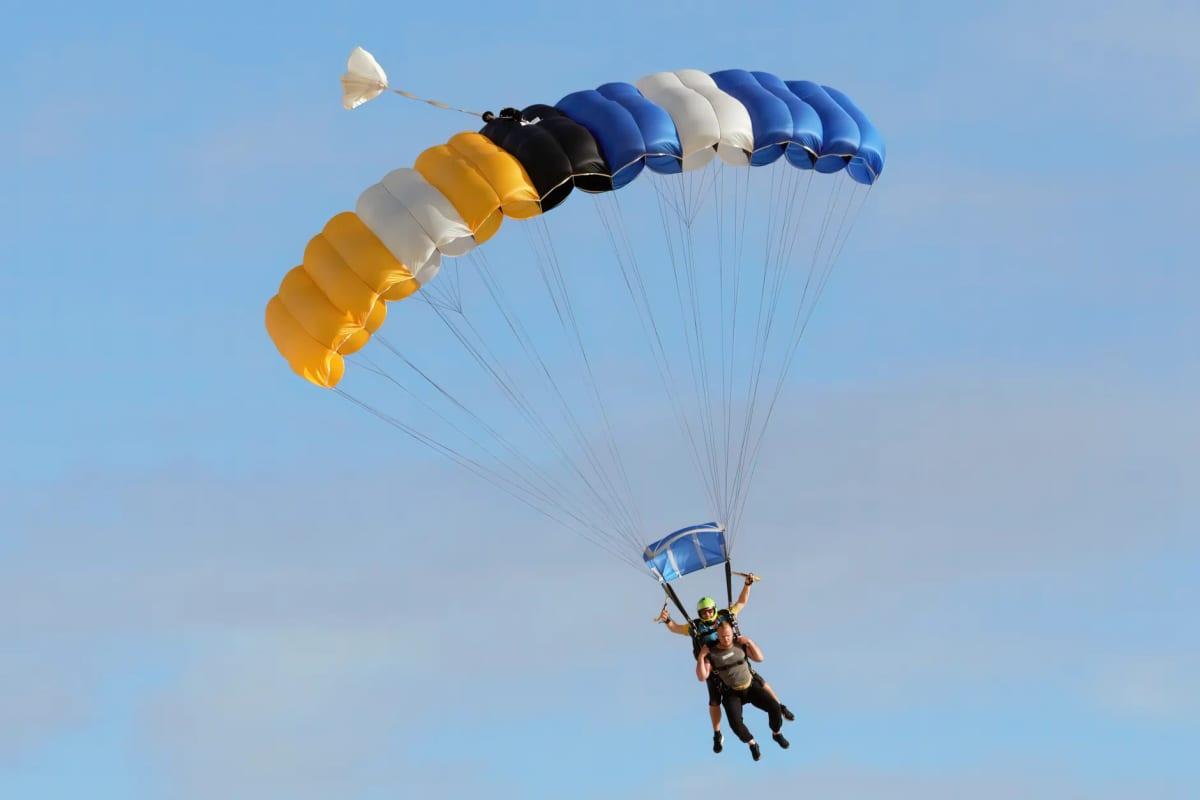
Parachute: When selecting a parachute, after making sure it looks cool of course, you have to decide how appropriate it is for you. The most important factor is your wing load, which translates to your (exit weight) (canopy area). As you get more advanced, your wingloading will potentially go higher, so you can be more badass and start swooping. But don't be in a rush to downsize. Make sure you've mastered your canopy and speak to the senior jumpers and instructors at your drop zone to get their input before you consider a new parachute. The only thing cooler than jumping a tiny parachute is not having two broken legs.
Reserve: Your secondary or emergency parachute is always packed by a professional and is there to save your life, should there be an unlikely problem with your main. On any given rig, the reserve is typically a seven cell (read: tame) comparably sized parachute to your primary.
AAD: 'Automatic Activation Device', or in simple terms, a failsafe. Assuming something knocks you out or you don't remember to follow skydiving Rule #1 (pull something), a correctly calibrated and activated AAD will deploy your reserve parachute at a preset altitude, and likely save your life. Make sure your rig has an AAD and that it's always turned on before you jump. ALWAYS.
Helmet: Beginning jumpers are required to wear helmets, although once you get a D license, you can forego having one. Just make sure it fits you securely. The decision between open or closed face is a personal one.
Goggles: Some sunglasses will work for skydiving, but you're better off relying on goggles at first. Falling at 120mph without having your eyes covered is nothing short of impossible and even the canopy ride is miserable without them. Try sliding yours down the next time you're under canopy if you don't believe us.