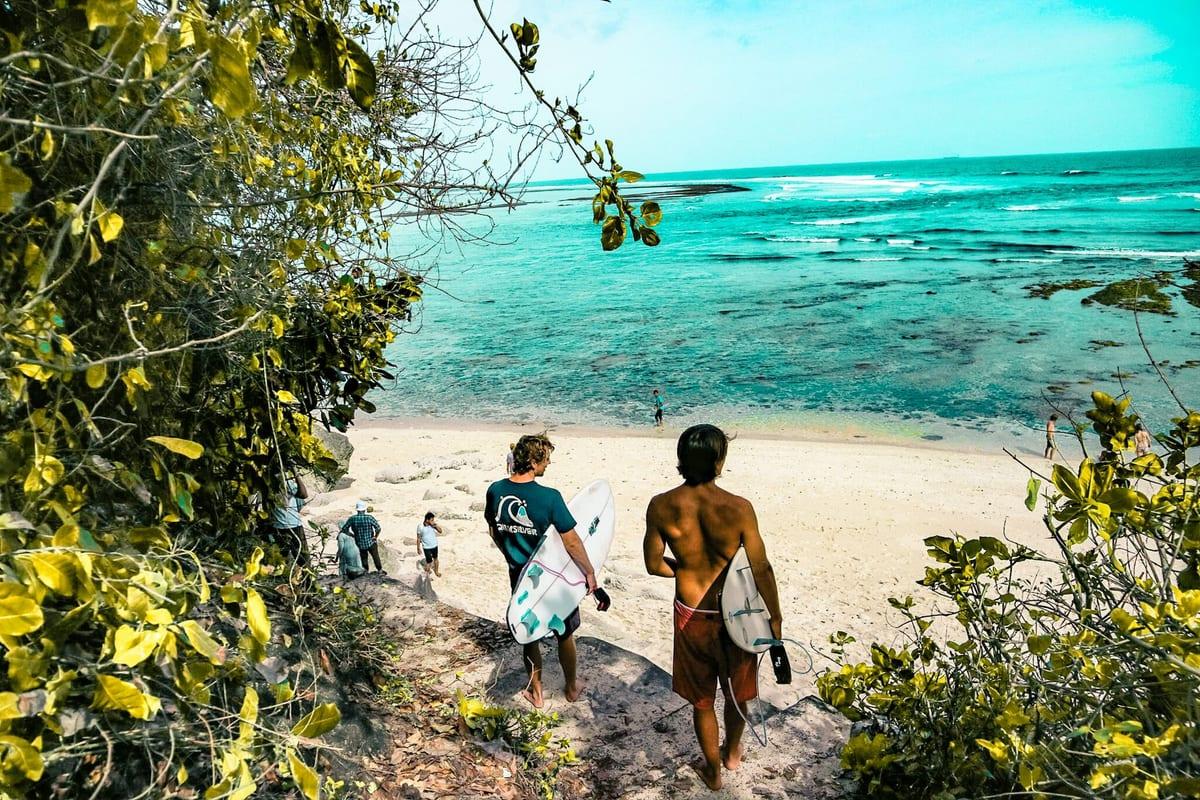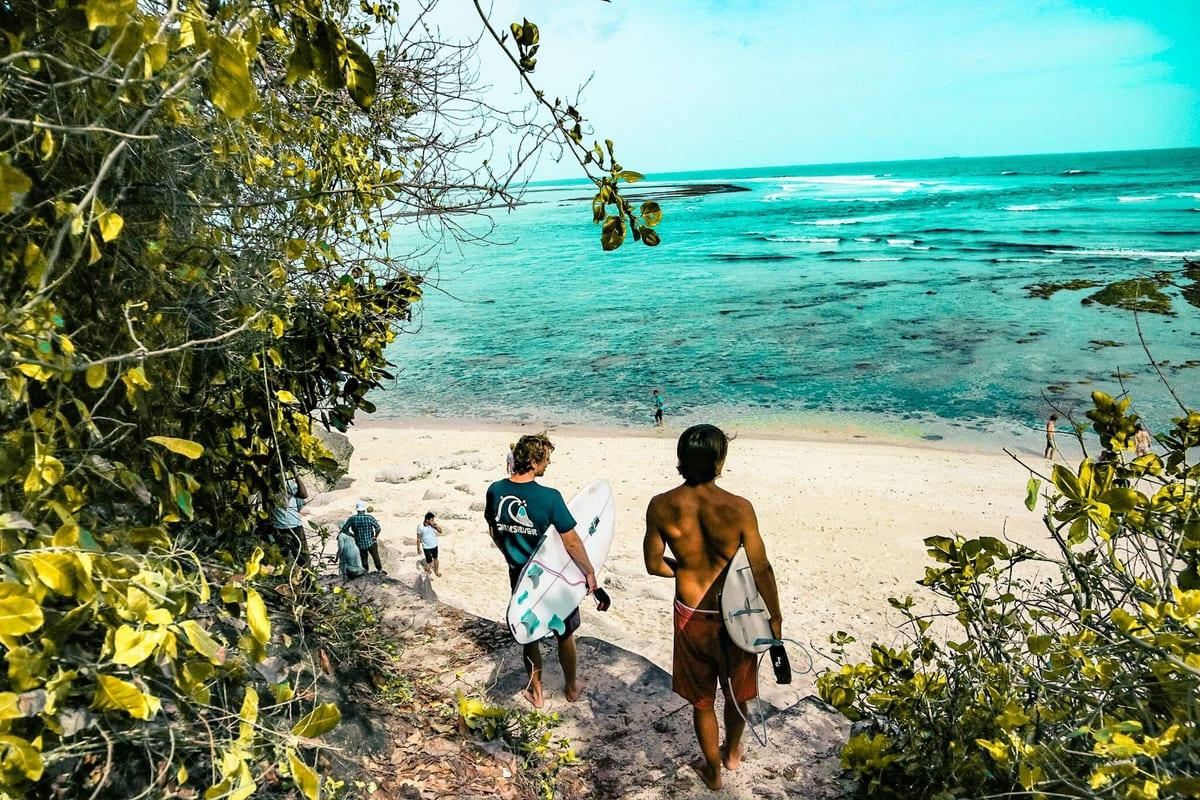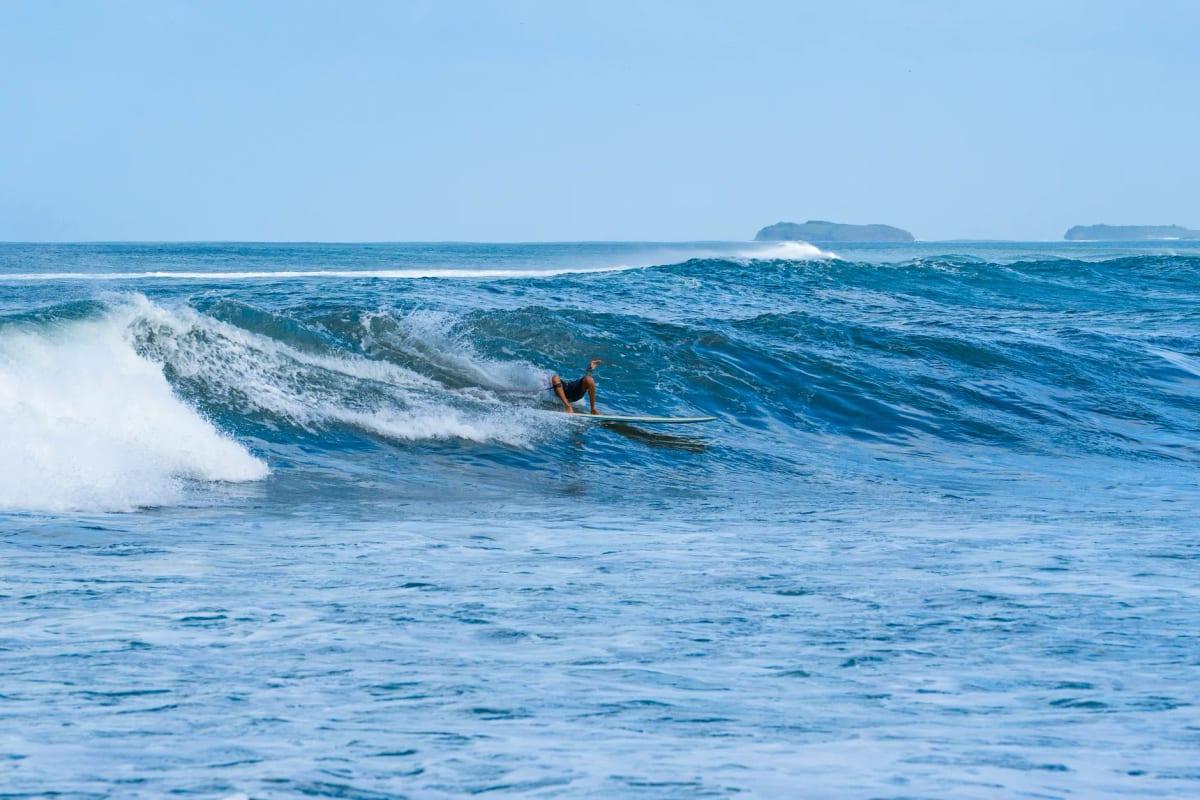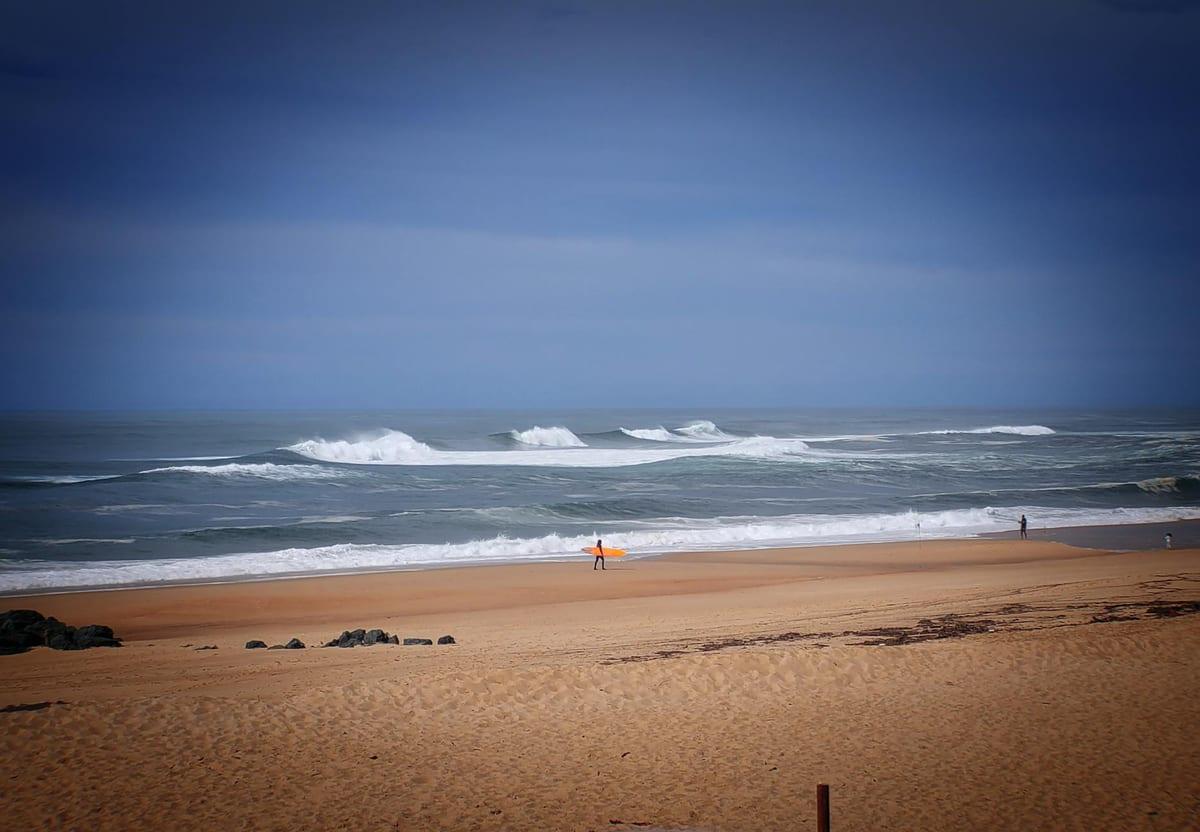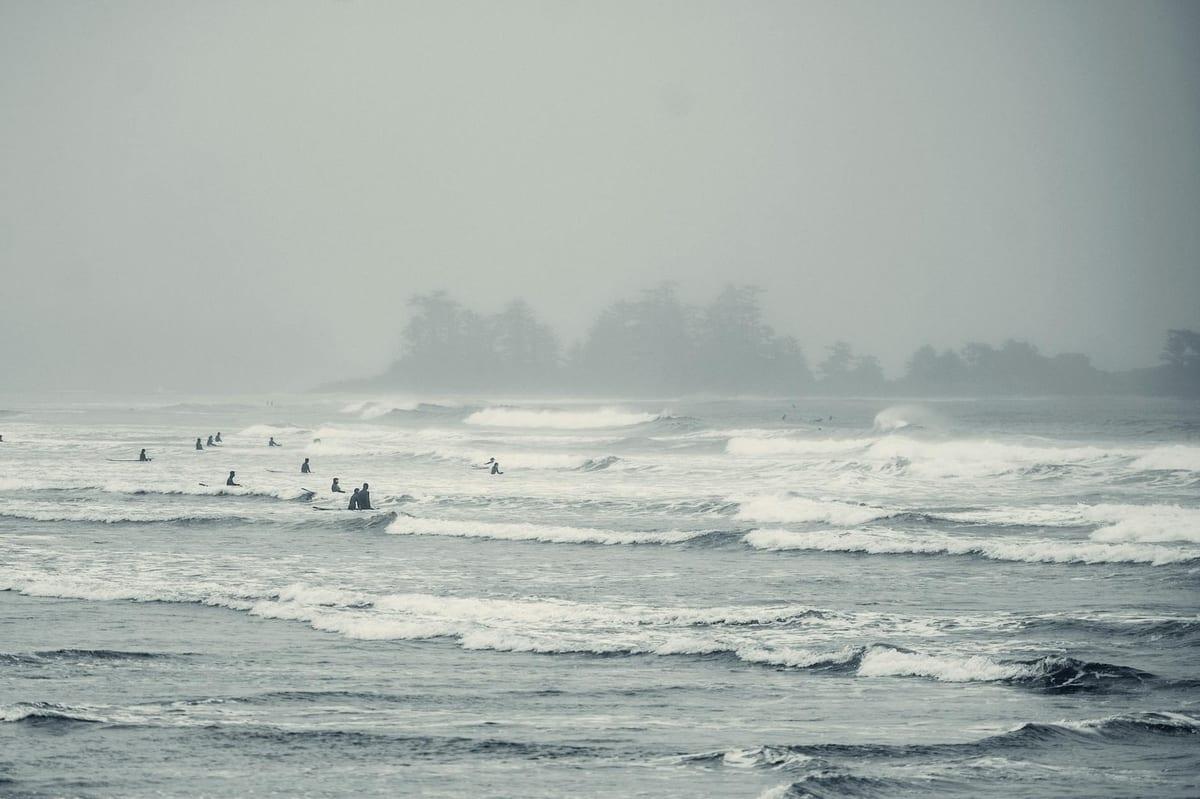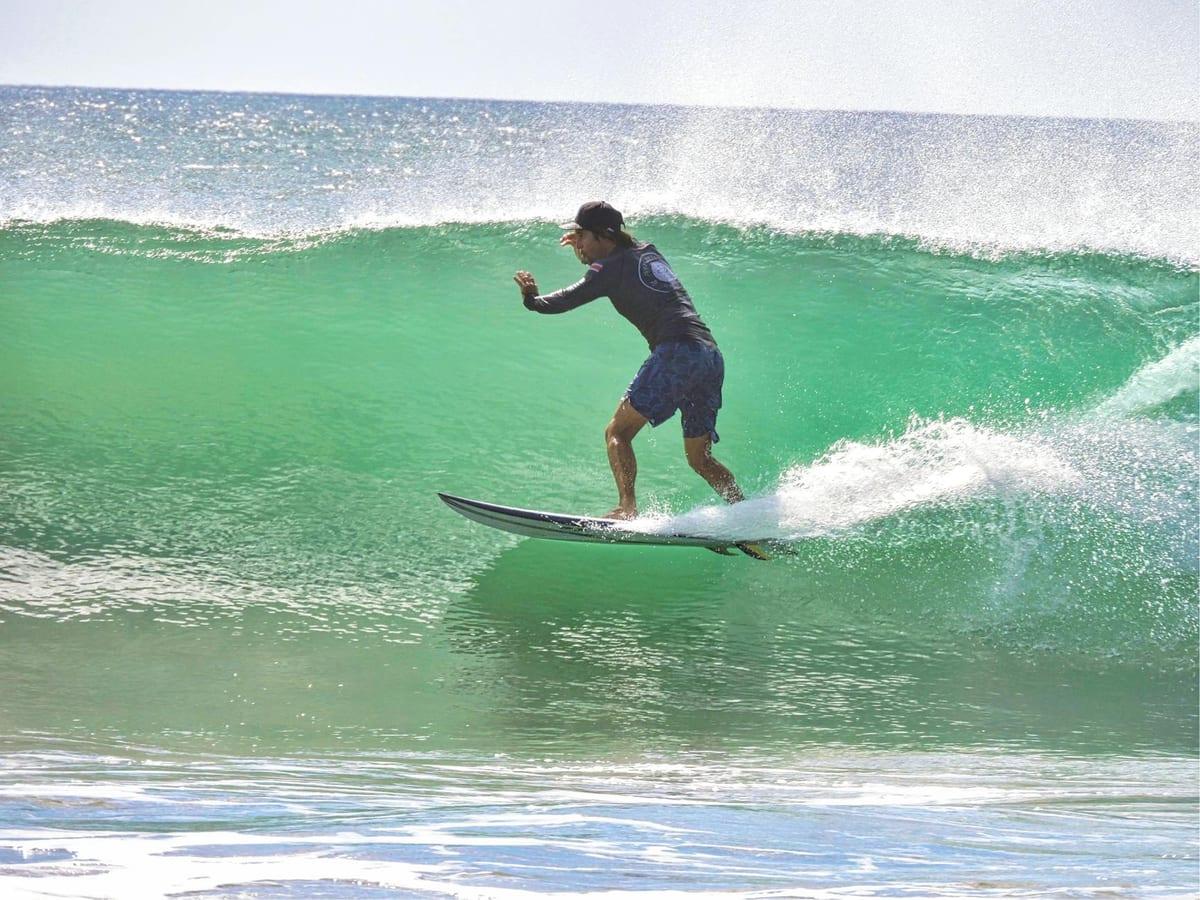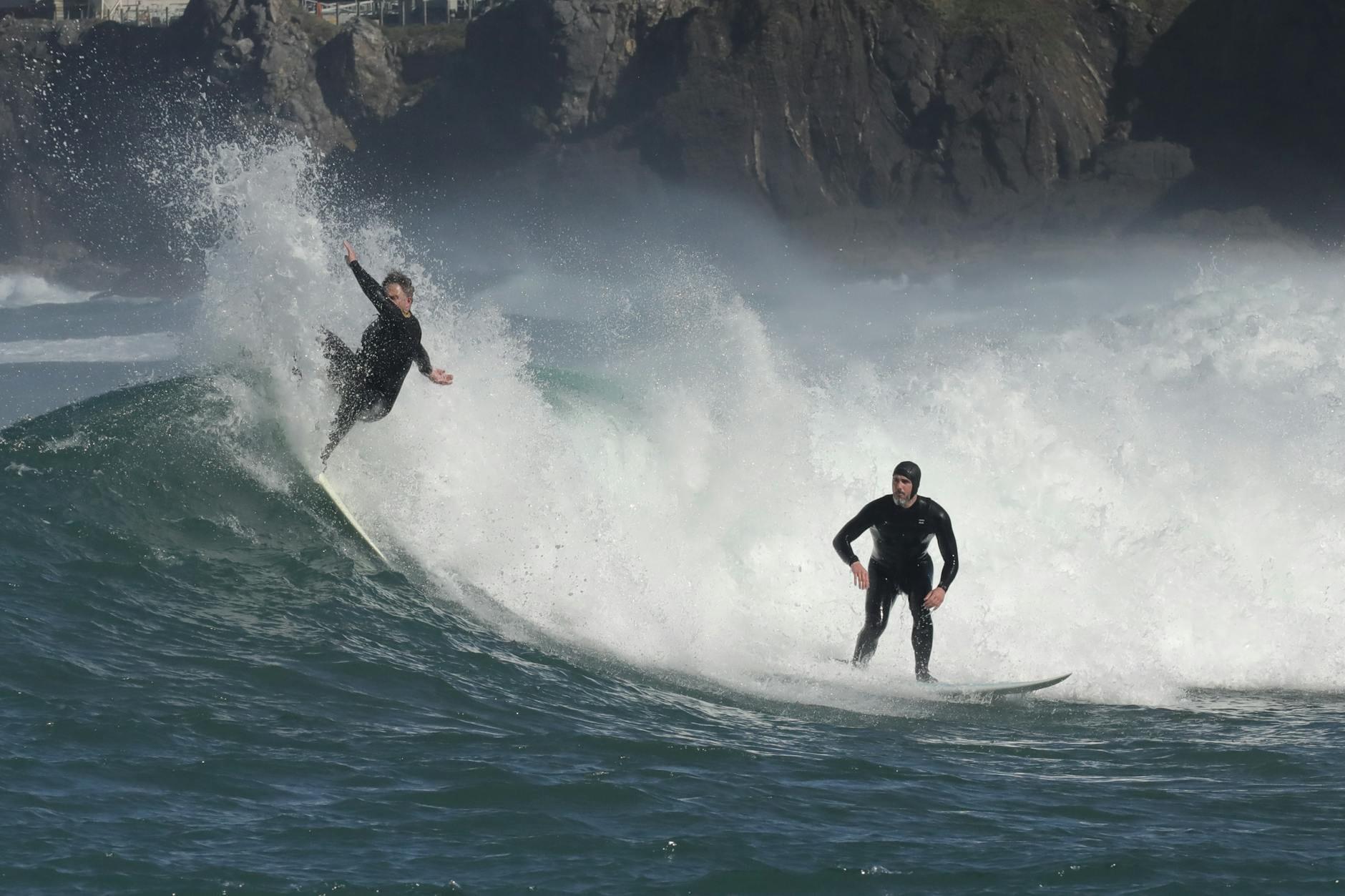
Millions of years ago, our slimy ancestors crawled out of the sea, determined that their future offspring would walk on land, climb the tallest mountains, and let everyone know what they were eating on social media. But a lot of our marine relatives stayed behind for one reason: to catch some tubular waves, Dude.
Before surfing became something to do with your brah (or LADYbrah), it was deeply embedded in Polynesian culture, particularly in Hawaii. There was a significant spiritual component to surfing, and new boards and their riders would actually be prayed for. It was so popular that even the kings got into it, surfing on their own special beach, which common people weren't allowed on. Then the Europeans swung by with their diseases and different way of life and ruined everything, causing a major setback to surfing and diminishing the spiritual component. It was, as the Hawaiians - probably don't - say, a real bummer, man. A revival started by Hawaiian superstar athlete Duke Kahanamoku took off in the 1950s, thanks to technological advances in California that made boards lighter, smoother, and most importantly, totally gnarly.
Getting Started
Now that the sport of kings is open to commoners, how can you learn?
First part's easy: Go to the ocean.
Great, now that you're near an ocean, find a surfing instructor. You can Google it of course, but try Yelp and you'll be able to find reviews of some surf shops and schools. On the other hand, if you're scared of sharks, or jellyfish, or the ocean, or whatever, but like the idea of surfing anyway, YouTube will teach you from the comfort of your own shark-free, landlocked, boardless, dry, boring, window-tinted home.
Gear
Surfboard: Typically made of polyurethane foam, covered with fiberglass cloth and coated with resin. Depending on the application and your skill level, there are lots of different varieties. None of which will get past airport security as a carry-on.
Longboard: This is a typical beginner board. It's stable, comfortable and with a little practice a novice can be riding their longboard all the way to shore in no time. Typically about 8'-12' and wide throughout.
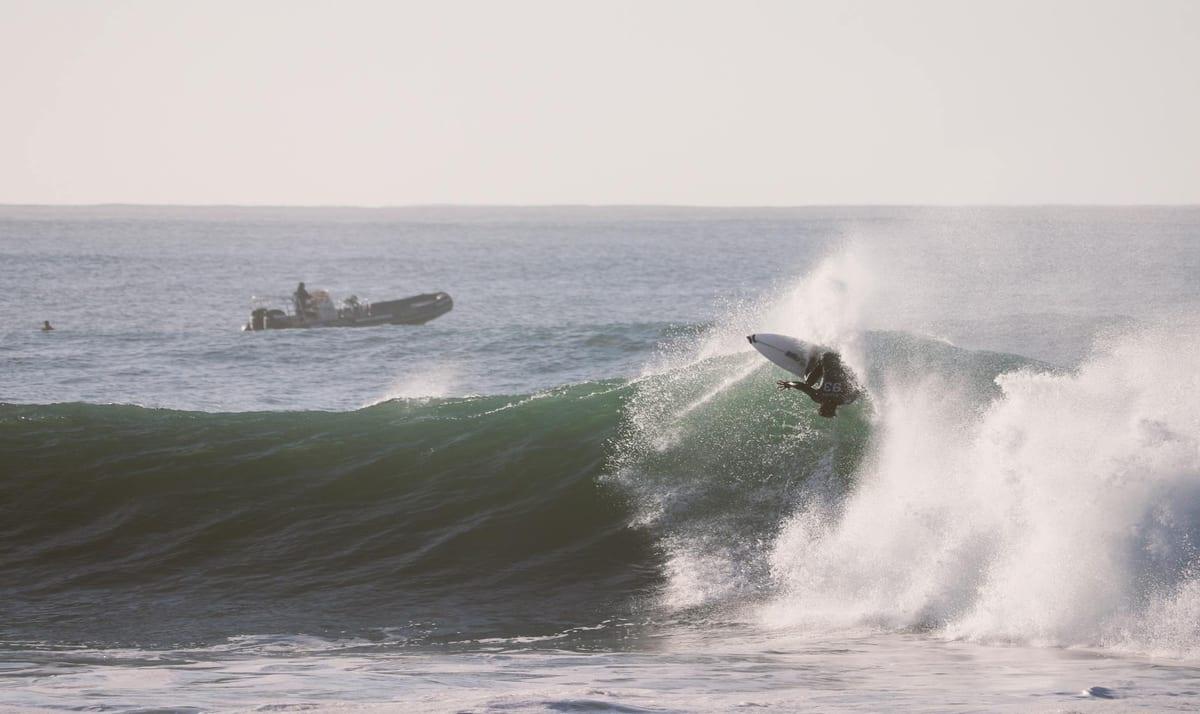
Shortboard: If you like looking at pictures of awesome surfers, this is what they're riding. For experienced surfers, shortboards are high performance, maneuverable boards. Typically about 5'-7' long.
Wax: Goes by temperature, so make sure you're using the right sex wax before getting screwed by that next wave.
Wetsuit: You lose heat A LOT faster in cool or cold water than you would at a similar dry temperature. So, unless you're in really warm water, you'll need a wetsuit to surf for any length of time.