Scuba diving is about bringing the surface down with you — tanks, gauges, a whole portable atmosphere strapped to your back. Freediving is the opposite philosophy entirely: you leave all of it behind and go down on a single breath, the way humans did for thousands of years before anyone thought to bottle air.
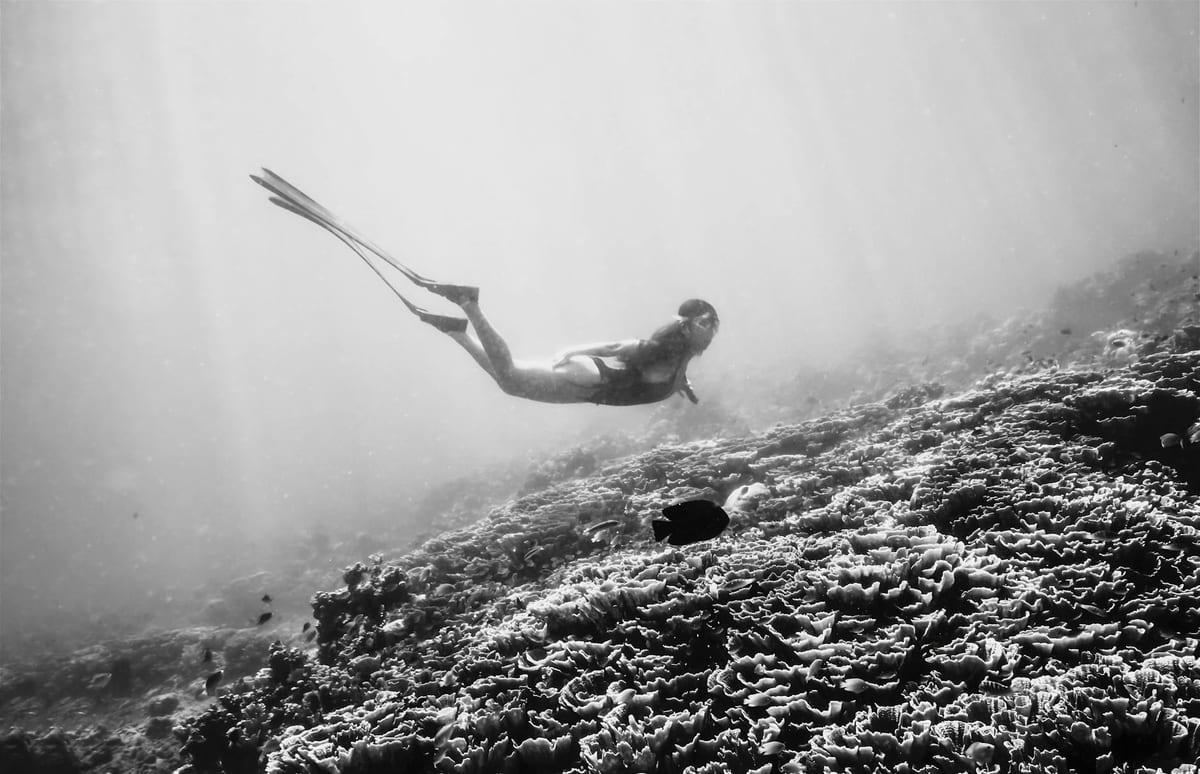
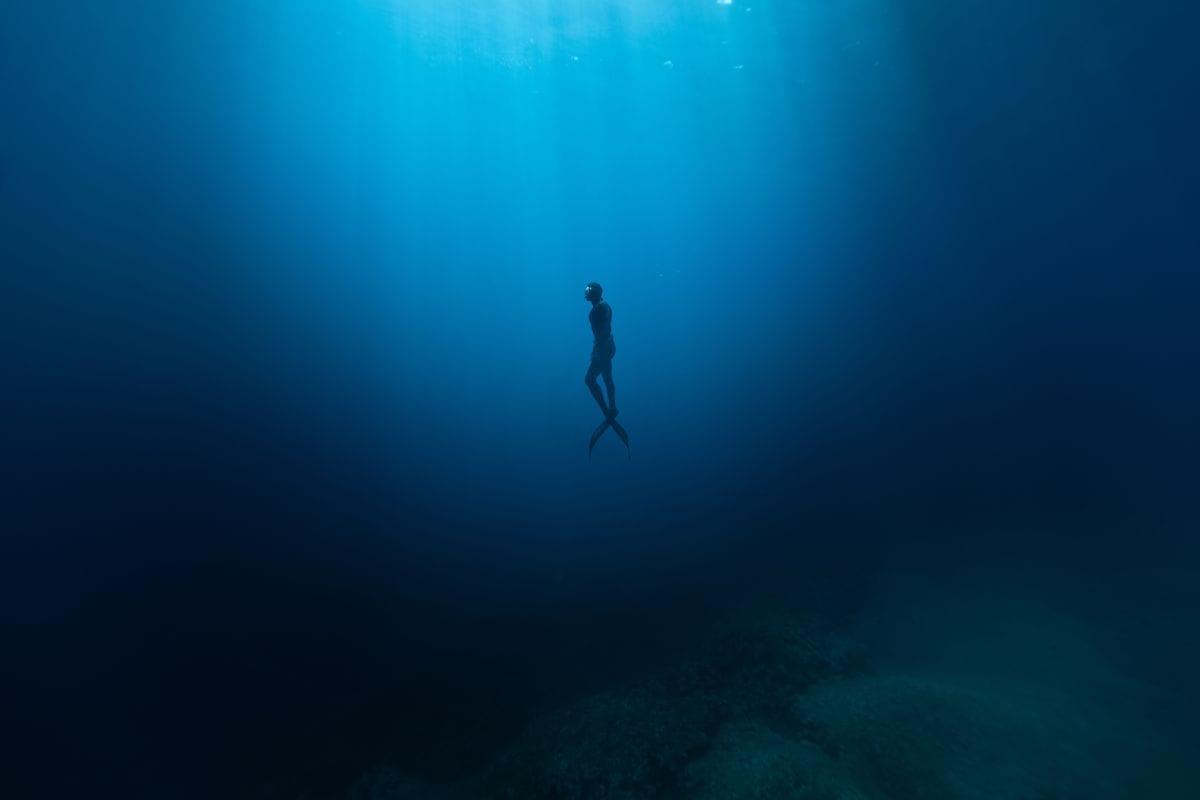
It's diving stripped to its essence — just you, the water, and the surprisingly large amount of time your body can do without oxygen once you stop panicking about it. There's a strange, addictive calm down there: no bubbles, no noise, no machinery, just the slow quiet sink and the blue going darker, and the growing realization that the human body is a far better aquatic animal than anyone told you.
Whether you're chasing depth, distance, a perfect still moment, or just the meditative peace of the breath-hold, welcome to the quiet side of the sea.
Getting Started
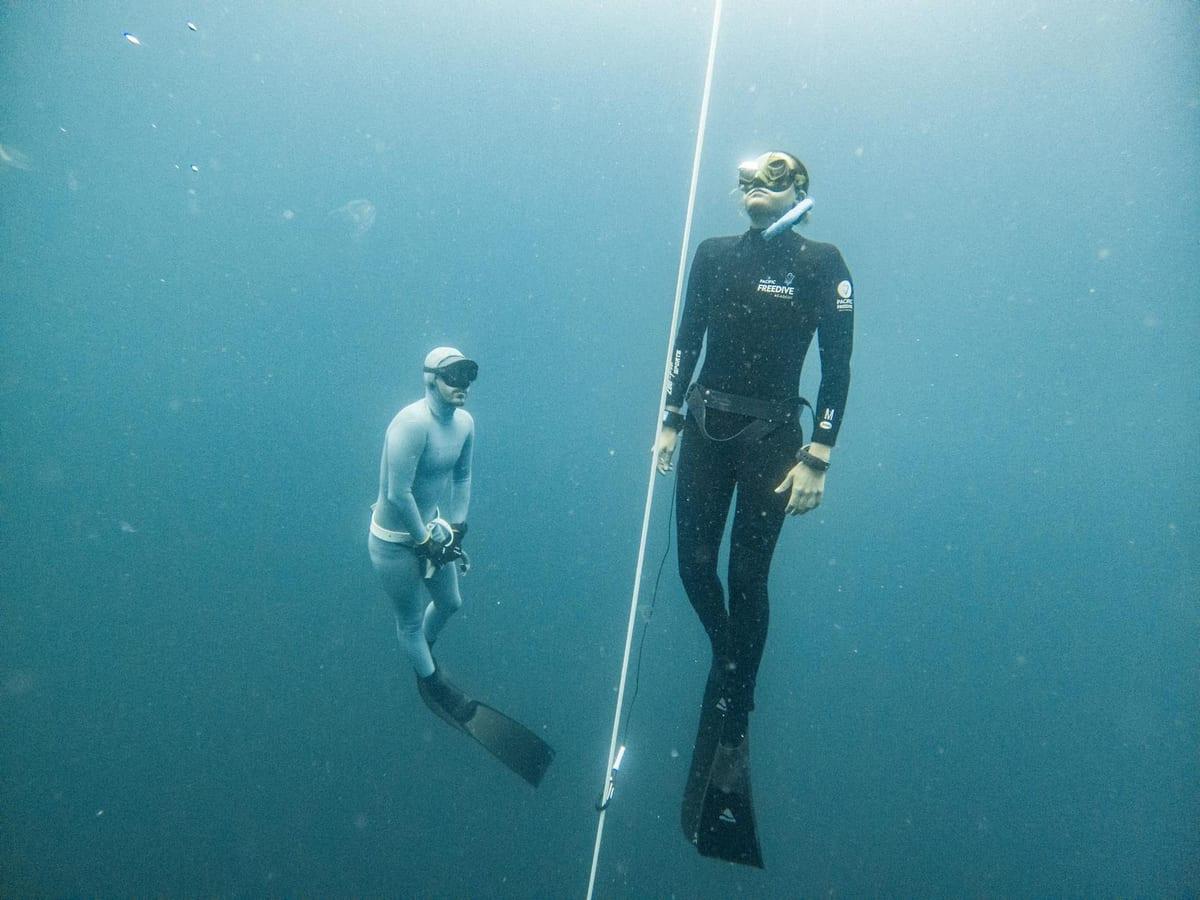
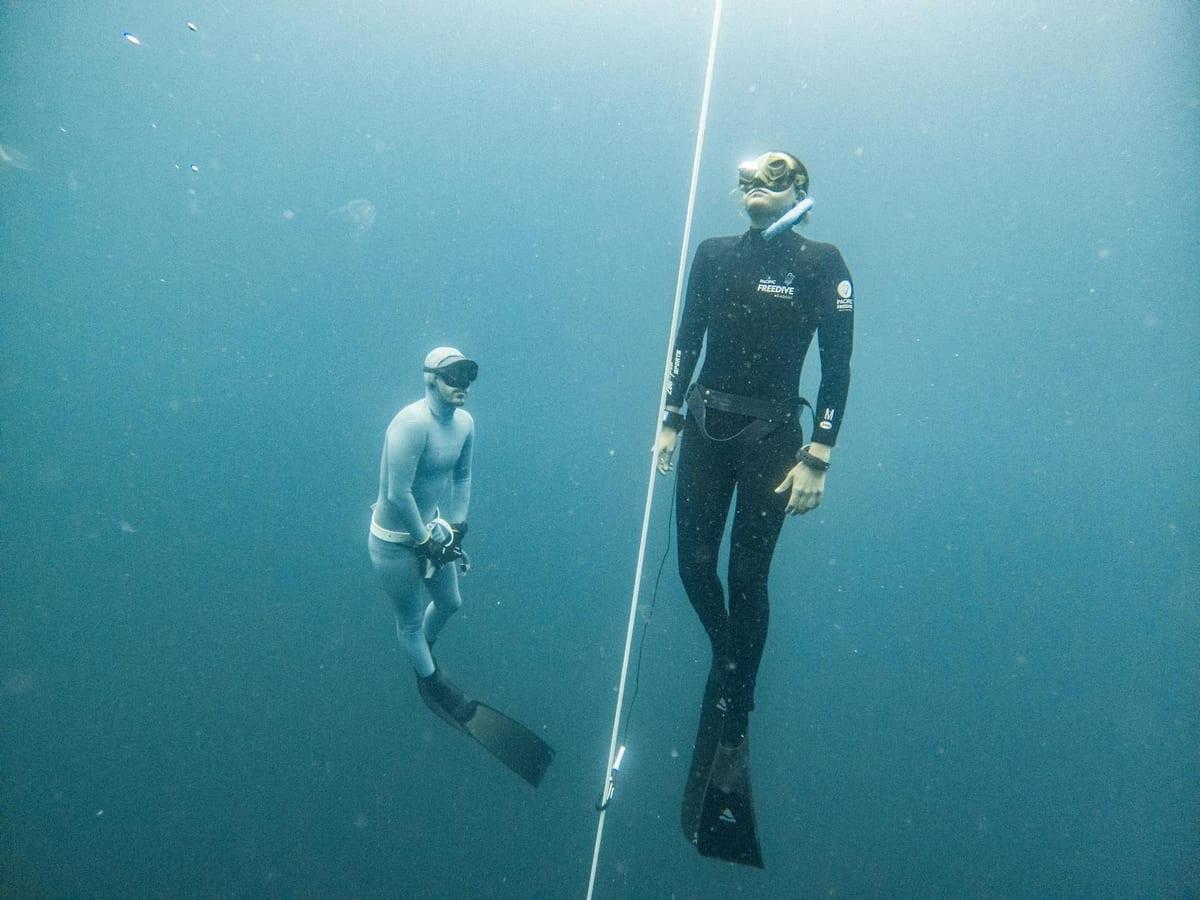
Rule one, and it is not negotiable: never freedive alone, and always dive with a trained buddy watching you. Shallow-water blackout is real and silent, and the buddy system is the only thing standing between a great hobby and a tragedy.
Start with a proper course — AIDA and Molchanovs are the main agencies — where you'll learn breathing, equalization, and rescue skills in a pool before you ever hit open water. The biggest leap in your diving won't come from bigger lungs; it'll come from relaxation. Tension burns oxygen, so the whole sport is, weirdly, a practice in doing less: a calm mind, a slow heart rate, and a body that's learned to be comfortable being uncomfortable.
Stretch into it over months, never push through pain in your ears, and respect the water's habit of humbling people who don't.
Types of Freediving
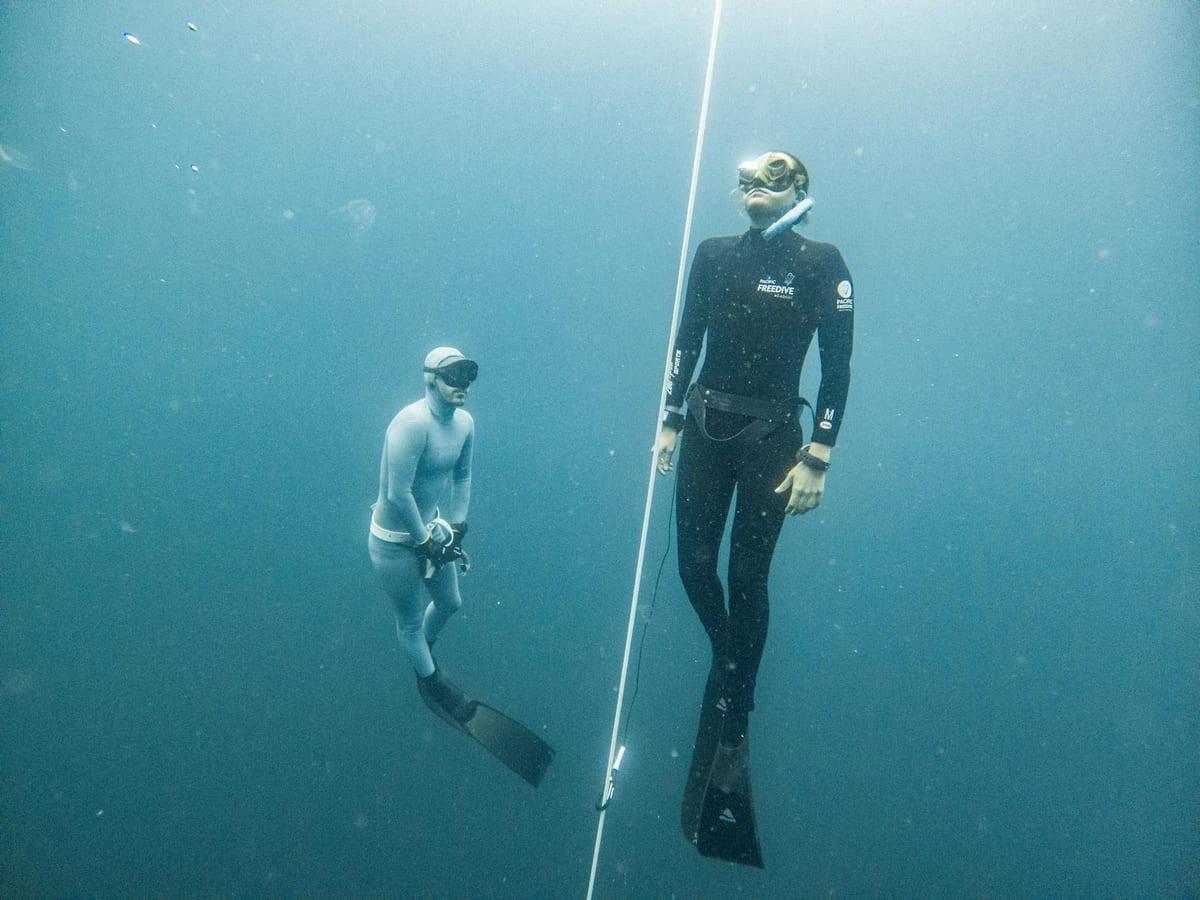
Constant Weight: The competitive classic — descend and ascend on a single breath using your fins or a monofin, without pulling the line.
Free Immersion: No fins; you pull yourself down and back up the line by hand. Meditative, elegant, and a favourite for working on equalization.
Static Apnea: Holding your breath, motionless, face-down in a pool. Looks like nothing; is secretly one of the hardest mental disciplines in sport.
Dynamic Apnea: Horizontal distance in a pool on one breath, with or without fins — the lap-swimming cousin of the family.
Spearfishing & Recreational: For many, freediving is simply the quietest way to hunt, photograph, or just play in the blue without a tank's racket scaring everything off.
Gear
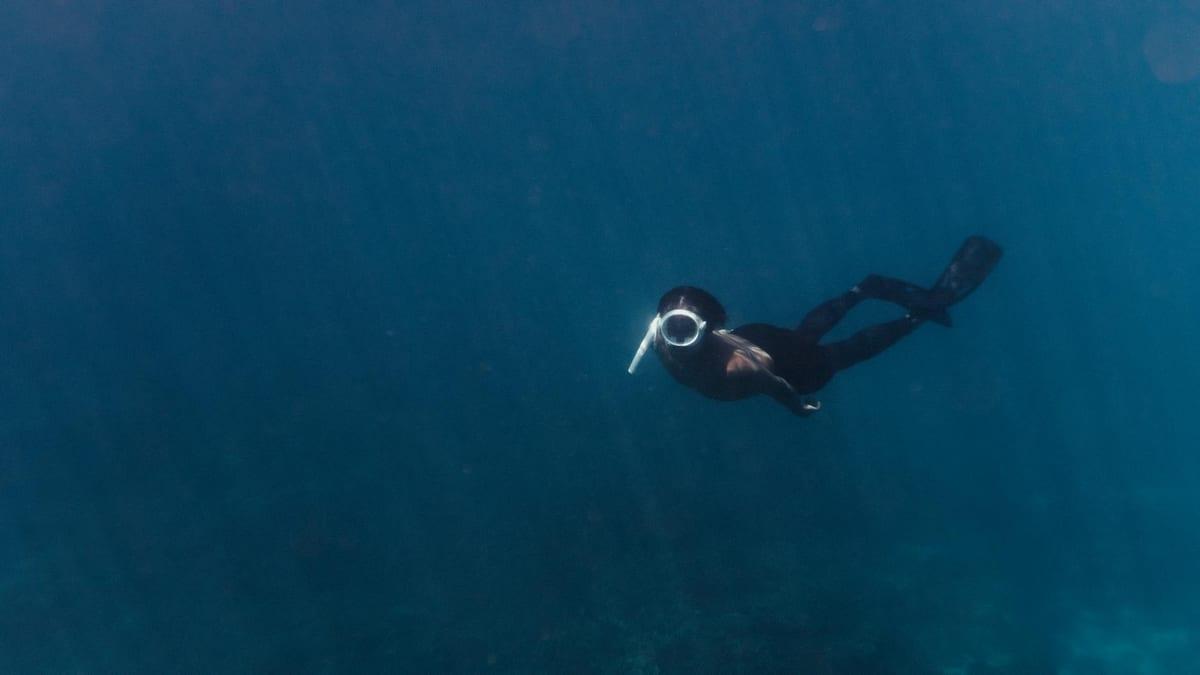
Low-Volume Mask: A small mask that takes less air to equalize, so you don't waste precious breath flooding it.
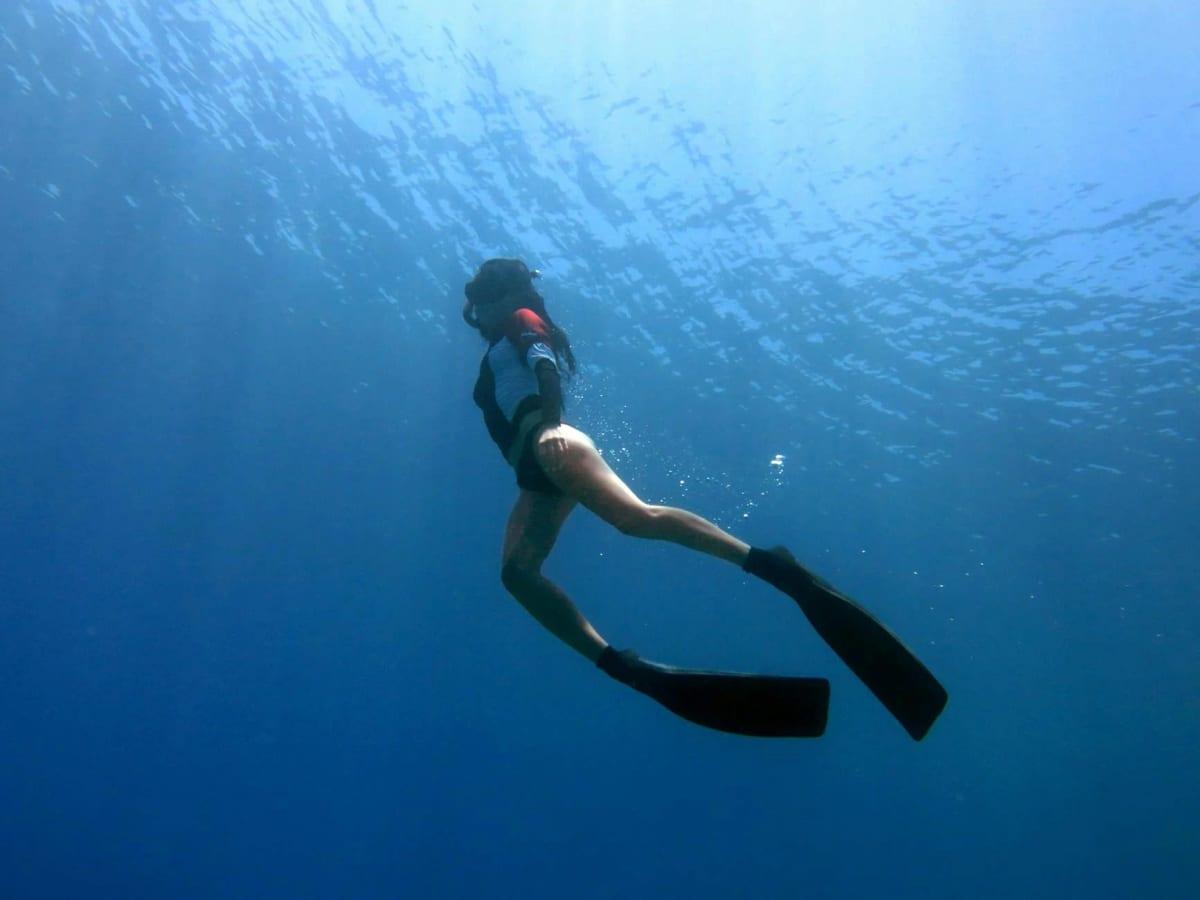
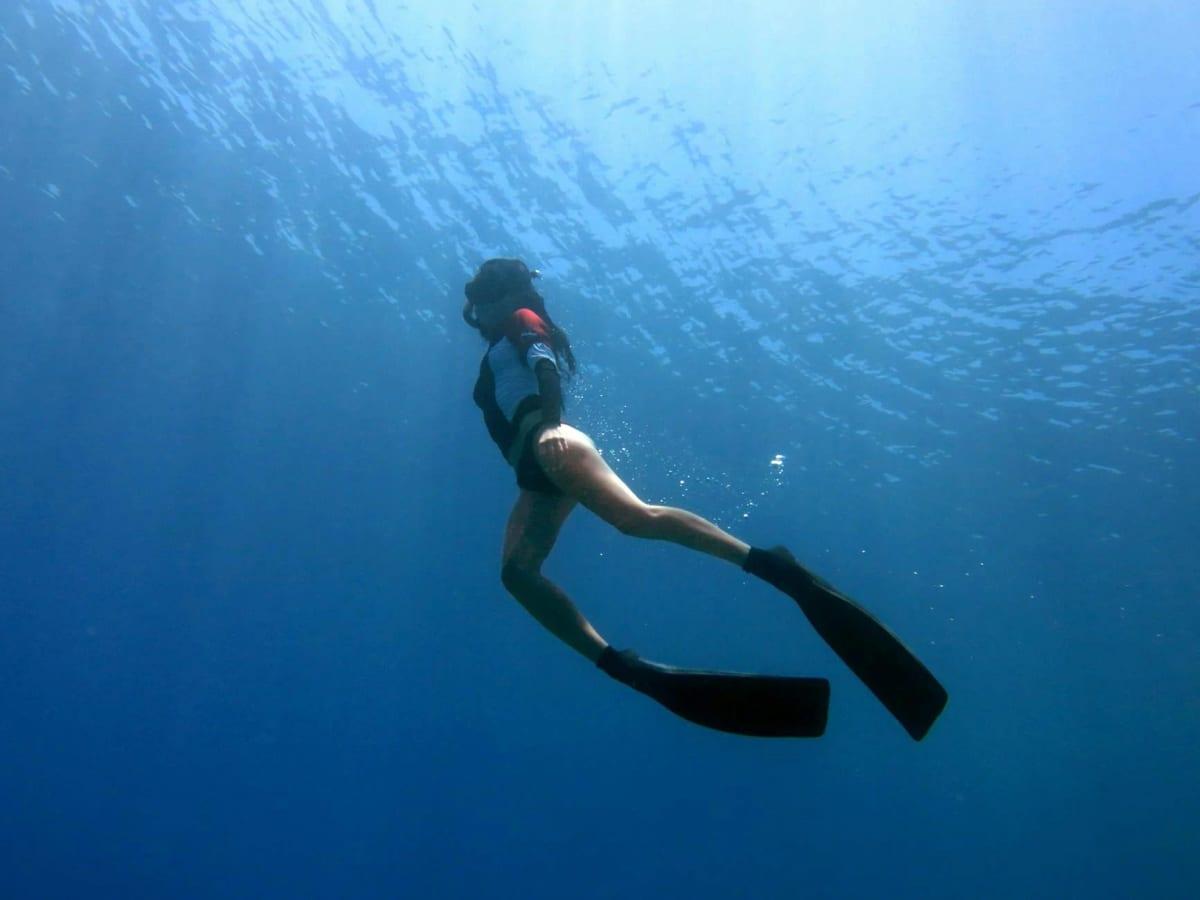
Long Fins: Long, soft blades that move a lot of water per kick — efficiency is everything when you've only got one breath.
Wetsuit: An open-cell freediving suit, warmer and stretchier than a scuba suit, because cold burns oxygen too.
Weight Belt: A rubber belt on your hips to offset the suit's buoyancy, tuned so you sink slowly and float up at the end.
Dive Computer: A freediving-specific watch tracking depth, time, and surface intervals — your logbook and your safety margin.
A Good Buddy: The most important piece of gear you'll ever own, and the only one that can pull you up.