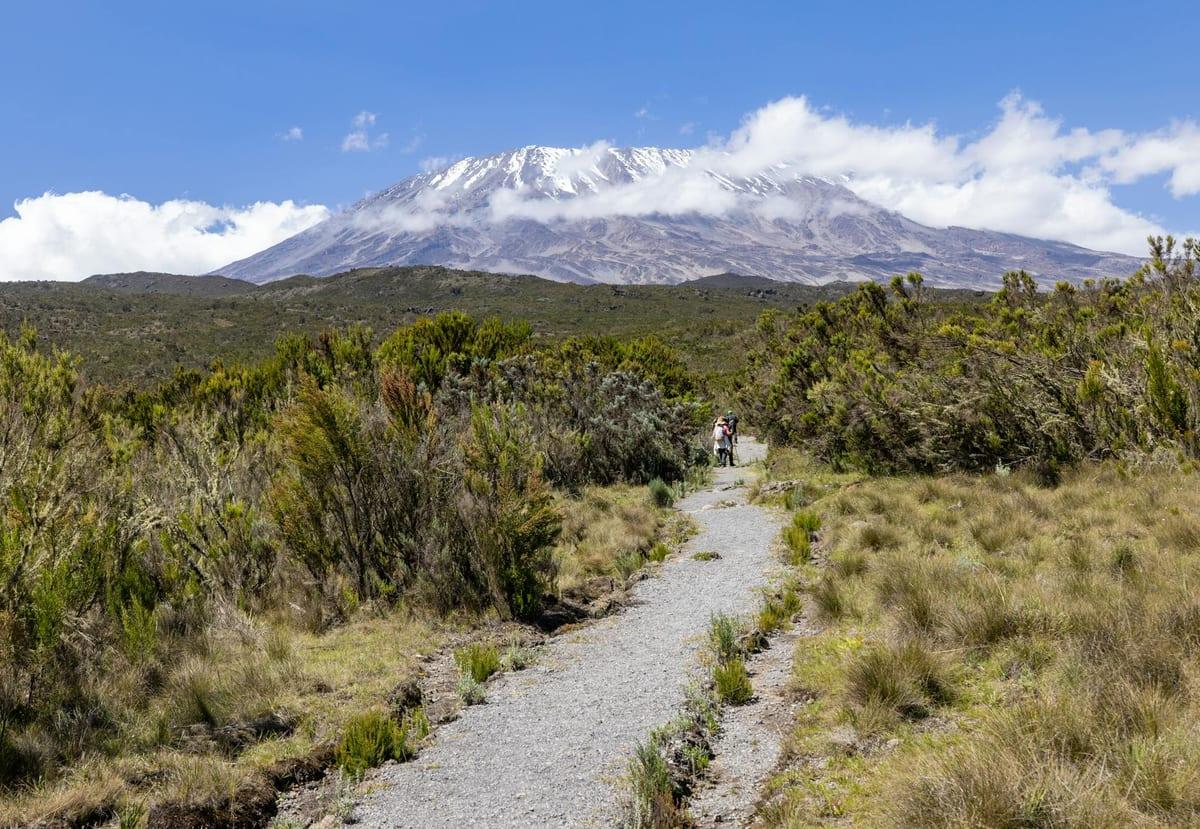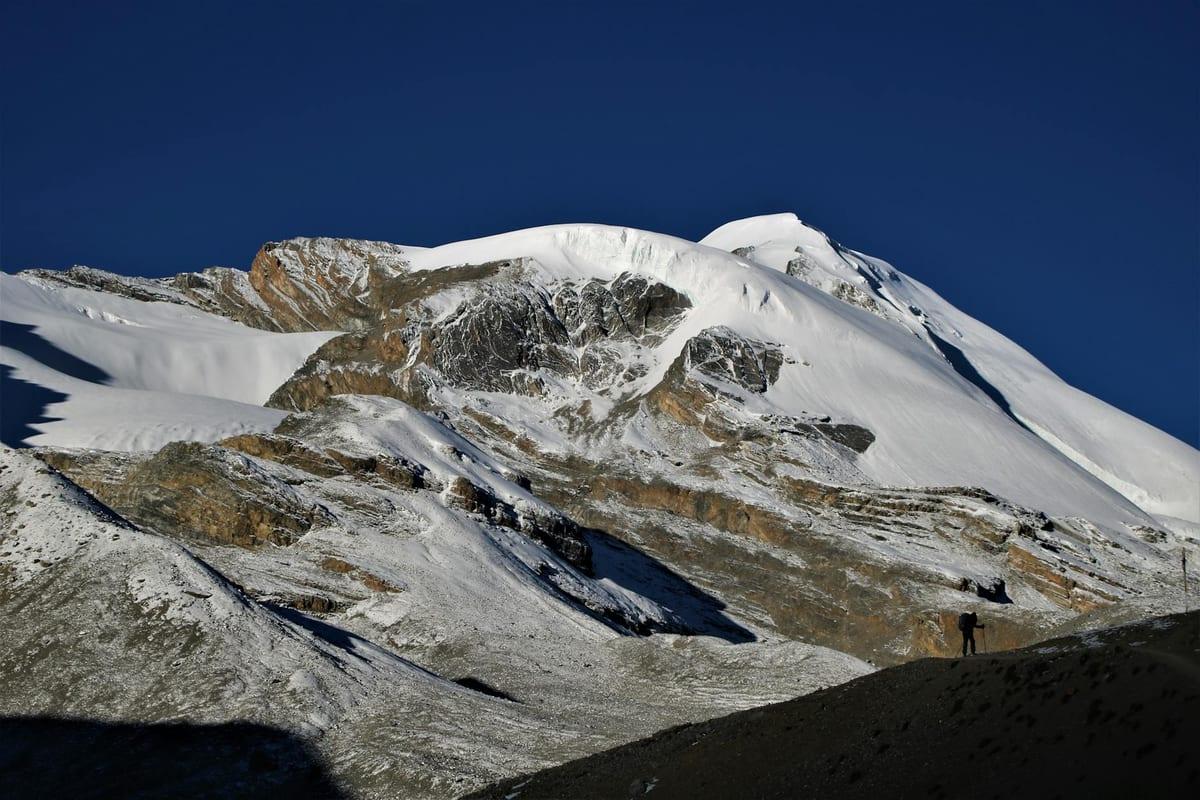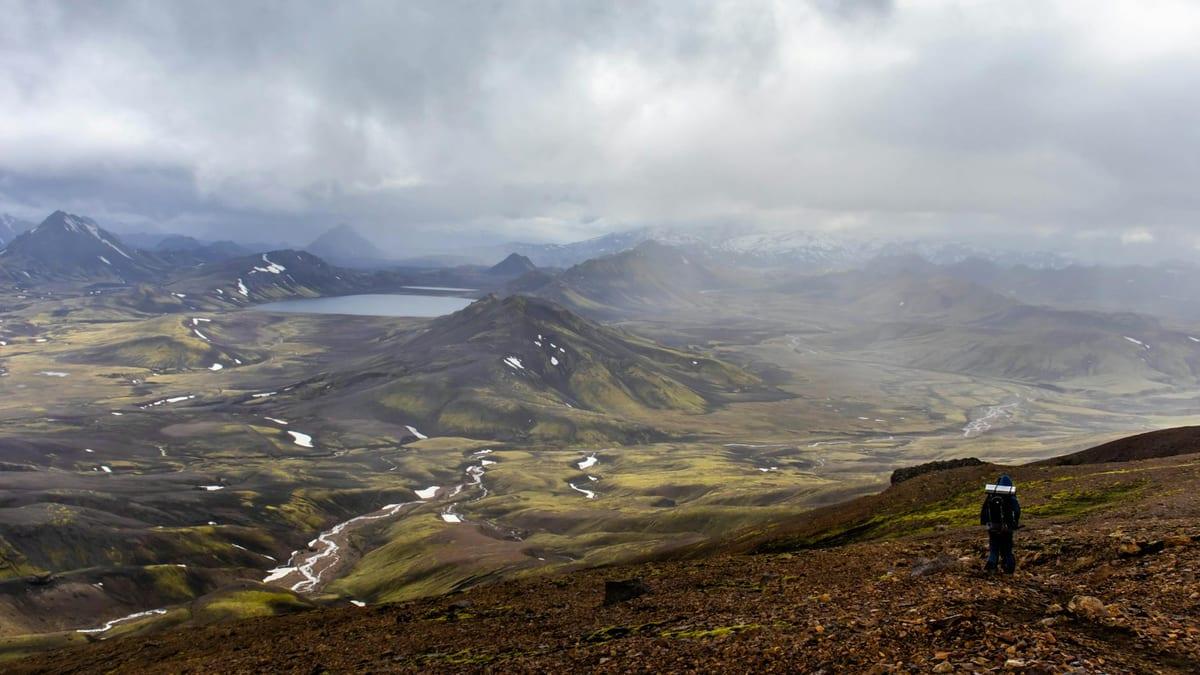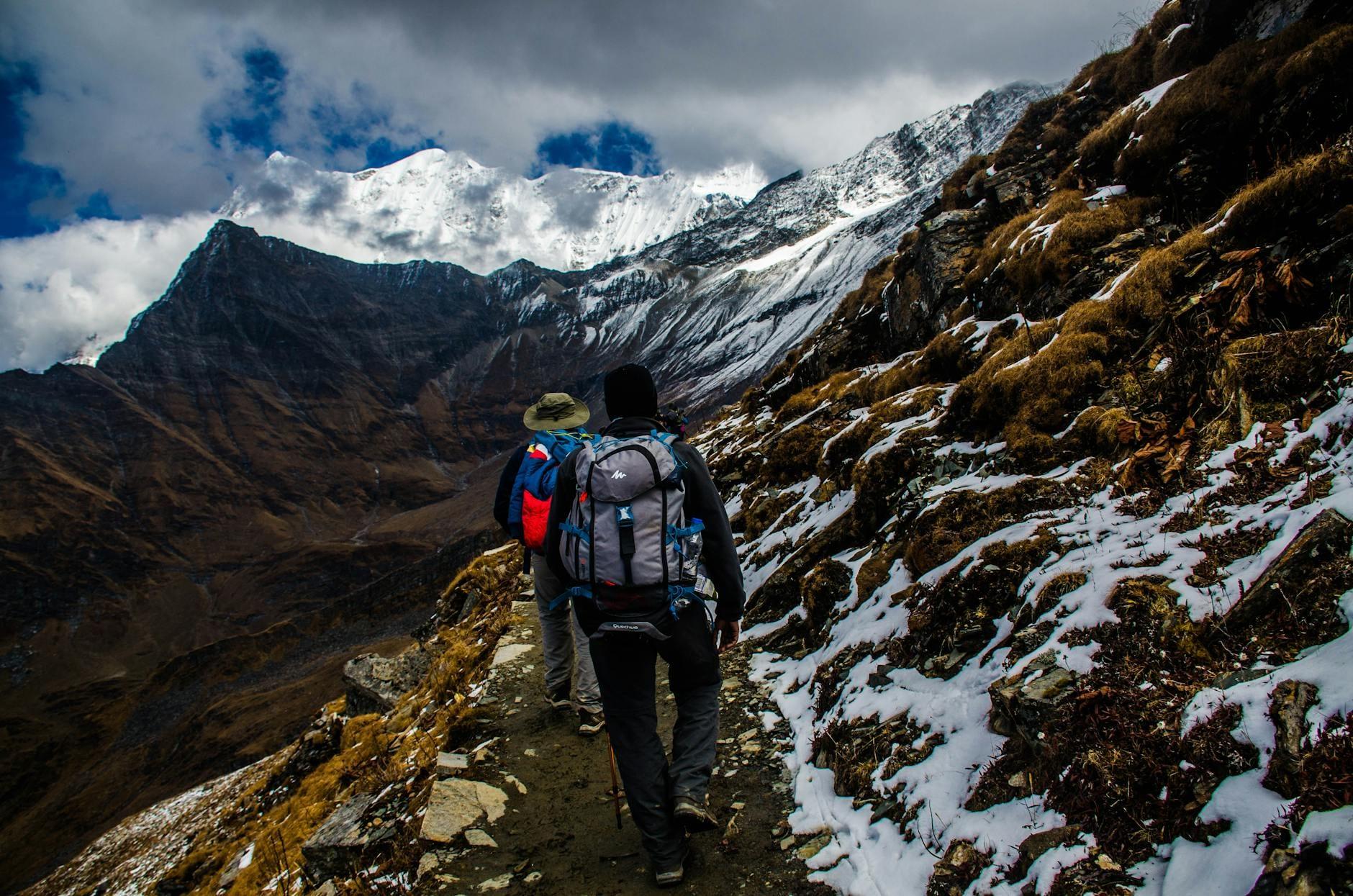
Walking is the first thing we learn to do and the last thing we think to celebrate — until you've walked for days into somewhere a car could never reach, and remembered that it's also the original adventure.
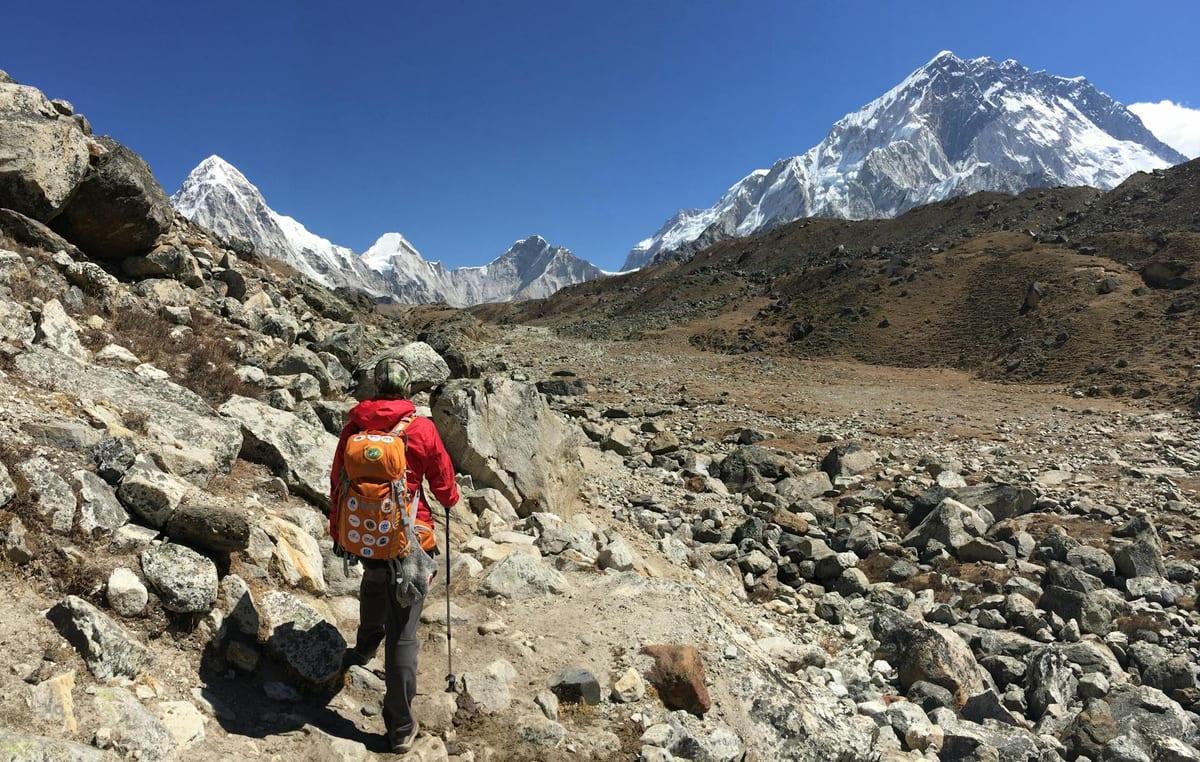
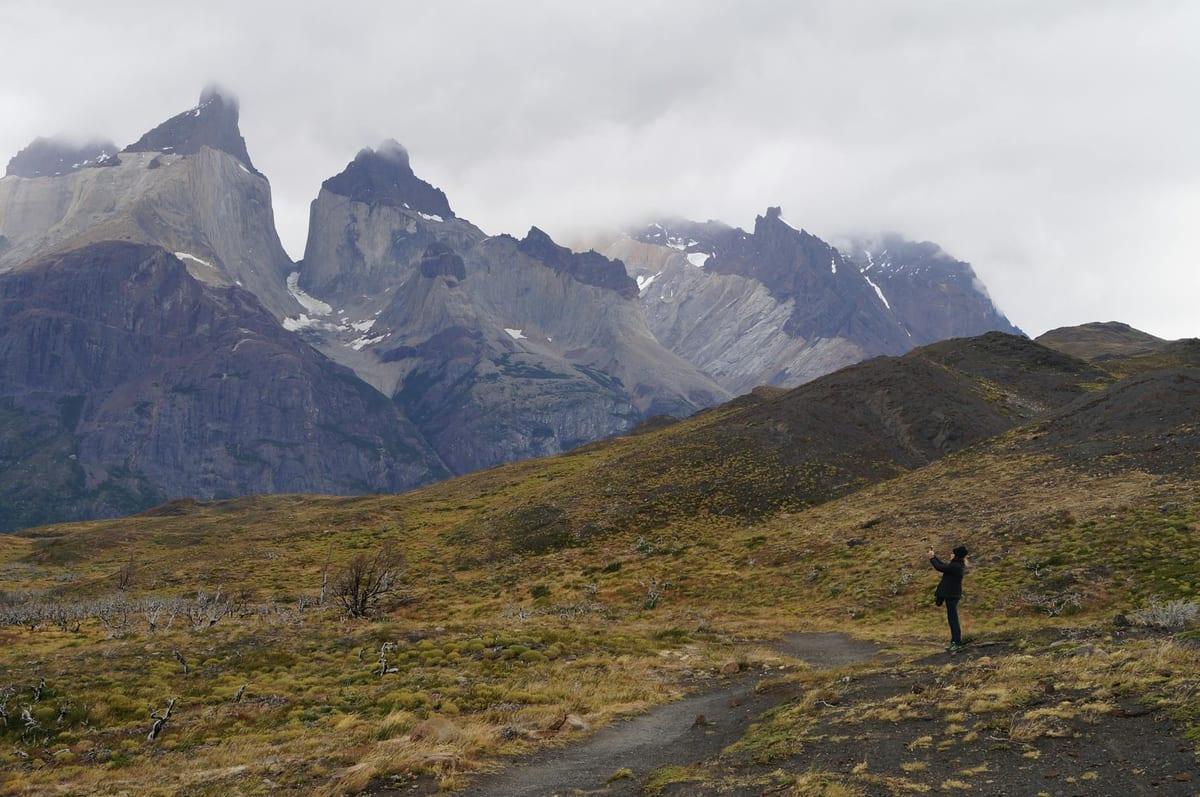
Trekking is travel at three miles an hour, the speed at which the world actually reveals itself. It's the slow accumulation of altitude and effort that buys you views no shortcut can. It's blistered feet, screaming calves, and the strange truth that the hardest days make the best memories. There's a particular clarity that arrives a few days into a long walk, when the only decisions left are where to step and where to sleep, and the noise in your head finally goes quiet.
Whether you're chasing high passes, long-distance trails, or a single perfect summit, the formula never changes: one foot, then the other, all day, for as long as it takes.
Getting started
Start smaller and closer than your ambitions. A series of day hikes builds the fitness, the foot-toughness, and the gear knowledge a big trek demands — and reveals whether you actually enjoy this before you commit to two weeks of it.
Break in your boots before you trust them with a hundred miles; blisters end more treks than altitude does. Learn the unglamorous fundamentals: layering for changing weather, managing your feet, pacing so you finish strong, and reading a map and compass even in the GPS era.
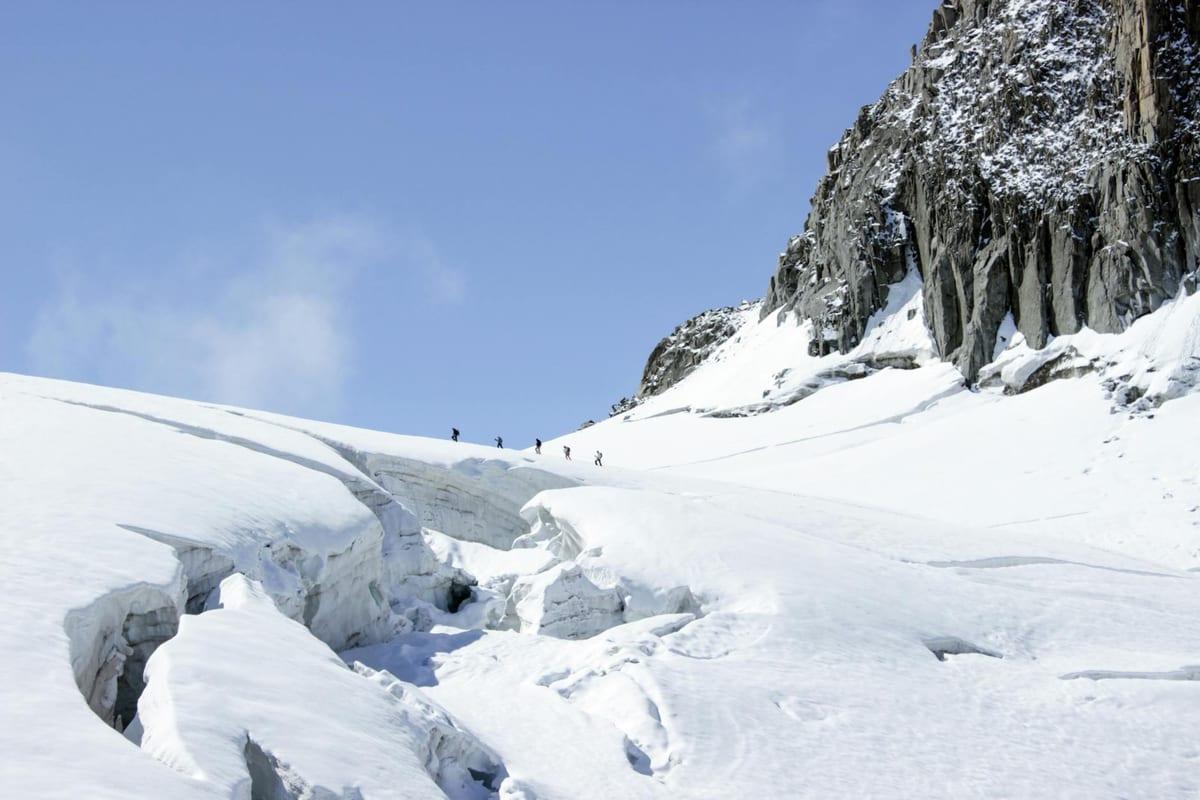
Build up your pack weight gradually — your knees keep a ledger. And learn about altitude if you're going high: ascend slowly, hydrate, and never be too proud to turn around. The mountain will be there next year; the goal is to be there too.
Types & disciplines
Day Hiking: Out and back between sunrise and sunset — the accessible foundation everything else is built on. Multi-Day & Hut-to-Hut: Point-to-point journeys sleeping in mountain huts or teahouses, carrying only what you need for the day. Backpacking: Fully self-supported, carrying your shelter, food, and stove — total freedom for total weight. Thru-Hiking: Long-distance trails like the Appalachian, the PCT, and the GR routes, measured in weeks and months. High-Altitude Trekking: Big mountain routes like Everest Base Camp or Kilimanjaro, where the air thins and the rules change. Pilgrimage Routes: The Camino and its kin — walking with history, community, and a destination as much spiritual as physical.
Gear
Boots or Trail Runners: The single most important choice; fit them properly and break them in. Your feet are the engine. A Good Backpack: Sized to your trip and fitted to your hips, because your shoulders shouldn't carry the load. Layering System: A base layer, insulation, and a waterproof shell — mountain weather changes its mind constantly. Trekking Poles: They save your knees on the descents and add two points of contact on sketchy ground. Navigation: A map, compass, and a GPS or phone app — and the skill to use the first two when the third dies. The Ten Essentials: Water, food, first aid, a headlamp, and sun protection — the kit that turns an emergency into an inconvenience.