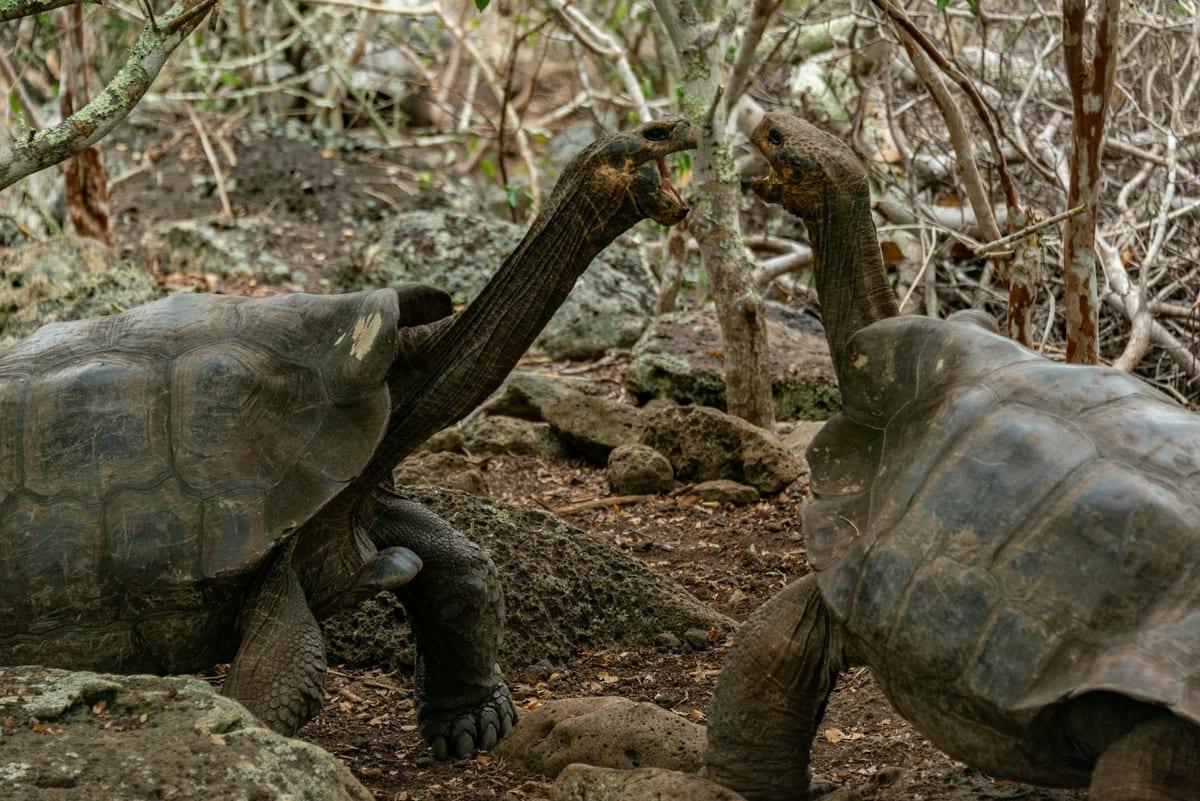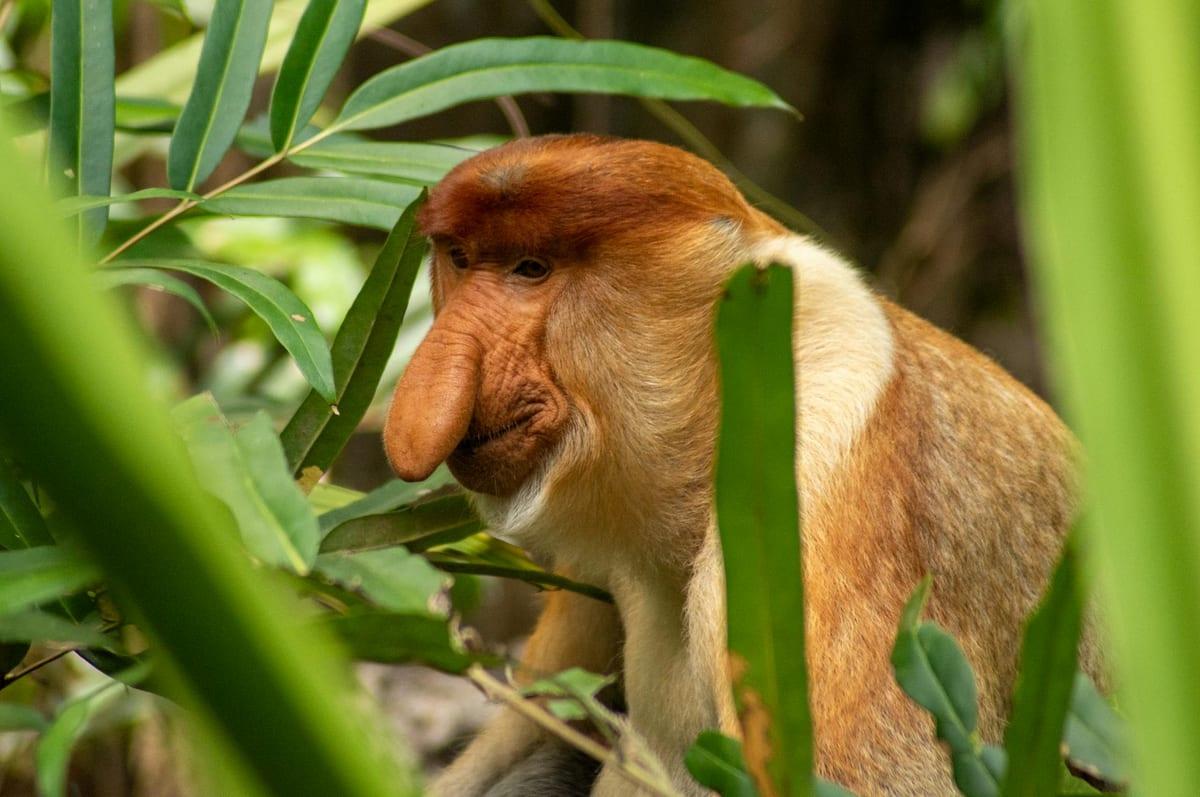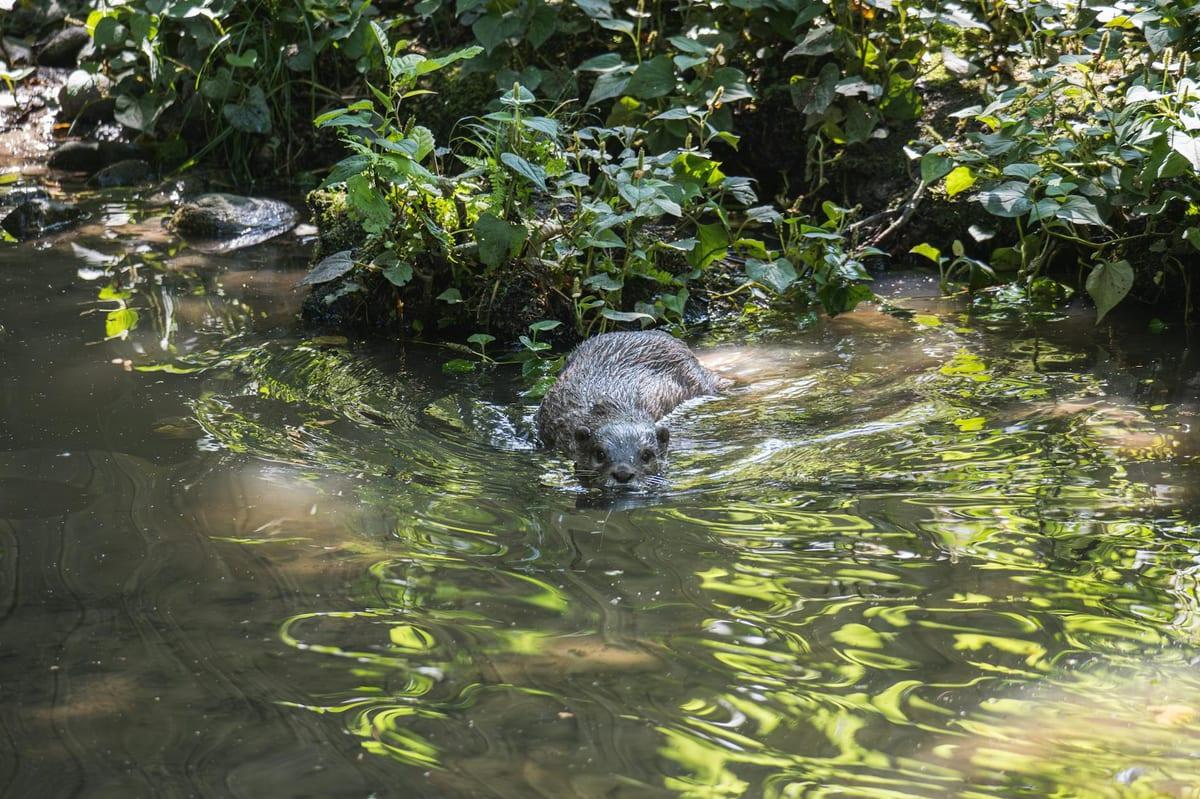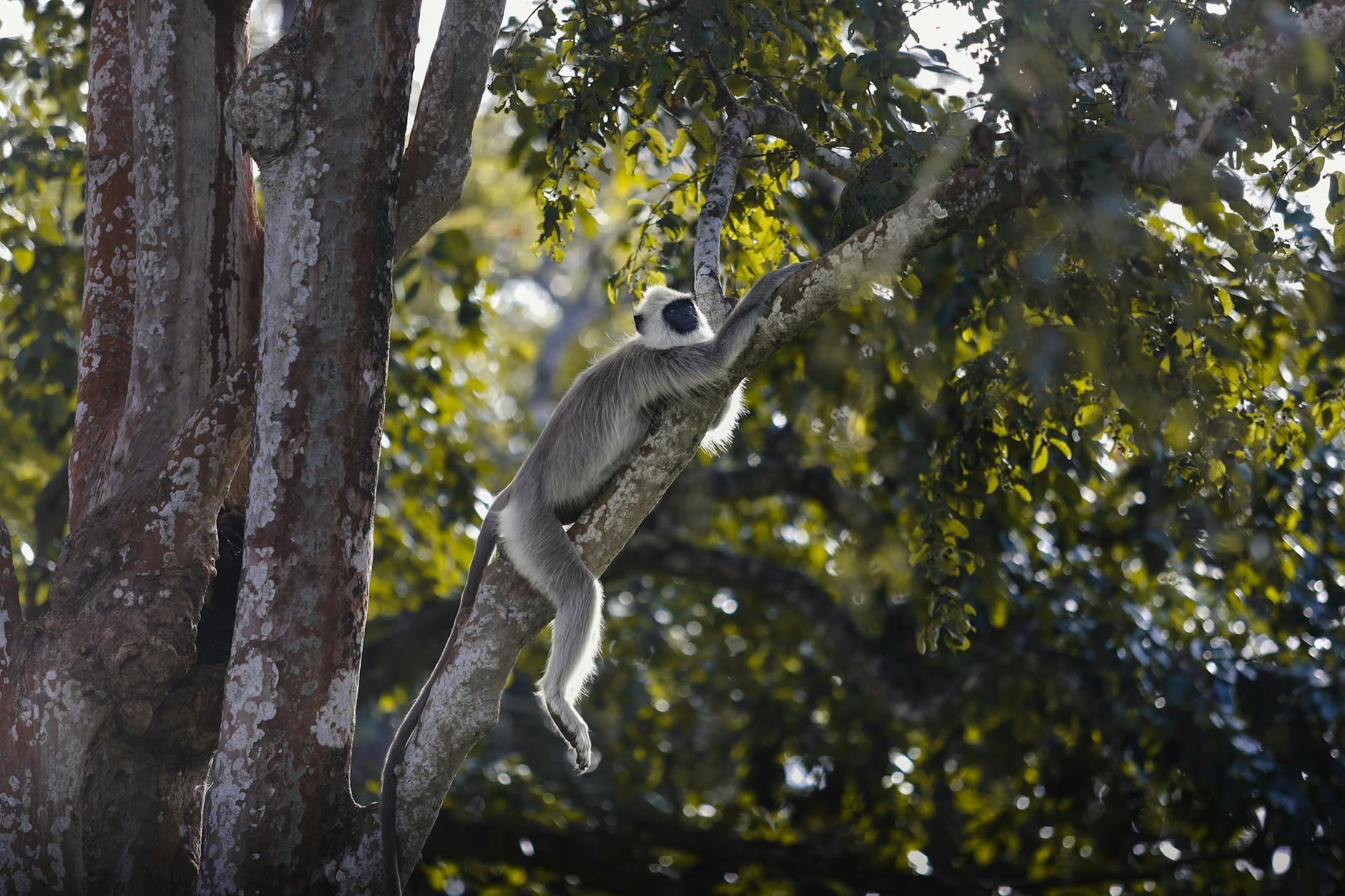
Somewhere out there, right now, a leopard is dozing in a tree, a million wildebeest are deciding whether to cross a river, and a hummingbird's heart is beating twelve hundred times a minute.
Wildlife is the pursuit of being present for moments like those — of trading the certainty of a zoo for the patience, luck, and quiet thrill of the real thing in the wild. It rewards stillness in a world that prizes speed. You sit, you wait, you watch, and you're paid in encounters no screen can replicate: the eye contact with a gorilla, the breach of a whale, the heart-stopping moment a big cat notices you noticing it.
It's part travel, part patience, part conservation, and entirely humbling. Whether you're on safari, behind a long lens, or just learning the birds in your own backyard, the natural world is the greatest show there is — and it doesn't do encores.
Getting Started
You don't need the Serengeti to start; you need attention. The best wildlife watchers are made in local parks, wetlands, and backyards, learning to sit still, move slowly, and actually see what's already around them. A decent pair of binoculars and a field guide will teach you more than a plane ticket.
Learn animal behaviour, not just names — knowing when and where a species feeds, mates, or moves turns blind luck into reliable sightings. Go early and stay late; dawn and dusk are when the world comes alive.
When you do travel, go with reputable, ethical operators and skilled local guides — they find the animals and, crucially, they know how to do it without harassing them. The golden rule, everywhere: keep your distance, never feed or bait, and leave no trace. A great sighting is one the animal barely notices.
Types of Wildlife Watching
Safari: The classic African game drive — big mammals, big skies, big country.
Birding: The world's most portable obsession, from backyard feeders to chasing rare species across continents.
Marine Wildlife: Whales, dolphins, sharks, and the chaos of a healthy reef, from a boat or below the surface.
Primate Trekking: Hiking in to spend a precious, regulated hour with gorillas, chimps, or orangutans.
Polar & Wilderness: Bears, penguins, and the megafauna of the planet's wildest, coldest edges.
Wildlife Photography: Where patience meets craft — the discipline of capturing the moment without disturbing it.
Gear
Binoculars: The single most important tool. A good pair is the wildlife watcher's true superpower.
A Field Guide: Regional guides and apps like Merlin or iNaturalist turn "some brown bird" into a lifelong list.
A Telephoto Lens: For the photographers — reach lets you fill the frame without crowding the animal.
Neutral, Quiet Clothing: Earth tones, no rustle, no bright colours — dress to disappear.
Patience & a Thermos: The two things that fill the long, still hours between the moments that make it all worth it.
A Notebook or List App: Because half the joy is remembering what you saw, and when, and where.