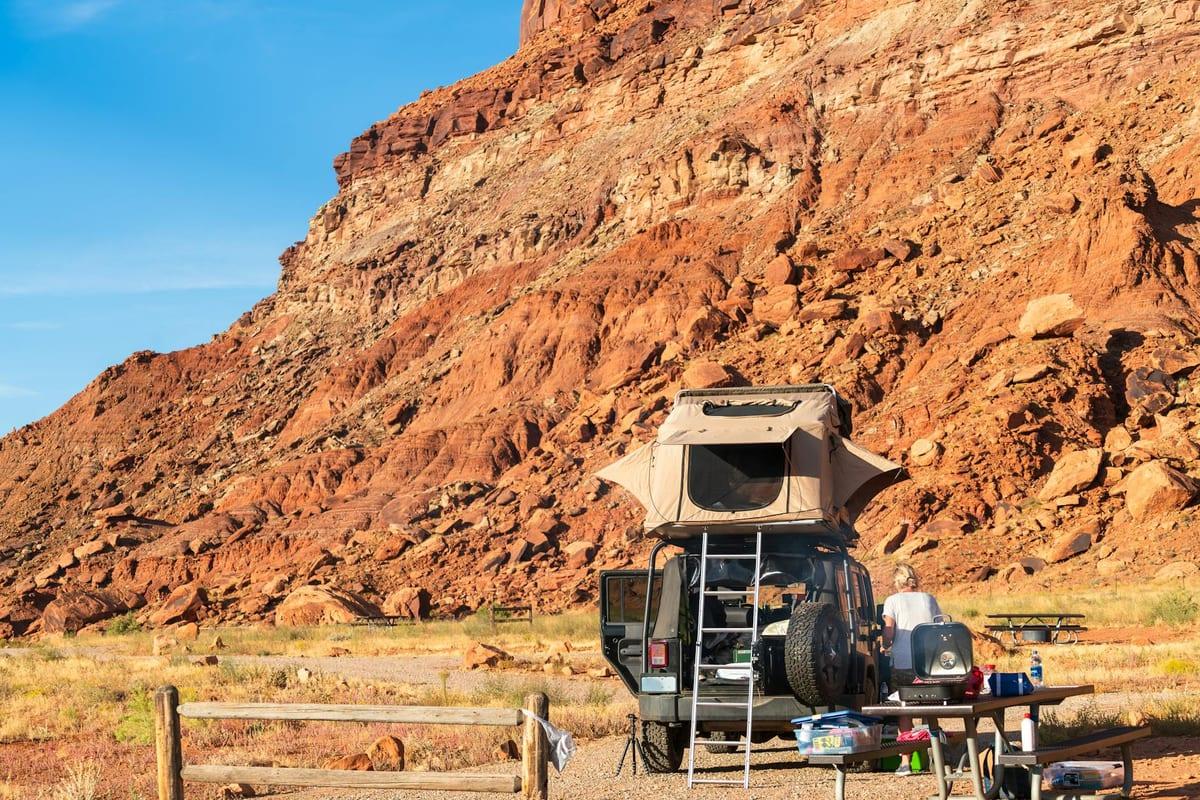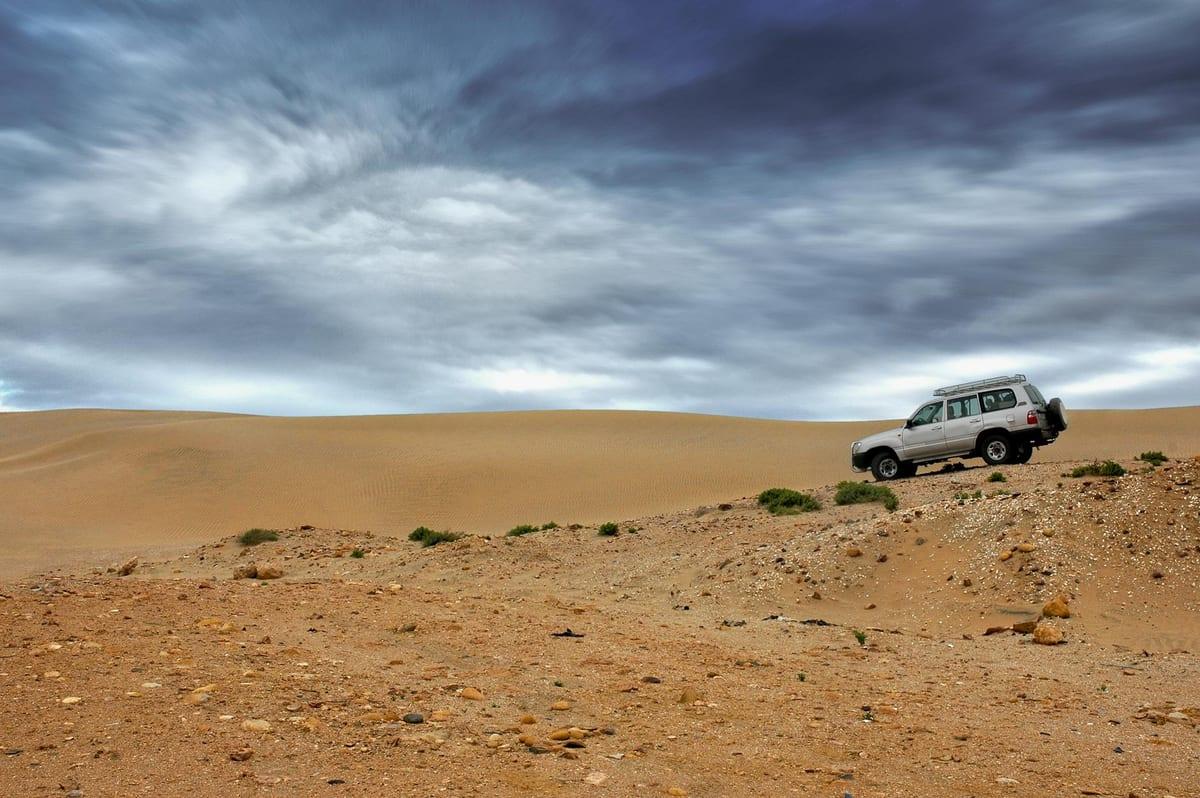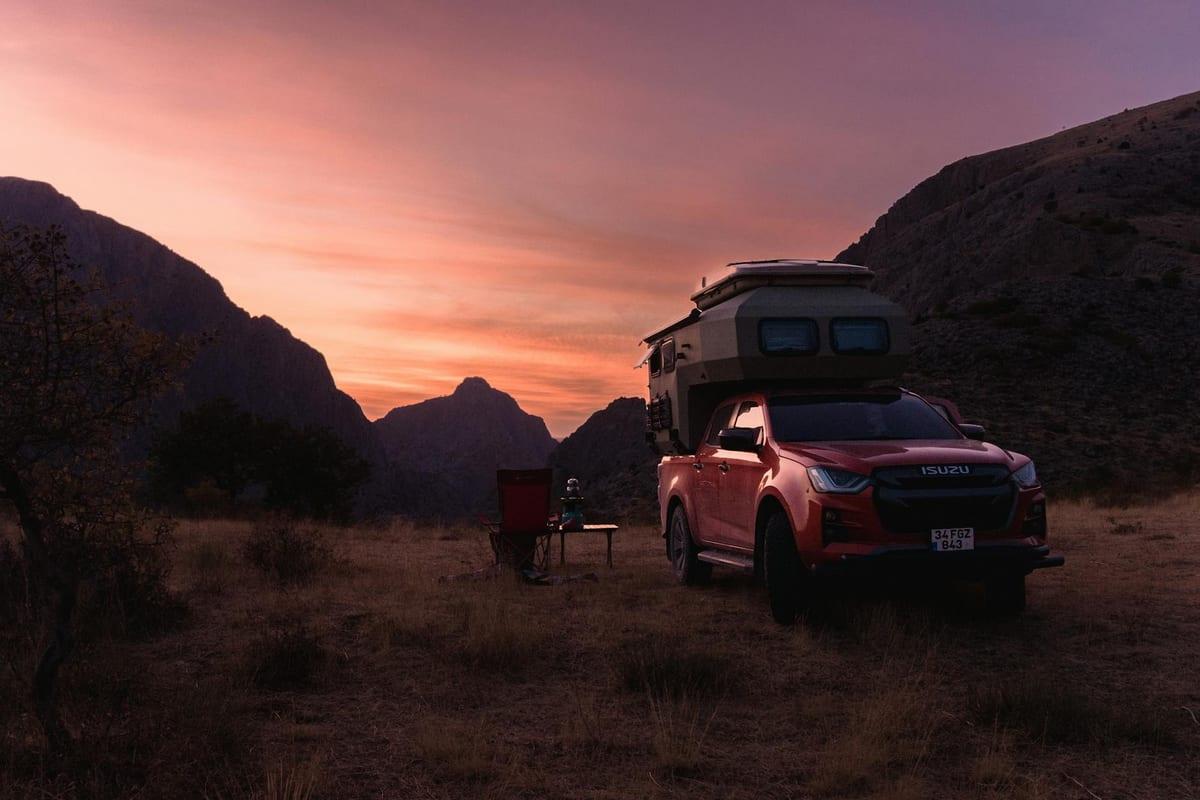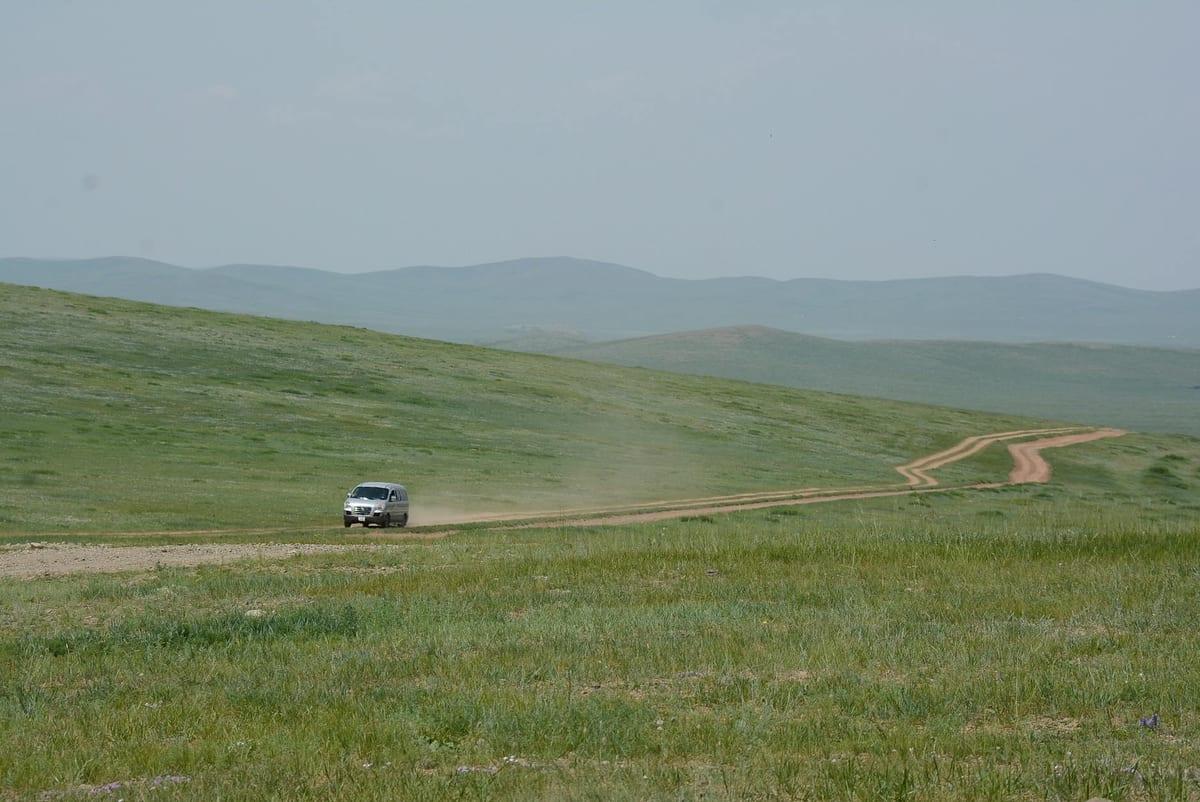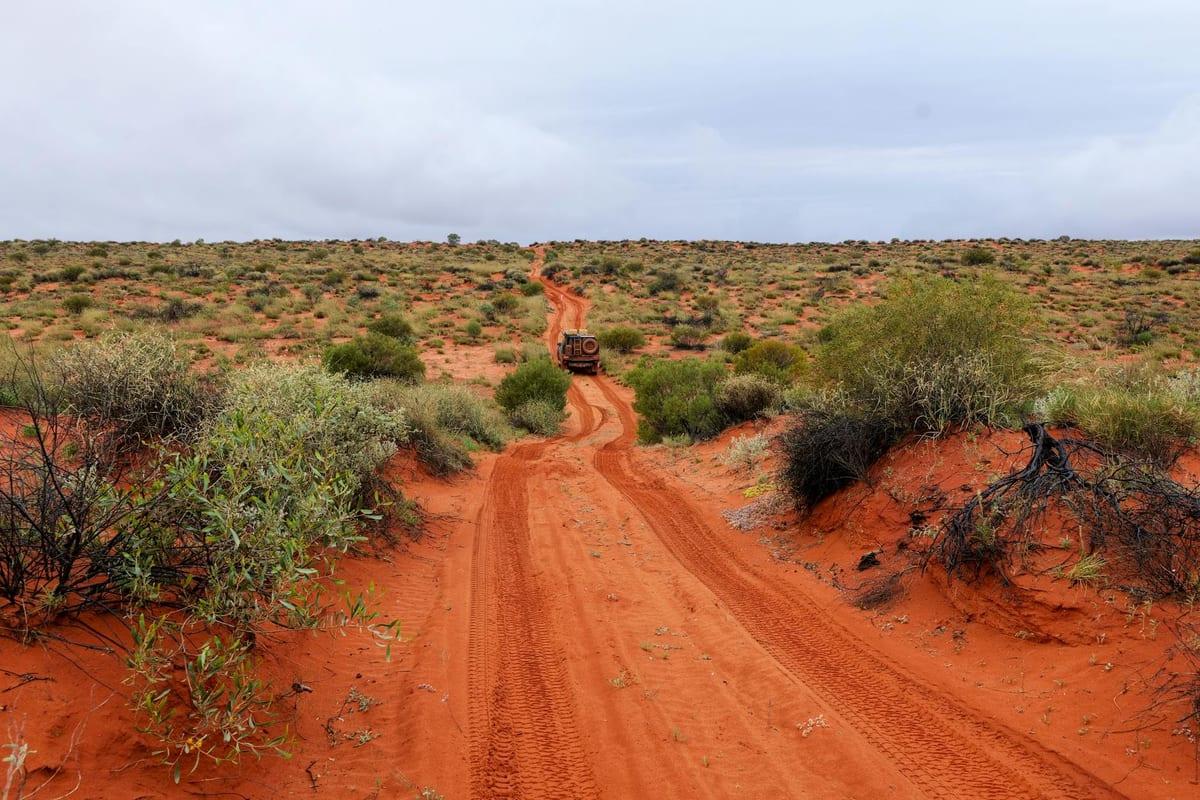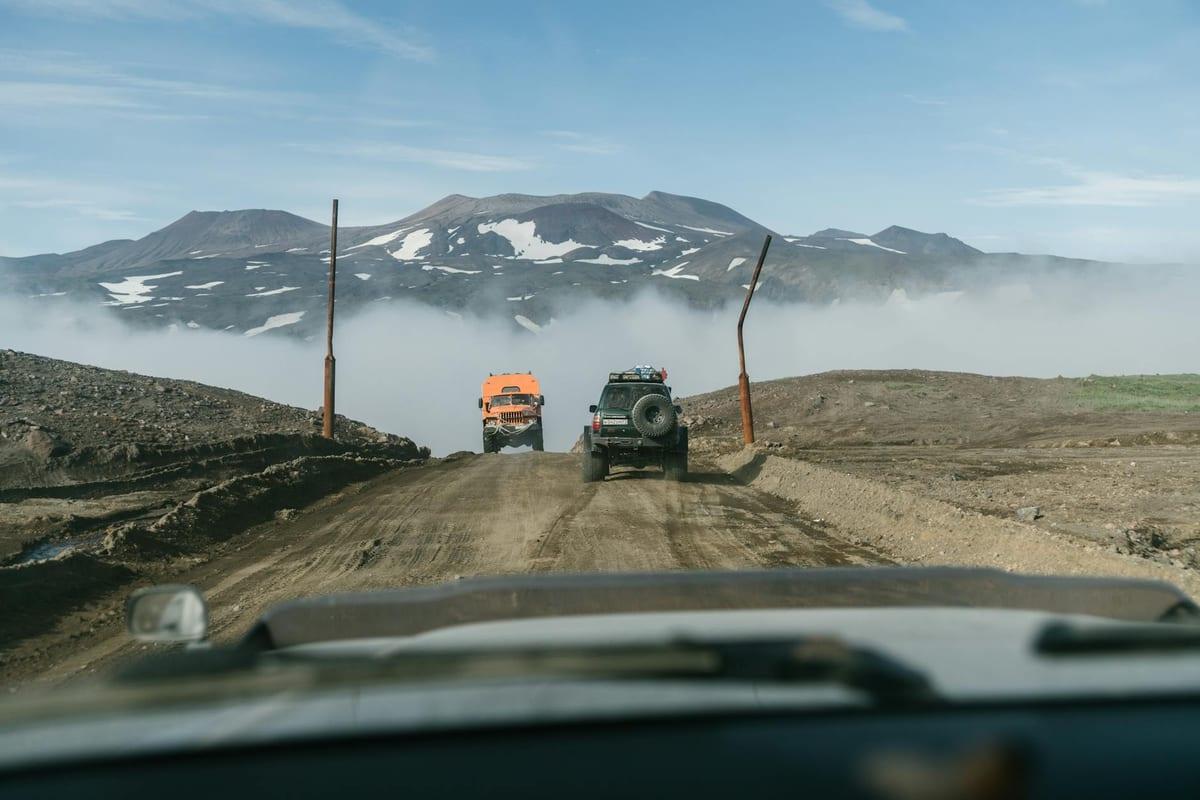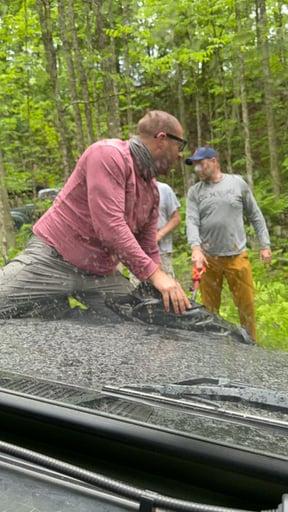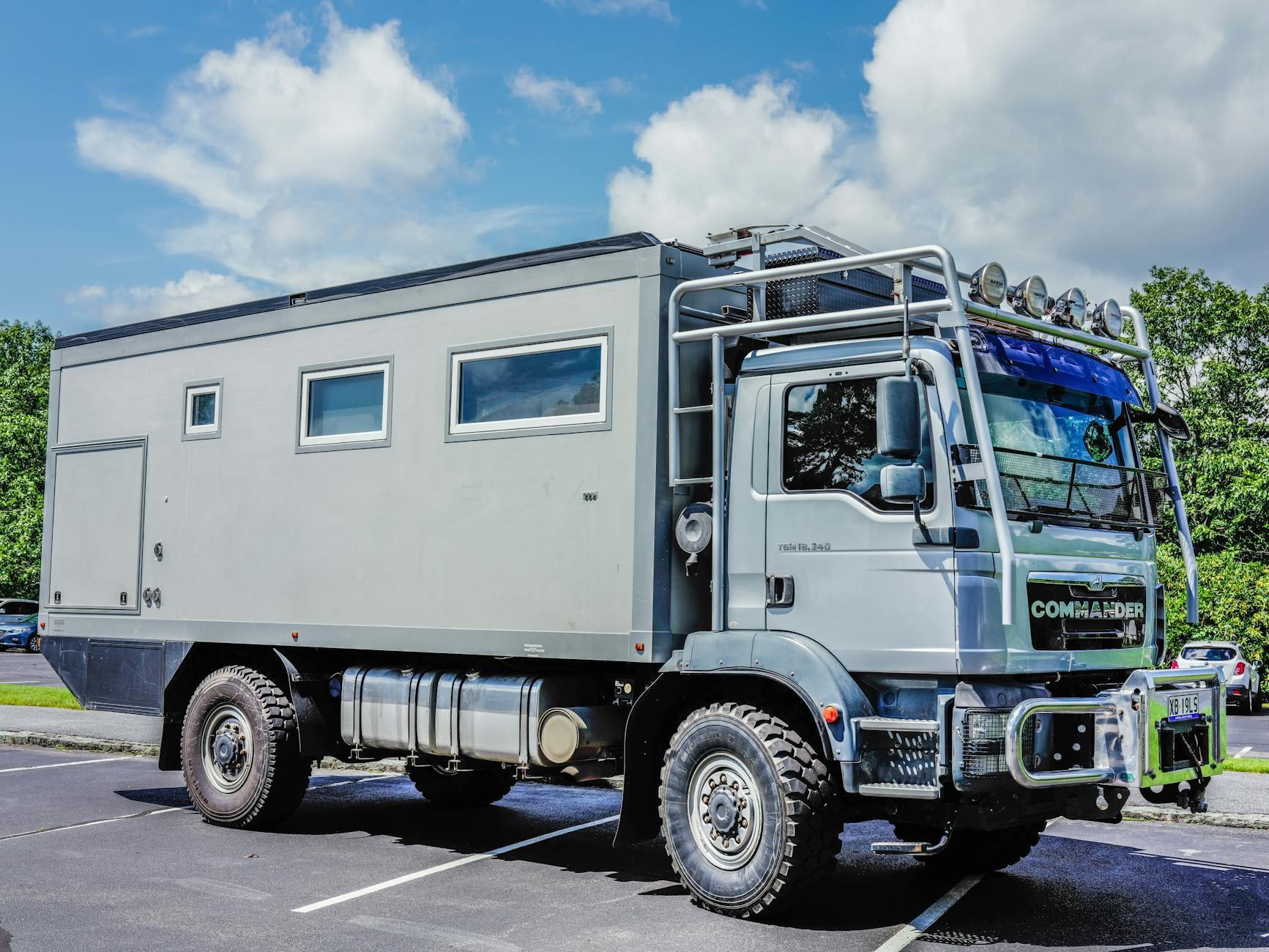
Overlanding is what happens when offroading falls in love with travel and they decide to move in together — permanently, in a rig that doubles as home. It's not about conquering the trail in an afternoon; it's about the multi-day, multi-week, sometimes multi-continent journey where the vehicle is your basecamp and self-reliance is the whole point.
The destination is almost beside the point. The magic is in the slow crossing of a country by its back roads, in cooking dinner on a tailgate as the sun drops behind a mountain range nobody else is parked at, in being entirely self-contained and entirely free.
It's camping, navigation, mechanical know-how, and patience, welded onto a set of all-terrain tires. Whether you're weekend-warrioring a national forest or crossing a continent, this is travel at the speed of the landscape.
Getting Started
Start where you are, with what you've got. The internet will try to convince you that you need a six-figure expedition truck; you do not. A reliable 4x4, a roof tent or a swag, a way to carry water, and a free weekend is enough to begin.
The skills matter more than the rig. Learn basic navigation (and carry paper maps as backup), basic recovery, and basic mechanical first aid — out here, the nearest help may be very far away. Build your setup gradually around how you actually travel, not how the internet says you should.
And go slow: overlanding rewards the patient. Plan fuel and water carefully, leave no trace, respect the communities you pass through, and let the trip take the time it takes.
Types of Overlanding
Weekend Overlanding: Short self-contained trips close to home — the perfect testing ground for your setup and your patience.
Expedition Overlanding: Long, remote, multi-week journeys into genuinely wild country where self-reliance is survival, not aesthetic.
Continental Crossings: The big ones — Pan-American, Trans-Africa, the Silk Road — measured in months and countries.
Vehicle-Dependent Touring: Less hardcore terrain, more distance; comfortable rigs covering ground between far-flung places.
Moto Overlanding: The same spirit on two wheels — lighter, nimbler, and a lot more exposed to the weather.
Gear
A Reliable Rig: The single most important choice. Reliability and parts availability beat horsepower and gadgets every time.
Sleeping Setup: A roof tent, ground tent, or interior build — wherever you'll get a good night's sleep after a long day.
Water Storage & Filtration: The most important consumable. Carry more than you think, and a way to make more of it safe.
A 12V Fridge: It changes overlanding life — real food, cold drinks, and no soggy bag of melted ice.
Recovery & Tools: The offroader's kit of straps, boards, and jack, plus the spares to fix what breaks far from town.
Navigation & Comms: GPS, offline maps, paper backups, and a satellite communicator for when you're truly off-grid.