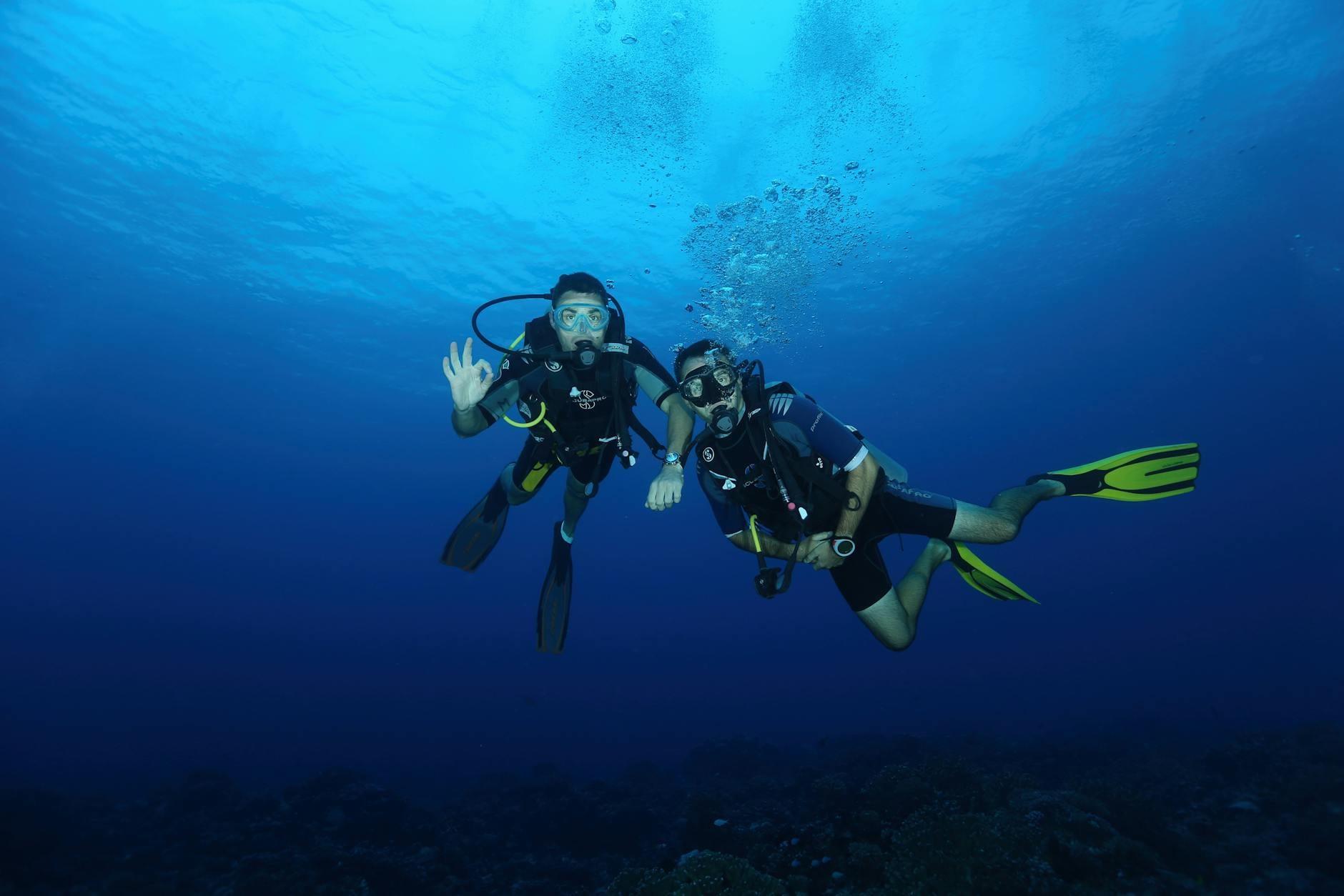
Diving underwater has been around for a long time. Even back in the 1500s people were heading underwater using diving bells. Imagine pushing a huge bell-shaped object straight down into the water, so a pocket of air remains, from which you can look for treasure or spend a relaxing, damp afternoon. In the 1930’s, goggles and fins were invented, and the world’s first underwater diving club was founded. It turned out to be much easier to retain members when you no longer had to tell them to bring their own enormous bell thing. Finally, in the 1940s, Jacques Cousteau and his partner Emile Gagnan repurposed a car regulator so that people could breathe normally underwater from compressed air cylinders. Finally the 71% of our “Earth” that is actually covered with water was accessible to the average human being. However, despite great leaps forward in the decades since, a realistic shark suit for pranking purposes has not yet been invented.
Starting Off:
Getting your Open Water Certification for scuba diving can take as little as 2-4 days if you have nothing else to do, and you prove competent throughout. This consists of three parts: coursework covering theory and equipment, confined water dives to practice skills and get comfortable and finally open water dives where you can play with the fishes. But don’t actually try to play with them, unless you’re narced. Then have a party. Once you’re certified, you are allowed to go down two atmospheres (20m/60’), and you’re certified for life. Although if it’s been some time since your last dive, it’s recommended that you take a refresher course before you gear up again.
If you’re somewhere near a suitable bit of ocean, then odds are you can’t throw a rock without hitting a dive shop or two. So do some research and see which ones are highly rated on Yelp or TripAdvisor, and then go in and have a chat with the staff to make a plan. Most dive instructors are incredibly personable and friendly, it’s just one of the side effects of getting paid to have fun all day and explore the underwater world, so don’t be afraid to ask all the stupid questions you can think of, they’ve heard them all before. And to answer your first two questions, yes there are sharks out there, and no, they won’t eat you.
Top Destinations:
Fiji
Red Sea
Palau
Cozumel
Papua New Guinea
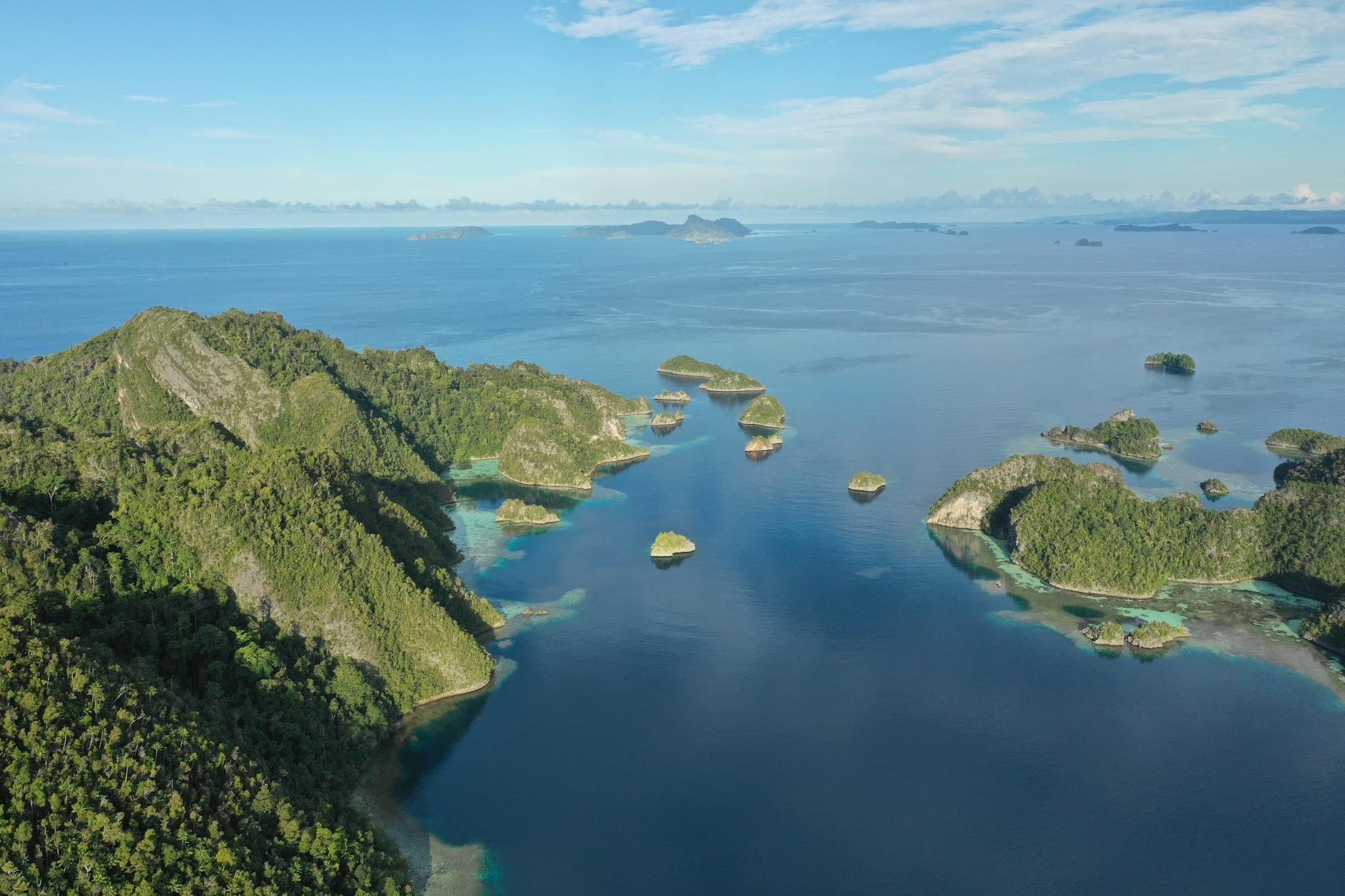
Indonesia
Hawaii
Great Barrier Reef
Galapagos
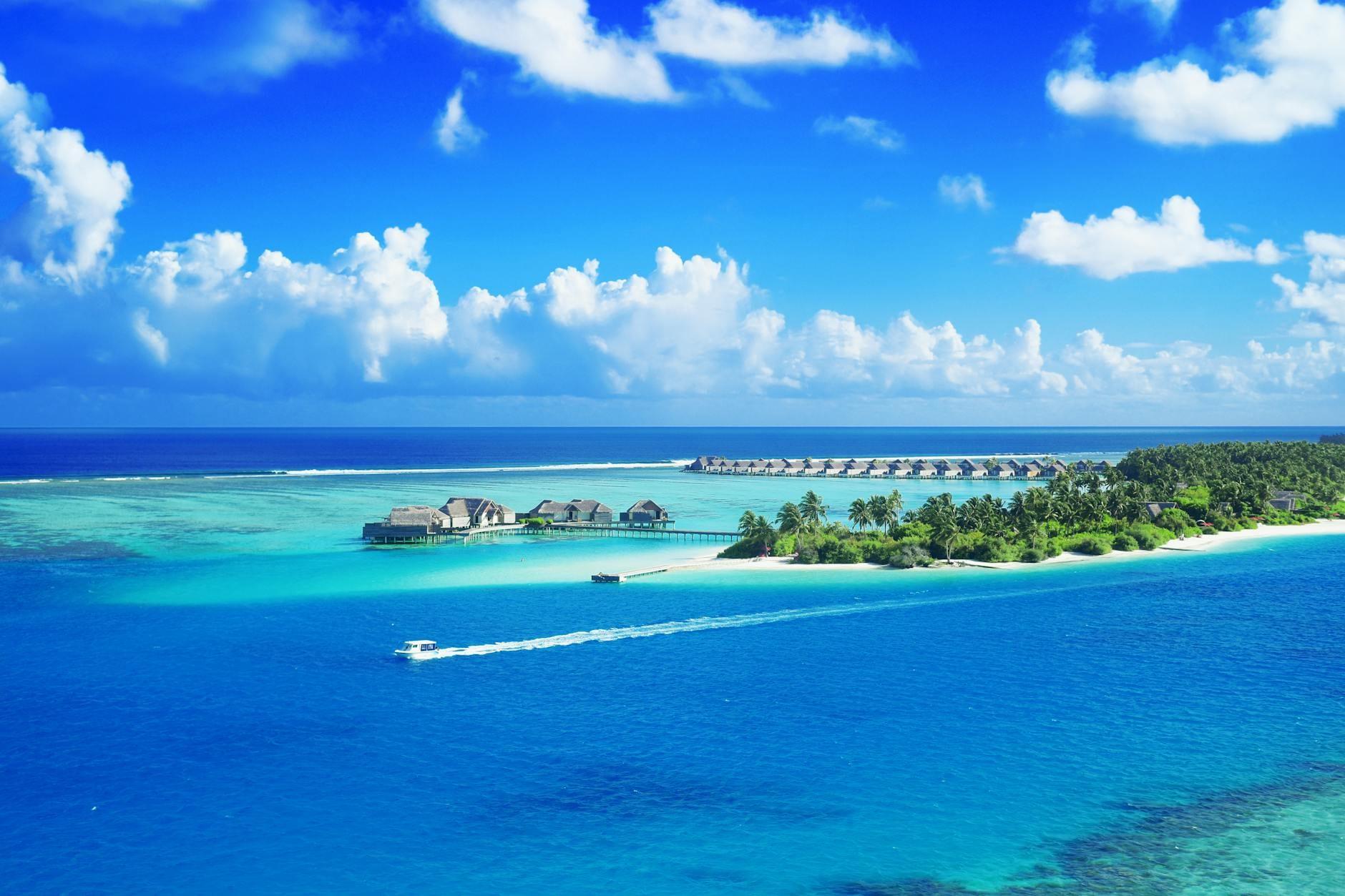
Maldives
Philippines
Solomon Islands
Malaysia