ExploretheGo.lifeConnect
Log inSign up
theGo.lifeCarpe the Diem.
ResourcesTermsPrivacy
thego.life
Uluru hero
← Life list
Nature

Uluru

Sign up to track this →

Previously known as Ayers Rock, this huge sandstone monolith is in the southern part of Australia’s Northern Territory. Uluru, and the land it sits on, is considered sacred by the native Anangu people. Although over 400,000 non-Anangu, like you, visit every year. This iconic rock is 1,142 feet high, and has a circumference of 5.8 miles.

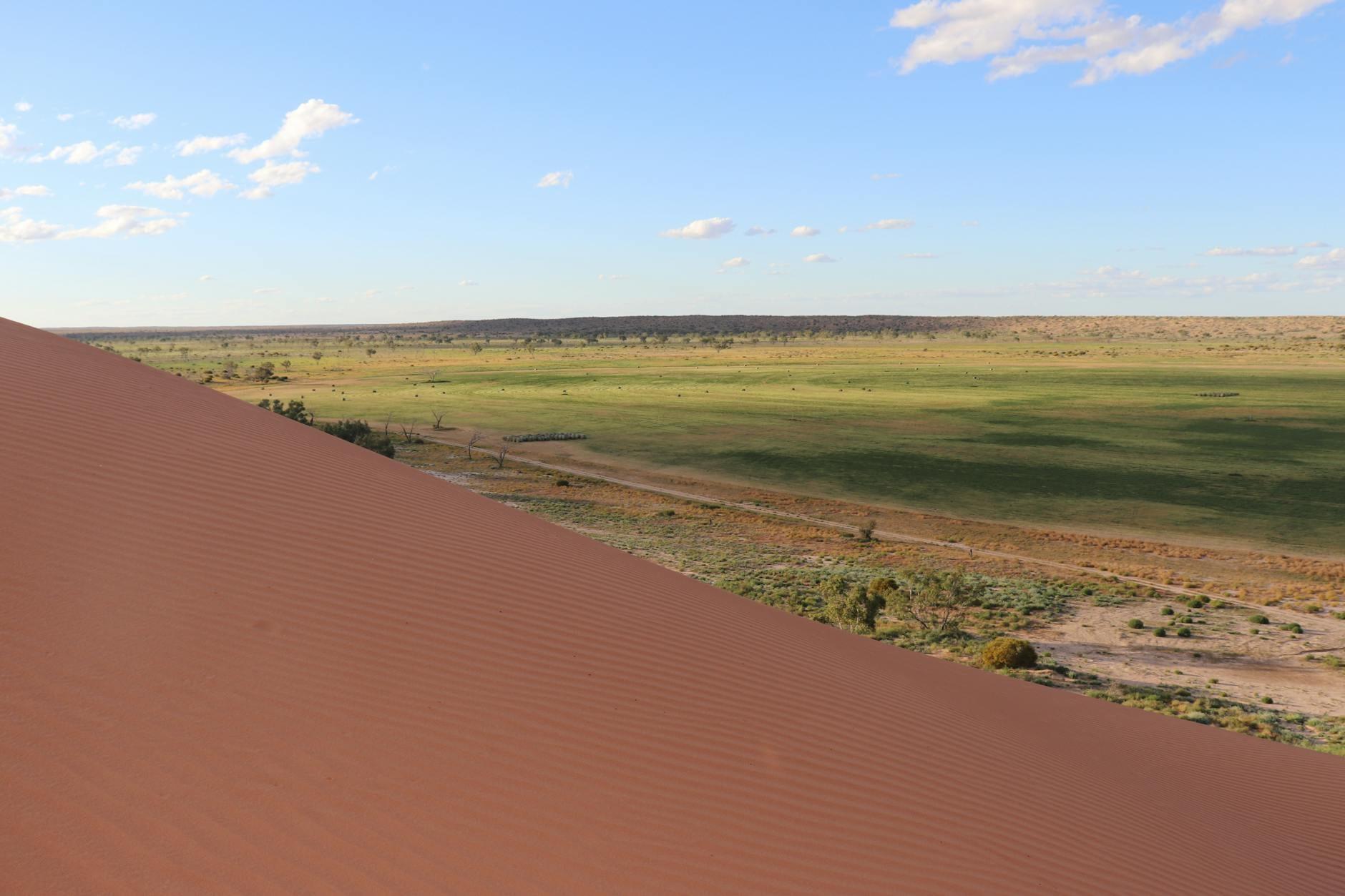
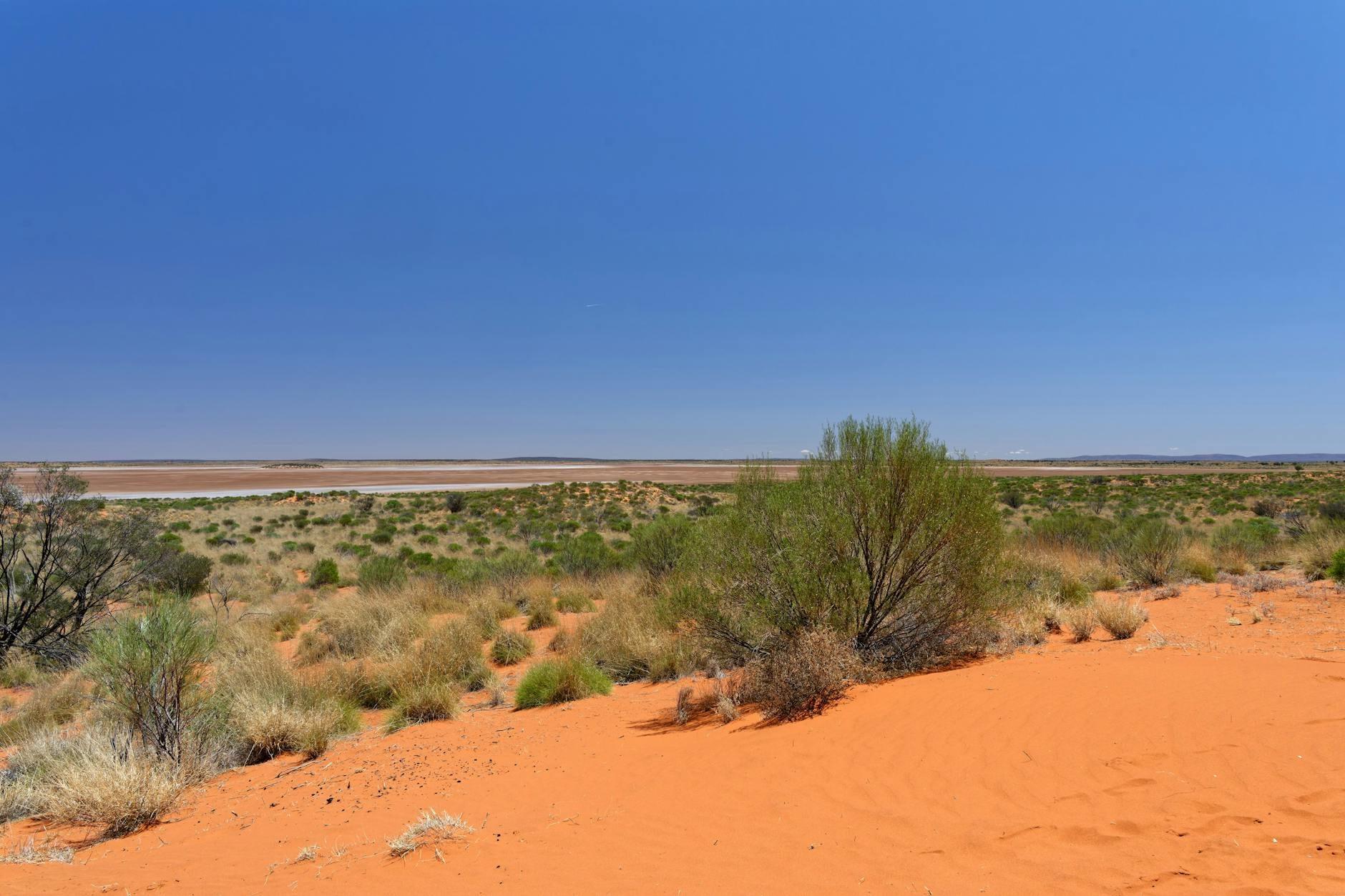
Uluru is the top attraction within Uluru-Kata Tjuta National Park, although there is much more to see in the park’s 512 square miles, including extensive sand plains, dunes, and desert. If you’re interested in seeing more than just a huge rock and other desert stuff, more than 150 bird species have been recorded within the park, along with 22 species of mammals; including red kangaroo, dingo, and several species of bats. The park is also home to Kata Tjuta, a collection of 36 steep-sided rock domes, although that is mostly off-limits to visitors.

Making it Happen

Ayers Rock Airport is a small airport servicing the resort town of Yulara on the edge of the park. Direct flights are available from Alice Springs, Cairns, Sydney, and Perth. The nearest large town is Alice Springs, which is the area’s tourism hub, and about 288 miles from Uluru. The airport in Alice Springs is not much bigger than the one in Yulara, but it is a great spot to begin a driving tour of the area if you are interested in seeing more than Uluru. Rental cars are available at the terminals of both airports.

Tips

Climbing Uluru is not forbidden, but it is discouraged. The site is sacred to the Anangu people, who believe their ancestors made the climb for important ceremonies on top of the rock. There are no facilities en route, and the trail is often closed due to excessive heat, rainstorms, low clouds, wind, or cultural activities. If you do decide to climb, be aware that the heat is often unbearable, with temperatures reaching above 95 degrees Fahrenheit during the summer months.

If you choose not to hike up Uluru, you can walk the path around the base, or choose from several beautiful trails throughout the park, most with lovely views of Uluru or Kata Tjuta. These paths will close if extreme heat or storms are forecasted.

There are no accommodations within the park, but lodging and camping are available in Yulara, just outside the park.

Whether you’re looking for a unique climbing experience, a taste of aboriginal culture, or a place to relax amidst breathtaking beauty, Uluru-Kata Tjuta National Park is a unique and remarkable backdrop for all of your Australian adventures.

Where to find it
Australia landscape
Uluru
Australia
More nature
Ama Dablam
Nepal
Angel Falls
Venezuela
Atacama Desert
Chile
Cerro Torre
Argentina