In the 1920s, a man named Joseph Pilates began teaching a method he called "Contrology" to dancers and boxers out of a studio in New York. A century later, his system of precise, controlled, core-driven movement has quietly become one of the most popular ways on earth to build a strong, supple, injury-resistant body.
Pilates is the great humbler of people who think they're fit. It looks gentle and feels brutal in the best way — small, deliberate movements performed with total control that find muscles you didn't know you'd been ignoring. It's strength without the pounding, flexibility without the strain, and a level of body awareness that quietly pays dividends in every other physical thing you do.
Whether you're rehabbing an injury, cross-training for another sport, or just chasing the long, strong, balanced body the method is famous for, it all starts from the center.
Getting Started
Start with an instructor, not a video. Pilates lives and dies on precision and alignment, and a good teacher watching your form in the first few months will teach you the subtle control the whole method depends on.
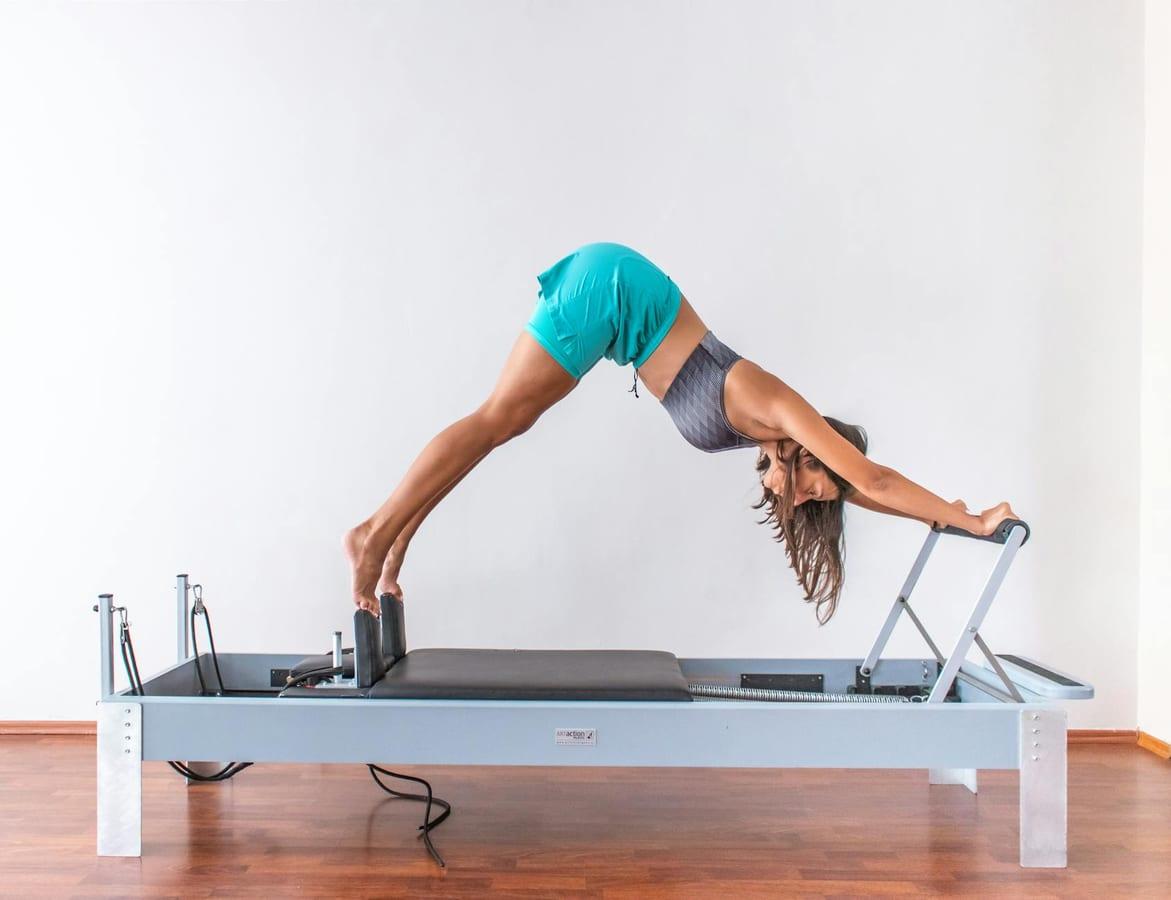
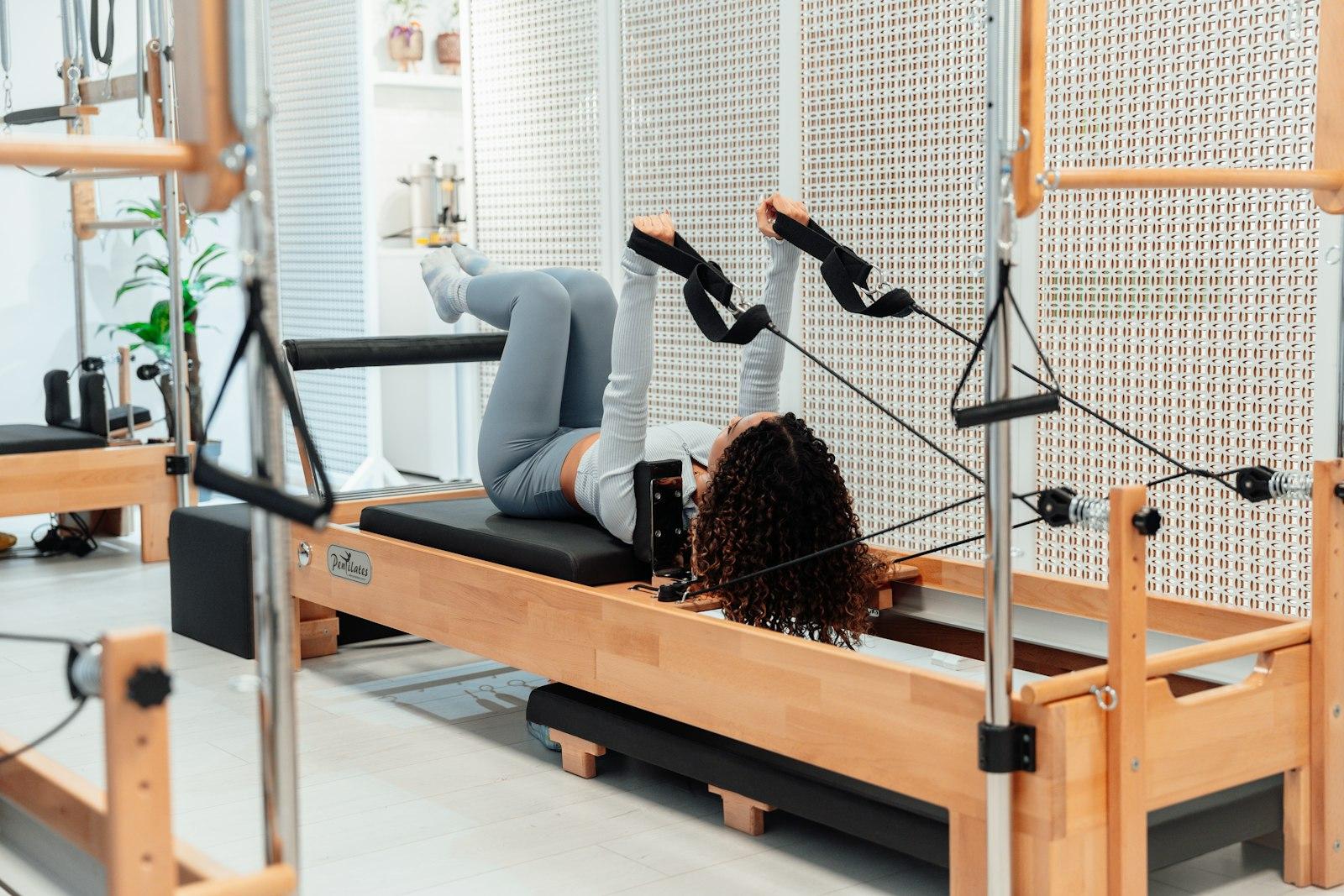
Decide between mat and reformer — or do both. Mat classes are accessible and travel anywhere; reformer classes use a spring-loaded carriage that adds both resistance and support, and many studios offer both. Either way, learn the principles before the party tricks: breath, concentration, control, centering, precision, and flow. Master those and the advanced work takes care of itself.
Go consistently — two or three sessions a week — and be patient with the small, slow movements. The "powerhouse," your deep core, is the engine of everything, and it strengthens gradually. Quality of movement always beats quantity of reps.
Types
Mat Pilates: The original, equipment-free method — just you, a mat, and gravity. Portable, humbling, and the foundation of everything.
Reformer Pilates: Performed on a spring-loaded sliding carriage that adds resistance and assistance — the studio centerpiece and a true full-body workout.
Classical Pilates: The traditional method, taught in the order and form Joseph Pilates intended, on the full apparatus.
Contemporary Pilates: A modern evolution that blends the classical work with current biomechanics and rehab science.
Clinical & Rehab Pilates: Used by physios to rebuild strength and movement after injury — gentle, precise, and restorative.
Power & Athletic Pilates: Faster, harder variations used as cross-training by athletes for core strength and mobility.
Gear
A Quality Mat: Thicker than a yoga mat to cushion the spine during rolling movements — the one essential for the home practitioner.
Fitted Clothing: Snug enough that the instructor can read your alignment, stretchy enough to move freely.
Grippy Socks: Non-slip socks keep you stable on the mat or reformer, and most studios require them.
A Magic Circle: A flexible resistance ring that adds gentle load to mat work — small, cheap, and surprisingly evil.
Resistance Bands & a Small Ball: Inexpensive props that add resistance and feedback to a home practice.
A Reformer: The serious home upgrade — a spring-loaded carriage that opens up the full method, if you have the space and the budget.