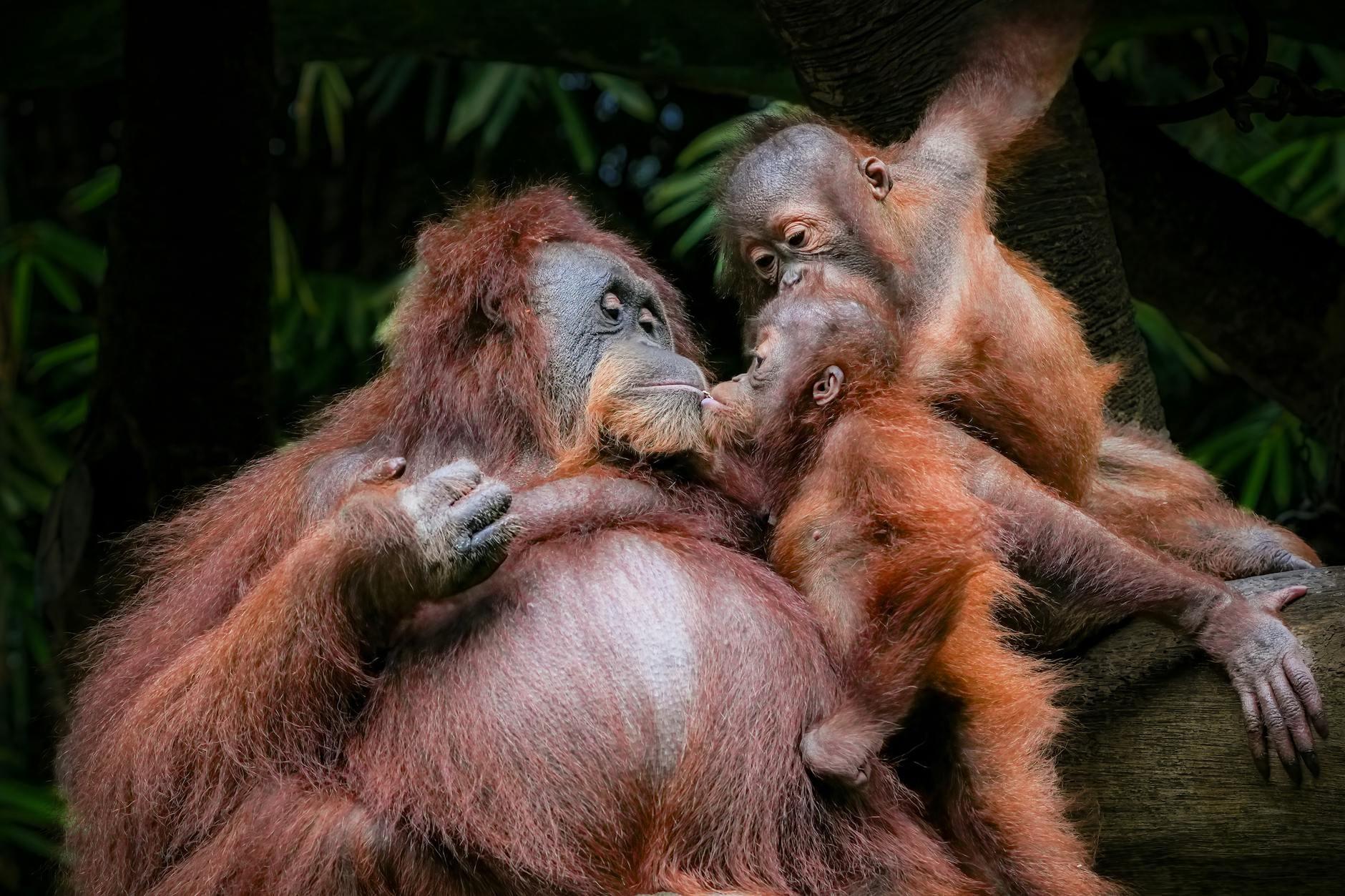
Deep in Borneo's Tanjung Puting National Park, you travel by traditional klotok riverboat to feeding platforms where wild and rehabilitated orangutans swing in from the forest.
Watching these gentle red apes, found only in Indonesia and Malaysia, move through the canopy is among the most intimate primate encounters anywhere.
Where to spot them
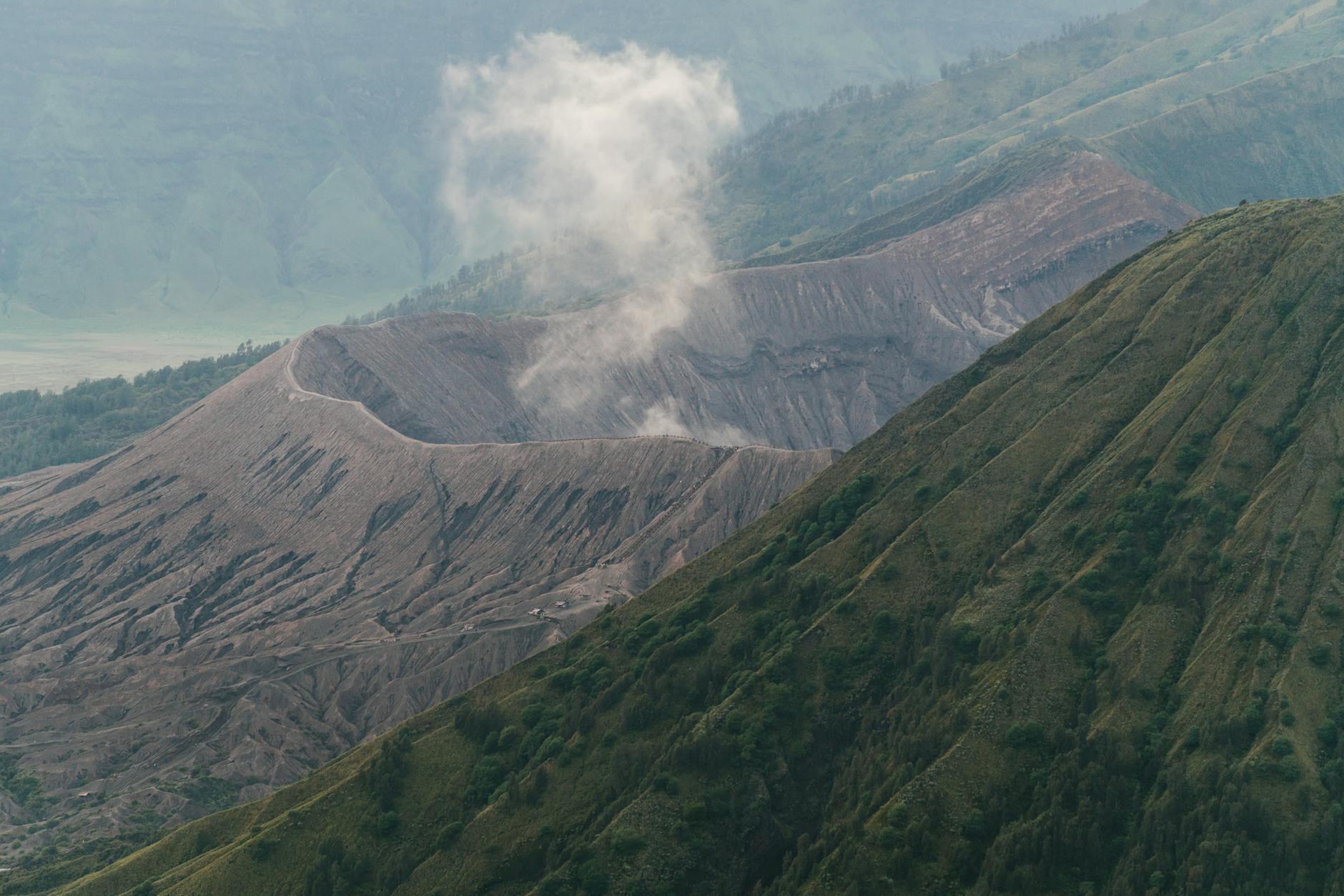
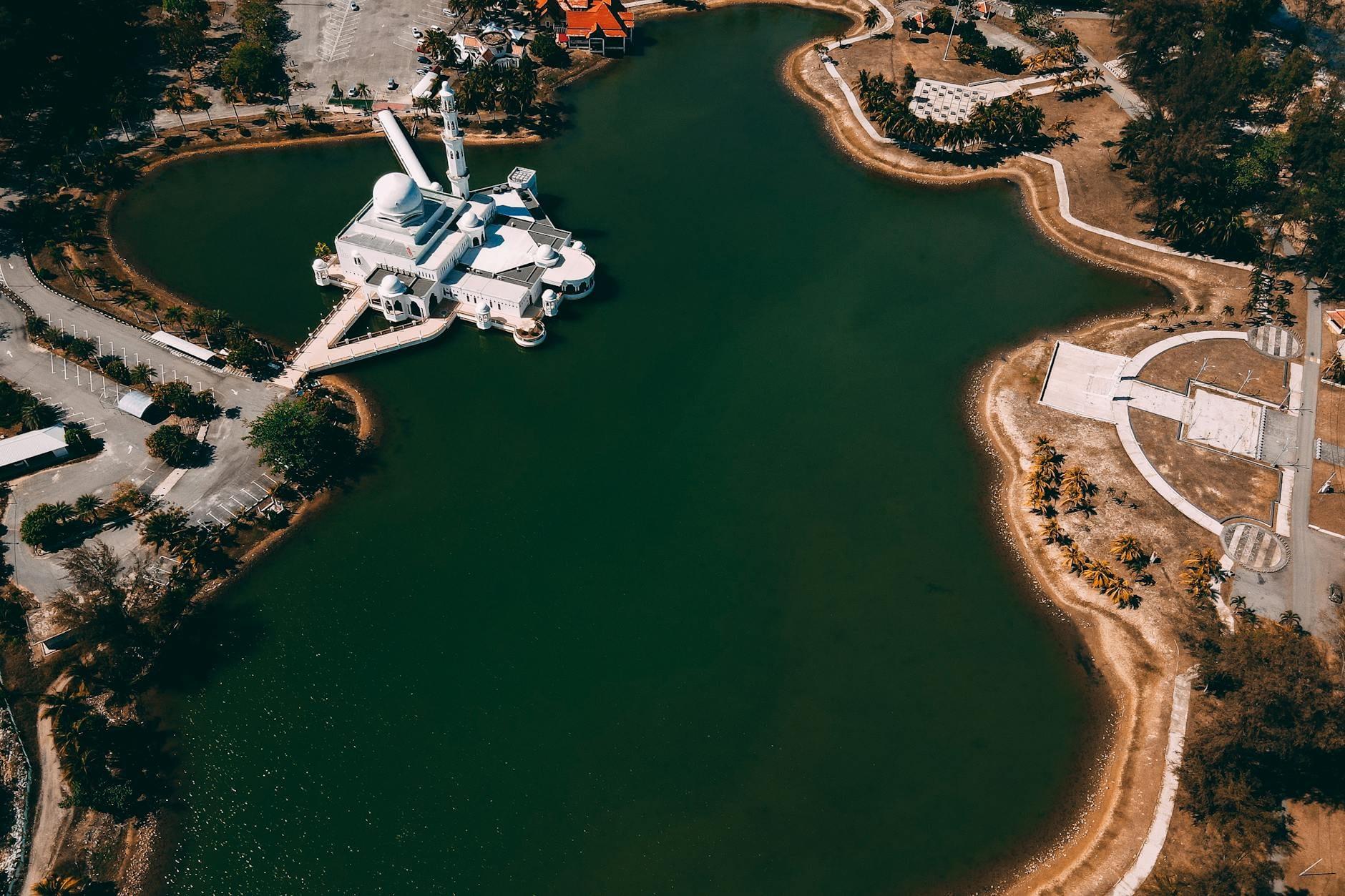
 Malaysia
More wildlife
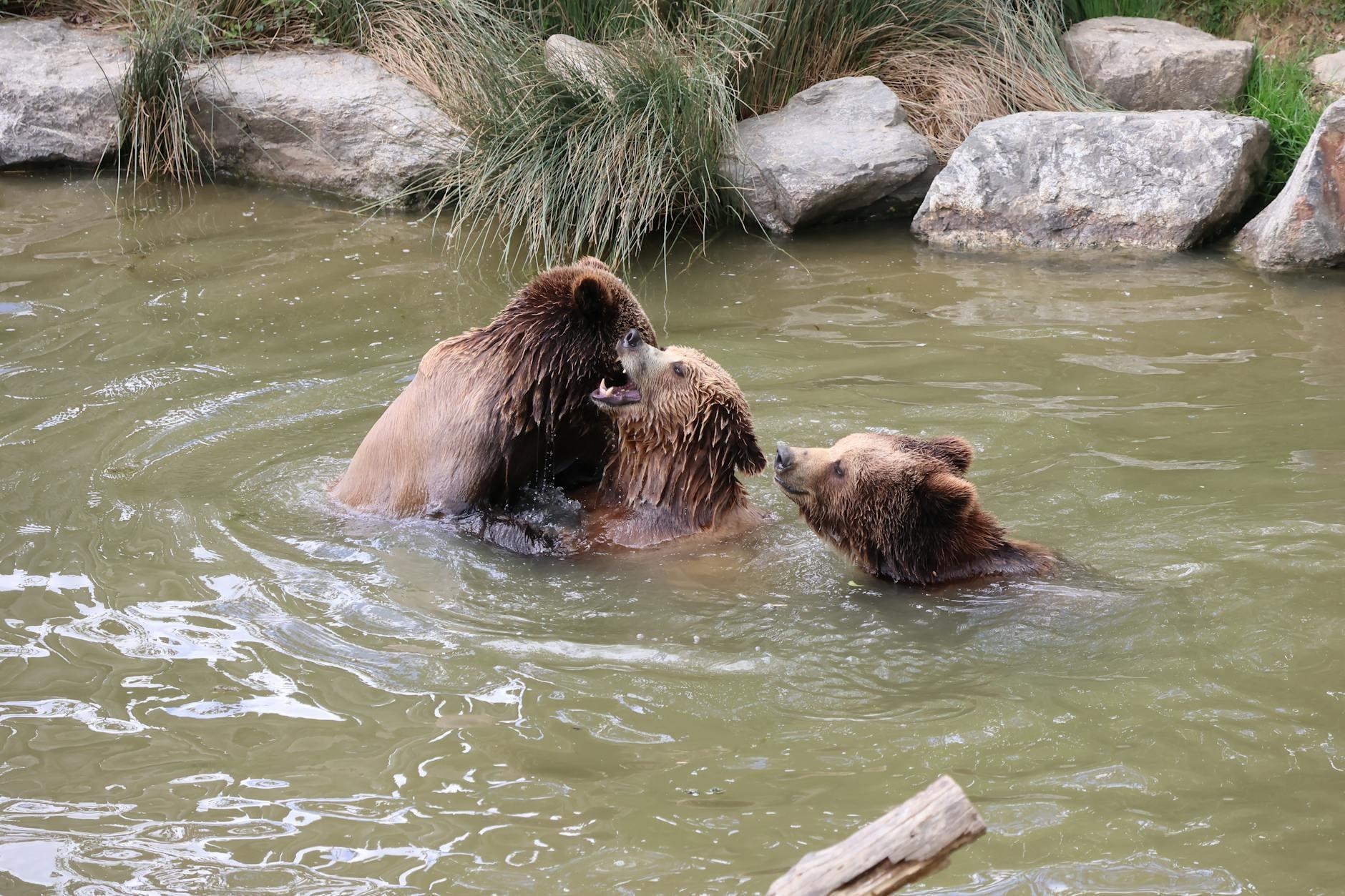
Brown Bears
 United States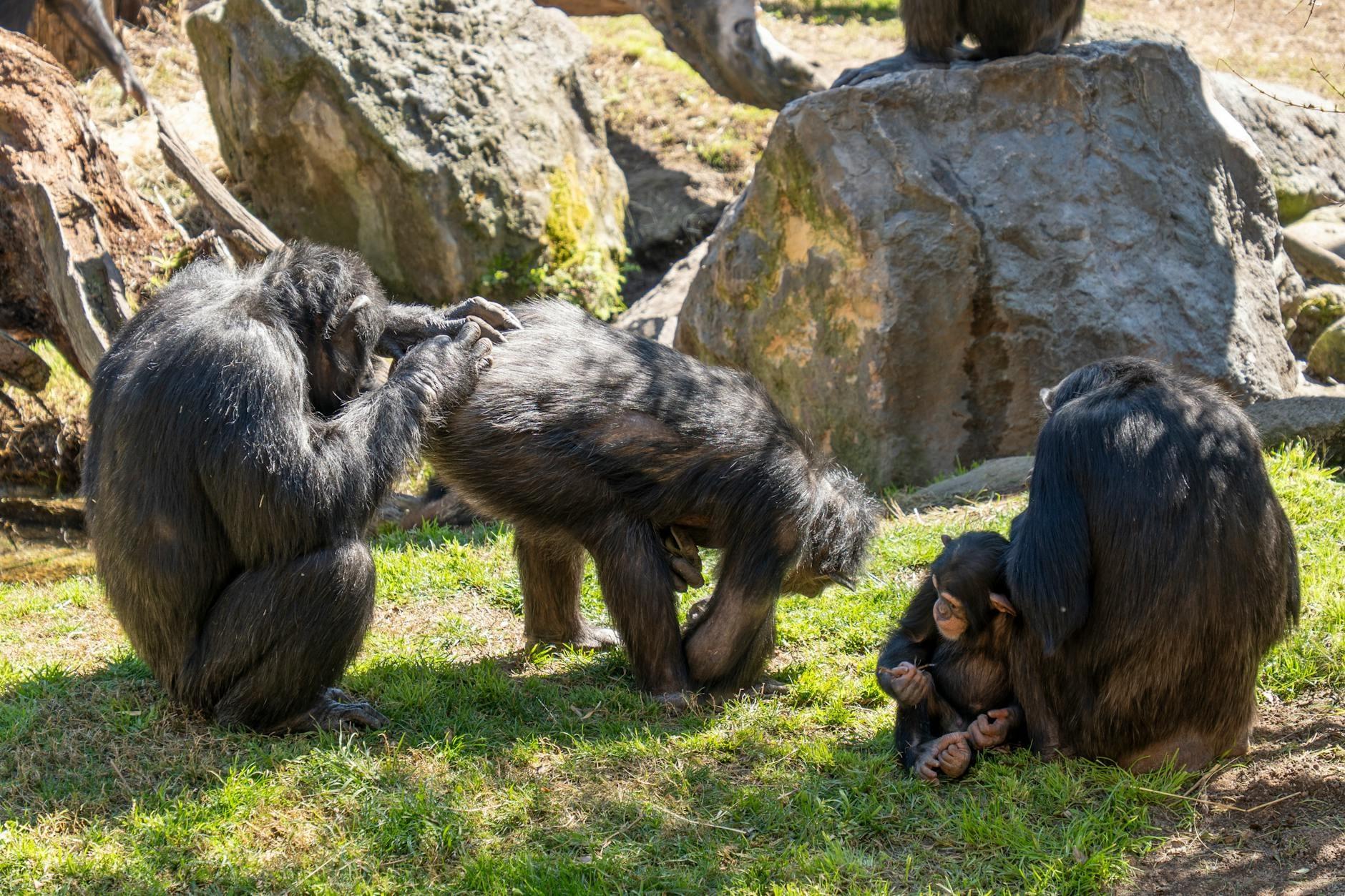
Chimpanzees
 Tanzania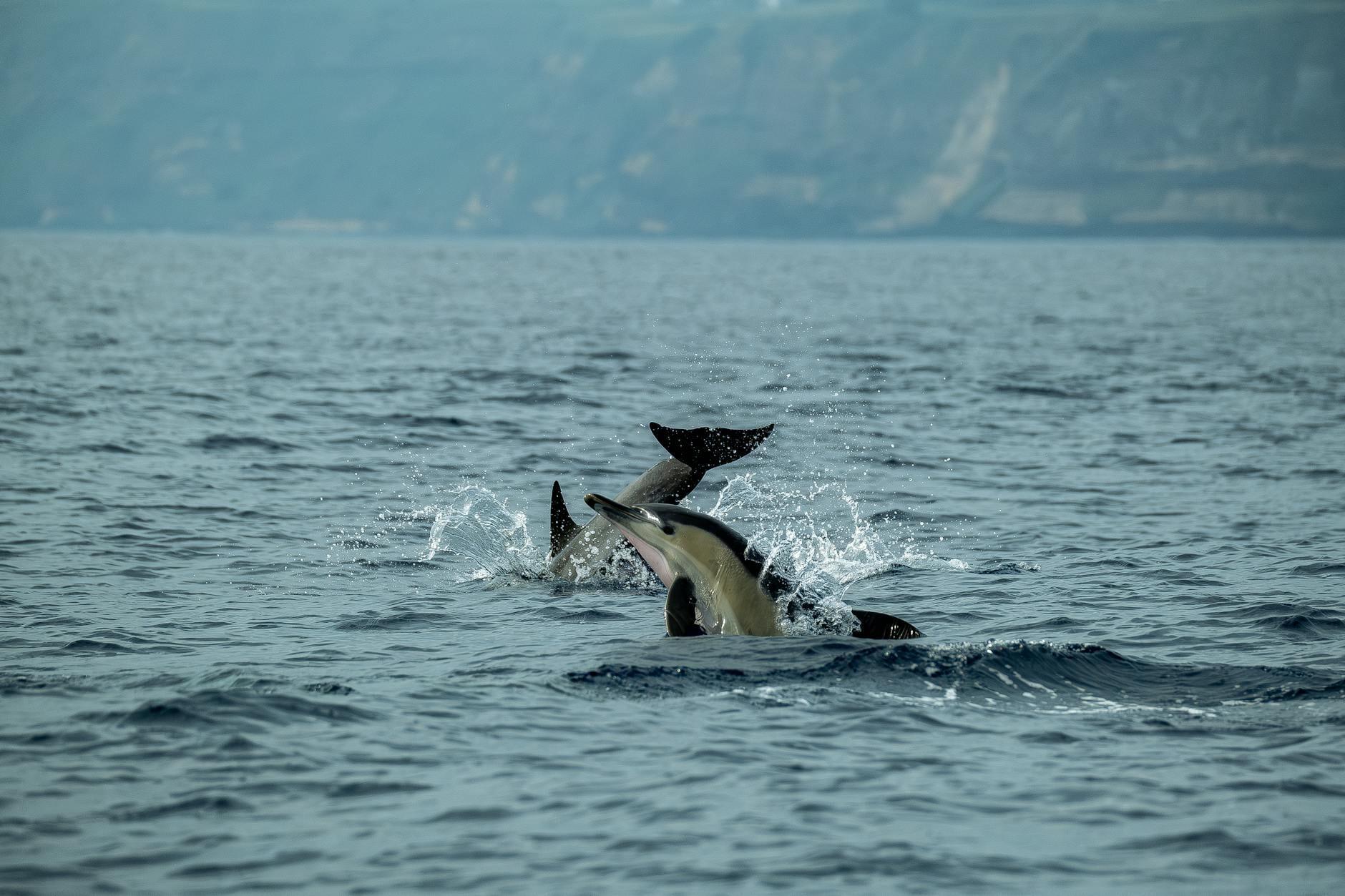
Dolphins
 New Zealand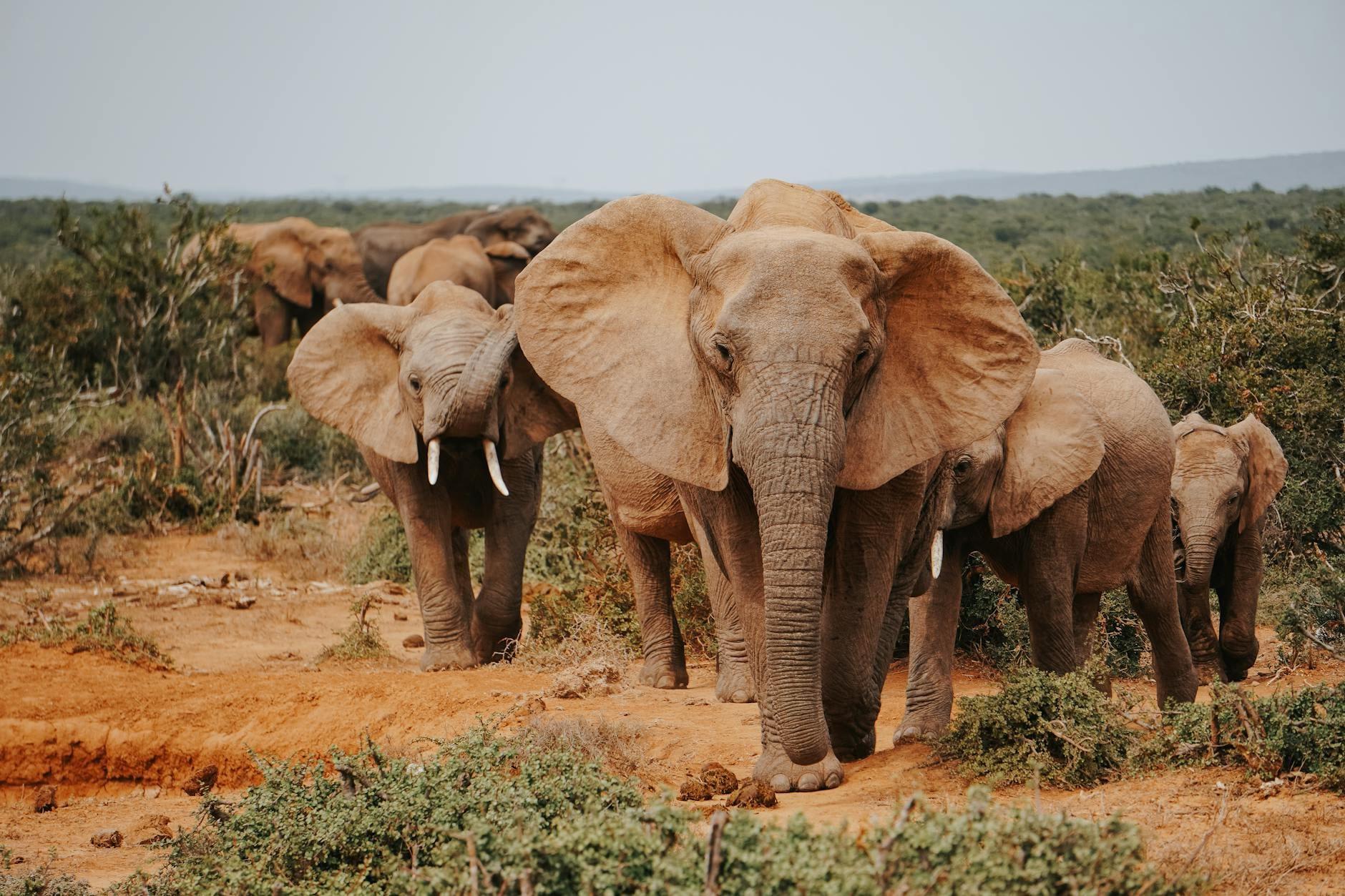
Elephants
 Botswana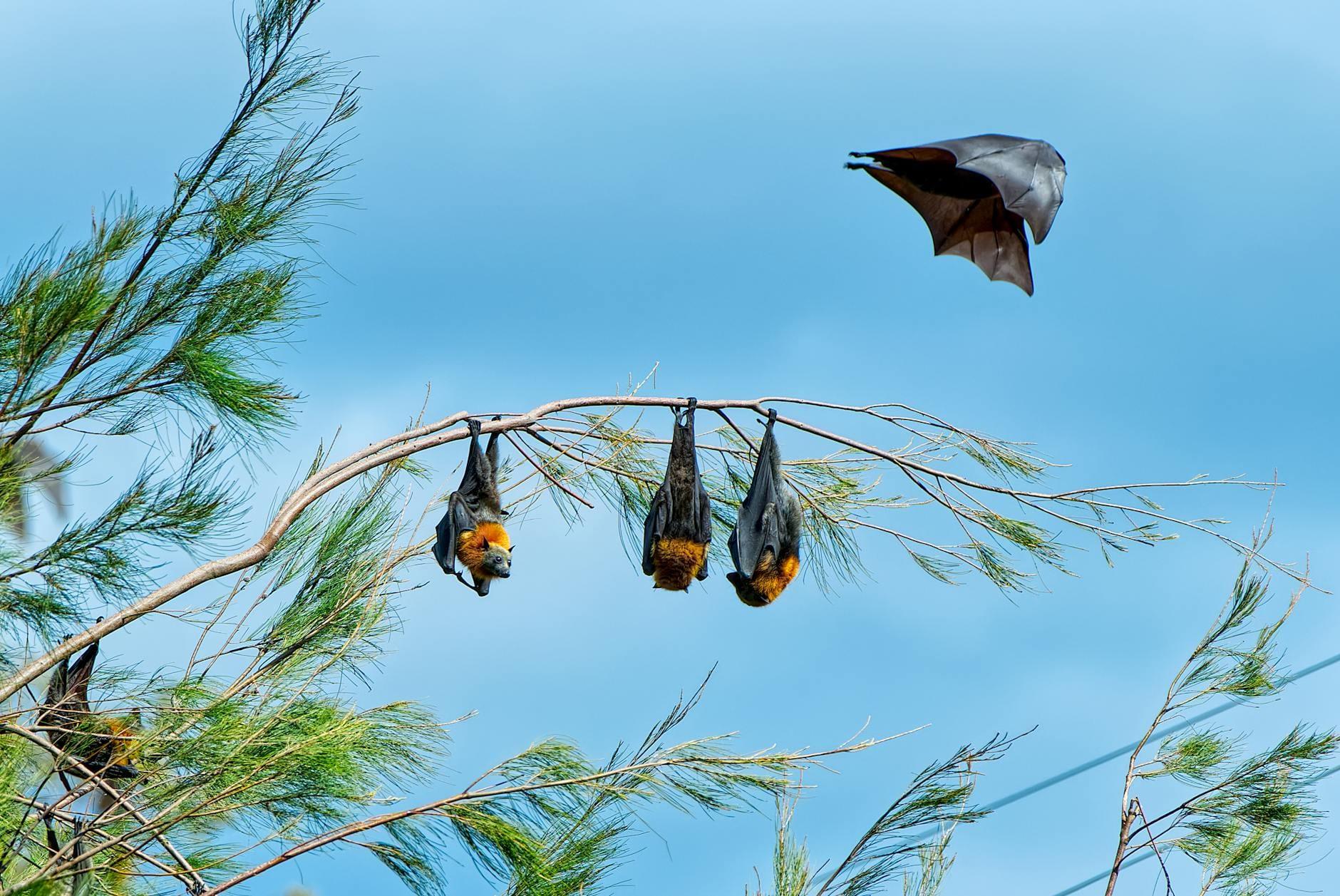
Fruit Bats
 Zambia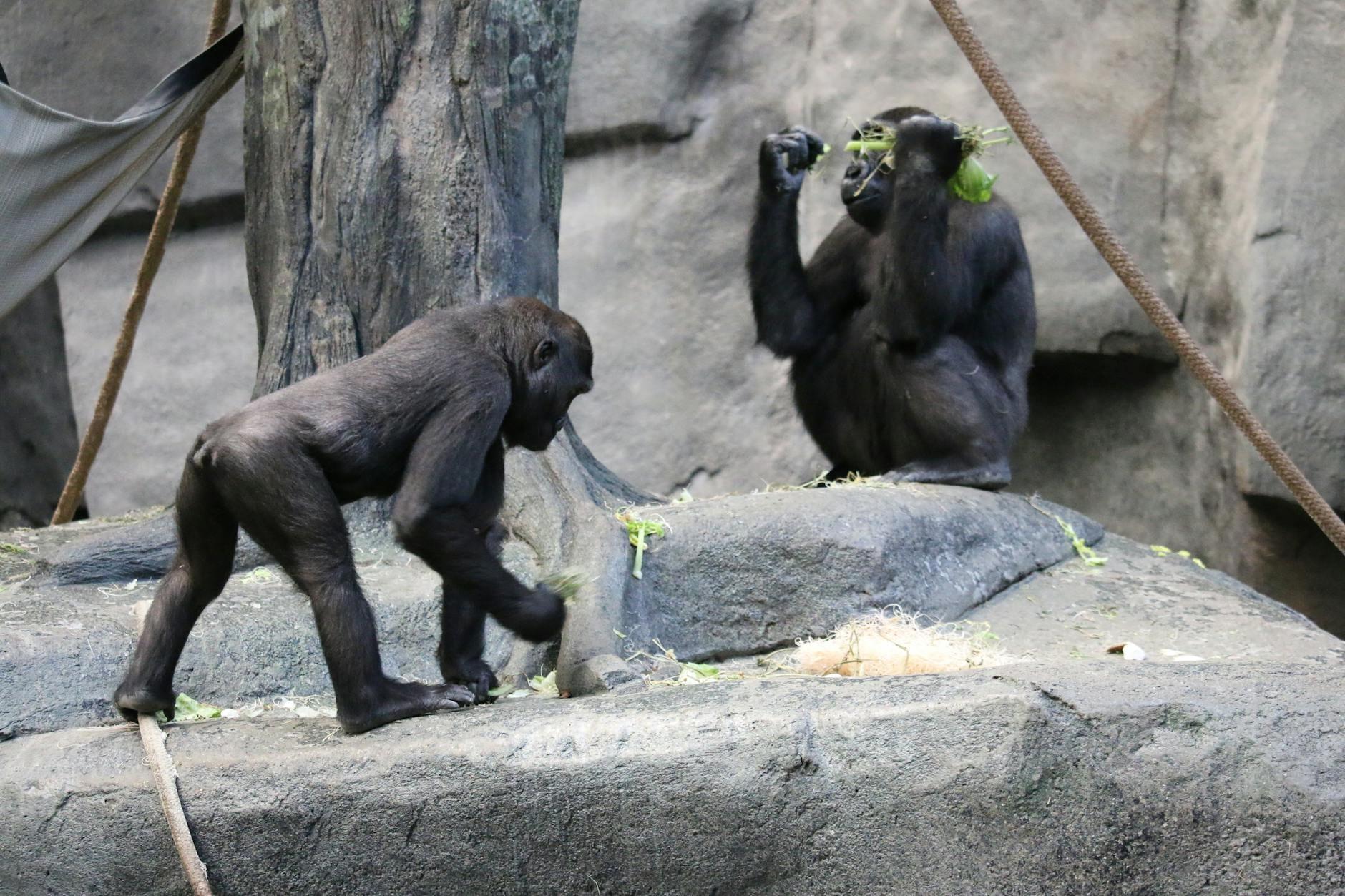
Gorillas
 Rwanda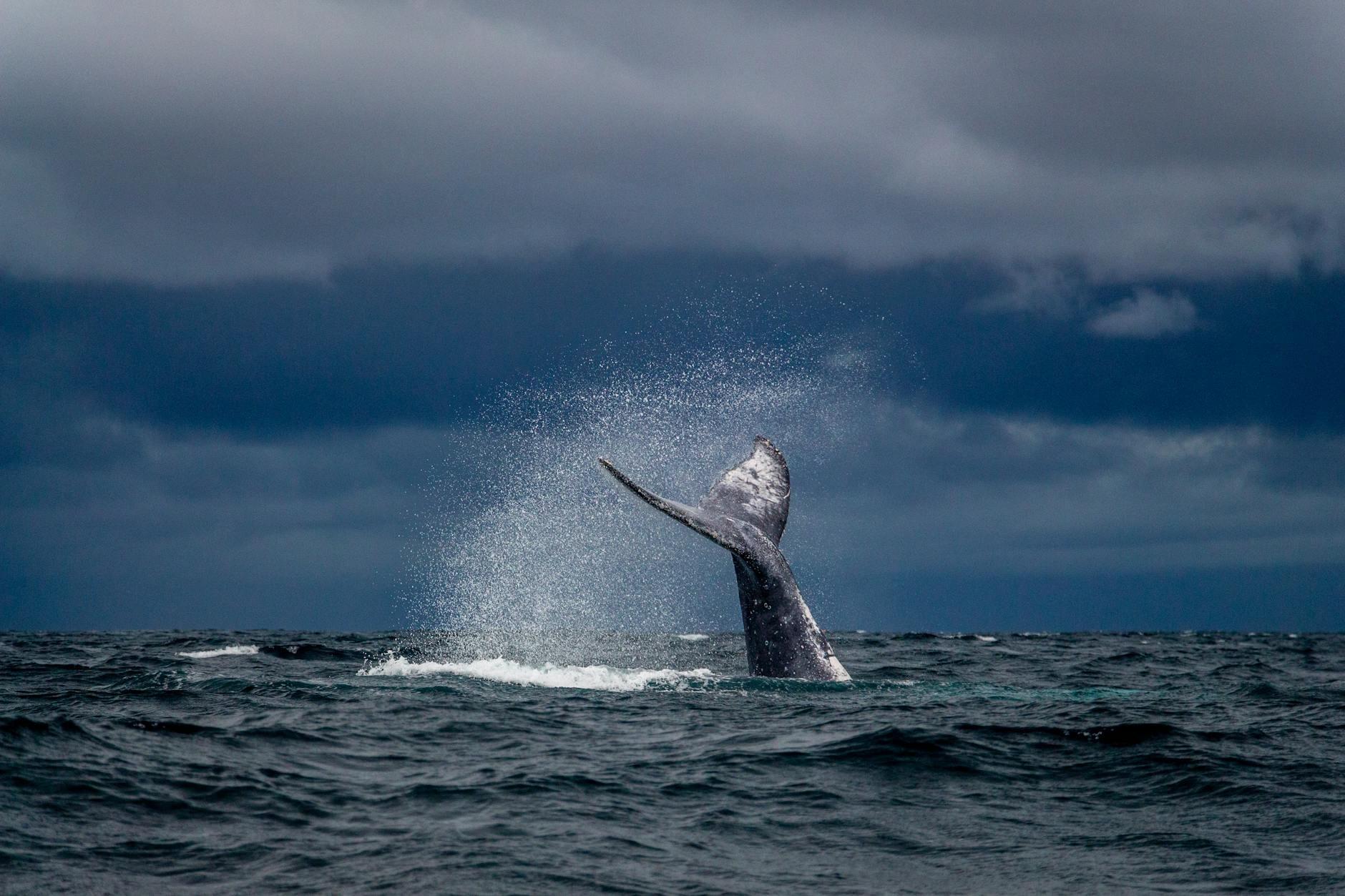
Humpbacks Breaching
United States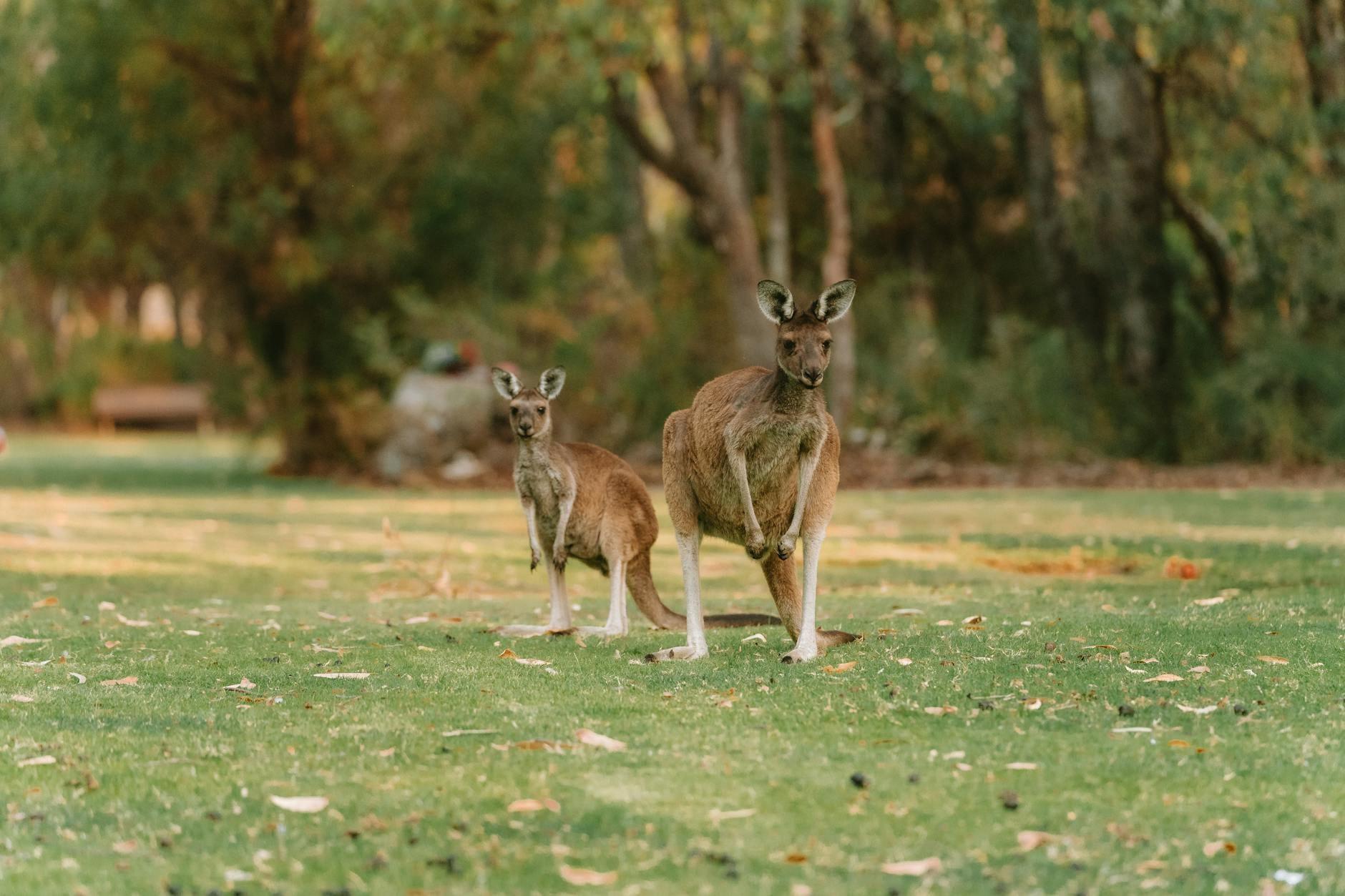
Kangaroos
 Australia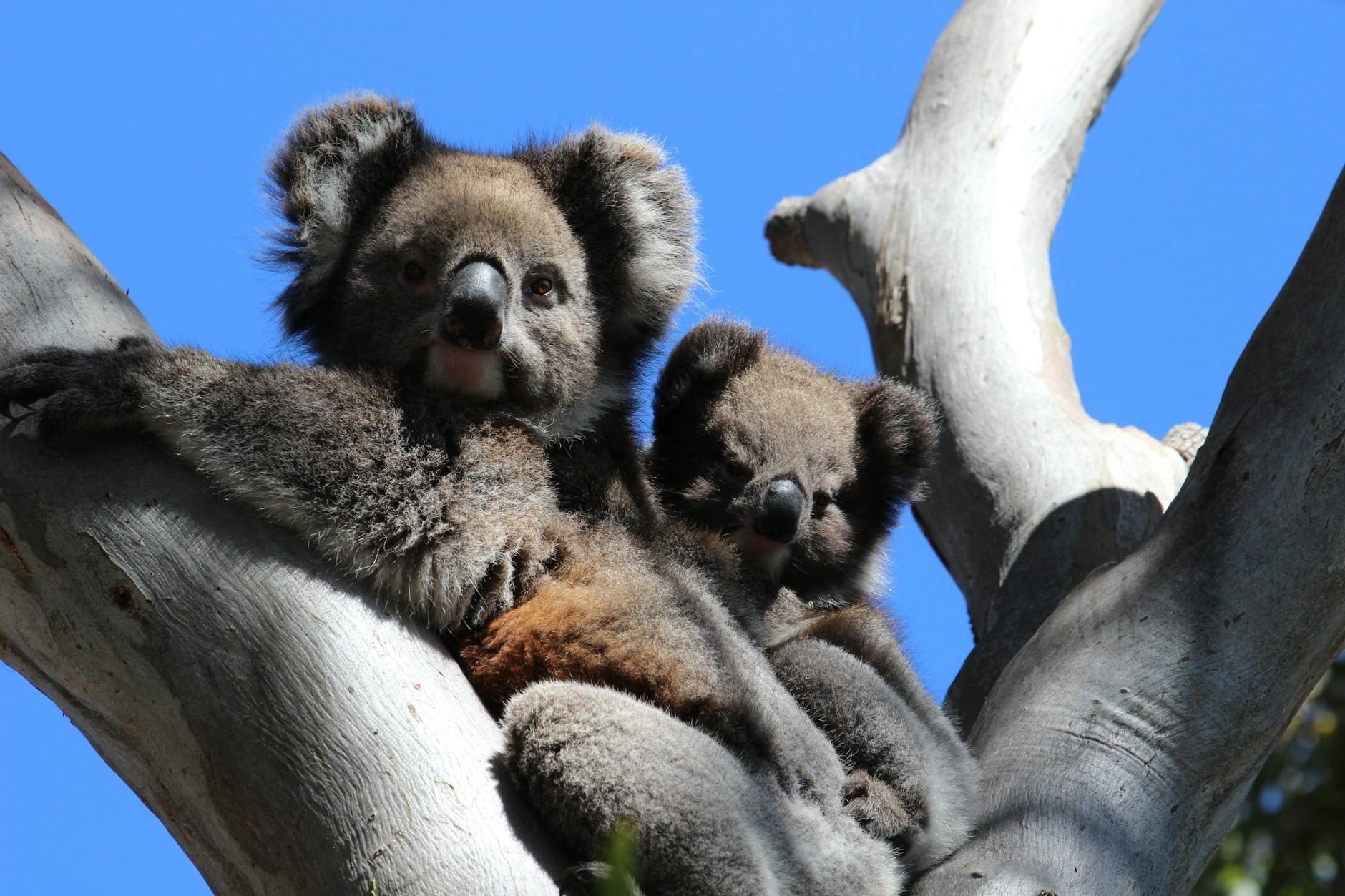
Koalas
Australia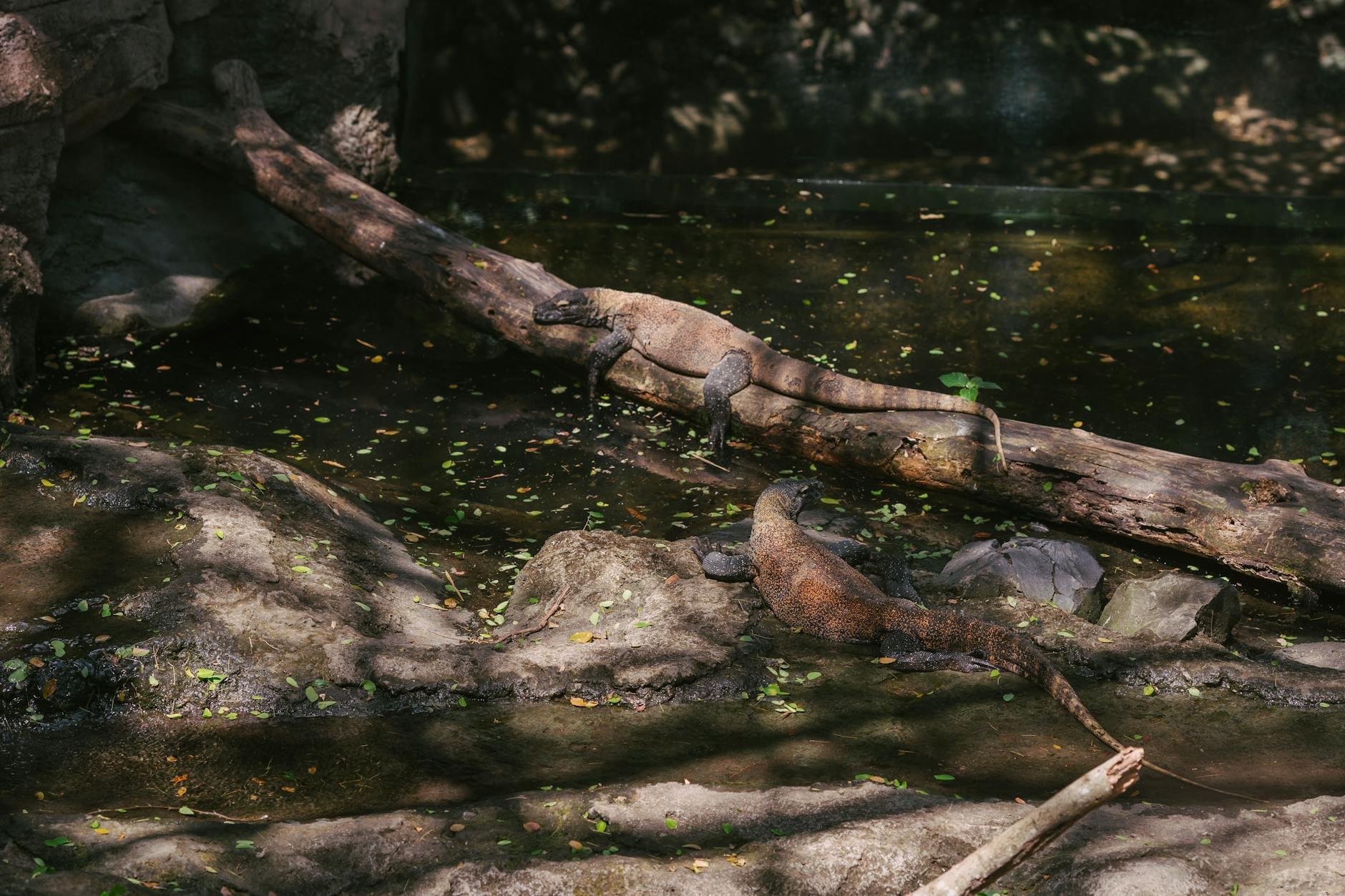
Komodo Dragons
 Indonesia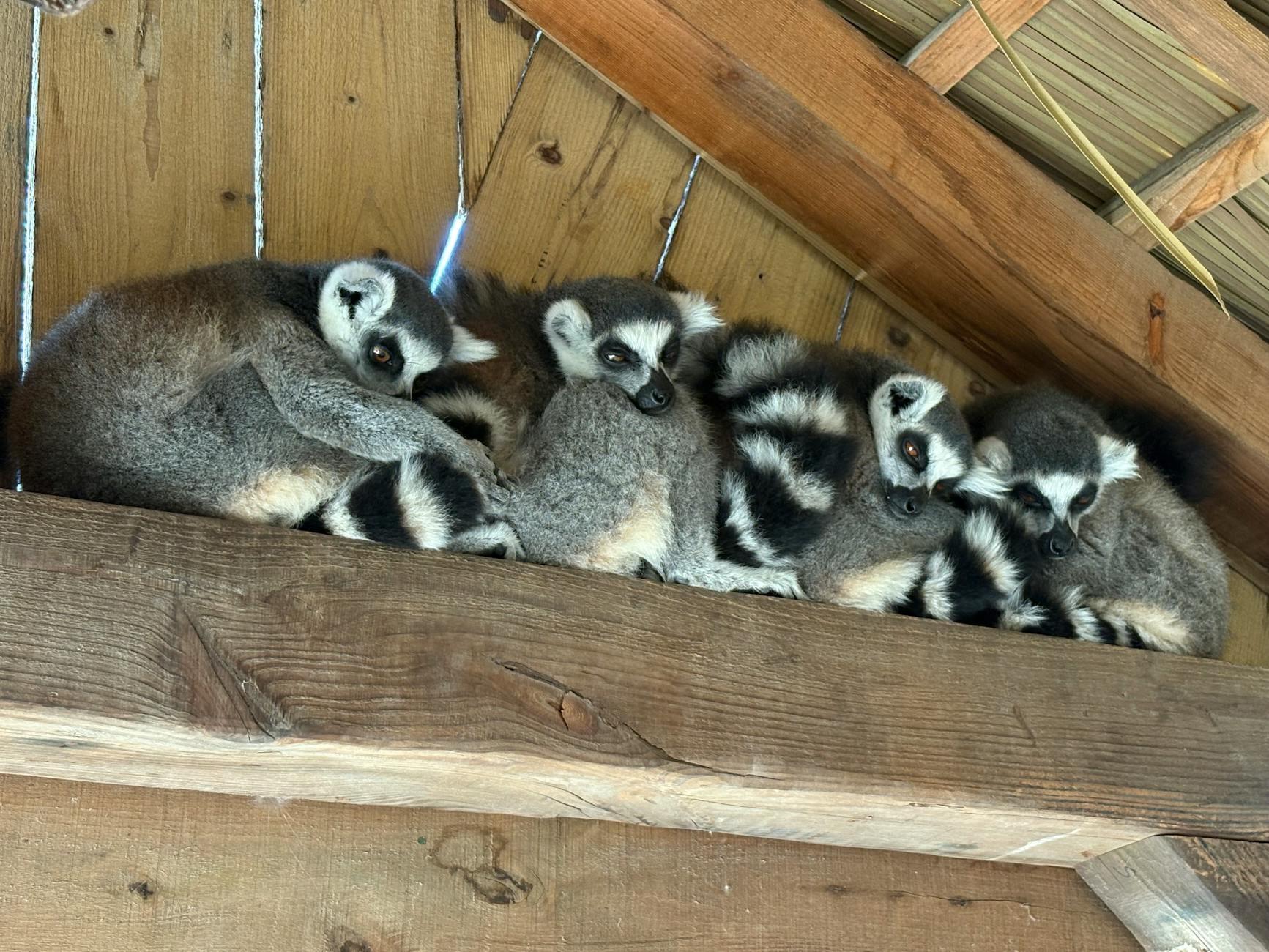
Lemurs
 Madagascar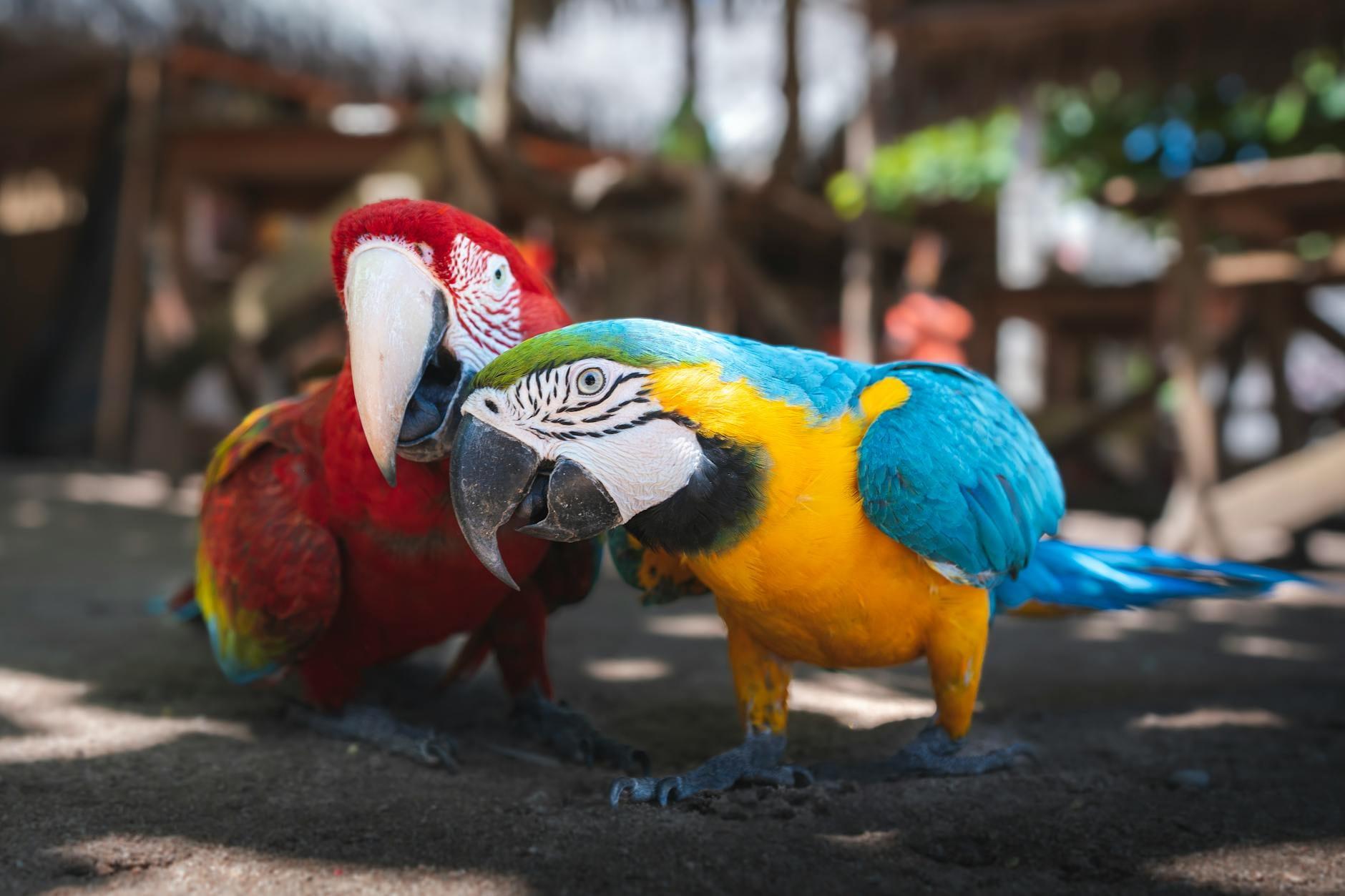
Macaws at a Clay Lick
 Peru
Peru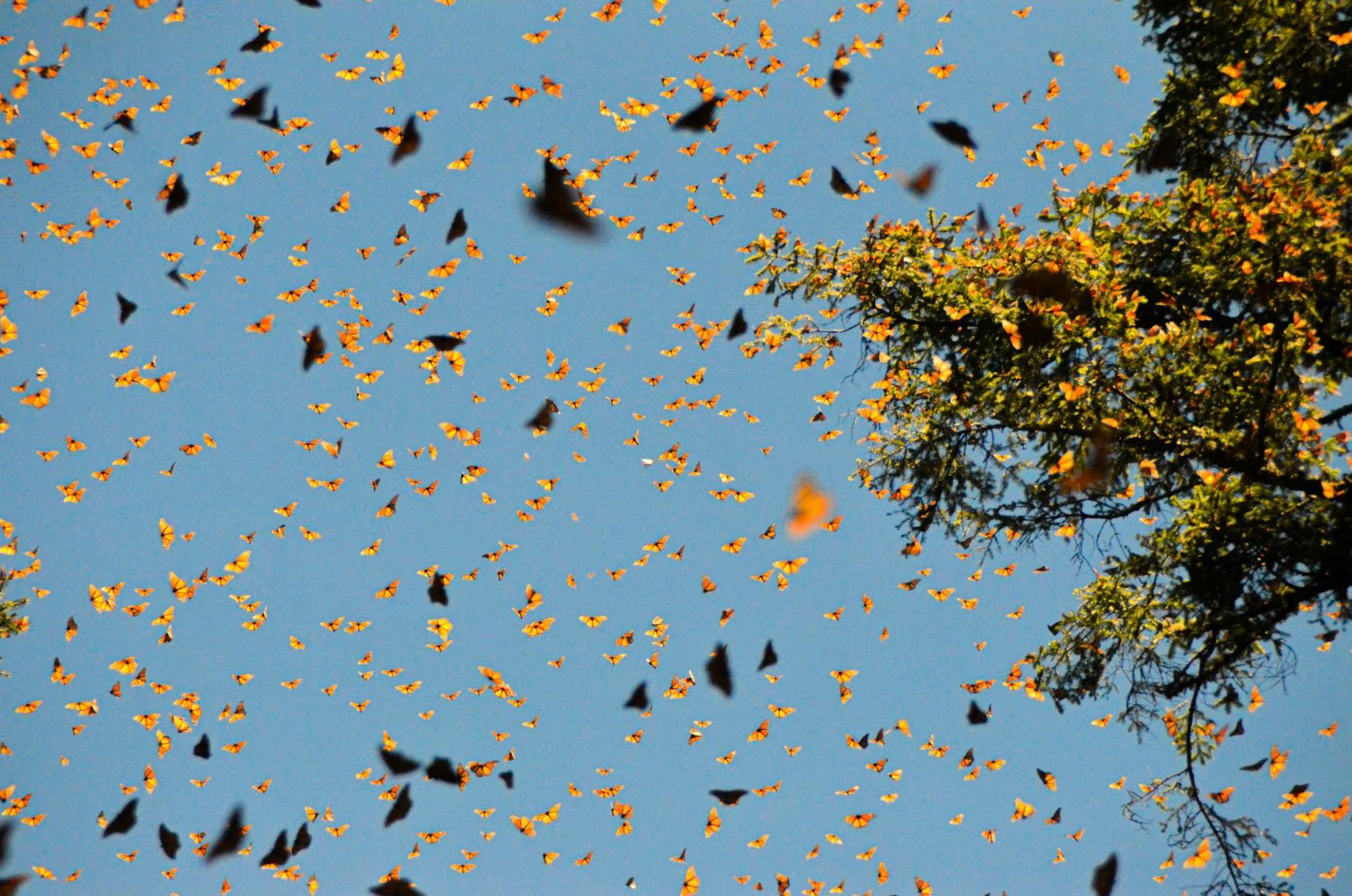
Monarch Butterfly Migration
 Mexico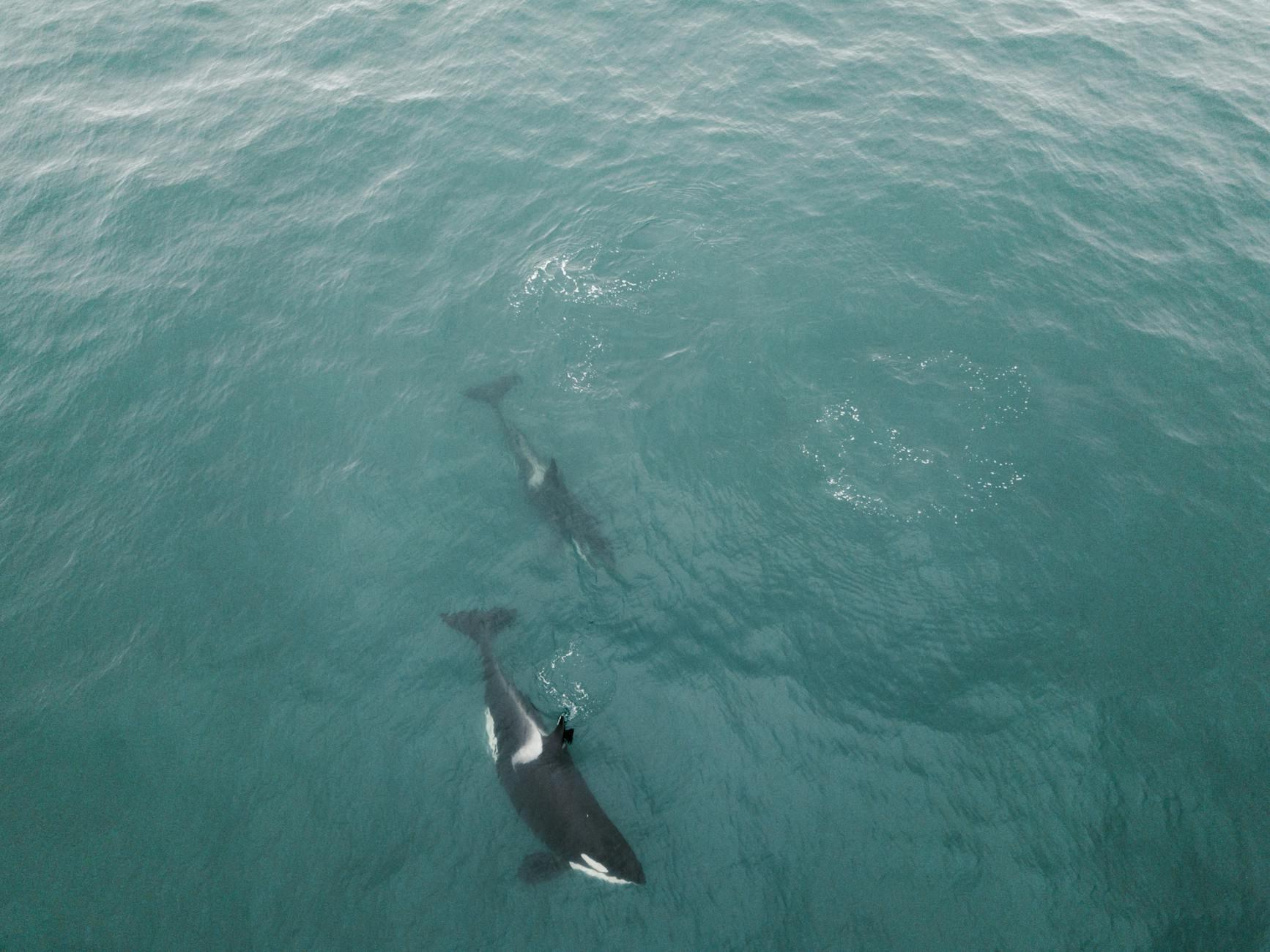
Orca
United States
Pandas
 China
China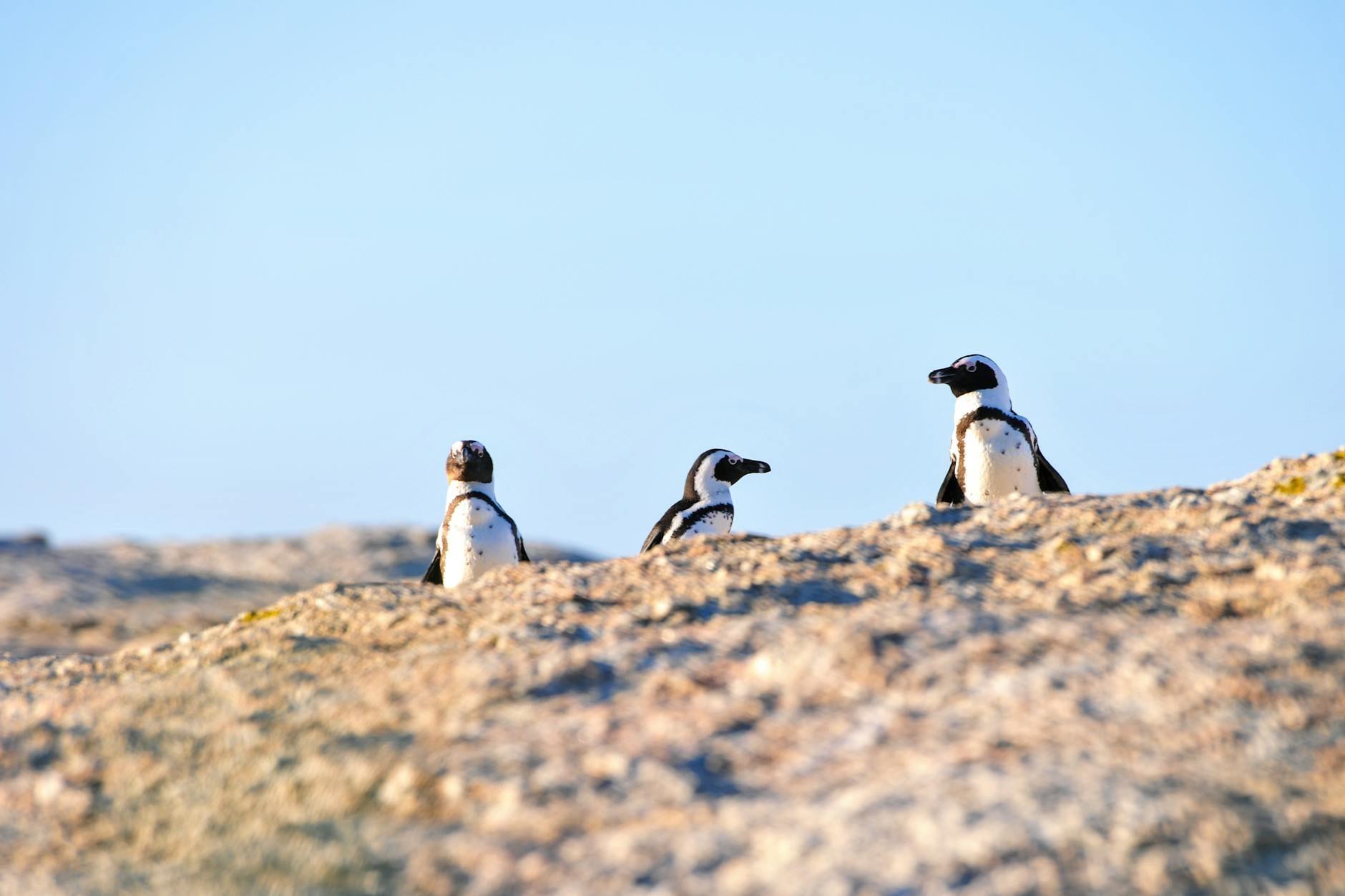
Penguins
 Antarctica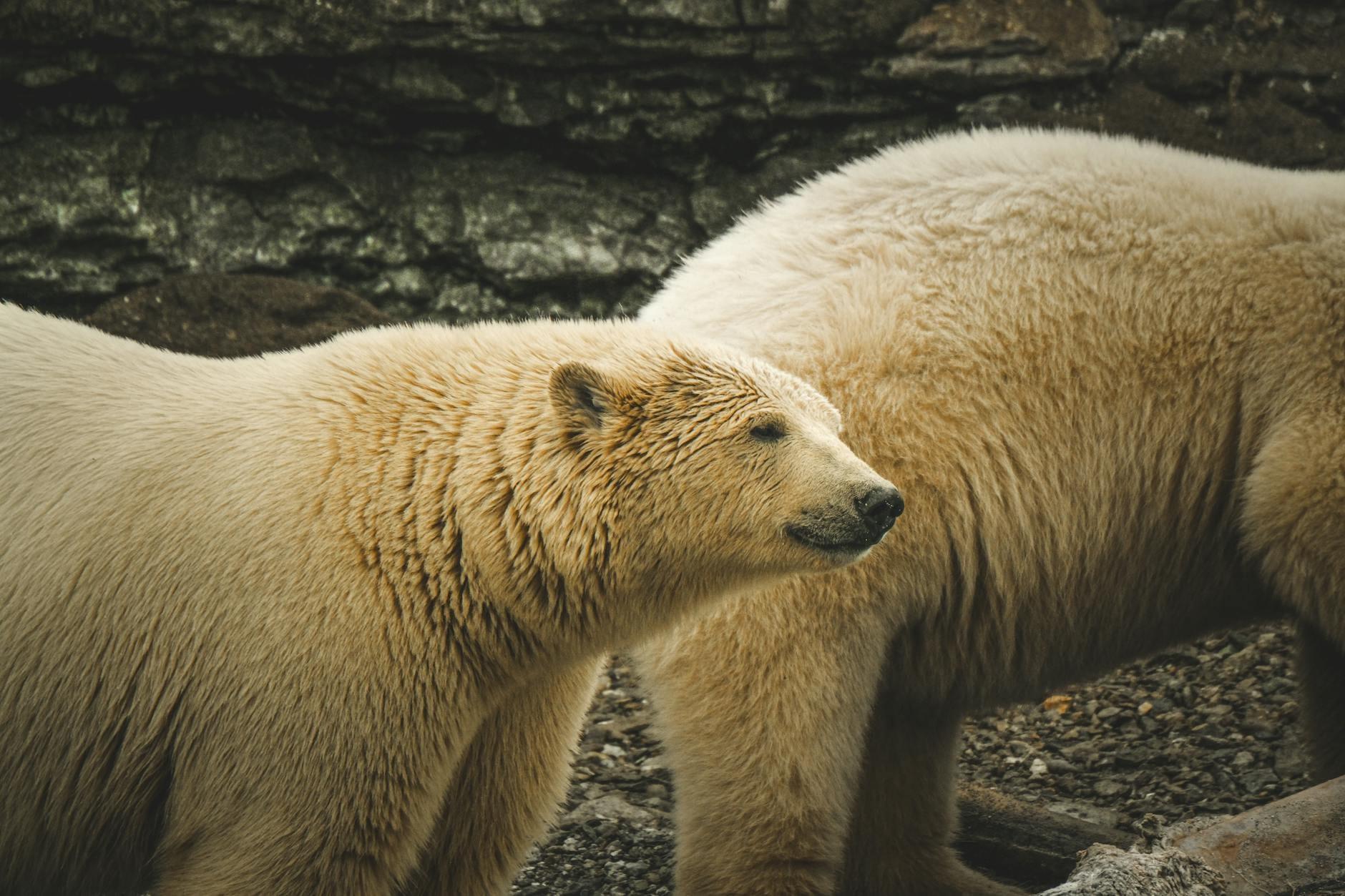
Polar Bears
 Canada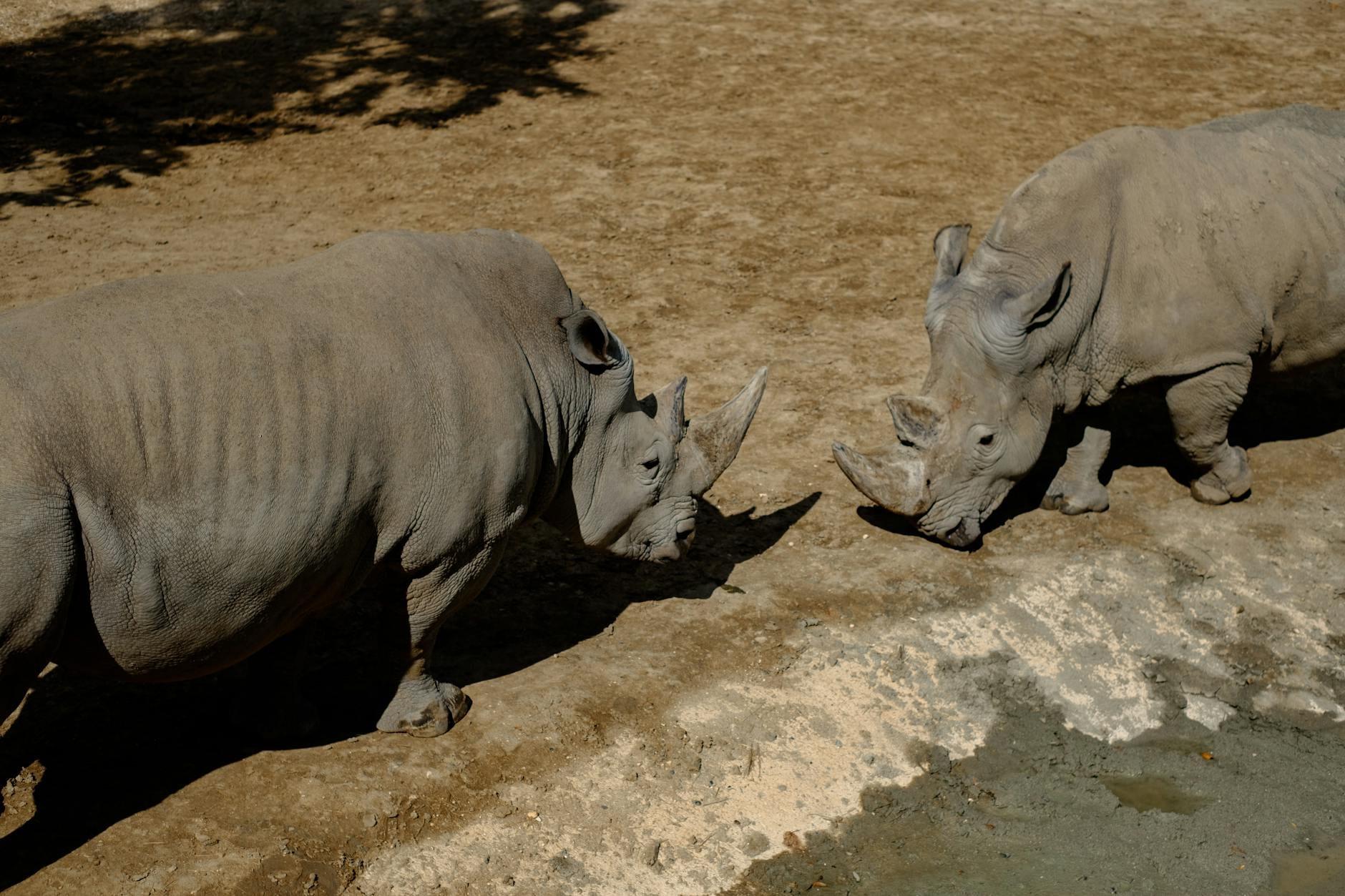
Rhinos
 Namibia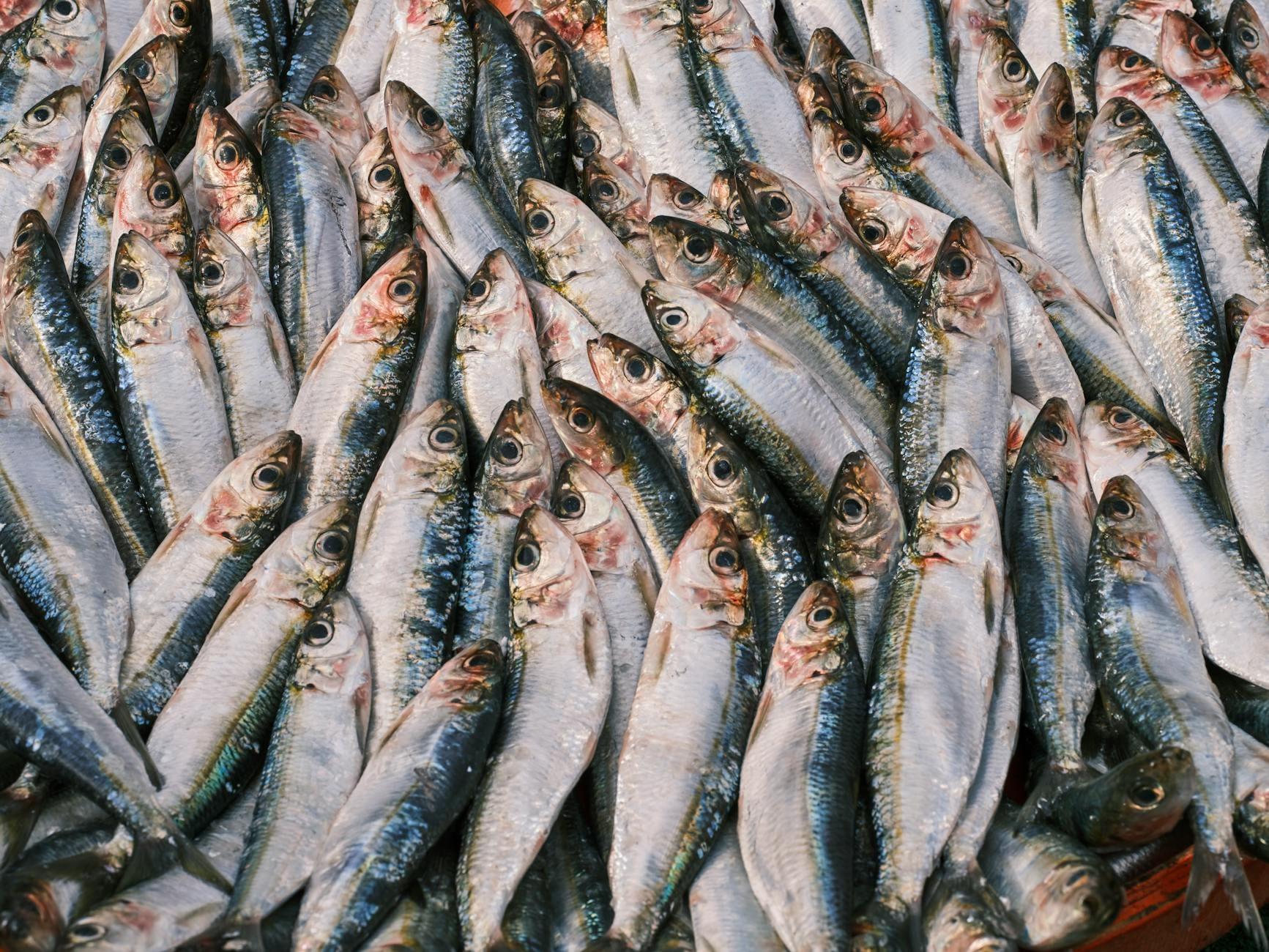
Sardine Run
 South Africa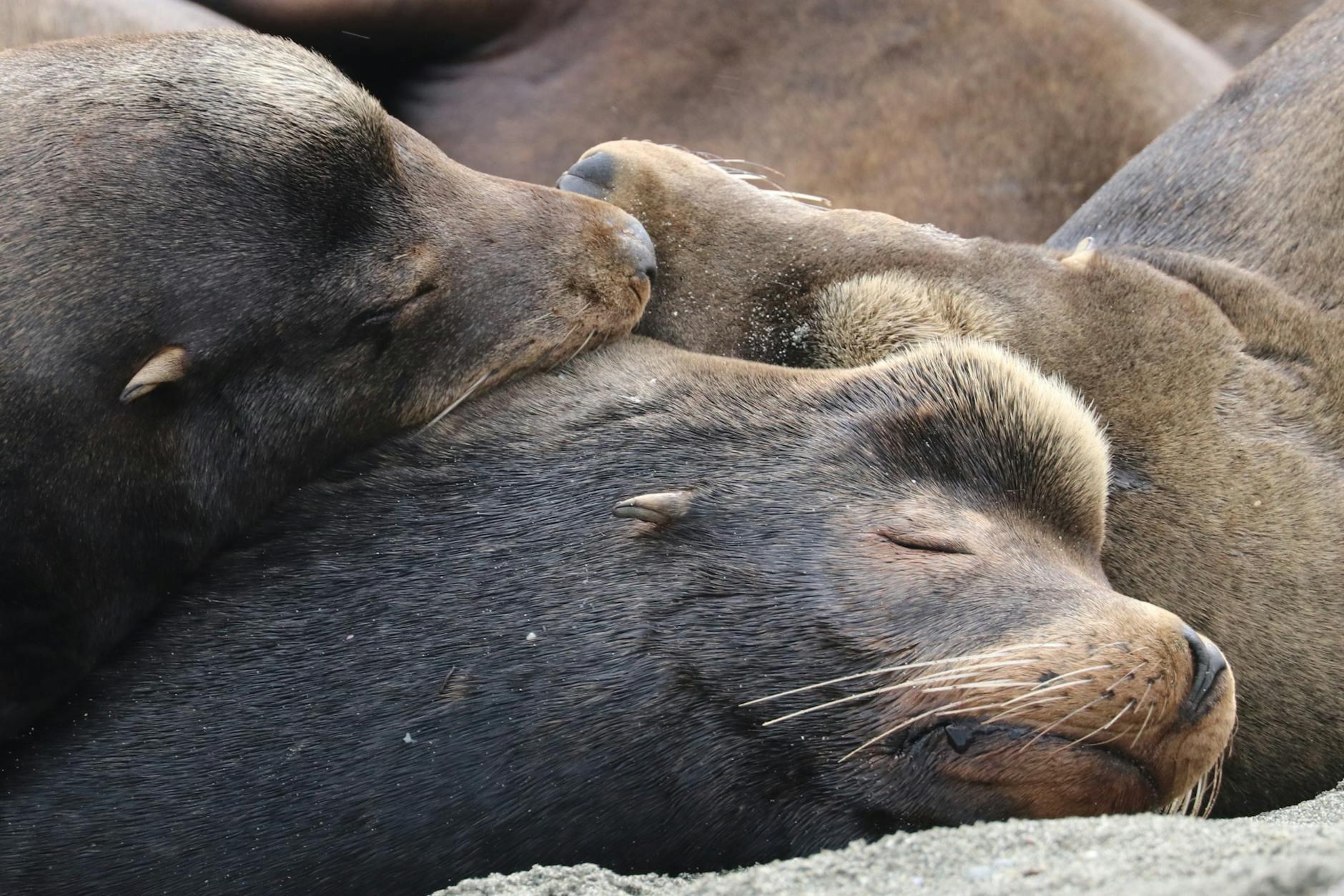
Sea Lions
United States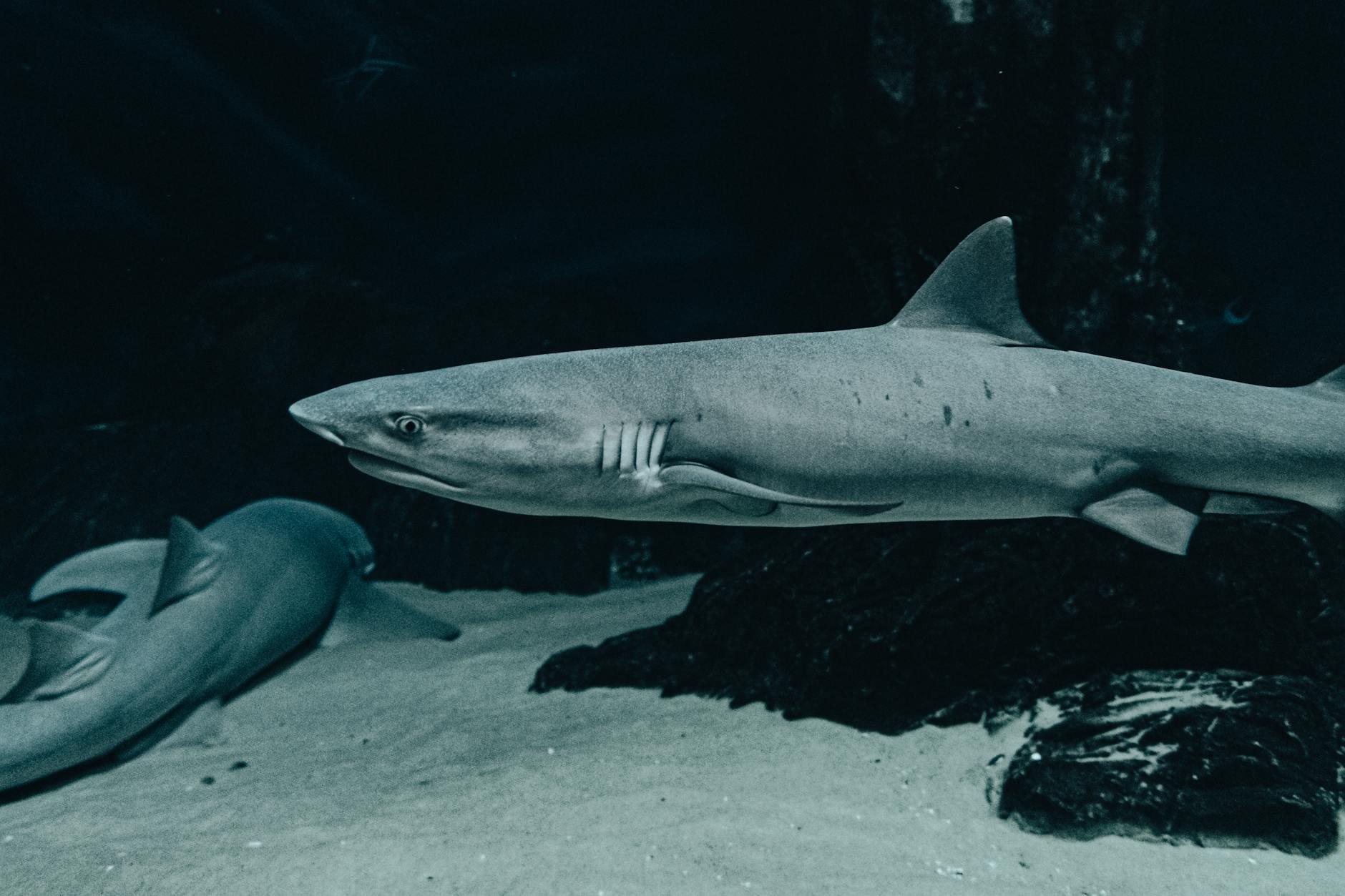
Sharks
South Africa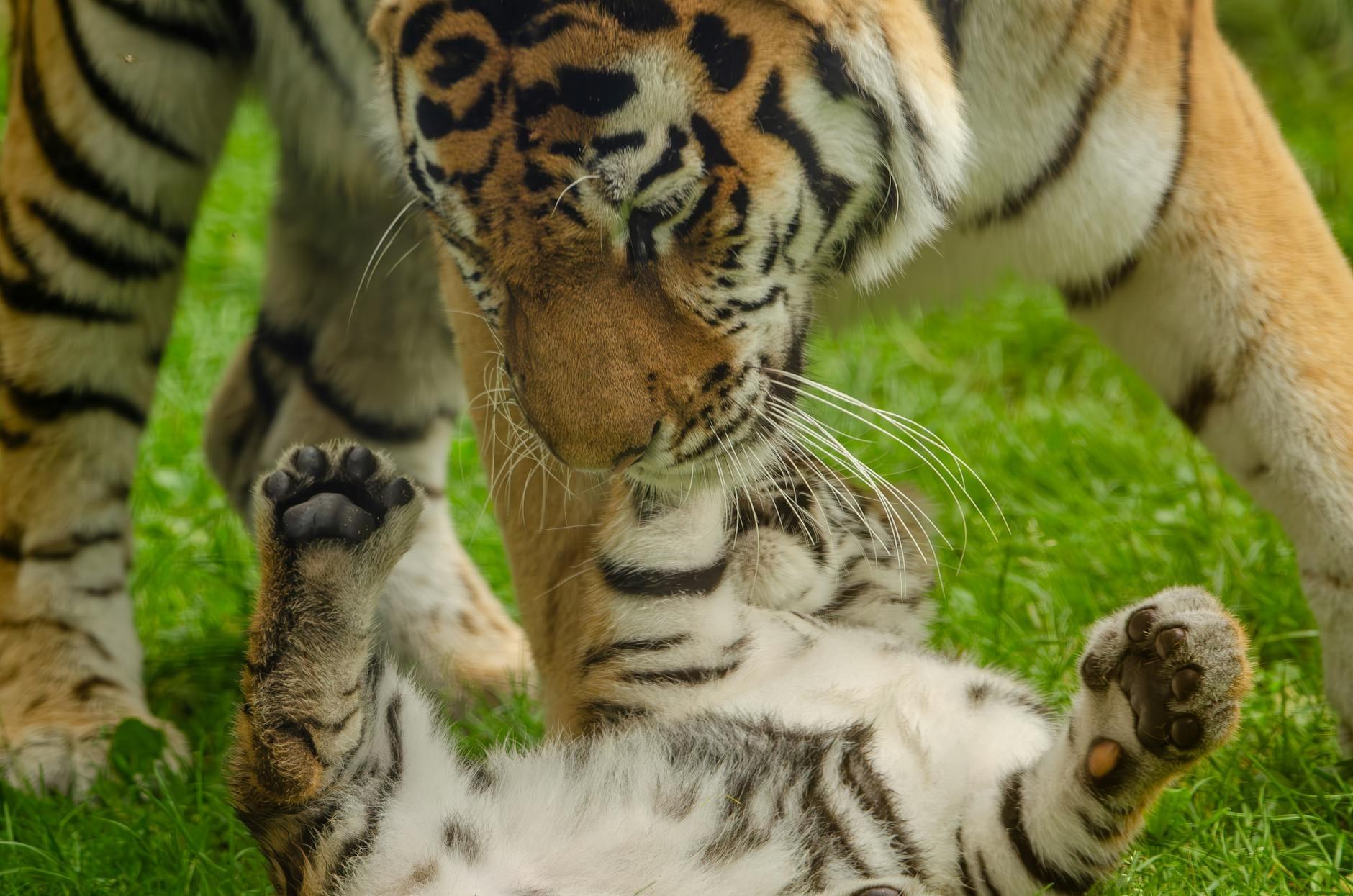
Tiger
 India
India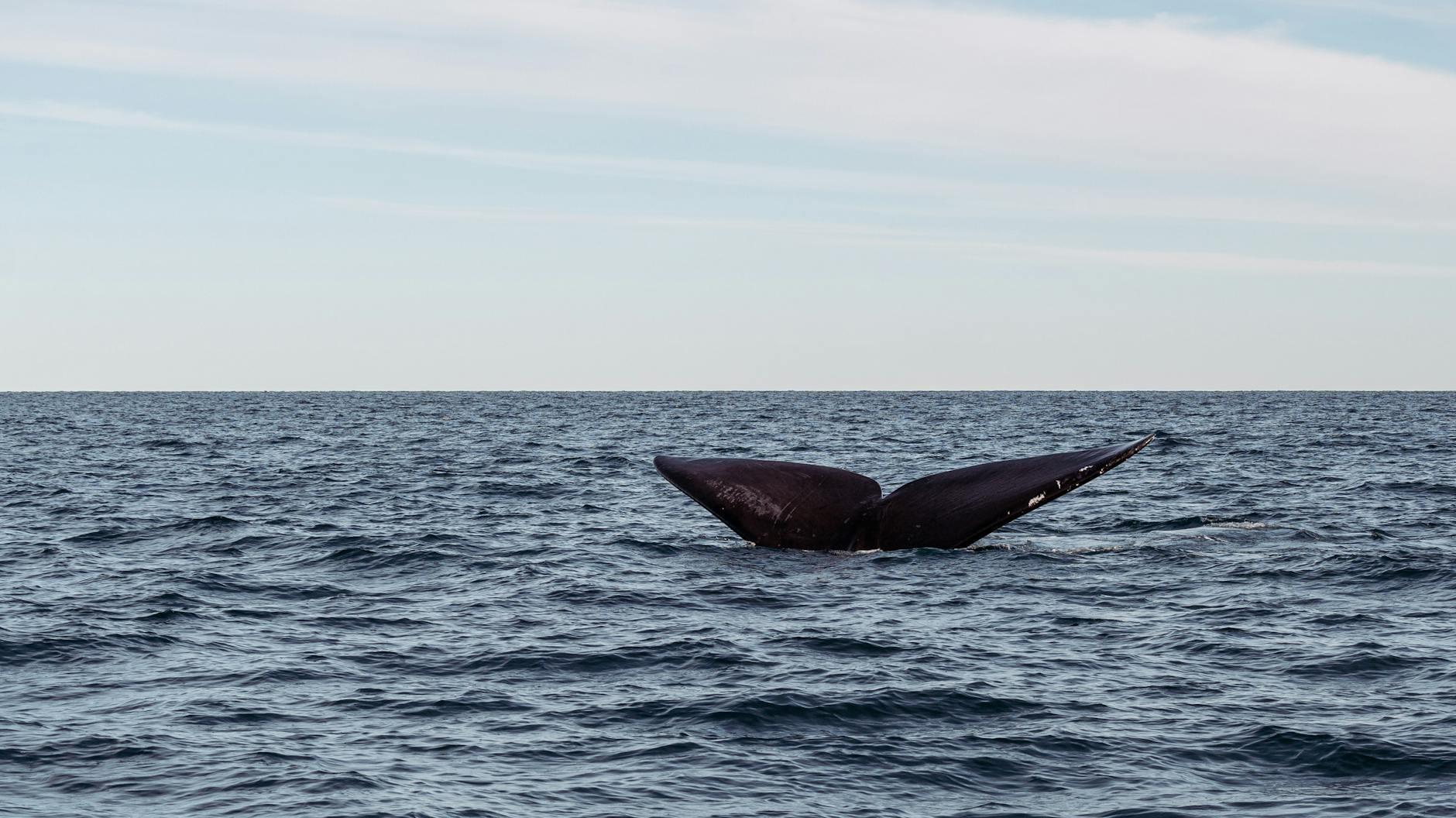
Whales
 Iceland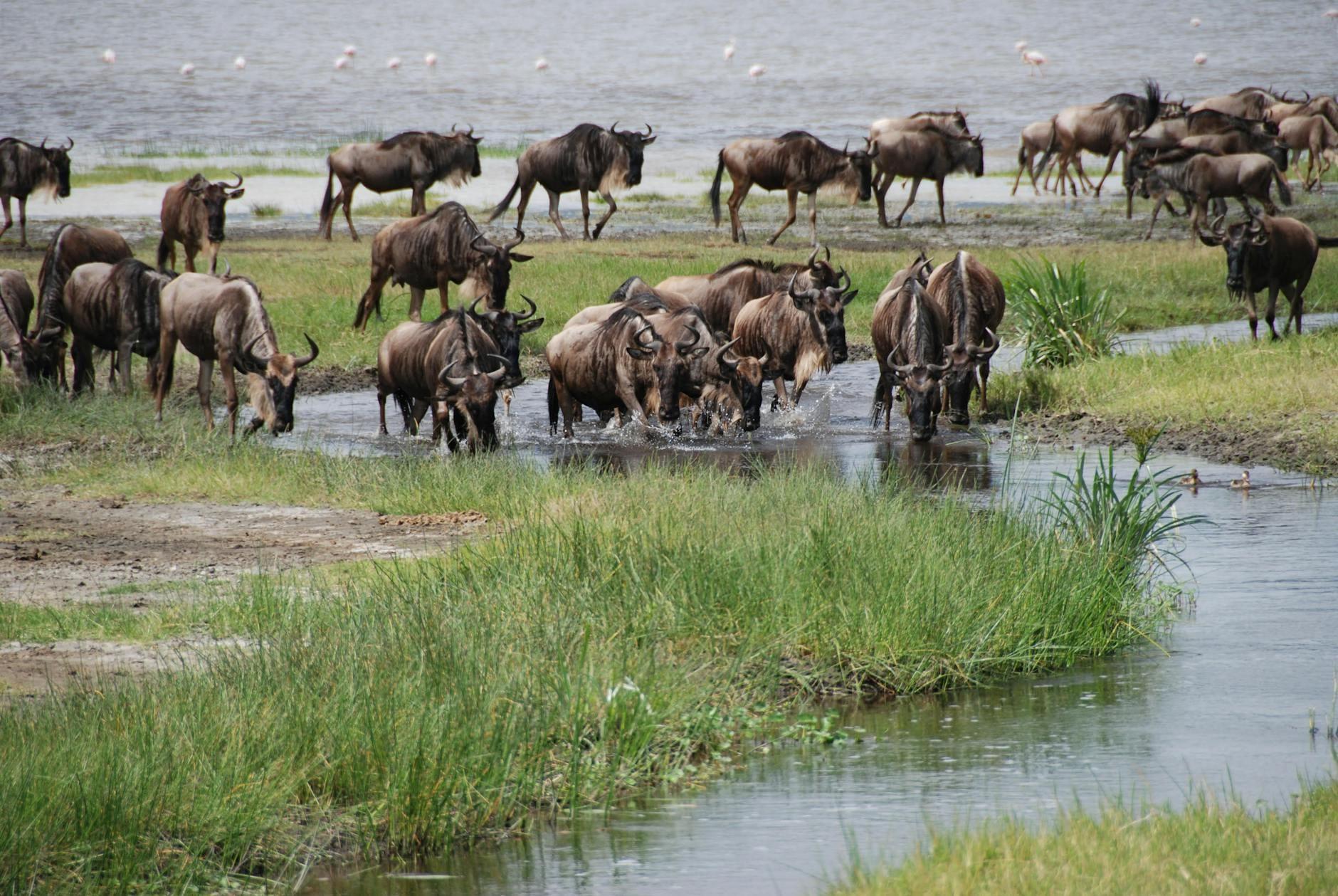
Wildebeest Migration
Tanzania