ExploretheGo.lifeConnect
Log inSign up
theGo.lifeCarpe the Diem.
ResourcesTermsPrivacy
thego.life
Sardine Run hero
← Life list
Wildlife

Sardine Run

Sign up to track this →

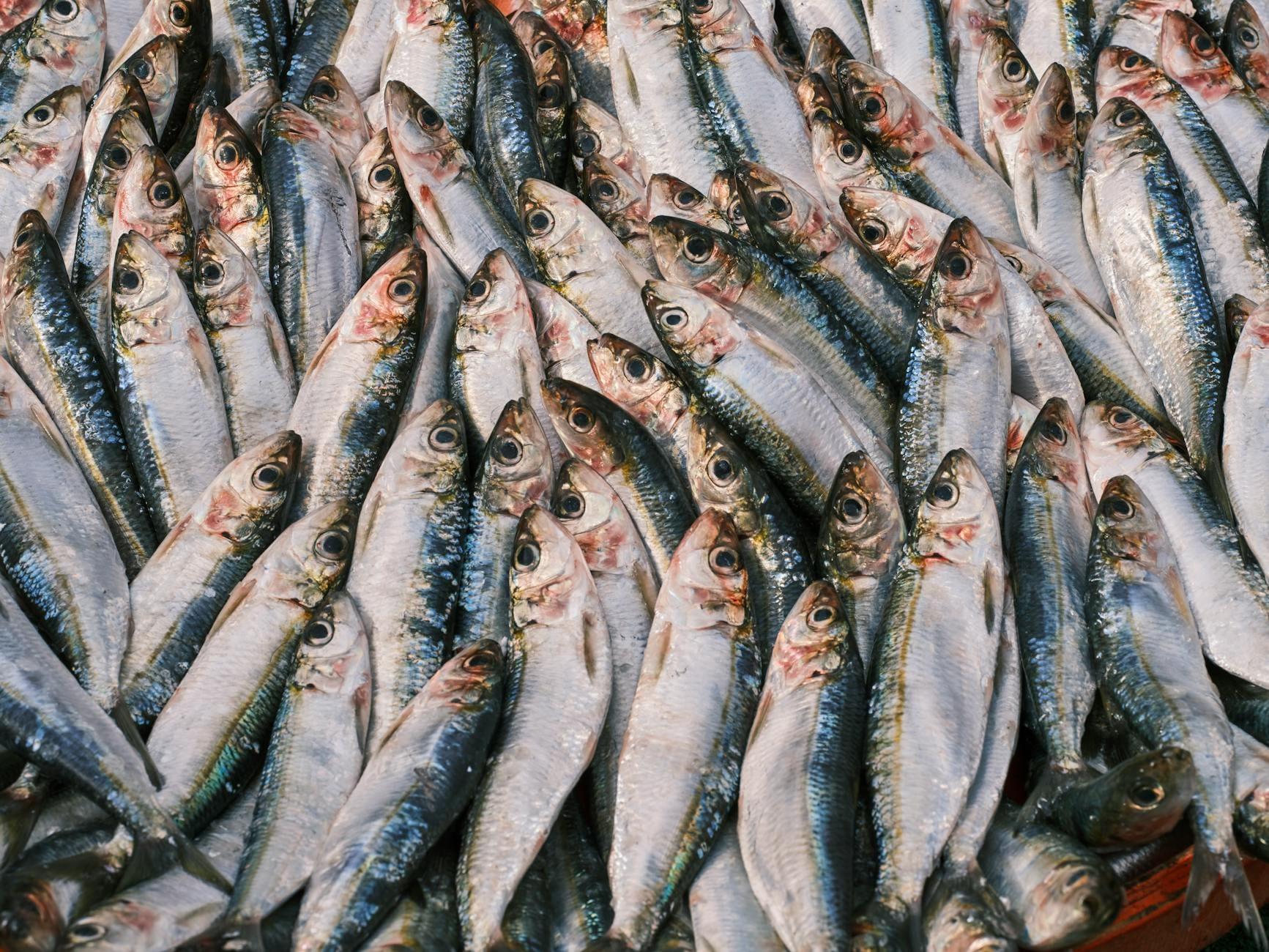
If you were to ask most people for a list of the 5 most amazing wildlife spectacles on our planet, “Sardine balls off the coast of South Africa” probably wouldn’t be a common answer. But what if we told you that not only does it belong in the top 5, but maybe even the top 3?

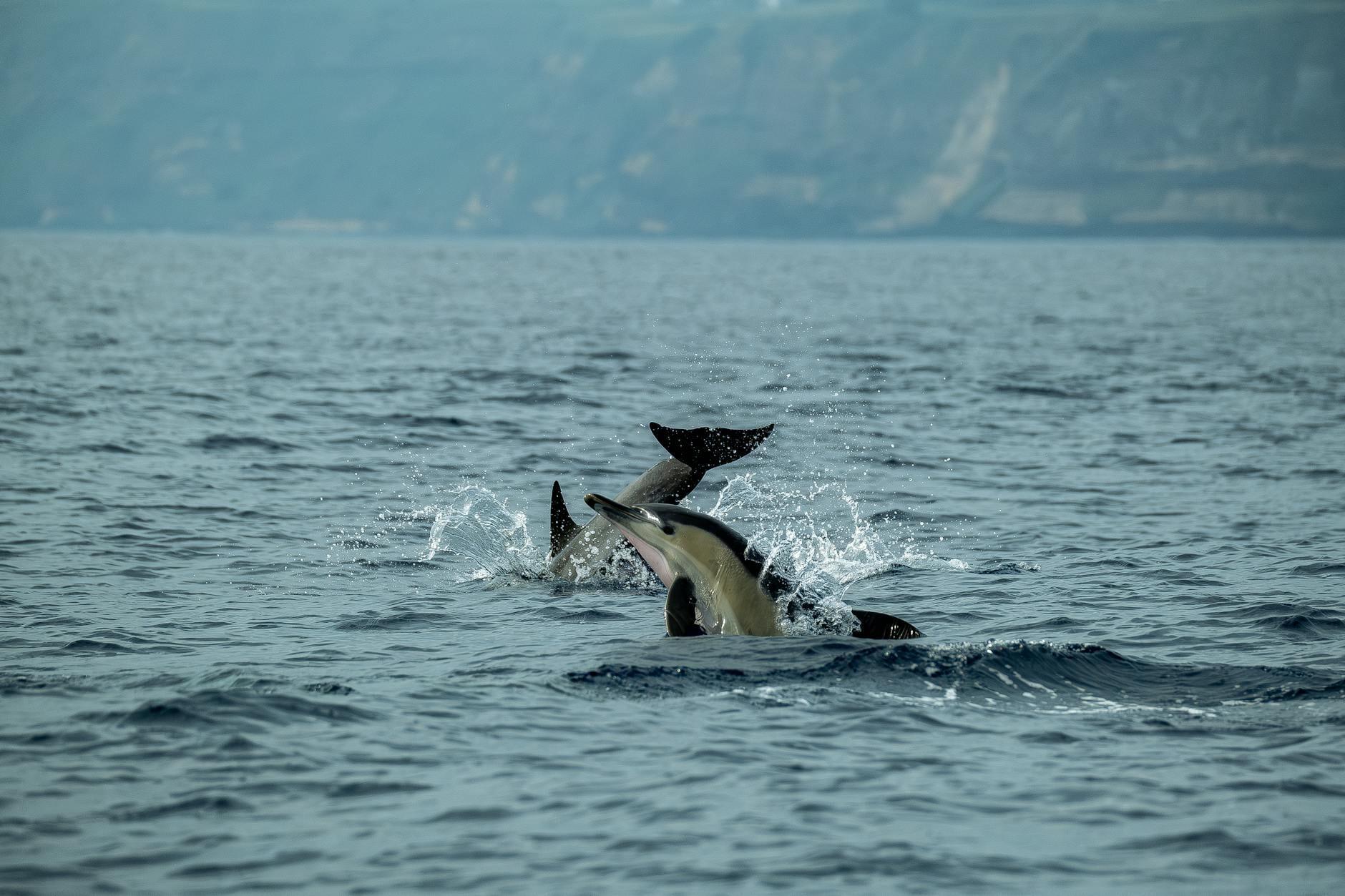
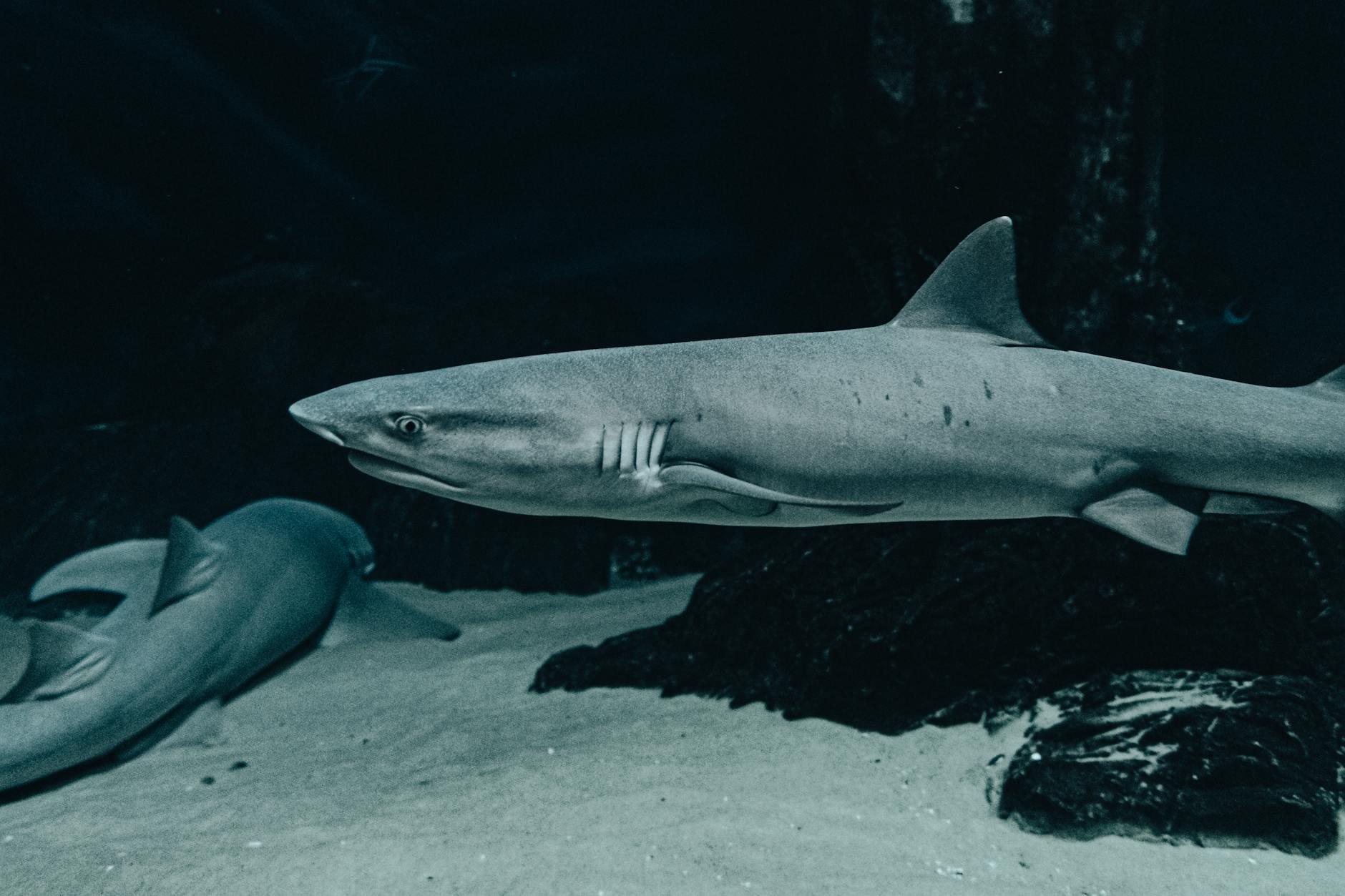
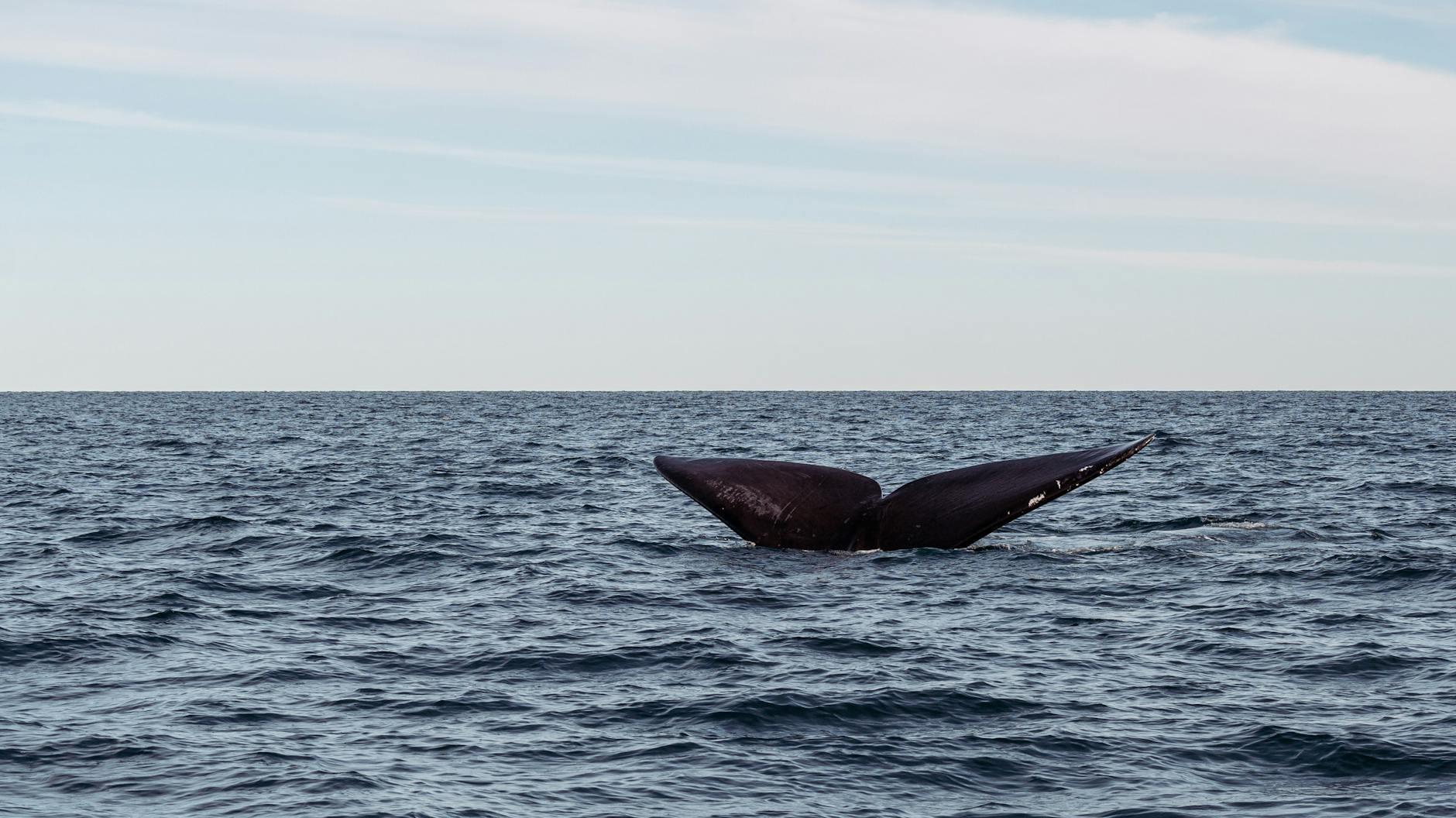
If we’re being honest though, you aren’t traveling to the eastern coast of South Africa for the migratory sardines, billions of which appear from May to July of most years. The real spectacle is due to the abundance and coordination of predators making the most of this yearly feast. From the surface, your first signs of the action will be the birds. Gannets torpedoing into the water at 60 mph, dozens of them at a time if the sardine bait ball is compact enough. And anywhere there is a bait ball, there is almost certainly a pod of strategists responsible. Dolphins. Usually in groups of a few dozen, they swim ever tighter rings around the sardines, which causes them to become defensive and ball up, further enforced by blowing bubbles, which the sardines are afraid to go through. Once the dolphins get the sardines in a manageable ball, they force it towards the surface, where the sardines are essentially trapped. The sardines instinctively stay in their ball, while gannets dive-bomb from above, and dolphins take turns swimming through the mass to get their fill, while their friends keep circling and keeping the sardines in place. How could it get any worse for the poor sardines? Sharks. And tuna. Occasionally even whales join the fun. Anybody fortunate enough to witness a real bait ball, from above or below the surface, will never forget the experience.

Scientists have not yet identified the mechanism behind the sardine run. The most prominent theory suggests that the sardines migrate for reproductive reasons. However, it is believed that ocean temperatures must drop below 21 degrees Celsius in order for the run to occur. In years where the temperature did not fall below this level, the run was virtually nonexistent, although some believe that it might still happen, but at greater depths where predators can’t take advantage of it.

Making it happen:

The activity of the sardines themselves, as well as the feeding frenzy their movement creates, bring a number of tourists to the area to experience the run in South Africa during May, June, and/or July of each year. If you want to get up close and personal with the sardines and their predators, you can scuba dive or snorkel as close to the bait balls as you feel comfortable.

Where to spot them
South Africa landscape
Wild Coast (Port St Johns)
South Africa
May–July peak
South Africa landscape
Coffee Bay
South Africa
More wildlife
Brown Bears
Chimpanzees
Dolphins
Elephants