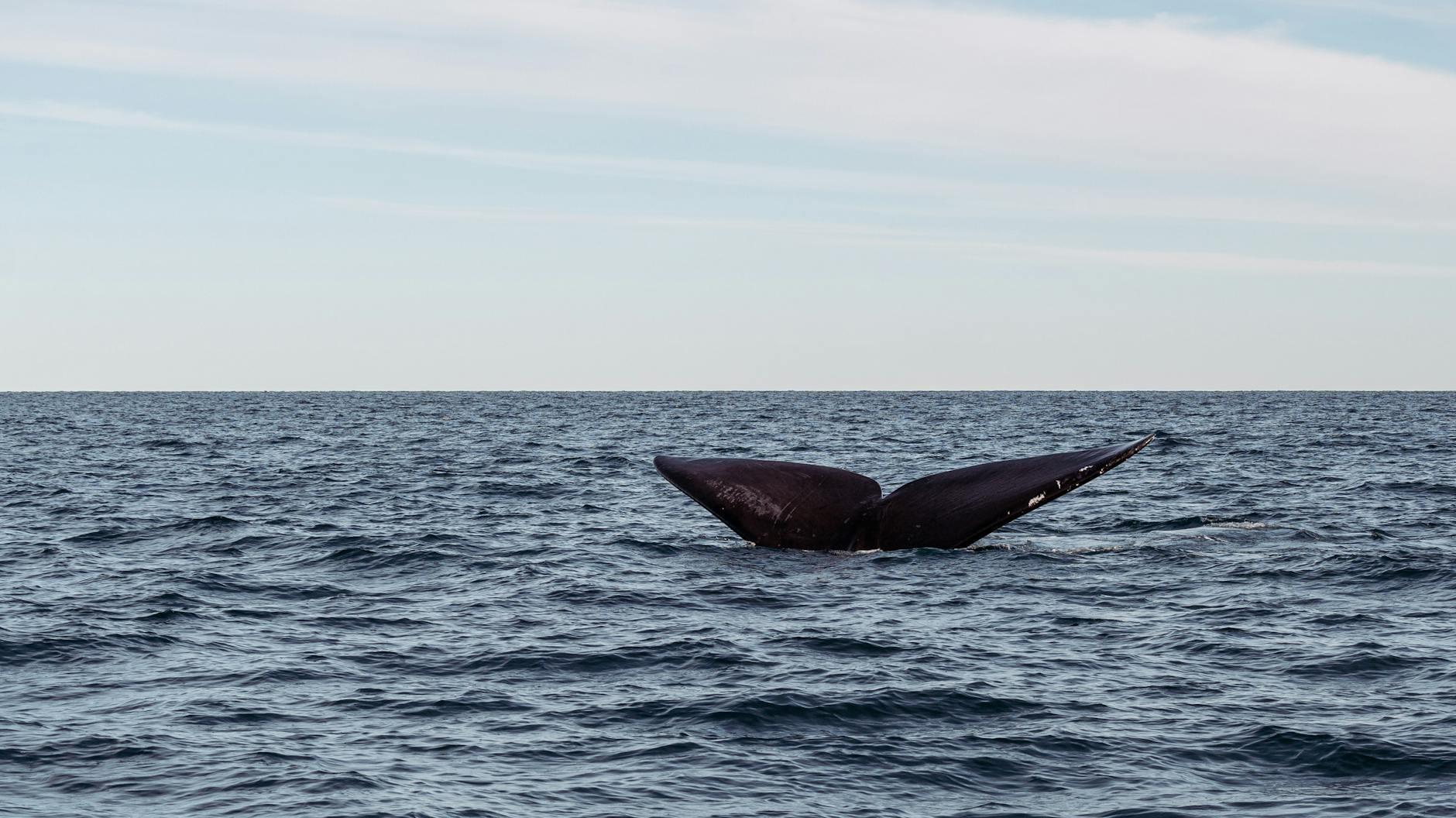
The fishing town of Husavik on Iceland's north coast bills itself as the whale-watching capital of the country, set on a bay where humpbacks, minkes, and other giants gather to feed in summer.
Boats head out across Skjalfandi Bay in search of breaching and tail-slapping. Bundle up, as even the warm season stays brisk on the water.
Where to spot them
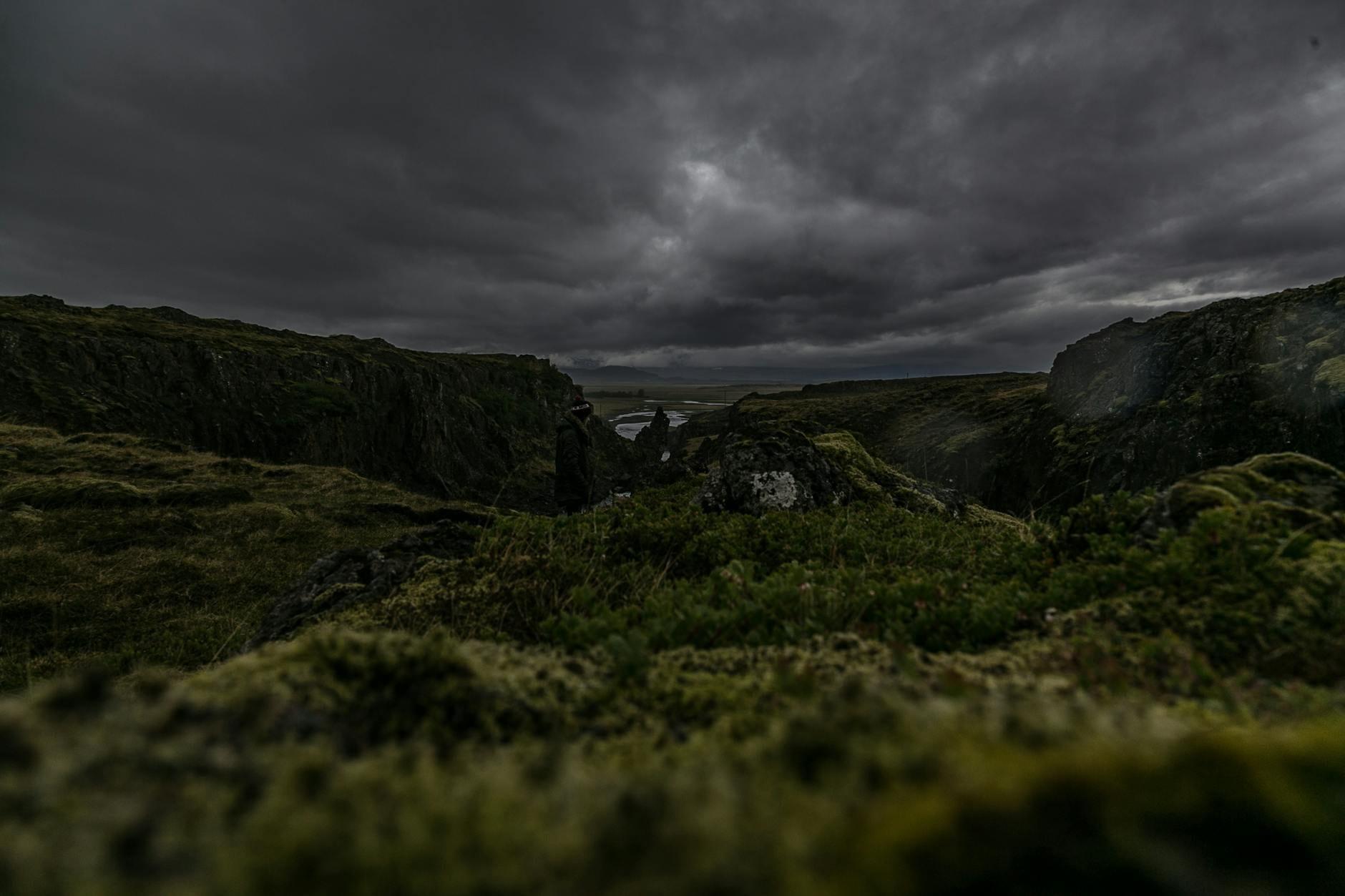
 Iceland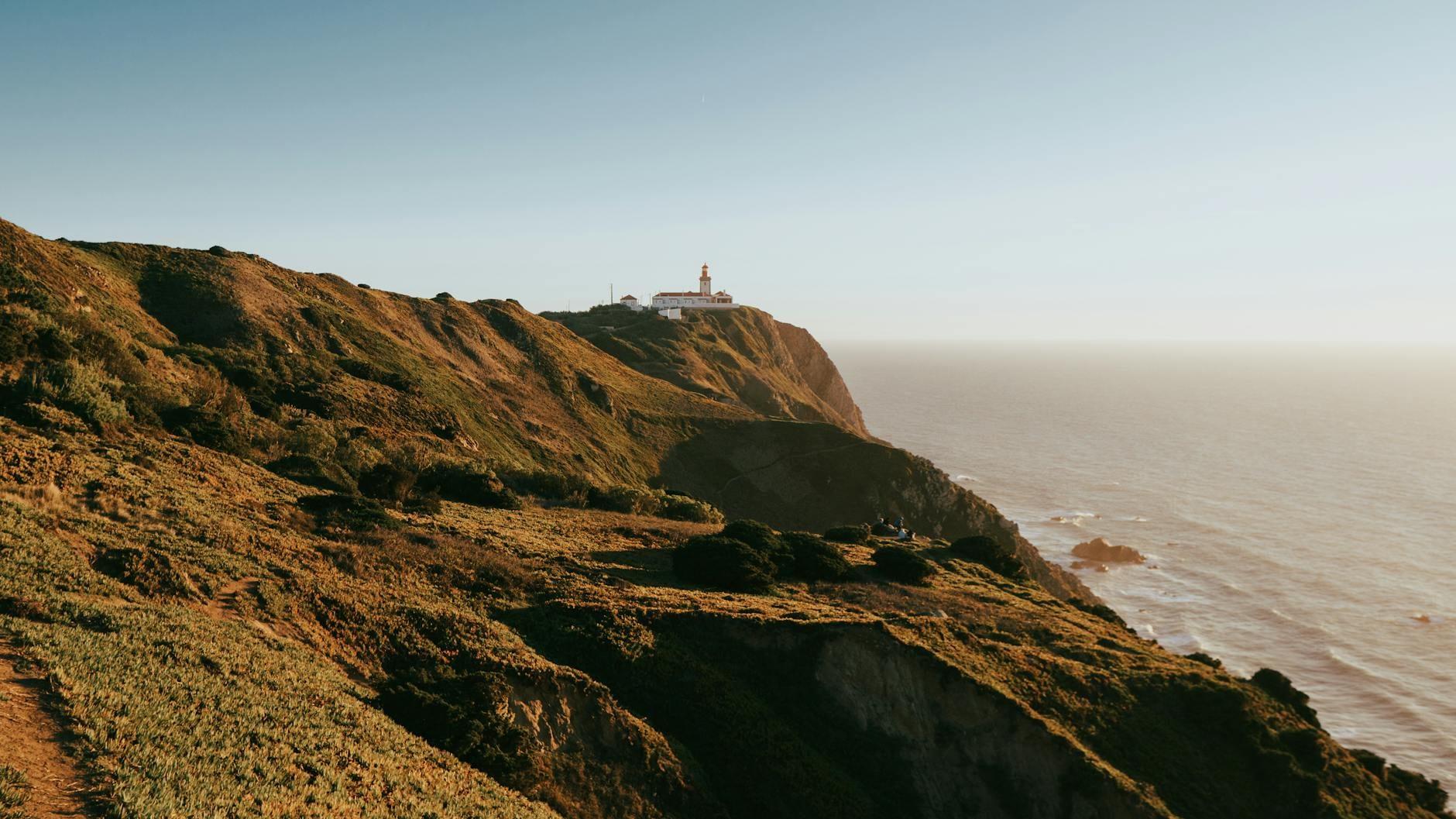
 Portugal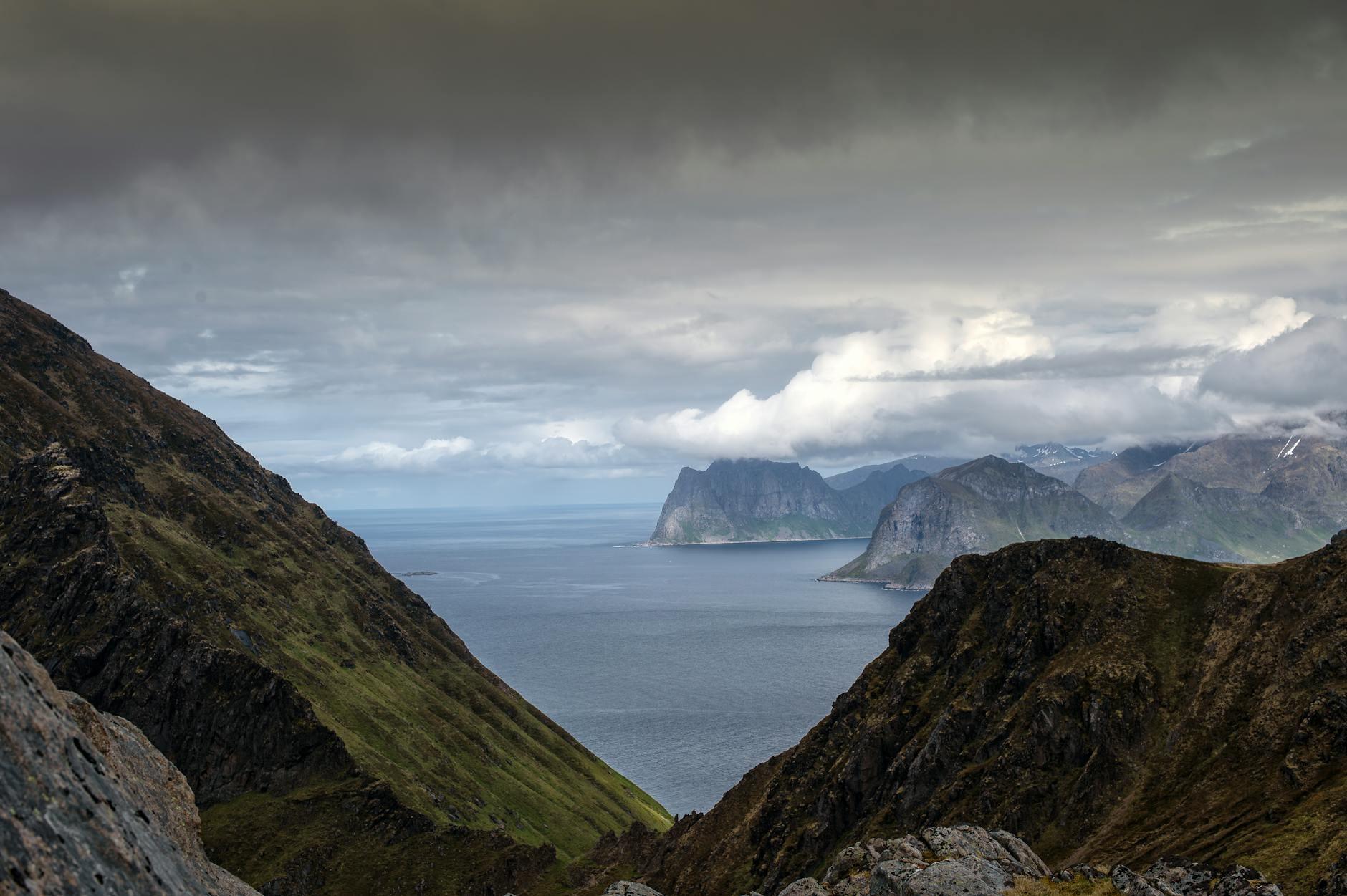
 Norway
More wildlife
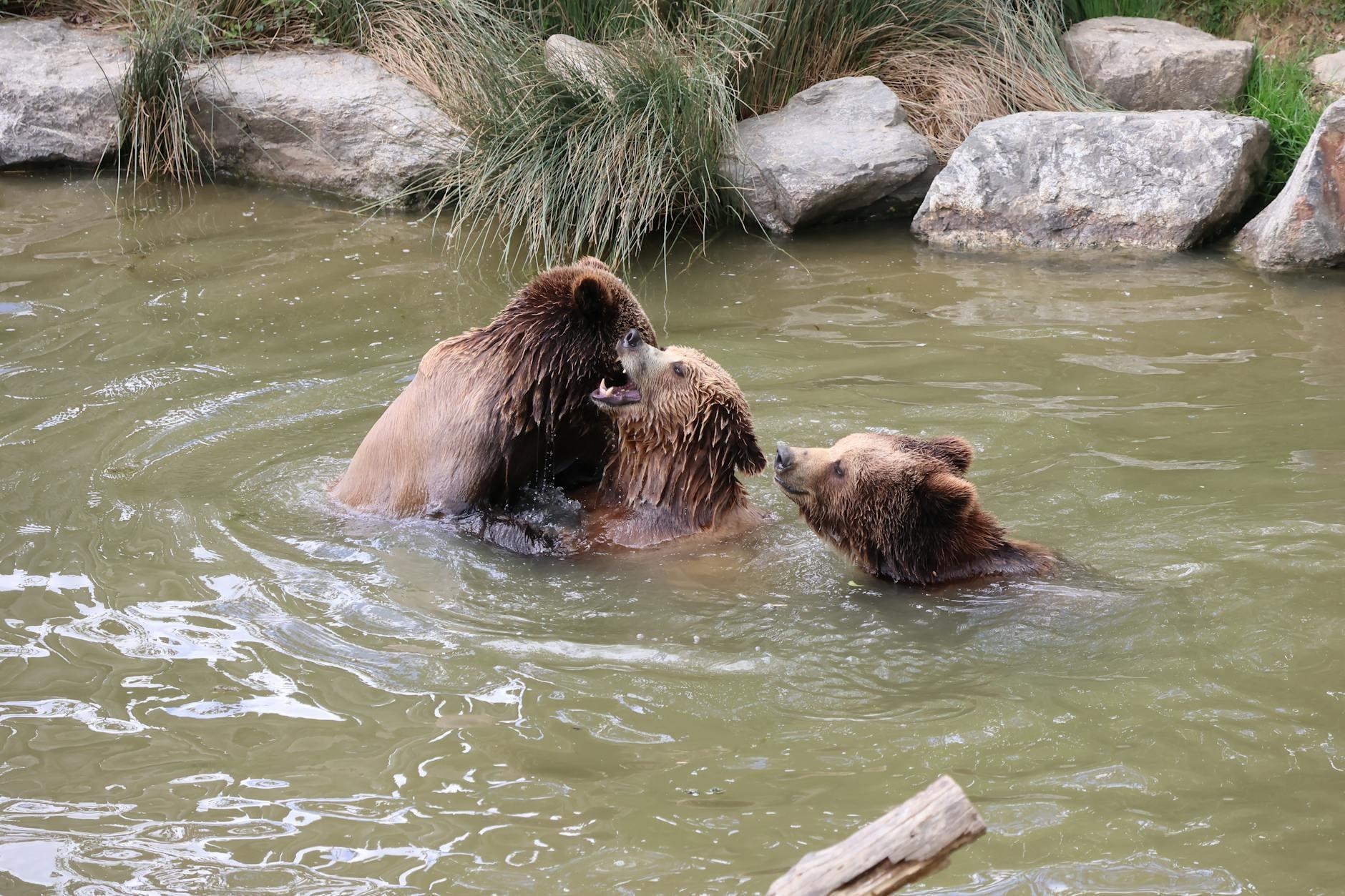
Brown Bears
 United States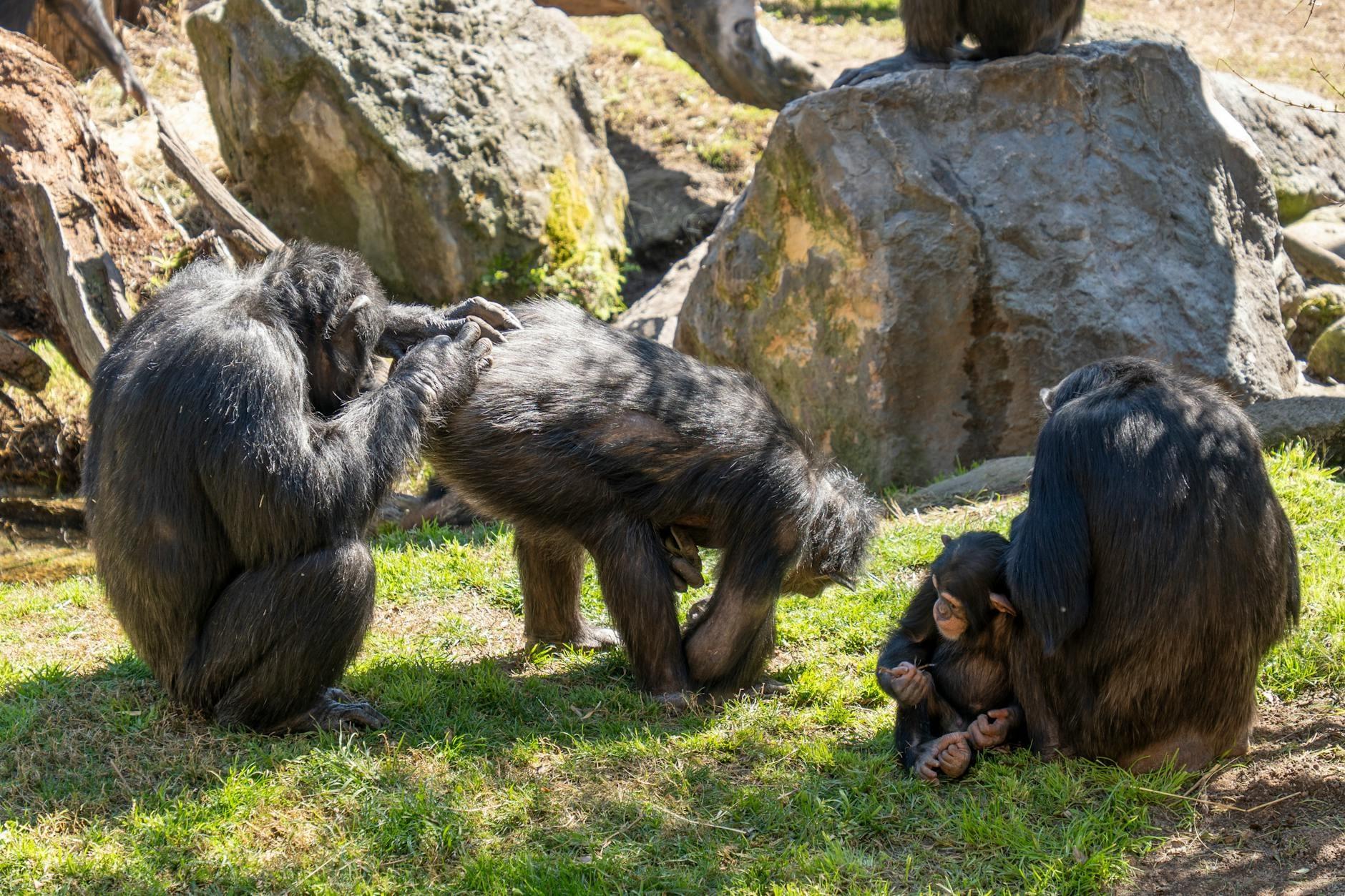
Chimpanzees
 Tanzania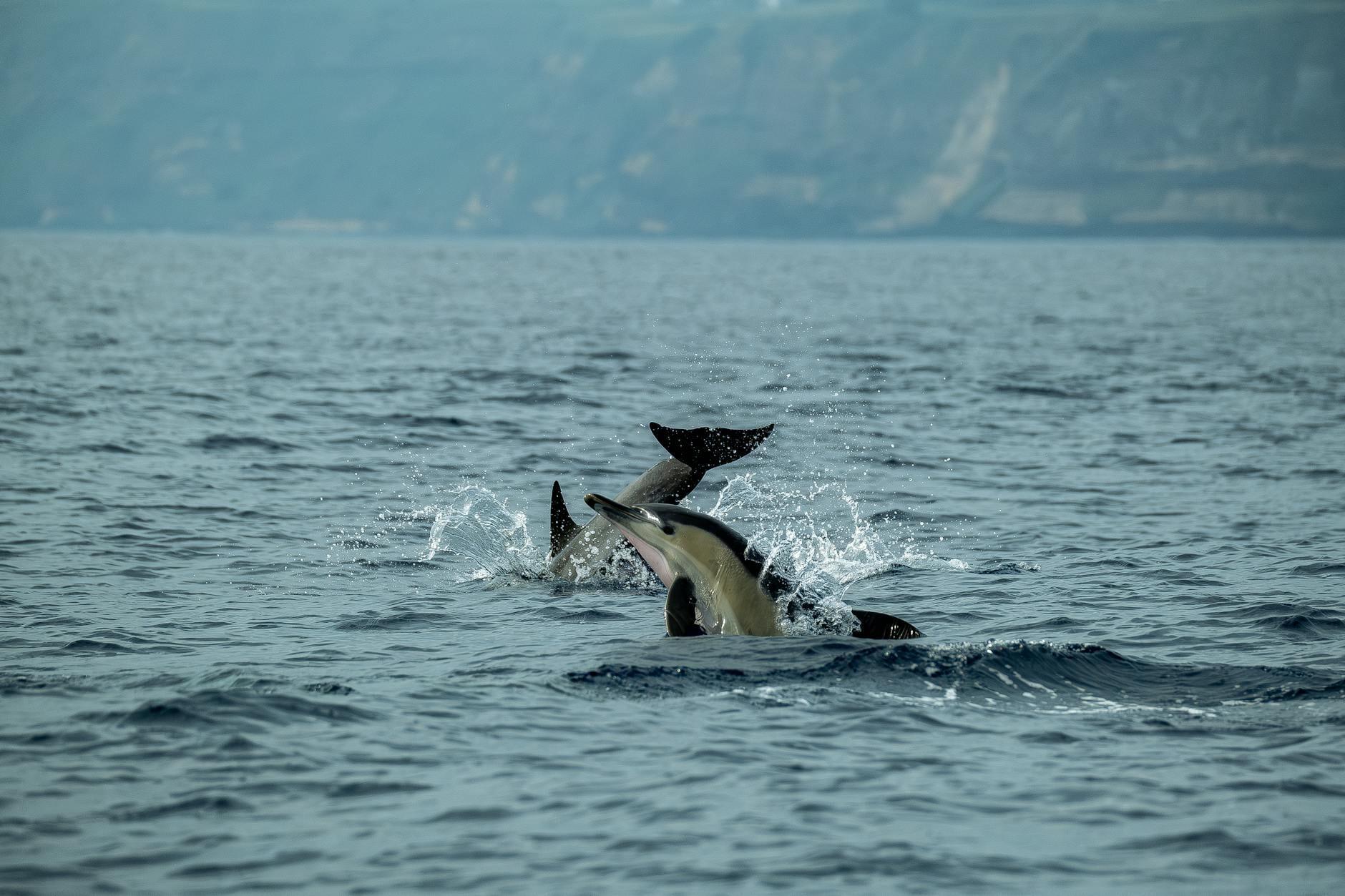
Dolphins
 New Zealand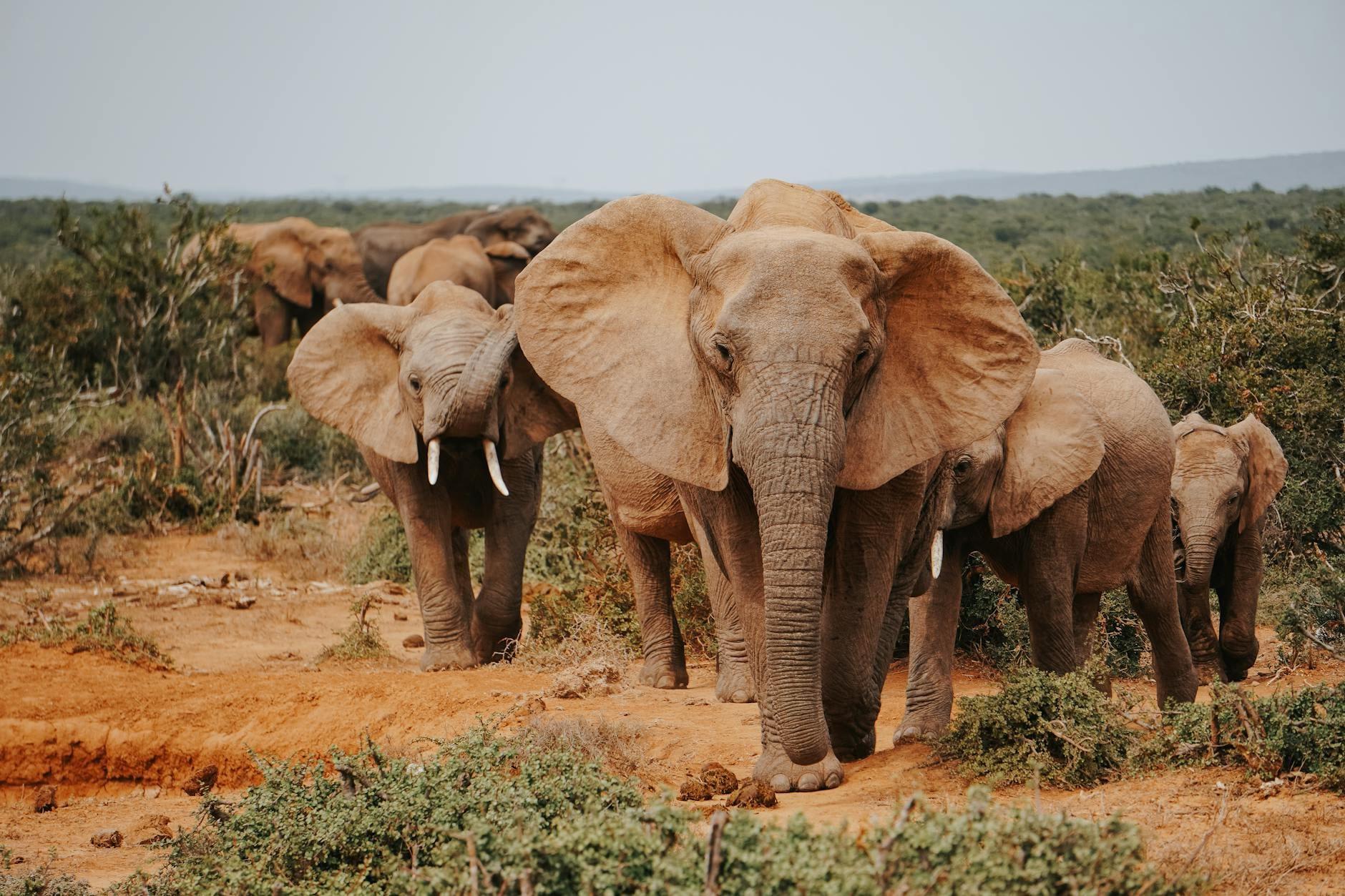
Elephants
 Botswana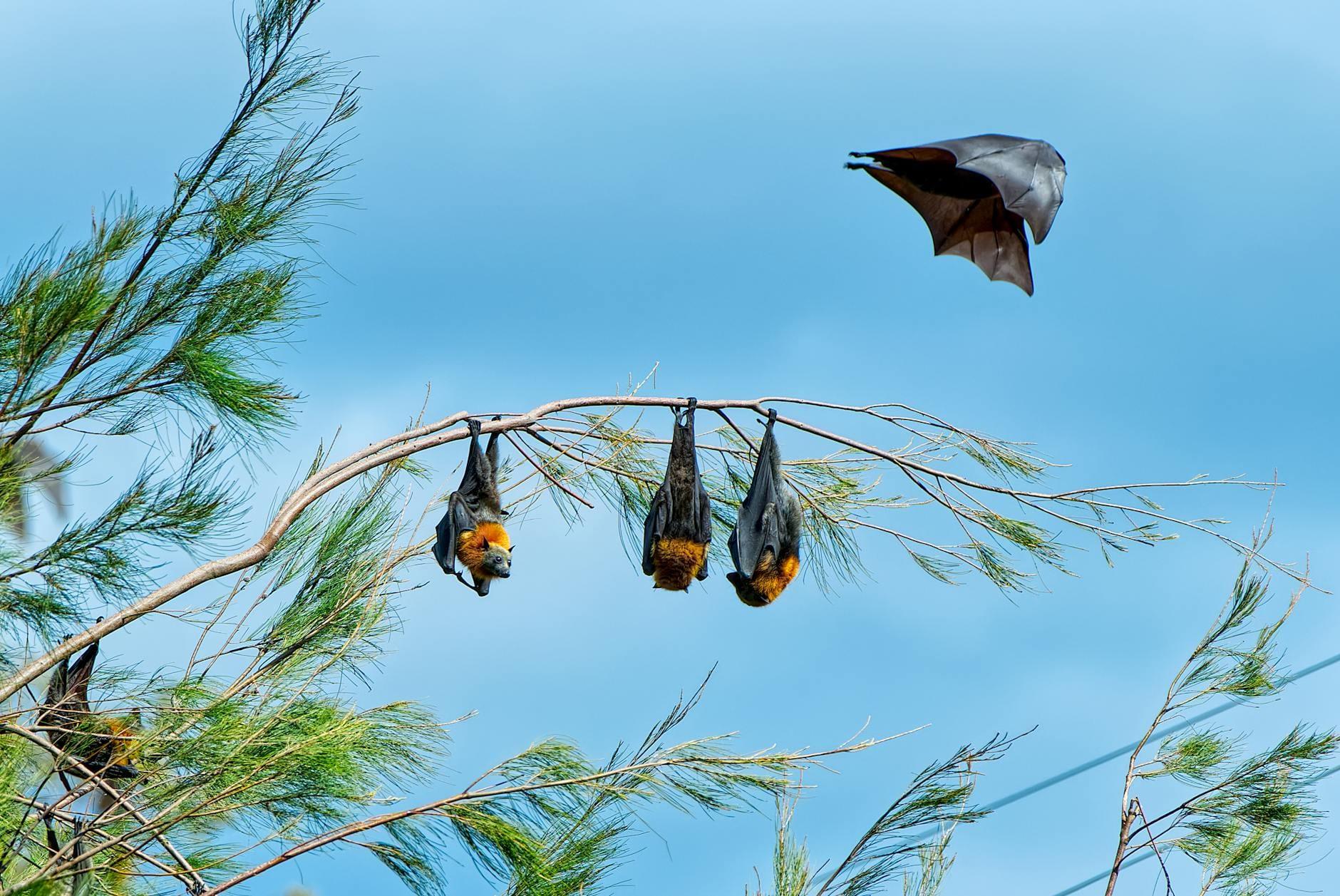
Fruit Bats
 Zambia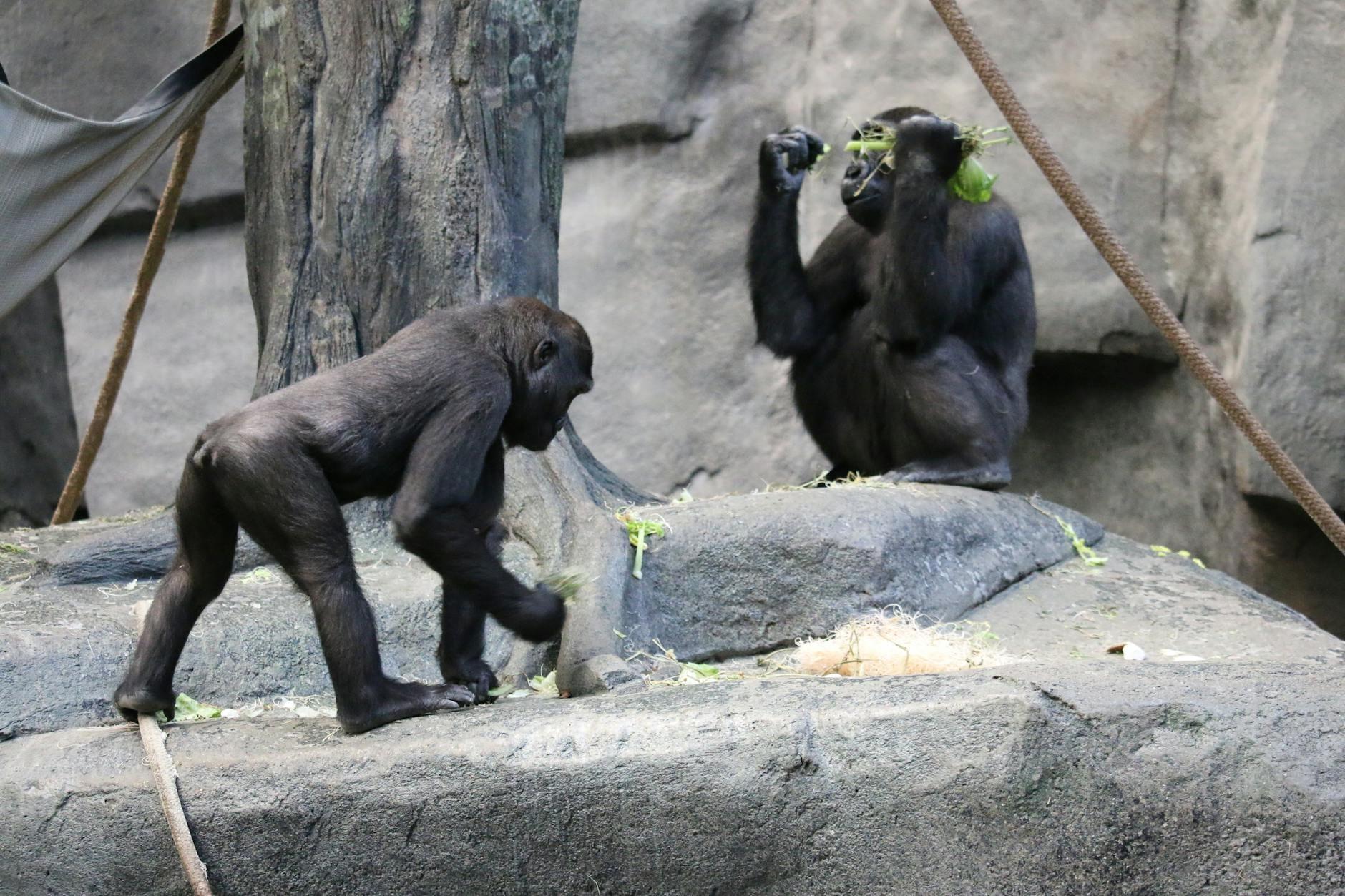
Gorillas
 Rwanda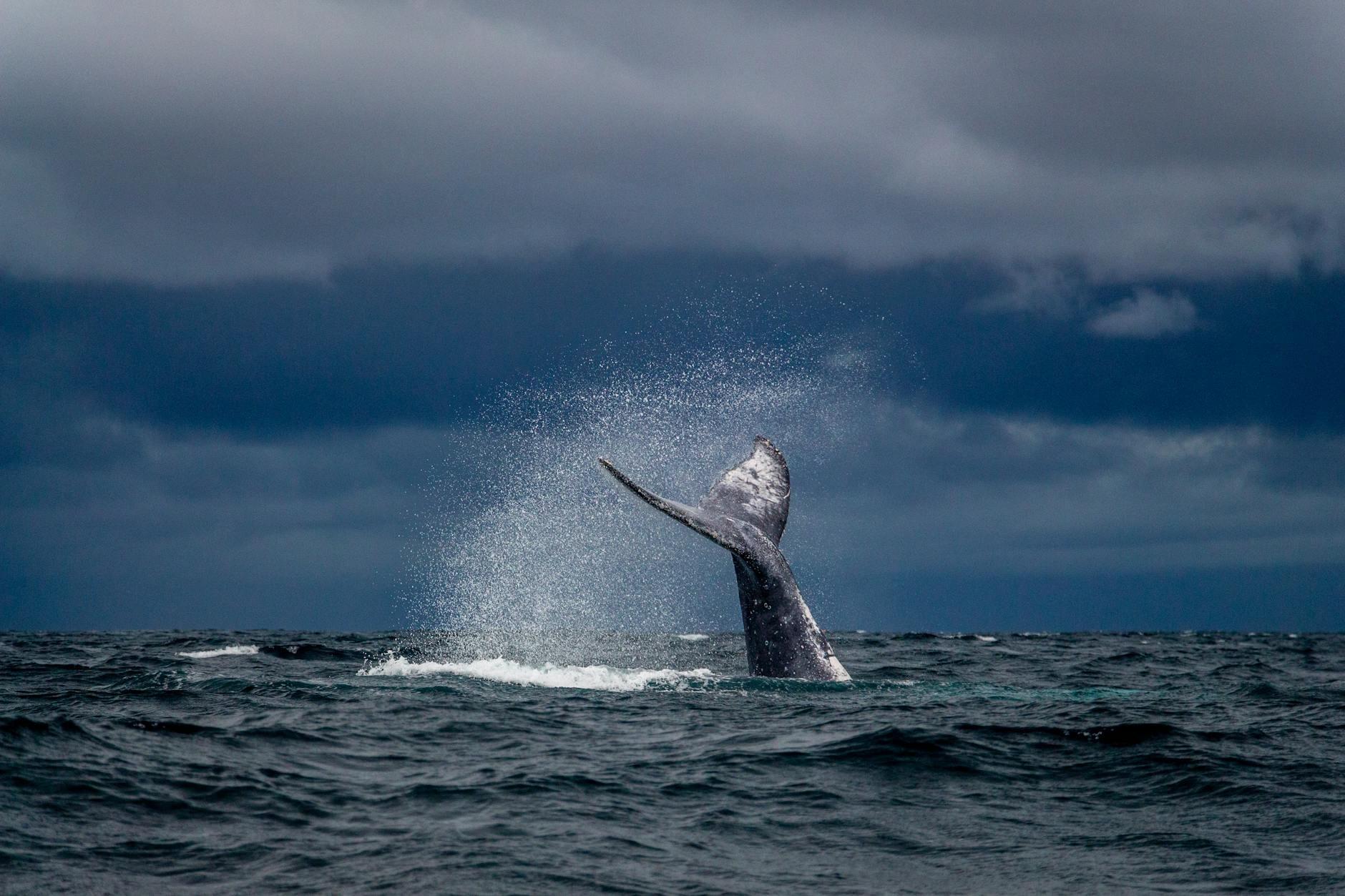
Humpbacks Breaching
United States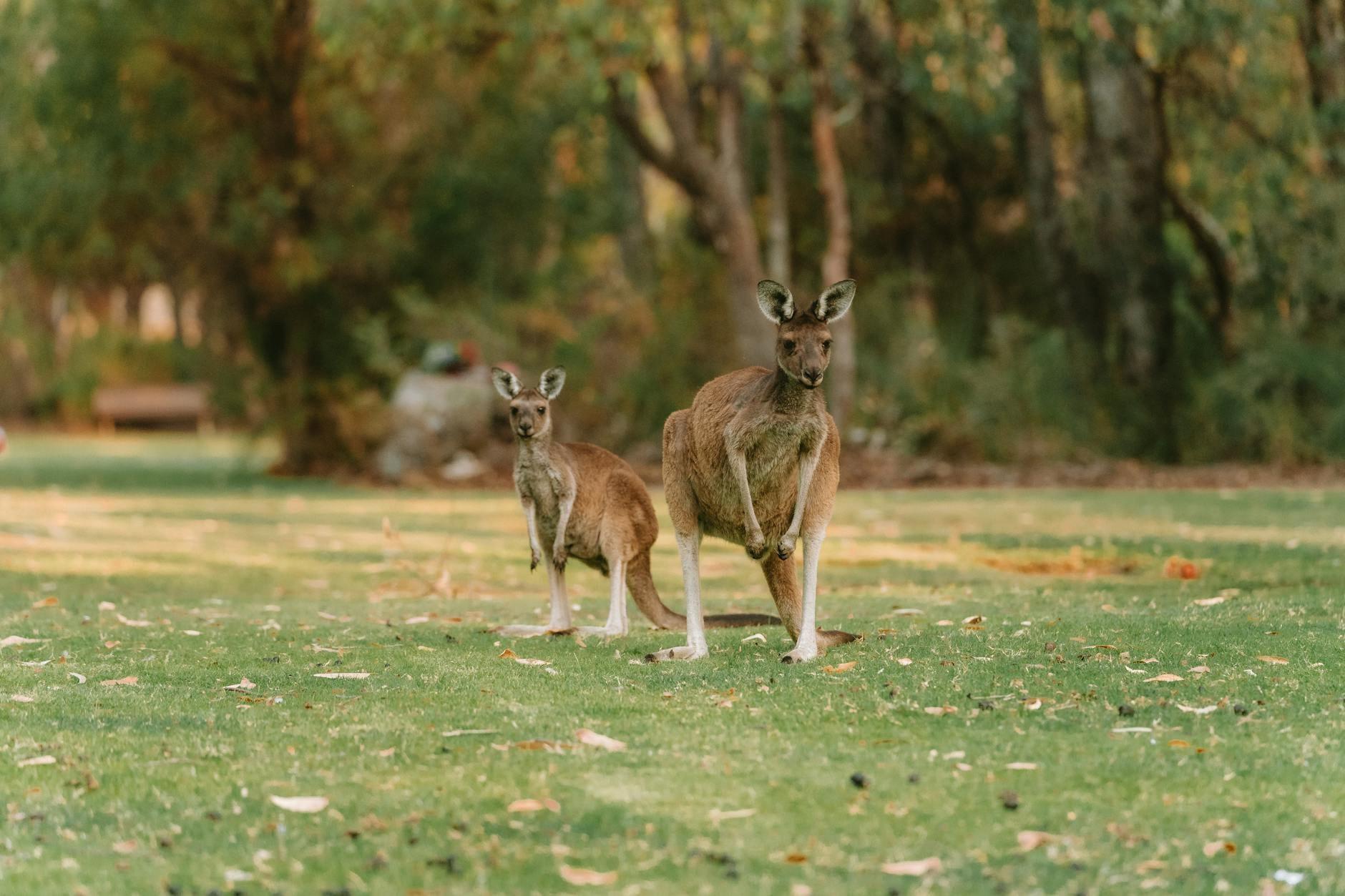
Kangaroos
 Australia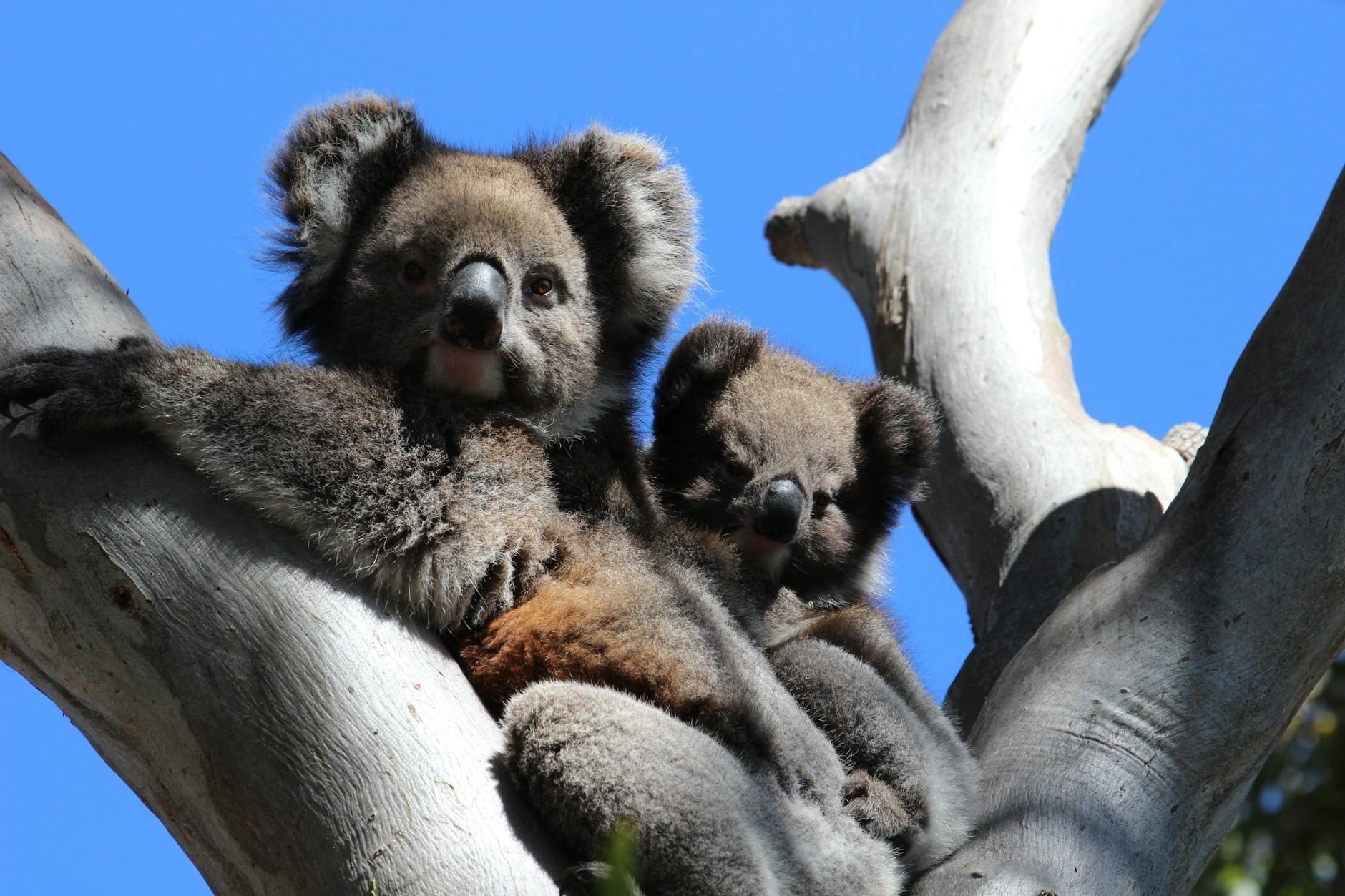
Koalas
Australia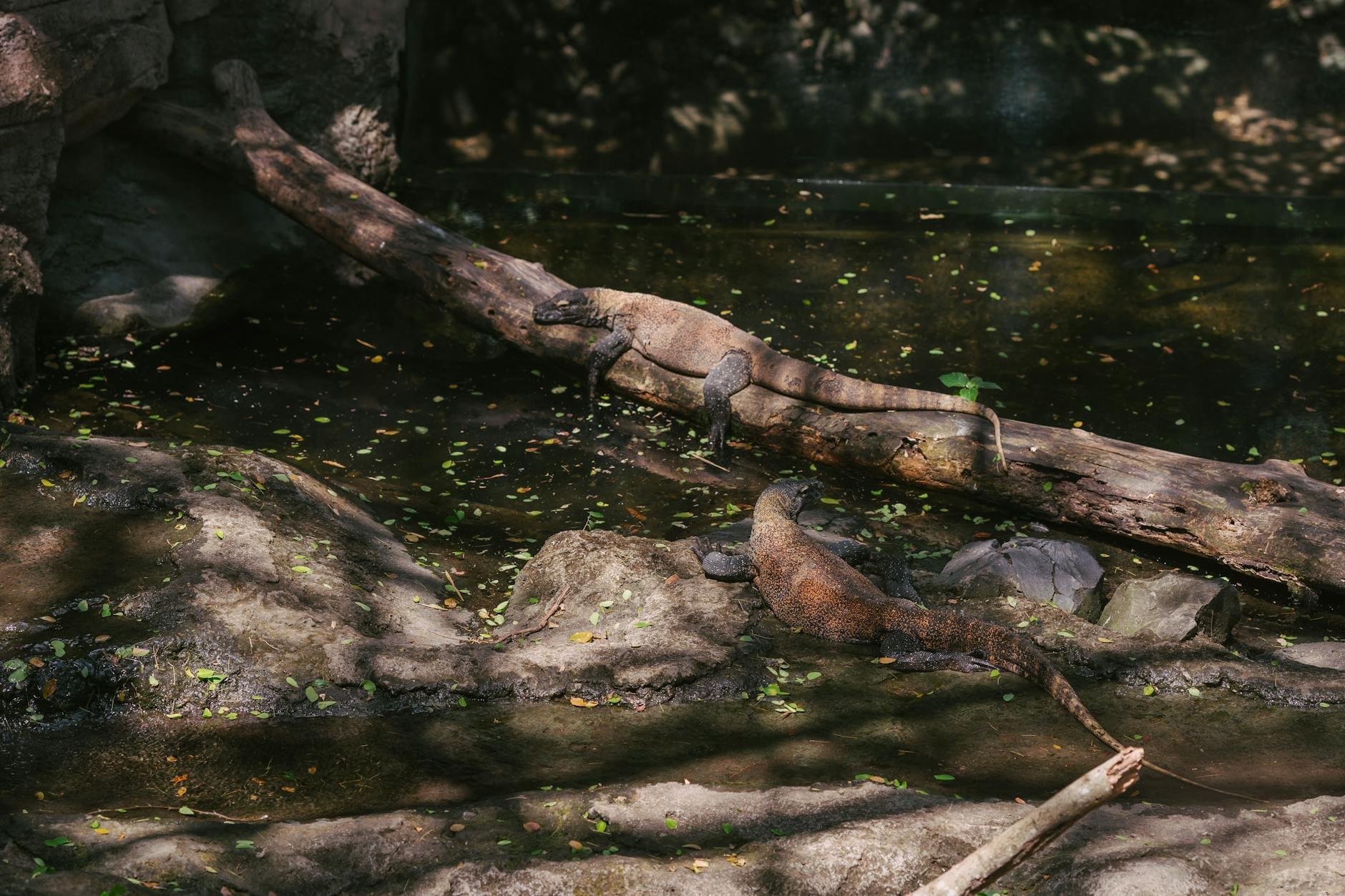
Komodo Dragons
 Indonesia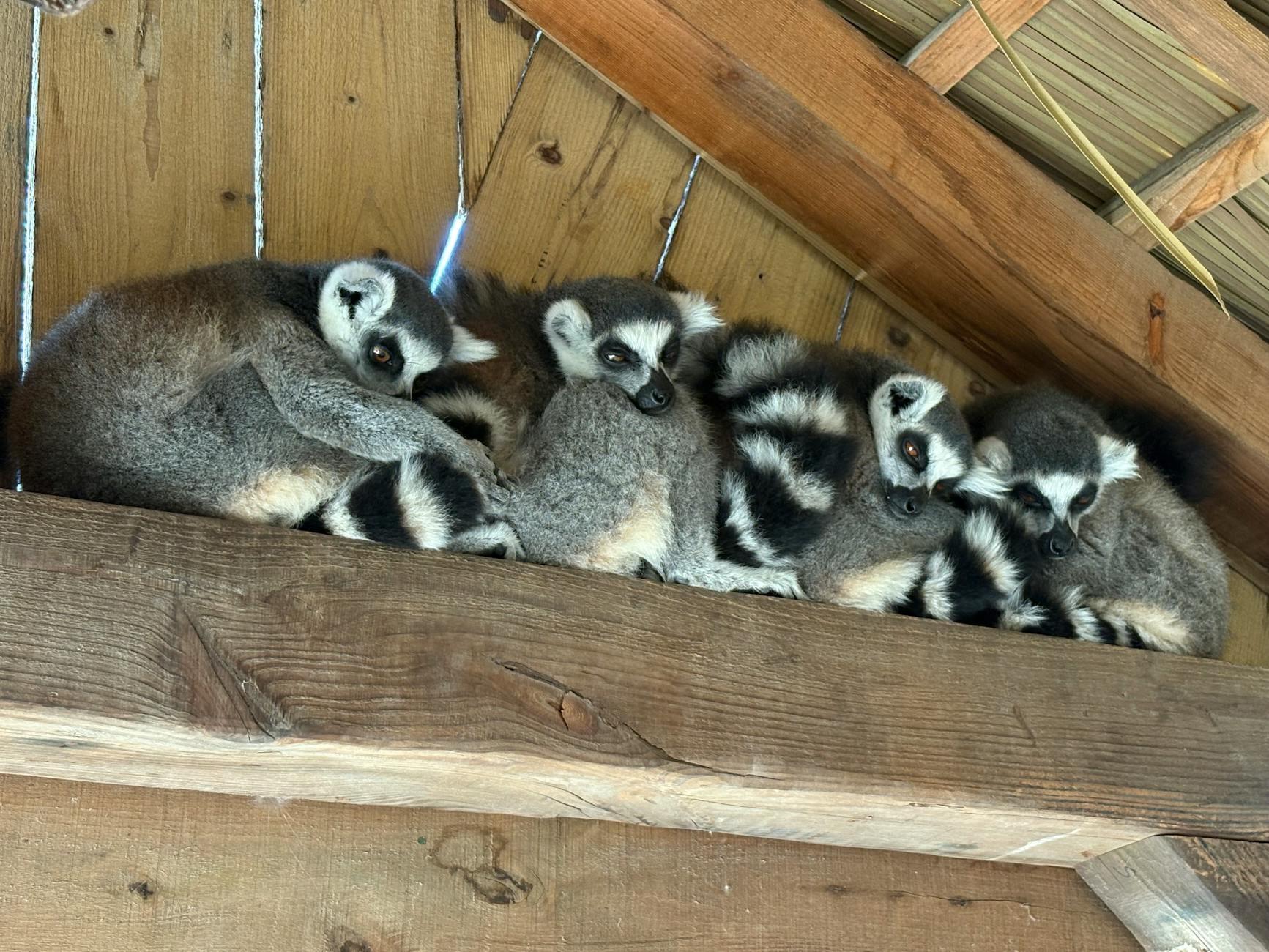
Lemurs
 Madagascar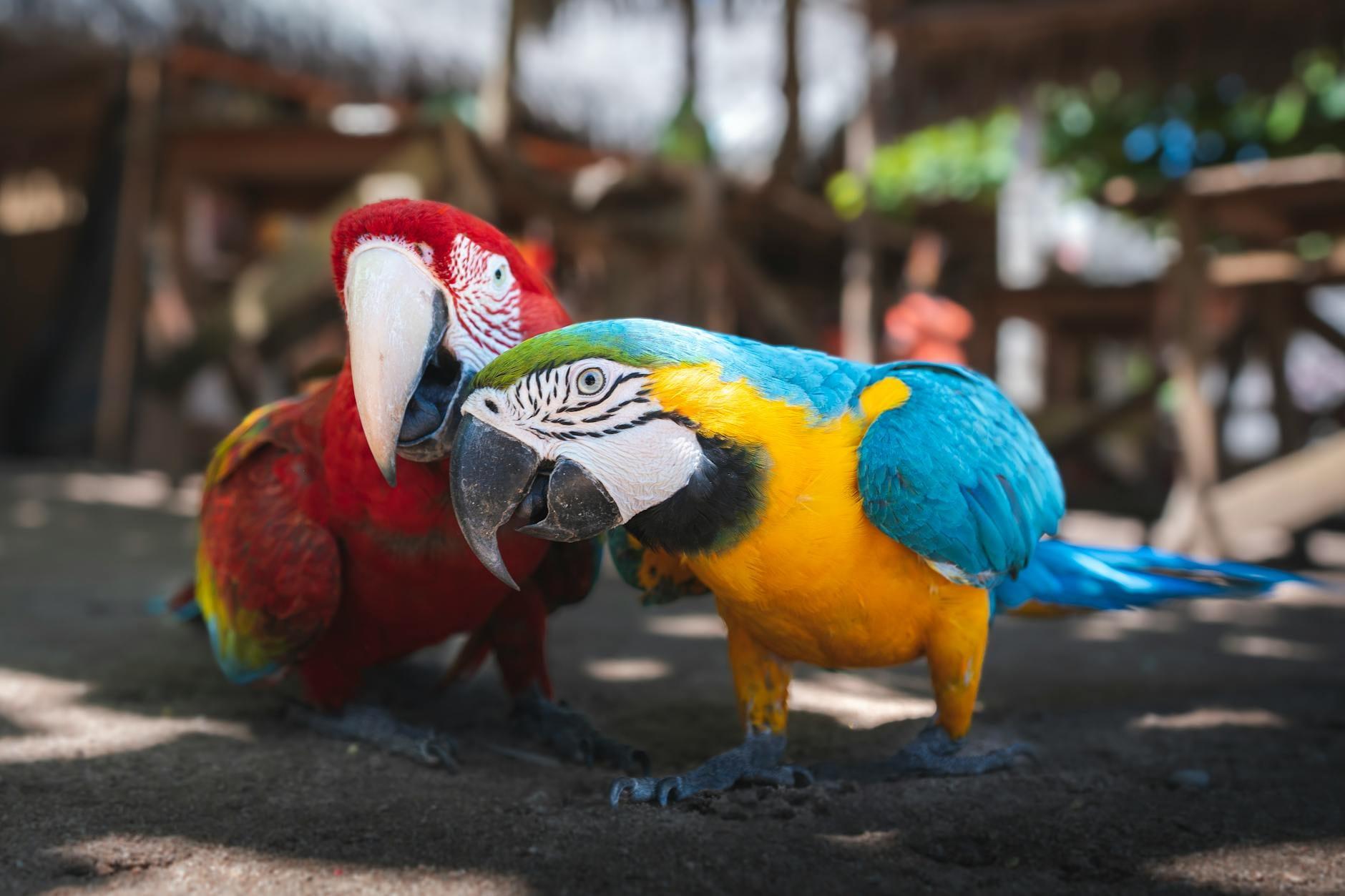
Macaws at a Clay Lick
 Peru
Peru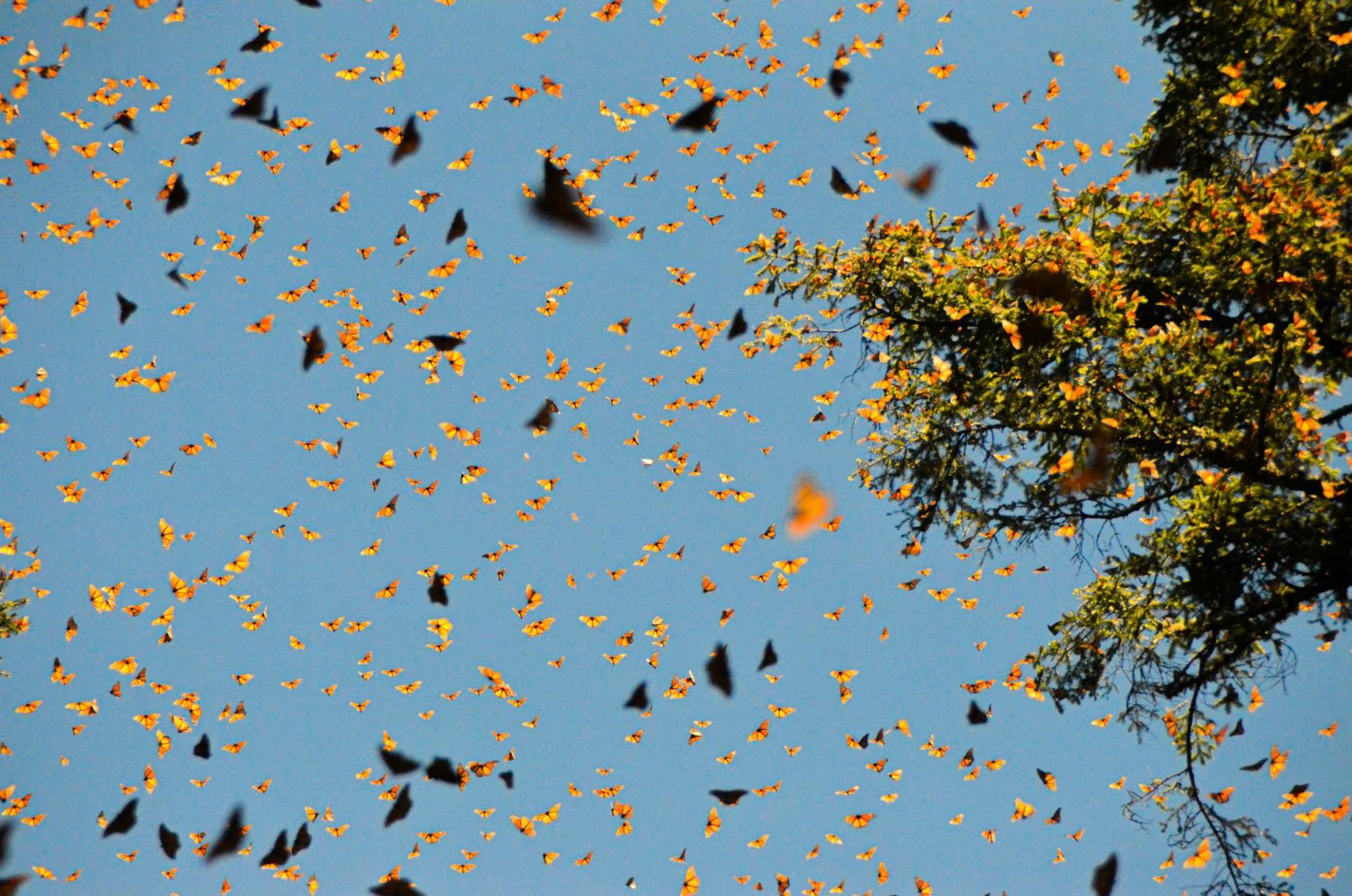
Monarch Butterfly Migration
 Mexico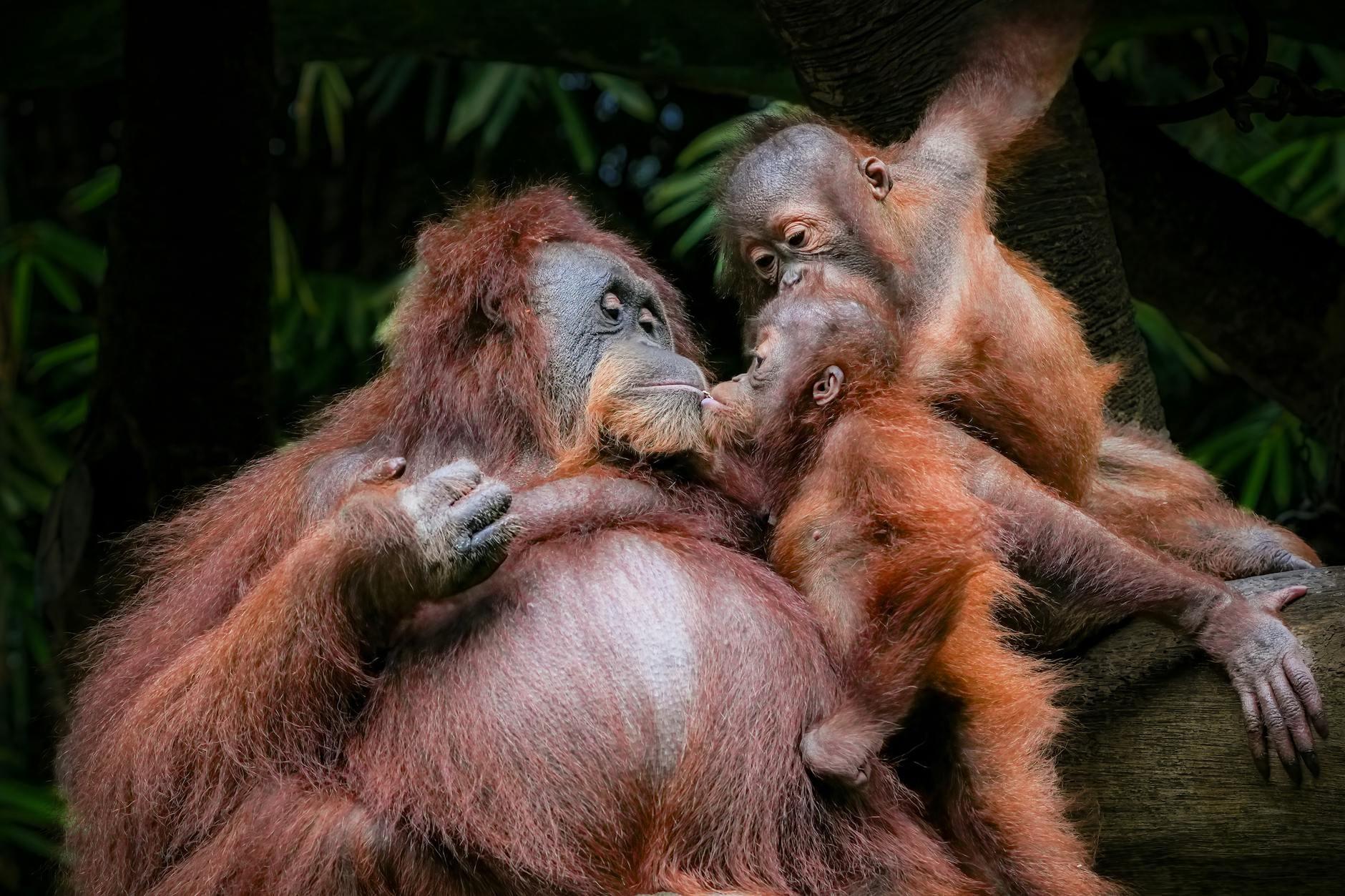
Orangutans
Indonesia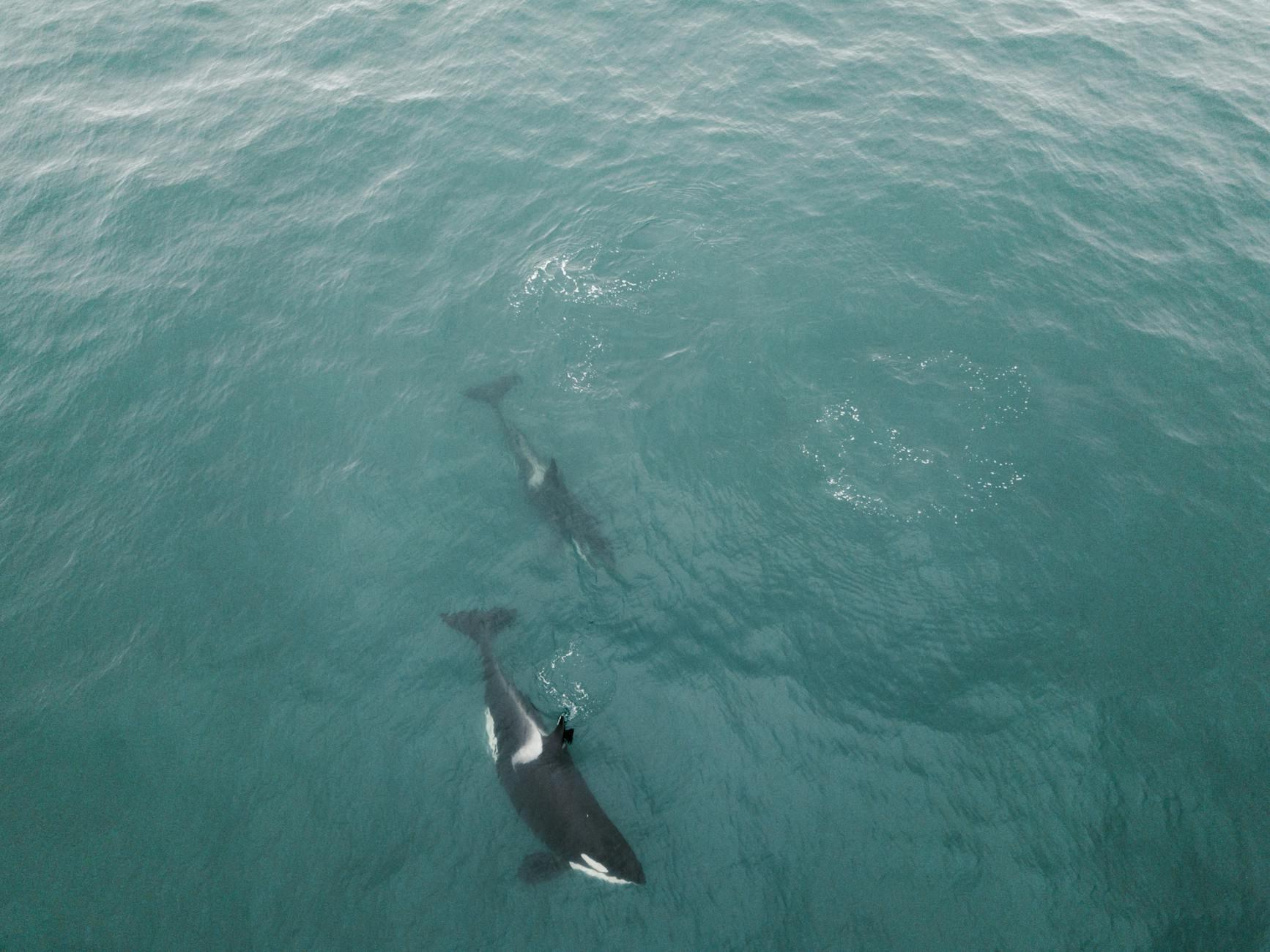
Orca
United States
Pandas
 China
China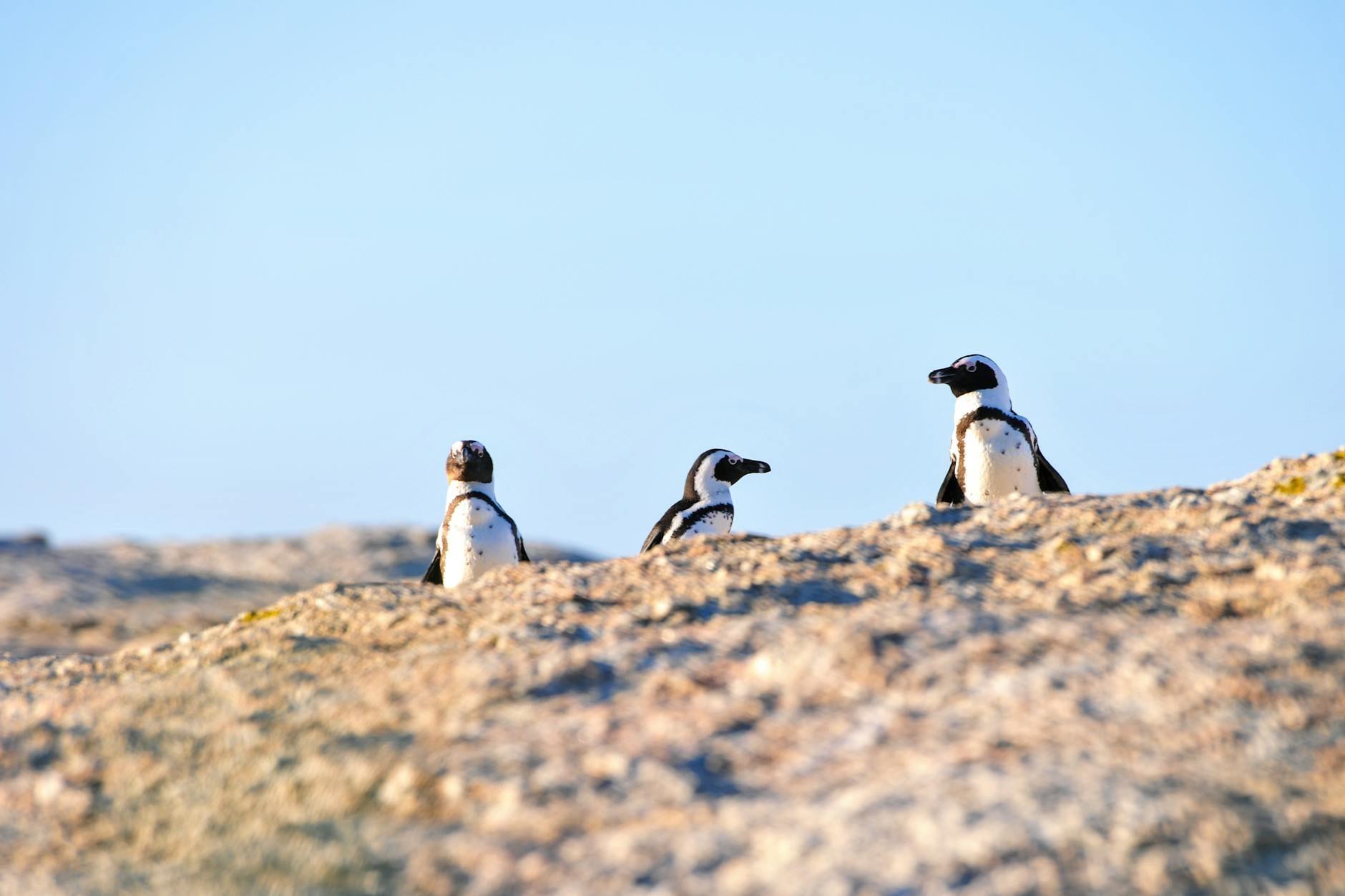
Penguins
 Antarctica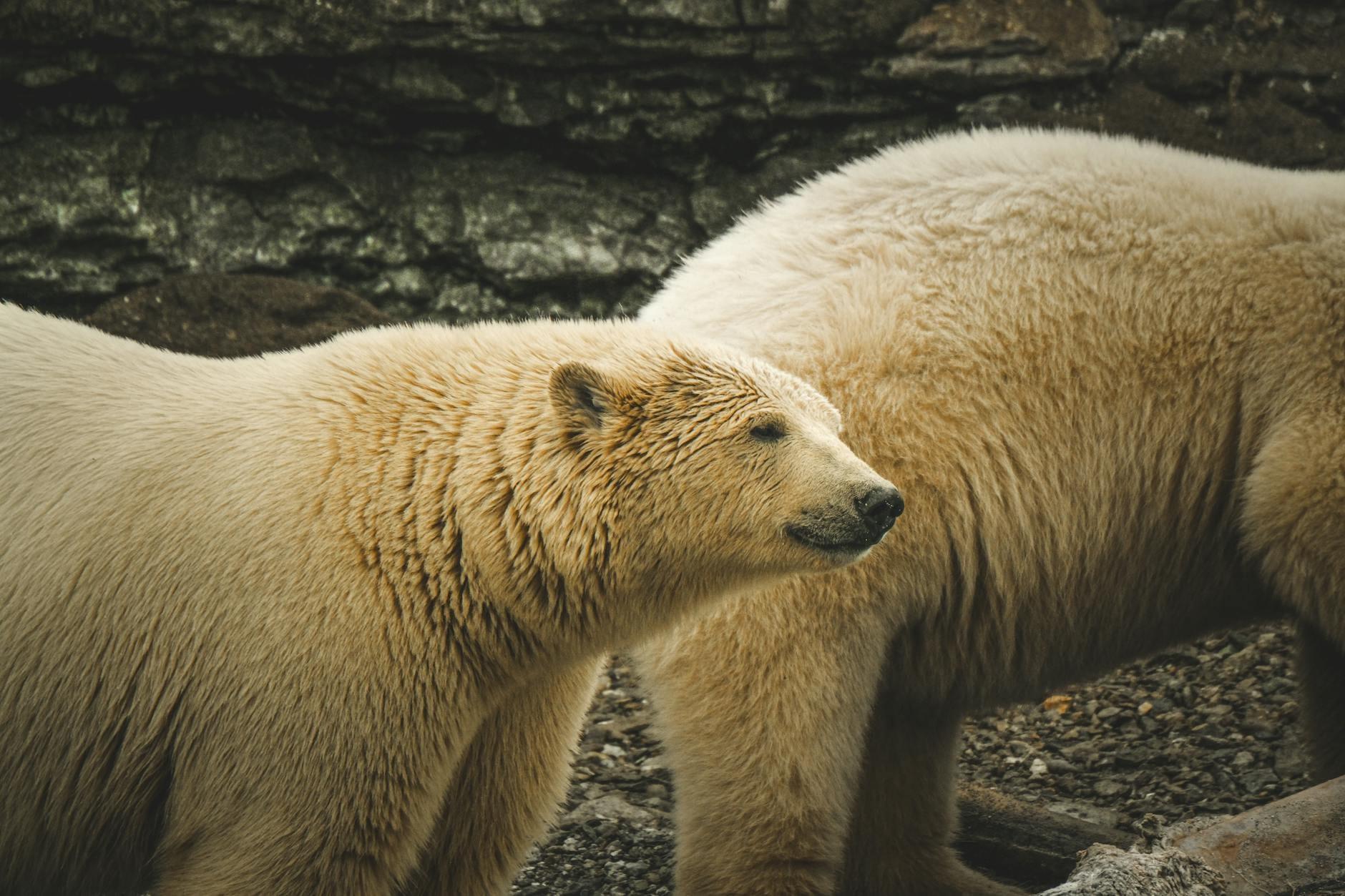
Polar Bears
 Canada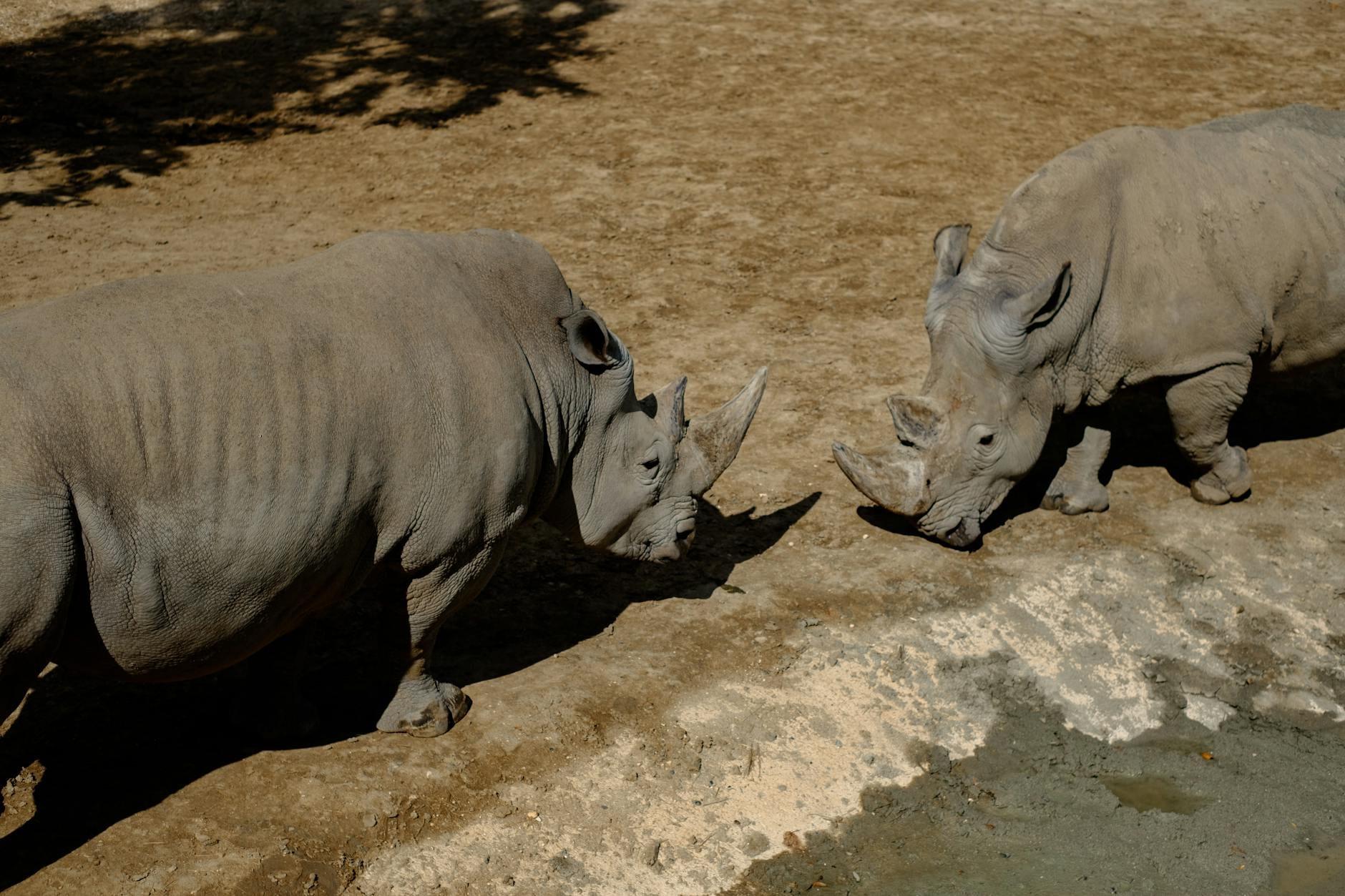
Rhinos
 Namibia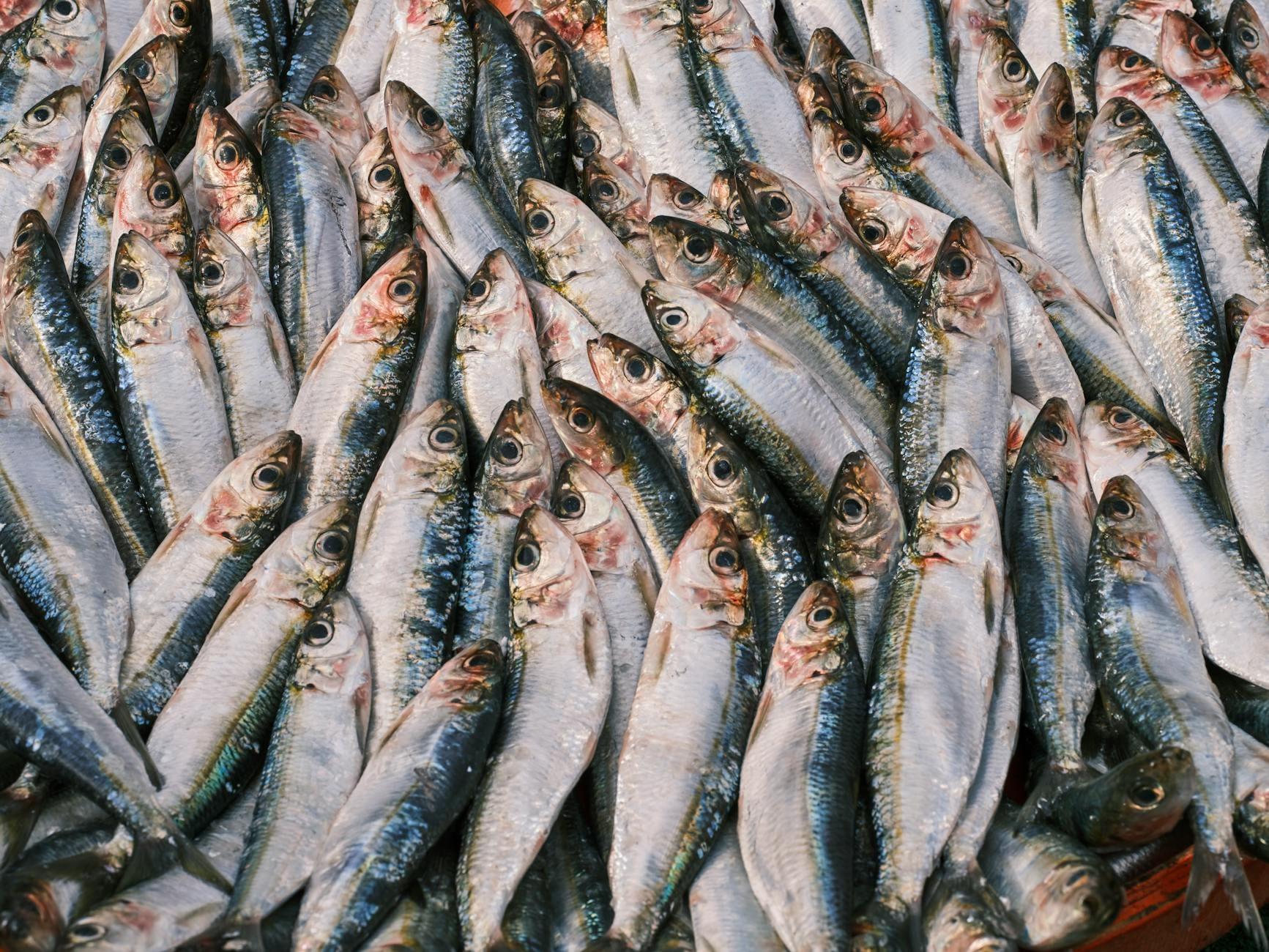
Sardine Run
 South Africa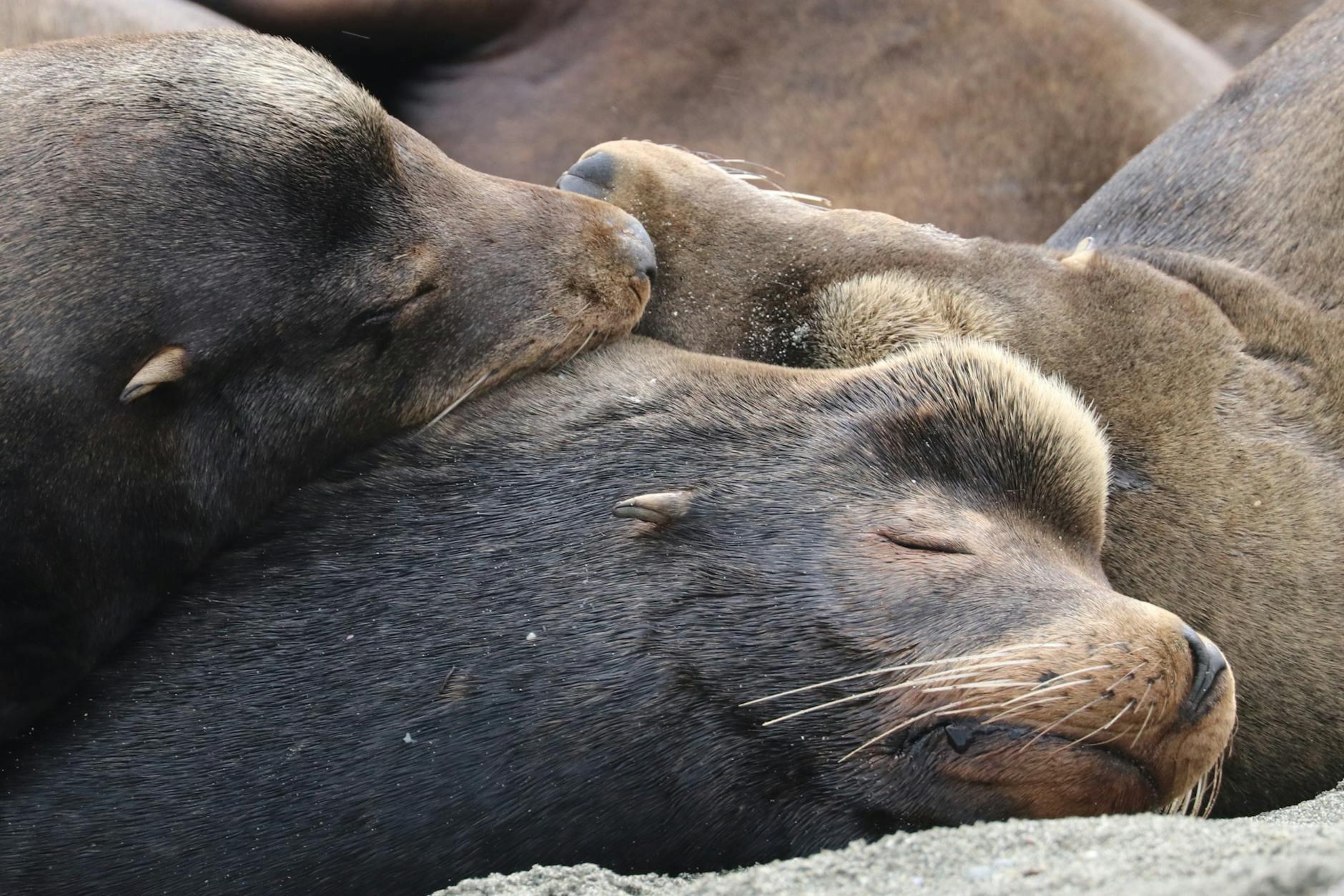
Sea Lions
United States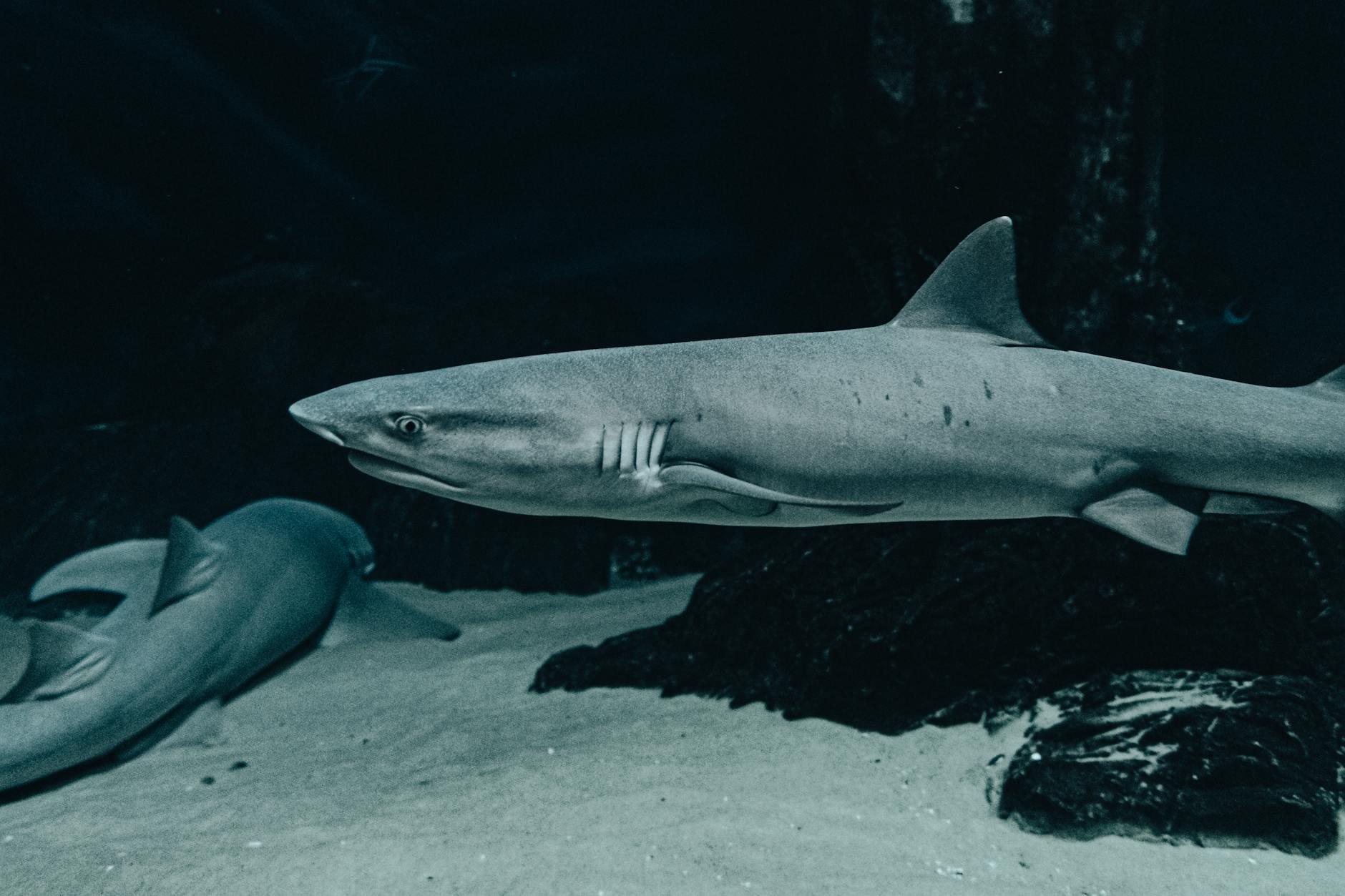
Sharks
South Africa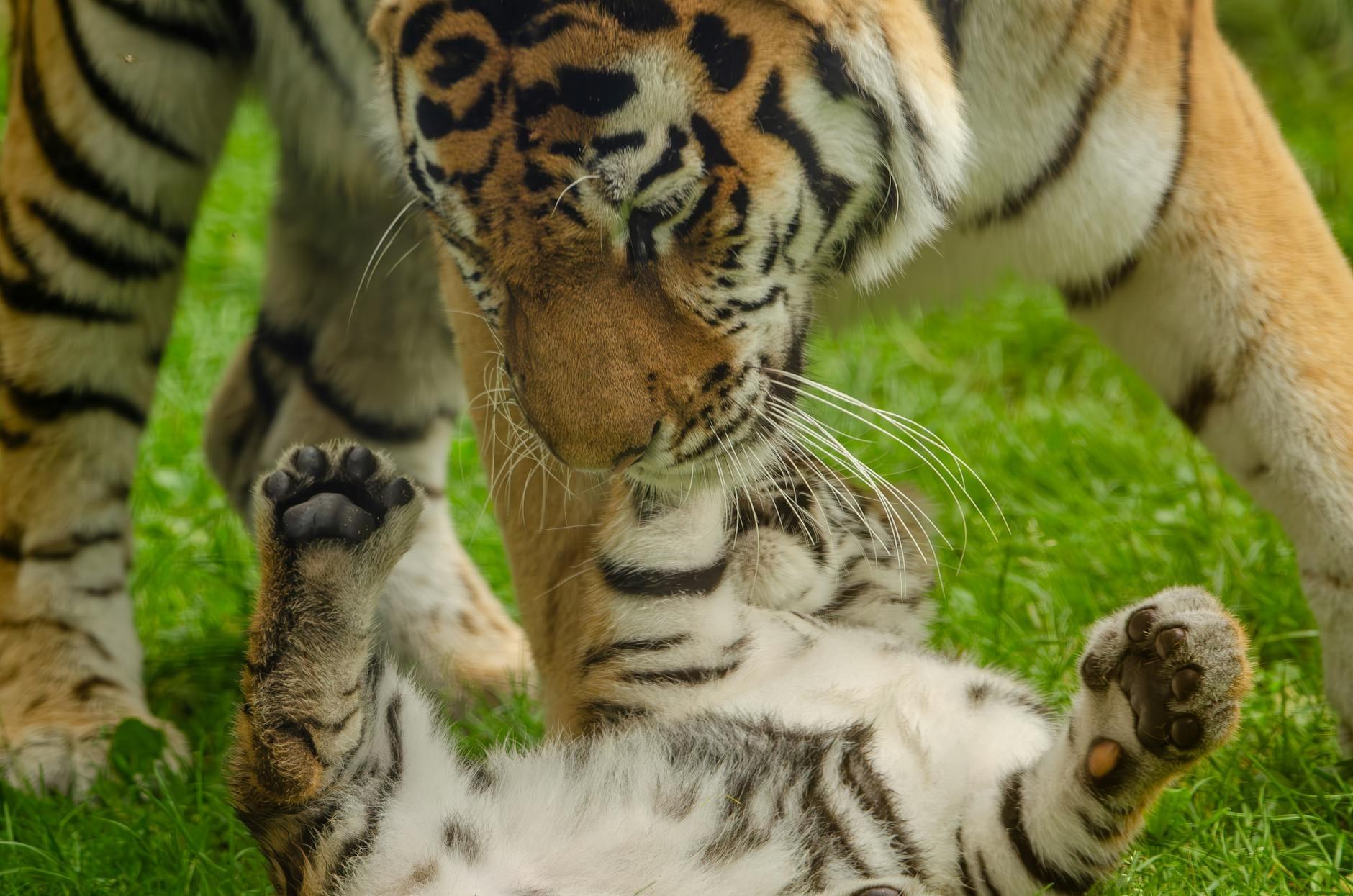
Tiger
 India
India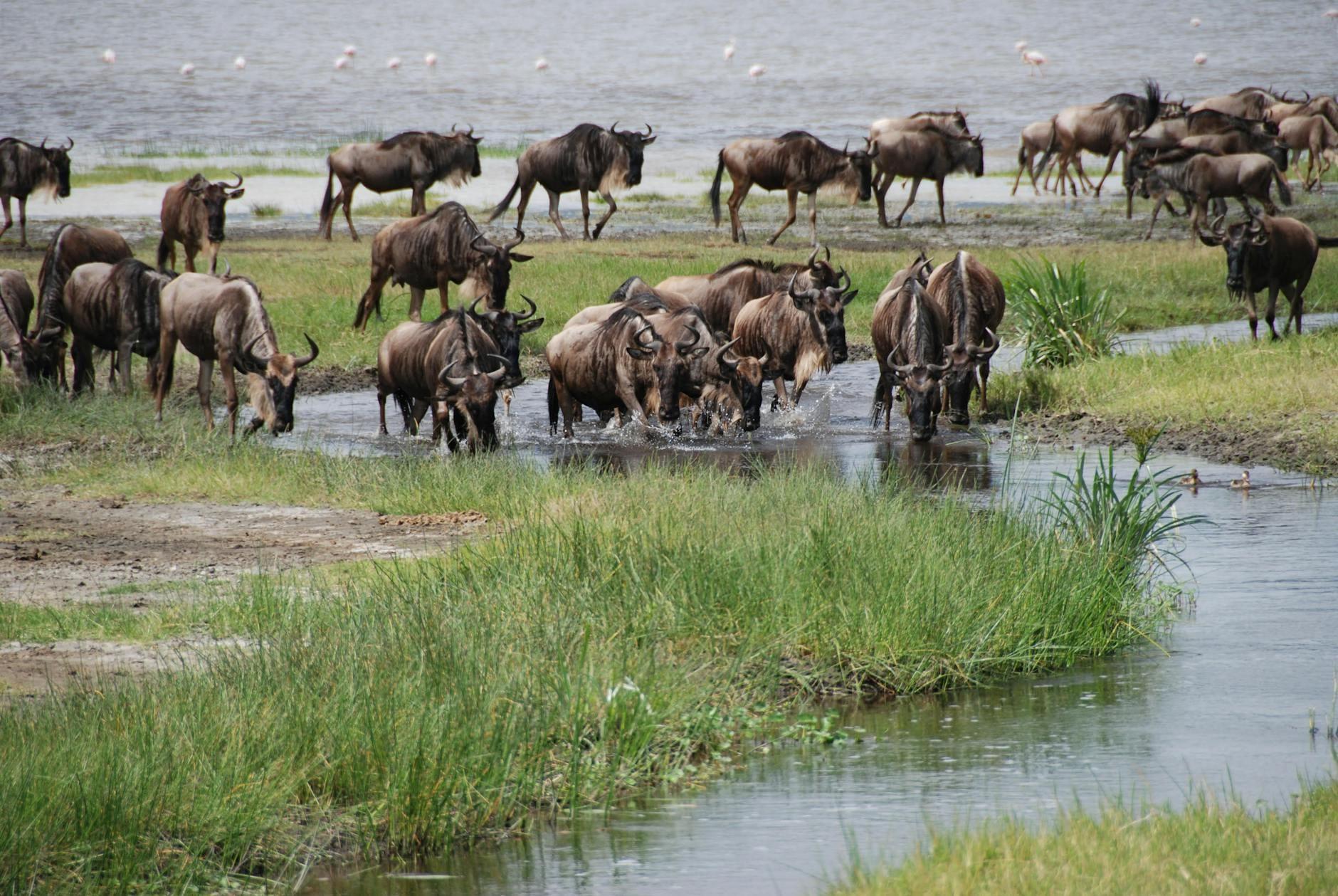
Wildebeest Migration
Tanzania