ExploretheGo.lifeConnect
Log inSign up
theGo.lifeCarpe the Diem.
ResourcesTermsPrivacy
thego.life
Pyramids of Giza hero
← Life list
Culture

Pyramids of Giza

Sign up to track this →

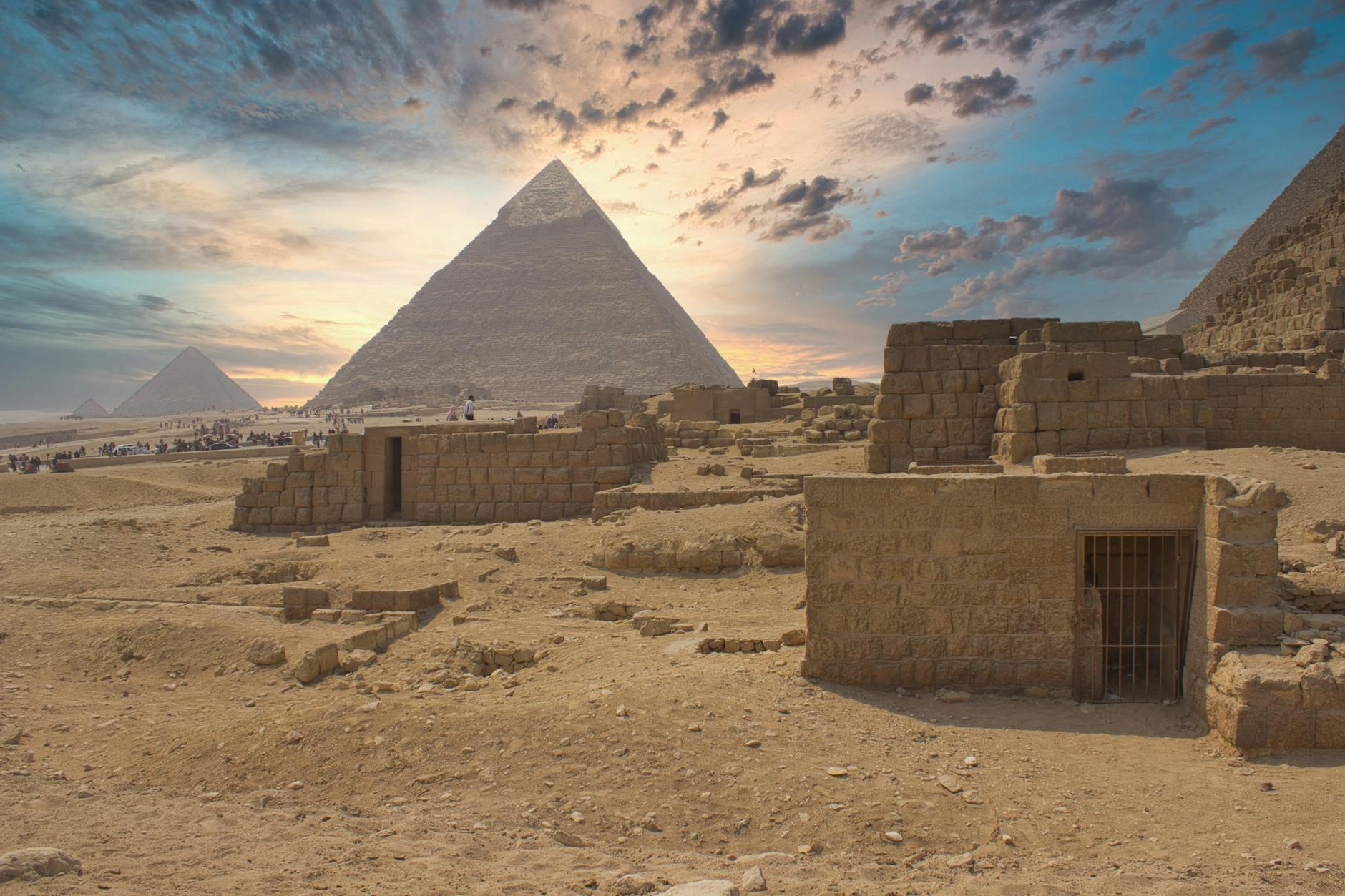
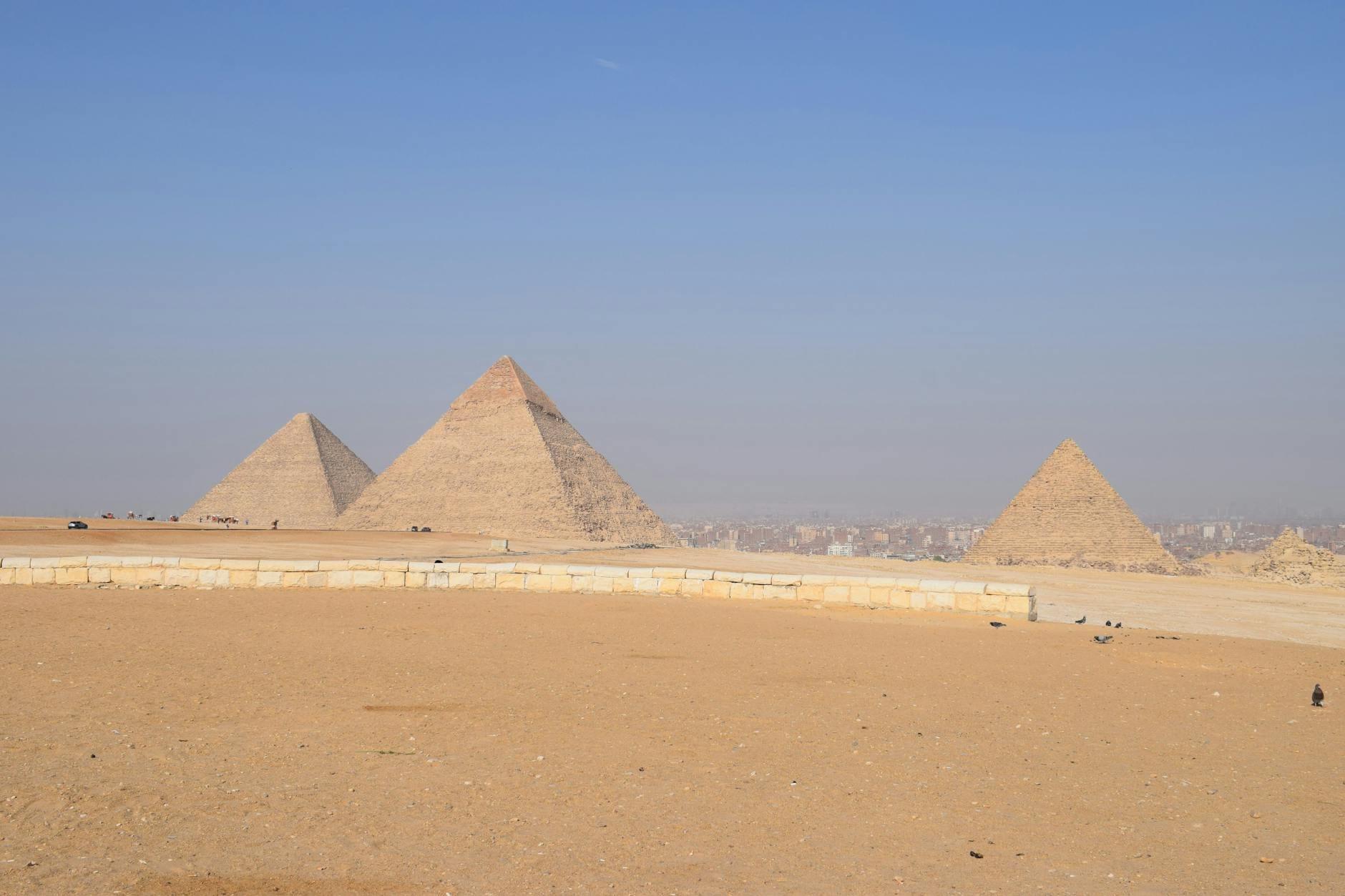
Few monuments are as shrouded in mystery or capture the imagination like the ancient pyramids of Giza. The most impressive of the pyramids, the Great Pyramid is the oldest and largest such structure in the world, originally designated by the Greeks as one of the Seven Wonders of the World. The other two, while very good, seem to fall just short of the ‘Great’ mark. Aside from their amazing size, two of the most interesting aspects of the pyramids are the deft workmanship that makes the massive stones fit together so precisely and their physical orientation to the four points of the compass.

From 2575 to 2150 B.C. during what Egyptologists refer to as the Old Kingdom, five different dynasties ruled Egypt, during which time pyramid building reached its zenith. The ancient Egyptians believed death was a doorway to another world, and they mummified their dead leaders in preparation for their transport to this world, and the Great Pyramid is believed to have been the burial place of 4th Dynasty Pharaoh Khufu.

The Great Pyramid's construction was completed around 2550 BC, after around 20 year of construction, and was the tallest man-made structure in the world for over 3,800 years. An estimated 2.3 million stone blocks went into The Great Pyramid's construction, the largest of which are waist high and weigh more than 176,000 pounds each; making its total weight is more than 6 million tons. By way of comparison, the Empire State Building is estimated to weigh less than 370,000 tons.

The giant Sphinx is thought to display the face of the Pharaoh Khafra, son of Khufu. Inscriptions and other indications point to the second largest pyramid on the Giza plateau as his burial place. While the third largest in size is believed to be the burial place of Pharaoh Menkaure. Three pyramids that are much smaller still are known as queens' pyramids, and appear to have had their construction abandoned before completion. Lastly, at least two of the pyramids have large sailing ships buried alongside them in the sand, apparently as vessels for the departed to use in, or get to, the next life.

A limited number of tourists are actually permitted inside the largest pyramids when they are not under restoration. If you do manage to get one of the tickets you are further limited to entering only two of the three pyramids on any day. Inside the Great Pyramid tourists are exposed to cramped conditions, as some passages are just over three and a half feet wide and three feet tall. If you can get past the feeling of claustrophobia as well as the knowledge of how many millions of tons of stone lie directly over your head, this is a uniquely rewarding peek back more than 4,500 years into human history.

Where it is
Egypt landscape
Giza Plateau
Egypt
More culture
Acropolis
Greece
Angkor Wat
Cambodia
Aya Sofya
Turkey
Big Ben
England