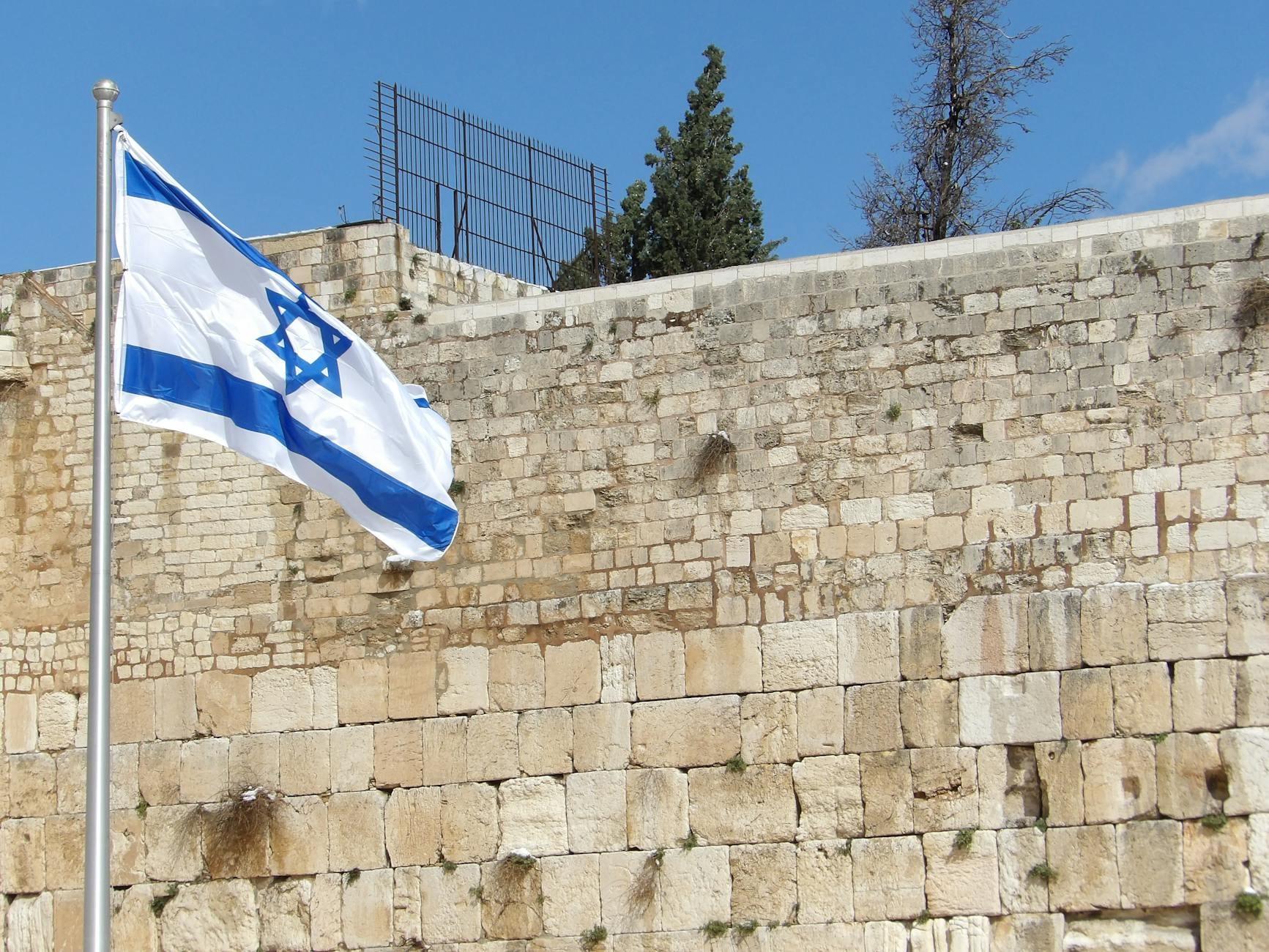
In Jerusalem's Old City, the Western Wall is the last remnant of the retaining wall around the Second Temple and the holiest place where Jews can pray.
People come to touch the ancient limestone and tuck written prayers into its cracks. Dress modestly, observe the separate men's and women's sections, and take in the layered history of the site.
Where it is
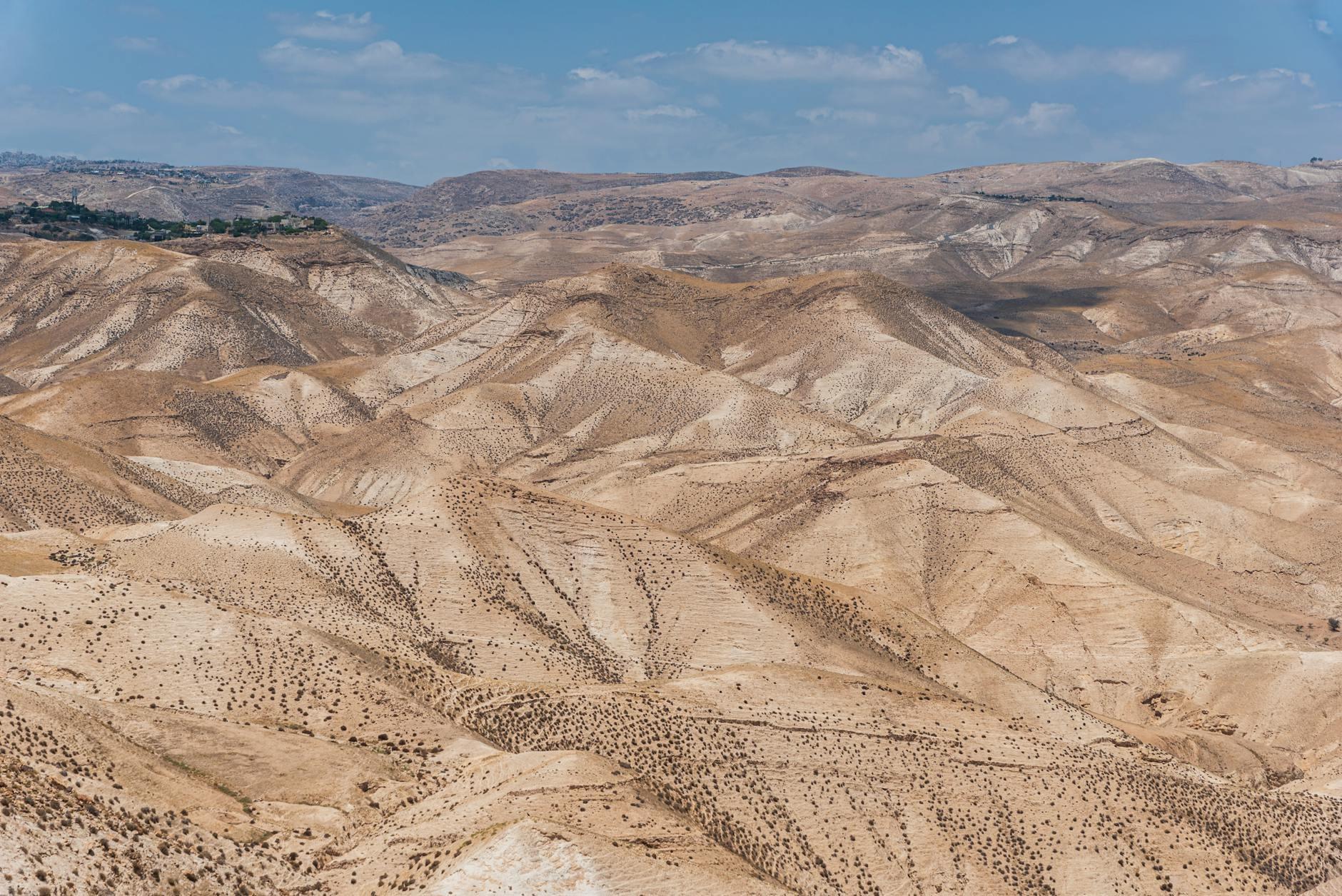
 Israel
More culture
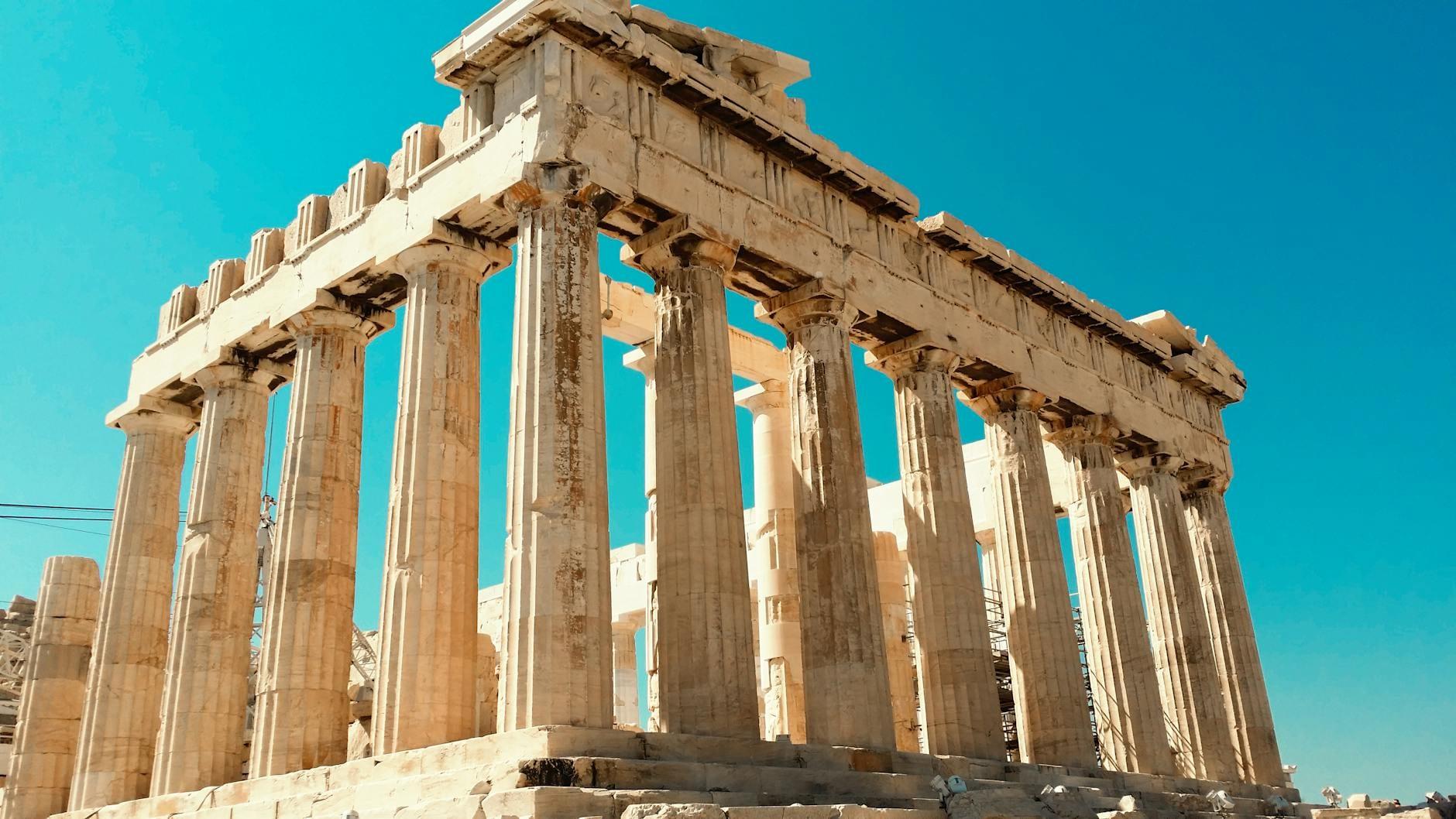
Acropolis
 Greece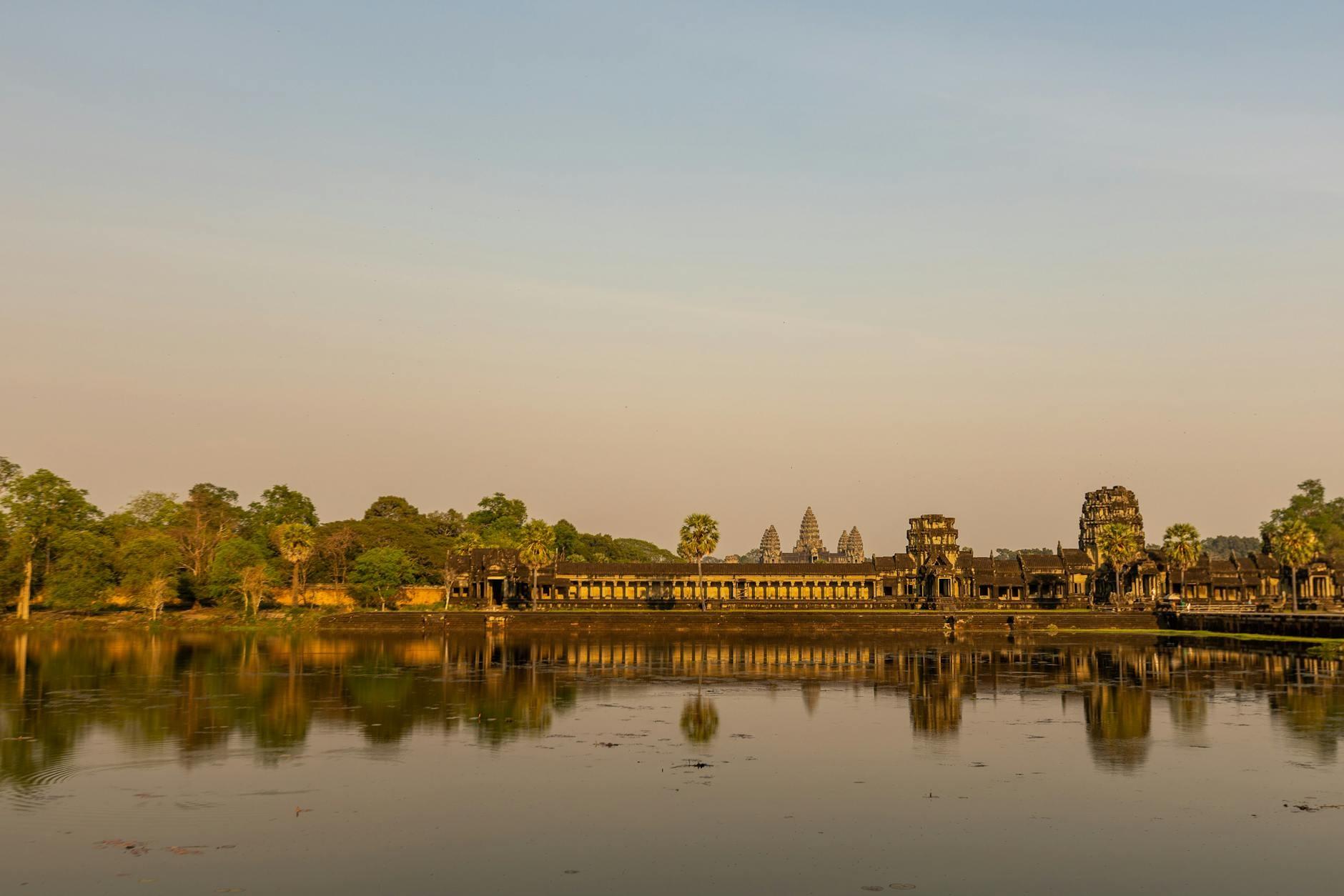
Angkor Wat
 Cambodia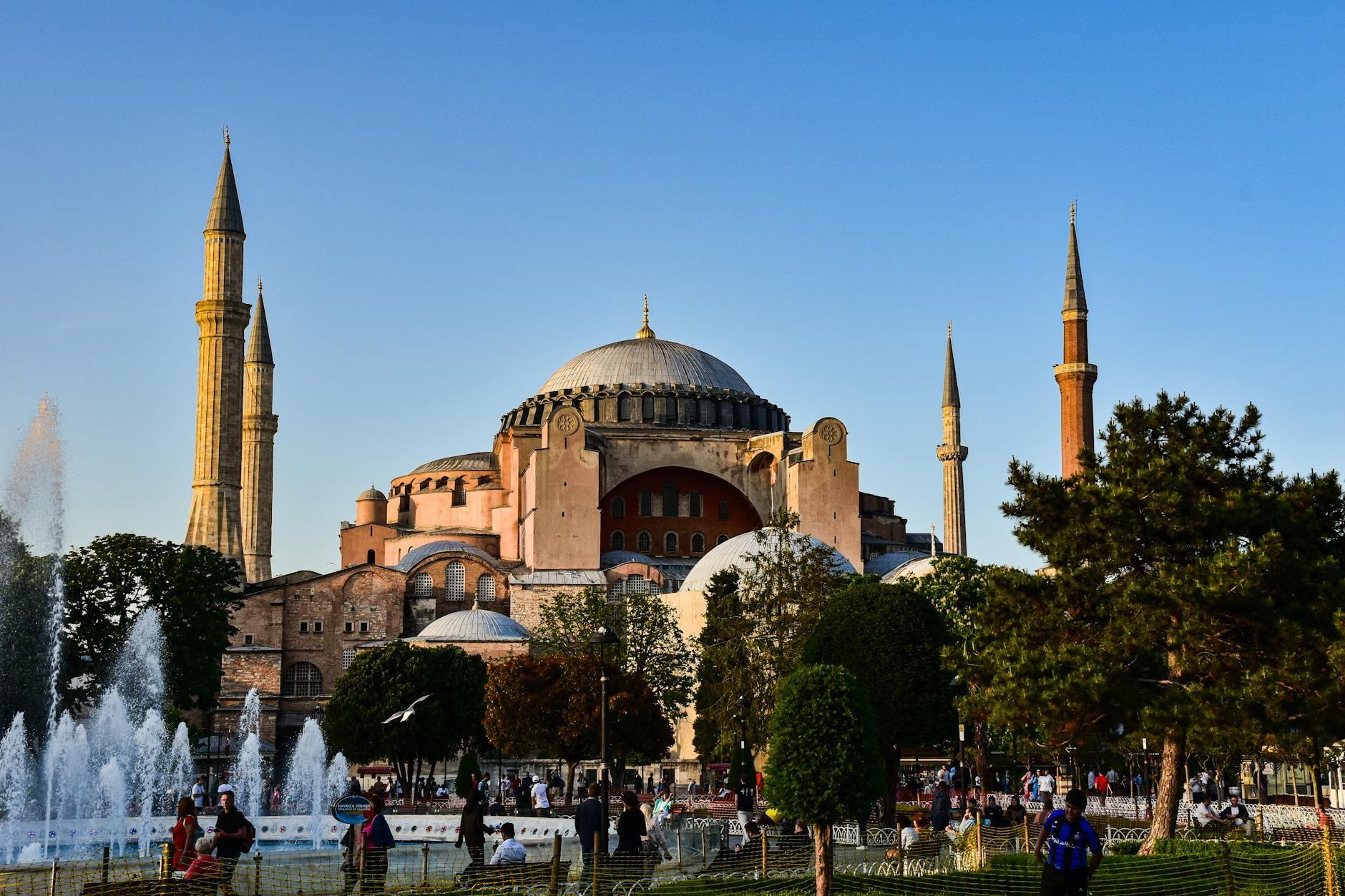
Aya Sofya
 Turkey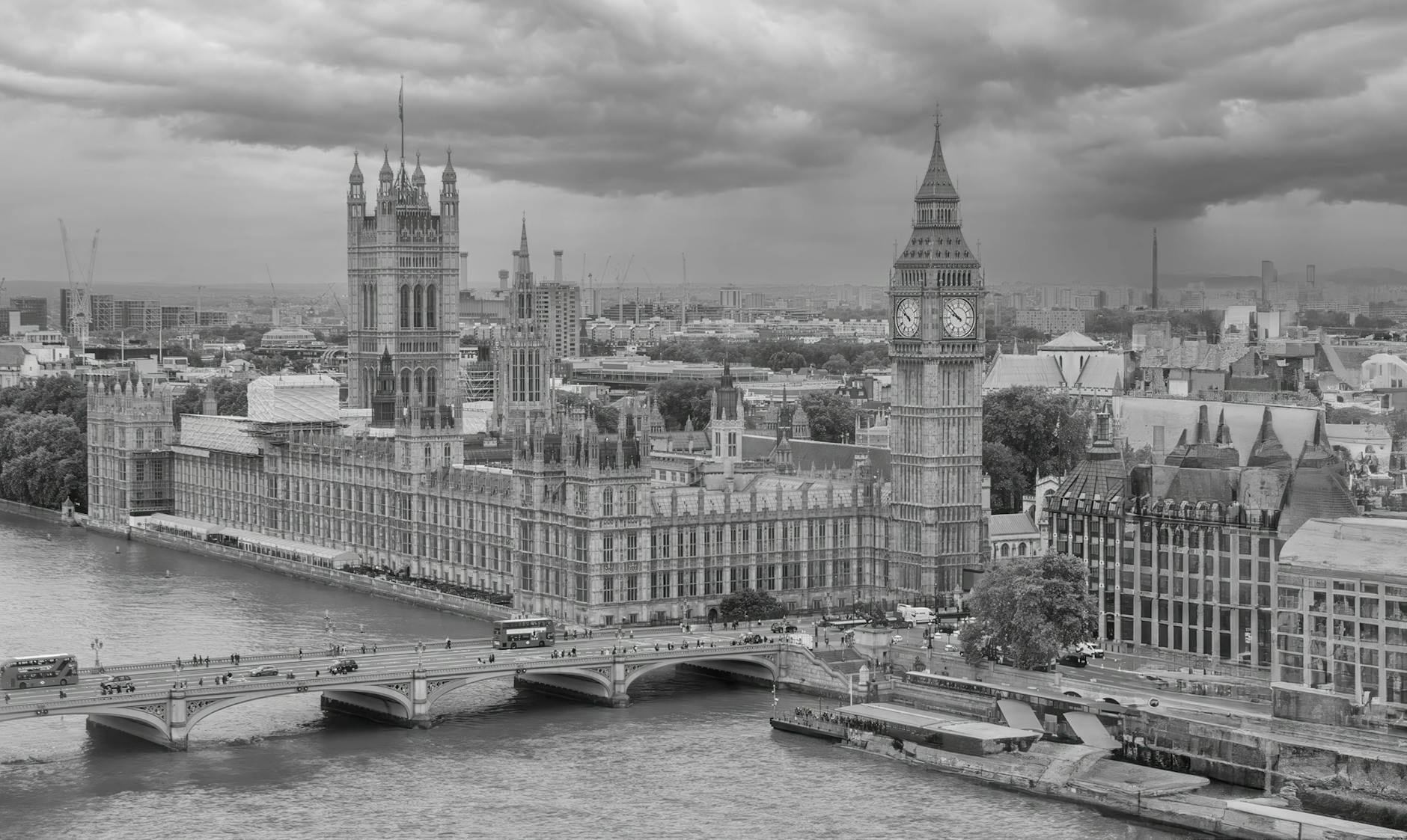
Big Ben
 England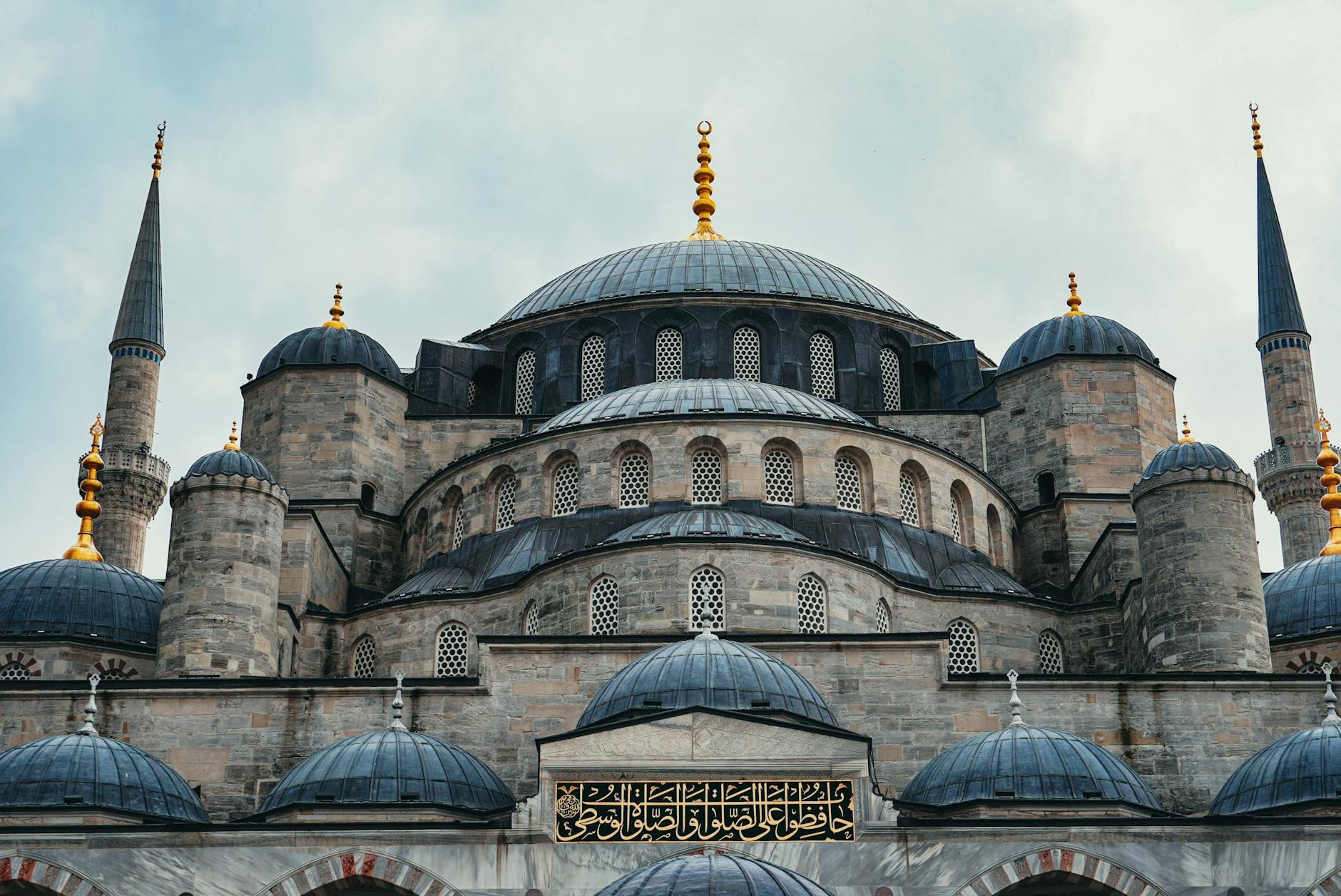
Blue Mosque
Turkey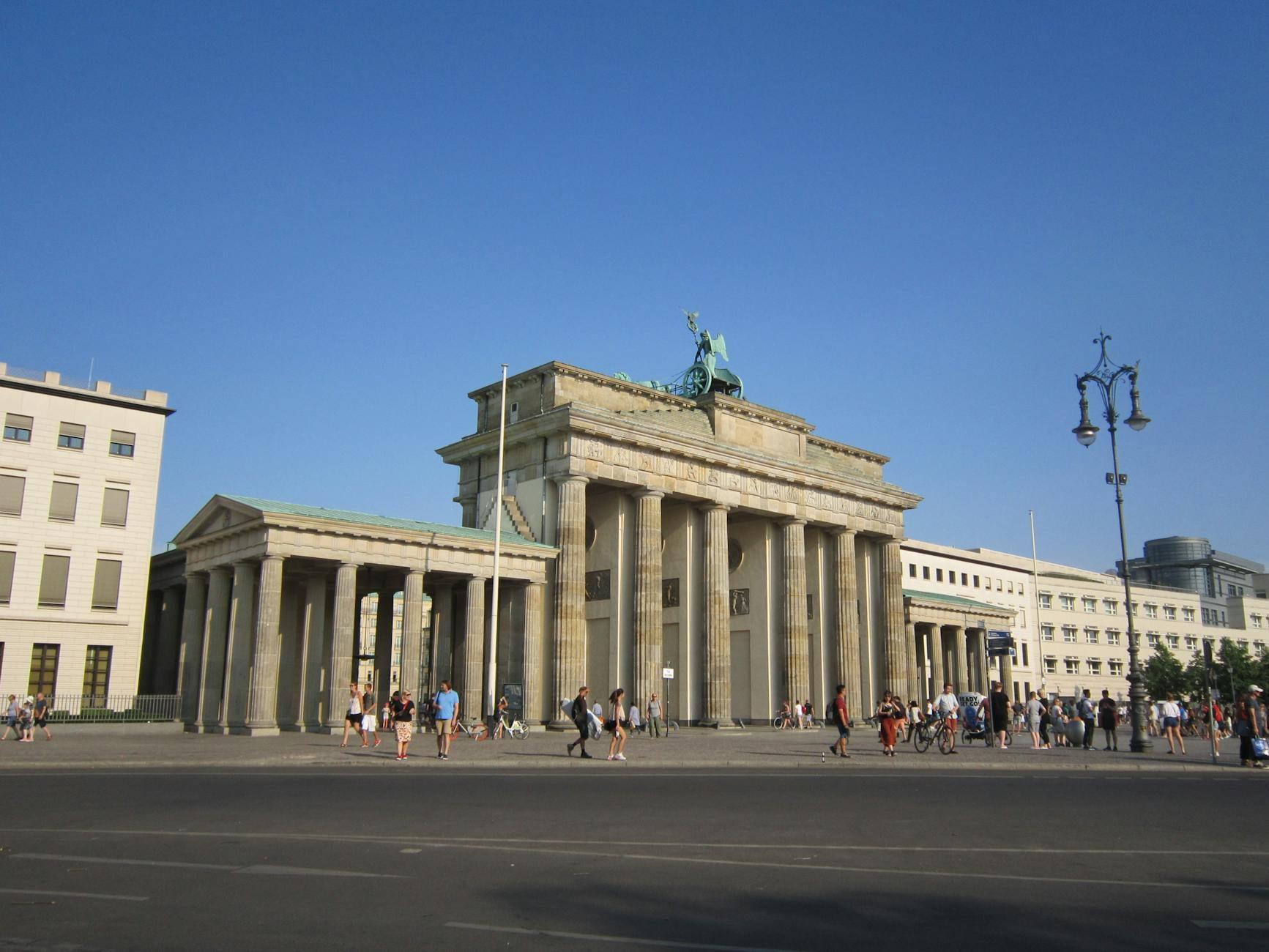
Brandenburg Gate
 Germany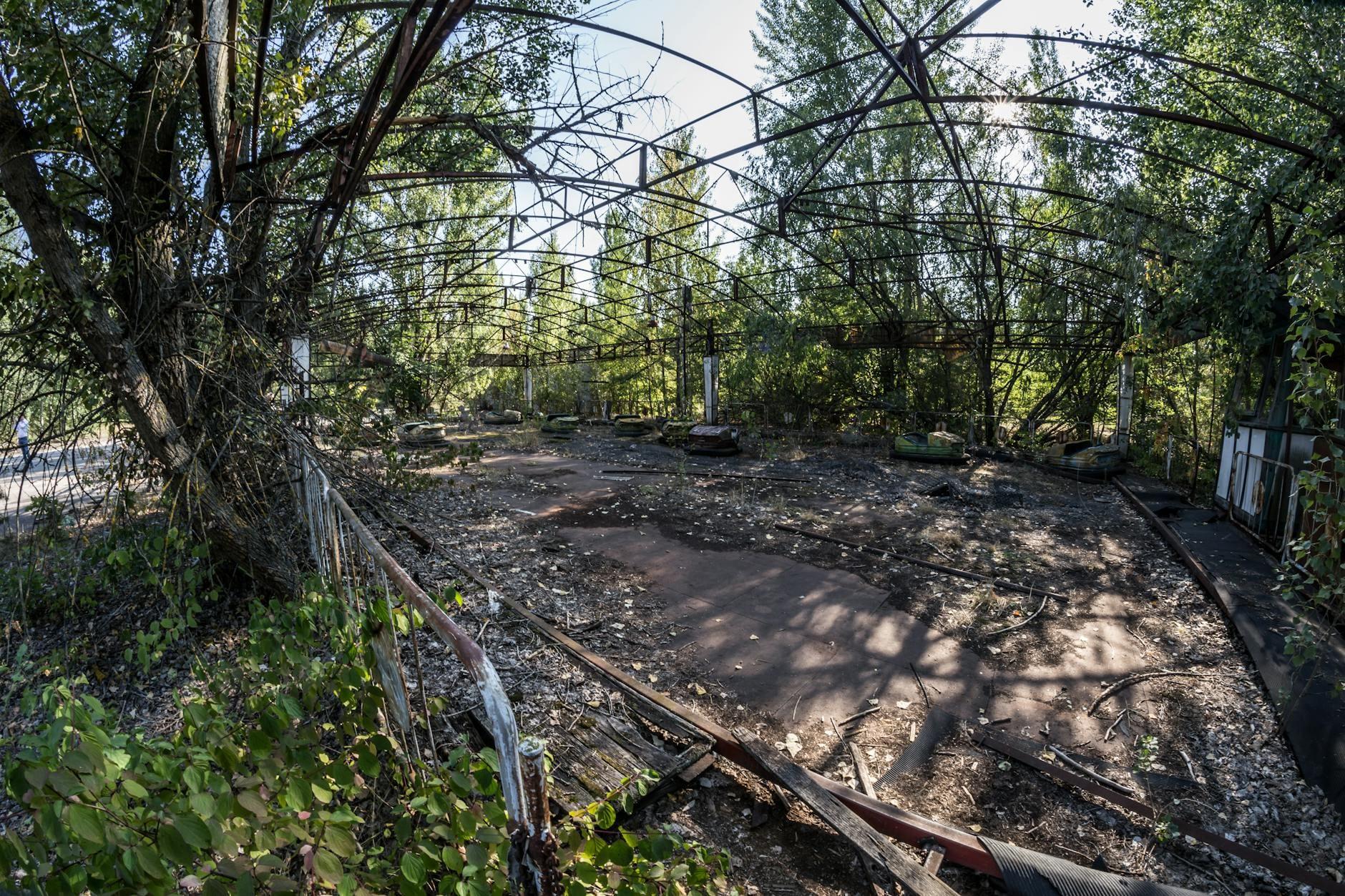
Chernobyl
 Ukraine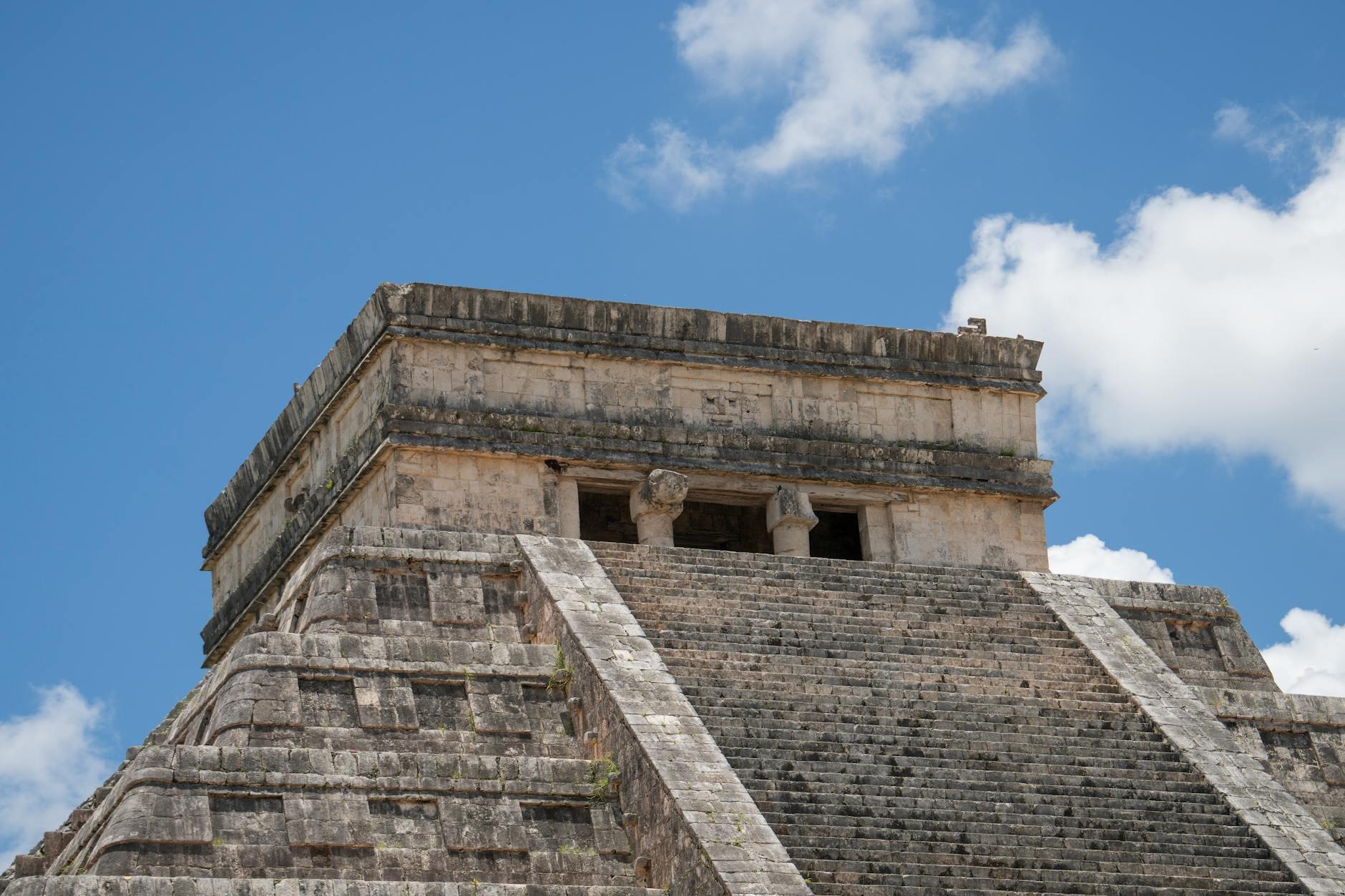
Chichen Itza
 Mexico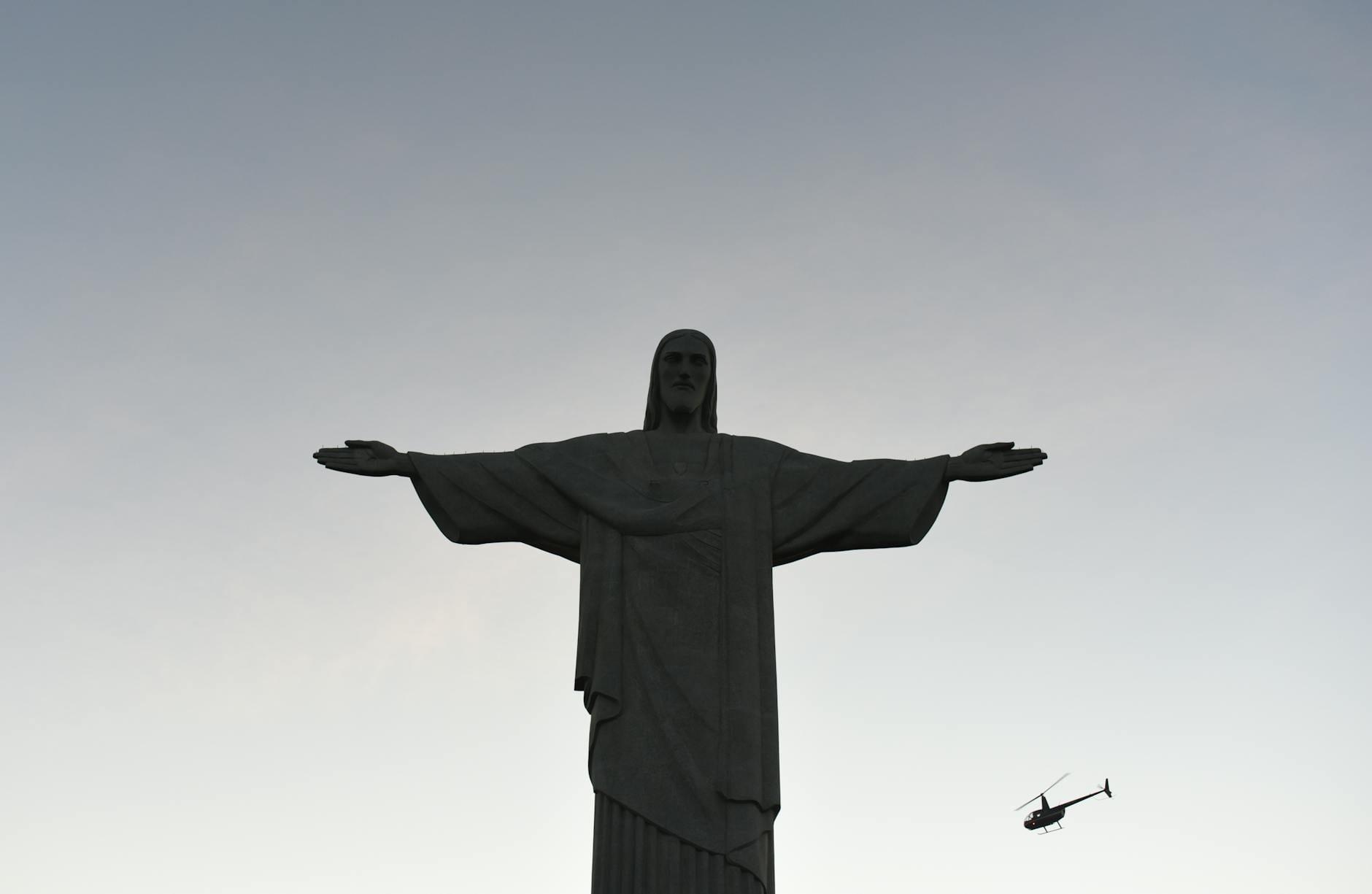
Christo Redentor
 Brazil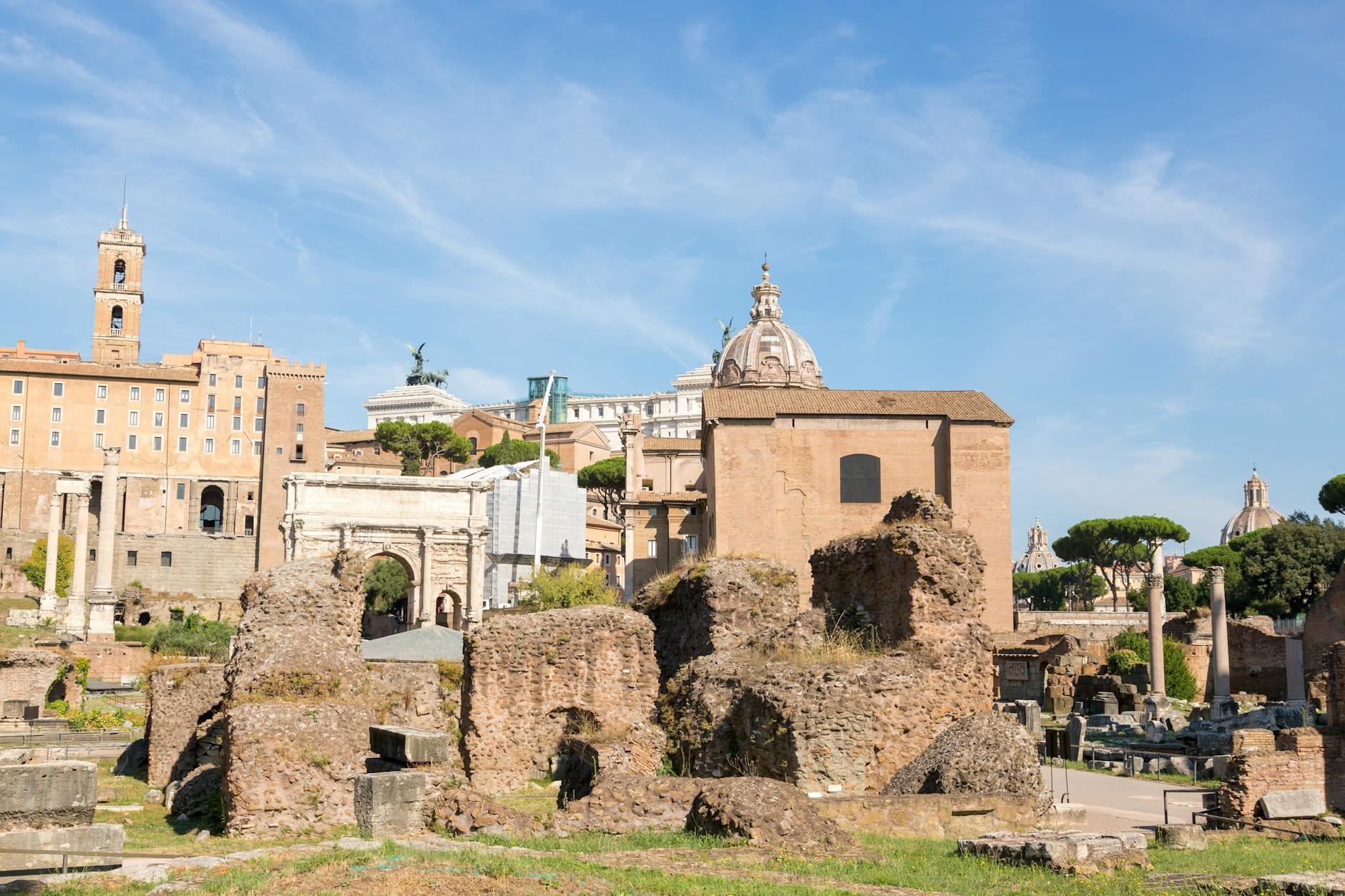
Colosseum
 Italy
Italy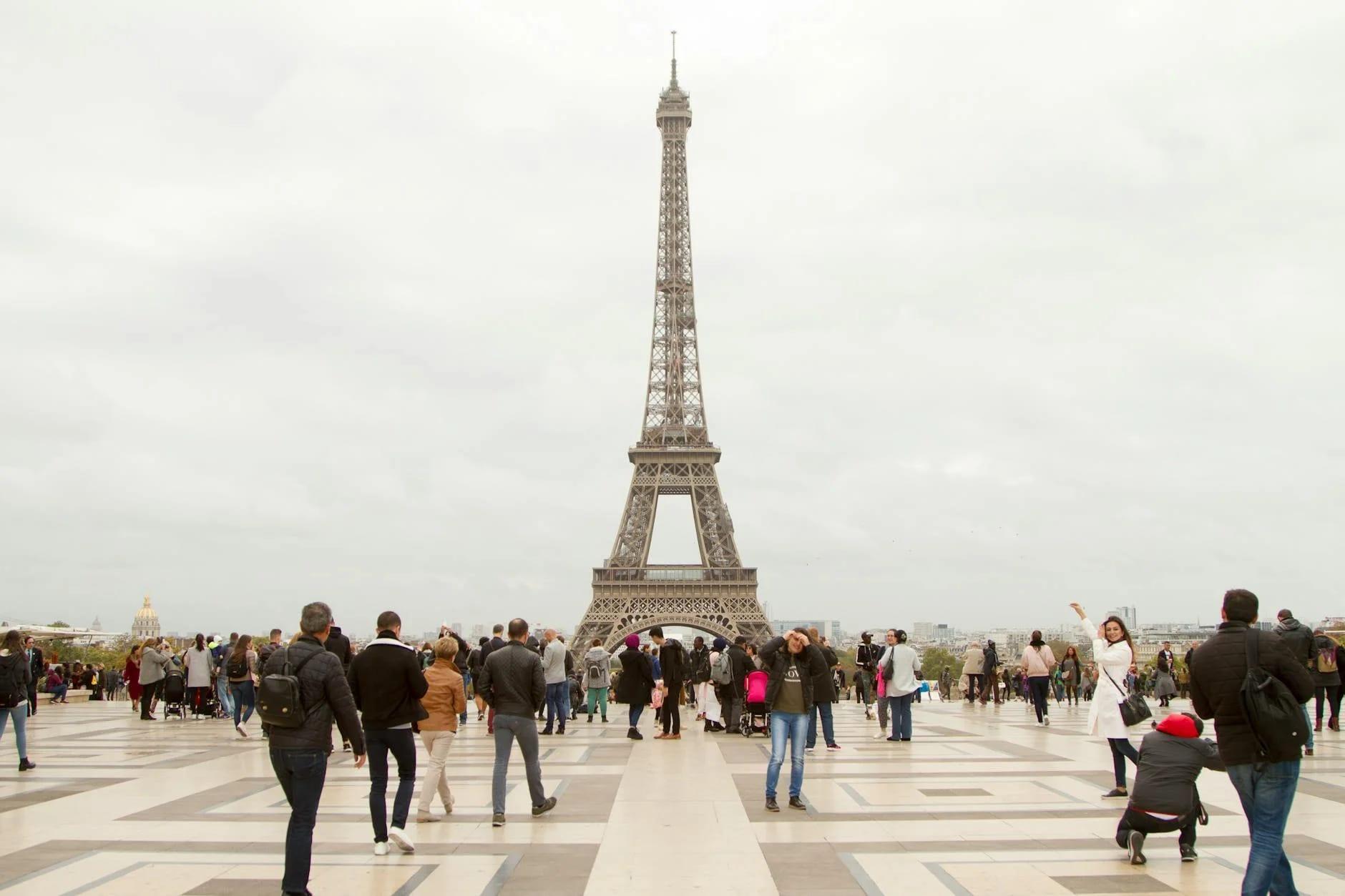
Eiffel Tower
 France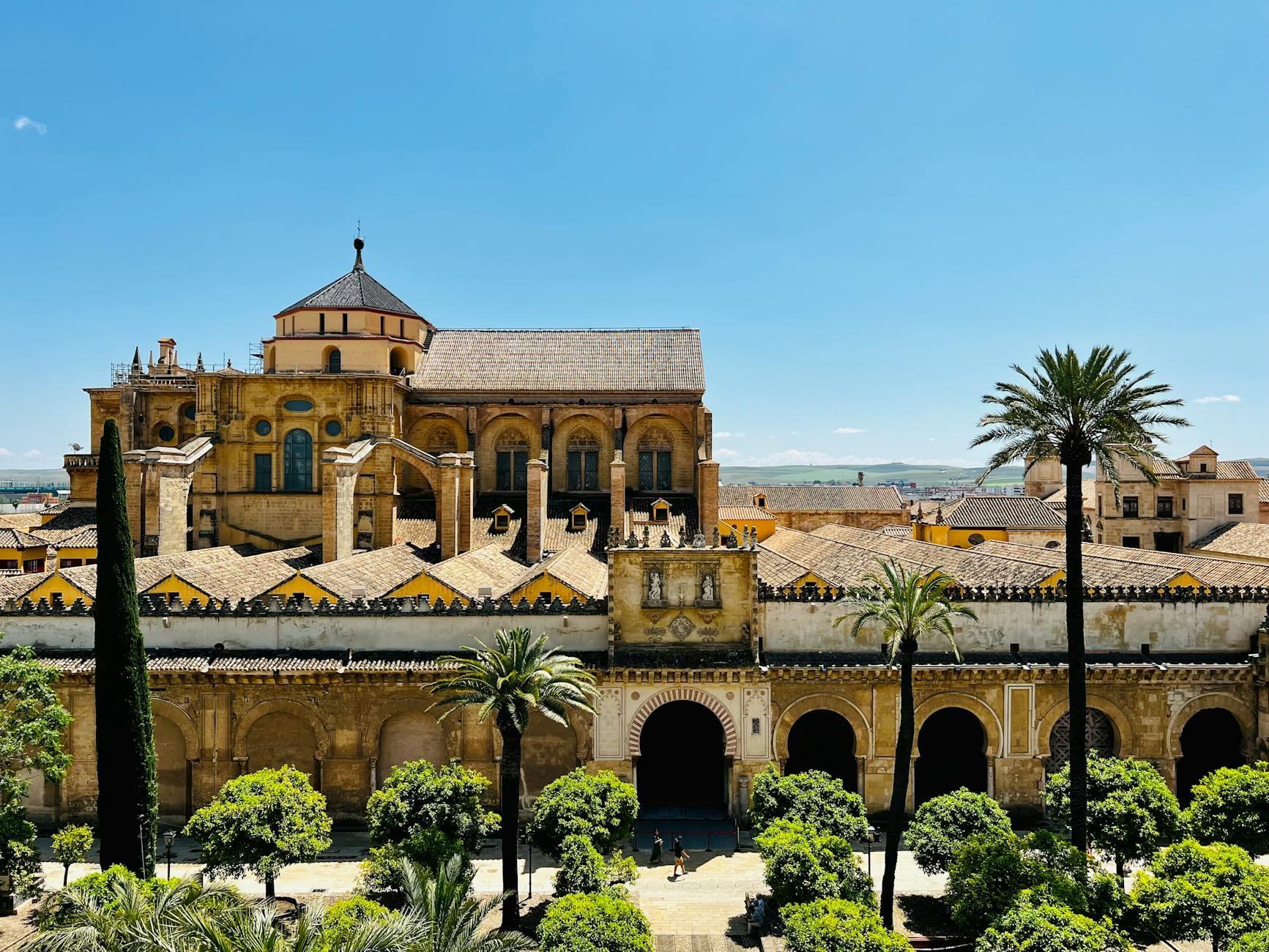
Great Cathedral and Mosque
 Spain
Spain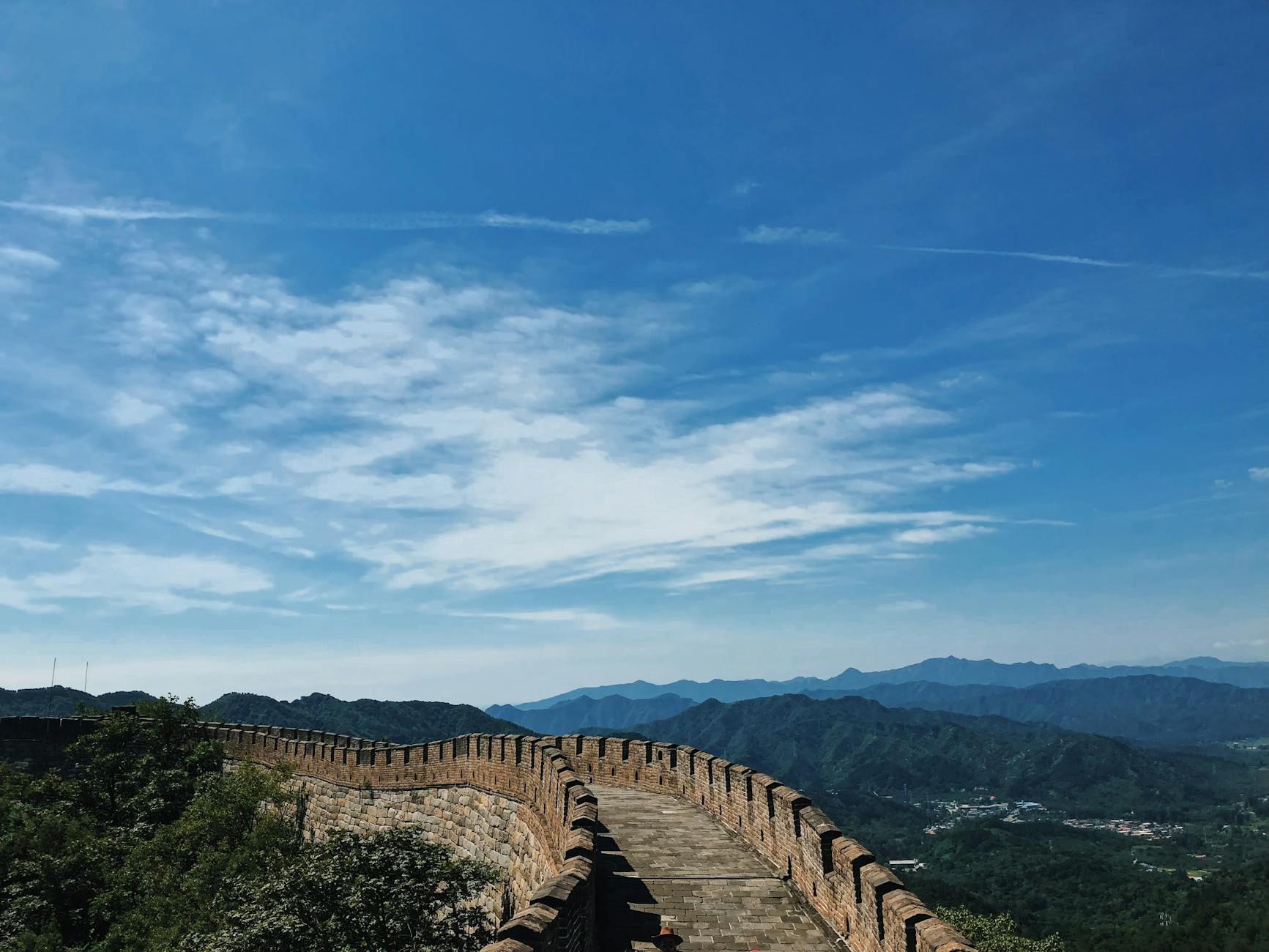
Great Wall of China
 China
China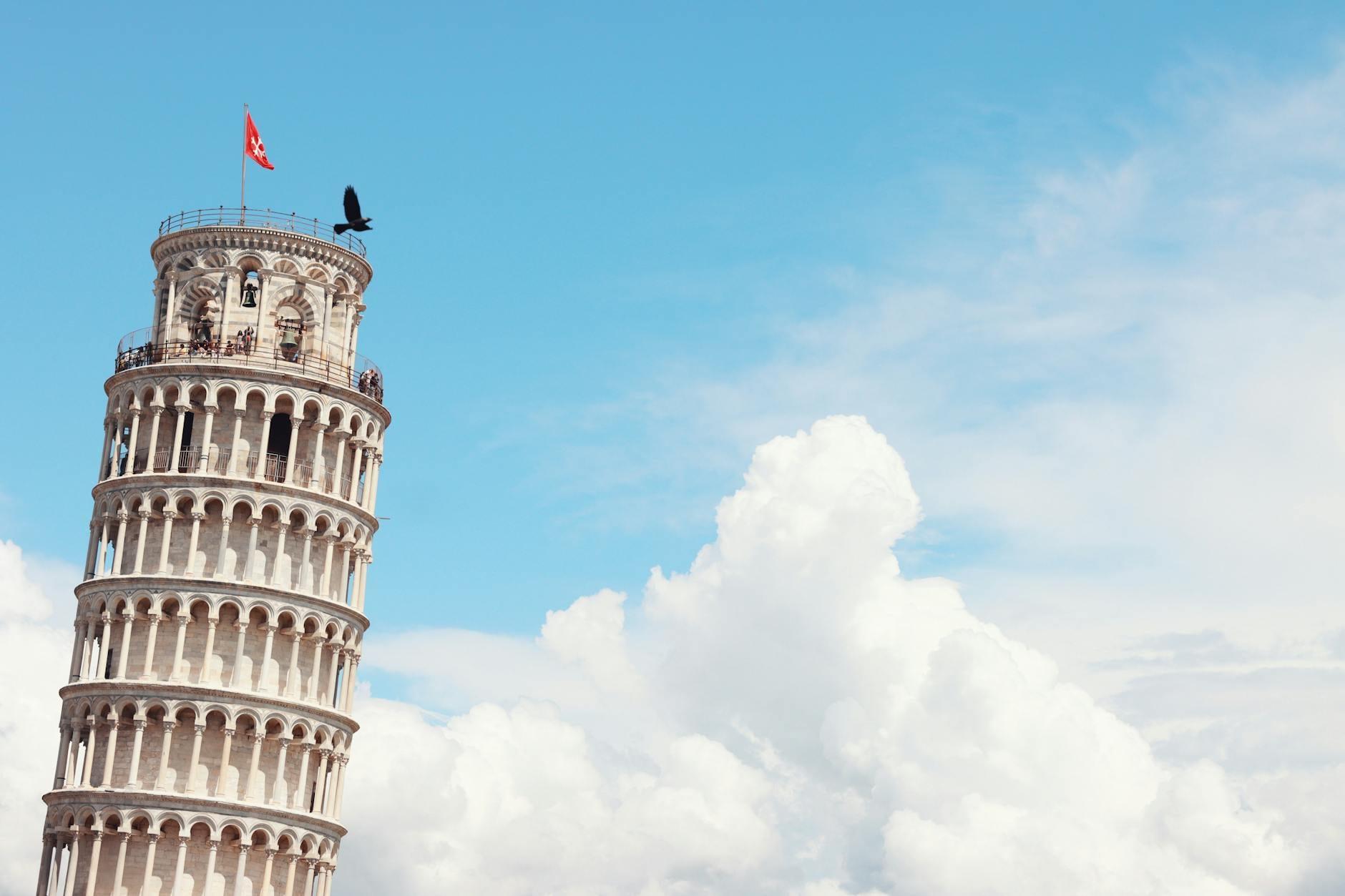
Leaning Tower of Pisa
Italy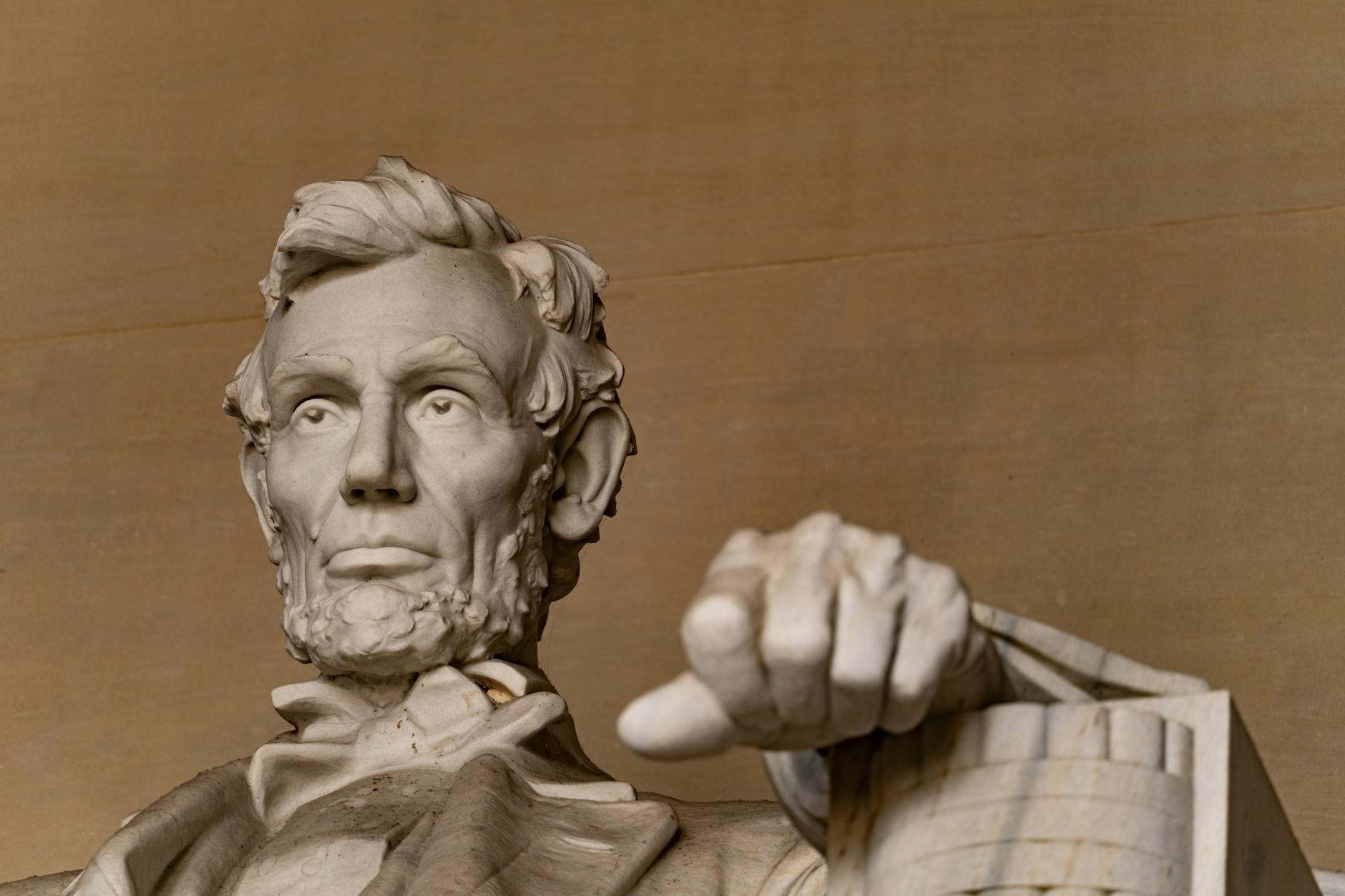
Lincoln Memorial
 United States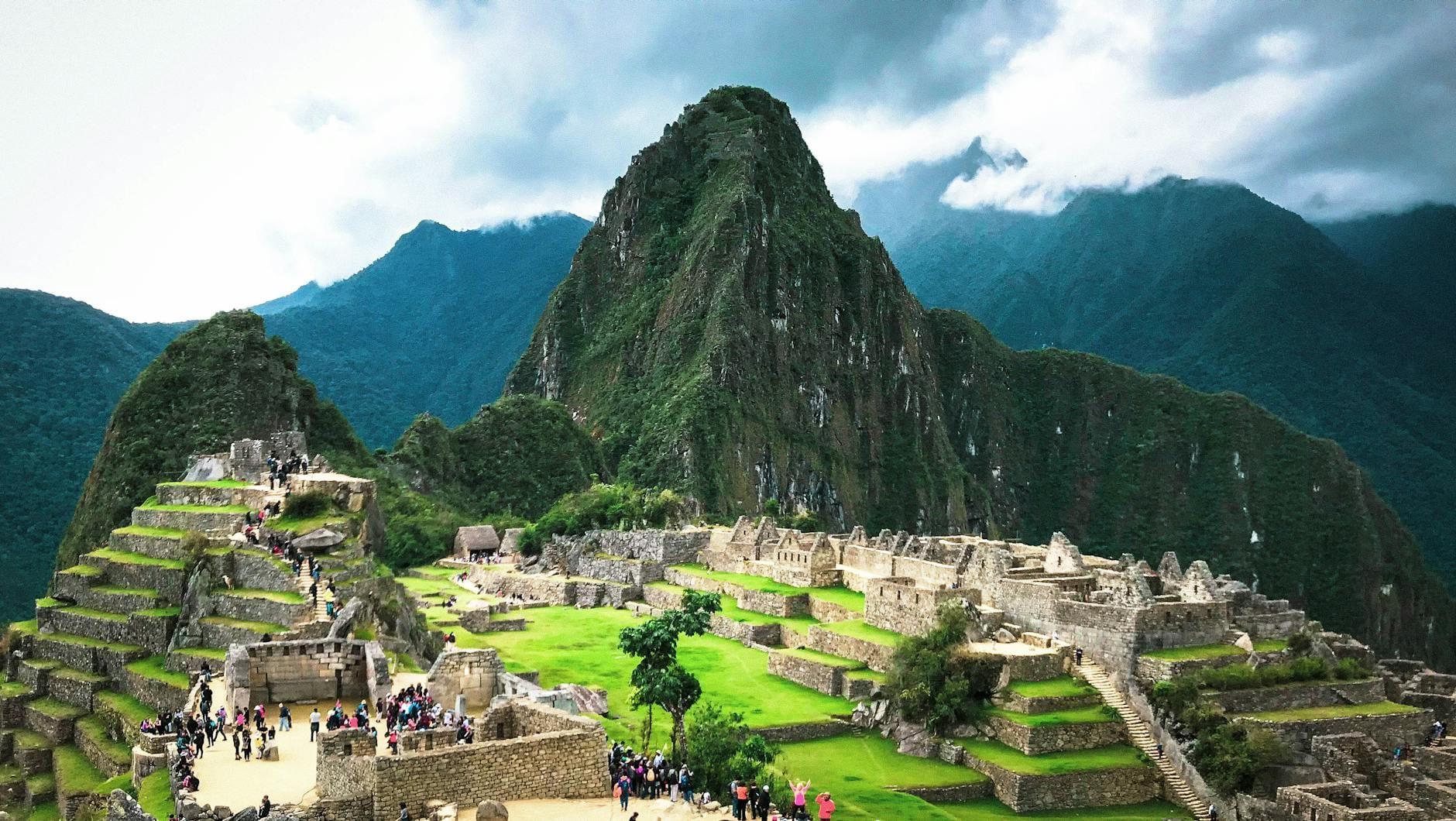
Machu Picchu
 Peru
Peru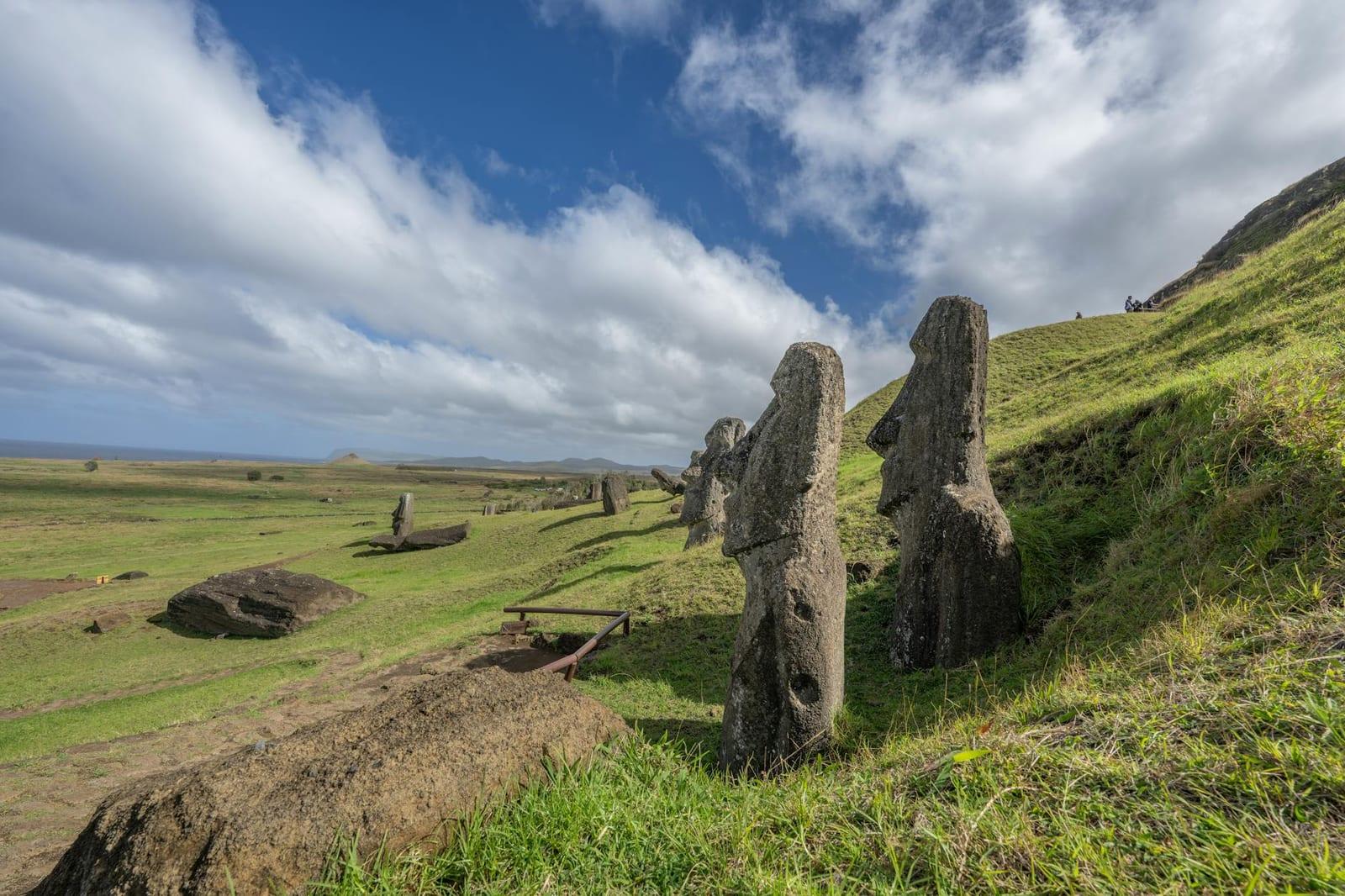
Moai Easter Island
 Chile
Chile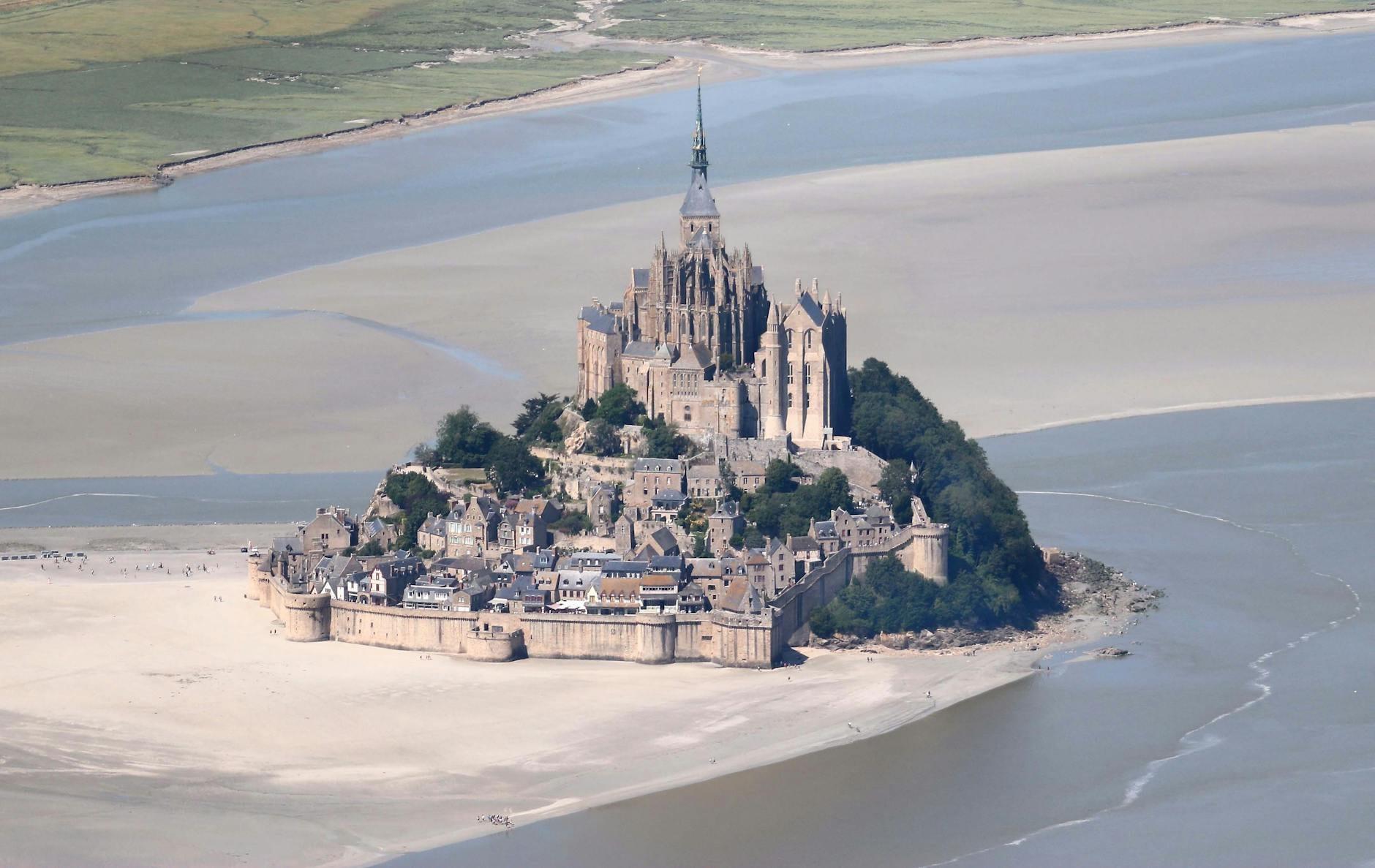
Mont St-Michel
France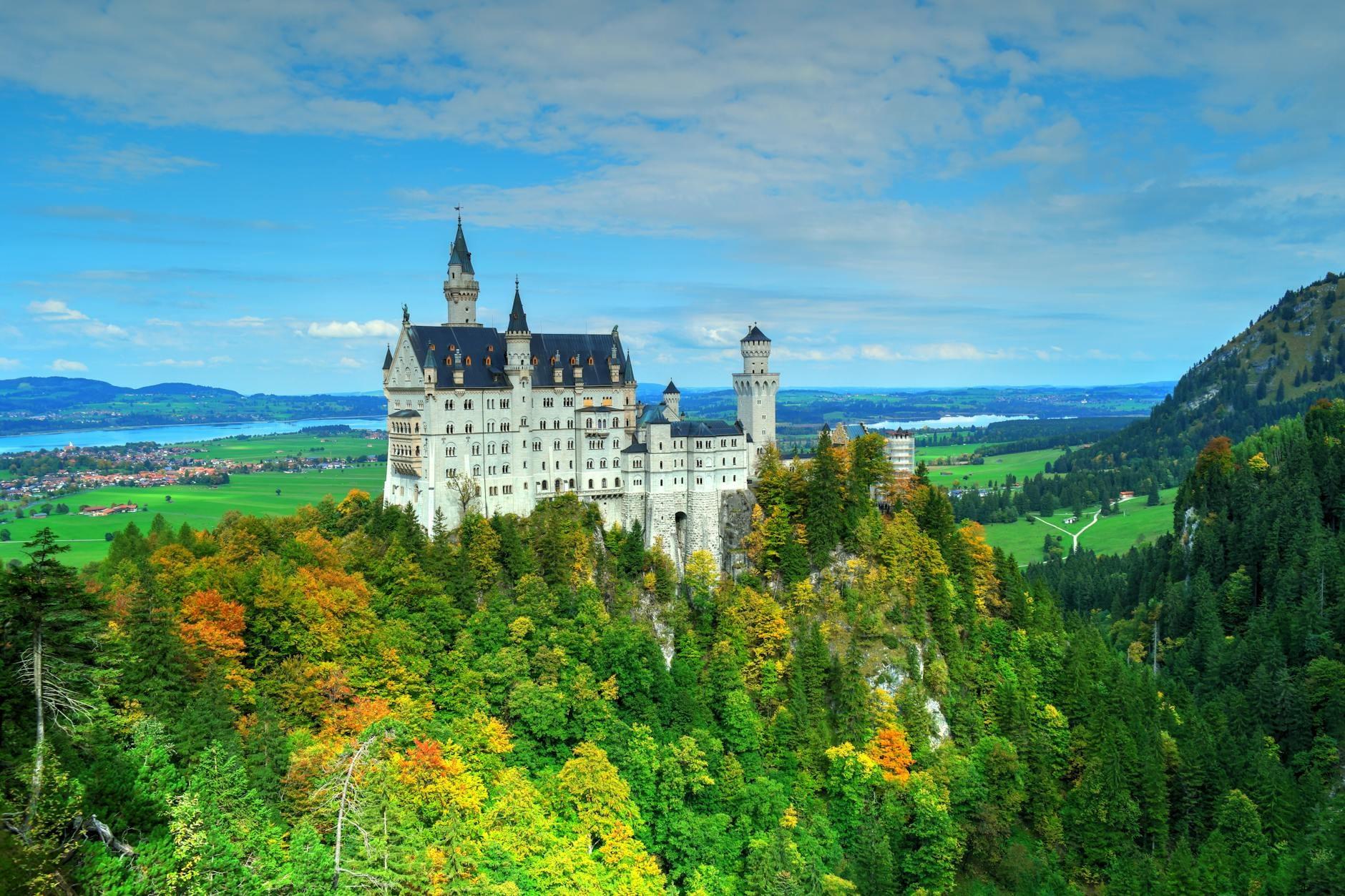
Neuschwanstein Castle
Germany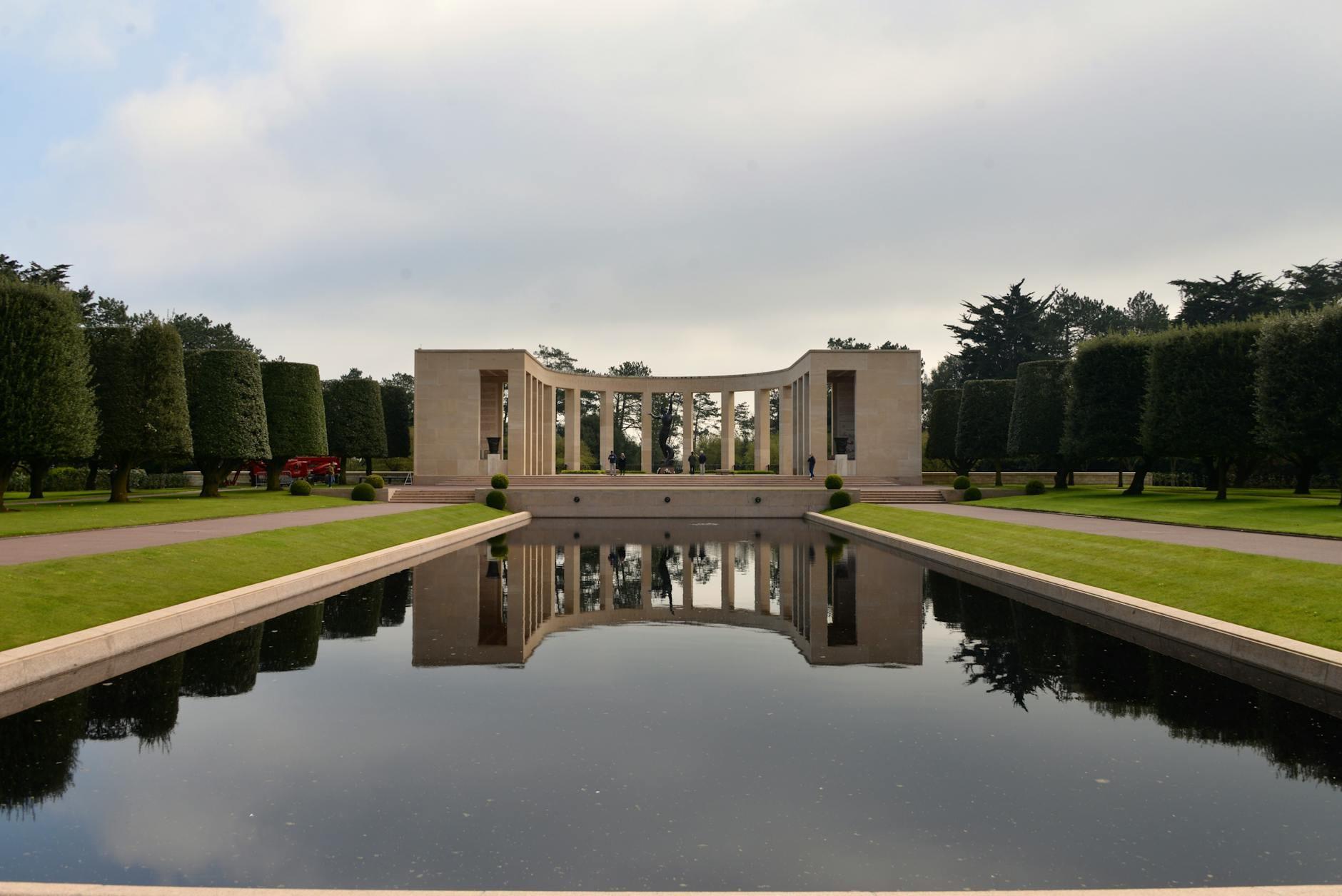
Normandy American Cemetery
France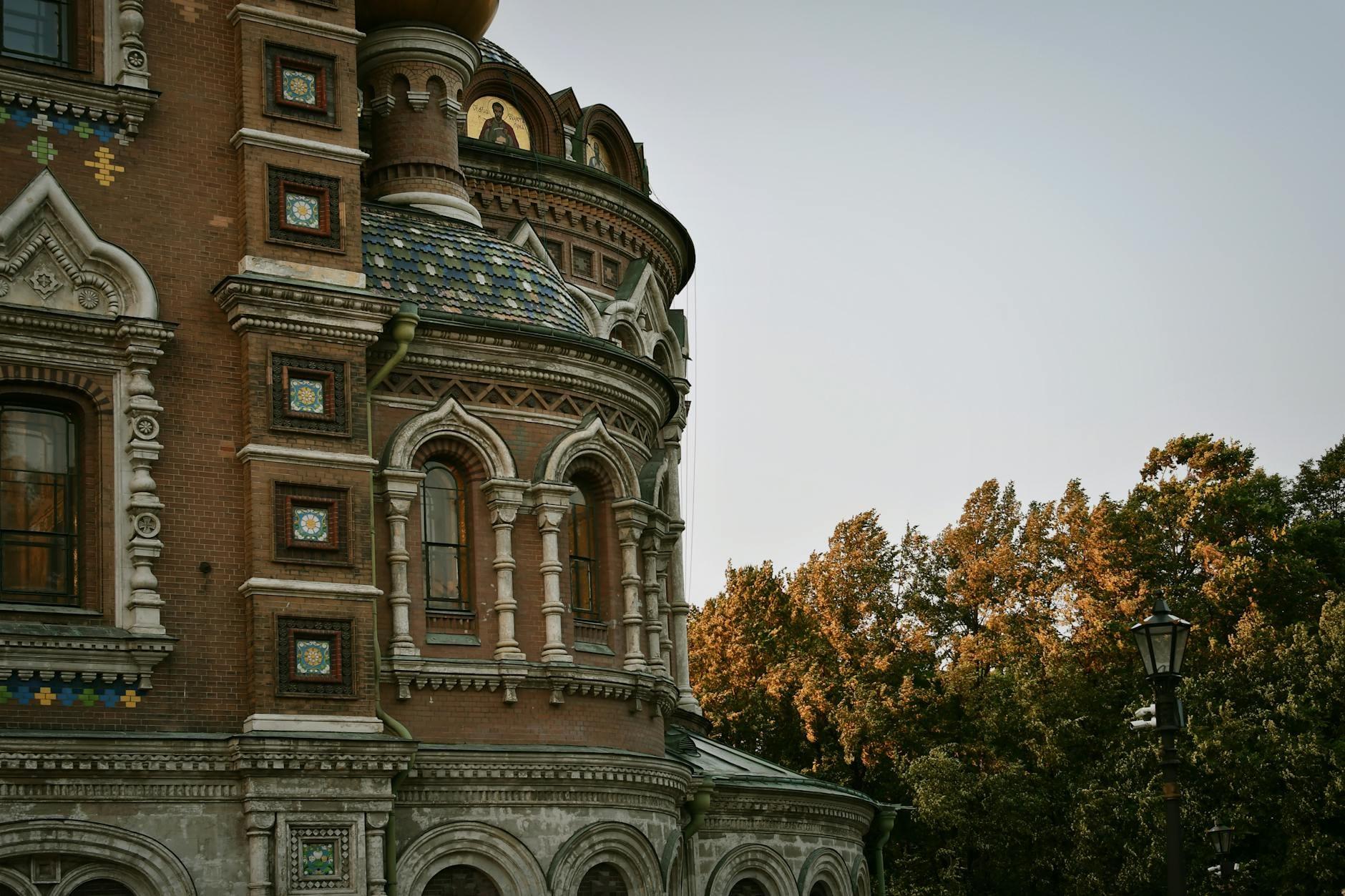
Our Savior on Spilled Blood
 Russia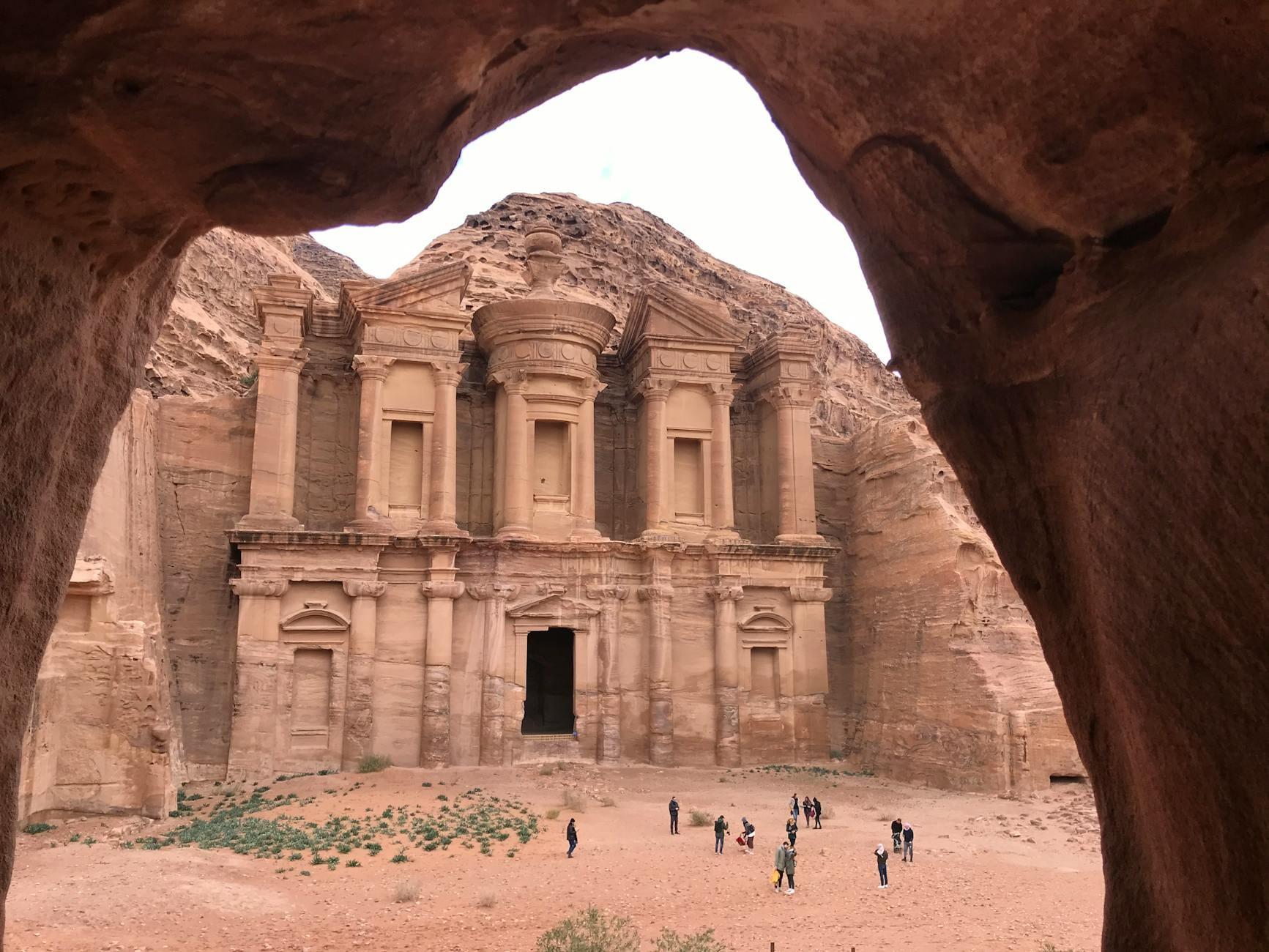
Petra
 Jordan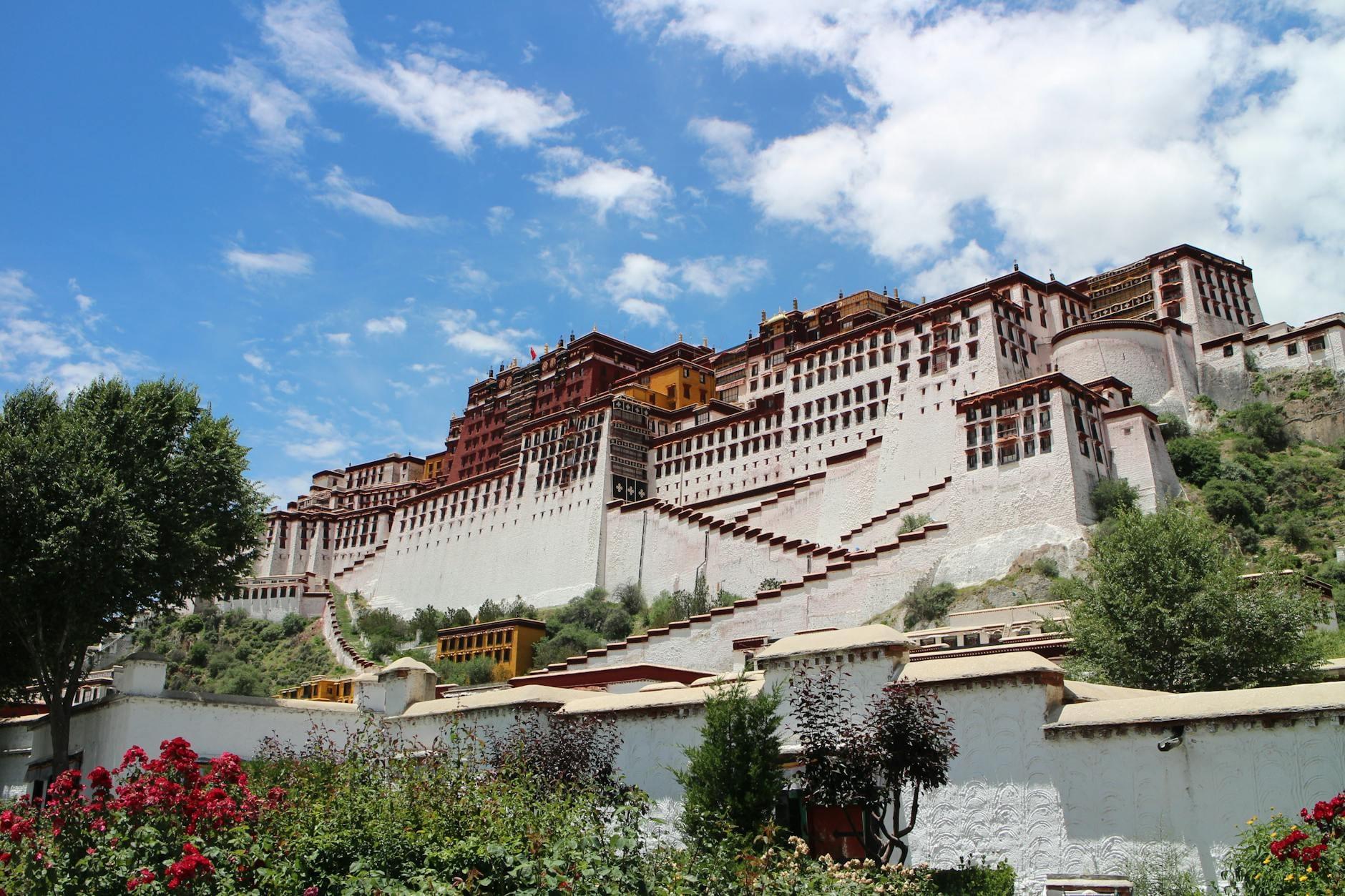
Potala Palace
China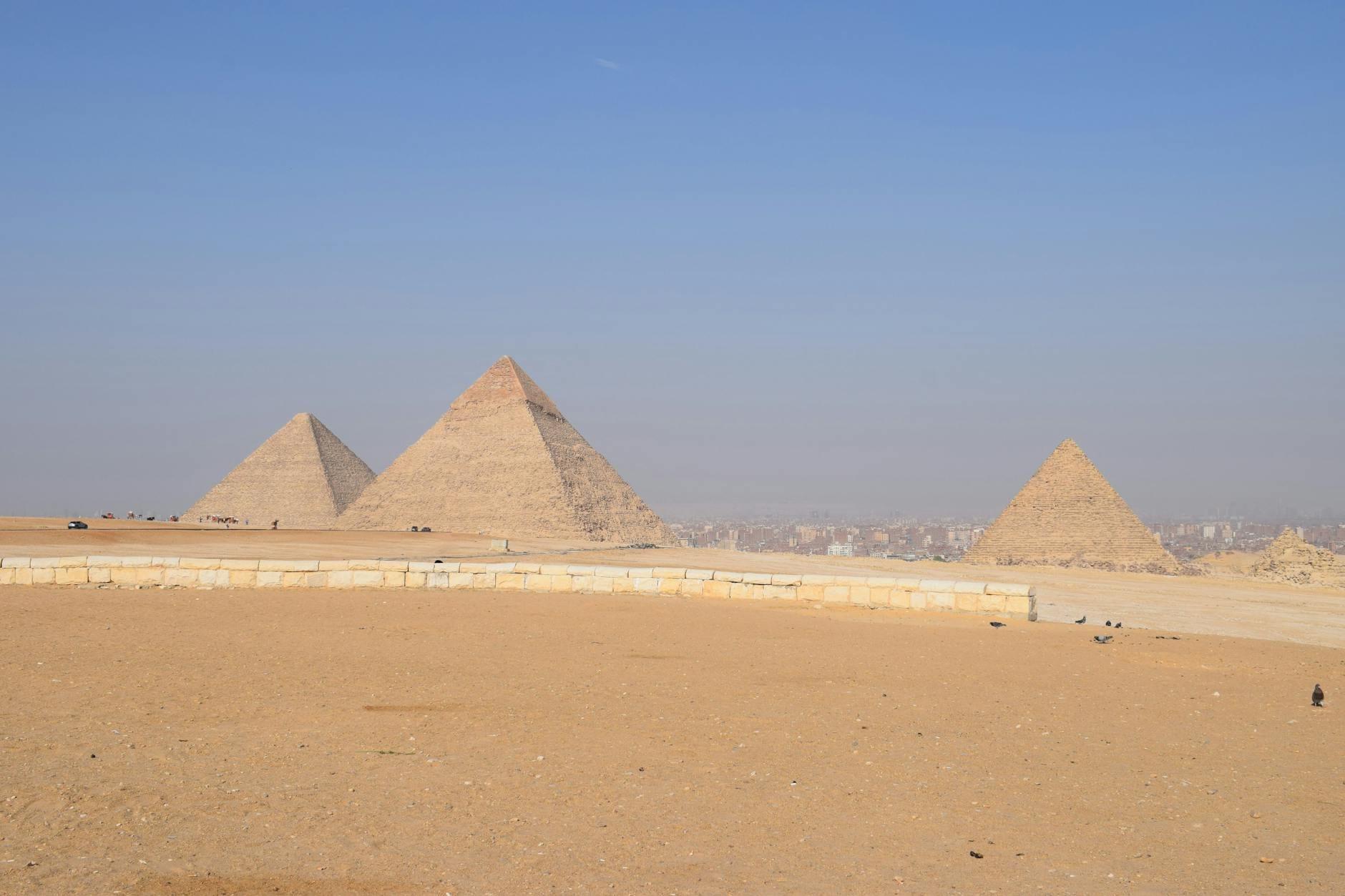
Pyramids of Giza
 Egypt
Egypt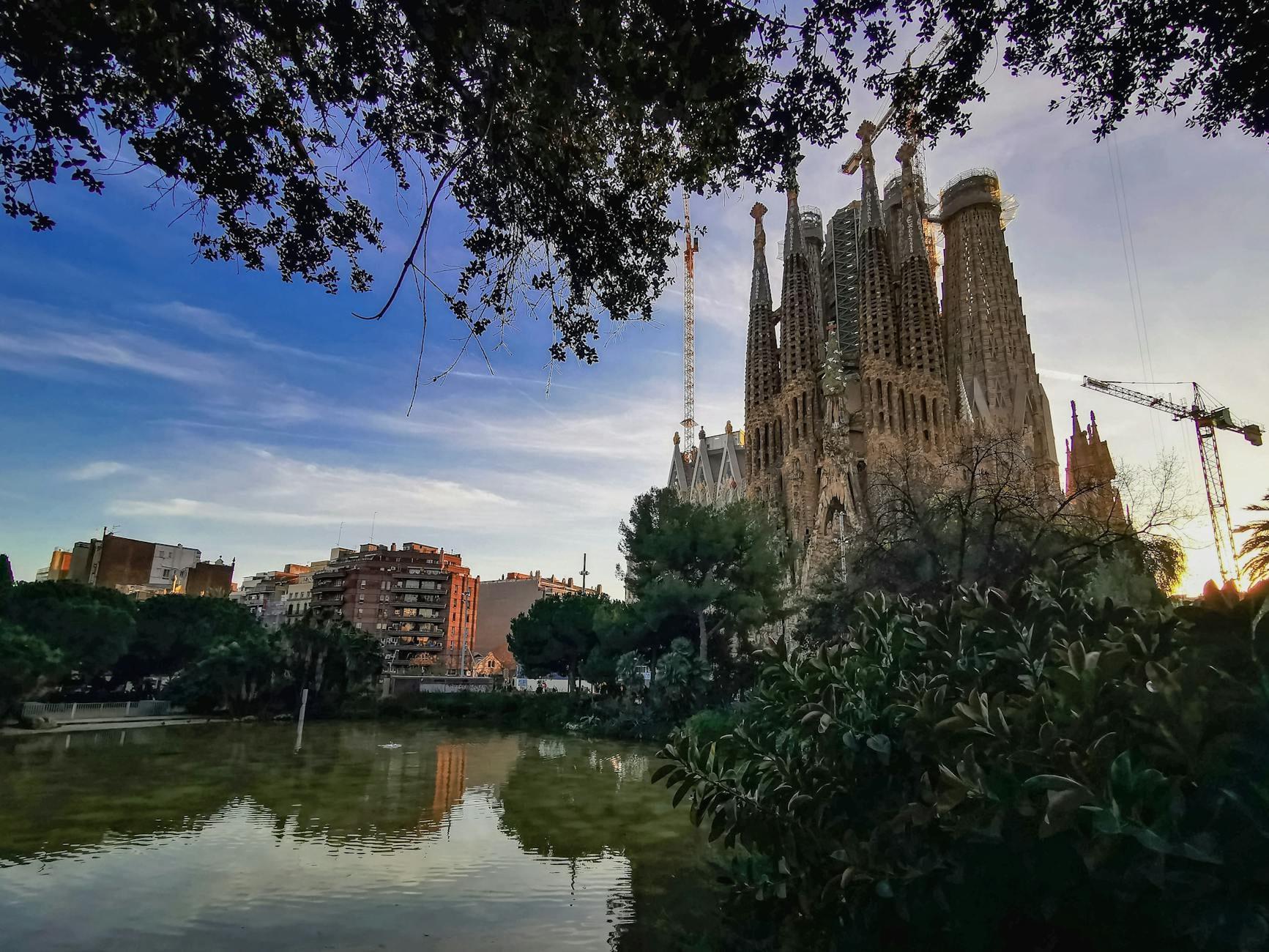
Sagrada Familia
Spain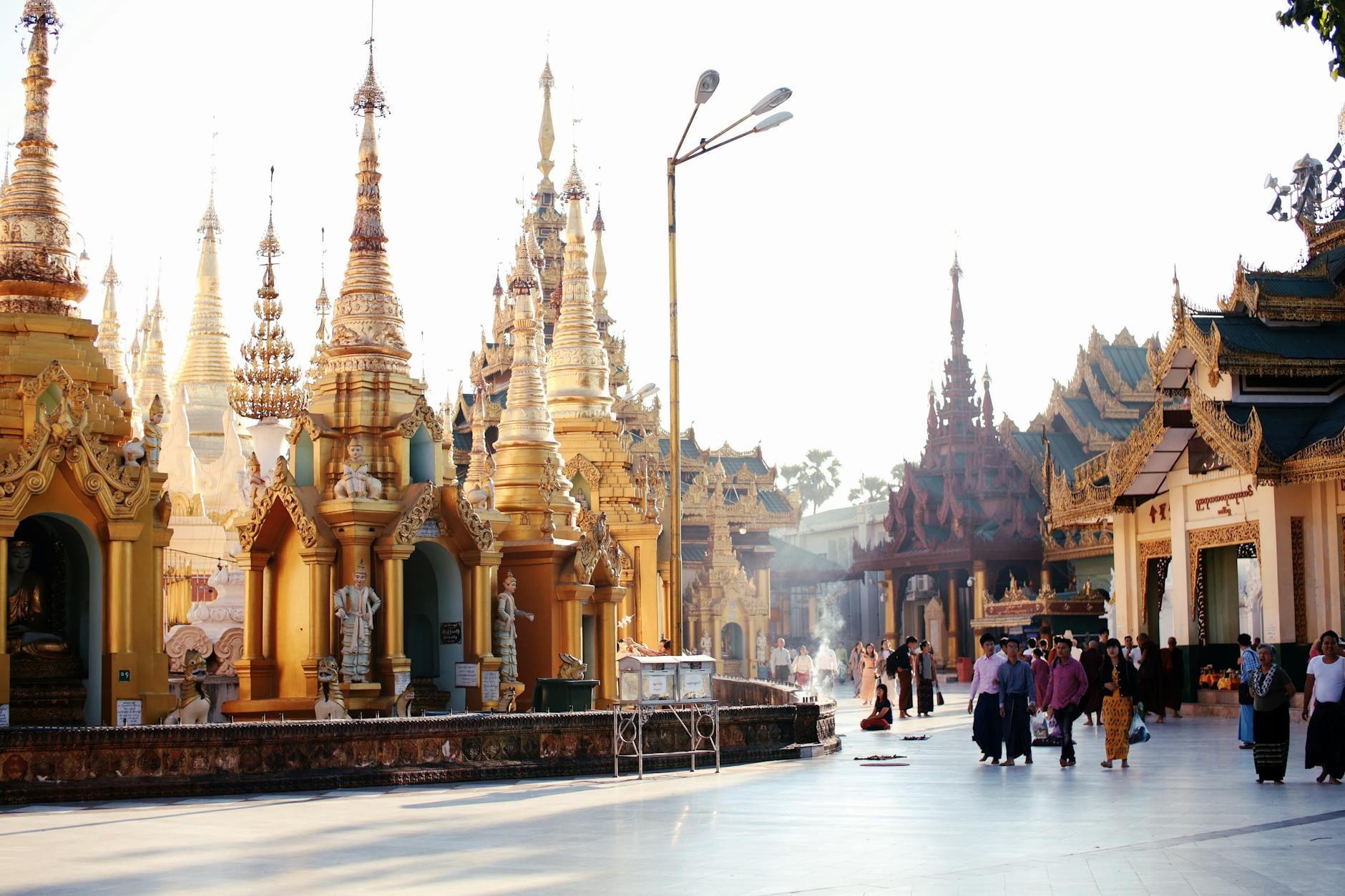
Shwedagon Pagoda
 Myanmar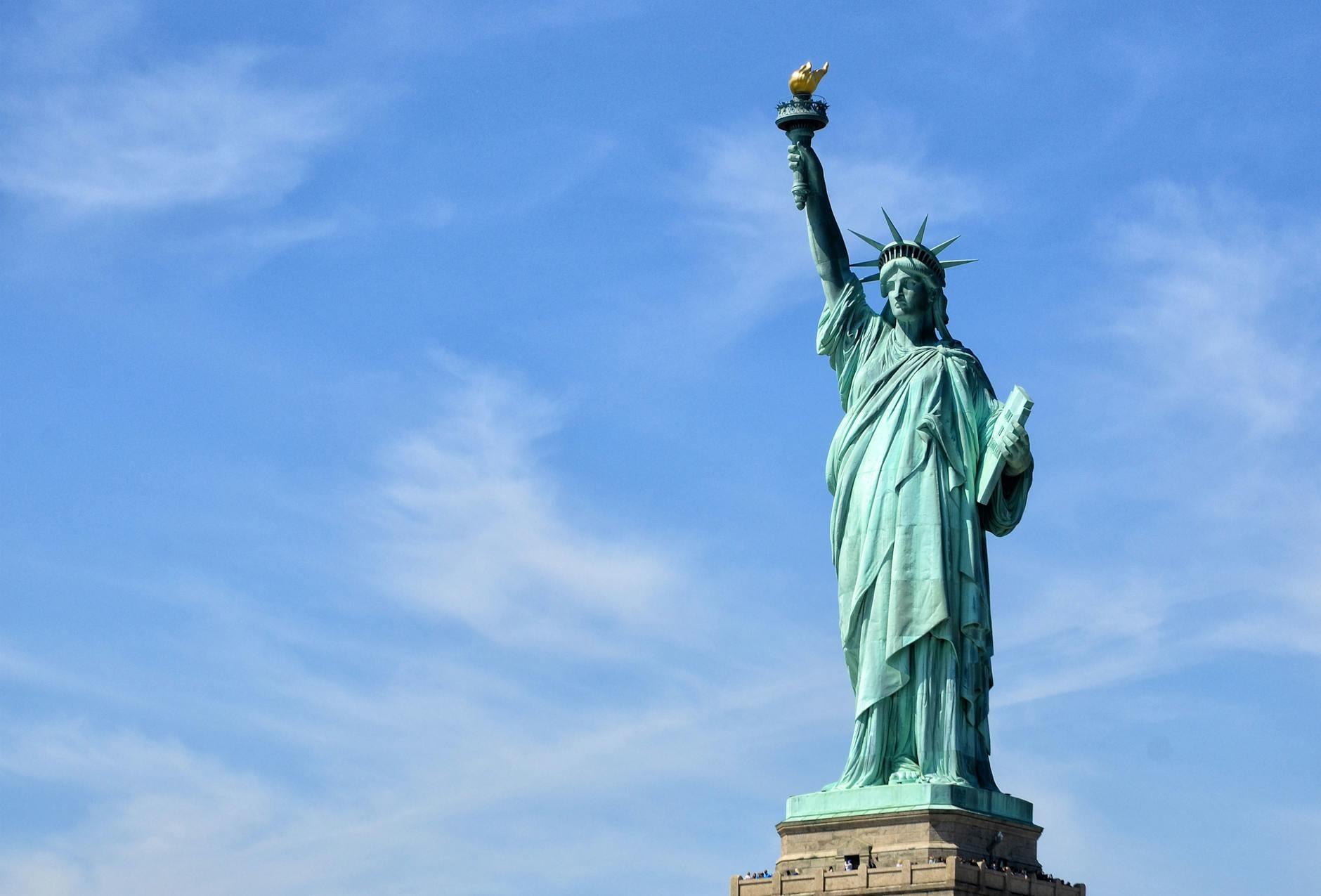
Statue of Liberty
United States
St. Basils
Russia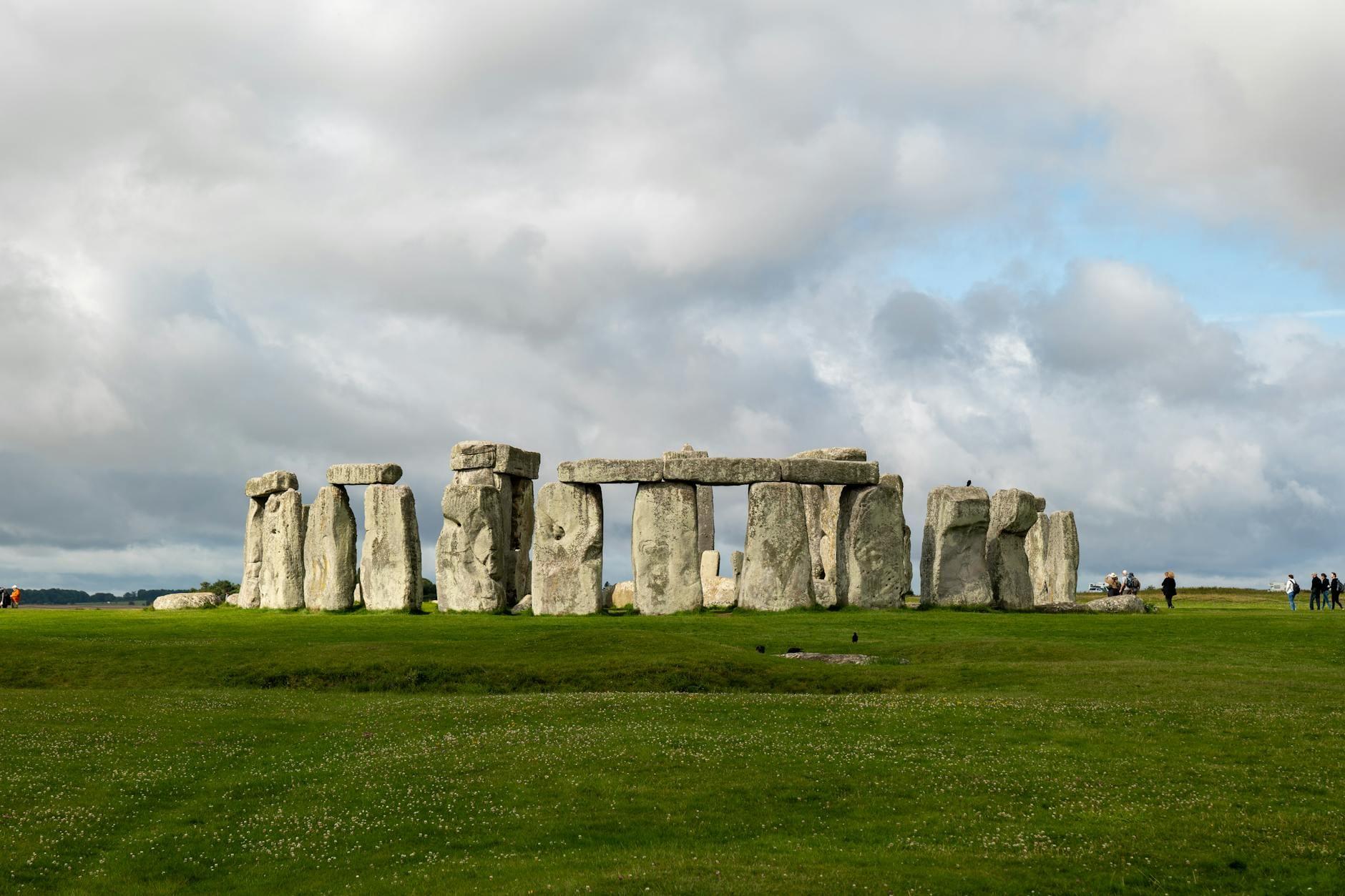
Stonehenge
England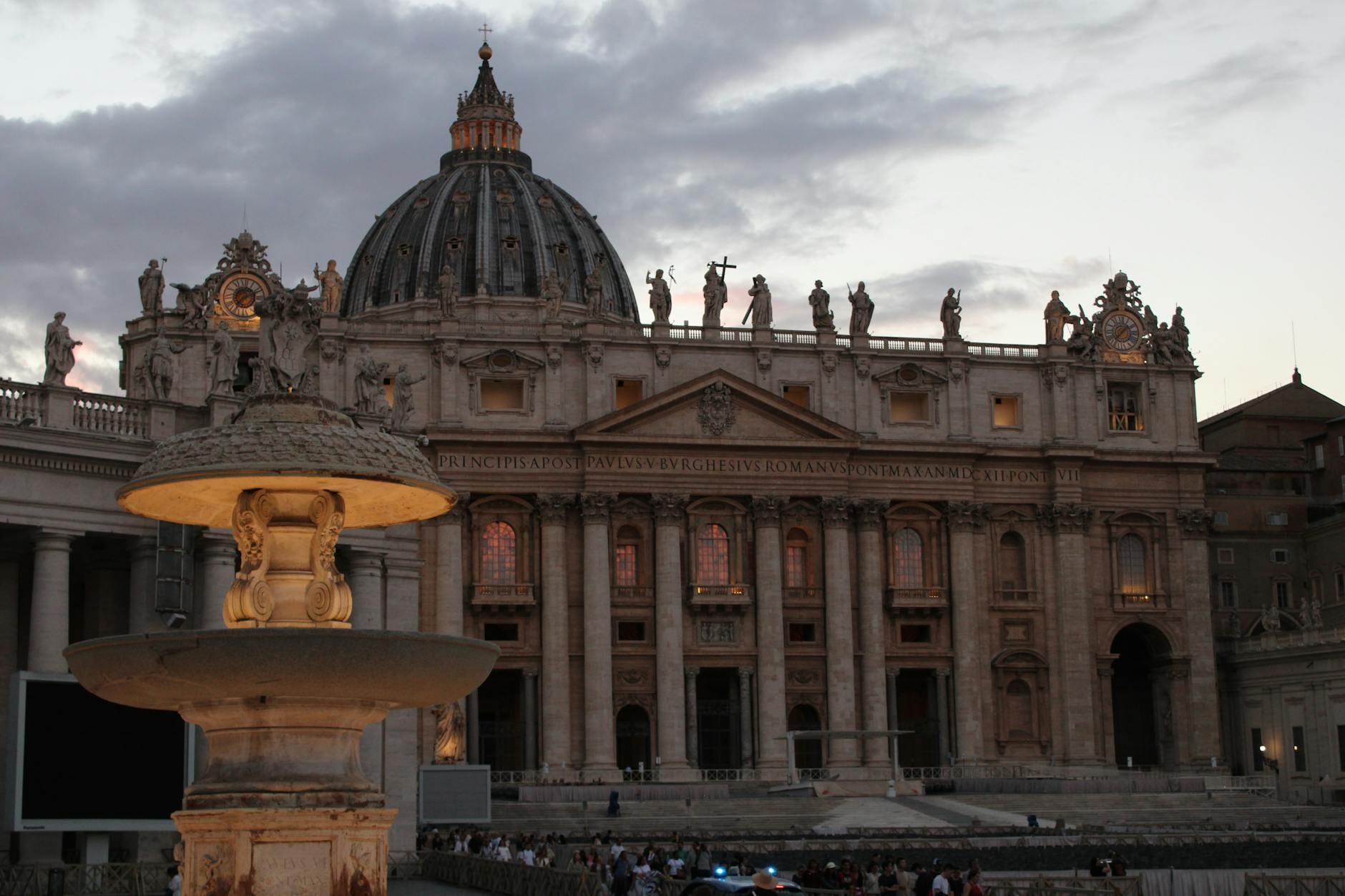
St. Peters Cathedral
 Vatican City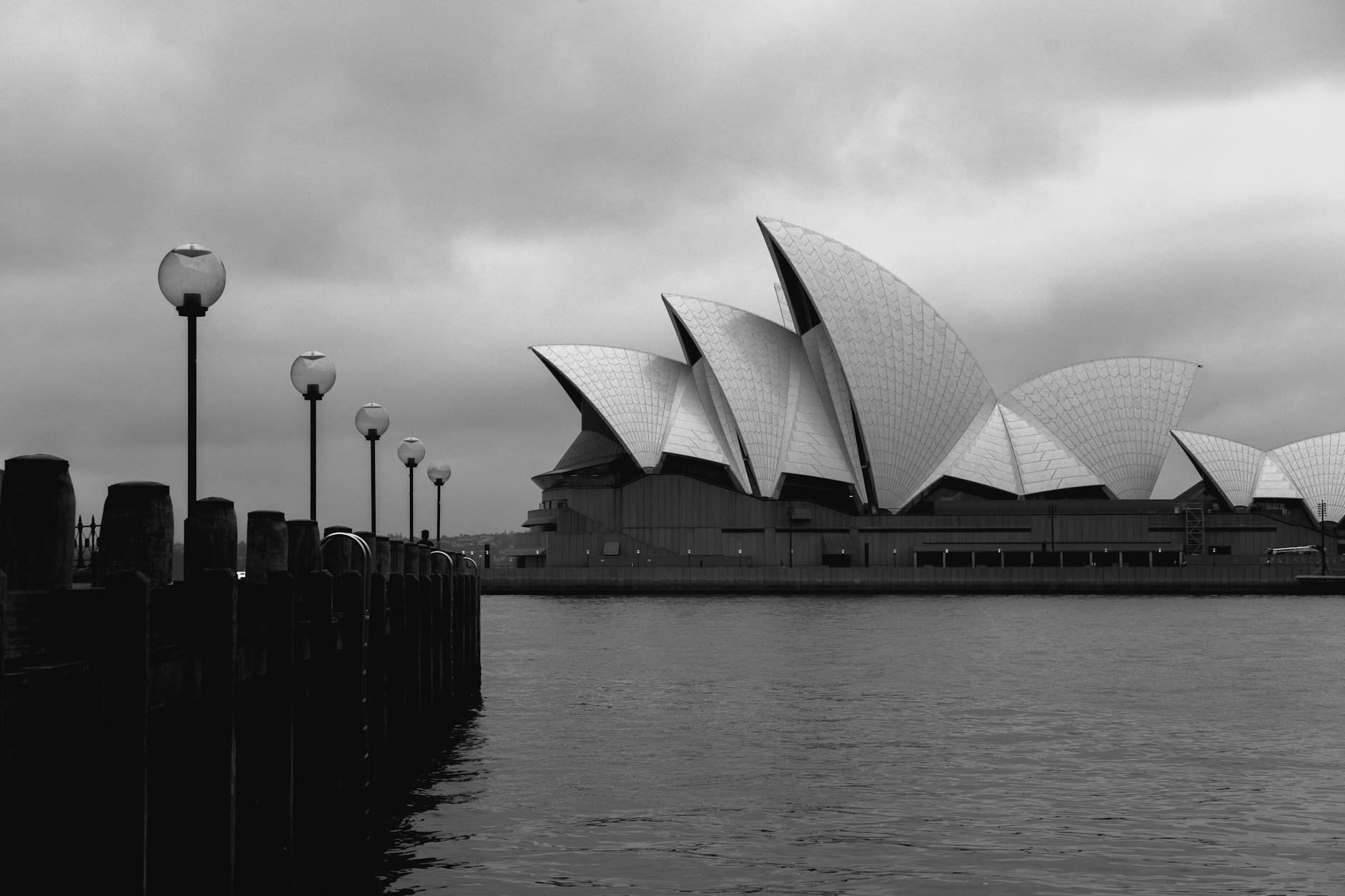
Sydney Opera House
 Australia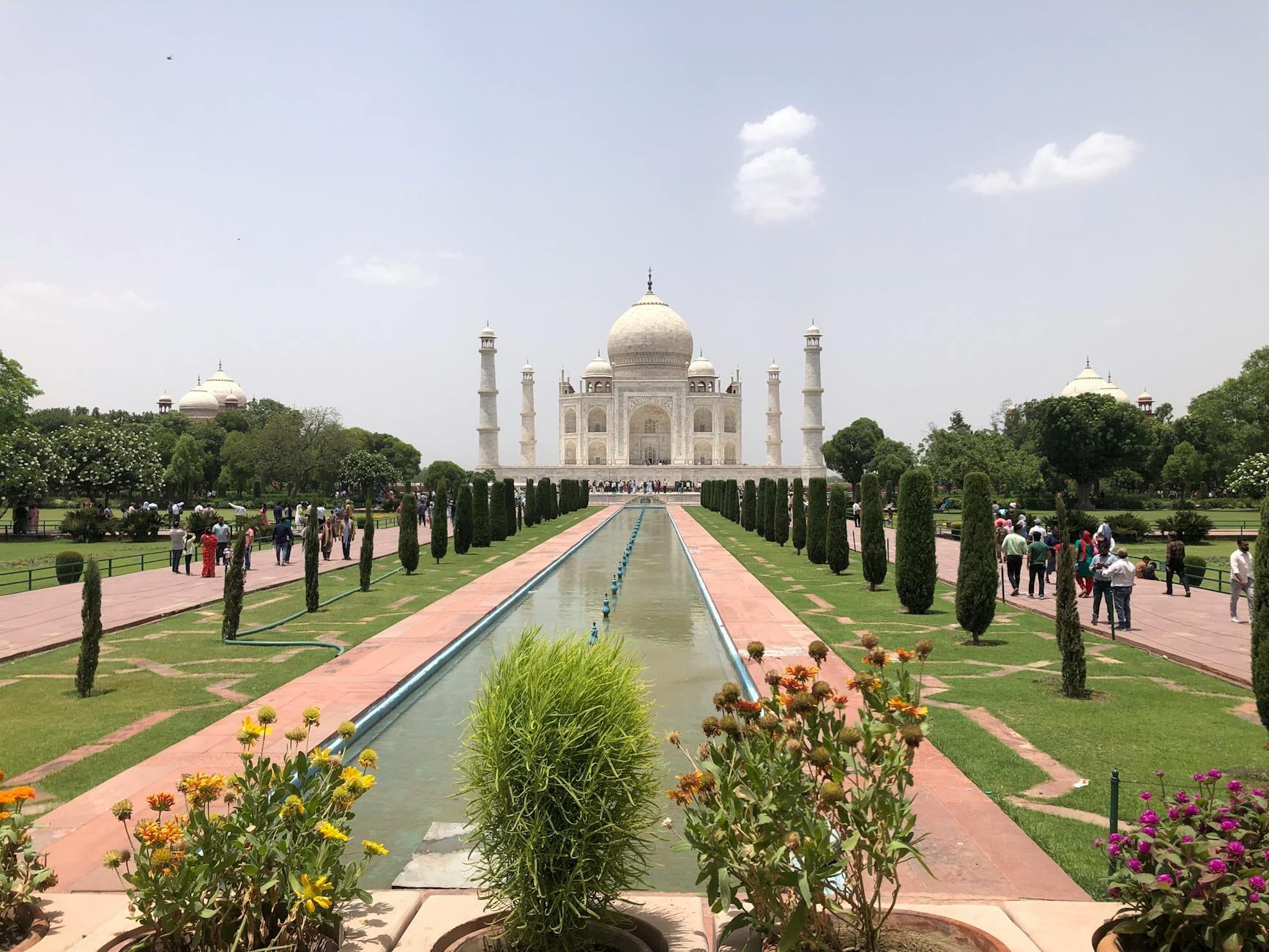
Taj Mahal
 India
India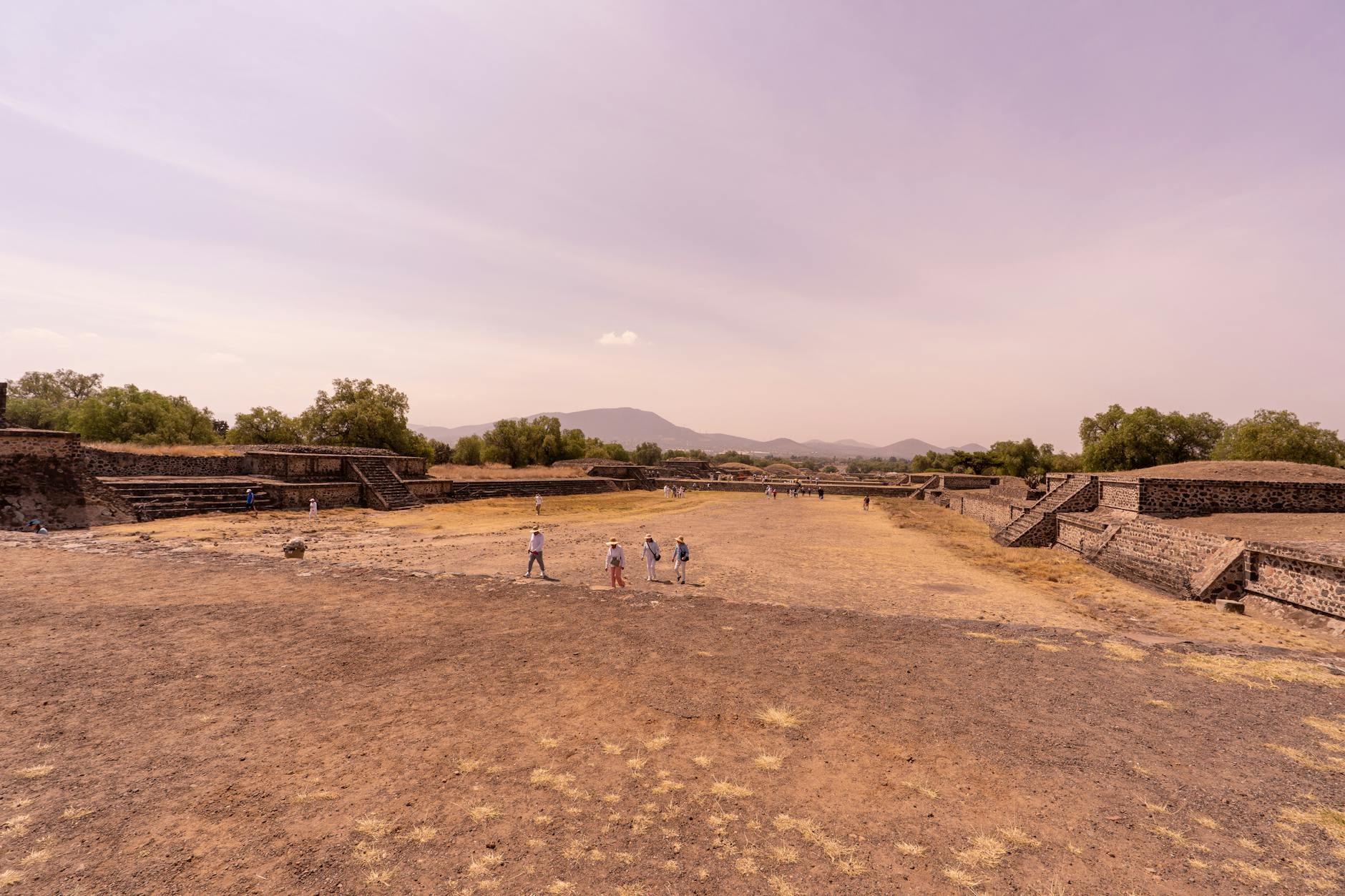
Teotihuacan
Mexico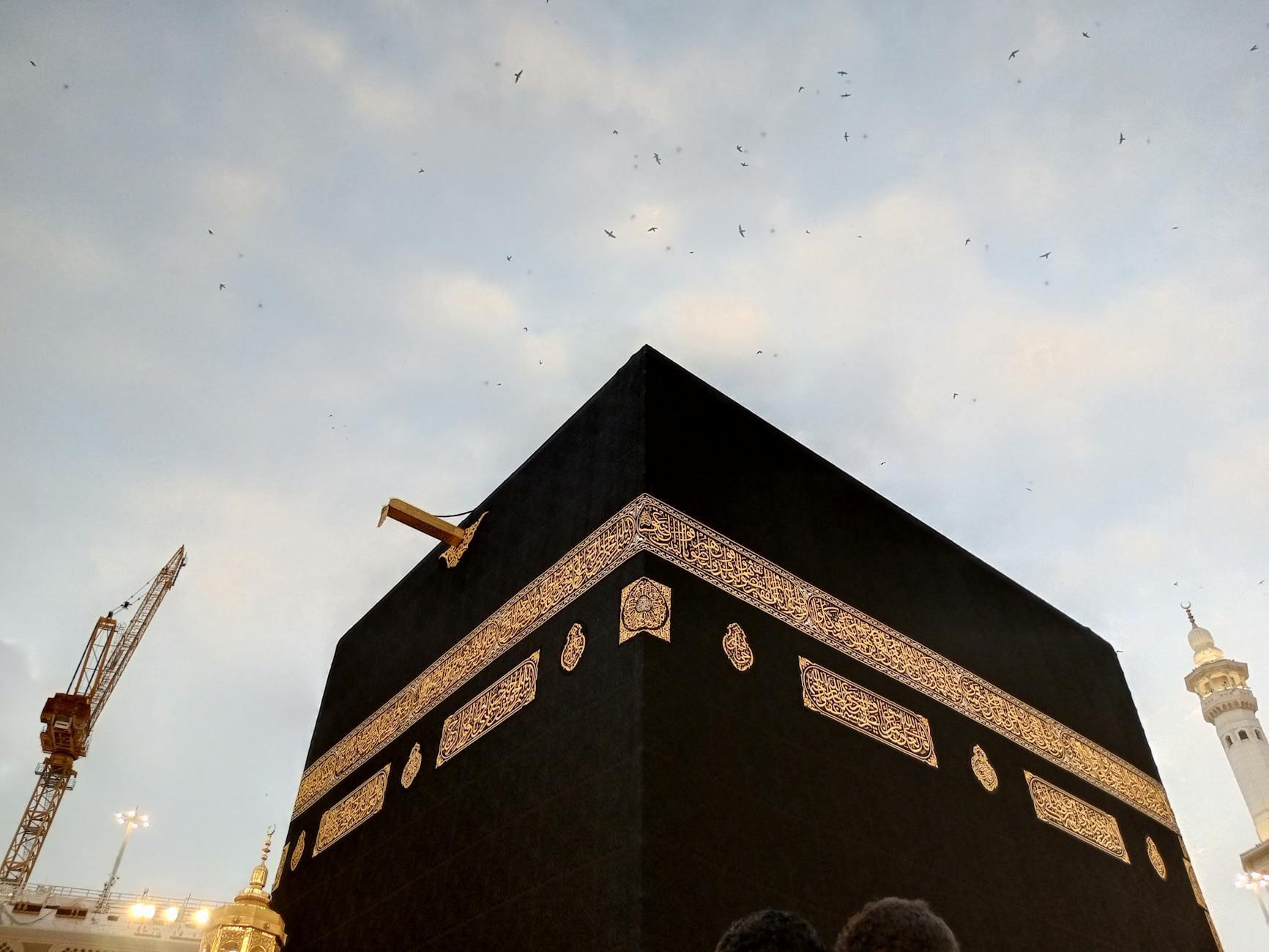
The Kaaba
 Saudi Arabia