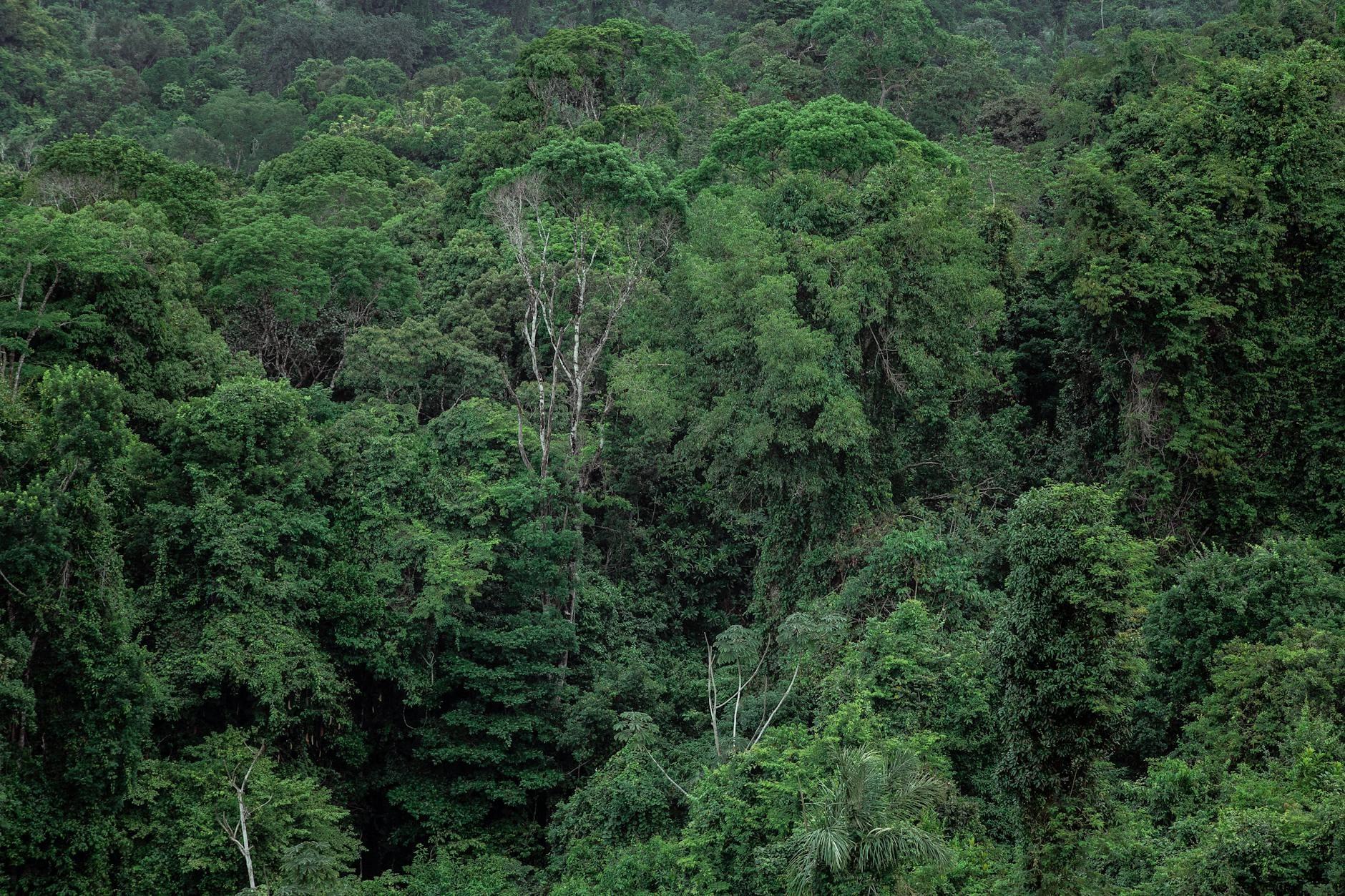
Spread across the world’s equatorial zone, rainforests receive abundant sunlight and over 100 inches of annual rain, and contain an estimated 40 to 70 percent of all the earth’s animal and plant species. This spectacular panorama of pure wilderness is often so remote, scientists estimate a new rainforest species is still being discovered every three days.
Visiting the rainforest not only gives you a firsthand view of immense biodiversity, but also helps to preserve it. While logging, ranching, and mining are rapidly destroying these forests, ecotourism gives developing countries incentive to protect their natural beauty.
Visiting a remote wilderness is not without its challenges, however. Be sure to update your vaccinations, drink only bottled water, and load up on insect repellant. Wear sturdy wet-weather gear (they call them “rainforests” for a reason) and never venture far without an experienced guide. But if you are willing to hike through dense jungle and forego having 3G service, an adventure in the rainforest will be a rewarding one.
The Amazon Rainforest Surrounding the largest river in the world, this rainforest spans eight South American countries, and contains such exotic species as the anaconda, jaguar, pink dolphin, and lots of cute little poison dart frogs.
Monteverde Cloud Forest Biological Reserve This 26,000-acre preserve hosts 161 species of amphibians and reptiles.
Corcovado National Park Named the “most biologically intense place on earth” by National Geographic. It contains a number of endangered species, including jaguars, cougars, howler monkeys, and giant anteaters.
The Congo River Basin While pristine, the area is currently plagued by political instability and an almost complete lack of tourist infrastructure.
Kinabalu Park Here in Borneo are pearly beaches and some of the oldest forests in existence. Visitors may encounter wild orangutans, pygmy elephants, clouded leopards, and rhinoceroses.