ExploretheGo.lifeConnect
Log inSign up
theGo.lifeCarpe the Diem.
ResourcesTermsPrivacy
thego.life
Witness Volcanic Activity hero
← Life list
Journey

Witness Volcanic Activity

Sign up to track this →

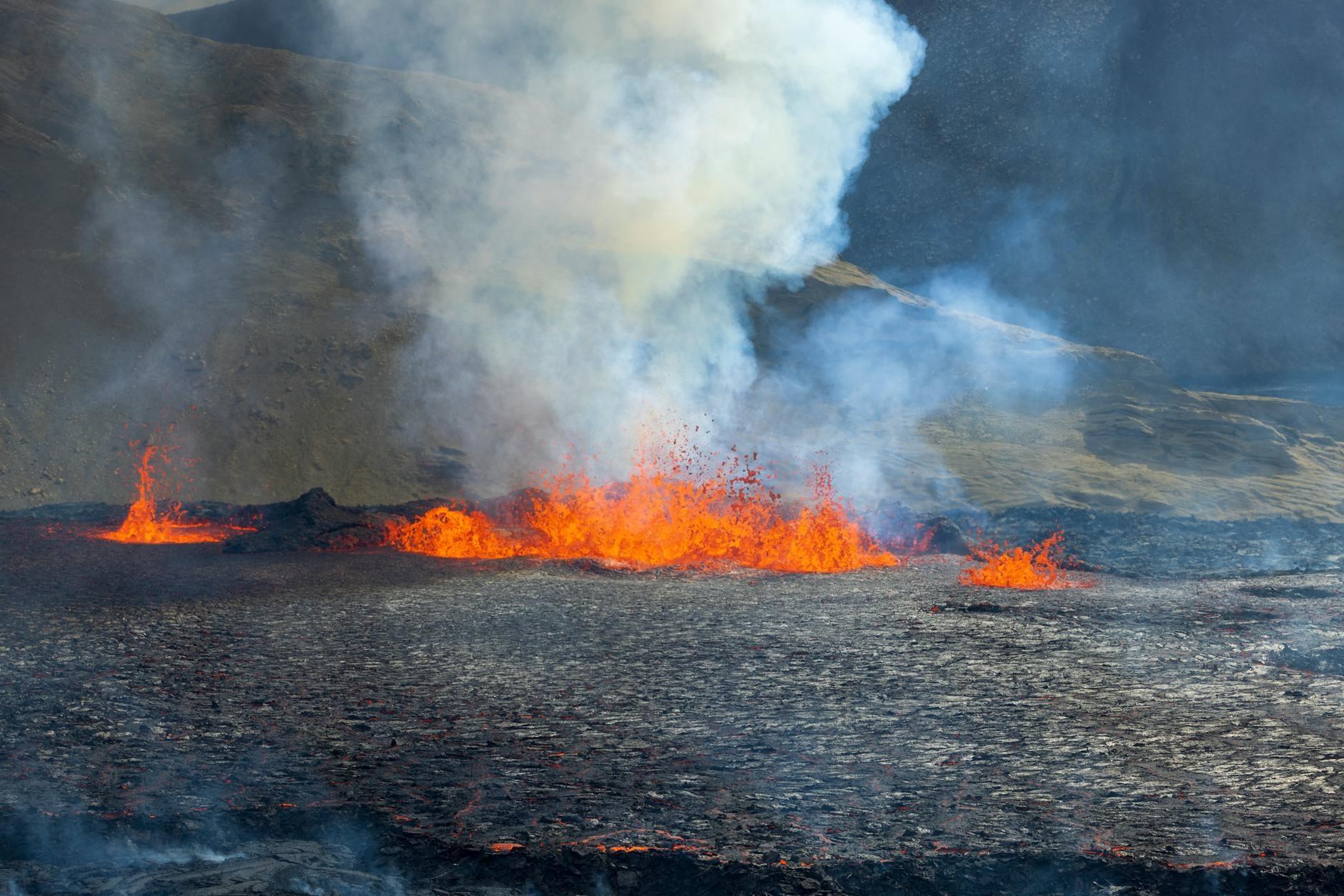
The planet rarely puts on such a show-stopping spectacle as during volcanic eruptions. When molten rock issues forth—whether it’s violently, as in the big blow of a stratovolcano, or comparatively subdued, as in the basaltic leak of a shield volcano—the inner plumbing of the Earth and some of its chief landscape-building operations are on singularly dramatic display.

Viewing such an event can certainly be breathtaking, but we’ve got to acknowledge the obvious right off the bat: Volcanoes can be highly unpredictable and terrifyingly deadly. This is true even absent encroaching lava: From the monstrous mudflows called lahars to emissions of toxic gas, plenty of volcanic hazards may materialize without an active eruption. When volcanologists are predicting major activity, flocking to the area is both foolhardy and disruptive—especially when evacuations are in process. Keep a firm grip on your common sense and trust your instincts—not, say, your photographic ambitions.

Far safe is witnessing the handiwork of volcanoes: the petrified lava flows, for instance, of Craters of the Moon National Monument & Preserve in Idaho; the flood-basalt provinces of America’s Columbia Plateau or India’s Deccan Plateau; the grand cones of dormant fire mountains such as Fuji, Hood, or Elbrus; or the geothermal wonders of Yellowstone, Iceland, or Kamchatka.

That said, there are a few spots where real-time eruptions can be somewhat reliably and safely observed. As a general rule, pay close attention to volcanological reports and accept the high probability that your trip won’t yield firsthand observation of any dramatic upheaval, as even the most unruly fire mountains are anything but predictable.

Sicily’s Mount Etna is one of the world’s most vigorous volcanoes, but most of the time the eruptions are mild, though still impressive. Villarrica in south-central Chile is also a tempestuous snowpeak; the non-technical ascent to the summit is popular, and the view of the surreal “lava lake” in the volcano’s maw is, in a word, unforgettable.

The Hawai'ian Archipelago is another celebrated destination for volcano enthusiasts, particularly the still-active Big Island. In Hawai'i Volcanoes National Park, you can appreciate the titanic bulk of the shield volcano called Mauna Loa (along with nearby Mauna Kea), but the real action goes down on Kilauea, sometimes reckoned the planet’s most active volcano. Kilauea—a knob upon Mauna Loa’s flank, yet very much its own beast—has been shuddering and spewing in its Halema`uma`u crater since 1983. While Kilauea lava occasionally debouches into the ocean in steaming splendor, the more reliable viewing is of the crater’s vaporous plumes and infernal radiance from the Jaggar Museum overlook.

Where it goes
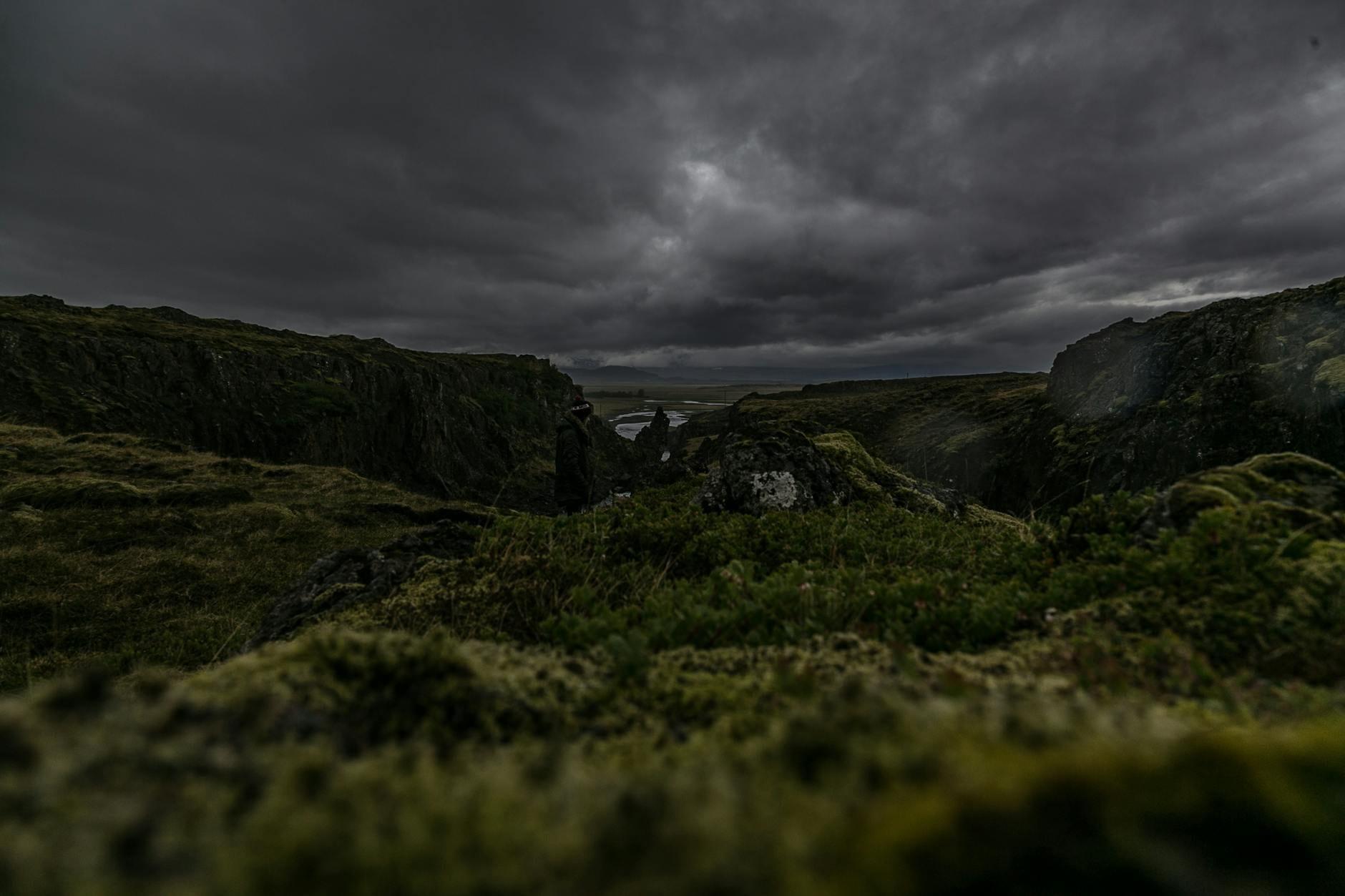
Iceland landscape
Reykjanes Peninsula
Iceland
Recent fissure eruptions accessible on day trips
United States landscape
Kīlauea
United States
Hawaii Volcanoes National Park
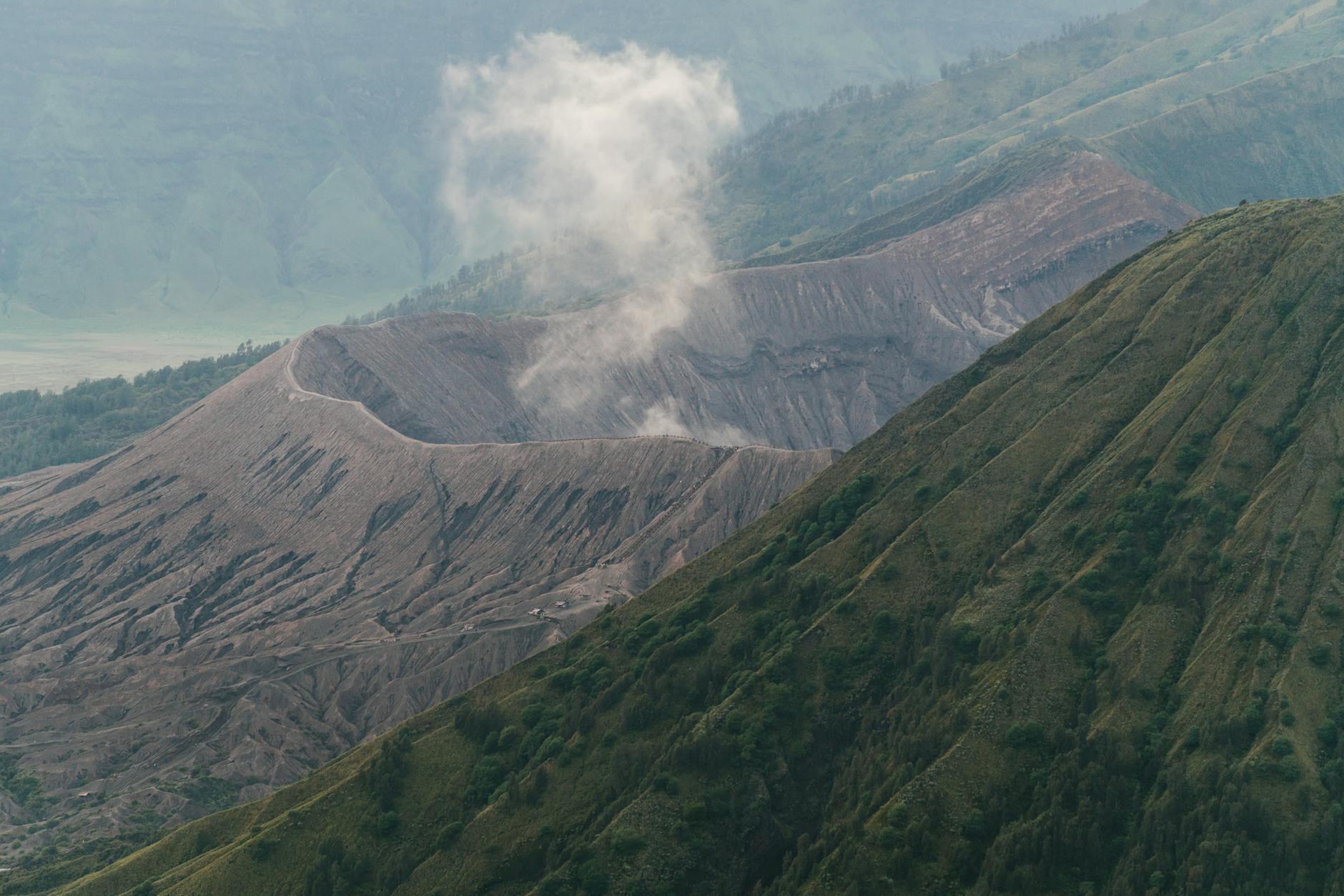
Indonesia landscape
Mount Bromo
Indonesia
Italy landscape
Stromboli
Italy
More journey
Climb Kilimanjaro
Tanzania
Climb Sand Dunes
Cross the Equator by Land
Everest Base Camp
Nepal