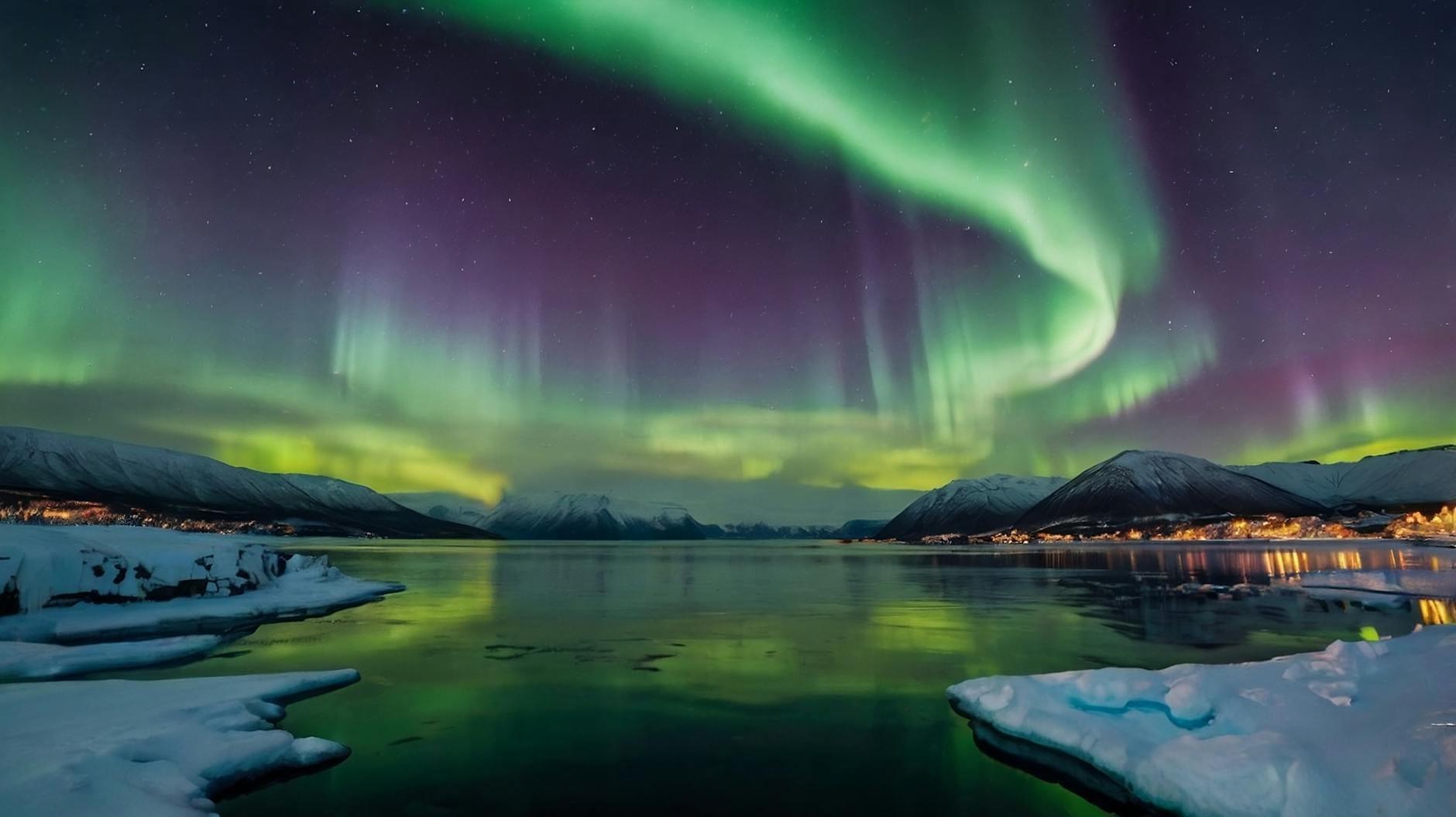
The ancient Norse believed that when Valkyries (warrior virgins carrying spears) rode across the heavens that light flickering from their armor created a dazzling show in the night sky.
Now we know that the aurora is a kind of intense space weather, whereby millions of charged particles from the sun are deflected by the earth’s magnetic field and slam into atmospheric gases, the energy from each collision resulting in a glowing particle of light.
While most popular in the northern hemisphere, the phenomenon occurs in the southern as well. But the southern lights, or aurora australis, are less well-known because they tend to be concentrated in unpopulated areas of Antarctica and the Southern Indian Ocean.
The lights range from 50 to 400 miles over the Earth, and the aurora’s color depends on which elements are struck at what altitude. Deep blue and paler violets tend to happen below 60 miles, relying on interactions with nitrogen. And the rarest deep ruby lights occur in reactions with oxygen at heights over 150 miles. While the aurora shine at all times of day, like stars, they are best viewed on clear nights, as far away from smog, city, and residential lights as possible.
To optimize viewing during the year, it is recommended to stay within the arctic circle, which includes the northern areas of Greenland, Iceland, the Scandinavian coast, northern Alaska, most of the provinces of Canada, and Siberia. Viewing times are best near midnight, between October and March. The nearly 24 hour sunlight typical of summer at the poles limits viewing, so winter is ideal, if chilly. When planning a trip, it is recommended that one also look at the “kp index” - an electromagnetic activity reading of 2 or more is considered ideal.
the three best locations for viewing are considered the following:
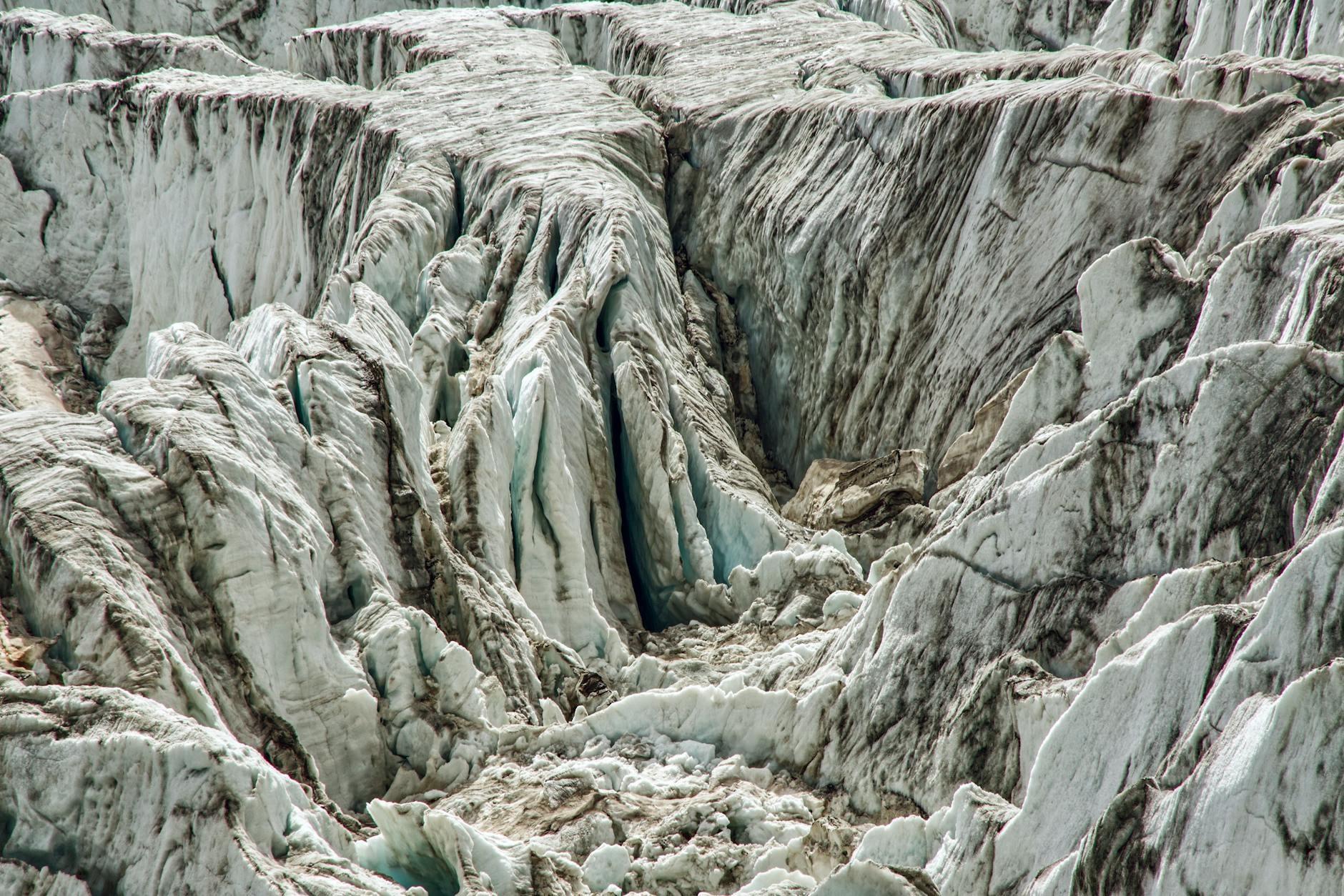
The Jokulsarlon Glacier Lagoon in Iceland. Though the lights can be seen from anywhere in Iceland, a boat tour of the iceberg-filled water, reflecting the lights in every direction, enhances the spectacle to a mystical experience. Also see this
the ice hotel in Abisko, Sweden has some gorgeous locations.
Finally, for long range planners, the solar cycle is approximately 11 years long, at which point an exceptionally strong solar burst, or coronal mass ejection, sends an extra large mass of charged ions into earth’s electromagnetic field. When that happens, the field bends so much that the lights are visible much farther south (or north) than usual. During these periods, aurora borealis sitings have occurred as far south as New Orleans and even Mexico. The last peak period was the winter of 2013-2014, so viewing trips scheduled in 2014 will likely have much more location flexibility.
You can increase your odds of catching the aurora by being in the right location during the time of year that aurora activity is typically the strongest. Seeing the aurora borealis is more likely than the aurora australis, simply because the best place to see the Southern Lights is near the South Pole… which is mostly Antarctica. You have a good shot if you are hanging out at a research facility, but the few tours that visit Antarctica usually visit during the warmer months, when the aurora is less active.
Aurora activity generally peaks from late autumn to early winter, and if you are chasing the aurora borealis, you want to be above the arctic circle. You can also increase your chances by checking with an online predictor, such as the National Oceanic and Atmospheric Administration’s Space Weather Prediction Center ( This site interprets current “space weather” conditions to predict when an aurora is more or less likely to occur.
The aurora borealis can be viewed from many locations, but here are five top sites we recommend:
Svalbard, Norway
Not only are these Norwegian islands located above the Arctic Circle, but they have no daylight from November to January. These “Polar Nights” in an extremely active northern locale create ideal conditions for viewing the cosmic fireworks, both day and night. These advantages make Svalbard one of the top locations for aurora seekers.
2. Urho Kekkonen National Park, Finland
Finland’s largest national park is located well above the arctic circle and sees the Northern Lights more than 200 times a year. You can even stay in a glass igloo at the nearby Kakslauttanen Resort and see the Lights without leaving your room.
3. Reykjavik, Iceland
The Hotel Rangá is located in a rural area and experiences minimal light pollution. It even offers wake-up calls if the Aurora appears. You can try a little dog-sledding, snowmobiling, or cave exploration while you’re waiting around.
4. Churchill, Canada
The town experiences more than 300 auroras every year, and because of high activity, you have a better shot of seeing the rarer blue, red, and violet colors swirling with the more typical green lights. All the polar bears running around Churchill are just an added bonus.
5. Fairbanks, Alaska
You don’t even have to leave the States to view the aurora. The Chena Hot Springs resort was founded 100 years ago and is located far enough away from the city center to avoid heavy light pollution. In your downtime, you can visit the Ice Museum, which offers vodka “appletinis" in hand-carved ice glasses, or soak in the geothermal hot spring. Since the aurora usually shows between 10 PM and 4 AM, the resort offers wake-up calls to any lodger who doesn’t want to miss the show.
If you are determined to chase the aurora australis, we recommend visiting Tasmania, just off the Australian coast, or New Zealand. There are no guarantees that you will catch the Southern Lights, but since both are true tourist destinations, you should have plenty to see and do while you wait.