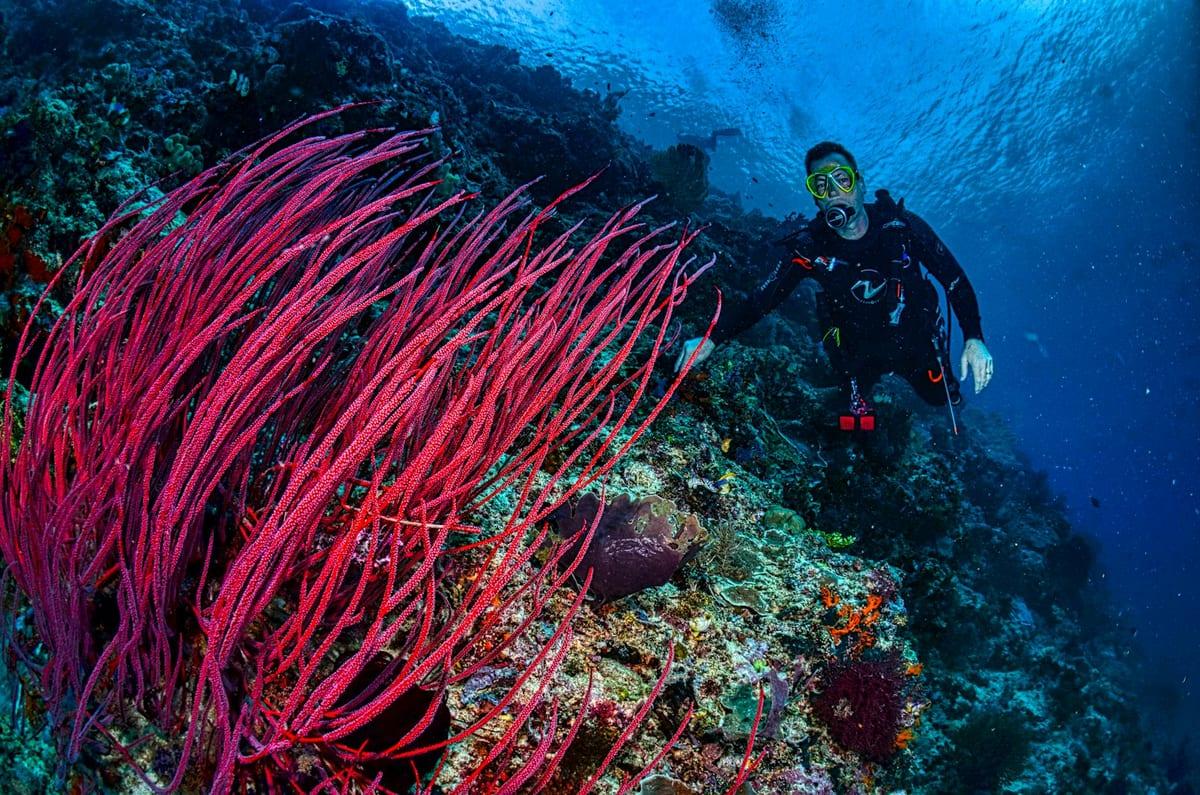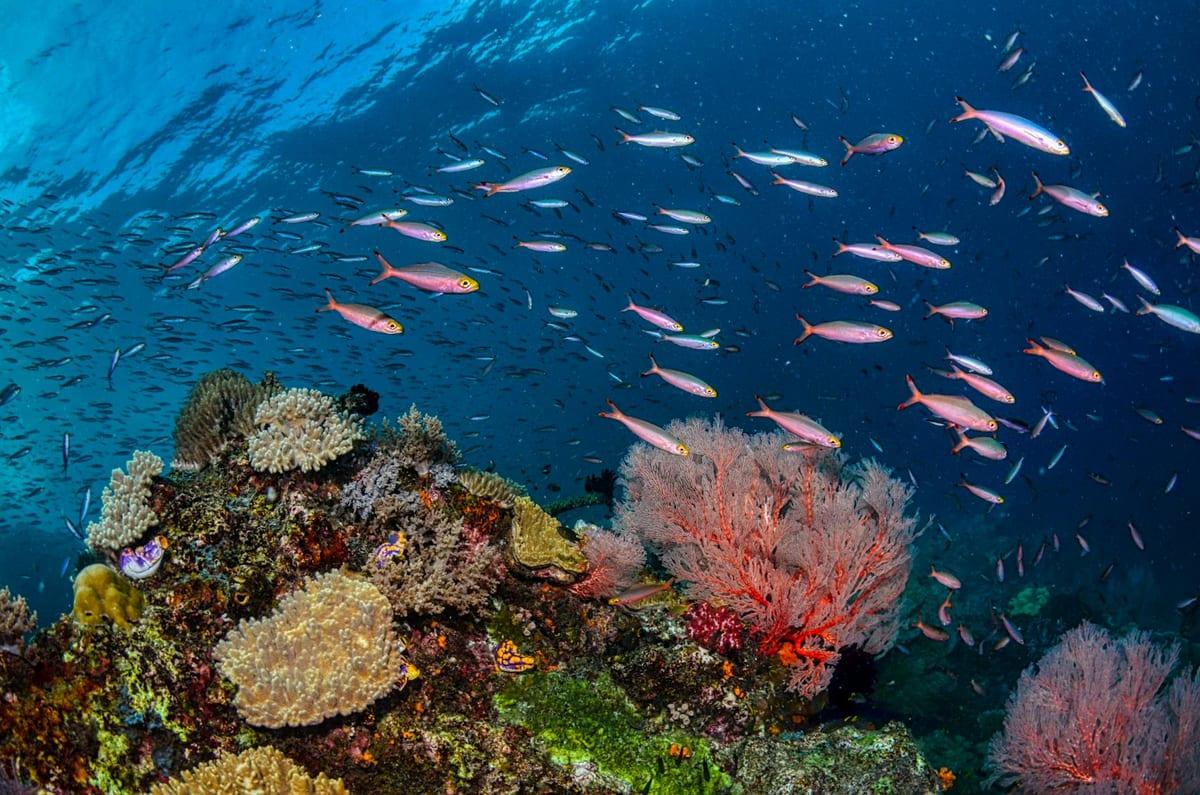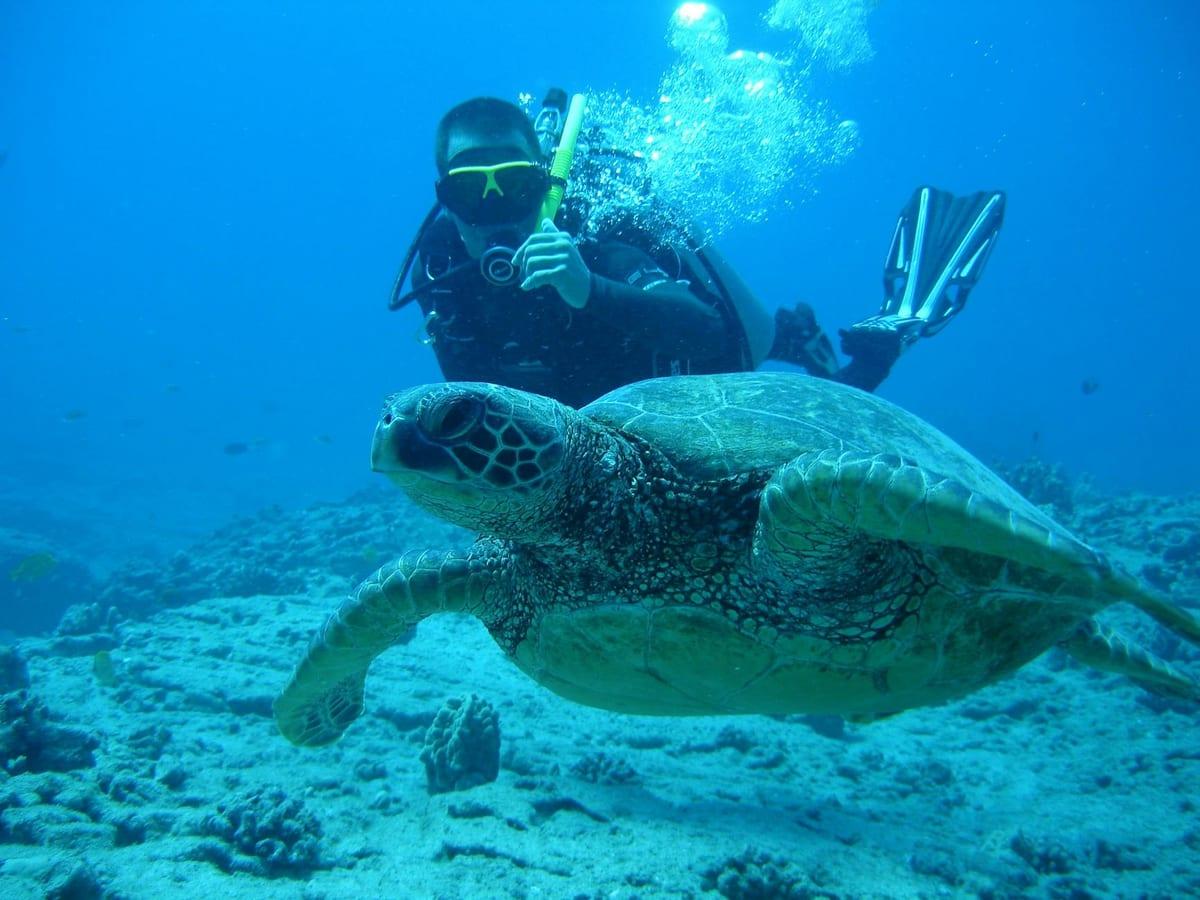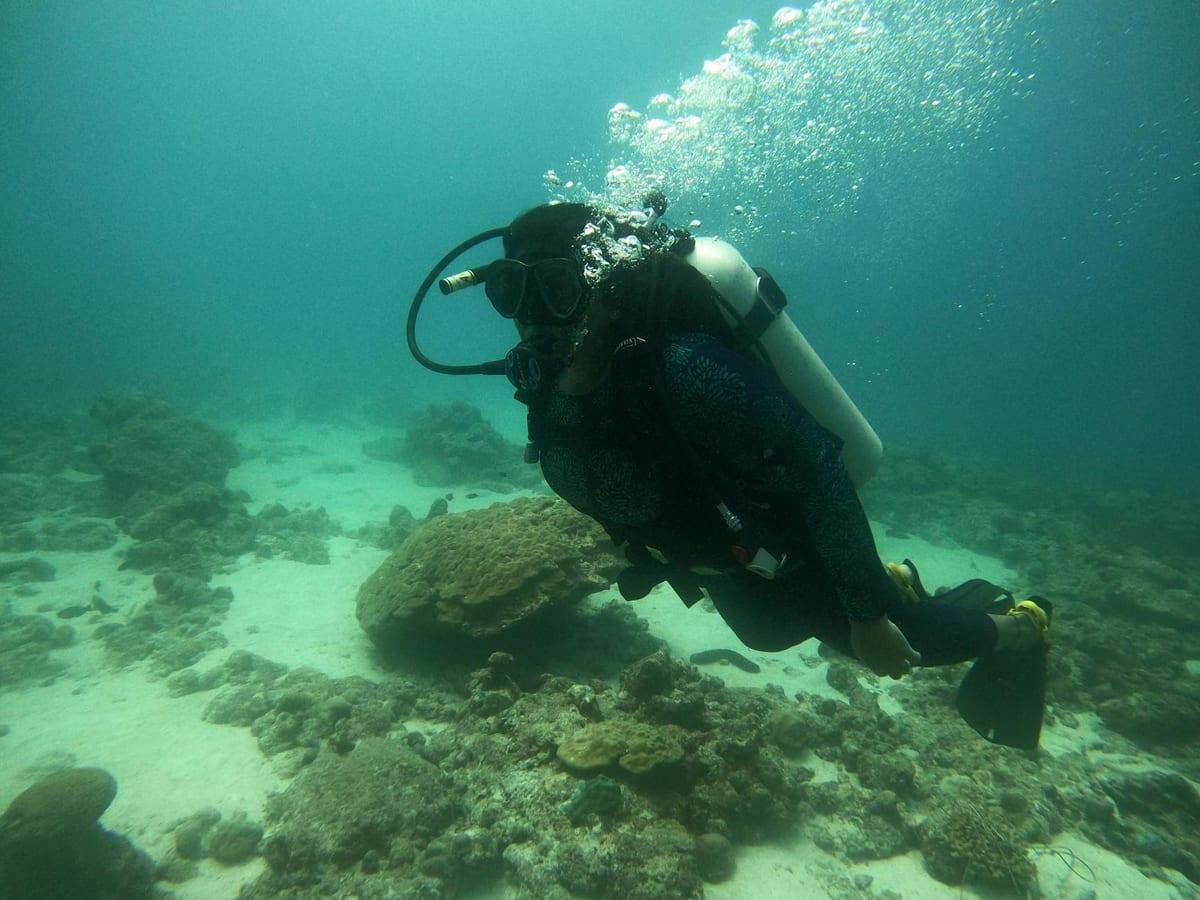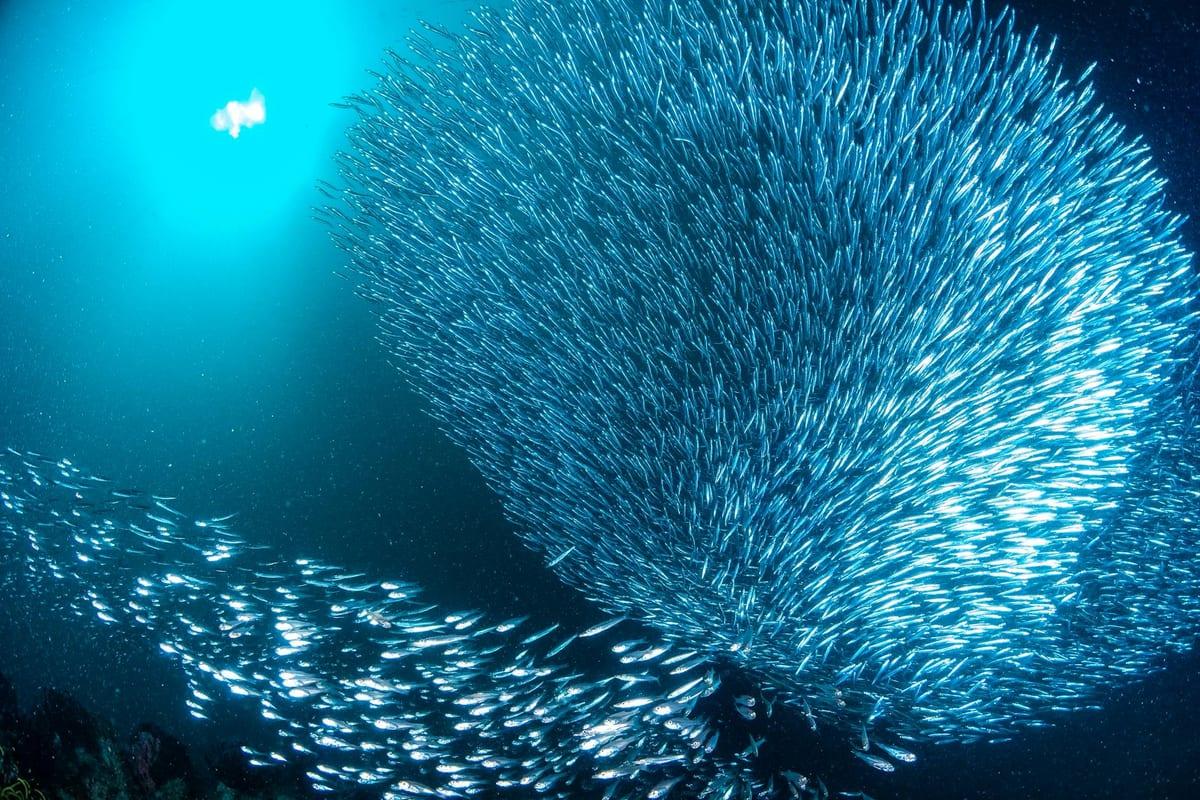
When cuttlefish mate, the post-coital male will stand guard near the female to prevent any other males from getting to her. A smaller male that couldn't win a fight will sometimes disguise himself as a female so he can slip past and mate with the female, whose tentacles get all aflutter with his trickery. If you scuba dive, you could witness this tentacled transvestism for yourself! Or just look for some doubloons, whatever.
Diving underwater has been around for a long time. Even back in the 1500s people were heading underwater using diving bells. Imagine pushing a huge bell-shaped object straight down into the water, so a pocket of air remains, from which you can look for treasure or spend a relaxing, damp afternoon. In the 1930's, goggles and fins were invented, and the world's first underwater diving club was founded. It turned out to be much easier to retain members when you no longer had to tell them to bring their own enormous bell thing. Finally, in the 1940s, Jacques Cousteau and his partner Emile Gagnan repurposed a car regulator so that people could breathe normally underwater from compressed air cylinders. The 71% of our Earth that is actually covered with water was now accessible to the average human being. However, despite great leaps forward in the decades since, a realistic shark suit for pranking purposes has not yet been invented.
The sport took off over the following decades, thanks in large part to Cousteau's documentaries. So much so that people started to get hurt, prompting a few training organisations to spring up to keep things in order. Most notably, the National Association of Underwater Instructors (PADI). Another early organization, JTTI – Just Throw Them In – never quite gained traction.
Getting Started
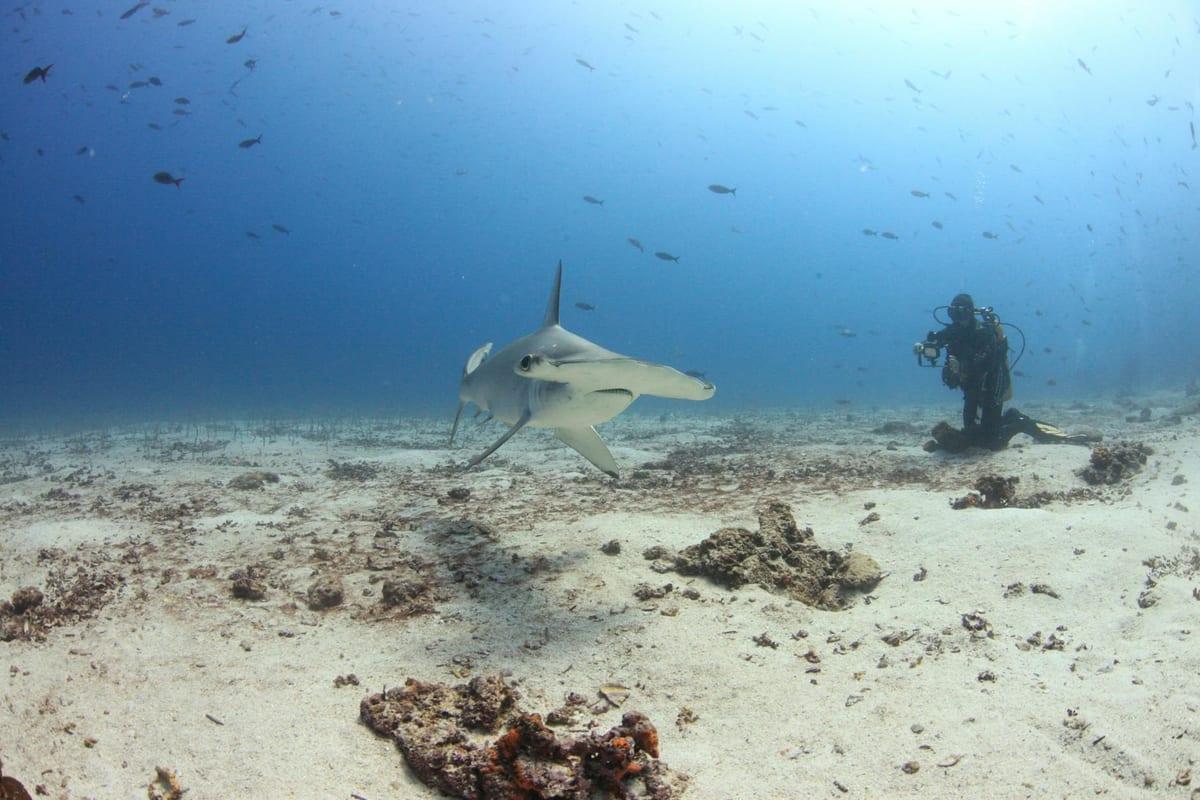
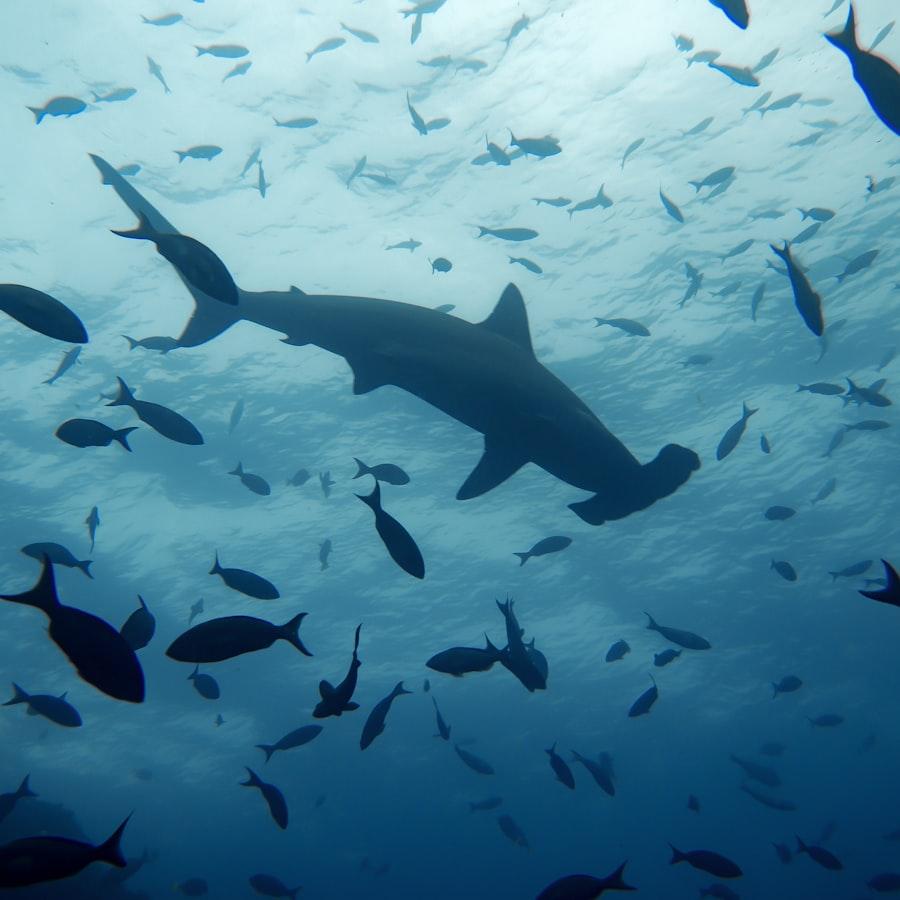
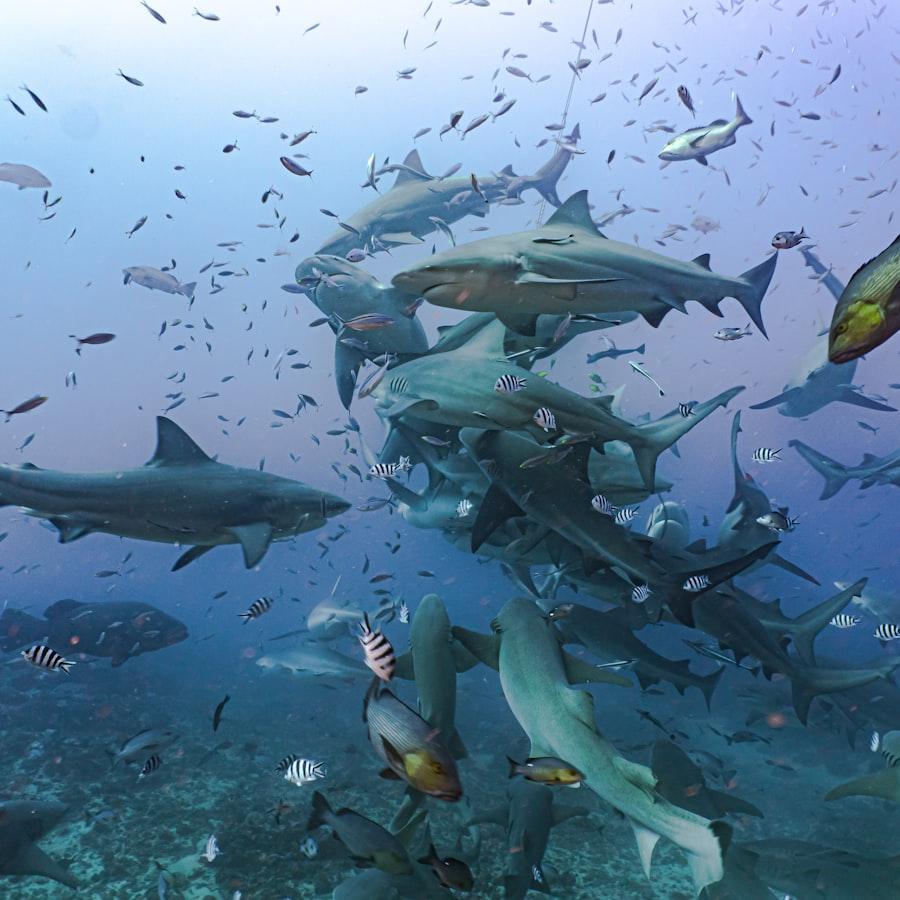
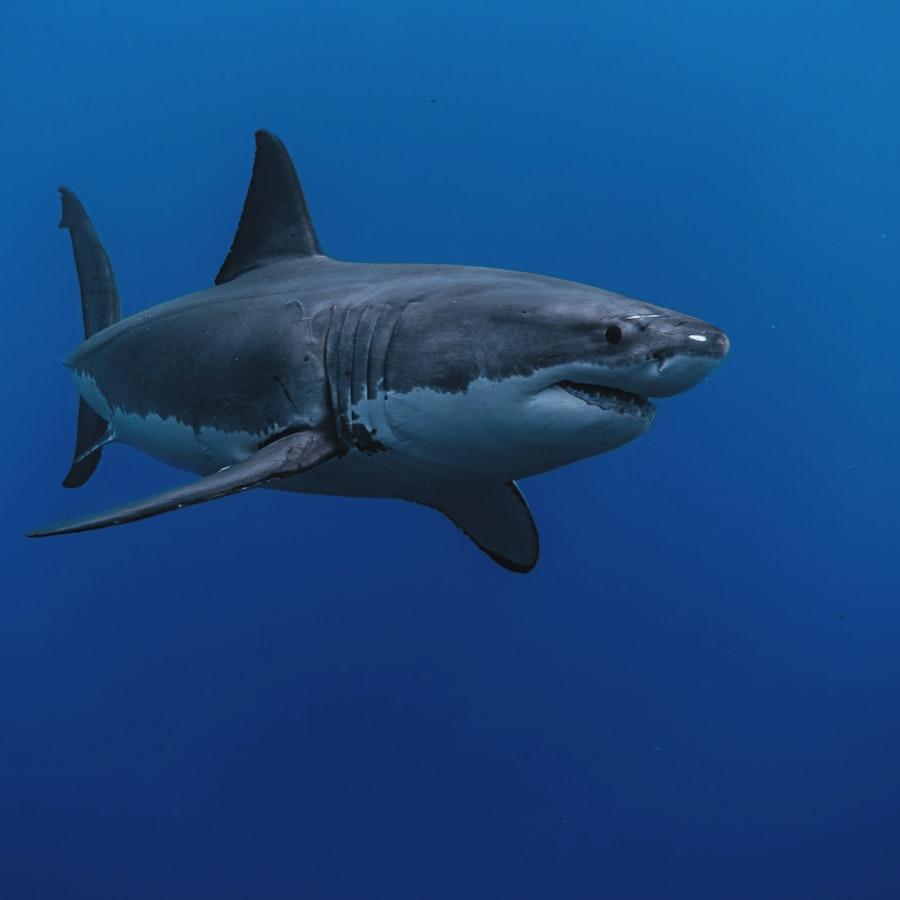
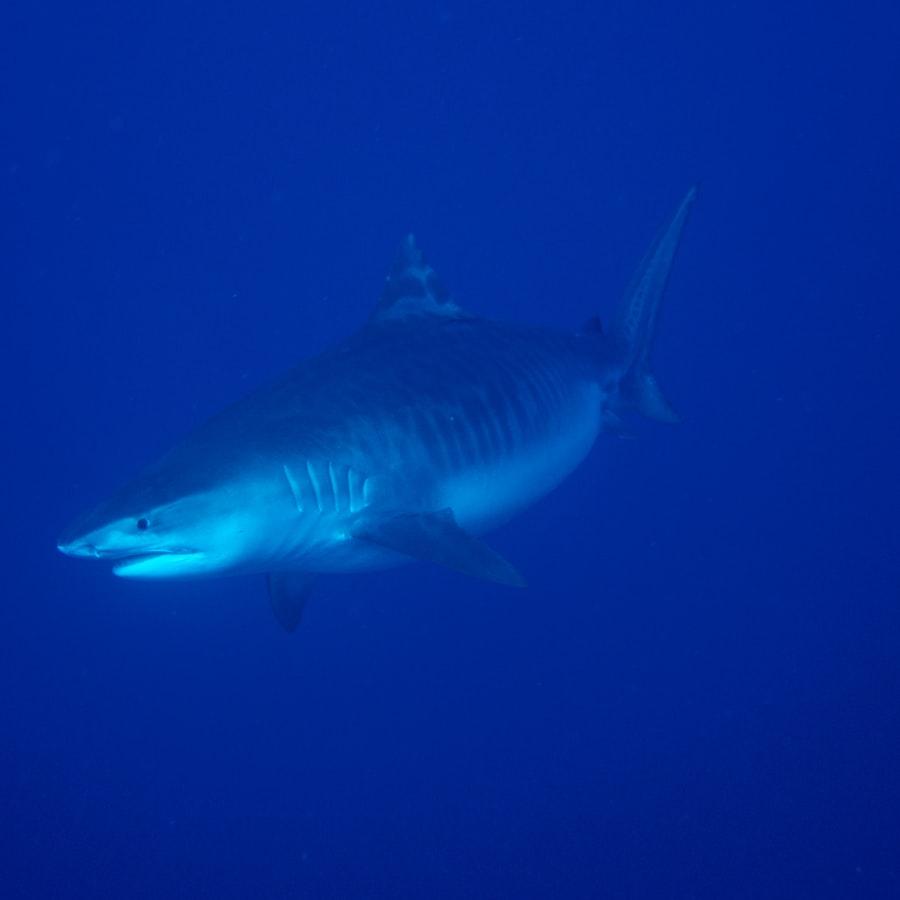
If you're somewhere near a suitable bit of ocean, then odds are you can't throw a rock without hitting a dive shop or two. So do some research and see which ones are highly rated on Yelp or TripAdvisor, and then go in and have a chat with the staff to make a plan. Most dive instructors are incredibly personable and friendly, it's just one of the side effects of getting paid to do what you love. So don't be afraid to ask any stupid questions you can think of if it helps you feel more comfortable, they've heard them all before. And to answer your first two: Yes (there are sharks out there), and no (they won't attack you.)
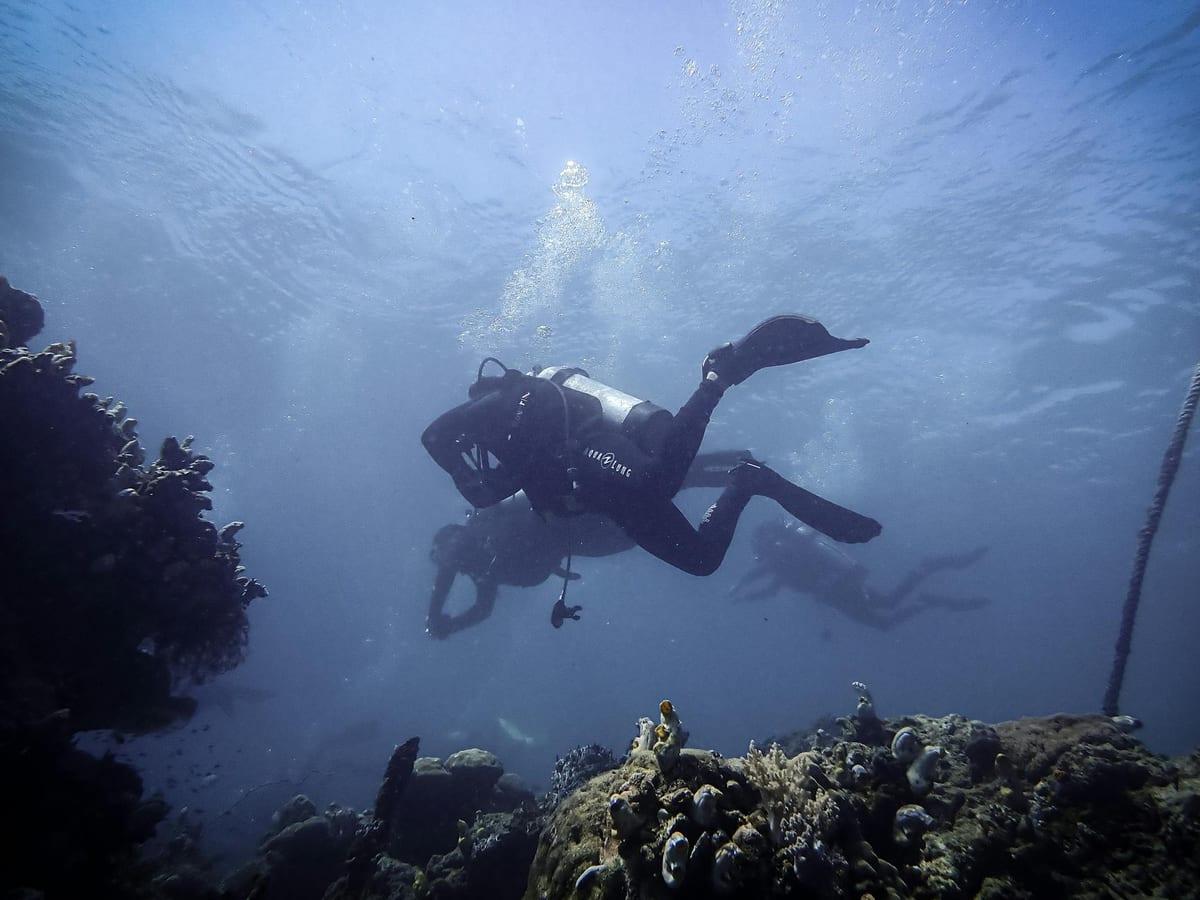
Getting your Open Water Certification for scuba diving can take as little as 2-4 days if you have nothing else to do, and you prove competent throughout. This consists of three parts: coursework covering theory and equipment, confined water dives to practice skills, and finally open water dives, where you can play with the fishes. But don't actually try to play with them, unless you're narced. Then have a party. Once you're certified, you are allowed to go down to two atmospheres (20m/60'), and you're certified for life. Although, if it's been some time since your last dive, we recommend that you take a refresher course before you gear up again.
Gear Overview
Mask: Proper fit is everything. When you try on a mask, attempt to inhale through your nose. If you're able to get any air whatsoever, move on to another mask. Nothing will ruin a dive like a leaky mask that you have to constantly clear. Except for jellyfish stinging you in the face, of course.
Fins: Whether you have fins with booties or not, which is mostly a matter of preference and the type of diving you'll do, make sure they fit snug enough to stay firmly in place, but not too tight as to cut off circulation.
Snorkel: Not all divers carry one, but it's worth having. In between dives some dolphins might swim near your boat as you do your surface interval, and if you can't get in the water and breathe while you flop around on the surface looking at them, they might laugh at you in that smug, high pitched squeal that theyre so beloved for.
BCD: As long as your buoyancy control device fits you properly, selecting one is usually a matter of aesthetics and functional desire. Whether it has integrated weights or a secondary reg are choices you'll be in a better position to make when the time comes to buy one. The most important thing is to be familiar with exactly where everything is, should you ever need to use a feature or accessory in an emergency. (Shop BCDs)
Wetsuit: Thickness will depend on where you're planning on diving, but make sure your suit fits you well. Fighting yourself into a snug wetsuit might be miserable on the surface, but it's worthwhile if it keeps you warm at depth. If it's hot outside, wait as long as you can to put it on, otherwise you'll cook. A useful trick is to put a light plastic bag over your hands and feet as you slide into your suit. The lack of friction will make the process MUCH easier. However, fighting on a wetsuit is one of those scuba diving rights of passage. Finally getting your wetsuit on gives you the opportunity for the next right of passage, the ability to relieve yourself in it mid-dive (Shop Wetsuits)
Computer: These days computers are synonymous with diving and are starting to be taken for granted as an absolute necessity on every dive, for all levels of diver. Whether you get a watch style unit or one that attaches to your instrument cluster, make sure you familiarize yourself with how it works. But rule #1 is if it beeps while you're ascending, you've made it angry, and you should slow down! Also, before purchasing one, check to make sure it works with nitrox, which is becoming more and more common. If you don't yet want to invest in an expensive computer, don't worry, dive shops are happy to rent one to you for a nominal fee (Shop Computers)
Further Training
Advanced Open Water Diver is appealing because it lets you dive deeper (to 30m/100) AND gives you a deeper understanding of your new hobby. Even though it might not sound appealing to study the chemistry and physiology of, well... anything, it's worth the effort and your newfound knowledge will serve you well underwater. If you REALLY want to know your stuff, then consider becoming a Rescue Diver as well. During your Rescue Diver training, you will be given the knowledge and skills to potentially save someones life one day. And we all know that the only thing cooler than frolicking with the fishes, is having somebody *literally* owe you their life.